
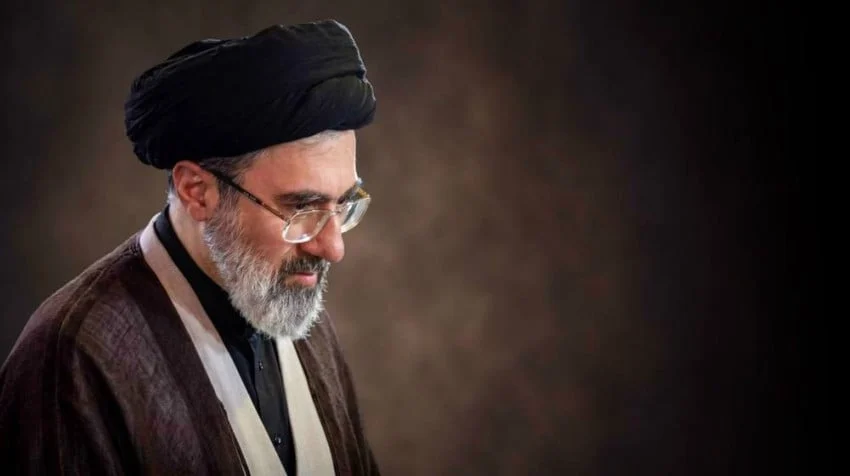
In a significant policy address delivered during the commemoration of the martyrdom of Sayyidah Fatimah Zahra, Ayatollah Mojtaba Khamenei, a prominent figure in the Iranian political and religious landscape, articulated a transformative vision for the Islamic Republic. The address, which served as a reception for Iran’s top-performing scientists and international sports medalists, functioned as a strategic manifesto aimed at transitioning Iran into a global superpower. By emphasizing the necessity of breaking existing scientific boundaries and shifting the global center of knowledge toward Tehran, the leadership is signaling a renewed commitment to domestic self-reliance and international influence through intellectual and cultural dominance.
The Strategic Vision for a Superpower Status
The roadmap presented by Ayatollah Khamenei is predicated on the belief that national strength is no longer defined solely by military might or geopolitical maneuvering, but by intellectual output and scientific sovereignty. The focus on scientific breakthroughs in fields ranging from artificial intelligence and quantum computing to aerospace and nanotechnology represents a calculated attempt to insulate the Iranian economy from external pressures while creating a high-value internal market.
By calling for the "shifting of the center of global knowledge toward Iran," the leadership is effectively challenging the Western-centric paradigm of academic and scientific progress. This ideological shift suggests that Iran intends to move beyond being a consumer of foreign technology to becoming a primary producer of global innovation. This objective aligns with long-term government initiatives, such as the 20-Year Vision Document and the Comprehensive Scientific Map of the Country, which have prioritized the transition to a knowledge-based economy since the early 2000s.
Chronology of Iran’s Scientific Advancement
Iran’s push toward scientific autonomy has been a decades-long process, punctuated by both international isolation and significant indigenous breakthroughs.
- 2000-2005: Initiation of the "Scientific Renaissance" phase, focusing on biotechnology and stem cell research.
- 2006-2010: Significant investment in nuclear science and nanotechnology, leading to the first domestically manufactured research reactors and breakthroughs in nanoparticle production.
- 2011-2015: Expansion of the aerospace program, marked by the successful launch of indigenous satellites and the development of ballistic delivery systems.
- 2016-2020: A pivot toward artificial intelligence and cybersecurity, aiming to digitize government infrastructure and enhance domestic defense capabilities.
- 2021-Present: Integration of scientific research into industrial and agricultural production to mitigate the effects of international sanctions and achieve economic resilience.
Defining the Elite: A Shift in Societal Values
A central theme in Mojtaba Khamenei’s address was the redefinition of "the elite." He cautioned against an elitism rooted in personal ego or intellectual isolation. Instead, he proposed a model of "engaged elitism," where a person’s status is determined by their contribution to the collective welfare of the nation.
"The true elite is not defined by innate talent or academic accolades, but by the practical application of that knowledge to solve the concrete problems facing our society," he noted. This philosophy emphasizes the functional utility of science. Under this framework, researchers in fields like hydrology, medicine, and energy infrastructure are elevated as the primary engines of national progress. This ideological framing is designed to align the goals of the scientific community with the broader state-building objectives of the Islamic Republic, ensuring that intellectual capital is directed toward national security and economic self-sufficiency.
Supporting Data: Iran’s Scientific Output
Iran’s investment in education and research has yielded measurable results, despite the significant headwinds posed by sanctions. According to data from the Scimago Journal & Country Rank, Iran has consistently ranked among the top 15 nations globally in terms of scientific output in fields such as engineering, chemistry, and materials science.
- Nanotechnology: Iran consistently ranks within the top 5 countries globally for the number of scientific papers published in the field of nanotechnology.
- Medical Research: Significant advancements in stem cell research and organ transplantation have made Iran a regional medical hub, attracting patients from across the Middle East.
- Human Capital: With a literacy rate exceeding 90% and a massive influx of students into STEM (Science, Technology, Engineering, and Mathematics) programs, the country boasts one of the highest concentrations of engineers in the region.
These figures underscore the potential for the "scientific hegemony" envisioned by the leadership. By harnessing this demographic dividend, the state aims to create a technological ecosystem that is not only self-sustaining but capable of exporting intellectual property to the global market.
The Role of Sports and Cultural Soft Power
The address also highlighted the intersection of sports and national identity. By celebrating the achievements of Iranian athletes on the international stage, the leadership is utilizing sports as a vehicle for soft power. The specific mention of female athletes—and the emphasis on their adherence to traditional values while competing—is a deliberate effort to frame Iran’s cultural identity as distinct from, yet competitive with, the global mainstream.
This cultural messaging serves a dual purpose: it fosters domestic social cohesion by linking individual athletic success to national honor, and it presents a curated image of the Iranian state to the outside world—a nation that is technologically advanced and culturally conservative, yet globally engaged.
Official Responses and Internal Implications
While the speech has been met with enthusiasm within conservative circles and academic institutions aligned with the state, it has also sparked discourse regarding the practical implementation of such a roadmap. Observers note that shifting the "center of global knowledge" requires not only government funding but also international academic cooperation, which remains difficult under the current sanctions regime.
However, the directive signals a clear policy intent to further prioritize "knowledge-based companies" (a cornerstone of the current economic policy) as the primary drivers of growth. By institutionalizing this roadmap, the leadership is signaling that future funding and policy support will be increasingly tethered to projects that demonstrate a direct link between scientific research and national strategic outcomes.
Broader Impact and Global Analysis
The implications of Iran’s quest to become a scientific superpower extend far beyond its borders. If successful, this move could significantly alter the regional balance of power. A nation that is self-reliant in energy, agriculture, and high-tech defense is less susceptible to economic coercion. Furthermore, by positioning itself as an alternative center of knowledge, Iran seeks to build deeper alliances with other nations in the Global South that are looking to decouple their technological infrastructure from Western dependency.
However, the success of this strategy hinges on the government’s ability to retain its brightest minds. "Brain drain" remains a significant challenge for the Iranian scientific establishment, as many top graduates pursue opportunities in Europe or North America. To realize the vision of an Iranian-led knowledge shift, the state must effectively address the economic and professional aspirations of its youth.
In conclusion, Mojtaba Khamenei’s recent remarks provide a window into the long-term strategic trajectory of the Iranian state. By framing scientific development as a fundamental pillar of national sovereignty and positioning elite contributors as the architects of a new order, the leadership is seeking to move the nation into a position of greater global prominence. Whether this "comprehensive roadmap" translates into a sustained scientific revolution will depend on the intersection of domestic policy, resource allocation, and the country’s ability to navigate the complex international landscape in the years ahead. The transition toward a knowledge-based superpower is now, more than ever, the stated objective of the state’s highest echelons, setting the stage for a period of intensified focus on industrial and academic self-reliance.
