Indonesia’s vibrant musical landscape is undeniably rich with a profound and deeply ingrained tradition of percussion. This percussive legacy, woven into the fabric of the archipelago’s diverse cultures, positions Indonesia as a potential global epicenter for the evolution of percussion music, extending its influence across Asia and beyond. However, this immense potential has, for too long, remained largely untapped and underdeveloped, a sentiment echoed by various stakeholders in the nation’s arts and culture sector.
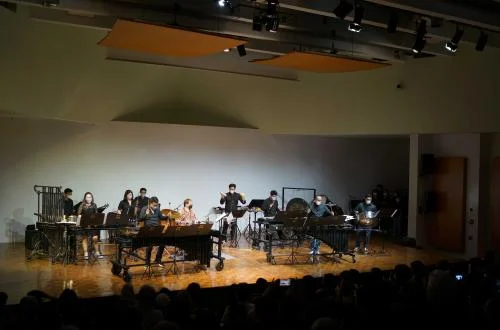
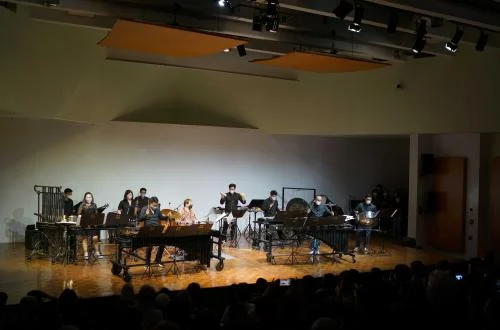
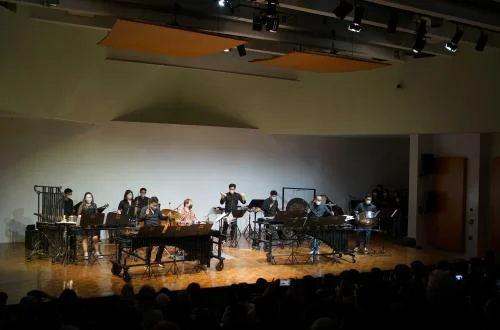
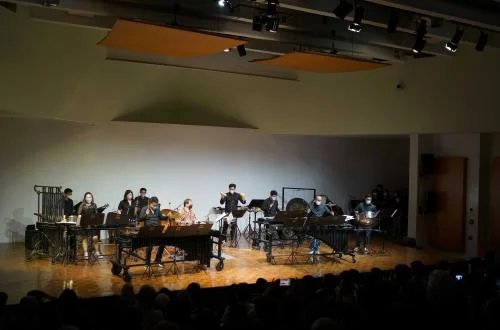
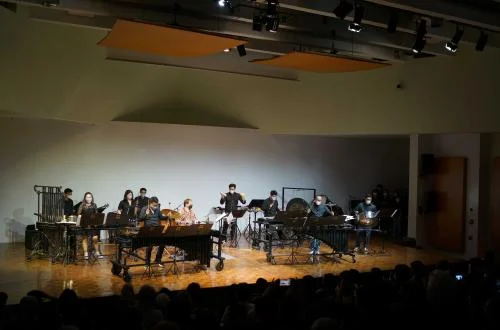
In a significant move to address this long-standing challenge, the Yayasan Musik Amadeus Indonesia (YMAI), or Amadeus Music Foundation of Indonesia, has launched a series of ambitious initiatives, culminating in the groundbreaking "Kenopsia" percussion concert. This event marks a pivotal moment in the foundation’s 30-year history, representing its first-ever full-scale percussion concert. The concert featured the Amadeus Percussion Ensemble (Ampere) and proudly hosted Austrian percussion virtuoso, Adi Schober, as a distinguished guest artist.
A Multifaceted Approach to Percussion Development
The "Kenopsia" concert was not an isolated event but rather the crowning achievement of a broader strategic effort by YMAI to foster and elevate percussion music in Indonesia. Prior to the concert, the foundation successfully organized the Indonesia Percussion Composition Competition (IPECC) and the Indonesia Percussion Meeting (IPM). These complementary events were designed to cultivate new talent, encourage compositional innovation, and facilitate dialogue and exchange within the percussion community.
The "Kenopsia" concert, held at the prestigious GoetheHaus in Jakarta over the past weekend, etched its name in Indonesian musical history by showcasing the world premieres of the winning compositions from the IPECC. This provided a vital platform for emerging Indonesian composers to have their original works performed by a professional ensemble, thereby contributing to the expansion of the contemporary percussion repertoire.
A Program of Diverse Rhythms and Global Influences
The concert’s program was a carefully curated journey through a spectrum of percussion styles, blending established works with exciting new creations. The first half commenced with James Swearingen’s "Novena," expertly arranged by I Nyoman Trieswra Minartha. This was followed by a showcase of the IPECC winners’ compositions, featuring "Dialektika, Dualitas, Kontradiksi" by Arya Pugala Kitti and Lucy Freia, "Restrained" by Andre, "March 16th" by Jeremia Saputra, and the titular "Kenopsia" by Regina Budiyanto Sutisno. These pieces demonstrated the innovative spirit and diverse perspectives of the next generation of Indonesian percussion composers.
The second half of the concert broadened the sonic palette further, presenting Murray Houllif’s energetic "Blue Samba," a captivating "Solo" piece by Adi Schober, and James Bocook’s thrilling arrangement of "The Music of James Bond," again skillfully adapted by I Nyoman Trieswara Minartha. The program continued with the vibrant "Mambo Africano" by Alice Gomez and Marily Rife, culminating in a powerful performance of David Mancini’s "Suite for Solo Drumset and Percussion Ensemble," with Adi Schober taking center stage as the distinguished soloist. This programming choice underscored a commitment to both traditional and contemporary percussion literature, as well as the integration of soloistic virtuosity within ensemble contexts.
The Legacy of Yayasan Musik Amadeus Indonesia
The Yayasan Musik Amadeus Indonesia, the driving force behind these initiatives, was founded in 1992 by Grace Soedargo. Under its umbrella, the Sekolah Musik Amadeus (SMA), or Amadeus Music School, was established with a clear mission to provide comprehensive music education to students of all ages, commencing as early as two years old. Over the past three decades, SMA has nurtured thousands of aspiring musicians, fostering a deep appreciation for classical music and developing a new generation of accomplished artists.
Currently, SMA boasts a student body of over 200 individuals engaged in learning a wide array of instruments, including piano, strings, woodwinds, and, significantly, percussion. With a dedicated faculty of 25 instructors, the school remains steadfast in its commitment to advancing classical music education in Indonesia. This is achieved not only through rigorous classroom instruction but also through active participation in various student orchestras and ensembles. Notably, SMA holds the distinction of being the only music school in Southeast Asia to be affiliated with the Johann Sebastian Bach Musikschule (JSBM) in Vienna, Austria, a partnership that facilitates cultural exchange and adherence to international pedagogical standards.
Inspiring a New Generation of Percussionists
Grace Soedargo, the visionary founder of YMAI and SMA, articulated the foundation’s overarching goals: "By organizing the IPECC, IPM, and the ‘Kenopsia’ concert, Amadeus aims to make a significant impact on percussion music in Indonesia." She expressed her fervent hope that these endeavors would serve as a powerful inspiration for Indonesian percussionists, igniting their passion and encouraging them to pursue excellence and develop their skills to a global standard. This sentiment reflects a strategic vision to elevate the status of percussion within the Indonesian musical landscape and to foster a competitive yet collaborative environment for its practitioners.
Spotlight on Adi Schober: A Master Percussionist
The presence of Adi Schober at the "Kenopsia" concert was a significant draw and a testament to YMAI’s commitment to international collaboration. Born in 1967 in Holabrunn, Austria, Schober began his musical journey at the tender age of five, demonstrating an early aptitude for percussion. His musical education was extensive and diverse, encompassing piano, organ, and trumpet in his formative years.
His formal percussion studies were undertaken at the prestigious Hochschule für Musik und darstellende Kunst Wien under the tutelage of Professor Horst Berger. Schober further honed his skills in drumset and percussion with Professor Fritz Ozmec, and delved into the intricacies of jazz percussion at the Konservatorium der Stadt Wien under Professor Walter Grassmann. His pedagogical expertise was shaped by Professor Kurt Prihoda, focusing on percussion pedagogy.
Schober’s illustrious career has seen him teach in various Austrian cities, establish the "Adi Schober Quintett," and perform as a percussionist in numerous orchestras and big bands. He has also served as the music director for several festivals across Austria, showcasing his versatility and leadership in the musical domain. Since 2009, he has been at the forefront of developing rhythm-based therapy for individuals with mental health conditions, collaborating with Dr. Kurt Sindermann and Dr. Barbara Schaffer. Schober also maintains a private recording studio where he produces his improvisational works, which are also utilized by entities such as "Internationale Ignaz J Pleyel Gesellschaft," "Gramola," and "Apollon," further cementing his standing in the international music scene.
The Genesis and Vision of Ampere
The Amadeus Percussion Ensemble (Ampere) was officially formed in August 2017, coinciding with the silver jubilee celebrations of both the Yayasan Musik Amadeus Indonesia and the Sekolah Musik Amadeus. This ensemble’s establishment was a direct outcome of the founding of the percussion department at the Sekolah Musik Amadeus in the same year. Under the leadership of Ryan Saputro as its head, Ampere was created with a clear and ambitious objective: to cultivate and produce world-class percussionists who can represent Indonesia on the international stage. The ensemble’s subsequent performance at "Kenopsia," alongside a renowned international artist, signifies the progress made towards this goal.
Broader Implications and Future Outlook
The "Kenopsia" concert and the accompanying IPECC and IPM represent more than just individual events; they signify a strategic and sustained commitment by YMAI to elevate the status and practice of percussion music in Indonesia. The successful staging of these events, particularly the premiere of new Indonesian compositions and the engagement with an international artist of Schober’s caliber, has several significant implications:
- Cultural Diplomacy: The event served as a powerful example of cultural diplomacy, showcasing Indonesian artistic talent and fostering international collaboration. The presence of Adi Schober not only provided invaluable learning opportunities for local musicians but also raised the international profile of Indonesian percussion.
- Talent Development: The IPECC has created a vital pipeline for new compositional talent, encouraging innovation and expanding the Indonesian percussion repertoire. This is crucial for the long-term growth and diversification of the genre within the country.
- Educational Enhancement: The partnership with JSBM and the focus on high-caliber performances at events like "Kenopsia" contribute to raising the overall standard of percussion education in Indonesia, aligning it with international benchmarks.
- Economic Impact: The growth of a vibrant percussion scene can also have economic implications, creating opportunities for professional musicians, educators, instrument makers, and event organizers.
Looking ahead, the momentum generated by YMAI’s initiatives suggests a promising future for percussion in Indonesia. Continued investment in education, performance platforms, and international exchange programs will be crucial in realizing the nation’s full potential as a global leader in percussion music. The "Kenopsia" concert, therefore, stands as a landmark achievement, a vibrant testament to Indonesia’s rich percussive heritage and a powerful catalyst for its future development. The enthusiasm and dedication displayed by the Amadeus Foundation and its partners are likely to inspire a new generation of musicians and solidify Indonesia’s position on the world’s musical map.