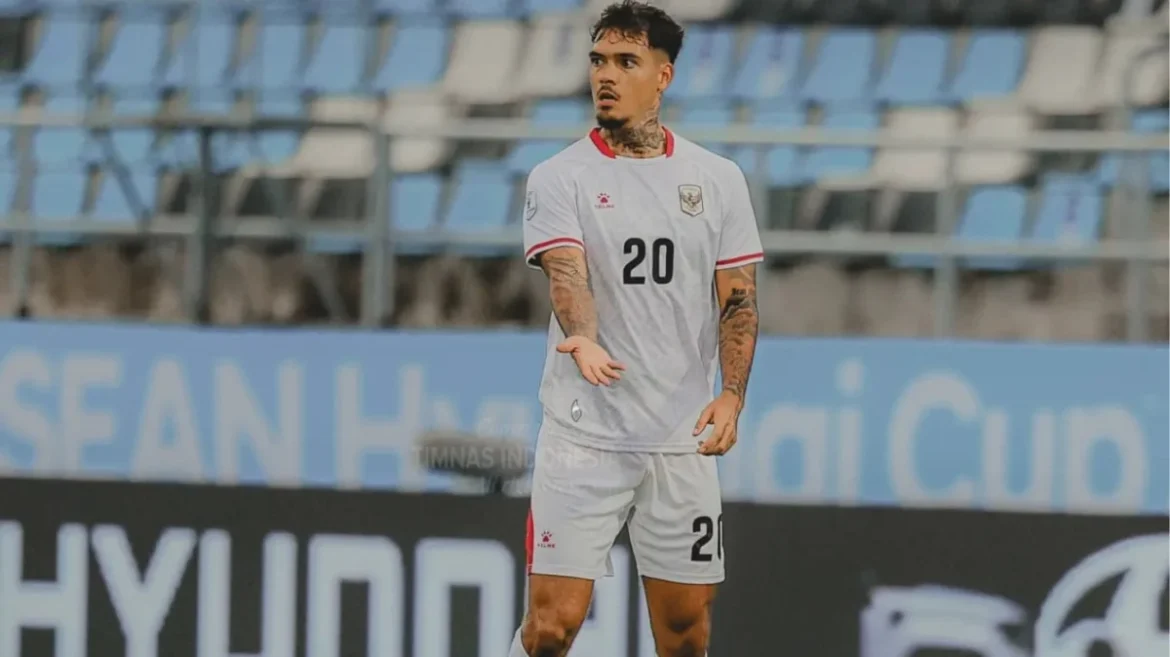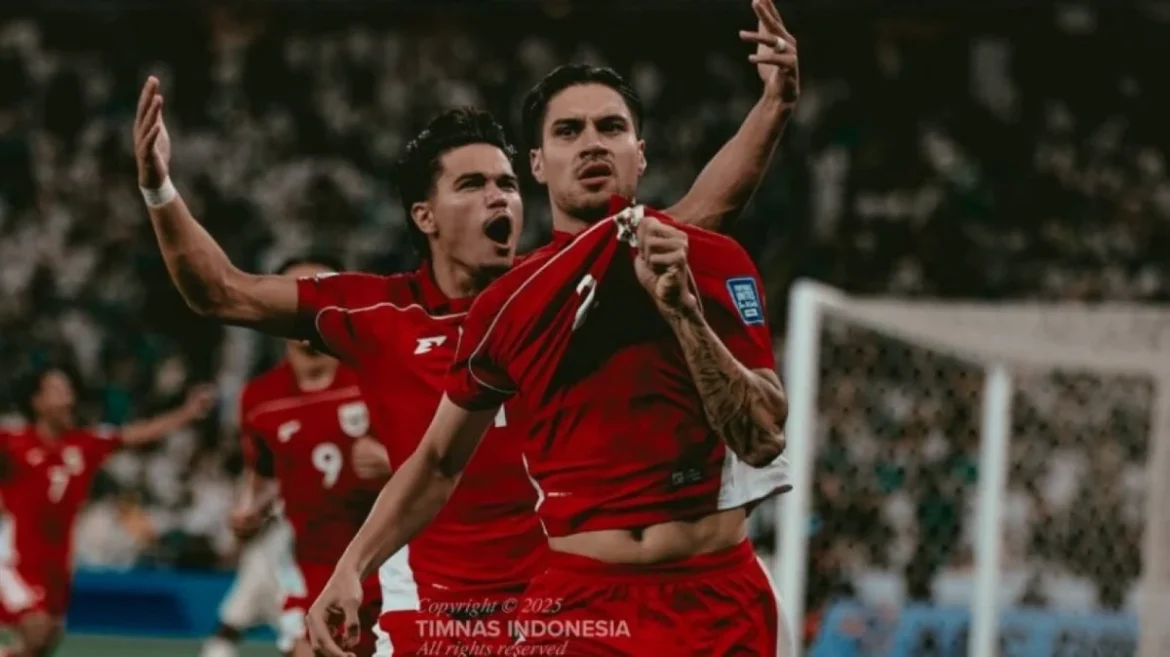
The landscape of Southeast Asian football has shifted dramatically over the past few cycles, bringing heightened levels of competition, professionalization, and global tactical philosophies to regional tournaments. Within the Indonesian national team setup, this evolution is matched by a continuous reassessment of leadership, squad depth, and resilience. Ahead of the highly anticipated 2026 FIFA ASEAN Cup, head coach John Herdman has officially named Borussia Mönchengladbach defender Kevin Diks as the captain of the Garuda squad.
The announcement, made public following an intensive training session at the Madya Stadium in Jakarta on Tuesday, September 22, 2026, marks a significant transitional moment for the national team. Diks steps into the leadership role to fill the void left by regular captain Jay Idzes. Idzes, a pillar of the Indonesian defensive line, was unfortunately sidelined due to a left rectus femoris muscle injury sustained while on club duty with Sassuolo during a high-stakes Serie A fixture against Juventus.
With Indonesia’s tournament opener rapidly approaching—scheduled against traditional rivals Singapore at the Gelora Bung Karno Main Stadium (SUGBK) in Jakarta on Friday, September 25, 2026—the appointment of Diks introduces a blend of European top-flight experience and seasoned leadership to guide the squad through a demanding regional campaign.
Chronology of Leadership Transition and Squad Preparations
The path toward the 2026 FIFA ASEAN Cup has required careful tactical and administrative planning by the technical staff led by John Herdman. The leadership hierarchy within the Garuda squad has experienced several iterations throughout the international windows of 2026, driven by injuries, tactical experiments, and the rigorous demands of competing on multiple fronts.
Earlier in June 2026, during international friendly fixtures against Oman and Mozambik, domestic standout Rizky Ridho wore the captain’s armband, showcasing the coaching staff’s confidence in local talents. However, for a tournament of the magnitude and official standing of the FIFA ASEAN Cup, Herdman opted for a player possessing extensive experience in high-pressure European environments.
Following the conclusion of the domestic and European club weekends, the Indonesian contingent gathered in Jakarta for their official training camp. On Tuesday, September 22, 2026, Herdman led the squad through its inaugural full training session at the Madya Stadium. It was at the conclusion of this session that the squad was formally briefed on the leadership change.
Reflecting on the swift transition, Kevin Diks addressed the media, expressing both the honor of the role and the gravity of replacing a respected teammate like Jay Idzes.
"Ya, itu merupakan kehormatan besar bagi saya. Menurut saya, sebelumnya saya juga sudah banyak membantu tim dan jika Jay tidak berada di sini, saya berusaha untuk membantu lebih banyak lagi," stated Diks, translating to his deep sense of responsibility to step up in a time of need. "Kami kehilangan Jay, tetapi tentu saja dia tidak berada di sini, jadi kami harus mengambil peran lebih besar. Sekarang saya dipilih sebagai kapten, jadi itu merupakan kehormatan besar bagi saya. Saya juga merasa bisa membantu tim pada masa mendatang."
Background Context: Kevin Diks’ Proven Leadership Pedigree
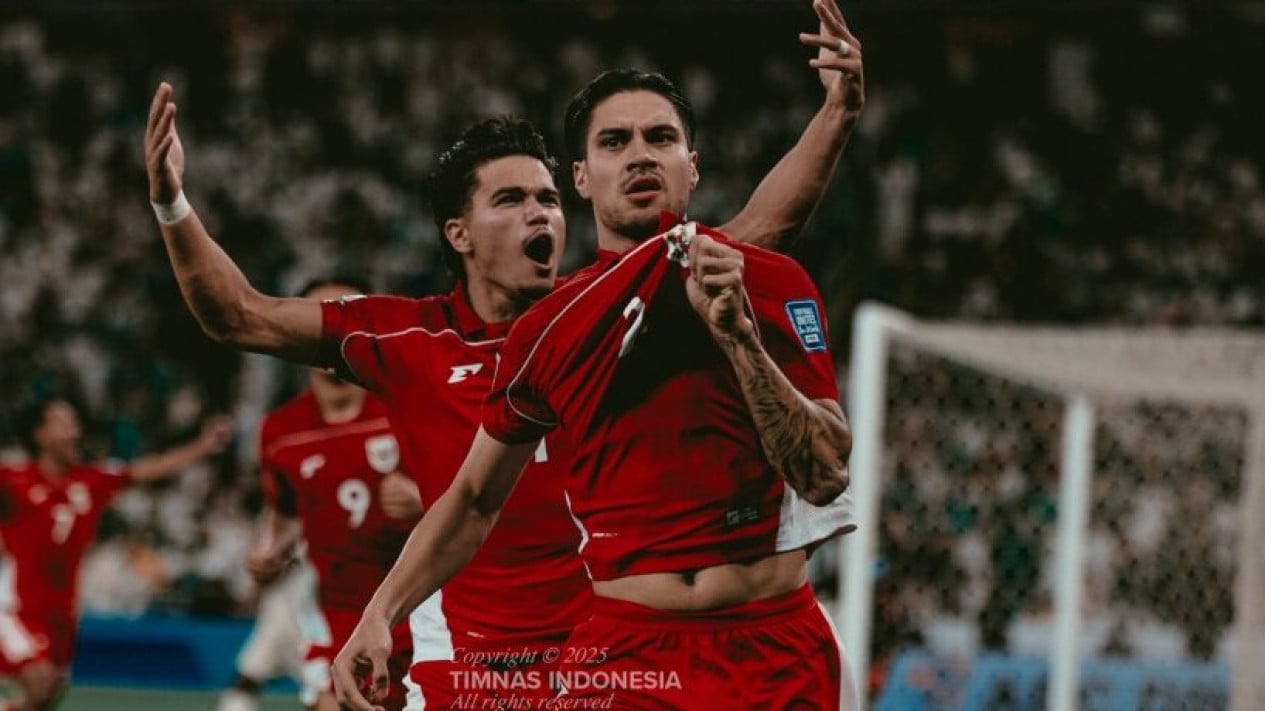
While wearing the armband for the Indonesian national team is a relatively new chapter in Diks’ international career, leadership is hardly a foreign concept for the 29-year-old defender. Before making his high-profile moves within European club football, Diks built an extensive reputation as a dependable leader during his tenure with Danish powerhouse FC Copenhagen.
From 2021 through 2025, Diks served as one of the definitive leaders within the Copenhagen squad. During those four years, he not only anchored the defensive line in domestic Superliga matches but also captained the side through intense European campaigns, including the UEFA Champions League. This extensive exposure to elite-level competition, tactical discipline, and locker-room management provided him with the mental fortitude required to steady a national team during a major tournament.
Having completed his transfer to Bundesliga club Borussia Mönchengladbach, Diks has continued to test himself at the highest levels of European football. This pedigree was a decisive factor for John Herdman, who recognizes the necessity of having an authoritative figure on the pitch who can communicate effectively with referees, organize defensive structures, and mentor younger or less experienced squad members during high-pressure tournament matches.
The Impact of Jay Idzes’ Injury and Tactical Adjustments
The absence of Jay Idzes undeniably presents a tactical and psychological challenge for the Indonesian national team. Idzes has established himself as an indispensable cornerstone of the Garuda defense, earning widespread praise for his positional awareness, composure under pressure, and leadership qualities.
The injury—sustained during Sassuolo’s fierce encounter with Italian giants Juventus—ruled the defender out of the immediate national team roster, forcing the technical staff to immediately rethink defensive partnerships and leadership dynamics. Muscle injuries of this nature require cautious rehabilitation, making his return date uncertain as Indonesia enters the group stage of the FIFA ASEAN Cup.
However, head coach John Herdman has consistently emphasized that modern international football demands deep squads capable of absorbing key injuries without losing tactical identity. Speaking ahead of the tournament, Herdman highlighted that the FIFA ASEAN Cup differs structurally and competitively from historical iterations of regional championships, placing unprecedented demands on squad rotation, physical conditioning, and tactical flexibility.
With Diks stepping into the captaincy and taking on the primary leadership duties on the pitch, the coaching staff hopes to maintain defensive stability. Diks’ familiarity with high-level tactical frameworks allows him to seamlessly transition into the organizational role previously managed by Idzes.
First Training Impressions and Squad Readiness

Despite the disruption caused by injuries, the mood within the Indonesian camp remains fiercely professional and focused. Following the arrival of overseas-based players and domestic standouts in Jakarta, the team has wasted no time in implementing Herdman’s tactical blueprints.
Kevin Diks provided a positive assessment of the team’s preparations after participating in the opening training session at the Madya Stadium. He noted that the intensity and focus of the squad were immediately evident, reflecting the players’ collective determination to perform well in front of home supporters.
"Ya, bagus. Kami langsung menjalani sesi latihan yang intens dan bagus, dan menurut saya latihan hari ini berjalan dengan baik," remarked Diks, underscoring the readiness of the group to execute the coach’s tactical instructions.
The coaching staff has focused heavily on quick transitions, defensive organization, and cohesive pressing structures during the brief buildup period. Given the compressed schedule of the FIFA ASEAN Cup, the ability of players to adapt rapidly to tactical instructions during training sessions will be vital to the team’s overall success.
Broader Implications for Indonesian Football and the FIFA ASEAN Cup Campaign
The appointment of Kevin Diks as captain carries symbolic and strategic implications for the broader trajectory of Indonesian football. As the national team continues to integrate dual-national and diaspora players who compete at high levels across European leagues, the blending of domestic talents and European-based professionals requires strong, unifying figures within the leadership group.
Diks represents a generation of players who bring elite professional standards, tactical maturity, and international experience to the Garuda setup. His ability to command respect both through his performances on the pitch and his communicative leadership style bridges any potential gaps within a diverse squad.
Furthermore, the 2026 FIFA ASEAN Cup serves as a critical milestone for Indonesian football under John Herdman. Unlike previous regional tournaments, the modernized structure of the FIFA ASEAN Cup places it firmly within the broader international calendar, demanding strategic roster management, careful injury prevention, and tactical innovation.
As Indonesia prepares to kick off its campaign against Singapore at the iconic Gelora Bung Karno Main Stadium on Friday, September 25, 2026, all eyes will be on how the team handles the pressure of high expectations. With a capacity crowd expected to fill the stands in Jakarta, the leadership of Kevin Diks will be tested from the opening whistle.
While losing a player of Jay Idzes’ caliber is undeniably a setback, the transition of the captaincy to Diks ensures that the Garuda squad retains an authoritative voice on the pitch. Backed by a deep squad, intensive tactical preparations, and the unwavering support of millions of Indonesian fans, the national team enters the 2026 FIFA ASEAN Cup not only seeking regional glory, but also demonstrating the maturation and resilience of a footballing nation on the rise.