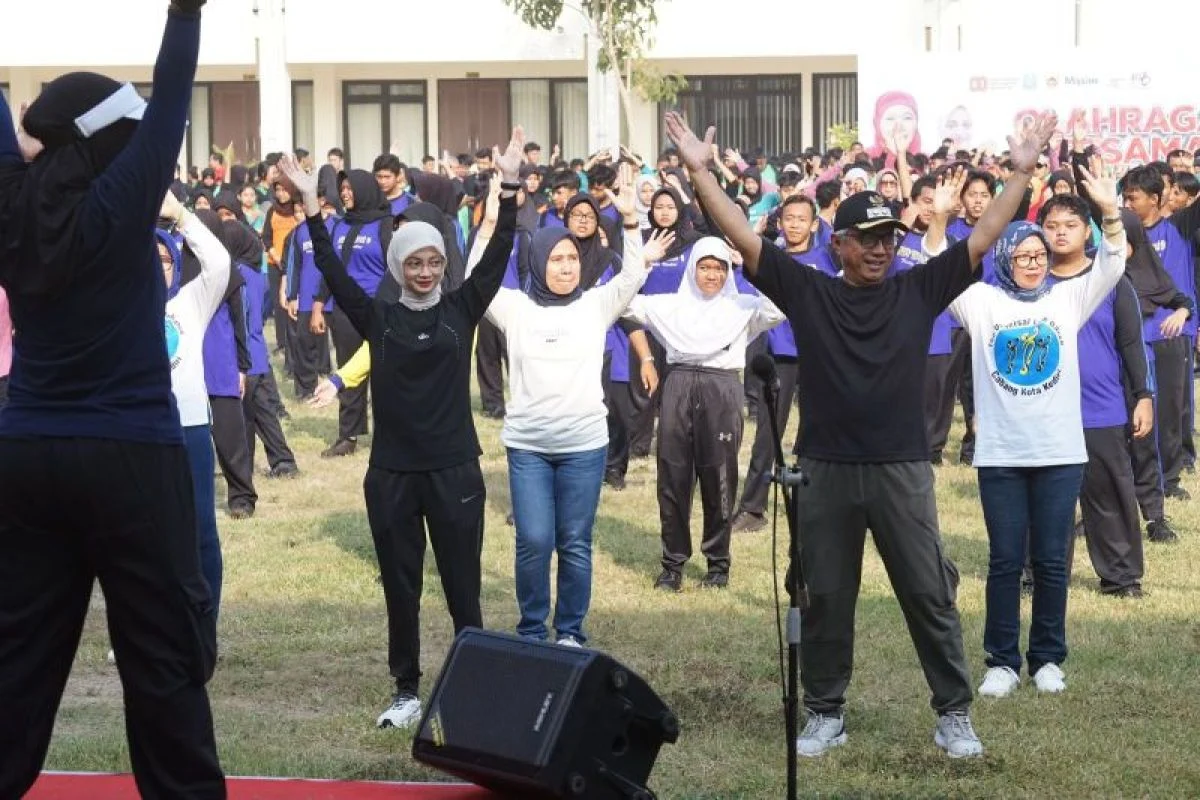
September 9 marks a pivotal date in the Indonesian national calendar, serving as the annual commemoration of Hari Olahraga Nasional (National Sports Day). Far from being a mere symbolic date on the calendar, this day represents the convergence of political sovereignty, the pursuit of international recognition, and the ongoing endeavor to foster a healthier, more disciplined society. As Indonesia celebrates its 43rd official Haornas in 2026, the occasion serves as both a reflection on the country’s arduous path toward sporting excellence and a forward-looking mandate to integrate physical activity into the daily lives of its citizens.
The Genesis of a Movement: The First PON
The roots of the National Sports Day are inextricably linked to the first Pekan Olahraga Nasional (PON), held in Solo, Central Java, from September 9 to September 12, 1948. To understand the significance of this event, one must view it through the lens of post-independence instability. In the late 1940s, the newly proclaimed Republic of Indonesia was struggling to assert its existence on the global stage. Diplomatic recognition was scarce, and the nation was navigating the complexities of post-colonial governance while facing persistent security threats.
The decision to organize a national-scale sporting event was a strategic political move. In 1948, the Indonesian government aspired to participate in the XIV Olympic Games in London. However, the international community was hesitant to recognize Indonesia’s sovereign status, leading to administrative hurdles that effectively barred the Indonesian contingent from entering the Olympic arena. Rather than accepting this exclusion, Indonesian leaders chose to showcase their national identity internally. By staging the first PON in Solo, the nation demonstrated that it possessed the organizational capacity, the athletic talent, and the social cohesion of an independent state. The opening date of this inaugural event—September 9—was later immortalized as the foundation for the National Sports Day.
Institutionalization: From Solo to the Presidential Decree
While the spirit of sportsmanship began in 1948, the formalization of the commemoration took several decades. The official establishment of Haornas occurred on September 9, 1983, when President Soeharto inaugurated the renovation of the historic Sriwedari Stadium in Surakarta. This event was not just a restoration of a sports facility; it was a policy signal intended to catalyze a national movement toward mass participation in sports.
Following this presidential initiative, the government codified the commemoration to ensure its longevity. This culminated in the issuance of Presidential Decree (Keppres) Number 67 of 1985. The decree officially designated September 9 as the permanent date for Hari Olahraga Nasional, providing a legal and administrative framework for the government to promote athletic development across all levels of society. Since then, the commemoration has evolved from a commemorative ceremony into a platform for national policy discourse regarding health, infrastructure, and elite performance.
Chronology of Indonesian Sporting Milestones
To comprehend the trajectory of Indonesian sports, it is essential to look at the timeline of major developments:
- 1948: The inaugural PON in Solo establishes the foundation for national sports identity.
- 1983: President Soeharto officially inaugurates the first National Sports Day at Sriwedari Stadium.
- 1985: Presidential Decree No. 67 is signed, formalizing September 9 as a national day.
- 2000s–Present: A shift in focus occurs, moving from purely elite competitive sports to the concept of "Sport Tourism" and "Sport for All."
- 2026: Indonesia marks the 43rd anniversary of the official declaration, emphasizing the economic and health benefits of a sports-oriented culture.
The Broader Implications: Health, Economy, and Character
The Ministry of Youth and Sports (Kemenpora) has consistently emphasized that Haornas serves a dual purpose. Beyond the celebration of historical milestones, it functions as a societal catalyst. Modern interpretations of Haornas suggest that the objective is no longer limited to winning medals at the Olympics or Asian Games; rather, it is about the "democratization of physical activity."
Data from the Ministry indicates that a sedentary lifestyle remains a significant public health challenge in urban Indonesia. By promoting Haornas, the government aims to lower the prevalence of non-communicable diseases—such as diabetes, hypertension, and cardiovascular issues—which are increasingly associated with lack of exercise. Furthermore, there is a recognized economic dimension. The rise of "sport tourism"—where sporting events act as magnets for local and international visitors—has been identified as a key growth area. Events like the upcoming beach-based PON in Ancol demonstrate how sports infrastructure can stimulate local hospitality, transportation, and retail sectors.
Financial and Infrastructural Challenges
The ambition to turn Indonesia into a sporting powerhouse requires significant capital investment. Recent reports from the Ministry of Youth and Sports highlight a request for Rp1.5 trillion to develop a comprehensive national academy and training center. This investment is seen as critical for talent scouting and long-term athlete development, moving away from the "adhoc" approach that has characterized some past programs.
The debate surrounding this funding highlights a tension within national policy: balancing the immediate need for grassroots public health initiatives with the long-term investment required to compete at the highest global levels. Analysts argue that the success of these initiatives will depend on the integration of private sector partnerships with government funding, ensuring that the "Sport for All" mandate is not neglected in favor of elite performance alone.
Societal Impact and The Role of the Citizenry
The success of Hari Olahraga Nasional in 2026 and beyond rests on the shoulders of the public. The government’s messaging encourages a transition from "spectator culture" to "participant culture." This involves:
- Routine Physical Activity: Encouraging local communities to organize recurring weekend sports activities.
- Educational Integration: Strengthening physical education curricula in schools to build character, discipline, and teamwork.
- Support for Local Athletes: Fostering a culture where local talent is supported, providing a pipeline for future national representation.
- Environmental Awareness: Aligning sports events with sustainable practices, particularly in the context of the growing sport tourism industry in regions like Sumba Timur.
The implications of these actions are profound. By building a society that values the discipline of training and the fairness of competition, Indonesia aims to cultivate a generation that is not only physically resilient but also mentally equipped to face the challenges of the 21st century.
Analysis: Toward a Sustainable Sporting Future
The evolution of Haornas reflects the broader evolution of the Indonesian state. In 1948, sports were a means of political survival and national pride in the face of colonial resistance. Today, sports are a multifaceted tool for human capital development and economic expansion. The 43rd anniversary of Haornas in 2026 serves as a timely reminder that the infrastructure of sports—both physical stadiums and the intangible spirit of the athlete—must be nurtured to serve the needs of a modern, prosperous nation.
The government’s ongoing efforts to decentralize sports, as seen in the proposal to make Sumba Timur a hub for sport tourism, indicate a shift toward utilizing sports as a tool for regional development. This strategy effectively links the legacy of the 1948 PON, which unified the nation through movement, with the modern imperative of inclusive economic growth.
As the nation reflects on this day, the consensus among policymakers and sports experts is clear: the true success of Hari Olahraga Nasional will not be measured by the fanfare of the annual September 9 events, but by the tangible increase in the health index of the population and the consistent performance of Indonesian athletes on the global stage. The journey that began in the heart of Solo nearly eight decades ago continues to define the spirit of a nation that views movement as a fundamental component of its national identity.
In conclusion, as Indonesia moves further into the 2026 calendar year, the commemoration of Hari Olahraga Nasional remains a vital link to the country’s past and a necessary roadmap for its future. By synthesizing historical pride with modern public health and economic strategies, Indonesia seeks to ensure that the spirit of 1948 continues to inspire, challenge, and mobilize its citizens toward a more active and resilient future. The legacy of the pioneers of the first PON lives on in every Indonesian who chooses to make physical activity a part of their daily life, reinforcing the idea that sports are, and always will be, a cornerstone of the Indonesian national character.