Sunday, July 19, 2026, 14:40 WIB
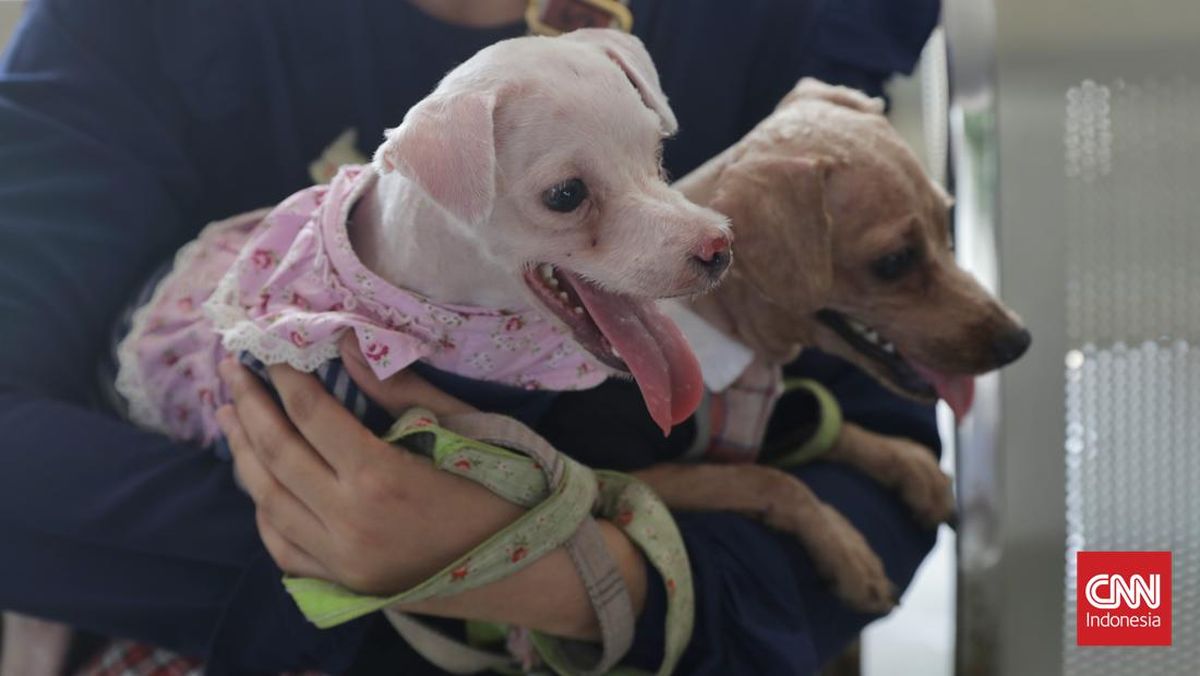
Jakarta, CNN Indonesia – For many dog owners, the health of their beloved companions is a paramount concern. While regular veterinary check-ups are crucial, a wealth of information about a dog’s well-being can often be found right at their feet – specifically, their paw pads. These often-overlooked extremities serve as a vital diagnostic tool, acting as the frontline indicator of a variety of health issues, from environmental allergies to underlying systemic problems.
According to a report by HuffPost, veterinary professionals frequently begin their examinations by assessing a dog’s paws. This is largely due to the constant contact these pads have with diverse surfaces, making them susceptible to and indicative of a wide range of ailments. Despite their significance, pet owners often neglect to give adequate attention to their dogs’ paw pads in their daily routines.
Dr. Tom Vega, a veterinarian with Concierge Companions Vet Med, emphasizes that healthy paw pads should possess a certain elasticity, feel smooth to the touch, and be entirely free from any visible injuries. Their coloration should naturally align with the dog’s overall pigment, manifesting in shades of black, pink, brown, or a combination thereof. "The paw pads should be sufficiently thick to provide adequate cushioning and protection, without appearing swollen or disproportionately large," Dr. Vega stated.
The health of a dog’s nails is equally important. Dr. Kathryn Dench of Paw Origins highlights that healthy nails should exhibit a smooth, robust texture and a generally flat shape. They should not present with any signs of cracking, brittleness, peeling, or grooving. Similar to the paw pads, nail color can vary from clear or white to brown or black, depending on the individual dog’s natural pigmentation. "The growth pattern should be relatively uniform across all the paws, although dewclaws may grow faster as they do not typically make contact with the ground," Dr. Dench added. A key indicator of overly long nails is the distinct clicking sound they make when a dog walks on hard surfaces.
Unveiling Health Clues from Canine Paw Pads
To better understand what a dog’s paws can reveal, a closer examination of specific indicators is warranted.
1. Nails: The Wear and Tear Tell a Story
Dr. Dench points out that uneven nail wear can be a significant red flag. "For instance, if one paw has nails that are considerably shorter or show signs of scraping, it could suggest that the dog is dragging its paw or altering its gait due to pain, weakness, arthritis, or other neurological issues," she explained. This deviation in gait can put undue stress on specific joints and muscles, potentially leading to further complications. The wear pattern on nails can also offer insights into the type of surfaces the dog frequently walks on, indicating potential issues with terrain or footwear if the dog is indeed wearing booties.
2. Fur and Skin Around the Paw Pads: A Delicate Ecosystem
The fur and skin surrounding the paw pads are equally crucial areas to inspect. Owners should pay close attention to the spaces between a dog’s toes, looking for any signs of redness, excessive moisture, matted fur, hair loss, oily skin, or the presence of sores. "Red patches, particularly noticeable on lighter-colored dogs, often signal that the dog is frequently licking or chewing at its paws," observed Dr. Dench. Excessive self-grooming of the paws can be a strong indicator of allergies (environmental or food-related), irritations from external factors, fungal infections, or bacterial infections. These conditions can cause discomfort and itchiness, leading the dog to seek relief through licking and chewing, which can, in turn, exacerbate the problem.
3. The Scent of Paw Pads: An Olfactory Clue
Even the scent of a dog’s paw pads can provide valuable diagnostic information. An unusual, musty odor emanating from between the toes can suggest inflammation of the skin’s layers, often a precursor to or symptom of an infection. This odor is typically caused by the proliferation of yeast or bacteria in the moist, warm environment of the interdigital spaces. Regular cleaning and drying of these areas can help mitigate such issues.
4. Paw Pad Temperature: A Thermometer for Inflammation
Temperature is another often-overlooked aspect of paw health. Paw pads that feel unusually warm to the touch can be a sign of inflammation, infection, an allergic reaction, or even direct exposure to hot surfaces, which can lead to burns. Conversely, paw pads that feel cold might indicate compromised circulation or other underlying health concerns. "Cold paw pads can sometimes reflect a decrease in circulation or other more serious underlying health issues," Dr. Vega cautioned. This could be related to cardiovascular problems or even frostbite in colder climates.
Prompt Veterinary Intervention: Recognizing Distress Signals
It is imperative for dog owners to seek immediate veterinary attention if their pet exhibits any of the following behaviors or symptoms: lameness (limping), vocalizing pain when a paw is lifted, or a sudden and uncharacteristic reluctance to walk or engage in physical activity. These are clear indications that the dog is experiencing significant discomfort or pain and requires professional medical evaluation. The underlying cause could range from a simple thorn in the pad to a fracture or a more complex systemic disease.
The prevalence of pet ownership has seen a significant global increase over the past decade, with millions of households worldwide welcoming dogs into their families. This trend, documented by organizations like the American Pet Products Association (APPA) and the European Pet Food Industry Federation (FEDIAF), underscores the growing importance of comprehensive pet healthcare. In 2023, for instance, the APPA reported that over 65 million U.S. households owned at least one dog, with annual spending on veterinary care and products reaching an estimated $136.9 billion. This widespread engagement with pet ownership necessitates a greater understanding of preventative care and early detection of health issues.
The veterinary community has been actively promoting more proactive pet care strategies. In recent years, there has been a noticeable shift towards encouraging owners to perform regular at-home health checks. This initiative is driven by the understanding that early detection of anomalies can significantly improve treatment outcomes and reduce long-term healthcare costs for pet owners. Veterinary organizations and animal welfare groups frequently disseminate educational materials through online platforms, veterinary clinics, and animal shelters, aiming to empower owners with the knowledge to identify potential health concerns.
The insights provided by paw pad examination are a cornerstone of this educational push. Veterinarians are increasingly incorporating paw pad assessments into their routine check-ups, not just for immediate injuries but as a diagnostic screen for a broader spectrum of health conditions. This holistic approach recognizes that a dog’s physical presentation, from its coat to its paws, offers a comprehensive narrative of its internal state.
The implications of neglecting paw health can be far-reaching. An untreated infection in a paw pad, for example, could potentially spread to the underlying bone tissue, leading to osteomyelitis, a serious and painful condition requiring aggressive treatment. Similarly, persistent licking and chewing due to allergies can lead to secondary bacterial or fungal infections, creating a cycle of discomfort and inflammation that is difficult to break. Neurological issues that manifest as altered gait can, if left unaddressed, lead to secondary orthopedic problems due to uneven weight distribution and compensatory movements.
Furthermore, the environmental factors that dogs encounter daily can directly impact their paws. Exposure to de-icing salts during winter months, hot asphalt in the summer, rough terrains, or even certain types of grass can cause irritation, dryness, cracking, or chemical burns. Understanding these external influences is crucial for preventative care. Recommendations often include wiping down paws after walks, using paw balms or protective booties in extreme conditions, and ensuring regular nail trimming to prevent overgrowth and abnormal wear patterns.
The psychological well-being of a dog is also intrinsically linked to its physical comfort. Pain or discomfort in the paws can lead to behavioral changes, including increased anxiety, irritability, lethargy, and a decrease in playful interactions. This emotional toll can significantly impact the human-animal bond, making it even more vital for owners to be attuned to the subtle signs of distress that their dogs may exhibit.
In conclusion, the humble paw pad of a dog is far more than just a point of contact with the ground. It is a sensitive barometer of their overall health, a silent communicator of their comfort, and a critical component of their physical well-being. By dedicating a few moments each day to observe and gently examine their dog’s paws, owners can proactively contribute to their pet’s health, ensuring a longer, happier, and more comfortable life for their cherished companions. Regular veterinary consultations remain indispensable, but an informed and attentive owner, equipped with the knowledge of what to look for in their dog’s paws, can be a powerful ally in safeguarding their pet’s health.
The author of this article, a contributing writer for CNN Indonesia, compiled this report based on information from HuffPost and expert insights from veterinarians Tom Vega and Kathryn Dench. The article aims to provide pet owners with practical guidance on monitoring their dogs’ health through a close examination of their paw pads. The data on pet ownership trends is sourced from industry associations like the APPA and FEDIAF.