
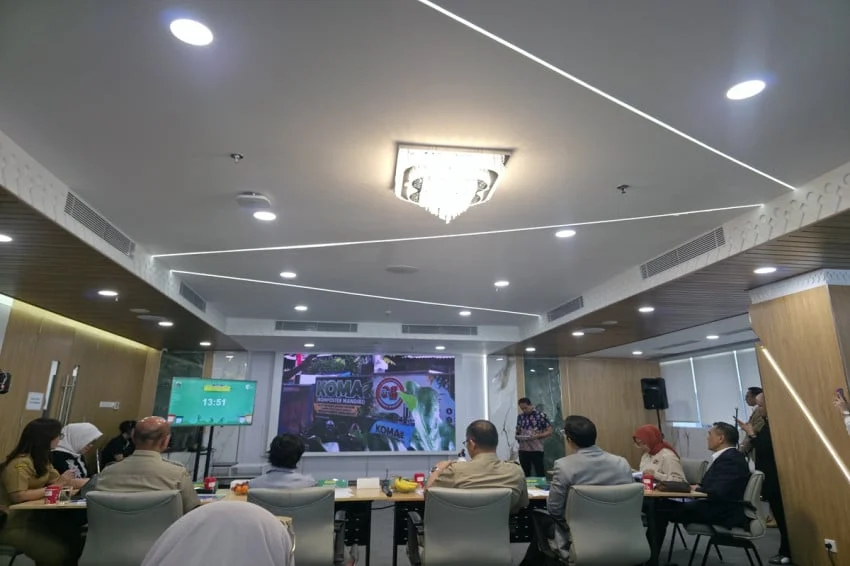
The perennial challenge of municipal solid waste management in Jakarta has long been characterized by a reliance on downstream solutions, primarily the transportation of waste to massive final disposal sites (TPA) such as Bantar Gebang. However, a transformative shift is currently gaining momentum at the most fundamental level of urban administration: the Rukun Tetangga (RT). The "Bang Jali" (Bareng Jaga Lingkungan) initiative, spearheaded by Iptu Imam Basori—the chairman of RT 11 RW 07 in Gandaria Utara, Kebayoran Baru—has emerged as a finalist in the prestigious Pilah Olah Sampah Heroes 2026 competition held at the DKI Jakarta City Hall, representing a paradigm shift in how urban communities perceive and handle their daily waste output.
The Philosophy of Decentralized Waste Management
For years, waste management strategies in metropolitan areas have struggled to keep pace with rapid urbanization and rising consumption rates. Official data suggests that Jakarta produces thousands of tons of waste daily, a significant portion of which is organic material that contributes to methane emissions in landfills. The Bang Jali initiative challenges the conventional belief that waste management is solely the responsibility of the municipal government. By fostering a culture of "source-segregation," Iptu Imam Basori, affectionately known as Ibas, has successfully turned residential households into the primary stage of the waste lifecycle.
The core philosophy of Bang Jali is rooted in the concept of community-based responsibility. Instead of viewing waste as an inevitable byproduct of life to be discarded, the initiative reframes it as a resource that, if handled correctly, can benefit the local ecosystem. This approach aligns with broader national efforts to promote a circular economy, where the lifespan of materials is extended through recycling, composting, and reduction.
The Three Pillars of Bang Jali: Technical Innovations
The success of the Bang Jali program is built upon three distinct pillars, each addressing a specific category of waste and behavioral engagement within the community:
- Komling (Kompos Keliling): This program tackles the most significant volume of residential waste: organic food scraps. Through a scheduled collection system, the community ensures that organic matter does not reach the general waste stream. By preventing organic waste from contaminating inorganic recyclables, the community significantly improves the efficiency of subsequent waste processing.
- Koma (Komposter Mandiri): This is the downstream component of Komling. Once collected, the organic waste is processed via independent composting units. The resulting compost serves as a vital nutrient source for urban farming and neighborhood greenery, effectively creating a closed-loop system that demonstrates tangible environmental benefits to the residents.
- Smart Geprek: Addressing the issue of inorganic waste, specifically plastics and metals, the Smart Geprek initiative utilizes a mechanical compaction system. By crushing bottles and cans, the program drastically reduces the physical volume of waste, making it easier to transport and increasing its value for recycling facilities. This technology-enabled approach highlights how even small-scale neighborhood efforts can adopt modern, effective tools to achieve sustainability goals.
A Chronology of Change
The journey toward the Pilah Olah Sampah Heroes 2026 finals was not an overnight success. It began as a localized effort to address the visual and hygienic degradation caused by overflowing neighborhood trash bins.
- Initial Phase (Foundational): The initiative started with awareness campaigns within RT 11. Residents were educated on the long-term impacts of unmanaged waste, specifically regarding water quality and public health.
- Operational Phase (Implementation): With the introduction of the Komling and Smart Geprek tools, the neighborhood moved from passive awareness to active participation. The structure was established where every household became an active contributor to the waste processing chain.
- Expansion Phase (Validation): By 2025, the impact was measurable. Reduction in waste volume destined for the landfill became statistically significant, leading to the program’s nomination for the city-wide Pilah Olah Sampah Heroes competition.
- Recognition Phase (The Finals): The presentation at the DKI Jakarta City Hall in 2026 serves as a platform to scale this model, showcasing how a single RT can serve as a blueprint for the entire city.
Supporting Data and Environmental Context
According to environmental analysts, household-level waste management is the "missing link" in urban climate strategy. When organic waste is diverted from landfills, the reduction in greenhouse gas emissions is immediate. Furthermore, the economic impact of such initiatives is noteworthy. By processing waste locally, communities reduce the costs associated with the logistics of hauling refuse to distant disposal sites.

In Jakarta, where land for landfills is becoming increasingly scarce, decentralized programs like Bang Jali offer a scalable alternative. If replicated across the city’s thousands of RT units, the aggregate reduction in waste volume would be enough to significantly extend the operational lifespan of existing disposal sites and mitigate the environmental burden on neighboring regions.
Institutional Response and Stakeholder Engagement
The recognition of Bang Jali by city officials underscores the importance of bottom-up initiatives in urban governance. Representatives from the environmental agencies have noted that the success of Jakarta’s waste management plans depends heavily on the participation of local community leaders like Iptu Imam Basori.
For Ibas, the recognition at the City Hall is not the ultimate goal; rather, it is a tool for advocacy. "The measure of our success is not found in the awards we receive, but in the number of other neighborhoods that adopt these practices," he stated during the competition proceedings. This sentiment resonates with the current administrative priority to encourage "heroic" actions at the local level—efforts that go beyond the mandate of a community leader to create lasting structural change.
Implications for Future Urban Policy
The Bang Jali model offers several key takeaways for urban policymakers:
- Scalability: The program demonstrates that waste management initiatives do not require massive capital investment; rather, they require consistent leadership and community organization.
- Technology Integration: The inclusion of Smart Geprek shows that even low-budget neighborhood programs can benefit from simple, effective technology to optimize waste handling.
- Social Capital: Perhaps most importantly, the program highlights the role of social trust. Residents are more likely to comply with waste segregation rules when they see their neighbors and community leaders actively participating in the process.
As Jakarta moves toward a more sustainable future, the lessons from RT 11 RW 07 serve as a critical reminder that the most complex urban problems often have the most effective solutions when managed at the grassroots level. By empowering individuals to take ownership of their environmental footprint, the Bang Jali movement is setting a new standard for urban living, proving that a cleaner, more sustainable city is possible—one household at a time.
Conclusion: The Road Ahead
The journey of the Bang Jali initiative is emblematic of a broader movement toward environmental accountability in Jakarta. As the competition for the Pilah Olah Sampah Heroes 2026 concludes, the legacy of Iptu Imam Basori’s work will likely persist in the form of increased awareness and a shift in policy focus. The emphasis on replicability suggests that the city government is likely to look toward such models as it drafts future urban sustainability strategies.
While the challenges of urban waste remain daunting, the Bang Jali project provides a beacon of optimism. It demonstrates that when innovation meets civic duty, the result is not just a cleaner neighborhood, but a more resilient community. The "heroes" of 2026 are not just those in government offices, but the citizens in every RT who decide to change the way they interact with the world around them, ensuring that the legacy of their environment is one of preservation rather than depletion.
