Jakarta – A wave of indignation swept through political and religious circles in Indonesia following a viral social media post by Rieke Diah Pitaloka, a member of Commission VI of the House of Representatives (DPR RI) representing the Indonesian Democratic Party of Struggle (PDI-P). In a video uploaded to her official Instagram account under the handle @riekediahp and categorized under the hashtag #SavePesantrenIndonesia, Pitaloka expressed profound outrage upon discovering that Pesantren Al-Fath Jalen, an Islamic boarding school founded by the late Kiai Yasin in Tambun Utara, Bekasi Regency, had been slapped with substantial Land and Building Tax (Pajak Bumi dan Bangunan, or PBB) bills.
The incident has reignited a critical national conversation regarding the taxation of non-profit religious and educational institutions in Indonesia, highlighting a profound disconnect between local tax enforcement practices and national legal exemptions designed to protect institutions that serve the public good.
A Direct Appeal to Financial Leadership
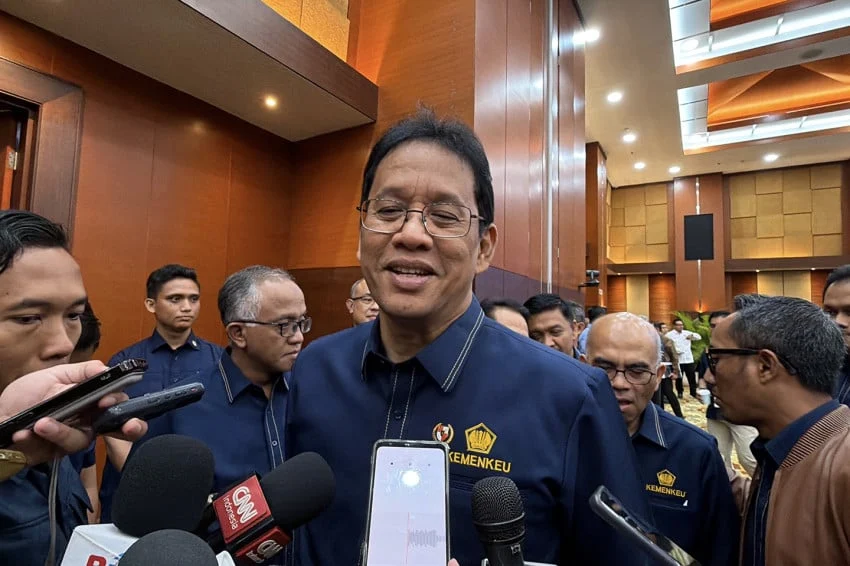
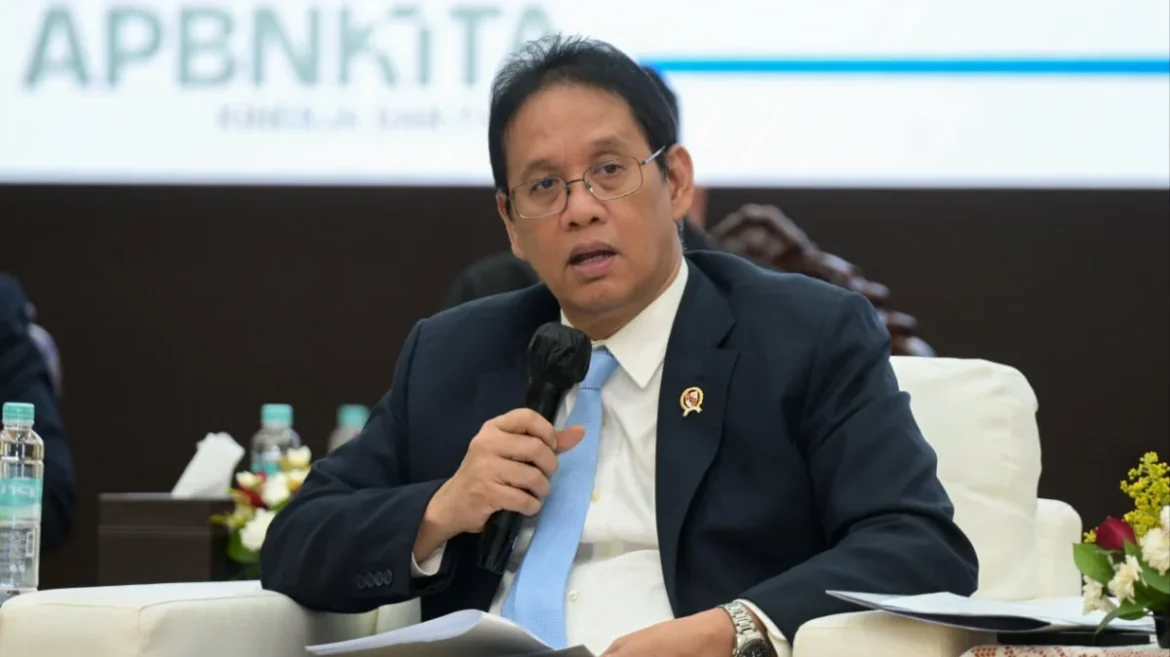
During her impromptu visit to the pesantren grounds, Pitaloka did not mince words. In the widely circulated video, she directed a passionate and public appeal directly to the Minister of Finance, Purbaya Yudhi Sadewa, urging immediate intervention to halt what she characterized as an unjust and legally unfounded financial squeeze on a religious institution.
"Suddenly, people from the Regional Revenue Agency come and demand tax payments. Kang Purbaya, please, Kang Purbaya," Pitaloka exclaimed in the video, visibly distressed by the plight of the school’s administrators and students.
Pitaloka underscored that Pesantren Al-Fath Jalen operates strictly as a non-profit educational and religious foundation, making the imposition of land and building taxes a direct violation of established statutory frameworks. "The foundation belonging to my late brother does not seek profit. How dare they demand taxes? Well, we will resolve this through customary and legal means," she stated firmly, emphasizing the cultural and communal gravity attached to the protection of Islamic boarding schools in Indonesia.
Legal Frameworks and Exemption Provisions
To substantiate her stance, Pitaloka pointed to specific regulatory frameworks governing national taxation. She cited Article 38 of the prevailing regulations concerning the Land and Building Tax, which explicitly stipulates that PBB obligations do not apply to the ownership or utilization of land and buildings used exclusively for public interest activities in the fields of religion, social welfare, health, national education, and culture, provided that such use is strictly non-commercial.
"Pesantren have long shouldered responsibilities that fundamentally belong to the state—namely, educating the nation’s youth and fostering moral development. Situations like this simply should not happen," Pitaloka argued.
Islamic boarding schools, or pesantren, have historically formed the backbone of community-based education in Indonesia, predating the modern state apparatus. They operate largely on charitable donations, waqf (endowment) lands, and community support, accommodating students from diverse economic backgrounds, often providing free lodging, meals, and religious instruction.
Chronology of the Tax Dispute
The origins of the dispute date back more than a decade, rooted in administrative misunderstandings and a lack of bureaucratic clarity at the grassroots level. Naili, a representative and administrator of Pesantren Al-Fath, detailed the chronology of events during an interview with Pitaloka on site.
According to Naili, the administrative confusion began around 2010, when the pesantren management visited the local Office of Religious Affairs (Kantor Urusan Agama, or KUA) to process the official waqf land certificate. At the time, the management was informed that the process was both protracted and costly. More critically, the KUA officials assured them that because the land was designated for a pesantren, the institution was automatically exempted from paying Land and Building Tax.
Operating with limited administrative literacy and placing trust in the assurances of state representatives, the management accepted this guidance without securing written exemptions from local tax authorities. For years, the matter remained dormant, allowing the school to focus entirely on its educational mission under the leadership of the late Kiai Yasin.
However, the situation deteriorated sharply in recent years. In 2024, the pesantren began receiving formal tax collection notices from local revenue authorities—a development that caught the administration entirely off guard. The pressure escalated dramatically entering 2025, when administrators were reportedly threatened with enforcement measures, including the placement of police lines around the religious and educational premises.
"In 2025, we received a notice stating that our pesantren would be police-lined. Frankly, I cried. Not long after that terrifying ordeal, Abah [Kiai Yasin] passed away," Naili recounted, visibly shaken as she described the emotional toll the pressure exerted on the elderly founder during his final days.
Local Government Response and Corrective Measures
Also present during the site visit was Nyumarno, a member of the Bekasi Regency Regional House of Representatives (DPRD), who stepped forward to clarify the regional policy context and offer institutional backing to the beleaguered school. Nyumarno confirmed that regional regulations in Bekasi Regency categorically exempt places of worship and non-commercial educational institutions from PBB obligations, provided the proper administrative procedures are fulfilled.
"In Bekasi Regency, regulations clearly dictate that places of worship or non-commercial Islamic boarding schools can apply for complete exemption from PBB payments," Nyumarno explained.
However, Nyumarno acknowledged systemic flaws in the implementation and enforcement of these regional tax policies, noting that aggressive tax collection drives often occur without adequate cross-agency coordination or public outreach tailored for religious institutions.
"In practice, however, tax bills sometimes arrive without prior socialization or proper verification of the object’s status. Regarding Pesantren Al-Fath, I will personally accompany the management and coordinate with local agencies to ensure that this tax burden is permanently waived and the erroneous billing is nullified," Nyumarno assured.
Broader Implications for Religious and Educational Institutions
The incident at Pesantren Al-Fath Jalen has triggered broader discussions among legal experts, tax analysts, and civil society organizations regarding the administrative vulnerabilities faced by traditional religious institutions across Indonesia.
While national tax laws provide clear exemptions for non-profit educational and religious facilities, the decentralized nature of local taxation—where Regional Revenue Agencies (Bapenda) hold autonomy over local tax collection targets—frequently leads to administrative friction. Local governments, under pressure to maximize regional native revenues (Pendapatan Asli Daerah, or PAD), occasionally employ aggressive targeting methods that sweep up exempt entities due to outdated databases or a lack of inter-agency data sharing between the Ministry of Religious Affairs and local tax offices.
Furthermore, the case underscores the vulnerability of community-run institutions that rely on verbal assurances from local officials rather than formalized bureaucratic paperwork. Experts have called for a comprehensive audit and regularization campaign by regional governments to map out all exempt religious and educational facilities, preventing similar administrative harassment and safeguarding the legacy of community leaders like the late Kiai Yasin.
As the political fallout from Pitaloka’s viral video continues to reverberate, attention now turns to the Bekasi Regency revenue office and the Ministry of Finance to deliver a swift, systemic resolution that honors the legal exemptions due to Indonesia’s historical educational institutions.