
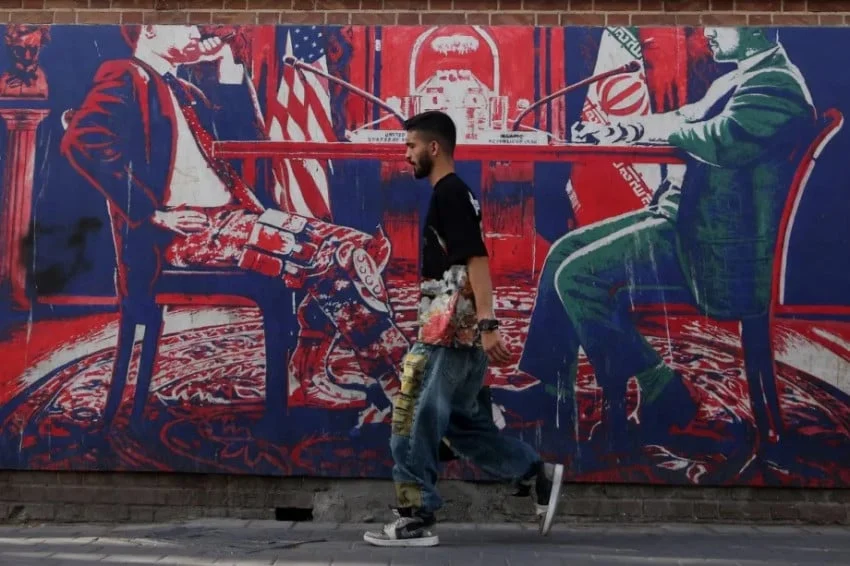
The diplomatic architecture governing relations between the United States and Iran is currently undergoing a delicate yet persistent recalibration, as both nations actively evaluate a fresh series of comprehensive proposals designed to bridge longstanding structural divisions. Speaking from Doha on Tuesday, November 3, 2026, the official spokesperson for the Ministry of Foreign Affairs of Qatar, Majed al-Ansari, confirmed that indirect negotiations and mediation channels remain operational. According to international news agency reports, these diplomatic maneuvers represent a sustained international commitment to preventing further regional destabilization and charting a viable course toward a formalized diplomatic framework.
The ongoing diplomatic push highlights the indispensable role played by regional intermediaries, particularly Qatar, which has consistently positioned itself as a neutral host and facilitator for complex geopolitical disputes. As Washington and Tehran deliberate on the newly tabled options, the international community continues to monitor the situation closely, assessing whether these proposals possess the necessary pragmatism to overcome decades of mutual distrust, sanctions regimes, and security dilemmas.
The Current State of Qatari-Led Mediation
During a televised press briefing broadcast live by the Doha-based network Al Jazeera, Majed al-Ansari provided crucial updates regarding the trajectory of the talks between Washington and Tehran. He emphasized that the primary objective of the current mediation phase is the systematic reduction of policy divergence between the two governments.
"Upaya untuk menjembatani kesenjangan antara kedua pihak dalam krisis ini, yaitu Amerika Serikat dan Iran, masih terus berlangsung," al-Ansari stated, affirming that the complex task of aligning the strategic priorities of both capitals requires meticulous incremental diplomacy. He elaborated that both the United States and Iran are actively reviewing specific policy proposals intended to establish the requisite groundwork for a durable agreement.
Al-Ansari further highlighted that neither side has abandoned the diplomatic table, noting that Washington and Tehran continue to demonstrate a tangible commitment to the negotiation process despite underlying tensions. Qatar, operating in close coordination with regional partners and the broader international community, remains fully mobilized to utilize its diplomatic capital to help bring a definitive end to the multifaceted crisis. The Qatari foreign ministry’s proactive stance underscores the high stakes involved, not only for the immediate adversaries but for the entire Middle East security architecture.
Historical Background and Geopolitical Context
To understand the significance of the current deliberations in late 2026, it is necessary to examine the historical arc of US-Iran relations, which have been severely strained since the 1979 Islamic Revolution. The breakdown of formal diplomatic ties initiated decades of geopolitical rivalry, punctuated by regional proxy conflicts, economic warfare, and maritime incidents in the Persian Gulf.
A major milestone in modern diplomatic engagement occurred in July 2015 with the formal adoption of the Joint Comprehensive Plan of Action (JCPOA), commonly known as the Iran nuclear deal. Under this landmark accord, Iran agreed to curtail sensitive nuclear activities and accept rigorous international inspections in exchange for the lifting of punishing international economic sanctions. However, the diplomatic landscape shifted dramatically in May 2018 when the United States, under the administration of President Donald Trump, unilaterally withdrew from the JCPOA and instituted a policy of "maximum pressure," re-imposing sweeping economic sanctions on Tehran.
In response to the US withdrawal and the failure of European signatories to fully insulate Iran’s economy from extraterritorial sanctions, Tehran progressively scaled back its own compliance with the nuclear limits imposed by the 2015 agreement. By the early 2020s, Iran had advanced its uranium enrichment levels significantly, reducing its conceptual "breakout time" to produce fissile material for a nuclear weapon and prompting heightened alarm across Western capitals and among US regional allies, particularly Israel and the Gulf Cooperation Council (GCC) states.
Intermittent efforts to revive or renegotiate the nuclear deal stalled repeatedly between 2021 and 2024 due to disputes over regional security issues, ballistic missile proliferation, and domestic political shifts within both countries. By 2025 and into 2026, the diplomatic paradigm shifted away from an immediate revival of the original JCPOA toward a more pragmatic, phased approach aimed at crisis management, de-escalation, and interim understandings that could prevent direct military confrontation while addressing proliferation concerns.
Chronology of Diplomatic Engagements Leading to Late 2026
The path toward the current round of proposal reviews in Doha has been marked by a series of quiet diplomatic maneuvers, regional consultations, and confidence-building measures:
- Early 2025: Following domestic political transitions in several key capitals, backchannel communications facilitated by Oman and Qatar began to intensify. Both Washington and Tehran recognized the escalating dangers of unmanaged regional escalation, particularly in the wake of expanded conflicts involving regional non-state actors.
- Mid-2025: Indirect talks commenced under Qatari auspices, focusing initially on humanitarian exchanges, prisoner releases, and the unfreezing of specific financial assets held in third-country accounts. These initial confidence-building measures proved crucial in establishing baseline trust.
- Late 2025: Technical-level working groups, operating through intermediaries, began drafting modular proposals that decoupled difficult sovereignty issues from immediate security stabilization steps. This paved the way for structured discussions on nuclear monitoring and regional maritime security.
- Early 2026: The frequency of high-level diplomatic visits to Doha increased. Special envoys from Western nations and Iranian diplomatic delegations engaged in proximity talks, utilizing Qatari officials as shuttles to exchange position papers and red lines.
- May–June 2026: Observers noted a relative stabilization in domestic Iranian public spaces, with normal economic and social routines reflecting a desire for relief from international isolation. Concurrently, diplomatic signaling from Washington indicated a willingness to explore pragmatic interim accommodations rather than insisting on immediate, comprehensive capitulation on all fronts.
- November 2026: The formal announcement by Qatari Foreign Ministry Spokesperson Majed al-Ansari confirmed that both the US and Iran are actively studying concrete proposals aimed at building a bridge toward a formal diplomatic breakthrough.
Supporting Data and Strategic Implications
The economic and security data underlying the current negotiations reveal compelling motivations for both Washington and Iran to pursue a diplomatic off-ramp.
For Iran, years of rigorous economic sanctions have severely impacted the national currency, generated persistent inflation, and constrained the country’s oil export capabilities. While Tehran has successfully cultivated alternative trade partnerships with major Asian economies and expanded its regional economic footprint, the structural need for foreign direct investment and relief from international financial isolation remains acute. Public sentiment, periodically expressed through domestic economic protests in prior years, underscores the population’s desire for improved living standards and integration into the global economy.
For the United States and its allies, the primary driver remains non-proliferation security and regional stability. Intelligence assessments indicate that Iran’s technical capabilities in nuclear technology have continued to mature, making a negotiated constraint on enrichment activities a paramount security objective. Furthermore, the persistent threat of broader regional conflict—involving maritime trade routes through the Strait of Hormuz and the Bab el-Mandeb strait—places immense pressure on global supply chains and energy markets. A stable diplomatic arrangement with Iran would substantially mitigate these systemic economic risks.
However, significant hurdles remain. Domestically, political actors in both Washington and Tehran face substantial pressure from hardline constituencies who view compromise as a sign of weakness. In the United States, congressional oversight committees demand stringent verification mechanisms and comprehensive coverage of Iran’s regional proxy networks and ballistic missile programs. Conversely, Iranian policymakers insist on irreversible sanctions relief and recognition of their sovereign right to peaceful nuclear technology under the Non-Proliferation Treaty (NPT).
Official Responses and Broader Regional Reactions
The international reaction to the ongoing Qatari-mediated process has been cautiously optimistic, characterized by widespread diplomatic support coupled with realistic assessments of the difficulties ahead.
European Union foreign policy representatives have consistently lauded Doha’s mediation efforts, emphasizing that a diplomatic resolution to the Iranian nuclear dossier is essential for European security and global non-proliferation architecture. European capitals have maintained their role as secondary interlocutors, providing technical expertise and diplomatic backing to the Qatari-led initiative.
Regional actors, including Gulf Cooperation Council (GCC) member states such as Saudi Arabia and the United Arab Emirates, have also signaled tacit approval of the diplomatic engagement. Having pursued their own bilateral detentes with Tehran in recent years, Gulf capitals view reduced US-Iran tensions as a vital prerequisite for regional economic diversification, tourism growth, and the successful implementation of ambitious national transformation projects like Saudi Vision 2030.
Meanwhile, Israel continues to maintain a vigilant posture, reiterating its longstanding position that any diplomatic agreement must permanently preclude Iran from acquiring nuclear weapons and must effectively address the threat posed by regional militant networks aligned with Tehran. Israeli security officials have emphasized that intelligence sharing and close coordination with the United States remain critical, regardless of the outcome of the Doha talks.
Future Outlook and Fact-Based Analysis of Potential Scenarios
As Washington and Tehran continue their careful evaluation of the proposals currently on the table, analysts point to three primary trajectories for the immediate future:
- Phased Interim Agreement: The most probable short-term outcome is a limited, step-by-step arrangement. Under this scenario, Iran would cap or partially roll back specific elements of its higher-grade uranium enrichment in exchange for targeted economic waivers, unfreezing of assets, and permission to conduct specific international transactions. This model prioritizes crisis management over a permanent, comprehensive settlement.
- Stalemate and Status Quo: Given the deep-seated mistrust and the vast ideological distance between the two governments, negotiations could stall over procedural definitions, verification protocols, or sudden geopolitical shocks. In this event, both nations would likely revert to a managed containment strategy, maintaining indirect channels to avoid accidental military escalation while preserving existing domestic and international postures.
- Comprehensive Diplomatic Breakthrough: Though considered less likely in the immediate term due to domestic political constraints in both countries, a comprehensive breakthrough would involve a synchronized return to full compliance with the 2015 JCPOA framework, accompanied by supplementary talks on regional security and ballistic missile development. This would require substantial political capital from executive leadership in both capitals.
Ultimately, the active engagement of both the United States and Iran with Qatari mediators in November 2026 demonstrates that diplomacy remains the preferred instrument for managing one of the world’s most enduring geopolitical rivalries. Whether these newly studied proposals can successfully transcend historical animosities will depend heavily on the political will of decision-makers in Washington and Tehran in the weeks and months ahead.
