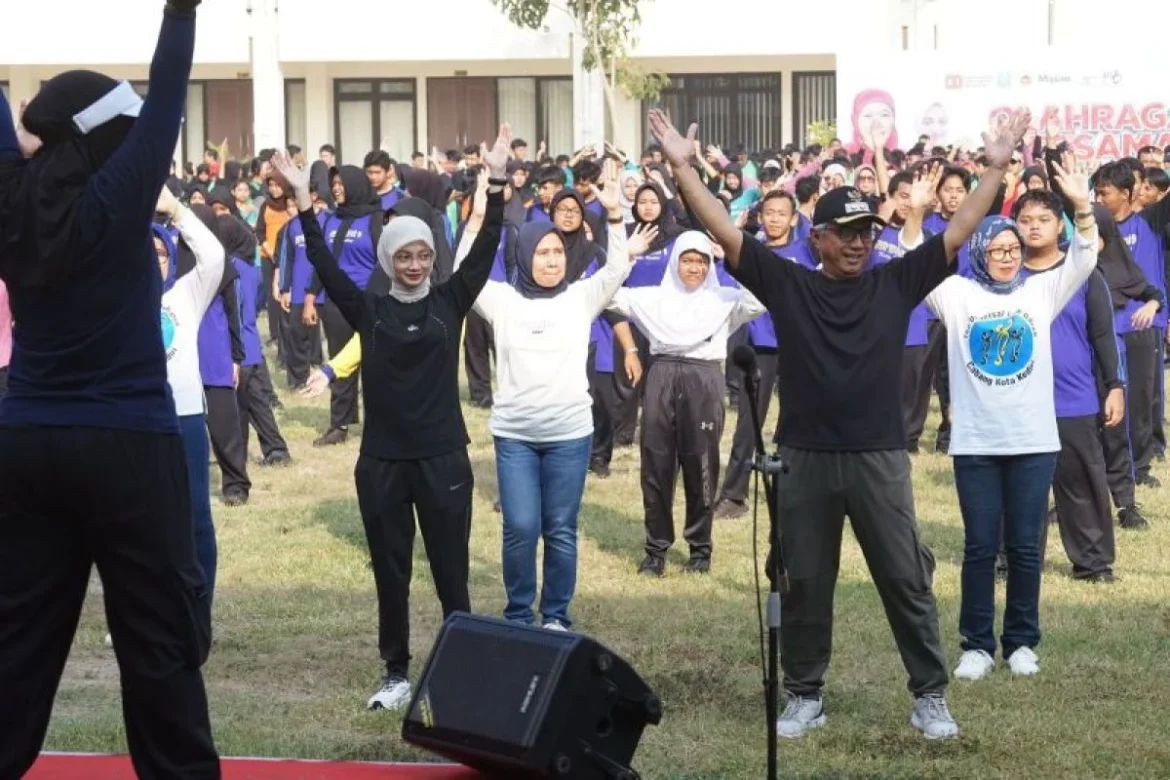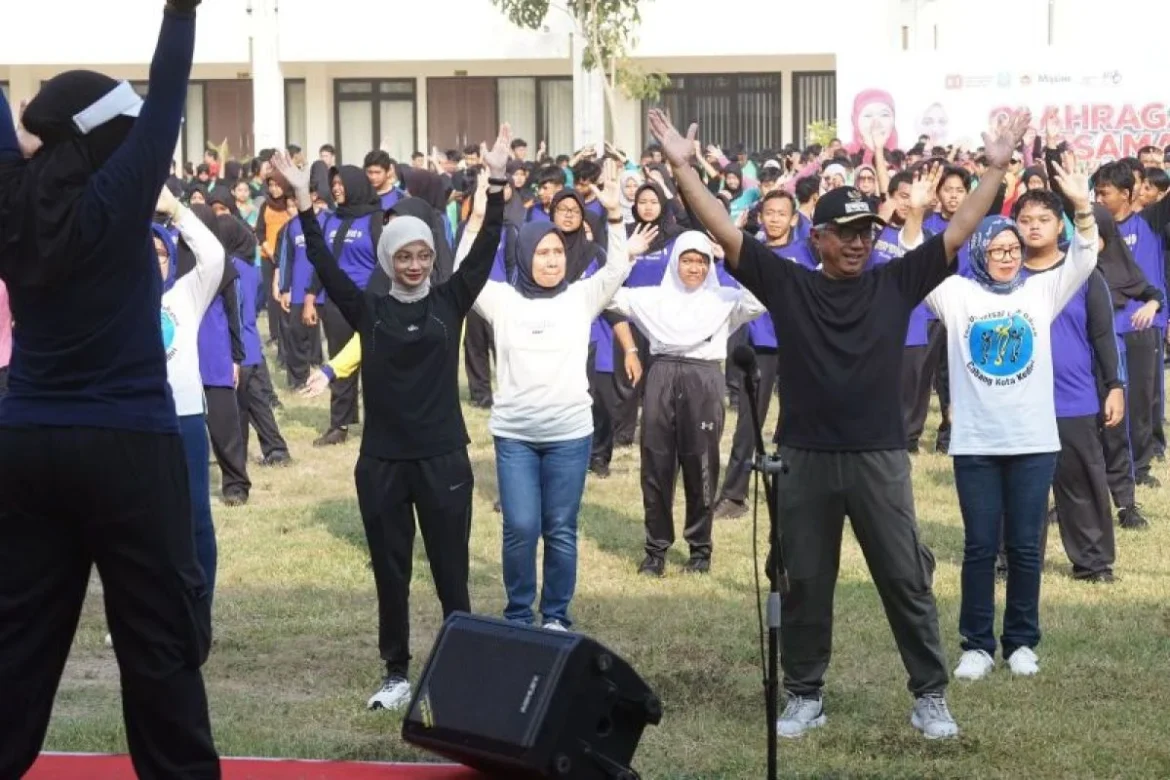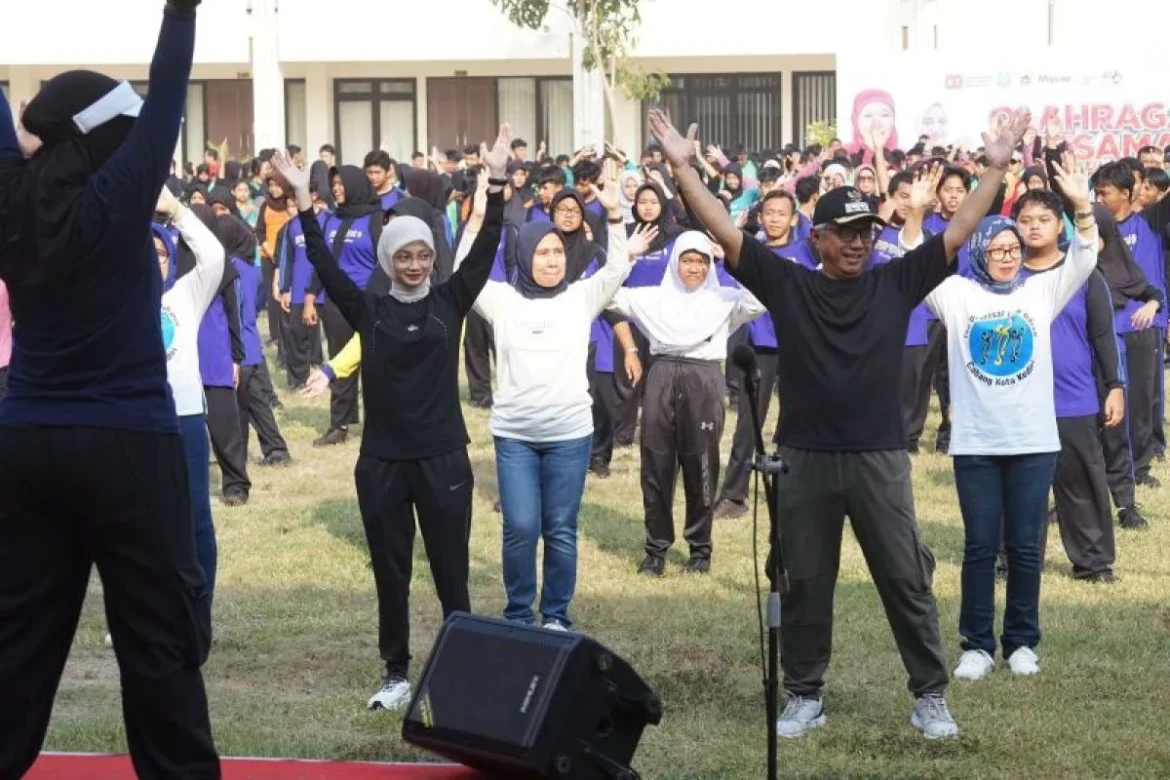
Every year, September 9 serves as a symbolic cornerstone for the Indonesian sporting community, marking the annual celebration of Hari Olahraga Nasional (Haornas). This day transcends mere ceremony; it acts as a retrospective mirror of the nation’s journey from the turbulent post-independence era to its current aspirations of becoming a global sporting powerhouse. The date itself is deeply rooted in the history of the Pekan Olahraga Nasional (PON), the first national multisport event that showcased Indonesia’s resolve to assert its sovereignty on the world stage.
The Genesis of a Sporting Identity: 1948
The narrative of Haornas is inextricably linked to the inaugural PON, held in Solo, Central Java, from September 9 to 12, 1948. At that time, the young Republic of Indonesia was navigating the fragile complexities of post-revolutionary life. International recognition was scarce, and the Dutch colonial presence remained a looming threat to the nation’s political legitimacy.
In 1948, the Indonesian government harbored ambitions to participate in the XIV Olympic Games in London. However, the international community remained hesitant to recognize Indonesia as an independent sovereign state. Faced with administrative obstacles and a refusal by global sporting bodies to acknowledge the Indonesian flag and anthem, the government made a bold, defiant decision: if the world would not invite Indonesia to the Olympics, Indonesia would create its own Olympic-style event.
The successful organization of the first PON in Solo became a powerful political tool. It served as a manifestation of national unity, proving that the Indonesian people could organize a massive, disciplined, and cohesive event despite limited resources. The opening ceremony on September 9 became the defining moment that would eventually be enshrined as the official birthdate of Indonesia’s national sporting culture.
Institutionalizing the Spirit: From 1983 to Present
While the spirit of sportsmanship had been present since 1948, the official institutionalization of a national day occurred much later. It was not until September 9, 1983, that President Soeharto formally inaugurated the commemoration of Haornas during the reopening ceremony of the historic Stadion Sriwedari in Surakarta.
This act was more than symbolic; it was a strategic move by the government to foster a national culture of physical fitness and athletic development. By 1985, the commitment was codified through Presidential Decree (Keppres) Number 67 of 1985, which explicitly designated September 9 as Hari Olahraga Nasional. This legal framework provided the necessary foundation for the state to prioritize budget allocations for sports infrastructure, coaching programs, and the cultivation of talent at the grassroots level.
A Chronology of Progress
The timeline of Indonesian sports history is characterized by significant milestones that have bolstered the relevance of Haornas:
- 1948: The first PON in Solo acts as an act of national defiance and sovereignty.
- 1962: Indonesia hosts the Asian Games in Jakarta, marking the country’s emergence as a major regional player in sporting infrastructure, exemplified by the construction of the Gelora Bung Karno Main Stadium.
- 1983: Official inception of Haornas by President Soeharto.
- 1985: Formal legal recognition via Keppres No. 67/1985.
- 2018: Indonesia hosts the Asian Games again, signaling a renewed commitment to global sporting standards and urban revitalization.
- 2026: The 43rd anniversary of Haornas is celebrated, focusing on the integration of technology in training and the expansion of sport-tourism as an economic driver.
The Strategic Vision: Beyond Medals and Podium Finishes
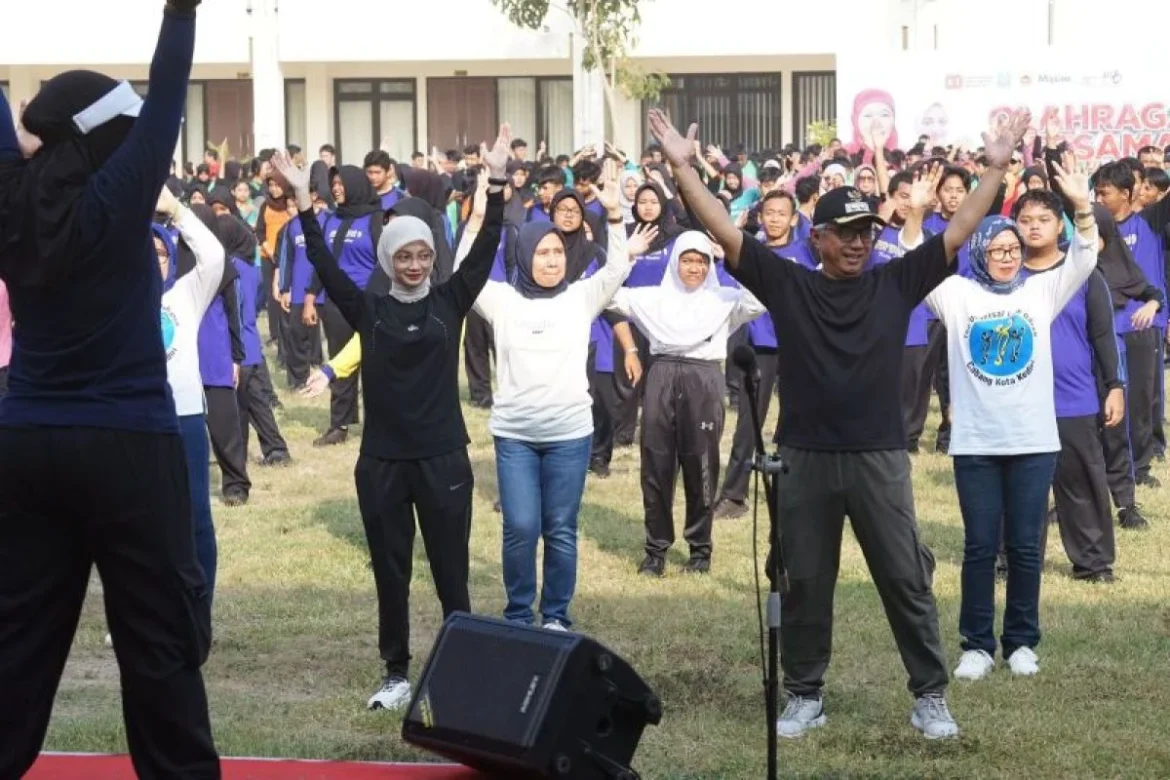
In the contemporary landscape, the Ministry of Youth and Sports (Kemenpora) has shifted the narrative of Haornas from purely competitive achievement to "Sport for All." The ministry’s 2025-2026 guidelines emphasize that the celebration is not merely about identifying elite athletes but about embedding physical activity into the DNA of the Indonesian population.
The economic and social implications of this shift are profound. Research suggests that a physically active populace leads to lower healthcare costs and higher workforce productivity. Furthermore, the Indonesian government is increasingly viewing sports as a catalyst for local economic development. Initiatives such as the "Sport Tourism" program, which envisions major regional events like the upcoming PON in areas like Sumba Timur, aim to leverage local geography to attract domestic and international visitors.
By decentralizing sporting events, the government seeks to distribute the economic benefits of tourism and infrastructure development across the archipelago, rather than concentrating them solely in major hubs like Jakarta or Surabaya.
Current Challenges and Institutional Responses
Despite the celebratory nature of Haornas, the path forward is not without hurdles. Industry experts and government officials have identified critical areas requiring immediate reform. Chief among these is the need for modernized training facilities and professional management of athlete development programs.
Recent discussions from the Ministry of Youth and Sports indicate a proposed budget requirement of approximately IDR 1.5 trillion to establish a network of high-performance academies and integrated training centers. The objective is to standardize the quality of training across the country, ensuring that a talented athlete in a remote region has access to the same technological and medical support as one in the capital.
Furthermore, there is a growing focus on the "Sport-Industry" model. Government officials, including the Minister of Youth and Sports, have repeatedly stated that the evolution of the sporting sector must provide tangible benefits for the economy. This includes the development of domestic sports equipment manufacturing, the expansion of the sports broadcasting sector, and the professionalization of club management.
The Societal Impact of Sports
At its core, Haornas represents the values of discipline, perseverance, and national identity. Sports in Indonesia act as a unifying force, often bridging cultural and regional divides. Whether through the massive viewership of football, the success of badminton on the world stage, or the community-based participation in local marathons and beach games, sports provide a shared language for the Indonesian public.
The inclusion of "Sport-Pantai" (Beach Games) in modern event schedules—such as those slated for Ancol—reflects an adaptive strategy to utilize Indonesia’s vast coastal geography. This not only encourages participation but also highlights the need for sustainable environmental management, as these events are intrinsically linked to the health of the nation’s marine ecosystems.
Conclusion: A Legacy for Future Generations
As Indonesia commemorates the 43rd anniversary of Haornas in 2026, the focus remains on sustaining the momentum of the past while aggressively innovating for the future. The transformation of sports from a post-independence political tool to a modern instrument for public health, economic growth, and national prestige is a testament to the country’s evolution.
Every September 9, the nation is reminded that its athletic journey is far from complete. From the dusty fields of Solo in 1948 to the high-tech training centers of the 21st century, the spirit remains the same: a drive for excellence, a demand for inclusivity, and a commitment to ensuring that every Indonesian citizen views physical health and competitive spirit as fundamental components of their daily lives.
The success of future generations will depend on the policies enacted today—specifically, the ability of the state to maintain consistent funding, modernize infrastructure, and foster a culture that values sports not just as a pastime, but as a vital pillar of the Indonesian identity. As the flag is raised on this year’s Haornas, the message is clear: the history of Indonesian sports is a living document, and the next chapter is currently being written in every park, school, and arena across the nation.