The decision by three female tourists to traverse 9.4 kilometers on foot to Singapore’s Changi Airport in the early hours of the morning has sparked a global conversation regarding urban safety and the feasibility of pedestrian travel in major metropolitan hubs. Choosing to bypass modern ride-sharing services and public transport, the trio embarked on a journey that lasted over two hours, navigating the quiet streets of the city-state while hauling luggage. The event, captured and shared on social media, has since become a viral case study for Singapore’s reputation as one of the safest destinations in the world, particularly for solo and group female travelers.
The Chronology of the Pre-Dawn Trek
The unconventional journey began in the middle of the night on July 16, 2024. According to digital footprints and the video uploaded by a TikTok user identified as Angie, the three women commenced their walk at approximately 2:42 AM. Their objective was to reach Changi Airport in time for a scheduled flight departing at 7:00 AM. Under normal circumstances, a journey of this distance—roughly 9.4 kilometers—would take approximately 15 to 20 minutes by car or ride-hailing services such as Grab or Gojek.
As the city slept, the women navigated a route that took them through various urban landscapes. Video footage shows them pulling upright suitcases and carrying hand luggage along well-lit but deserted sidewalks. The footage highlights the stark silence of the Singaporean night, with virtually no vehicular traffic or other pedestrians in sight.
A notable segment of their journey involved navigating an underpass. The tourists reported that this specific area was dimly lit, requiring them to use the flashlights on their smartphones to ensure safe footing. Despite the isolation and the darkness of the tunnel, the group continued without incident. After two hours and twenty-two minutes of continuous walking, the trio arrived at the Changi Airport terminal at 5:04 AM. Their arrival provided a two-hour buffer before their flight, a timeframe typically recommended for international departures, suggesting that their "nekat" (daring) act was meticulously timed rather than a result of poor planning.
Social Media Virality and Global Reactions
The video documenting the walk, posted under the handle @giendema, quickly amassed over 500,000 views and thousands of comments. The digital reaction was divided between two primary sentiments: awe at the safety of the environment and skepticism regarding the physical exertion involved.
For many international viewers, the ability of three young women to walk nearly 10 kilometers through a major city at 3:00 AM without fear of harassment or crime was the most striking aspect of the story. Comments on the platform frequently cited Singapore’s low crime rate. One user remarked, "I love Singapore because three girls can walk for two hours to the airport on proper sidewalks at 2 AM and feel perfectly safe doing so." Another emphasized that such an undertaking would be unthinkable in many other global capitals due to security concerns.
Conversely, some locals and seasoned travelers focused on the logistics of the walk. Singapore is known for its tropical climate, characterized by high humidity even during the night. Netizens questioned how the women managed to arrive at the airport without being drenched in sweat, especially while pulling heavy luggage. Others joked about the "peak unemployment activity" of choosing a grueling walk over a relatively inexpensive taxi ride, though the original posters framed the experience as a memorable adventure to conclude their trip.
Singapore’s Safety Infrastructure: By the Numbers
The incident serves as a real-world validation of Singapore’s consistently high rankings in global safety indices. To understand why these tourists felt comfortable walking at 3:00 AM, one must look at the structural and legal frameworks that define the city-state’s security.
According to the Economist Intelligence Unit’s (EIU) Safe Cities Index, Singapore frequently ranks in the top three globally, often vying for the number one spot with cities like Tokyo and Amsterdam. The index evaluates cities based on digital, health, infrastructure, and personal security. Singapore’s personal security score is bolstered by a rigorous legal system, a highly efficient police force, and a "zero-tolerance" approach to petty crime and harassment.
Furthermore, the prevalence of the Singapore Police Force’s "PolCam" initiative—a network of over 90,000 cameras installed across public housing blocks, neighborhood centers, and arterial roads—acts as a significant deterrent. Data from the Ministry of Home Affairs indicates that Singapore maintains one of the lowest rates of violent crime and theft per capita in the world. For female travelers, this environment translates into a high degree of perceived and actual safety, allowing for unconventional activities like the 9-kilometer airport trek.
The Paradox of Walkability and Urban Planning
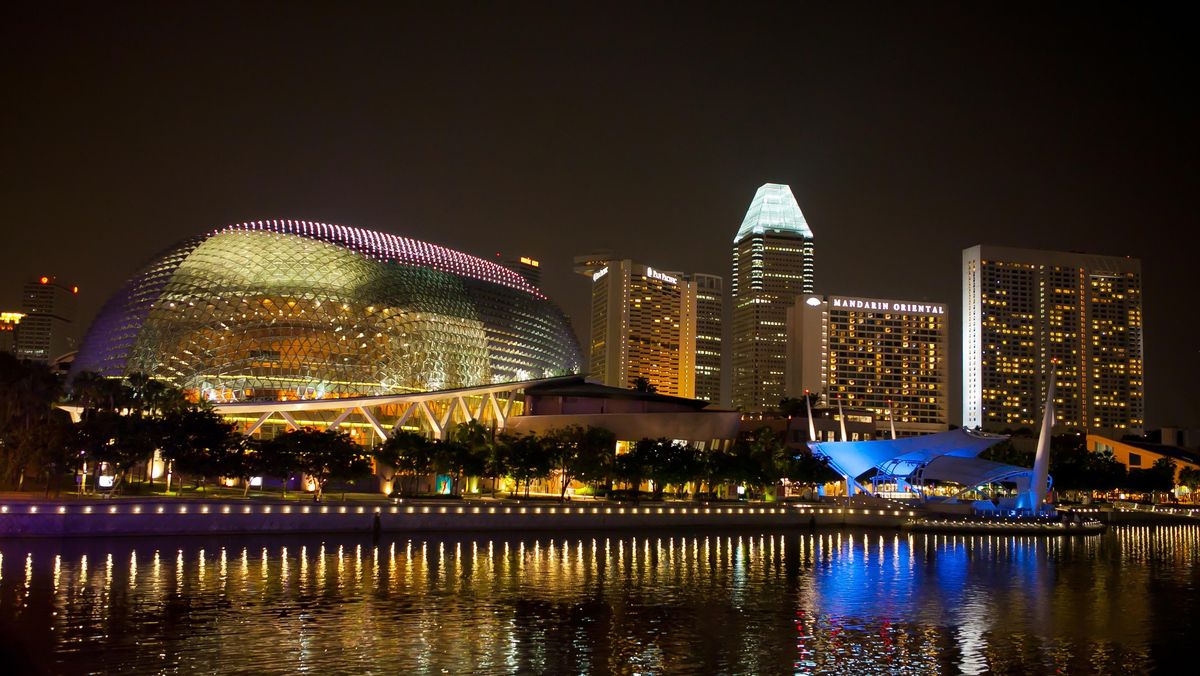
While the tourists’ walk was successful, it highlights an interesting paradox in Singapore’s urban design. Despite the safety of the streets, Singapore’s ranking in "walkability" for tourists is surprisingly moderate compared to its regional neighbors.
Based on data from GuruWalk, a leading platform for walking tours, Singapore ranks 70th out of the top 100 cities in the world for walking exploration. It trails behind Southeast Asian neighbors like Hanoi, Ho Chi Minh City, and Kuala Lumpur in this specific metric. This ranking does not reflect a lack of safety or poor infrastructure; rather, it points to the "planned" nature of the city. Singapore is designed with distinct zones, and while its park connectors and sidewalks are world-class, the vast distances between major hubs like the Central Business District and Changi Airport are typically bridged by an efficient Mass Rapid Transit (MRT) system rather than pedestrian paths.
The 9.4-kilometer route taken by the tourists likely utilized parts of the East Coast Park or the Changi Jurassic Mile—a 3.5-kilometer permanent outdoor display of life-sized dinosaurs that connects East Coast Park to the airport. These paths are designed for leisure and cycling, and while they provide a scenic route, they are rarely used by travelers heading to the airport with luggage. The tourists’ journey underscores that while Singapore is "safe to walk," it is a city where the infrastructure is optimized for efficiency through public transport and vehicular flow.
Psychological and Sociological Implications for Tourism
The viral nature of this event reflects a shift in how modern travelers perceive "value" in a destination. For the three women, the value was not in the comfort of a taxi, but in the unique experience of reclaiming the night in a safe environment.
From a sociological perspective, the "Safe City" brand is a powerful marketing tool. In a post-pandemic world where travelers are increasingly concerned about health and personal security, Singapore’s ability to provide a worry-free environment is a significant competitive advantage. The fact that this walk became a "viral moment" suggests that safety is no longer just a background requirement for tourism but a headline-worthy feature that can drive engagement and interest.
However, the event also prompts a discussion on the physical demands of urban exploration. The "slow travel" movement encourages tourists to engage with their surroundings at a pedestrian pace. While 9 kilometers is an extreme example, it highlights the potential for cities to further develop pedestrian corridors that are not just safe, but also comfortable for long-distance transit.
Official Responses and Safety Recommendations
While Singaporean authorities have not issued a specific statement regarding this viral incident, the Singapore Tourism Board (STB) and the Singapore Police Force (SPF) consistently provide guidelines for visitors. The general advice remains that while the city is safe at all hours, travelers should remain vigilant and utilize the well-regulated public transport system for long distances.
Transport experts suggest that while the tourists’ walk was a successful adventure, it may not be a recommended practice for the average traveler. The physical toll of walking nearly 10 kilometers with luggage in high humidity can lead to heat exhaustion or dehydration. Furthermore, navigating industrial or less-populated zones near the airport perimeter requires a high degree of navigational accuracy to avoid restricted areas.
Conclusion: A Testament to Urban Security
The journey of Angie and her companions from the city to Changi Airport stands as a testament to the success of Singapore’s urban planning and security policies. It illustrates a rare reality where the fear of the "dark alley" or the "midnight street" has been largely neutralized by effective governance and technology.
As the video continues to circulate, it reinforces Singapore’s position as a premier destination for those who prioritize safety. While most travelers will continue to opt for the 16-minute car ride, the fact that a 142-minute walk remains a viable, safe, and even "fun" alternative speaks volumes about the societal health of the nation. The incident serves as a reminder that in the world of global tourism, sometimes the most mundane act—walking from point A to point B—can become the most extraordinary endorsement of a city’s character.