

Green leafy vegetables such as lettuce, spinach, kale, broccoli, and mustard greens are universally celebrated for their high concentrations of essential vitamins, minerals, antioxidants, and dietary fiber. They form the cornerstone of a healthy diet, contributing to cardiovascular health, improved digestion, and a reduced risk of chronic diseases. However, a growing body of public health data suggests that these same nutritional powerhouses are among the most frequent culprits in foodborne illness outbreaks. Because leafy greens are often grown close to the ground and frequently consumed raw, they represent a unique challenge in the global food safety landscape. While the health benefits of a salad are indisputable, the risk of contamination by pathogens such as E. coli, Salmonella, and Listeria necessitates a rigorous approach to cleaning and preparation that goes far beyond a simple rinse under a kitchen tap.
The vulnerability of leafy greens to contamination is primarily a result of their cultivation environment. According to Francisco Diez-Gonzalez, the Director of the Center for Food Safety and a professor of food science at the University of Georgia, the proximity of these plants to the soil is a critical factor. Throughout the growing cycle, vegetables are exposed to various potential sources of pathogens, including contaminated irrigation water, wild or domestic animal feces, and organic fertilizers that may not have been properly treated. Furthermore, the complex, porous, and often ruffled surfaces of leaves like kale or spinach provide ideal hiding spots for microscopic organisms to cling to, shielding them from wind, sun, and superficial rinsing.
Understanding the Risks of Contamination and Foodborne Pathogens
The Centers for Disease Control and Prevention (CDC) has frequently identified leafy greens as a leading source of foodborne illness. Between 2014 and 2021, several high-profile outbreaks involving Romaine lettuce and pre-packaged salad mixes led to hundreds of hospitalizations across North America and Europe. The primary concern is that many of these vegetables do not undergo a "kill step"—such as high-heat cooking—before they reach the consumer’s plate. In the absence of heat, the responsibility for safety shifts entirely to the harvesting process and the consumer’s kitchen.
Pathogens like Escherichia coli (E. coli) can cause severe gastrointestinal distress, kidney failure, and in rare cases, death. Salmonella and Listeria monocytogenes are equally dangerous, with the latter being particularly hazardous for pregnant women and individuals with weakened immune systems. Because these bacteria can form biofilms—protective layers that help them adhere to the surface of the leaf—standard rinsing is often insufficient to dislodge them. Research indicates that while washing cannot eliminate 100 percent of bacteria, a systematic approach can reduce the microbial load by up to 90 percent, significantly lowering the statistical probability of infection.
A Comprehensive Guide to Washing Leafy Greens
To mitigate the risk of food poisoning, food safety experts recommend a multi-step cleaning process. This protocol should be applied to all leafy greens, including those labeled "organic" or "pesticide-free," as these labels do not guarantee the absence of harmful bacteria.
Step 1: Hand and Surface Hygiene
Before handling any produce, it is imperative to wash your hands with soap and warm water for at least 20 seconds. Cross-contamination often occurs not from the vegetable itself, but from the hands of the cook or from contaminated kitchen surfaces. Ensure that the sink, cutting boards, and knives have been thoroughly sanitized.
Step 2: Inspection and Initial Trimming
Remove and discard the outermost leaves of heads of lettuce or cabbage. These leaves are the most likely to have been in direct contact with soil and are more prone to bruising and wilting, which provides a breeding ground for bacteria. Any leaves that appear slimy, discolored, or damaged should be discarded entirely.
Step 3: The Submersion Method
For loose-leaf greens like spinach or arugula, the most effective method is submersion. Fill a clean bowl or a sanitized sink with cold, potable water. Immerse the greens and swish them vigorously for 30 to 60 seconds. This physical action helps to dislodge soil, sand, and microorganisms. Allow the greens to sit for a minute so that the heavy sediment can sink to the bottom, then lift the greens out of the water. Do not pour the water out with the greens still in the container, as this will simply redeposit the dirt back onto the leaves.
Step 4: Final Rinse and Mechanical Drying
Rinse the leaves one last time under a steady stream of cold running water. Following the rinse, drying the vegetables is a crucial but often overlooked step. "Drying them with a clean paper towel or using a salad spinner helps to remove any remaining microbes that were loosened during the wash," notes Diez-Gonzalez. Residual moisture can also promote the growth of bacteria during storage, so ensuring the leaves are dry is both a safety measure and a way to preserve freshness.
The Role of Blanching in Food Safety
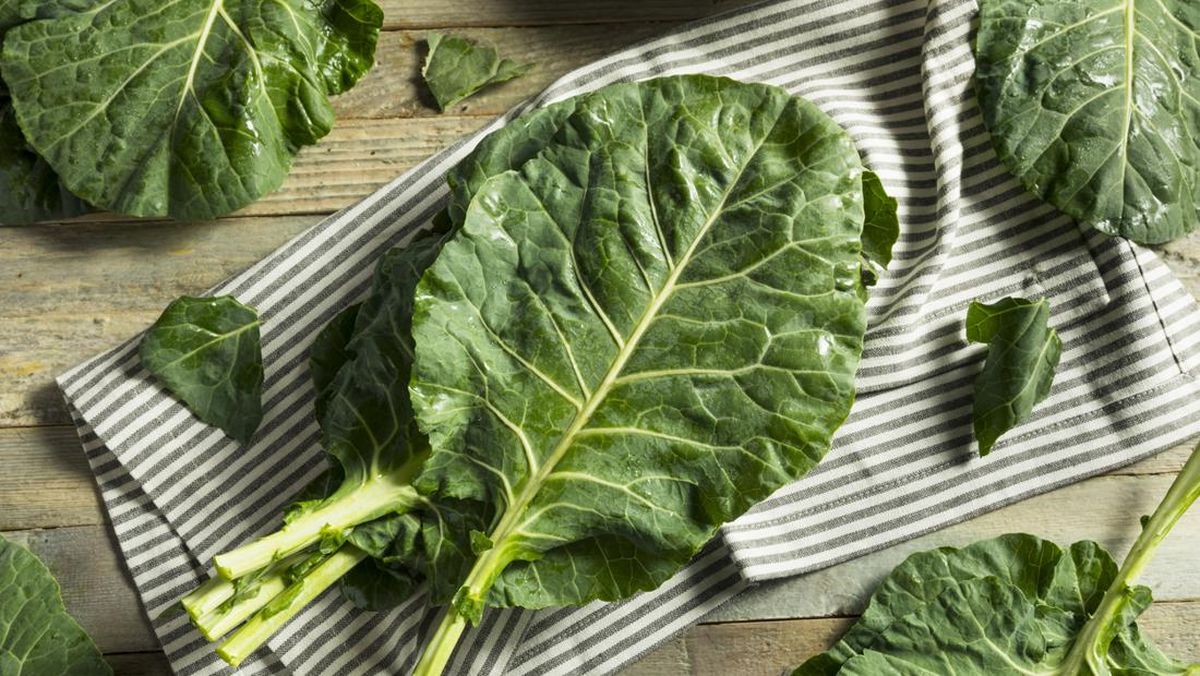
For heartier greens that are often cooked, such as kale, collard greens, or broccoli, experts suggest an additional safety layer: blanching. Blanching involves submerging the vegetables in boiling water for a short period—usually between 30 seconds and two minutes—followed by an immediate plunge into an ice-water bath to stop the cooking process.
Martin Bucknavage, a food safety specialist at Penn State University, explains that blanching serves a dual purpose. "Blanching destroys germs, so it indeed has a sanitizing function," he states. Beyond safety, the process deactivates enzymes that cause spoilage and loss of flavor, which is why blanching is a standard recommendation before freezing vegetables. While this method is excellent for sturdy greens, it is not recommended for delicate varieties like Bibb or Romaine lettuce, as the heat will destroy their cellular structure, resulting in a limp and unappealing texture.
Common Misconceptions: Soap, Vinegar, and Pre-Washed Salads
A common mistake among consumers is the use of household detergents, soaps, or bleach to wash produce. The United States Department of Agriculture (USDA) and other health authorities strongly advise against this. Leafy greens are porous; they can absorb the chemicals found in soaps and detergents, which are not formulated for human consumption. Ingesting these residues can lead to chemical poisoning, nausea, and long-term health issues.
Similarly, while many people use vinegar or lemon juice solutions, their efficacy is debated. While mildly acidic solutions may kill some bacteria, they are generally no more effective than plain running water and can alter the taste and texture of the vegetables. Commercial "veggie washes" are also largely considered unnecessary by experts, as cold running water combined with physical friction is sufficient for domestic safety standards.
Regarding "triple-washed" or "ready-to-eat" bagged salads, the consensus among experts is that they do not need to be re-washed at home. In fact, re-washing pre-washed greens in a home kitchen may actually increase the risk of contamination if the sink or colander is not perfectly sterile. These products are processed in highly controlled environments using sanitized water systems that are often more effective than home washing.
Storage and Post-Wash Handling
Once the greens are cleaned and dried, proper storage is essential to maintain their safety profile. Pathogens thrive in warm, moist environments. Leafy greens should be stored in the refrigerator at temperatures below 40°F (4°C). To maximize shelf life and prevent bacterial proliferation, wrap the dried greens in a clean paper towel and place them in a breathable plastic bag or a dedicated crisper drawer.
It is also vital to keep raw greens separate from raw meats, poultry, and seafood in the refrigerator. Drips from raw meat can contain high concentrations of bacteria that can easily contaminate a bowl of salad, leading to severe illness even if the greens were washed perfectly just moments before.
Broader Implications and Expert Analysis
The challenge of keeping leafy greens safe is an evolving issue in the age of globalized supply chains. As urban populations grow and the demand for year-round fresh produce increases, the distance between the farm and the table grows. This provides more opportunities for temperature fluctuations and contamination during transport.
Furthermore, climate change is playing a significant role in food safety. Increased frequency of heavy rainfall and flooding can cause agricultural runoff—often containing animal waste from nearby livestock operations—to enter irrigation systems. This environmental factor has been linked to several major E. coli outbreaks in recent years.
The brief analysis of these trends suggests that while consumer-level washing is a vital line of defense, the ultimate solution lies in stricter agricultural regulations and improved water management at the farm level. Until technology can guarantee a sterile field-to-fork pipeline, the burden of safety remains with the consumer. By adopting the rigorous washing and blanching techniques recommended by experts like Diez-Gonzalez and Bucknavage, individuals can continue to enjoy the immense nutritional benefits of green vegetables without compromising their health. Food safety is not merely about removing visible dirt; it is a systematic process of risk reduction that begins with hygiene and ends with proper storage.
