Toyota Motor Manufacturing Indonesia (TMMIN) has significantly expanded its vocational high school (SMK) mentorship program by extending its reach to the island of Lombok, West Nusa Tenggara (NTB). This latest initiative saw the company donate two automotive engines as practical learning tools for students at two vocational schools, marking a crucial step in enhancing technical education in the region. The expansion underscores TMMIN’s commitment to fostering industry-ready graduates and contributing to the national vocational training landscape.
Strategic Expansion to Lombok
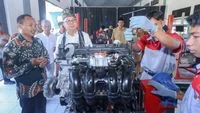
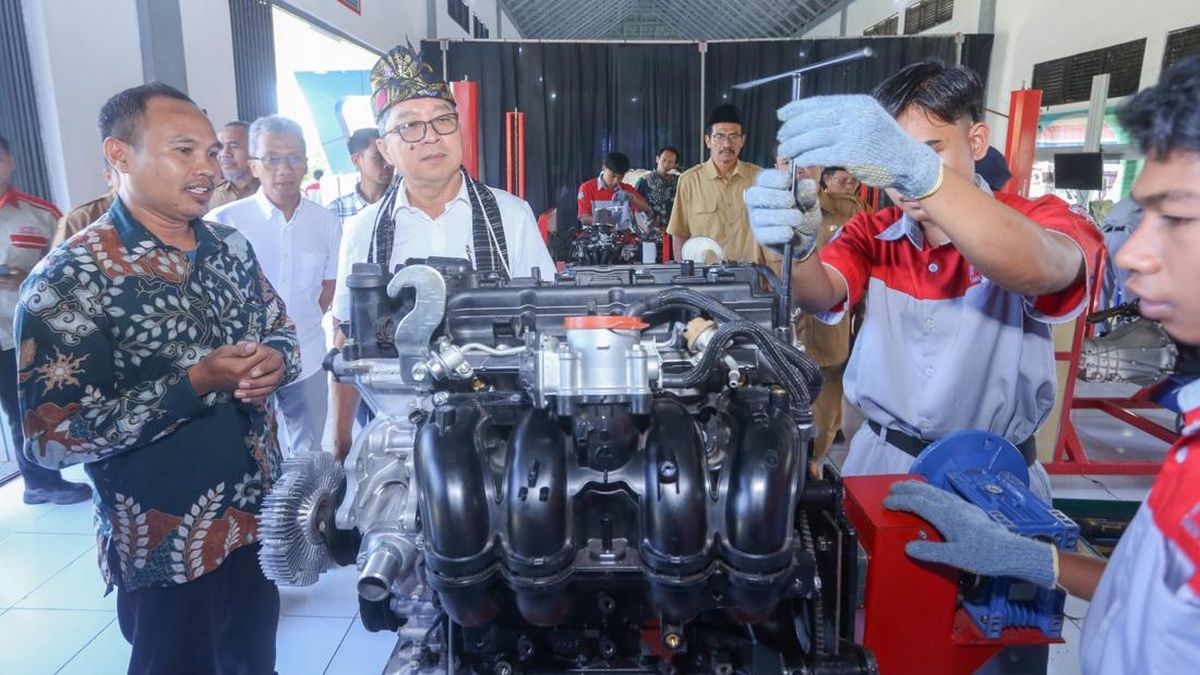
The donation of specialized automotive engines was directed to two key educational institutions in Lombok: SMKN 1 Jonggat in Central Lombok and SMKN 2 Kuripan in West Lombok. Each school received a distinct Toyota engine unit designed for hands-on training. SMKN 1 Jonggat was equipped with a gasoline engine, specifically the 2TR model, while SMKN 2 Kuripan received a 2GD diesel engine. These engines are intended to serve as vital practical learning resources and teaching aids, bridging the gap between theoretical knowledge and real-world automotive engineering.
This strategic move to Lombok represents a significant geographical expansion for TMMIN’s vocational education initiatives. Previously, the company’s efforts had been concentrated primarily on Java, where it has established mentorship relationships with 29 vocational schools. The decision to include Lombok in this program signifies a broader commitment to equitable access to quality vocational training across Indonesia, recognizing the potential of students in emerging economic regions.
Enhancing Vocational Competencies Through Industry Collaboration
Nandi Julyanto, President of TMMIN, emphasized the indispensable role of industry stakeholders in elevating the quality of vocational education. He stated that while the provision of these engines might seem like a modest gesture, the company harbors aspirations for it to be a foundational element in the students’ journey towards developing their skills, building their careers, and ultimately contributing to their respective communities. This sentiment highlights TMMIN’s long-term vision, which extends beyond mere equipment donation to fostering genuine growth and development among young technicians.
The program is an integral part of TMMIN’s corporate social responsibility (CSR) endeavors, specifically within the educational sector. The company views the provision of practical training equipment as a direct strategy to bolster students’ technical proficiency. By offering learning experiences that closely mirror industrial environments, TMMIN aims to equip students with the practical skills and understanding demanded by the automotive industry. This approach ensures that graduates are not only academically sound but also possess the hands-on expertise that makes them immediately valuable to employers.
A Comprehensive Approach to Vocational School Development
Beyond the donation of engines, TMMIN actively engages in its "Vocational School Development" program across its partner schools. This comprehensive initiative encompasses several critical areas designed to modernize and align vocational education with industry needs. Key components of this program include:
- Industry-Based Curriculum Development: TMMIN collaborates with schools to revise and enhance their curricula, ensuring that the learning content is relevant, up-to-date, and directly applicable to the current demands of the automotive sector. This involves incorporating the latest technological advancements, diagnostic procedures, and safety standards prevalent in the industry.
- Provision of Learning Aids: The company supplements practical training with essential learning aids, which can range from specialized tools and diagnostic equipment to educational materials that support a deeper understanding of automotive systems.
- Implementation of Industrial Work Culture: A crucial aspect of the program involves instilling an industrial work ethic within the school environment. This includes promoting discipline, teamwork, problem-solving skills, and a commitment to quality, mirroring the expectations within a professional automotive workshop.
Nandi Julyanto further elaborated on the synergistic relationship between education and industry, identifying it as a cornerstone for enhancing the competitiveness of vocational graduates. He articulated TMMIN’s philosophy: "Schools prepare their competencies, and industry helps shape them. TMMIN wants to be a part of that process." This statement underscores the company’s proactive stance in actively participating in the formative stages of a student’s professional development, ensuring that educational outputs align seamlessly with industry requirements.
Historical Context and Broader Implications
TMMIN’s commitment to vocational education is not a new endeavor. The company has a history of investing in the development of skilled human resources within Indonesia. The program’s extension to Lombok represents a deliberate strategy to deepen the access that vocational schools have to learning facilities that are synchronized with the evolving needs of the automotive industry. This expansion aims to address regional disparities in access to advanced technical training and equipment.
The implications of TMMIN’s initiative are far-reaching. By equipping vocational schools with modern training tools and aligning curricula with industry standards, the company is directly contributing to the development of a more skilled and competitive workforce in Indonesia. This, in turn, can lead to several positive outcomes:
- Improved Employability of Graduates: Students graduating from these enhanced programs will possess a higher level of practical skill and industry knowledge, making them more attractive to potential employers and increasing their chances of securing meaningful employment.
- Economic Development in Lombok: The program’s presence in Lombok can stimulate local economic growth by fostering a pool of skilled technicians who can support the burgeoning automotive sector and related industries on the island. This can lead to the establishment of new businesses and improved services.
- Strengthening the National Automotive Industry: A consistent supply of well-trained automotive technicians is crucial for the sustained growth and innovation of Indonesia’s automotive sector. TMMIN’s efforts contribute to this vital ecosystem by nurturing future talent.
- Alignment with National Education Goals: The initiative aligns with the Indonesian government’s broader objectives to improve the quality and relevance of vocational education, preparing young people for the demands of the 21st-century job market.
The collaboration between TMMIN and vocational schools in Lombok is a testament to the power of public-private partnerships in addressing critical societal needs. By investing in education and skills development, TMMIN is not only fulfilling its CSR obligations but also strategically building a foundation for future talent that will support its own operations and the broader Indonesian economy. The long-term impact of such programs is measured in the increased capabilities of the workforce, the enhanced competitiveness of industries, and the improved livelihoods of individuals. The provision of specific engine types—a gasoline 2TR and a diesel 2GD—suggests a targeted approach to equip students with experience across different powertrain technologies prevalent in the automotive market, enhancing their versatility.
Looking Ahead: Sustaining the Momentum
The expansion of TMMIN’s vocational education program to Lombok is a significant milestone. However, the success of such initiatives hinges on sustained commitment and continuous adaptation. Future developments might include:
- Teacher Training Programs: Complementing the equipment donation with training for educators to ensure they can effectively utilize the new resources and impart best practices to students.
- Internship and Apprenticeship Opportunities: Creating pathways for students to gain practical experience within TMMIN’s facilities or through its network of suppliers and dealers.
- Regular Program Review and Updates: Periodically assessing the program’s effectiveness and making necessary adjustments to curricula and training methodologies based on feedback from schools, students, and industry trends.
- Community Engagement: Involving local communities and parents in vocational education awareness campaigns to highlight the career opportunities available in the automotive sector.
TMMIN’s commitment to vocational education in Lombok is more than just a donation; it is an investment in human capital and a strategic move towards building a more skilled and robust workforce for Indonesia’s future. By fostering strong ties between educational institutions and the automotive industry, TMMIN is actively contributing to the nation’s economic development and ensuring that its young people are well-prepared to meet the challenges and opportunities of the evolving global automotive landscape. The geographical spread of the program, now reaching the island of Lombok, signifies a commitment to inclusivity and a recognition of the diverse talent pool present across the Indonesian archipelago. This sustained effort promises to yield a generation of highly competent automotive professionals ready to drive innovation and progress.