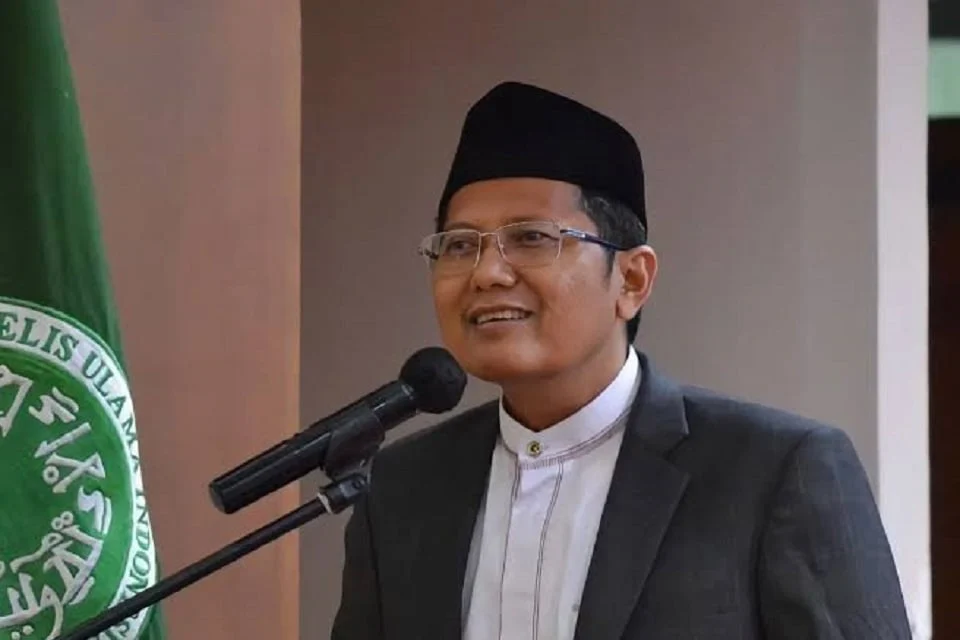
The landscape of Indonesia’s Islamic finance sector received a significant morale boost as key stakeholders gathered to recognize leadership, innovation, and unwavering commitment to ethical economic growth. In a prominent acknowledgment of institutional and individual excellence, KH M Cholil Nafis, Vice Chairman of the Indonesian Ulema Council (MUI), was officially named the Best Sharia Figure at the prestigious Best Sharia Awards 2026. The high-profile event, jointly organized by financial media outlets Investortrust and Info Investaide, celebrated trailblazers who have shaped the trajectory of Sharia-compliant financial services in Southeast Asia’s largest economy.
The grand award ceremony took place on Thursday, October 29, 2026, at the elegant Glass House and Habitate Jakarta venue, situated within Oakwood Suites. The gala brought together elite figures from the banking, regulatory, and academic spheres to honor those who have propelled Islamic economics from a niche alternative into a robust pillar of the national financial architecture. However, the recipient of the evening’s highest individual honor was absent from the physical proceedings. KH M Cholil Nafis was attending a critical international conference in Istanbul, Turkey, fulfilling global diplomatic and academic engagements. Consequently, the prestigious accolade was accepted on his behalf by KH Muhammad Ziyad, Deputy Secretary-General of the MUI for Fatwa Methodology.
A Legacy of Leadership and Regulatory Guidance
The selection process for the Best Sharia Awards 2026 was rigorous, overseen by an esteemed panel of judges chaired by prominent national figures and financial industry veterans, including Prof. Din Syamsuddin and seasoned financial expert Sakir Sula. According to the jury’s official assessment, KH Cholil Nafis was chosen not merely for his public profile, but for his profound, foundational contributions to cultivating a thriving ecosystem for Islamic financial services.
As both a senior religious leader and the Chairman of the Daily Executive Board of the National Sharia Board of the Indonesian Ulema Council (DSN-MUI), Kiai Cholil has occupied a pivotal intersection between religious jurisprudence and modern financial mechanics. Speaking to the press following the event on Friday, October 30, 2026, Kiai Ziyad elaborated on the rationale behind the jury’s decision. He emphasized that the honoree’s strategic vision has been instrumental in guiding the expansion of Islamic finance through meticulous, progressive, and adaptive regulatory frameworks.
"Essentially, Pak Kiai Cholil Nafis is viewed as a figure who possesses a monumental contribution in fostering the climate and development of the Islamic financial services industry in Indonesia," Kiai Ziyad stated during a media briefing.
Under Kiai Cholil’s stewardship, the DSN-MUI has continuously acted as an active catalyst for the national Islamic economy. By issuing timely, contextually relevant fatwas (religious edicts) addressing modern financial instruments—ranging from digital banking and fintech to sukuk and sustainable investments—the board has provided legal and moral certainty for market participants. These fatwas serve as the operational lifeblood of the industry, functioning not only as market drivers but also as the primary reference manuals for Sharia Supervisory Boards (DPS) operating across various Islamic financial institutions nationwide.
Addressing the Paradox of High Literacy Versus Low Inclusion
While the evening was a celebration of past achievements, acceptance speeches and panel discussions quickly pivoted toward the structural challenges that continue to face Indonesia’s Islamic economy. Representing Kiai Cholil, Kiai Ziyad delivered a pointed address that highlighted a critical paradox within the nation’s financial landscape: the wide gap between financial literacy and financial inclusion among the Muslim population.
Citing comprehensive data from the Financial Services Authority (OJK), Kiai Ziyad noted that public awareness and literacy regarding Islamic finance have reached an encouraging milestone, hovering around 43.6%. This figure reflects years of continuous educational campaigns, academic integration, and public outreach spearheaded by regulatory bodies, Islamic banks, and religious organizations like the MUI.
However, the reality on the ground tells a different story regarding actual product adoption. The financial inclusion rate—which measures the proportion of the population actively utilizing Islamic financial products and services—lags significantly behind at a modest 13.5%. This stark discrepancy represents both a systemic bottleneck and an urgent call to action for industry leaders, policymakers, and financial institutions honored at the 2026 awards.
"This is precisely the duty of the figures and institutions receiving this appreciation and award to bear the joint responsibility of figuring out how to increase Islamic financial inclusion," Kiai Ziyad asserted, conveying Kiai Cholil’s message to the audience.
The recognition of leaders like Kiai Cholil Nafis is viewed by industry analysts not just as a retrospective pat on the back, but as a mandate to bridge this gap. The DSN-MUI has consistently maintained that closing the literacy-inclusion divide requires a collaborative ecosystem. By fostering robust synergies among Islamic scholars (ulama), state regulators such as OJK and Bank Indonesia, and commercial banking executives, the industry aims to translate high public awareness into tangible financial participation.
Broader Implications for National Economic Resilience
The timing of the Best Sharia Awards 2026 coincides with a critical phase in Indonesia’s macroeconomic development. As the global economy faces ongoing uncertainties, supply chain realignments, and inflationary pressures, Islamic finance has increasingly been touted as a resilient, stable alternative characterized by risk-sharing, asset-backed transactions, and ethical mandates.
The leadership demonstrated by figures like KH M Cholil Nafis ensures that Indonesia’s Islamic financial expansion remains anchored in robust theological principles while remaining agile enough to compete in a hyper-digitized global market. Analysts point out that effective fatwa governance prevents systemic vulnerabilities and builds consumer trust—two elements that are indispensable for scaling up financial inclusion.
Furthermore, as Indonesia aspires to become a global hub for the halal industry and Islamic economics, institutional frameworks must be internationally credible yet locally responsive. The stewardship of the DSN-MUI under Kiai Cholil has successfully balanced these demands, ensuring that Indonesian Islamic financial products comply strictly with international standards while catering to the unique socio-economic fabric of the archipelago.
Moving Forward: A Unified Vision for the Future
As Kiai Cholil Nafis continues his international engagements in Istanbul—representing Indonesian Islamic scholarship on global platforms—the domestic impact of his recognition continues to resonate across financial institutions in Jakarta and beyond.
The organizers of the Best Sharia Awards 2026 expressed optimism that honoring visionary leaders will inspire a new generation of policymakers, bankers, and scholars to tackle the remaining structural hurdles in the sector. With concerted efforts directed toward digital transformation, simplified product onboarding, and aggressive consumer education, the stakeholders aim to see a substantial surge in Islamic financial inclusion figures in the coming years.
Ultimately, the accolade bestowed upon KH M Cholil Nafis serves as a testament to the indispensable role of religious leadership in driving modern economic progress. By aligning ethical governance with commercial vitality, Indonesia’s Islamic finance sector is poised not only to achieve higher inclusion rates, but also to solidify a competitive, self-reliant financial foundation on the global stage.