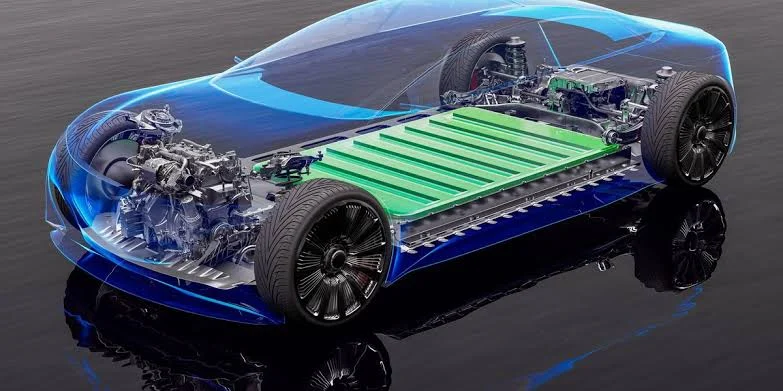
The rapid global transition toward electric mobility has introduced a complex set of infrastructural and emergency response challenges, chief among them being the unique hazards associated with lithium-ion battery fires. As adoption rates for battery-electric vehicles accelerate across passenger and commercial sectors, fire departments worldwide are confronting emergency scenarios that defy conventional firefighting strategies. Unlike traditional internal combustion engine vehicles, which typically require limited extinguishing agents, electric vehicles powered by large-scale lithium-ion battery packs generate extreme thermal events that demand extraordinary volumes of water and specialized tactical approaches. This fundamental shift in emergency response requirements has prompted rigorous re-evaluations of municipal fire codes, highway safety protocols, and the infrastructural readiness of emergency services globally.
Main Facts and the Nature of Lithium-Ion Thermal Runaway
The core difficulty in managing electric vehicle fires stems from the chemical and physical properties of lithium-ion batteries. When a battery cell undergoes physical damage, thermal abuse, manufacturing defects, or internal short-circuiting, it can trigger a phenomenon known as thermal runaway. During this uncontrolled chain reaction, the internal temperature of the cell escalates exponentially, releasing flammable and toxic gases while generating extreme heat.
Lithium-ion battery packs utilized in modern electric vehicles can reach internal temperatures of approximately 1,832 degrees Fahrenheit (1,000 degrees Celsius). At these elevated temperatures, the battery serves as its own oxygen source, meaning the fire can sustain itself independently of ambient air. Consequently, standard smothering techniques, such as fire blankets or standard foam applications, are often insufficient to achieve complete extinguishment.
Furthermore, these high-energy cells possess a dangerous propensity for delayed ignition. Even after exterior flames appear to be suppressed and the visible fire is extinguished, residual thermal energy trapped deep within the multi-layered battery modules can reignite hours or even days later. To mitigate this risk, firefighters must achieve total thermal stabilization of the pack, a process that requires continuous, high-volume cooling over extended periods.
Comparative Analysis of Water Consumption: EV versus ICE Vehicles
To understand the magnitude of the challenge facing modern fire services, a direct comparison of water consumption metrics between internal combustion engine (ICE) vehicles and electric vehicles (EVs) is instructive. For decades, standard firefighting doctrine for gasoline- or diesel-powered vehicle fires has been relatively straightforward. Due to the localized nature of fuel or engine compartment fires, a standard structural pumper truck carrying a limited water supply is typically sufficient.
Statistics compiled by fire safety organizations indicate that a conventional gasoline-powered passenger vehicle fire generally requires between 500 to 1,000 gallons of water to fully suppress and secure. The fuel is consumed rapidly, and once the fuel source is isolated or cooled, the hazard is largely neutralized.
In stark contrast, electric vehicle fires demand exponential increases in extinguishing agents. Because energy is densely packed within sealed structural housings beneath the vehicle floor, water must penetrate the protective casing to reach the burning cells directly, which is often structurally impossible without specialized piercing nozzles. As a result, firefighters must rely on indirect cooling of the exterior casing, requiring sustained application over prolonged periods.
Documented Incident Chronology and Case Studies
A series of high-profile incidents involving commercial electric trucks and passenger vehicles over recent years has underscored the staggering logistical demands placed on emergency responders. These real-world events illustrate the unprecedented scale of water resources required to manage large-format lithium-ion fires.
The 2023 Wareham Incident
In 2023, emergency responders in Wareham, Massachusetts, responded to a severe electric vehicle fire involving a commercial transport vehicle. Due to the rapid escalation of thermal runaway within the heavy-duty battery array, local fire crews exhausted their immediate apparatus water supplies and required continuous tanker shuttles. By the time the thermal event was fully contained and the vehicle deemed stable, responders had utilized more than 11,000 gallons of water.
The Bedford Response
Later in the same operational window, emergency personnel in Bedford, New Hampshire, faced a similarly demanding battery fire scenario. The complex geometry and dense packaging of the high-capacity energy storage system frustrated initial suppression efforts, forcing commanders to maintain a continuous, high-pressure water stream. Controlling the blaze and preventing secondary ignition ultimately required the deployment of over 6,000 gallons of water.
The Stamford Intervention
In Stamford, Connecticut, an incident involving a Tesla vehicle demonstrated the relentless nature of continuous suppression requirements. Fire commanders on the scene determined that intermittent application was ineffective against the persistent internal heat generation. Consequently, protocols mandated continuous high-volume water application at a steady rate of 600 gallons per minute, maintained uninterrupted for 40 consecutive minutes, totaling thousands of gallons dedicated to a single vehicle.
The Tesla Semi Highway Event
Perhaps the most striking illustration of large-format commercial EV hazards occurred during a highway incident involving a Tesla Semi freight truck. The immense capacity of the heavy-duty commercial battery pack—designed to move heavy loads over long distances—presented an unprecedented thermal challenge. Local and specialized hazardous materials response teams were required to establish a continuous water supply grid. To fully cool the massive array and extinguish the deep-seated chemical fire, emergency services ultimately utilized an estimated 50,000 gallons of water, severely straining local municipal water infrastructure and requiring the closure of major transportation arteries for hours.
Official Responses and Tactical Evolution
The stark reality of these operational demands has forced fire departments, automotive manufacturers, and regulatory bodies to re-examine existing emergency response guidelines. Major fire service agencies, including the National Fire Protection Association (NFPA) and federal safety boards, have updated their training curricula to address the nuances of high-voltage vehicle incidents.
Municipal fire departments are increasingly investing in specialized equipment, such as under-chassis piercing nozzles designed to inject water directly into sealed battery enclosures, and heavy-duty containment systems or fire blankets used to manage radiant heat and contain toxic off-gassing. Furthermore, departments in suburban and rural jurisdictions are revising mutual aid agreements to ensure that sufficient water tanker resources can be rapidly mobilized to any reported electric vehicle fire.
Automotive manufacturers, meanwhile, are engaging with first responders to develop comprehensive emergency response guides (ERGs) embedded with quick-response codes (QR codes) on vehicles. These digital tools allow firefighters on the scene to instantly identify the exact chemistry, voltage, and recommended cut-loop locations for the specific battery pack configuration involved in the incident.
Broader Environmental, Infrastructural, and Economic Implications
The necessity of deploying tens of thousands of gallons of water to suppress a single vehicle fire carries significant secondary implications that extend far beyond immediate tactical firefighting concerns. These ramifications touch upon environmental protection, municipal infrastructure resilience, and the broader economic sustainability of mass electrification.
Environmental Runoff and Contamination
One of the most pressing concerns associated with high-volume EV firefighting is environmental runoff. When thousands of gallons of water are sprayed over a burning lithium-ion battery, the resulting runoff water becomes heavily contaminated with toxic heavy metals—such as nickel, cobalt, and lithium—as well as corrosive electrolyte solutions. If allowed to enter local storm drains, uncontained runoff can infiltrate local soil, groundwater tables, and aquatic ecosystems, posing severe environmental hazards. Consequently, modern tactical protocols increasingly emphasize the deployment of drain covers, containment booms, and hazardous materials vacuum systems to capture contaminated water before it enters the environment.
Infrastructure Strain in Water-Scarce Regions
The reliance on massive water volumes creates critical logistical vulnerabilities, particularly in drought-prone or rural areas. In municipalities with limited municipal water pressure or lacking accessible fire hydrants, fighting an electric vehicle fire requires the deployment of a fleet of water tender trucks capable of continuous relay operations. In extreme cases, suppressing a commercial EV fire can temporarily deplete local water reserves, impacting residential supply and compromising community fire protection capabilities for other potential emergencies.
Economic and Insurance Considerations
The unique challenges of EV suppression also influence the commercial insurance and logistics sectors. Towing companies and salvage yards have grown increasingly reluctant to accept damaged electric vehicles due to the persistent risk of delayed spontaneous reignition. Standard storage practices, which previously involved placing damaged vehicles closely together in open lots, are being replaced by strict quarantine mandates requiring EVs to be isolated outdoors by significant buffer distances or submerged in specialized hazardous materials containers. This shift increases logistical costs, complicates accident reconstruction, and contributes to rising insurance premiums for electric vehicle owners and fleet operators.
Future Outlook for Battery Safety and Emergency Preparedness
As the global automotive market continues its transition toward sustainable electrification, addressing the vulnerabilities associated with thermal runaway remains a top priority for engineers, researchers, and safety regulators. Innovations in battery chemistry—such as the development of solid-state batteries, non-flammable liquid electrolytes, and advanced thermal barrier materials—promise to reduce the frequency and severity of thermal runaway events in future generations of vehicles.
In the interim, bridging the gap between current battery technology and advanced emergency response capabilities will require sustained investment in specialized training, collaborative research between automakers and fire services, and the modernization of municipal emergency response infrastructure. By acknowledging the distinct physical realities of lithium-ion fires and adapting operational protocols accordingly, emergency services can effectively manage the challenges of the electric vehicle era while safeguarding public safety and the environment.