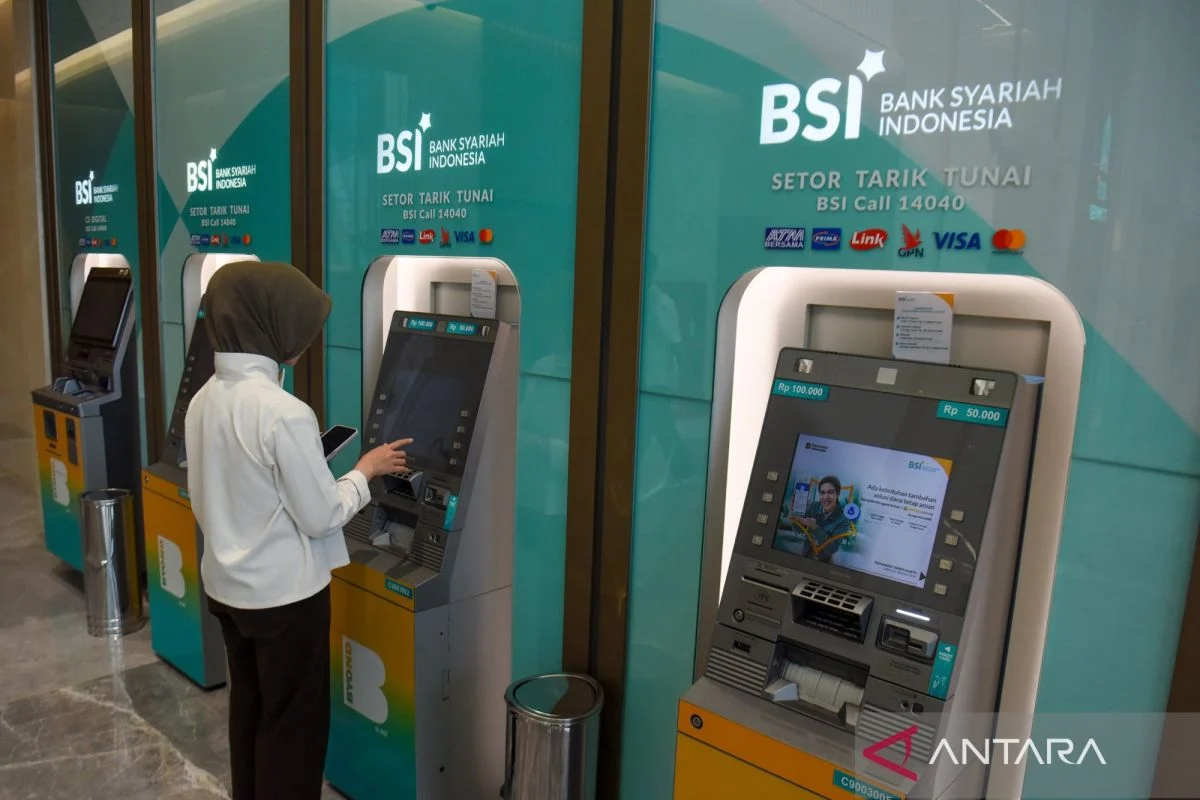
It is one of the most frustrating experiences in modern personal finance: standing before an automated teller machine, inserting a debit card, and watching the transaction get abruptly rejected. A quick mental check reassures you that the funds are secure and the account balance is more than sufficient. Yet, whether you are attempting a routine cash withdrawal, transferring funds to a relative, or simply checking your balance, the machine flashes an error message and leaves you stranded. Contrary to popular belief, transaction declines at the ATM are rarely tied solely to the amount of money resting in your bank account. Instead, a myriad of technical, administrative, and security-driven factors can trigger a refusal, often leaving unsuspecting cardholders baffled. Understanding these hidden causes can prevent unnecessary panic, save valuable time, and help customers bypass the hasty impulse of requesting a costly card replacement or opening a new bank account entirely.
The Evolution of ATM Technology and Modern Vulnerabilities
To understand why automated banking errors persist in an era of hyper-advanced financial technology, one must look at how the global banking infrastructure has evolved. Automated teller machines are no longer isolated cash dispensers; they are sophisticated nodes connected to vast, multi-layered international financial networks. Every time a consumer inserts a chip-enabled plastic card, a complex chain of digital communication is initiated between the local terminal, the acquiring bank, interbank switching networks, and the issuing financial institution. This entire handshake takes place in milliseconds. However, because the system relies on an intricate web of hardware, software protocols, and telecommunications links, even a minor disruption anywhere along the chain can result in a rejected transaction. Furthermore, with financial institutions tightening cybersecurity measures in response to rising digital fraud, risk-mitigation algorithms are calibrated to lock out users at the slightest hint of irregular behavior. Consequently, cards are frequently frozen or declined not because the account is empty, but because the system is actively working to protect it.
-
Expired Card Validity
One of the most straightforward yet frequently overlooked reasons for an ATM rejection is the expiration of the card itself. Every debit and credit card is issued with a specific shelf life, typically ranging from three to five years, with the expiration month and year clearly embossed or printed on the front or back of the plastic. Once this date passes, the card’s underlying data authorization expires, rendering it useless for both physical ATM insertions and point-of-sale terminal payments. This expiration occurs independently of the bank account status; a customer could theoretically have millions of dollars in their savings account, but if the physical plastic has passed its validation date, the ATM will reject it. Financial institutions implement expiration dates primarily for security and technological updates, ensuring that customers regularly receive newer cards equipped with advanced microchips and enhanced anti-skimming features. To resolve this, account holders must proactively monitor their card’s validity and request a renewal from their issuing bank well before the deadline. -
Repeated Incorrect PIN Entries
The Personal Identification Number (PIN) serves as the ultimate line of defense for cardholders, acting as a digital signature that authenticates identity during every ATM session. However, human error frequently collides with strict security protocols. Entering an incorrect PIN—whether due to a lapse in memory, confusion between multiple bank cards, or a simple typo—will prompt the ATM to reject the transaction. To prevent brute-force attacks by malicious actors attempting to guess the code, financial institutions enforce strict limits on consecutive incorrect attempts. Most banks allow a maximum of three wrong tries before automatically locking the card and, in some cases, swallowing it into the machine’s internal retention bin. Once a card is locked due to PIN errors, simple retries at a different terminal will not work. The cardholder is required to go through formal administrative channels, such as visiting a physical branch, using a verified mobile banking application, or calling customer service to reset the security credentials. -
Physical Damage to the Chip or Magnetic Stripe
Despite the transition toward contactless payments and digital wallets, the physical debit card remains heavily reliant on hardware components embedded within the plastic. The gold microchip on the front and the magnetic stripe on the back are precision-engineered to transmit account data to the ATM’s internal reader. When a card is subjected to bending, severe scratching, exposure to intense heat, or prolonged contact with magnetic fields, these components can suffer irreparable micro-fractures. A scratched chip or a demagnetized stripe will prevent the ATM from reading the necessary account information, leading to an immediate transaction failure. According to banking associations across various jurisdictions, hardware degradation is a leading cause of accidental ATM rejections. If an inspection of the card reveals visible surface cracking, warping, or peeling around the chip, the customer’s only viable solution is to apply for a replacement card through their bank. -
Reaching Daily Withdrawal Limits
Financial institutions implement daily transaction limits as a foundational risk-management strategy to curb potential losses in the event of theft or unauthorized account access. These caps restrict the maximum amount of cash a customer can withdraw or transfer within a 24-hour window, and they apply regardless of the total balance resting in the account. For instance, if an account holder has a daily cash withdrawal limit of 10 million rupiahs and has already depleted that allowance through morning purchases or previous ATM visits, any subsequent attempt to extract more cash will be flatly refused by the system. These limits often vary depending on the specific tier of the debit card—such as Classic, Gold, or Platinum—and the type of savings account held. Customers can easily verify or temporarily adjust these thresholds by navigating their bank’s mobile application, reviewing their initial account agreement, or consulting a bank representative. -
Preemptive Security Blocks by the Issuing Bank
In an era marked by sophisticated financial cybercrime, automated fraud-detection systems operate around the clock to monitor account activity. Regulatory bodies and consumer protection agencies, such as the United States Federal Trade Commission (FTC), note that card issuers possess the legal and technical authority to temporarily freeze or block a card if they detect transactional patterns that deviate significantly from a customer’s normal behavior. This can include sudden overseas transactions, unusually large cash withdrawals, rapid succession of transactions across disparate geographic locations, or attempts made in areas flagged for high fraud rates. While these automated safety measures occasionally result in false positives—blocking legitimate transactions executed by the actual cardholder—they are vital for intercepting illicit actors. When a card is blocked due to suspected fraud, the customer must typically complete a security verification process with the bank’s fraud department to restore full functionality. -
Dormant or Restricted Account Status
Beyond the immediate mechanics of the card and the ATM, the underlying bank account must maintain an active, unencumbered status for transactions to clear. Financial institutions maintain stringent compliance policies regarding account activity. If an account experiences prolonged inactivity—often spanning several months or years—the bank may automatically downgrade its status to dormant or inactive to prevent internal fraud and reduce administrative overhead. Additionally, accounts can be frozen or restricted due to unresolved administrative issues, such as failing to update mandatory KYC (Know Your Customer) compliance data, court-ordered asset freezes, or discrepancies flagged during routine internal audits. When an account is placed in a restricted state, outbound transactions via ATM, mobile banking, and physical branches are severely curtailed, rendering the attached debit card useless despite a visible balance. -
Internal Technical Malfunctions at the ATM
It is a common psychological bias to assume that a failed transaction is the fault of the user, the card, or the account. However, operational failures frequently originate from the hardware and software infrastructure of the ATM itself. Automated teller machines are complex electromechanical computers running on proprietary operating systems that require constant maintenance. Hardware glitches, card-reader malfunctions, corrupted firmware, and dropped communication links between the terminal and the bank’s central mainframe can all cause a session to crash mid-transaction. As noted by financial regulatory bodies like the Federal Reserve, communication blackouts between independent financial institutions and shared ATM networks frequently interrupt data verification processes. When the terminal cannot securely ping the issuing bank to confirm fund availability, it defaults to a safety protocol that cancels the transaction. Testing the card at an alternate machine is the fastest way to isolate and diagnose this issue. -
Physical Depletion of Cash Reserves Within the Machine
While seemingly mundane, the physical availability of currency inside an ATM vault remains a frequent culprit behind failed cash withdrawals. Automated teller machines are stocked with finite amounts of physical banknotes, organized into specific cassettes based on denomination. During periods of high financial activity—such as national holidays, weekends, or payday cycles—cash dispensers can be rapidly depleted by preceding users. When an ATM runs out of physical cash or lacks the specific denominations required to fulfill a requested withdrawal amount, the transaction will be terminated. Importantly, this limitation does not affect balance inquiries or non-cash transactions. If an ATM throws an error specifically during cash dispensing while leaving the account balance intact, the customer need only locate a nearby operational terminal or a Cash Recycling Machine (CRM) to complete their business. -
Interbank Network and Switching Failures
The widespread convenience of using any ATM regardless of the issuing bank relies entirely on shared interbank switching networks. When a customer uses a card issued by Bank A at an ATM operated by Bank B, the transaction must route through an intermediary payment switch—such as regional or international clearing networks. If these switching networks experience server congestion, software bugs, or scheduled maintenance downtime, the routing of transaction data grinds to a halt. Major international payment processors, including Mastercard, explicitly outline in their transaction processing guidelines that systemic network failures, routing timeouts, and host-processing errors can trigger immediate transaction declines. During such wide-scale network outages, cards from affected banks will repeatedly fail at third-party terminals, even though the accounts remain healthy and fully functional.
Recommended Troubleshooting Steps for Cardholders
When faced with an unexpected transaction refusal, maintaining composure and following a systematic troubleshooting checklist can save time and frustration:
- Verify Balance and Transaction History: Open the mobile banking application to confirm that the available balance comfortably covers the intended transaction amount and that no unauthorized debits have occurred.
- Inspect the Physical Card: Check the expiration date printed on the plastic and inspect the microchip and magnetic stripe for visible damage, warping, or dirt accumulation.
- Confirm PIN Accuracy: Ensure you are entering the correct PIN and avoid making repeated guesses if an error occurs, thereby preventing an automatic security lockout.
- Test an Alternative ATM: If a transaction fails, walk to a different machine—preferably one directly operated by your issuing bank—to determine whether the issue is rooted in terminal hardware or network connectivity.
- Check Daily Limits: Review your account settings via mobile banking to ensure you have not breached your daily withdrawal or transfer caps.
- Contact Customer Support: If all troubleshooting steps fail, immediately reach out to the official customer service hotline listed on the back of your debit card or via the bank’s verified mobile application.
Safeguarding Against Fraud During ATM Emergencies
Financial authorities and law enforcement agencies consistently issue warnings regarding opportunistic criminals who lurk near ATMs to target frustrated users experiencing technical difficulties. When a transaction fails or a card becomes trapped inside a machine, customers must exercise extreme vigilance. Under no circumstances should an account holder disclose their PIN, share One-Time Passwords (OTPs), or hand their physical card over to self-proclaimed "helpful strangers" or individuals claiming to be bank technicians stationed near the terminal. Legitimate bank personnel will never ask for a PIN in an open public space. If a card is swallowed by a malfunctioning machine, the cardholder should immediately contact their bank’s official emergency hotline to request an instant block, protecting their funds from skimming and unauthorized extraction. By systematically analyzing the root causes of ATM rejections—ranging from simple physical wear and tear to complex network and security protocols—account holders can navigate financial glitches with confidence, ensuring their hard-earned money remains secure while maintaining uninterrupted access to banking services.