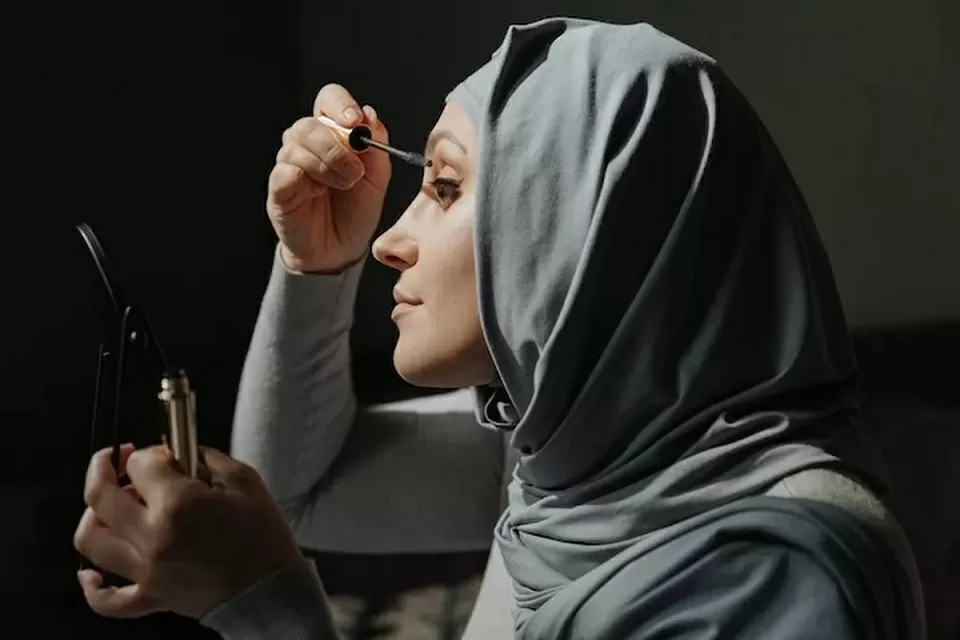
The pursuit of beauty and eternal youth remains a universal aspiration for women across cultures, and Muslim women are no exception. In the modern era, the global cosmetic and wellness industry generates hundreds of billions of dollars annually, driven by the desire to maintain youthful skin and physical attractiveness through a myriad of commercial skincare products, dermatological procedures, and holistic regimens. However, within the framework of Islam, the concept of beauty transcends superficial aesthetics. While Islam does not forbid women from enhancing their appearance—and explicitly permits a wife to adorn herself to please her husband, provided it remains within the boundaries of Sharia—true beauty is viewed as a holistic integration of physical care, purity of the heart, noble character, and deep spiritual devotion.
Understanding the Islamic Perspective on Adornment and Aesthetics
Historically and culturally, Islamic societies have deeply valued cleanliness, personal hygiene, and tasteful presentation. Prophet Muhammad himself emphasized the importance of neatness and self-care, famously noting that Allah is beautiful and loves beauty. The Holy Quran frequently utilizes imagery of beauty and elegance to describe the ultimate rewards of paradise. For instance, Surah Ar-Rahman (55:70) vividly portrays the inhabitants of paradise, stating, "In them are good and beautiful women," while Surah Al-Ahzab (33:52) references the natural allure and captivating beauty of women within the context of marital and societal laws.
Despite these scriptural acknowledgments of physical attractiveness, Islamic jurisprudence consistently places inner spiritual cultivation at the forefront. The contemporary lifestyle often pushes women toward a narrow, commercialized definition of beauty centered strictly on anti-aging creams, cosmetic surgery, and rigid physical standards. In contrast, Islamic teachings invite women to pursue a balanced approach that nurtures both the physical vessel and the spiritual soul. This dual approach ensures that self-care acts as an expression of gratitude for the body bestowed by the Creator, rather than an obsession rooted in vanity or societal pressure.
The Intersection of Modern Wellness and Spiritual Traditions
In recent years, holistic health experts and sociologists have noted a growing convergence between ancient spiritual practices and modern wellness trends. Practices such as intermittent fasting, mindful breathing, and emotional regulation—long embedded in Islamic traditions—are now backed by modern scientific research for their profound anti-aging and health-restoring benefits.
When a Muslimah integrates religious observances into her daily routine, she inadvertently adopts lifestyle habits that dermatologists and nutritionists praise for promoting longevity, cellular repair, and mental clarity. Below is an examination of key spiritual practices that double as effective methods for cultivating lasting beauty, physical vitality, and inner peace in accordance with Islamic law.
- Membiasakan Puasa Sunnah (The Practice of Voluntary Fasting)
Fasting is a foundational pillar of Islamic worship, primarily recognized for fostering self-restraint, spiritual discipline, and empathy for the less fortunate during the holy month of Ramadan. Beyond its spiritual merits, voluntary fasting—such as observing the Sunnah fasts on Mondays and Thursdays, as well as the white days (Ayyamul Bidh) of the lunar month—offers substantial physiological benefits that align with modern anti-aging science.
From a biochemical perspective, intermittent fasting triggers a cellular cleanup process known as autophagy, a mechanism for which Japanese cell biologist Yoshinori Ohsumi won the Nobel Prize in Medicine in 2016. Autophagy allows the body to clear out damaged cells, regenerate newer, healthier tissues, and reduce systemic inflammation. For women seeking to maintain youthful skin and metabolic health, regular fasting aids in detoxification, regulates blood sugar levels, and prevents premature skin aging caused by oxidative stress. When performed sincerely for the sake of Allah, fasting purifies the soul while simultaneously promoting physical rejuvenation and discipline.
- Rajin Tersenyum (The Healing Power of Smiling)
In Islamic tradition, a simple smile is elevated from a mere social pleasantry to a profound act of charity. Prophet Muhammad taught that even smiling in the face of your brother is considered an act of charity (sadaqah). Beyond its spiritual reward, maintaining a cheerful and welcoming demeanor reflects the noble character (akhlaq) expected of a Muslim woman.
Dermatologically and psychologically, smiling is a powerful natural tool for enhancing appearance and well-being. Scientific studies in behavioral psychology demonstrate that smiling reduces stress hormone levels, lowers blood pressure, and triggers the release of endorphins and serotonin, which naturally elevate mood. Furthermore, frequent smiling engages facial muscles in a way that promotes natural facial toning, while radiating warmth and approachability that transcends physical cosmetics. A serene expression rooted in inner contentment is universally recognized as a key component of timeless charm.
- Prioritizing Spiritual Purity and Internal Tranquillity
Beyond physical acts of worship, the Islamic lifestyle emphasizes regular ritual ablution (wudu) and spiritual reflection (dhikr). Performing wudu multiple times a day requires washing the face, hands, and feet with clean water, which naturally maintains facial hygiene, removes environmental pollutants, and refreshes the skin.
Moreover, the psychological peace derived from regular prayer (Salah) and the remembrance of Allah serves as a powerful antidote to chronic stress. High cortisol levels—often driven by modern anxieties—are a primary culprit behind collagen breakdown, acne, and premature aging. By anchoring their lives in faith, patience, and gratitude, Muslim women cultivate an inner calm that naturally diminishes the physical toll of daily stress.
Broader Implications and Modern Analysis
Sociological analysts examining the growing interest in faith-based wellness observe a broader cultural shift among contemporary Muslim women. Rather than rejecting modern advancements in skincare and health, women are increasingly seeking frameworks that harmonize personal grooming with ethical and spiritual values. This approach counters the hyper-commercialized beauty standards that often induce anxiety, self-doubt, and financial strain among young women.
By framing beauty as an outward reflection of inward piety, charity, and self-discipline, Islamic teachings offer a sustainable, dignified path to aging gracefully. Experts in public health and wellness suggest that integrating spiritual mindfulness into routine health practices can significantly improve mental health outcomes, reduce the prevalence of body dysmorphia, and encourage a more holistic understanding of wellness.
Conclusion
Ultimately, the Islamic approach to beauty and longevity offers a timeless blueprint that bridges the gap between physical care and spiritual integrity. By adhering to the guidelines of Sharia, women are encouraged to care for their bodies respectfully while avoiding the traps of vanity and excess. Through holistic practices such as voluntary fasting, maintaining a cheerful disposition, and nurturing spiritual purity, Muslim women can achieve a radiant, enduring beauty that defies the fleeting standards of worldly fashion and resonates from within.