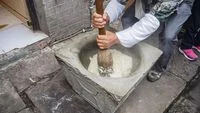
A viral video capturing a foreign tourist damaging a traditional piece of culinary equipment in Chongqing, China, has ignited a fierce global debate regarding cultural sensitivity, the ethics of tourism, and the preservation of artisanal heritage. The incident, which took place in early November 2026, involves the destruction of a specialized wooden mallet used to prepare "ciba," a traditional Chinese snack made from glutinous rice. As the footage circulates across social media platforms, it has prompted discussions about the responsibilities of travelers when interacting with local artisans and traditional trades.
The Incident: A Moment of Cultural Collision
The event occurred in a popular tourist district in Chongqing, a municipality known for its rich culinary history and vibrant street food culture. According to video footage first surfaced on the social media platform X (formerly Twitter) on November 7, 2026, an unidentified foreign tourist attempted to participate in the traditional process of making ciba. The process involves rhythmic, high-intensity pounding of steamed glutinous rice in a stone or wooden mortar using a heavy wooden mallet to achieve a specific, chewy consistency.
In the video, the tourist is seen swinging the large, heavy wooden mallet with significant force. Miscalculating the strike, the individual misses the rice inside the mortar and strikes the ground with full force, causing the mallet to shatter instantly upon impact. The immediate aftermath was captured on camera: an elderly vendor, who had operated this specific station for decades, is seen visibly distressed as he examines the remnants of his essential tool.
Chronology and Reported Damages
The timeline of the incident reflects the rapid dissemination of information in the digital age. Within hours of the video being uploaded, it gained massive traction, reaching over 41 million views globally by mid-November.
Key details surrounding the event have since been clarified by regional reports, including those from FTNN News:
- Historical Significance: The wooden mallet in question was reportedly in use for nearly 48 years, serving as a legacy tool for the vendor’s small business.
- Financial Impact: Initial reports indicate the tourist provided a compensation payment of 180 yuan (approximately USD $25 or IDR 488,000). However, subsequent analysis by local artisans suggested that the actual replacement cost for a custom-crafted, professional-grade mallet of that caliber is approximately 260 yuan (USD $36 or IDR 705,000).
- Operational Downtime: Beyond the physical cost of the tool, the vendor suffered a significant loss of income. Because the mallet was a specialized instrument, it could not be replaced at a standard hardware store. The vendor was forced to suspend operations for at least one full day while waiting for a local craftsman to fashion a suitable replacement.
The Backlash: Cultural Sensitivity and Public Perception
The intensity of the public response is largely attributed to the tourist’s demeanor following the destruction of the equipment. In the viral clip, the tourist is seen smiling while the vendor reacts with visible anguish. The vendor’s reported comment, "I have used this my whole life, you only used it once," resonated with viewers as a poignant symbol of the generational gap and the disregard some tourists show for local livelihoods.
For many, the smile was interpreted as a lack of remorse, characterizing the incident not merely as an accident, but as a lack of respect for the artisan’s craft. Commentators on social media platforms argued that while accidents are inevitable in tourist experiences, the failure to apologize or provide adequate compensation for the loss of business suggests a deeper issue within "experience-based" tourism, where traditional labor is treated as a playground for visitors rather than a vital economic activity.
Contextualizing Ciba and Artisanal Tourism
Ciba is not merely a snack; it is an integral part of the culinary heritage of the Sichuan and Chongqing regions. The process of pounding the rice is labor-intensive and often performed by vendors who have honed their skills over many years. This tradition is frequently highlighted in travel guides, making it a popular attraction for tourists looking to document "authentic" experiences.
However, the "commodification of culture" has become a growing concern for Chinese tourism authorities. In recent years, cities like Chongqing have seen a surge in visitors seeking photo opportunities at traditional food stalls. This incident serves as a case study for the tension between local businesses attempting to cater to tourists and the preservation of the integrity of their trade. When a craft that requires years of muscle memory is opened up to untrained tourists for entertainment, the risk of equipment failure—and subsequent economic hardship—becomes a reality.
Economic and Legal Implications
While the tourist provided 180 yuan in compensation, legal experts suggest that the incident highlights a gap in how tourist-vendor interactions are governed in high-traffic zones. In China, there are generally no strict, legally codified "damage waivers" for street vendors, leaving them vulnerable to the whims of tourists who may not understand the cost of replacing specialized artisanal tools.
From an economic standpoint, the vendor’s loss is twofold. The direct cost of the mallet is easily quantified, but the opportunity cost of a day’s labor is harder to recover. In a bustling tourism district, one day of missed sales can significantly impact a small vendor’s monthly revenue. Furthermore, the incident has raised questions about whether local tourism bureaus should implement safety guidelines or insurance requirements for activities that involve physical labor or the use of heavy equipment by the public.
Broader Societal Reflections
The incident has moved beyond a simple viral video to become a focal point for a broader conversation about modern travel. It has led to several critical reflections:
- The Burden of Heritage: Artisans are under pressure to maintain their traditions while simultaneously participating in the tourism economy. When the "show" (the act of pounding the rice) takes precedence over the "product," the artisan becomes a performer, often at the risk of their own livelihood.
- Traveler Etiquette: The viral nature of this incident serves as a stark reminder of the global scrutiny that travelers now face. Every action is subject to documentation, and the expectation of accountability is higher than ever.
- The Ethics of "Authenticity": There is a growing movement to encourage tourists to be observers of culture rather than active participants if their participation risks the integrity of the tradition or the tools of the trade.
Conclusion and Future Outlook
As of mid-November 2026, the video continues to circulate, serving as a cautionary tale for both tourists and local business owners. While the physical damage to the mallet has been addressed through the commissioning of a new tool, the reputational damage and the emotional toll on the elderly vendor remain significant.
This incident is unlikely to result in legal prosecution, as the matter appears to have been settled between the parties involved. However, it will likely prompt local authorities in Chongqing to re-evaluate the safety and operational protocols for street food vendors who allow tourists to interact with their equipment. Ultimately, the story of the broken mallet remains a symbol of the friction between the global tourism industry and the localized, traditional life it seeks to consume, urging a more thoughtful approach to how we engage with cultures different from our own.