

Jakarta, Indonesia – The Corruption Eradication Commission (KPK) has escalated its investigation into alleged corruption within the Directorate General of Customs and Excise, revealing the seizure of significant electronic evidence from Faizal Assegaf, the Chief Executive Officer of PT Sinkos Multimedia Mandiri. The seized items, which include an Apple Mac computer complete with its Magic Keyboard and Magic Mouse, a Lumix S5IIX mirrorless camera with spare batteries, a monitor, and a Boss WL-30XLR Wireless System microphone, are believed to be directly linked to the ongoing high-profile case. This development has not only intensified the probe but has also triggered a legal counter-offensive from Assegaf, who has filed reports against a KPK spokesperson for alleged defamation and ethical violations.
The seizure, confirmed by KPK spokesperson Budi Prasetyo on Wednesday, April 15, 2026, underscored the commission’s focus on digital footprints in its anti-corruption efforts. Speaking from the KPK office in Jakarta, Prasetyo stated, "The items seized by investigators are in the form of electronic goods such as a monitor, a camera, and several other electronic devices." He acknowledged that the total monetary value of the seized equipment had not yet been assessed, emphasizing that the primary objective was the potential evidential content rather than their market price. The nature of the seized items, particularly advanced computing and communication devices, suggests that investigators are pursuing digital trails that could reveal illicit transactions, communications, or hidden assets relevant to the bribery and gratification scheme.
Deep Dive into the Customs Corruption Nexus
Corruption within customs agencies is a perennial challenge globally, often involving complex networks that exploit vulnerabilities in international trade and border control. In Indonesia, the Directorate General of Customs and Excise (DJBC) plays a critical role in facilitating trade, collecting state revenue, and safeguarding national borders. This makes it a high-risk sector for corrupt practices, which can range from bribery for expedited services to sophisticated schemes involving under-invoicing, misdeclaration of goods, and facilitating the entry of prohibited items. Such corruption not only leads to significant losses in state revenue but also distorts fair competition, harms legitimate businesses, and can even pose national security risks by allowing the entry of dangerous goods.
The KPK’s involvement in this case highlights its unwavering commitment to dismantling such corrupt networks. Established in 2002, the KPK is an independent body with broad powers to investigate, prosecute, and prevent corruption. Its mandate includes conducting thorough investigations, often utilizing advanced forensic techniques, including the analysis of electronic evidence. The seizure of devices like the Apple Mac and Lumix S5IIX camera is indicative of a strategy to uncover digital records, encrypted communications, and potentially even hidden data that could shed light on the mechanics of the alleged corruption, the identities of other conspirators, and the flow of illicit funds. Modern digital forensics can retrieve deleted files, trace communication patterns, and link individuals to specific activities, making electronic devices invaluable in complex financial crimes.
Chronology of Events and Investigative Trajectory
The current phase of the investigation has been marked by a series of critical actions, culminating in the recent seizures and subsequent legal disputes.
- April 7, 2026: Faizal Assegaf, CEO of PT Sinkos Multimedia Mandiri, was summoned by the KPK as a witness in the ongoing corruption probe concerning the Directorate General of Customs and Excise. Alongside Assegaf, two officials from the Directorate General of Customs and Excise, Muhammad Mahzun and Rahmat, were also called in for questioning on the same day. These summons were crucial steps in gathering witness testimonies to strengthen the case files against the already identified suspects.
- April 15, 2026: KPK investigators conducted the seizure of electronic evidence from Faizal Assegaf. The operation targeted specific high-tech devices believed to contain data pertinent to the alleged corruption. KPK spokesperson Budi Prasetyo publicly confirmed the seizure, detailing the types of electronic items taken into custody and affirming their suspected relevance to the Bea Cukai corruption case.
- Following April 15, 2026: In a swift and assertive response to the KPK’s actions and the public statement made by Budi Prasetyo, Faizal Assegaf initiated legal proceedings against the KPK spokesperson. He filed a report with the Polda Metro Jaya (Jakarta Metropolitan Police) alleging defamation. This report was officially registered under the number LP/B/2592/IV/2026/SPKT/POLDA METRO JAYA, indicating a formal criminal complaint.
- Concurrent with Police Report: On the same day he reported Budi Prasetyo to the police, Faizal Assegaf also lodged a complaint with the KPK Supervisory Board (Dewas). This complaint accused Budi Prasetyo of violating the commission’s code of ethics, suggesting that the spokesperson’s public comments or the manner of the seizure itself may have overstepped ethical boundaries or compromised Assegaf’s reputation.
These events illustrate the increasingly contentious nature of high-profile corruption investigations, where subjects often employ legal avenues to challenge the actions of anti-corruption bodies.
The Network of Suspects and Allegations
The KPK’s investigation is focused on a group of seven individuals implicated in an alleged scheme of bribery and gratification related to the import of goods. This network includes both high-ranking customs officials and private sector operatives, indicating a sophisticated collusion designed to exploit the import process for personal gain.
The suspects who have been identified and subsequently detained at the KPK Detention Center include:
- Rizal: Former Director of Investigation & Enforcement at the Directorate General of Customs and Excise, serving from 2024 to January 2026. His senior position suggests a potential role in overseeing or facilitating illicit activities within the enforcement arm of the DJBC.
- Sisprian Subiaksono: Head of the Sub-directorate of Intelligence, Enforcement, and Investigation (Kasubdit Intel P2 DJBC). Individuals in intelligence roles often possess crucial information and control over surveillance, making their involvement particularly damaging to institutional integrity.
- Orlando: Head of the Intelligence Section at the Directorate General of Customs and Excise (Kasi Intel DJBC). Similar to Subiaksono, Orlando’s position would grant him access to sensitive information and influence over investigative processes.
- Andri: Head of the Import Document Team at PT Blueray. His role within the private company would be critical in manipulating import documentation, a common method for evading taxes or importing prohibited goods.
- Budiman Bayu Prasojo: A mid-level official within the Directorate General of Customs and Excise. The involvement of officials at various levels points to a systemic issue rather than isolated incidents.
- John Field: Owner of PT Blueray. As the principal of the company, Field would likely be the ultimate beneficiary and orchestrator of any corporate-level corrupt practices.
- Dedy Kurniawan: Operational Manager of PT Blueray. Kurniawan’s role would involve the day-to-day execution of import operations, potentially including the implementation of corrupt schemes.
The fact that the case files for the suspects from PT Blueray have already been handed over to the Public Prosecutor indicates that the investigative phase for this segment of the case is nearing completion, paving the way for prosecution. This move signifies the KPK’s confidence in the evidence gathered against the private sector actors involved.
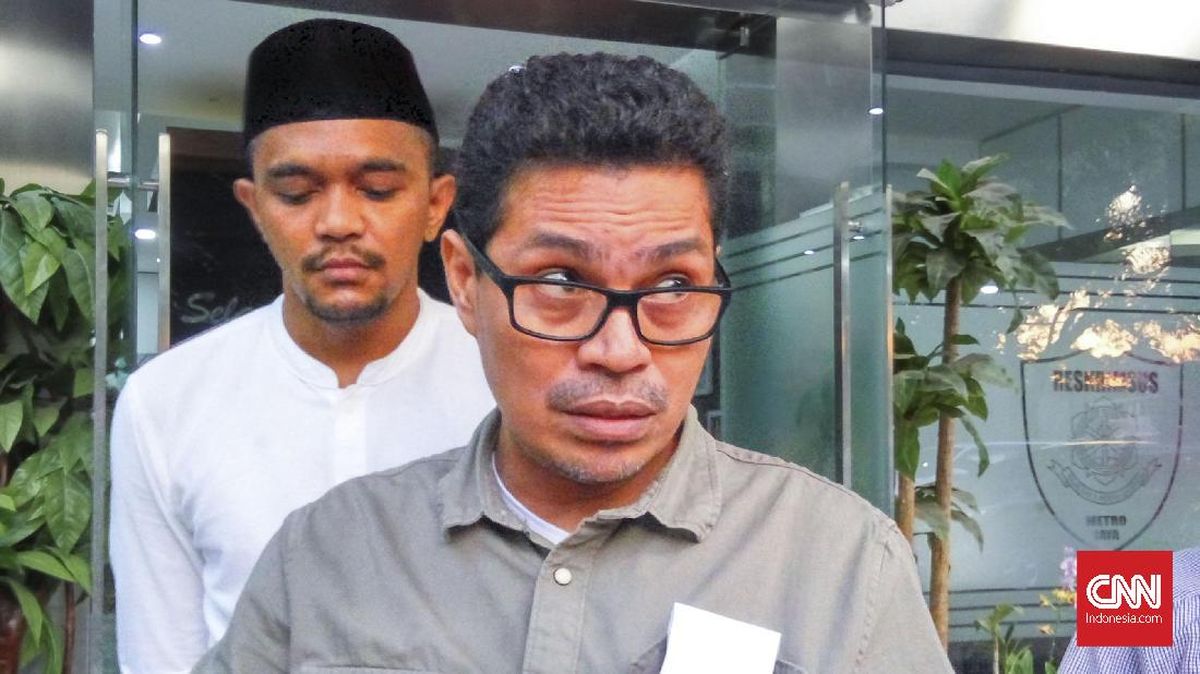
Legal Challenges and Institutional Integrity
Faizal Assegaf’s decision to file a defamation report against KPK spokesperson Budi Prasetyo with the police, and an ethics complaint with the KPK Supervisory Board (Dewas), introduces a layer of complexity to the ongoing investigation. Such counter-reports are not uncommon in high-profile corruption cases in Indonesia, often serving as a tactic to exert pressure on investigators, discredit their findings, or divert public attention.
The defamation charge will require police to investigate whether Budi Prasetyo’s public statements met the legal criteria for defamation, which typically involves false statements that harm a person’s reputation. KPK spokespersons operate under a mandate to inform the public about ongoing investigations, balancing transparency with the presumption of innocence. The legal precedent for such cases often hinges on whether the statements were made in good faith, based on investigative findings, and were necessary for public disclosure.
Simultaneously, the ethics complaint lodged with Dewas places the KPK’s internal oversight body in a position to review the conduct of its own official. Dewas was established as part of amendments to the KPK Law, aimed at ensuring accountability and ethical conduct within the commission itself. An investigation by Dewas would examine whether Prasetyo’s actions or statements violated internal codes of conduct, potentially affecting the integrity of the institution and public trust. While Dewas’s primary role is to enforce ethical standards, its findings can have significant implications for the careers of KPK officials and the public perception of the commission’s impartiality.
These legal challenges underscore the delicate balance anti-corruption agencies must maintain between robust investigation and adherence to legal and ethical norms. They also highlight the constant scrutiny and pressure faced by KPK officials, who are frequently targeted by those they investigate.
Broader Implications and Future Outlook
This ongoing investigation into the Directorate General of Customs and Excise, coupled with the legal challenges against the KPK spokesperson, carries significant implications for Indonesia’s anti-corruption landscape.
Firstly, for the Directorate General of Customs and Excise, the exposure of a corruption network involving senior officials necessitates a thorough internal overhaul. It reinforces the need for continuous reforms, enhanced transparency, and stricter oversight mechanisms to prevent future abuses. The government has consistently emphasized improving governance and reducing bureaucracy in crucial sectors like customs to boost investor confidence and economic growth. This case serves as a stark reminder of the persistent challenges in achieving those goals.
Secondly, for the KPK, the case tests its resilience and independence. The counter-reports from Faizal Assegaf will undoubtedly consume resources and attention, but they also offer an opportunity for the KPK to demonstrate its commitment to due process while steadfastly pursuing justice. How the police and Dewas handle these complaints will be closely watched, as their outcomes could influence future interactions between the KPK and subjects of its investigations. A strong, principled stance from the KPK, backed by robust evidence and adherence to ethical guidelines, is crucial for maintaining public trust in its vital mission.
Finally, the case resonates with broader societal implications regarding the rule of law and the fight against impunity. Corruption, particularly in high-value sectors like international trade, erodes public finances, undermines fair economic competition, and ultimately hinders national development. The successful prosecution of individuals involved in such schemes sends a powerful message that no one is above the law, irrespective of their position or influence.
As the investigation progresses and the legal battles unfold, the public will be keenly observing how Indonesia’s institutions navigate these complex challenges. The outcome of this case will not only determine the fate of the accused but will also significantly shape the trajectory of anti-corruption efforts in the country for years to come.