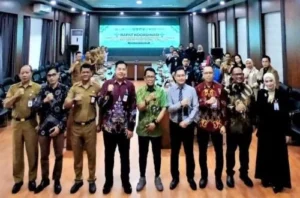
Jakarta, April 15, 2026 – The Indonesian government is set to issue a critical Joint Decree (SKB) involving the Ministry of Health, the Ministry of Social Affairs, and BPJS Kesehatan. This landmark measure, announced on Wednesday, April 15, 2026, aims to provide robust legal certainty and ensure uninterrupted claim payments for an estimated 11 million beneficiaries of the Contribution Assistance (PBI) segment of BPJS Kesehatan who are currently in a transitional phase of deactivation. The decision comes after months of mounting pressure from healthcare providers and legislative bodies, highlighting significant gaps in the provision of universal health coverage.
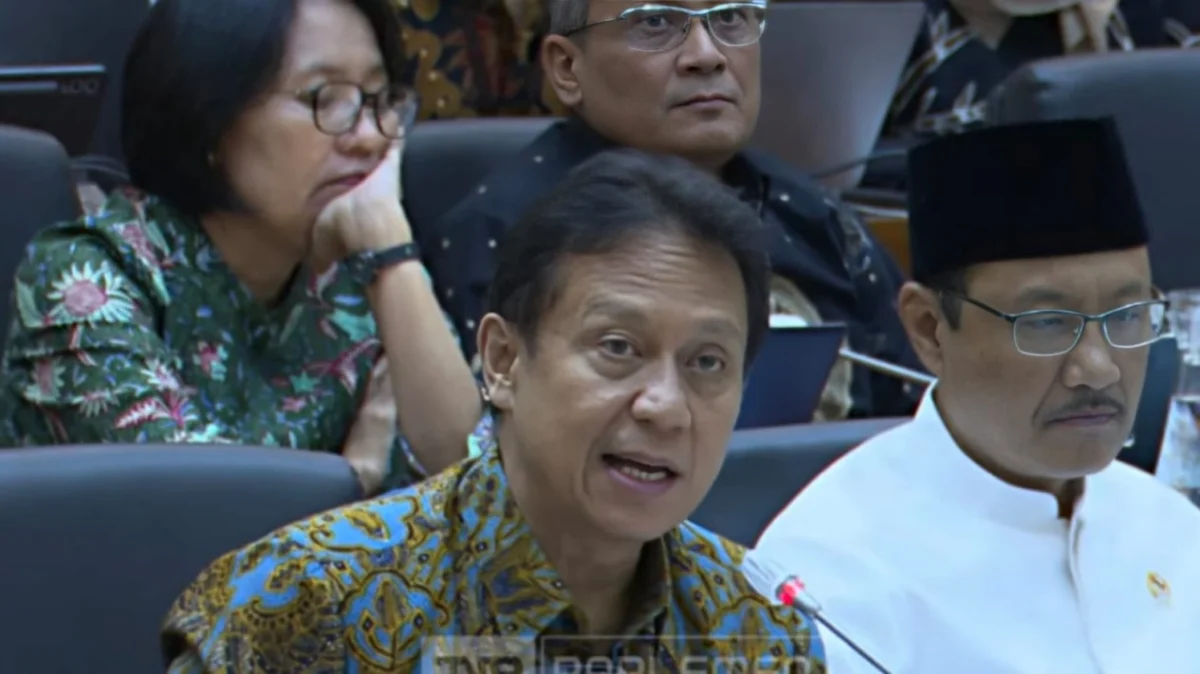
The Joint Decree is designed to eliminate the prevailing ambiguity that has left hospitals hesitant to provide services and BPJS Kesehatan lacking a clear legal basis to disburse payments for this vulnerable group. Minister of Health Budi Gunadi Sadikin emphasized the urgency and necessity of this tripartite agreement, underscoring its role in safeguarding the fundamental right to healthcare. "I have just concluded discussions with the Minister of Social Affairs and the Director of BPJS Kesehatan. We will forge a three-way SKB. If any of the 11 or 8 million [PBI participants] arrive, hospitals must serve them – that falls under my authority. Subsequently, the Director of BPJS Kesehatan will be advised to process their payments. To protect the BPJS Kesehatan Director, the Minister of Social Affairs and I will definitively commit to covering their premiums in the SKB," Minister Sadikin stated, following a protracted six-hour meeting.
Background of the Universal Health Coverage Program (JKN-KIS)
Indonesia’s Jaminan Kesehatan Nasional-Kartu Indonesia Sehat (JKN-KIS) program, launched in 2014, represents one of the world’s largest single-payer healthcare systems, aiming to provide universal health coverage to all Indonesian citizens. At its core, JKN-KIS categorizes participants into several groups, including those who pay their own premiums (PBPU), those whose premiums are paid by their employers (PPU), and the PBI segment. The PBI category specifically targets impoverished and vulnerable populations whose health insurance premiums are fully subsidized by the state, reflecting the government’s commitment to social justice and equitable access to healthcare.
The PBI segment currently covers tens of millions of Indonesians, acting as a crucial safety net. However, the sheer scale of the program, coupled with dynamic demographic shifts and periodic data cleansing requirements, often leads to administrative complexities. The data for PBI participants is primarily managed by the Ministry of Social Affairs, which is responsible for determining eligibility based on socio-economic criteria. The Ministry of Health, on the other hand, oversees the overall health system and holds the budget for PBI premium payments, which are then channeled to BPJS Kesehatan, the implementing body. This multi-agency dependency, while designed for checks and balances, has occasionally created bottlenecks, particularly when data updates or eligibility reviews lead to transitional statuses for beneficiaries.
The Current Dilemma: 11 Million in Limbo
For several months leading up to this critical decision, an estimated 11 million PBI participants found themselves in an administrative limbo. These individuals, previously active beneficiaries, were flagged for deactivation during routine data verification processes. While such processes are essential to ensure the program’s integrity and prevent misuse, the lack of a clear, immediate protocol for continued service during the transition period created a humanitarian crisis. Hospitals, fearing non-payment for services rendered to these "inactive" but still vulnerable patients, often hesitated or outright refused treatment. BPJS Kesehatan, bound by legal frameworks, could not disburse claims without an active participant status or a clear legal directive.
This predicament resulted in numerous complaints from patients, hospital administrators, and healthcare workers, who found themselves caught between medical ethics and administrative constraints. The issue was particularly acute for patients requiring continuous or emergency care, including those with catastrophic illnesses, where delays in treatment could have life-threatening consequences. The absence of a binding legal framework meant that despite the clear need, the system was failing to deliver on its promise of universal healthcare for these specific beneficiaries.
The Joint Decree: A Solution for Legal Clarity and Financial Assurance
The impending SKB is designed to untangle this administrative knot by providing an explicit legal umbrella for the continued provision of healthcare services. Under the terms discussed, the Ministry of Social Affairs will formally authorize the Ministry of Health to disburse premium payments to BPJS Kesehatan for the reactivated PBI participants. This inter-ministerial authorization is critical because, as Minister Budi explained, the substantial Rp46 trillion budget allocated for JKN PBI premiums resides within the Ministry of Health, while the authority over participant data and eligibility rests with the Ministry of Social Affairs.
By signing the SKB, both ministries commit to ensuring that premiums are paid for these transitioning beneficiaries. This commitment, in turn, provides BPJS Kesehatan with the necessary legal foundation to process and pay claims from hospitals. Without this legal certainty, BPJS Kesehatan’s Director would be exposed to potential legal challenges for disbursing funds to "inactive" participants. The SKB thus serves as a protective shield, empowering BPJS Kesehatan to fulfill its mandate without hesitation.
Ministerial Endorsement and Swift Action
Minister of Social Affairs Saifullah Yusuf confirmed his ministry’s full support for the initiative during the same meeting. He pledged to expedite the issuance of a separate Ministerial Decree (SK) for the re-activation of beneficiaries who require urgent medical attention. "Yes, we are ready to immediately issue the determination. It will be a letter of determination. Re-activation will then designate them as beneficiaries. Yes, an SK," Minister Yusuf affirmed, signaling a rapid response to the crisis. This dual approach – an overarching SKB for policy and an immediate SK for individual re-activation – underscores the government’s commitment to both systemic reform and urgent patient care.
The re-activation decree from the Ministry of Social Affairs will ensure that individuals previously removed from the active PBI list are formally reinstated, allowing them to once again be recognized as legitimate beneficiaries. This process is crucial for enabling BPJS Kesehatan to process their claims seamlessly and for hospitals to treat them without fear of non-payment.
Legislative Oversight and Patient Advocacy
The critical role of the legislative body, specifically Commission IX of the House of Representatives (DPR RI), in addressing this issue cannot be overstated. Commission IX, which oversees health, labor, and demography, had been inundated with complaints from patients, hospital leaders, and healthcare personnel regarding the PBI deactivation issue. The "several months" of ambiguity and the resulting denials of service had drawn sharp criticism from the legislative body, which serves as a voice for the public.
Chairperson of Commission IX DPR RI, Felly Estelita Runtuwene, who led the marathon meeting, articulated the urgency of the situation and the legislative body’s firm stance. "So that everyone across Indonesia – hospitals, patients, including those with catastrophic conditions who need continuous care – are immediately served. There can be no more waiting for activation or re-activation if it’s already necessary at that moment," she asserted, emphasizing that bureaucratic delays must not compromise patient well-being. The DPR’s persistent advocacy played a pivotal role in bringing the relevant ministries and BPJS Kesehatan to the negotiation table and pushing for a definitive resolution. Their engagement highlights the democratic accountability mechanisms in place to ensure the effectiveness of public services like JKN-KIS.
Broader Impact and Implications
The issuance of this Joint Decree carries profound implications for various stakeholders and the broader Indonesian healthcare landscape:
-
For Patients: The most immediate and significant impact will be on the 11 million PBI participants. This decision guarantees their access to essential medical services, alleviating the immense stress and anxiety caused by the fear of being denied treatment due to administrative technicalities. It restores faith in the JKN-KIS program as a reliable social safety net, especially for the most vulnerable.
-
For Hospitals and Healthcare Facilities: Hospitals will gain much-needed financial assurance. The SKB provides explicit legal backing for BPJS Kesehatan to pay claims, removing the financial risk previously associated with treating transitioning PBI patients. This certainty will encourage hospitals to provide services without hesitation, reducing administrative burdens and improving the overall efficiency of healthcare delivery. It also safeguards the financial stability of many public and private hospitals, which often rely on BPJS Kesehatan reimbursements.
-
For BPJS Kesehatan: The SKB provides BPJS Kesehatan with a clear legal mandate, simplifying its operational processes and reducing potential legal liabilities. It empowers the agency to fulfill its role as the national health insurance provider more effectively, focusing on service delivery rather than navigating complex inter-ministerial jurisdictional issues. This clarity will enhance the program’s credibility and public trust.
-
For Inter-Ministerial Coordination: The successful negotiation and impending issuance of the SKB demonstrate a crucial step forward in inter-ministerial coordination. It sets a precedent for how complex social programs, involving multiple government agencies with overlapping responsibilities, can collaboratively address challenges. This improved coordination is vital for the long-term sustainability and effectiveness of large-scale social welfare initiatives.
-
For the JKN-KIS Program’s Credibility: The resolution of this crisis strengthens the overall credibility and perceived reliability of the JKN-KIS program. Prolonged issues of service denial for PBI participants could have eroded public trust in the universal health coverage system. By proactively addressing these concerns, the government reaffirms its commitment to the program’s foundational principles of equity and access.
-
Financial Sustainability and Budget Management: The Rp46 trillion budget allocated for PBI JKN premiums is substantial. The SKB ensures that these funds are utilized effectively and disbursed appropriately, aligning financial resources with patient needs. It also highlights the ongoing challenge of managing a large national health budget and the importance of efficient allocation and robust oversight.
Looking Ahead: Implementation and Monitoring
While the decision to issue the SKB is a significant victory, the focus will now shift to its swift and effective implementation. Authorities must ensure that the decree is immediately communicated to all healthcare facilities and BPJS Kesehatan branches nationwide. Furthermore, the Ministry of Social Affairs’ commitment to promptly issue individual re-activation decrees must be realized without delay, especially for patients requiring urgent or catastrophic care.
Continuous monitoring will be crucial to track the impact of the SKB, identify any remaining bottlenecks, and ensure that all 11 million PBI participants truly receive the healthcare they are entitled to. The DPR Commission IX, along with civil society organizations and patient advocacy groups, will likely maintain their oversight, ensuring that the government’s commitment translates into tangible improvements in healthcare access for the most vulnerable segments of Indonesian society. This collaborative approach, from policy formulation to implementation and oversight, will be key to the enduring success of Indonesia’s ambitious universal health coverage program.