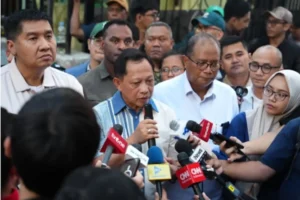

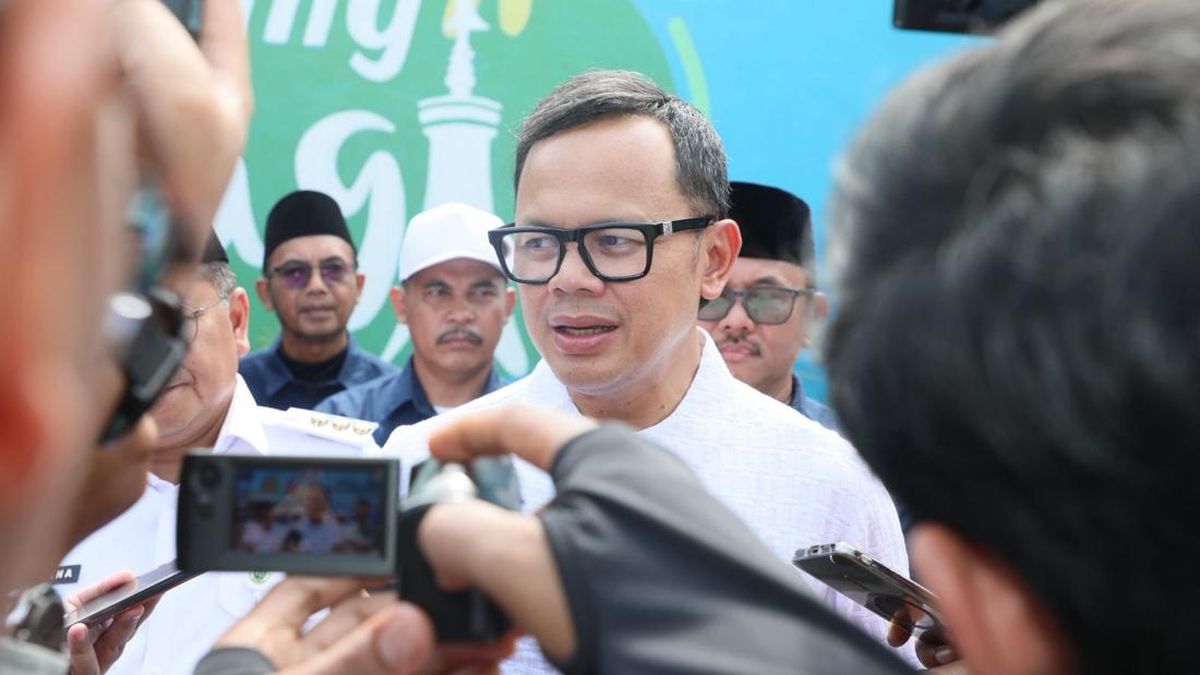
On Wednesday, April 15, Vice Minister of Home Affairs (Wamendagri) Bima Arya Sugiarto conducted a direct inspection of the pilot location for the ‘Kampung Bahagia’ (Happy Village) Program in RT 14, Kenali Asam Village, Kotabaru District, Jambi City. During his visit, the Vice Minister underscored the critical role of the Rukun Tetangga (RT) Chairman as the frontline spearhead for the successful implementation of various government programs at the most granular level of administration. Bima Arya’s assessment emphasized that the efficacy and reach of national and local government initiatives are profoundly dependent on the capacity, dynamism, and proactive engagement of RT leaders in mobilizing community participation and fostering local self-reliance.
The Foundational Role of RT Chairmen in Local Governance
In Indonesia, the Rukun Tetangga (RT) and Rukun Warga (RW) units represent the lowest administrative tiers, serving as crucial bridges between the community and the formal government structure. An RT typically comprises 30 to 50 households, making its chairman an intimately familiar figure within the local populace. This proximity grants RT chairmen unique insights into community needs, challenges, and aspirations, positioning them as indispensable agents for local development. Bima Arya articulated this sentiment forcefully, stating, "The spearhead is the RT Chairman. For every program, if the RT Chairman is not alert, not active, that village will not succeed." This statement encapsulates a long-standing challenge in Indonesia’s decentralized governance framework: translating national policies and budgets into tangible benefits for citizens often falters at the implementation stage if local leadership is disengaged. The Wamendagri’s focus on RTs signifies a strategic recognition of their untapped potential as catalysts for change, moving beyond their traditional administrative roles to embrace more proactive community development functions.
The ‘Kampung Bahagia’ Model: A Paradigm for Systematic Empowerment
The ‘Kampung Bahagia’ Program in Jambi’s RT 14 was presented as an exemplary model of a systematic empowerment approach, distinguishing itself through the establishment of dedicated working groups (Pokja) and the strengthening of community governance structures. Unlike conventional programs that often prioritize top-down budget disbursement, the Jambi City Government’s initiative focuses on holistic system building and public education. This includes crucial aspects such as disciplined financial management through banking mechanisms, ensuring transparency and accountability in resource utilization. This shift from mere budgetary allocation to a comprehensive development strategy, encompassing human resource development and robust institutional frameworks, is what garnered Bima Arya’s particular commendation. He expressed optimism about the program’s longevity and replicability, stating, "Programs like this should last long and endure because their benefits are felt. I appreciate this. Kampung Bahagia can be adopted not only in cities/regencies in Jambi but also throughout Indonesia."
The program’s design, which integrates community participation from planning to execution, is a key factor in its perceived success. The formation of Pokja allows for specialized teams to manage different aspects of the program, such as infrastructure development, health initiatives, or social welfare projects, thereby distributing responsibilities and leveraging diverse community skills. This structured approach helps in circumventing common pitfalls of grassroots initiatives, such as mismanagement of funds or lack of sustained engagement, by embedding accountability and a sense of shared ownership within the community itself.
Chronology and Implementation of ‘Kampung Bahagia’
While the Vice Minister’s visit occurred on April 15, the ‘Kampung Bahagia’ Program in RT 14 Jambi has a discernible timeline of development and implementation. Its inception likely stemmed from a collaborative effort between the Jambi City Government and local community leaders, identifying specific needs within Kenali Asam Village. The program’s phases can be broadly outlined as follows:
- Needs Assessment and Planning (Early Stage): Local officials, in conjunction with the RT 14 chairman and community representatives, would have conducted a thorough assessment to identify pressing issues. For RT 14, this likely included inadequate drainage, lack of communal facilities, and security concerns. The concept of ‘Kampung Bahagia’ was then formulated to address these multifaceted challenges.
- Program Design and Stakeholder Engagement (Mid-Stage): The Jambi City Government would have developed the programmatic framework, emphasizing the systematic approach involving Pokja formation and financial transparency. Crucially, this stage would have involved extensive consultation with the community to ensure the program’s objectives aligned with local priorities and to secure community buy-in.
- Implementation and Initial Mobilization (Ongoing): Following design finalization, the program moved into its execution phase. This involved the establishment of the working groups, allocation of initial funds (from the city government), and the commencement of physical infrastructure projects and procurement of facilities. The emphasis on swadaya (community self-reliance) would have been integrated from this stage, encouraging residents to contribute labor, materials, or local expertise.
- Monitoring, Evaluation, and Adaptation (Continuous): The program incorporates a continuous feedback loop, utilizing data-driven metrics to track progress and impact. This ongoing evaluation allows for timely adjustments and ensures the program remains responsive to evolving community needs. Bima Arya’s visit represents a significant external validation and review point within this continuous cycle.
The systematic approach and phased implementation underscore the program’s commitment to long-term sustainability rather than short-term fixes. This structured timeline helps ensure that resources are utilized efficiently, and community engagement remains high throughout the program’s lifecycle.
Tangible Achievements and Community Empowerment
The ‘Kampung Bahagia’ Program in RT 14 Jambi has yielded several concrete improvements, demonstrating its effectiveness in addressing immediate community needs and fostering collective action. Key achievements highlighted include:
- Infrastructure Development: The construction of a 133-meter covered drainage system is a significant health and environmental upgrade. Open drainage systems often contribute to unsanitary conditions, vector-borne diseases, and localized flooding. A covered system improves hygiene, reduces mosquito breeding grounds, and enhances public safety by eliminating open trenches.
- Provision of Community Facilities: The acquisition of essential communal facilities such as tents, chairs, printers, and health equipment directly benefits the residents. Tents and chairs facilitate community gatherings, social events, and educational activities. A printer can support administrative tasks for the RT or small community businesses. Health equipment, even basic items, can be crucial for first aid or health monitoring within the neighborhood, especially for elderly residents or during emergencies.
- Enhanced Security: The installation of five CCTV points significantly boosts local security. CCTV cameras act as a deterrent to crime, aid in crime investigation, and contribute to a heightened sense of safety among residents. This contributes to the ‘bahagia’ (happiness) aspect by reducing anxiety and fostering a more secure living environment.
- Fostering Swadaya (Self-Reliance): Beyond the government-funded initiatives, the program has successfully stimulated community self-help. Residents of RT 14 contributed to an additional 80 meters of drainage construction and various other facilities through their own efforts and resources. This swadaya component is vital; it not only amplifies the impact of government investment but also cultivates a sense of ownership and collective responsibility among the community members. When residents invest their own time and resources, they are more likely to maintain and sustain the improvements.
This combination of government support and community initiative has led to improved social cohesion, increased efficiency in resource utilization, and a tangible enhancement in the quality of life for the residents of RT 14.
The Imperative of Data-Driven Evaluation
A cornerstone of the ‘Kampung Bahagia’ model, and a point strongly emphasized by Vice Minister Bima Arya, is the importance of data-driven measurement. He stressed the necessity of collecting baseline data before program implementation and subsequent data after its rollout to accurately assess its real impact on the community. This rigorous evaluation methodology is critical for several reasons:
- Ensuring Accountability: Data provides objective evidence of whether program objectives are being met and whether public funds are being used effectively.
- Informing Policy Decisions: Concrete data allows policymakers to understand what works and what doesn’t, guiding future program design and resource allocation.
- Demonstrating Impact: Quantifiable results are essential for showcasing the benefits of the program to stakeholders, including other communities, potential donors, and the broader public.
- Facilitating Replication: A data-backed success story is far more compelling for replication in other regions. It provides a blueprint and evidence of expected outcomes.
For ‘Kampung Bahagia,’ such data could include metrics on public health (e.g., reduction in waterborne diseases post-drainage construction), crime rates (e.g., reduction in petty crime following CCTV installation), economic indicators (e.g., increased local economic activity due to improved infrastructure), and social cohesion (e.g., increased participation in community events, survey data on citizen satisfaction and sense of belonging). The integration of such robust evaluation frameworks elevates the ‘Kampung Bahagia’ program from a mere project to a scalable, evidence-based model for community development.
Official Responses and Broader Implications
The Vice Minister’s commendation of the ‘Kampung Bahagia’ Program serves as a powerful endorsement, signaling the Ministry of Home Affairs’ commitment to strengthening grassroots governance and promoting innovative local development models. While specific statements from other officials were not detailed in the original report, it is logical to infer positive reactions:
- Mayor of Jambi City: Would likely express pride in the local initiative, reiterate commitment to scaling the program within the city, and thank the Vice Minister for the national recognition and support. This recognition can unlock further resources and collaboration opportunities.
- Head of Kotabaru District and Kenali Asam Village Head: Would emphasize the collaborative effort, the positive impact on their constituents, and the dedication of the RT 14 chairman and community. They would also highlight the challenges overcome and the lessons learned.
- RT 14 Chairman and Community Members: Would express gratitude for the program, share personal anecdotes of improved living conditions, and articulate their continued commitment to maintaining and expanding the initiatives. Their voices are crucial in validating the program’s ‘bottom-up’ success.
Beyond local responses, the ‘Kampung Bahagia’ model holds significant broader implications for Indonesia’s national development agenda:
- Decentralization and Local Autonomy: The program exemplifies effective decentralization, where local governments and communities take ownership of development. It reinforces the idea that central government support should empower local initiatives rather than dictate them.
- Sustainable Development Goals (SDGs): The program directly contributes to several SDGs. Improved drainage aligns with SDG 6 (Clean Water and Sanitation). Community facilities and security enhance SDG 11 (Sustainable Cities and Communities). The empowerment aspect, especially for women and vulnerable groups through Pokja, supports SDG 5 (Gender Equality) and SDG 10 (Reduced Inequalities). The emphasis on good governance and participatory decision-making relates to SDG 16 (Peace, Justice, and Strong Institutions).
- Poverty Alleviation and Social Inclusion: By improving basic infrastructure, health, and security, the program creates a more conducive environment for economic activity and social well-being, directly impacting poverty alleviation efforts at the community level.
- National Replication Potential: The call for national replication by the Vice Minister suggests a concerted effort to identify and scale successful local models. This would require:
- Policy Frameworks: Developing clear guidelines for other local governments to adopt similar systematic approaches.
- Capacity Building: Providing training and resources for RT chairmen and local community facilitators nationwide.
- Funding Mechanisms: Exploring innovative funding models that combine central, local, and community contributions.
- Knowledge Sharing: Establishing platforms for inter-regional learning and exchange of best practices.
However, scaling such programs is not without challenges. These may include variations in local contexts, differing levels of local government capacity and political will, potential for funding gaps, and the difficulty in replicating the unique leadership and community spirit found in a specific pilot area like RT 14 Jambi. Nevertheless, the ‘Kampung Bahagia’ program offers a compelling blueprint for community-led development that is systematic, transparent, and demonstrably impactful. Its success in Jambi provides valuable lessons for fostering resilience, self-reliance, and overall well-being across Indonesia’s diverse communities. The emphasis on the RT chairman as the "ujung tombak" or spearhead underscores a crucial recognition that truly effective governance must emanate from and be sustained by strong, active leadership at the most fundamental level of society.