

Jakarta, CNN Indonesia – Bioskop Trans TV tonight, Wednesday, April 15, 2026, will air the 2022 action thriller Memory, starring Liam Neeson and Monica Bellucci, at 9:00 PM WIB. The film, based on Jef Geeraerts’ novel De Zaak Alzheimer and a remake of the 2003 Belgian adaptation of the same name, delves into the shadowy world of contract killers and the devastating impact of neurodegenerative diseases. This screening arrives at a time when global attention is increasingly focused on the complexities of organized crime and the ethical dilemmas faced by law enforcement agencies, particularly in combating child exploitation.
The Premise: A Killer’s Conscience and a Detective’s Pursuit
Memory centers on Alex Lewis, portrayed by Liam Neeson, a highly skilled assassin operating in Mexico. Lewis is grappling with early-onset Alzheimer’s disease, a condition that is beginning to erode his sharp cognitive abilities and memory. His employer is the enigmatic Davana Sealman, played by Monica Bellucci, a powerful figure in the criminal underworld.
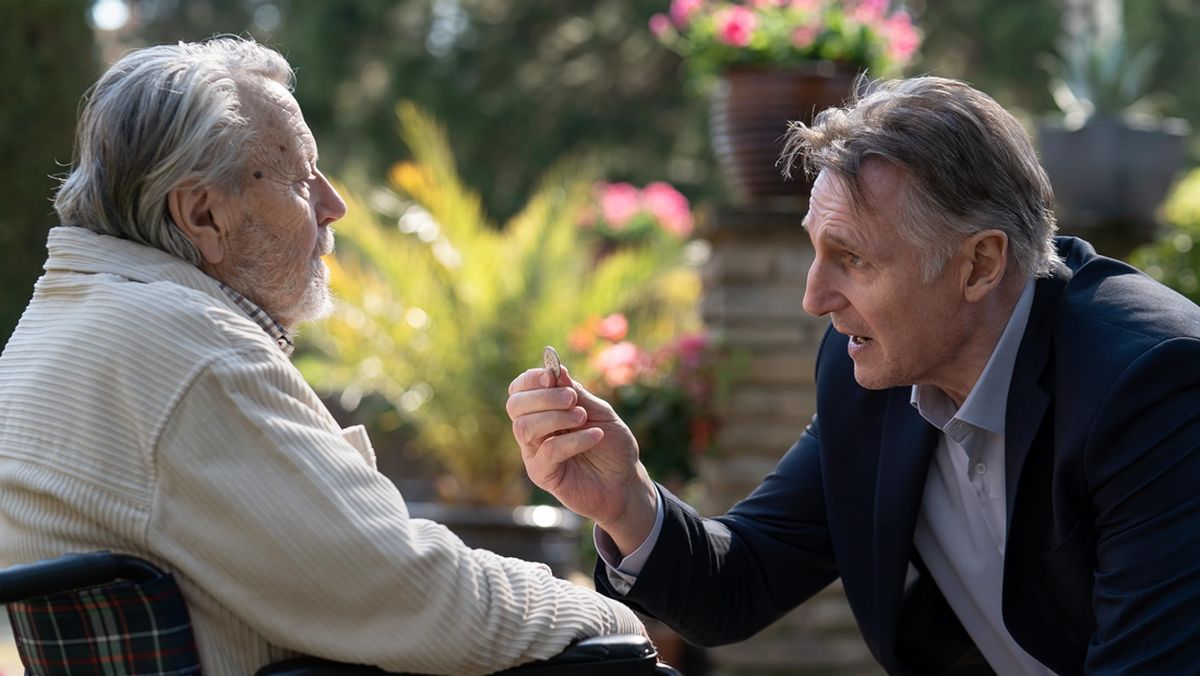
Lewis is assigned a critical mission: to eliminate Ellis Van Camp, a construction worker at a Texas processing facility. This assignment holds a particular resonance for Lewis, as El Paso, Texas, is his childhood stomping ground, and it’s also where his own brother resides in a nursing home, succumbing to the ravages of Alzheimer’s. This personal connection adds a layer of poignant urgency to his mission, potentially blurring the lines between professional duty and personal anguish.
Meanwhile, the narrative introduces Vincent Serra, a dedicated agent from the FBI’s Child Exploitation Task Force, portrayed by Guy Pearce. Serra is operating undercover in El Paso, relentlessly pursuing a notorious sex trafficker known as "Papa Leon." His investigation takes a perilous turn when, during a botched arrest attempt, Serra is forced to kill Papa Leon after the trafficker takes his own daughter, Beatriz (played by Mia Sanchez), hostage. The tragic incident leaves Beatriz in the custody of the processing facility where her father was a target and ultimately leads to her placement in an orphanage. Serra’s frustration is palpable, stemming from the often-insurmountable obstacles and systemic failures he encounters in his domestic human trafficking investigations.
A Collision of Worlds: From Assassination to Child Protection
The plot thickens as Lewis successfully assassinates Ellis Van Camp and retrieves a crucial flash drive from his safe. However, his next target is revealed to be Beatriz. Upon infiltrating the orphanage, Lewis finds himself confronted with an unexpected moral quandary. The sight of the vulnerable child triggers a deep-seated revulsion, leading him to refuse the kill. He declares that "children should not be touched," a profound departure from his hardened professional persona.
This moral awakening sets Lewis on a collision course with his employers and other criminal elements. He confronts William Borden (Daniel de Bourg), Davana’s lawyer, demanding the cancellation of his contract on Beatriz. However, before Lewis can fully extricate himself or protect Beatriz, she is tragically murdered by another assassin, Mauricio.
The following morning, Lewis awakens in a hotel room after a one-night stand, only to be met with news reports detailing Beatriz’s murder. The realization dawns that he is now in grave danger. He instructs the woman he was with to remain in the room before heading to the parking lot, where he is ambushed by Mauricio. A violent shootout ensues, during which the woman, who had followed Lewis in an attempt to return his dropped Alzheimer’s medication, is tragically killed. Lewis manages to eliminate Mauricio and disposes of both bodies by setting fire to Mauricio’s car. He then sets out to confront Borden, hinting at a larger conspiracy and a quest for answers or retribution.
Contextualizing Memory: Alzheimer’s, Crime, and Cinematic Remakes
The film’s thematic exploration of Alzheimer’s disease is particularly relevant. According to the World Health Organization (WHO), Alzheimer’s disease is the most common cause of dementia, affecting tens of millions of people worldwide. The progressive nature of the disease, characterized by memory loss, cognitive decline, and behavioral changes, presents immense challenges for individuals, families, and healthcare systems. By portraying a protagonist battling this debilitating condition, Memory injects a layer of human vulnerability into a genre often characterized by stoic, invulnerable heroes. This juxtaposition of physical and mental deterioration with the demands of a high-stakes profession offers a compelling dramatic arc.
The film’s origin as a remake of a Belgian film also speaks to the globalized nature of storytelling and the enduring appeal of certain narrative structures. The original De Zaak Alzheimer (2003) was critically acclaimed and garnered significant international attention, paving the way for this American adaptation. Remakes often aim to reintroduce compelling stories to new audiences or to offer fresh perspectives through updated cultural contexts and cinematic techniques. In this instance, the American setting and the involvement of Hollywood star Liam Neeson likely aimed to broaden the film’s commercial appeal.
The Broader Implications: Crime Fighting and Ethical Crossroads
The subplot involving the FBI’s Child Exploitation Task Force underscores the persistent and disturbing reality of human trafficking and child exploitation. This is a global issue that transcends borders and requires multifaceted approaches from law enforcement, international organizations, and civil society. The FBI’s efforts, as depicted in the film, highlight the dedication and risks involved in combating these heinous crimes. However, the narrative also subtly touches upon the inherent difficulties and the emotional toll these investigations can take on agents, particularly when justice remains elusive or when innocent lives are tragically lost.
The film’s depiction of a contract killer grappling with a debilitating disease also raises questions about the nature of morality and redemption within the criminal underworld. Lewis’s refusal to kill Beatriz signifies a potential turning point, suggesting that even hardened criminals can be swayed by innate humanity or by the stark realities of their own mortality and the suffering of others. This element adds a philosophical dimension to the action-packed narrative, prompting audiences to consider the complexities of good and evil.
Conclusion: A Night of Suspense and Intrigue
As Memory airs tonight on Bioskop Trans TV, viewers can expect a gripping narrative that blends elements of a classic assassin thriller with the poignant drama of a personal struggle against a devastating illness. The film’s exploration of crime, morality, and the human condition, set against the backdrop of a relentless pursuit and a race against time, promises to be a compelling watch. Following Memory, Bioskop Trans TV will present Desperate Hour at 11:00 PM WIB, offering another dose of cinematic suspense.