Saturday, July 18, 2026 – 22:00 WIB
The Indonesian automotive landscape is undergoing a significant transformation, driven by the burgeoning electric vehicle (EV) sector. In recent years, the nation has witnessed a dramatic surge in EV adoption, with global manufacturers increasingly vying to introduce electric models at more accessible price points. By mid-2026, EVs have transitioned from niche alternatives to becoming a pivotal force propelling the growth of the national automotive industry, marked by a consistent upward trend in sales contributions.
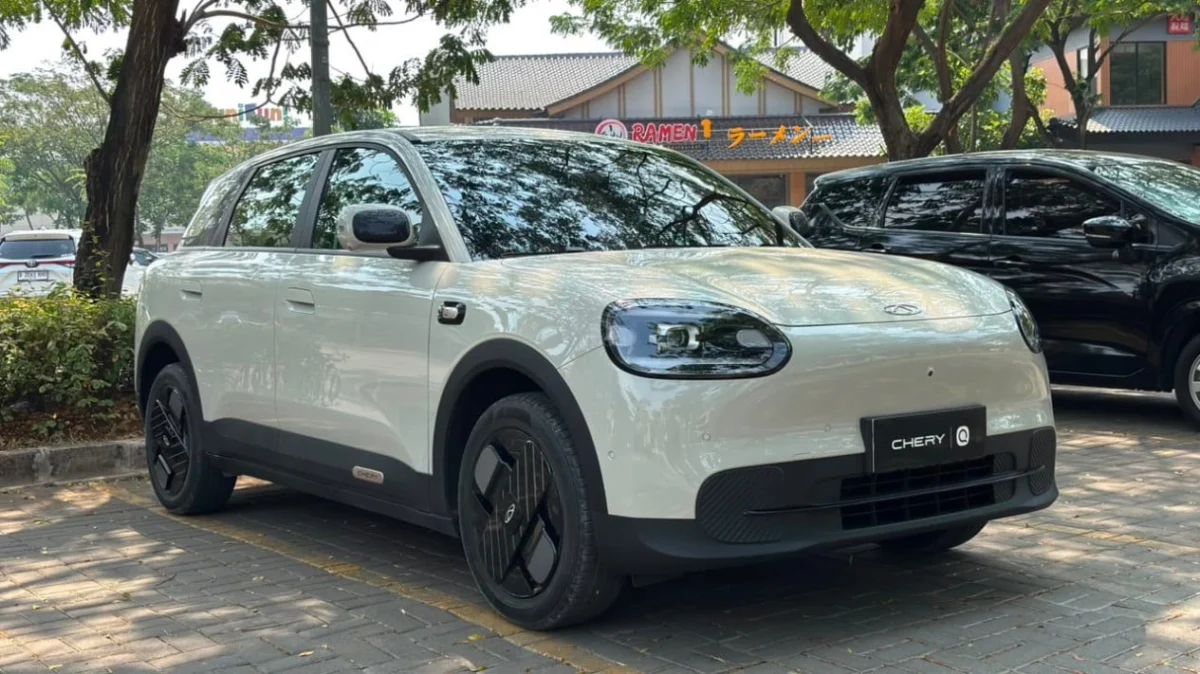
Amidst this dynamic market evolution, Chery is emerging as a prominent player, poised to introduce a new contender to the Indonesian consumer base. The upcoming Chery Q is generating considerable anticipation ahead of its official debut in the archipelago, signaling a strategic move by the brand to capture a significant share of the burgeoning EV market.
VIVA Otomotif recently had the opportunity for an exclusive first-hand experience with the Chery Q during a test drive event held at Grand Kota Bintang, Bekasi. This initial encounter offered a glimpse into the vehicle’s modern aesthetic and compact design, immediately setting a positive impression. The test drive revealed a host of attributes that position the Chery Q as a compelling option in the competitive EV segment.
A Driving Experience Engineered for Engagement
The Chery Q made a favorable impact from the initial acceleration. Drivers reported a smooth yet responsive electric motor, delivering instant torque that translates to seamless, unhesitating acceleration – a hallmark characteristic of electric propulsion. This immediate power delivery ensures an engaging and effortless driving experience, particularly in urban environments.
What distinguishes the Chery Q within its class of urban electric vehicles is its adoption of a Rear-Wheel Drive (RWD) system. This configuration, less common among its front-wheel-drive (FWD) rivals, contributes to a more balanced weight distribution. During maneuvers such as cornering and U-turns, the vehicle exhibited a greater sense of stability and predictability, instilling confidence in the driver. This RWD characteristic is likely to be a key differentiator, appealing to drivers who value a more dynamic and engaging driving feel.
The Electric Power Steering (EPS) system on the Chery Q was also noted for its excellent tuning. At lower speeds, the steering is exceptionally light, facilitating easy navigation through narrow city streets and simplifying parking maneuvers. As the vehicle’s speed increases, the steering weight progressively increases, ensuring a planted and stable feel, crucial for maintaining control at higher velocities. This adaptable steering response enhances both the convenience and safety of the driving experience.
Interior Innovation and Connectivity
Stepping inside the Chery Q, occupants are greeted by a distinctly futuristic ambiance. The interior is dominated by a striking 15.6-inch touchscreen display, serving as the central command center for a comprehensive suite of vehicle functions. This large, intuitive interface manages everything from infotainment and navigation to climate control and vehicle settings, underscoring the vehicle’s commitment to modern technology integration.
The cabin design prioritizes a clean and uncluttered aesthetic, with a focus on user-friendly ergonomics. While specific details on material quality and overall finish will be assessed upon a more comprehensive review, the initial impression suggests a well-appointed interior designed for comfort and convenience. The quiet operation characteristic of EVs further enhances the sense of refinement within the cabin, providing a serene environment for occupants.
EV Market Growth in Indonesia: A Broader Perspective
The introduction of the Chery Q comes at a pivotal moment for Indonesia’s automotive industry. The nation has set ambitious targets for EV adoption, aiming to significantly reduce carbon emissions and reliance on fossil fuels. Government incentives, including tax breaks and subsidies for EV purchases and charging infrastructure development, have played a crucial role in stimulating consumer interest and market growth.
As of early 2026, the EV market share in Indonesia, while still nascent compared to established automotive markets, has demonstrated exponential growth. Data from the Indonesian Automotive Industry Association (Gaikindo) indicates a steady increase in EV sales figures quarter-on-quarter. This trend is supported by a growing network of charging stations across major cities, alleviating range anxiety for potential buyers.
Competitive Landscape and Chery’s Strategy
Chery’s entry into the Indonesian EV market with the Q is a strategic move to capitalize on this expanding segment. The company is known for offering vehicles that aim to balance performance, features, and affordability. In a market where price sensitivity remains a significant factor for many consumers, Chery’s commitment to competitive pricing for its EV offerings could prove to be a strong competitive advantage.
The Chery Q will likely contend with a growing roster of established and emerging EV players in Indonesia. Brands such as Wuling, Hyundai, and MG have already made significant inroads with their respective EV models, offering a range of options across different price brackets and vehicle types. Chery’s differentiated approach, particularly with its RWD configuration and focus on a modern, tech-forward interior, aims to carve out a distinct identity and appeal to a specific segment of the market.
Anticipated Impact and Future Outlook
The arrival of the Chery Q is expected to further intensify competition within Indonesia’s EV market, potentially leading to even more attractive pricing and feature sets from competing manufacturers. This heightened competition is ultimately beneficial for consumers, offering them a wider array of choices and driving innovation across the sector.
The successful integration of models like the Chery Q into the Indonesian market will be a critical indicator of the nation’s progress towards its sustainable transportation goals. As more consumers embrace electric mobility, the demand for charging infrastructure, battery recycling solutions, and skilled technicians in the EV maintenance sector will continue to rise, creating new economic opportunities and fostering a greener future for the country.
The long-term implications of this EV surge extend beyond the automotive industry. A significant shift towards electric vehicles will contribute to improved air quality in urban centers, reduced noise pollution, and a lessened dependence on imported fossil fuels, thereby strengthening Indonesia’s energy security.
Official Statements and Industry Reactions (Inferred)
While direct statements from Chery Indonesia regarding the Q’s launch specifics were not detailed in the initial report, industry analysts anticipate a cautious yet optimistic rollout. Representatives from other automotive brands have often welcomed increased competition, viewing it as a catalyst for industry-wide advancement. Government officials, such as those from the Ministry of Industry and the Ministry of Energy and Mineral Resources, are likely to express support for new EV introductions, aligning with national decarbonization objectives.
Industry observers suggest that Chery’s strategy with the Q will likely focus on educating consumers about the benefits of EV ownership and highlighting the specific advantages of their offering, such as the unique RWD system and advanced technological features. The brand’s ability to establish a robust after-sales service network and readily available spare parts will also be critical for building consumer trust and long-term market penetration.
Looking Ahead: The Road to Electrification
The test drive experience with the Chery Q offers a promising preview of what the vehicle brings to the Indonesian market. Its blend of responsive performance, refined handling characteristics thanks to the RWD system, and a modern, tech-centric interior positions it as a strong contender. As Indonesia continues its ambitious journey towards electrification, the successful integration of innovative and competitively priced EVs like the Chery Q will be instrumental in shaping the future of mobility in the archipelago. The coming months will reveal the full pricing strategy and market positioning of the Chery Q, further defining its role in this rapidly evolving automotive landscape. The sustained growth of the EV sector in Indonesia hinges on continued innovation, supportive government policies, and the increasing acceptance and adoption by consumers.