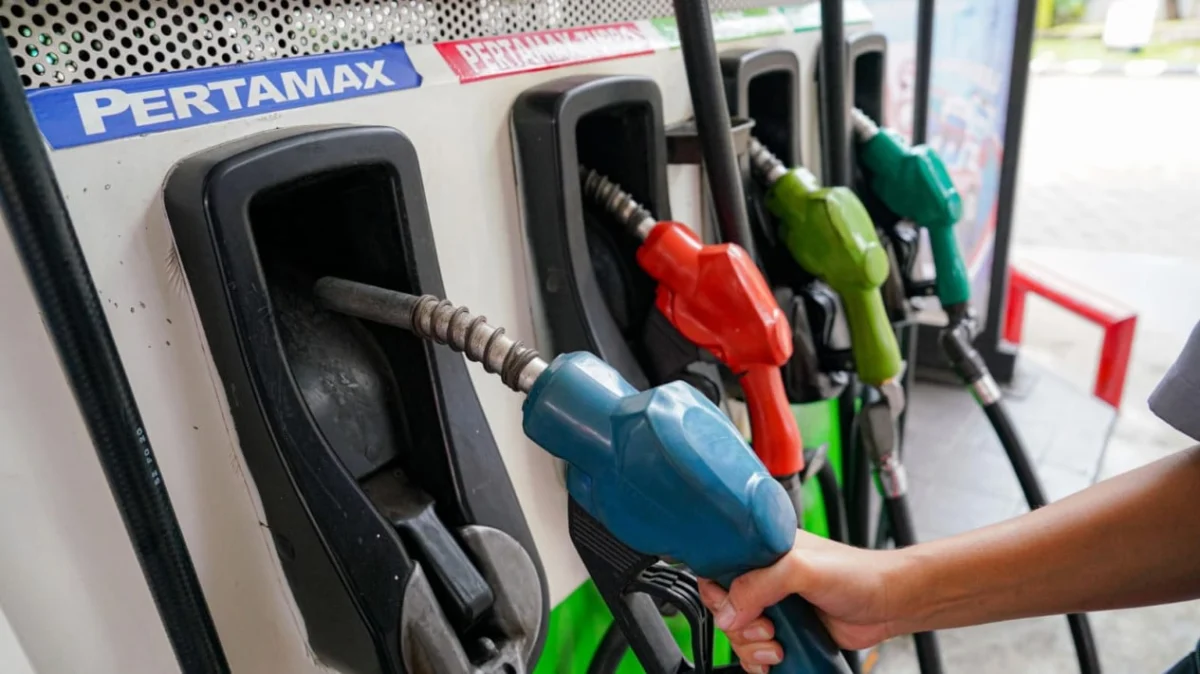
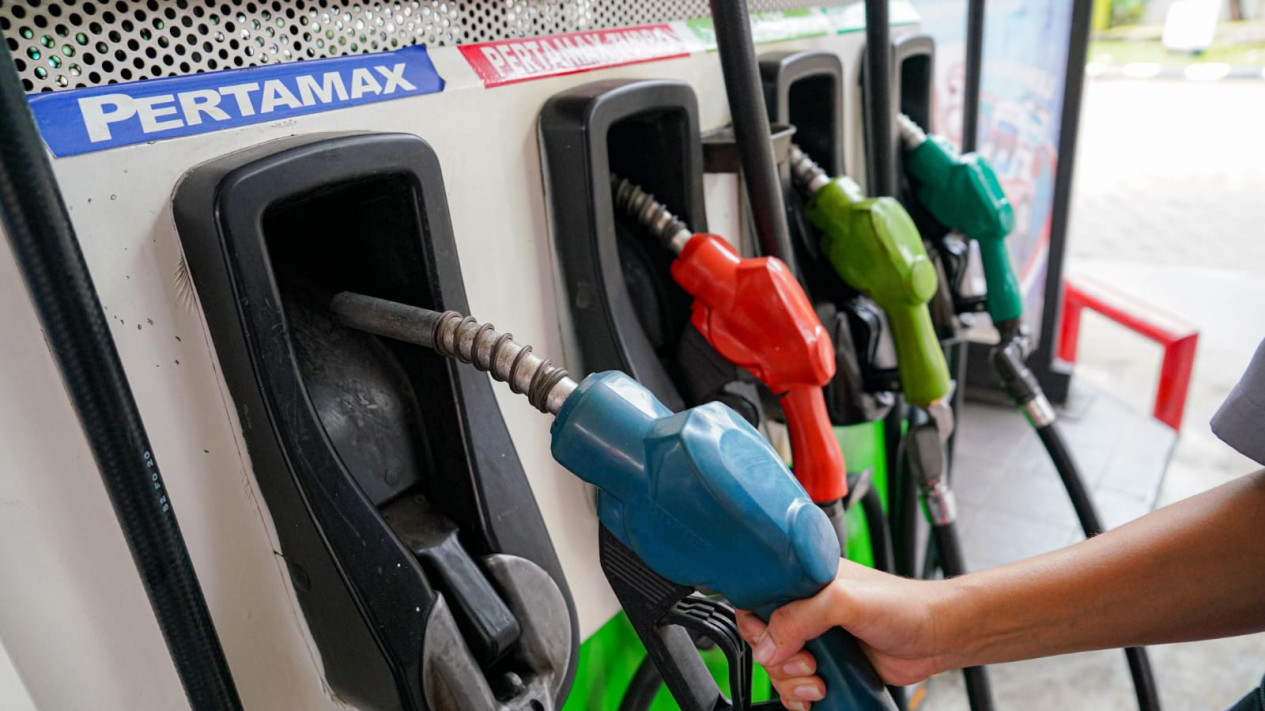
The ongoing geopolitical instability in the Middle East, specifically the intensifying confrontation between the United States and Iran, has cast a shadow of uncertainty over global energy markets, with potential severe ramifications for Indonesia’s domestic fuel pricing. Pertamina Patra Niaga, the retail arm of Indonesia’s state-owned energy giant, has issued a stark warning that if the conflict continues to disrupt supply chains and elevate global crude oil prices, the price of non-subsidized fuels such as Pertamax and Pertamina Dex could climb to as high as Rp 20,000 per liter.
This development follows a period of mounting volatility in international markets. As of mid-September 2026, the global energy sector is struggling to navigate the complexities of a conflict centered in the Strait of Hormuz, a critical maritime chokepoint through which a significant portion of the world’s oil supply transits. For Indonesia, a net importer of petroleum products, this external shock poses a direct threat to the financial viability of maintaining current retail price ceilings for non-subsidized fuel products.
The Anatomy of the Geopolitical Crisis
The conflict between the United States and Iran has introduced a level of market volatility that industry experts argue surpasses the energy crises triggered by the earlier Russia-Ukraine war. While the war in Eastern Europe primarily affected natural gas markets and regional oil distribution, the current standoff in the Middle East poses a fundamental risk to the primary flow of crude oil to Asia and the West.
Eko Ricky Susanto, Director of Retail Marketing at Pertamina Patra Niaga, noted during a recent briefing in Yogyakarta on September 11, 2026, that the situation is among the most precarious the company has faced in recent history. "We are hopeful for a swift de-escalation of the conflict in the Middle East. If the situation remains unresolved, the global impact on energy availability and price stability will continue to be felt acutely," Susanto stated.
The Strait of Hormuz is the world’s most important oil chokepoint, with daily oil flow estimated in the millions of barrels. Any military posturing or physical blockade in this region creates immediate "war premiums" in global oil prices, which are then passed down the supply chain to end-users in nations like Indonesia.
Escalating Indonesian Crude Price (ICP) Data
The economic pressure on the Indonesian government and its energy sectors is evidenced by the steady climb of the Indonesian Crude Price (ICP). According to the Ministry of Energy and Mineral Resources (ESDM), the average ICP reached US$ 89.43 per barrel in August 2026. This represents a significant upward trajectory, marking a rise of US$ 7.75 per barrel from the July 2026 average of US$ 81.68 per barrel.
This surge is formalized under the Decree of the Minister of Energy and Mineral Resources Number 352.K/MG.03/MEM.M/2026. The consistent climb in ICP serves as a barometer for the broader inflationary pressure facing the Indonesian economy. Analysts point out that for the domestic fuel market to return to a state of equilibrium, the global oil price would ideally need to retreat to the US$ 60–70 per barrel range—a level that currently appears increasingly unlikely given the prevailing geopolitical landscape.
Chronology of Recent Market Volatility
- Mid-2026: Tensions in the Middle East begin to escalate as diplomatic channels between Washington and Tehran experience a breakdown, leading to increased naval activity in the Strait of Hormuz.
- July 2026: The ICP is recorded at US$ 81.68 per barrel, signaling early market anxieties regarding supply chain security.
- August 2026: The full impact of the geopolitical crisis hits the markets. The ICP jumps to US$ 89.43 per barrel, prompting the Indonesian government to issue new regulatory updates regarding energy pricing and subsidy management.
- September 11, 2026: Pertamina Patra Niaga publicly acknowledges the potential for non-subsidized fuel prices to hit the Rp 18,000 to Rp 20,000 range if global prices do not moderate.
Implications for the Domestic Economy
The potential for fuel prices to reach the Rp 20,000 per liter threshold creates a ripple effect across the Indonesian economy. Non-subsidized fuel, while not used by the entire population, serves as a critical indicator for logistics and transportation costs. A spike in Pertamax prices typically leads to an increase in operational costs for businesses, which is then passed on to consumers in the form of higher prices for essential goods and services.
From an inflationary standpoint, the government faces a delicate balancing act. While the state aims to protect the purchasing power of the middle class, it is also constrained by the fiscal reality of the state budget (APBN). If global prices remain elevated, the government must decide whether to absorb the additional costs through increased subsidies—which puts further strain on the national budget—or to allow the price of non-subsidized fuel to float according to international market rates, thereby risking a public backlash.
Strategic Outlook and Mitigation Efforts
While Pertamina focuses on the retail market, the broader Indonesian energy sector is looking toward long-term mitigation strategies. The current crisis has underscored the vulnerability of the nation’s reliance on fossil fuels imported from volatile regions.
In response, there is a renewed push to diversify the energy mix. Efforts are currently underway to integrate more renewable energy sources into the national grid. For instance, in areas like Kalijaran, Pertamina Patra Niaga has been actively promoting the use of renewable energy for agricultural productivity. By shifting toward biomass, solar, and other forms of sustainable energy, the long-term goal is to reduce the overall national dependence on petroleum-based fuels.

However, these structural changes are long-term in nature. In the immediate term, the government continues to monitor the global energy market with intense scrutiny. The Ministry of Energy and Mineral Resources is currently evaluating the performance of the ICP for September to determine whether emergency measures are required to ensure the security of energy supplies.
Expert Analysis: The Path Forward
Market observers suggest that the current price projection of Rp 18,000–20,000 per liter is a realistic assessment based on current crude oil trends. If the geopolitical "war premium" persists, the cost of refined petroleum products—which are also subject to shipping and refining costs—will inevitably rise.
"The situation is fundamentally driven by risk-off sentiment in the global commodities market," says an energy analyst familiar with regional trade. "When investors see conflict in the Strait of Hormuz, they price in a supply shock. Until there is a diplomatic breakthrough that guarantees the safe passage of tankers, we should expect the current upward pressure on prices to remain."
The Indonesian government’s focus remains on maintaining "energy accountability." This involves ensuring that the pricing of fuel remains transparent and that the impact on the most vulnerable sectors of the economy is minimized. As the situation evolves, the coordination between Pertamina, the Ministry of ESDM, and international diplomatic partners will be critical in navigating what remains a volatile chapter in global energy history.
Ultimately, the goal for Indonesia is to maintain a stable supply of energy while managing the fiscal burden. As September progresses, all eyes will be on the diplomatic developments in the Middle East and the subsequent reaction of the global oil benchmarks. For the Indonesian consumer, the coming weeks will be a period of significant uncertainty as the nation awaits signals on whether global markets will stabilize or if the cost of transportation and energy will reach new, record-breaking heights.