The landscape of Indonesian football experienced a surge of intense media attention throughout Friday, September 18, 2026, as the national team preparations, player naturalization updates, and crucial domestic league sanctions captured the focal point of sports enthusiasts nationwide. Dominated heavily by the strategic announcements of head coach John Herdman regarding the final squad for the upcoming regional tournament, the sports news cycle also highlighted high-profile continental campaigns by local clubs and disciplinary measures handed down by the football association.
As the sporting public counts down the days to the commencement of the FIFA ASEAN Cup 2026, the convergence of international squad selections, promising new debuts, and strict domestic rulings paints a comprehensive picture of a nation deeply invested in the rapid evolution of its football ecosystem at both the club and national levels.
Strategic Squad Announcement for the FIFA ASEAN Cup 2026
The primary catalyst for the overwhelming reader interest centered on the official release of the 23-man squad chosen by head coach John Herdman for the impending FIFA ASEAN Cup 2026. Scheduled to run from September 25 to October 5, 2026, the tournament represents a monumental milestone for the Skuad Garuda, who have entered a period of heightened ambition and structural maturation under the leadership of the astute tactician.
Herdman’s selection strategy clearly emphasizes a blend of seasoned international experience and emerging global talent, drawing heavily from players plying their trade across Europe, Australia, and the Americas, alongside the finest talents of the domestic competition. The composition of the 23-player roster reflects a calculated effort to build a formidable team capable of asserting dominance on the Southeast Asian stage while establishing a competitive baseline for broader international engagements.
Among the standout inclusions are foundational pillars who have consistently anchored the national team’s tactical setups in recent years. Defensive solidity and tactical versatility are guaranteed with the inclusion of established names such as Kevin Diks, Dean James, Elkan Baggott, Justin Hubner, Nathan Tjoe-A-On, and Calvin Verdonk. Meanwhile, the midfield and attacking departments boast creative engines and goalscorers of proven pedigree, featuring Joey Pelupessy, Thom Haye, Ole Romeny, and Ragnar Oratmangoen. This core group provides the stability and tactical comprehension required to navigate the high-pressure environment of a regional championship.
The Rise of Luke Vickery and the Influx of Overseas Talent
A major talking point arising from the squad reveal is the heavy reliance on diaspora and overseas-based players, commonly referred to locally as "abroad" players. A total of 12 players operating outside of Indonesia have been drafted into the final squad, signaling the continued success of the national federation’s global scouting and naturalization pathways.
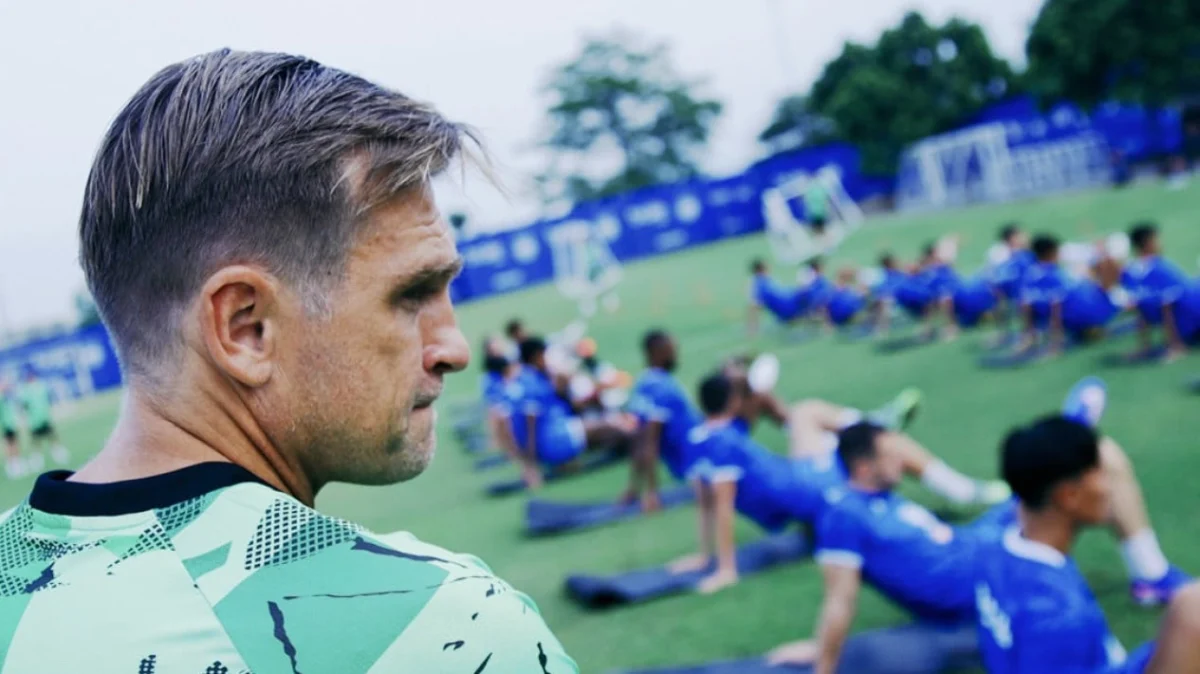
The most captivating narrative within this cohort is the maiden national team call-up and subsequent debut inclusion of young forward Luke Vickery. The Macarthur FC attacker has officially broken into the senior setup under John Herdman, rewarding the coaching staff’s diligence in tracking emerging talents across the globe. Born in Kailua, Hawaii, United States, on October 25, 2005, Vickery holds Indonesian heritage through his mother, a lineage that has now paved the way for his international representation under the Merah Putih banner.
Vickery’s integration into the squad is viewed by analysts as a forward-thinking move, injecting youthful exuberance, dynamic movement, and alternative tactical options into the attacking third. His development within the Australian A-League has closely monitored by scouts, and his presence in the squad underscores the broader objective of constructing a sustainable talent pipeline that bridges international diaspora communities with the Indonesian national program.
Disciplinary Fallout: Komdis PSSI Sanctions Persija Jakarta Following High-Stakes Clash
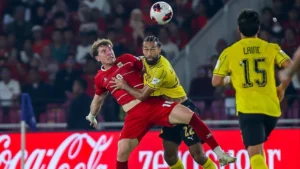
Away from the national team setup, the domestic arena delivered significant headlines involving one of Indonesia’s most storied clubs, Persija Jakarta. Following the high-profile BRI Super League 2026/2027 fixture against arch-rivals Persib Bandung at the historic Stadion Gelora Bung Karno (GBK) in Jakarta on Saturday, September 12, 2026, the Disciplinary Committee of the Football Association of Indonesia (Komdis PSSI) issued stringent sanctions.
According to the official decree released by Komdis PSSI, the Match Organizing Committee (Panpel) of Persija Jakarta was found culpable of severe disciplinary violations during and surrounding the marquee fixture. As a direct consequence, the club has been slapped with a financial penalty of Rp40 million alongside a severe sporting sanction: a prohibition on hosting two home matches within three designated administrative territories—DKI Jakarta, Banten, and West Java.
This ruling delivers a substantial blow to Persija Jakarta’s operational rhythm and sporting momentum. Playing home matches outside of their traditional stronghold regions deprives the club of crucial home-support advantages and introduces logistical complications for both the management and the passionate fanbase known as The Jakmania. The sanction serves as a stark reminder from the governing body regarding the strict enforcement of stadium safety, crowd control, and organizational protocols during high-risk fixtures, particularly those carrying intense historical rivalries.
Broader Implications for Indonesian Football Ecosystem
The convergence of these major storylines—spanning the national team’s meticulous preparation for the FIFA ASEAN Cup 2026, the integration of global diaspora talents like Luke Vickery, and the uncompromising disciplinary stance taken by Komdis PSSI in the domestic league—reflects a critical transitional phase for Indonesian football.
On the international front, John Herdman’s balanced squad selection demonstrates a shift toward meritocratic, globally competitive selection standards. With 12 overseas-based professionals merging with domestic stars, the Skuad Garuda aims to project both physical presence and technical sophistication. The inclusion of youthful profiles ensures that the national team is not only equipped for immediate tournament success but is also laying the groundwork for generational continuity.
Concurrently, the strict regulatory measures applied to domestic clubs highlight PSSI’s unwavering commitment to upholding order, security, and professionalism within the league structure. While penalties such as those levied against Persija Jakarta create immediate sporting hurdles for the affected clubs, they reinforce a long-term cultural shift toward accountability and strict adherence to competition regulations.
As the September 25 kickoff for the FIFA ASEAN Cup 2026 rapidly approaches, attention will remain locked on John Herdman’s squad as they assemble for final training camps. Simultaneously, clubs across the domestic tiers will navigate the logistical realities of league governance, ensuring that the relentless drive for excellence remains balanced across all levels of the sport in the archipelago.