The landscape of religious outreach in Indonesia is undergoing a significant transformation as the Nahdlatul Ulama (PBNU) and the Ministry of Religious Affairs (Kemenag) forge strategic alliances with prominent social media influencers to modernize Islamic propagation. In a notable development, popular content creator Willie Salim has officially pledged his support for the national "Dakwah Digital" (Digital Dakwah) initiative. This collaboration aims to leverage the vast reach of digital platforms to disseminate moderate Islamic values and provide tangible support for the nation’s extensive network of Islamic boarding schools, or pesantren.
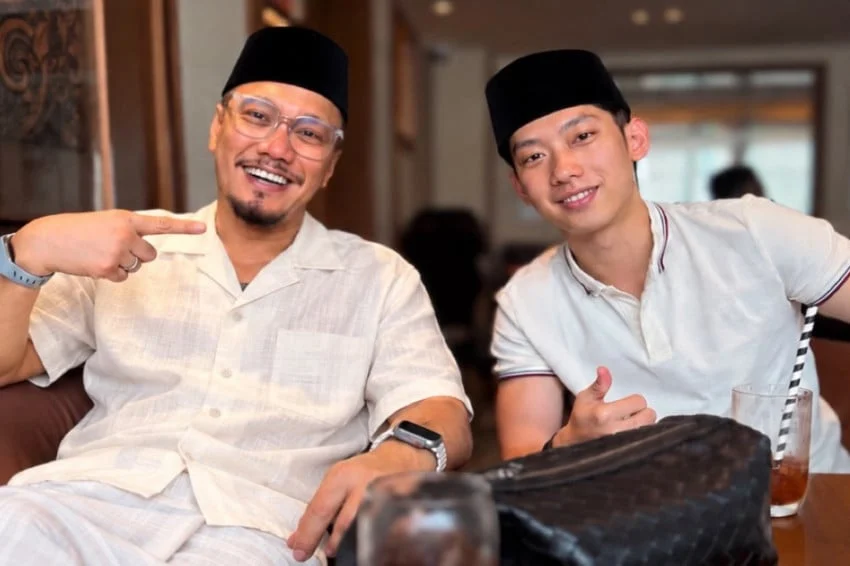
The partnership, facilitated by the Wakil Ketua Umum (Deputy Chairman) of PBNU, Irfan Asy’ari Sudirman Wahid—widely known as Gus Ipang Wahid—marks a shift toward integrating youth-centric digital culture with traditional religious education. Willie Salim, who recently embraced Islam and has garnered significant public attention for his philanthropic content, joins a cohort of influential figures including Habib Husein Ja’far, Atta Halilintar, Putra Siregar, and Aldi Taher.
The Strategic Vision: Bridging Tradition and Digital Innovation
The collaborative program between the Ministry of Religious Affairs and PBNU is built upon a tripartite foundation: the Santri 5.0 program, the Pesantren Adaptif Mandiri (Adaptive and Independent Islamic Boarding School) initiative, and the broader Digital Dakwah mission.
The "Santri 5.0" program represents an ambitious effort to equip students of Islamic boarding schools with 21st-century skills, including digital literacy, coding, and media production. By transitioning from traditional pedagogical models to a curriculum that acknowledges the realities of the information age, the government and PBNU hope to ensure that graduates of these institutions are not only spiritually grounded but also economically competitive in a globalized job market.
The "Pesantren Adaptif Mandiri" initiative focuses on institutional sustainability. Recognizing that many pesantren are remote and under-resourced, this program aims to foster economic independence through community-based enterprises and digital management tools. Finally, the "Digital Dakwah" pillar serves as the communication engine, utilizing the platforms where Indonesian youth spend the majority of their time—TikTok, Instagram, and YouTube—to promote messages of peace, tolerance, and civic engagement.
The Chronology of Engagement
The engagement between PBNU leadership and Willie Salim was characterized by an informal yet decisive digital outreach. Gus Ipang Wahid, leveraging his own presence on social media, initiated contact with the creator via encrypted messaging platforms. The ensuing exchange, later shared on public social media channels, highlighted the alignment of interests between the religious establishment and the digital creator community.
In a direct response to the proposal, Willie Salim signaled his immediate commitment, stating, "Let’s move forward, Gus Ipang. We are doing this for the santri. I am ready to support this 100 percent alongside Ustadz Derry. I welcome your guidance."
This interaction serves as a case study for how non-traditional religious influence is being cultivated in Indonesia. Rather than relying solely on traditional pulpit-based sermons, the PBNU leadership is recognizing that the "marketplace of ideas" has shifted to mobile devices. By inviting creators who have already mastered the algorithm, the organization is effectively outsourcing the technical aspects of message dissemination to those with proven track records of audience engagement.
Data-Driven Context: The Rise of Digital Religious Consumption
To understand the implications of this partnership, one must examine the state of digital media in Indonesia. According to reports from the We Are Social and Meltwater digital indices, Indonesia boasts over 200 million internet users, with the vast majority consuming content primarily through smartphones. The average Indonesian user spends nearly eight hours daily online, with a significant portion of that time dedicated to social media platforms.
The intersection of this digital saturation and religious life is profound. Historically, the transmission of Islamic knowledge in Indonesia occurred through the Majelis Taklim (study groups) and face-to-face instruction in mosques. Today, the "influencer-da’i" (influencer-preacher) phenomenon has created a hybrid space where entertainment and spiritual guidance coexist.
The inclusion of Willie Salim—a creator whose brand is built on "giving back" and large-scale philanthropy—adds a layer of social capital to the PBNU campaign. His audience, which consists largely of Gen Z and Millennials, is increasingly disillusioned by traditional political discourse but remains highly responsive to content involving social solidarity and community support. By associating the PBNU’s institutional programs with creators who demonstrate tangible, albeit performative, benevolence, the organization hopes to rebrand its message as relevant, youthful, and proactive.
Official Responses and Institutional Alignment
Gus Ipang Wahid has been vocal about the necessity of this pivot. As a filmmaker and a prominent figure within the Nahdlatul Ulama, he has long argued that the organization—the largest Islamic group in the world—must adapt its delivery mechanisms to maintain influence in a fragmented media environment.
"We are living in an era where everyone carries a device that functions as a television, a library, and a pulpit," Gus Ipang noted in discussions regarding the partnership. "The goal is not to change the message of Islam, but to change the medium of delivery so that it resonates with the current generation."
For the Ministry of Religious Affairs, this collaboration is a vital component of its broader mandate to maintain religious harmony in a diverse nation. By promoting moderate Islamic figures and creators, the state can effectively counter extremist narratives that often find fertile ground in unmonitored corners of the internet.
Implications for the Future of Religious Outreach
The partnership carries significant implications for the future of religious organizations in Indonesia. First, it marks a formal recognition that institutional authority is no longer sufficient to drive engagement. Organizations like PBNU, which have historically relied on local leaders and structural hierarchy, are finding that "digital influencers" hold a form of soft power that can bypass traditional gatekeepers.
Second, the involvement of commercial content creators in state-sanctioned programs raises questions regarding the professionalization of religious outreach. As influencers become conduits for institutional messaging, the line between organic social media content and sponsored, state-aligned propaganda may blur. This necessitates a high degree of transparency to ensure that the authenticity which earned these creators their followings is not compromised by political or institutional agendas.
Furthermore, the focus on "Santri 5.0" suggests a long-term strategy for socio-economic development within the pesantren community. If successful, the program could transform thousands of boarding schools into digital hubs, potentially elevating the economic status of millions of students. However, the scalability of such a project remains a challenge. Integrating digital infrastructure into rural, tradition-bound institutions requires not only technical training but also a cultural shift in how leadership and education are perceived within these communities.
Conclusion
The alliance between Willie Salim and the PBNU-Ministry of Religious Affairs project is more than a celebrity endorsement; it is a calculated effort to modernize the infrastructure of Indonesian religious life. By aligning with figures who command the attention of millions, the religious establishment is attempting to reclaim the narrative in the digital sphere.
As the project moves into its next phase, the efficacy of this collaboration will be measured not by the number of social media impressions, but by the tangible impact on the students of the pesantren and the public perception of moderate religious discourse. The synergy between traditional institutional values and the high-energy, high-reach world of digital content creation represents a pivotal moment in the evolution of Indonesian civil society. Whether this strategy will succeed in creating a lasting, constructive digital ecosystem remains to be seen, but it undoubtedly sets a new benchmark for how religious and state institutions interact with the modern digital landscape.