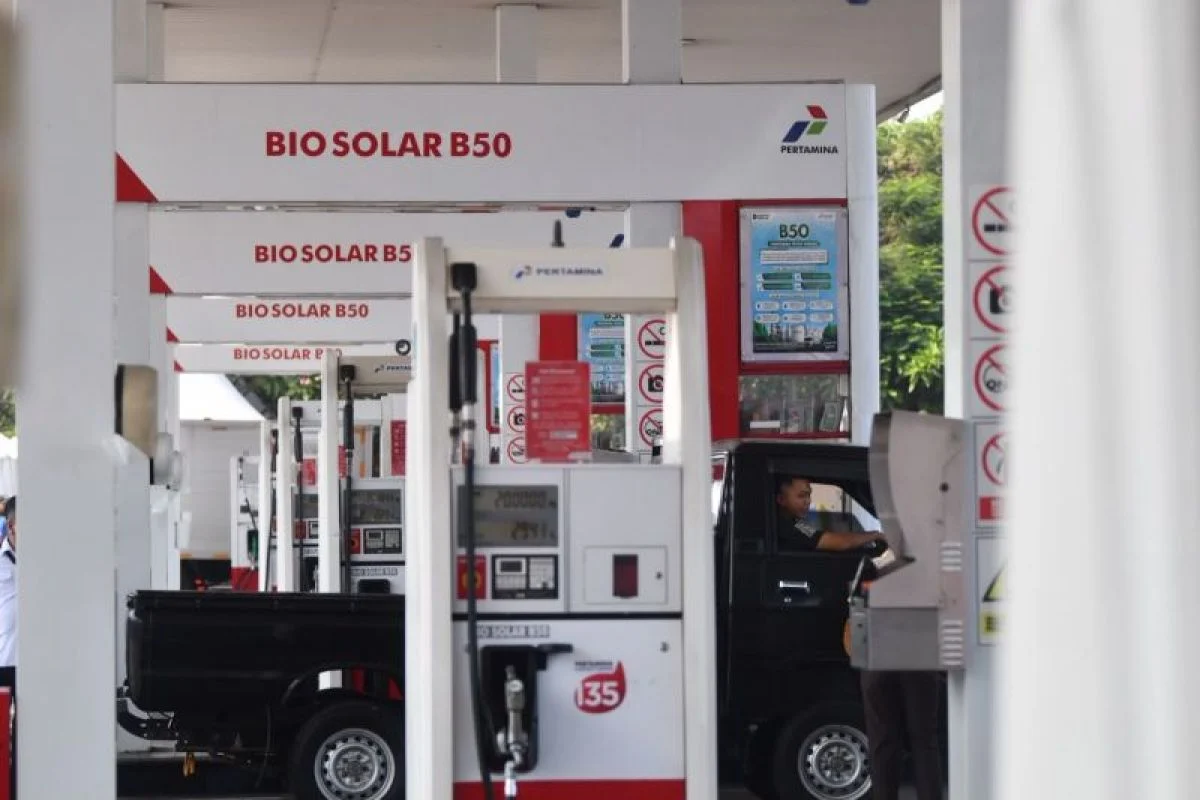
The pervasive belief that higher octane fuel automatically translates to better mileage has roots in both marketing strategies for premium fuels and a general misunderstanding of how internal combustion engines operate. Fuel manufacturers often highlight the advanced additives and cleaning properties of their high-octane offerings, which can indeed contribute to engine health and performance over time. However, these benefits are distinct from the primary function of octane, which is to resist pre-ignition or "knocking." For a driver to truly realize fuel savings, the decision to use a particular RON must be an informed one, guided by engineering principles rather than anecdotal evidence or broad generalizations.
Understanding Research Octane Number (RON)
Research Octane Number (RON) is a standardized metric that quantifies a fuel’s resistance to autoignition or premature detonation when subjected to high pressure and temperature within an engine’s combustion chamber, prior to the spark plug’s intended ignition. In simpler terms, a higher RON indicates a greater ability of the fuel to withstand compression without spontaneously igniting. This inherent stability is crucial for modern engines, particularly those with higher compression ratios, which are designed to squeeze the air-fuel mixture more intensely for greater power output and efficiency.
When a fuel with an insufficient octane rating is used in an engine designed for higher octane, the mixture can ignite prematurely under compression before the spark plug fires. This uncontrolled combustion, known as knocking or detonation, sends shockwaves through the engine, reducing power, increasing heat, and over time, potentially causing significant mechanical damage to pistons, connecting rods, and crankshafts. Conversely, a fuel with a RON that is too high for an engine’s design will simply burn at its intended timing, but without providing any additional benefit in terms of efficiency or power that the engine is not engineered to utilize. The excess anti-knock properties are essentially wasted.
Indonesia, like many other nations, offers a spectrum of gasoline options tailored to different engine requirements. These typically range from lower RON fuels like RON 89 or RON 90 (such as Pertalite) to mid-range options like RON 92 (Pertamax) and premium grades including RON 95, RON 98, and even RON 100. Each variant is formulated to cater to engines with distinct performance characteristics and compression ratio demands, reflecting the diverse automotive landscape in the country.
The Direct Link: High-Octane Fuel and Efficiency
The assertion that higher octane gasoline can lead to better fuel economy is indeed valid, but only under specific conditions: when the fuel’s RON perfectly matches or exceeds the minimum octane requirement stipulated by the vehicle manufacturer for that particular engine. According to insights from automotive experts, including those at Wahana Honda, when an engine is explicitly engineered to operate on higher RON fuel (e.g., RON 92 or RON 95), the combustion process becomes significantly more complete and stable.
This optimized combustion translates directly into a more efficient release of energy from the fuel. The engine can then produce its designed power output with less effort, meaning it doesn’t have to "work harder" to achieve a desired level of performance. This enhanced combustion efficiency ultimately contributes to a reduction in overall fuel consumption. Drivers of such vehicles might perceive their cars as being more "economical" or "irit" because they are getting the maximum potential out of each drop of fuel, in contrast to using a lower-octane fuel that could lead to less efficient burning and potentially trigger engine knocking, forcing the engine’s control unit to retard ignition timing, thus reducing power and efficiency.
Engine Compression Ratio: The Master Key to Fuel Selection
At the heart of appropriate fuel selection lies the engine’s compression ratio. This critical specification represents the volumetric ratio of the combustion chamber when the piston is at its lowest point (Bottom Dead Center, BDC) compared to when it is at its highest point (Top Dead Center, TDC). It fundamentally dictates the pressure and temperature exerted on the air-fuel mixture before ignition.
A higher compression ratio signifies that the air-fuel mixture is compressed into a smaller volume, generating greater pressure and temperature within the cylinder. Engines designed with high compression ratios inherently demand fuel with a higher RON. This is because the increased pressure and heat significantly raise the likelihood of premature ignition or knocking. High-octane fuel, with its superior resistance to autoignition, can withstand these extreme conditions, ensuring that combustion occurs precisely when intended by the spark plug, leading to optimal power delivery and efficiency. Modern engines, especially those featuring advanced technologies such as direct injection, turbocharging, or supercharging, typically operate with higher effective compression ratios, thus mandating premium fuels. For instance, many contemporary turbocharged engines, despite having a moderate static compression ratio, achieve a much higher dynamic compression ratio under boost, making higher RON fuel essential to prevent destructive detonation.
Conversely, engines with lower compression ratios do not require high-octane fuel. For these engines, utilizing fuel with a RON higher than specified by the manufacturer offers no discernible advantage in terms of performance or fuel economy. The engine is simply not designed to leverage the anti-knock properties of the higher-octane fuel. In such cases, purchasing premium fuel is an unnecessary expense, effectively wasting money without yielding any tangible benefit. The paramount factor is not to use the highest RON available, but rather to use the correct RON as specified by the vehicle manufacturer. This crucial information is invariably detailed in the vehicle’s owner’s manual or on a sticker located near the fuel filler cap. Ignoring these recommendations can lead to suboptimal performance, increased fuel consumption, or, in severe cases, long-term engine damage.
General Guidance for RON Selection Based on Compression Ratio
While the owner’s manual remains the definitive source, a general guideline for matching RON to engine compression ratio can be illustrative:
- Low Compression Engines (e.g., below 9:1): Typically suitable for RON 88-90. These engines are designed for basic performance and fuel economy, often found in older or entry-level vehicles.
- Moderate Compression Engines (e.g., 9:1 to 10.5:1): Generally require RON 90-92. This category encompasses a vast number of mainstream vehicles, including many sedans and SUVs produced in the last two decades.
- High Compression Engines (e.g., 10.5:1 to 11.5:1 and above): Demand RON 92-95. Modern naturally aspirated engines, especially those with advanced valve timing systems, often fall into this range.
- Very High Compression/Turbocharged Engines (e.g., 11.5:1+ or forced induction): Mandate RON 95-98, or even RON 100 for high-performance applications. These engines are designed for maximum power and efficiency, found in sports cars, luxury vehicles, and many modern, downsized turbocharged engines.
It is imperative to emphasize that this table provides only a general overview. Engine design is complex, and factors like ignition timing, valve overlap, engine management systems, and the presence of knock sensors can significantly influence the actual RON requirement. Therefore, the official recommendation from the vehicle manufacturer, found in the owner’s manual, must always be the primary and most reliable source for fuel selection.
The Broader Context: Fuel Landscape in Indonesia
Indonesia’s fuel market reflects global trends while catering to local economic realities. Pertamina, the state-owned oil and gas company, is the dominant player, offering a range of fuels that includes subsidized options like Pertalite (RON 90) and non-subsidized premium fuels such as Pertamax (RON 92), Pertamax Turbo (RON 98), and Pertamax Racing (RON 100). The availability of subsidized lower-octane fuel significantly influences consumer choices, particularly for owners of older vehicles or those prioritizing upfront cost savings. However, the push towards cleaner air and more efficient engines has led to a gradual increase in demand for higher-octane fuels, even for vehicles that might technically run on lower grades but could benefit from improved performance and longevity.
The government’s ongoing efforts to ensure the precise targeting of subsidized fuels, particularly in remote areas, underscores the economic and social implications of fuel consumption patterns. Ensuring the right fuel reaches the right vehicle not only promotes efficiency but also prevents misuse of subsidies, contributing to national economic stability.
Beyond Octane: A Holistic View of Fuel Consumption
While selecting the appropriate RON is fundamental, it is crucial to recognize that fuel consumption is a multifaceted issue influenced by numerous other factors. Relying solely on the correct octane rating without addressing these other variables will not unlock a vehicle’s full efficiency potential. Key influencing factors include:
- Driving Style: Aggressive driving, characterized by rapid acceleration, hard braking, and excessive speeding, significantly increases fuel consumption. Smooth, consistent driving with gentle acceleration and anticipation of traffic conditions can dramatically improve mileage.
- Vehicle Maintenance: A well-maintained vehicle is an efficient vehicle. Regular servicing, including oil changes, air filter replacement, spark plug inspection, and tire rotation, ensures the engine operates optimally. Clogged air filters, worn spark plugs, or incorrect tire pressure can all lead to increased fuel usage.
- Tire Pressure: Underinflated tires increase rolling resistance, forcing the engine to work harder and consume more fuel. Maintaining the manufacturer-recommended tire pressure is a simple yet highly effective way to save fuel.
- Road Conditions and Traffic: Driving on congested roads with frequent stop-and-go traffic, or on steep inclines, inherently consumes more fuel than cruising on open highways. The topography and density of traffic are unavoidable external factors.
- Vehicle Load: The heavier the vehicle, the more energy required to move it. Unnecessary items carried in the trunk or cabin add weight and reduce fuel economy. Removing non-essential cargo can contribute to savings.
- Aerodynamics: External modifications, roof racks, or even open windows at high speeds can increase aerodynamic drag, requiring more power and thus more fuel.
- Use of Accessories: Power-hungry accessories like air conditioning, especially on full blast, place an additional load on the engine, increasing fuel consumption. While essential for comfort, judicious use can help.
- Engine Technology: Modern vehicles often incorporate advanced technologies like start-stop systems, cylinder deactivation, hybrid powertrains, or continuously variable transmissions (CVT) specifically designed to enhance fuel efficiency, irrespective of the RON used.
Therefore, achieving true fuel economy is a synergistic endeavor. The correct RON is a prerequisite for optimal engine performance, but it must be complemented by responsible driving habits and diligent vehicle maintenance to maximize efficiency and minimize environmental impact.
Economic and Environmental Implications
The implications of incorrect fuel choice extend beyond just a vehicle’s immediate performance. Economically, consistently using a higher RON fuel than required represents a recurring unnecessary expense for the vehicle owner. Over months and years, these small incremental costs accumulate into significant financial outlay that yields no tangible benefit. Conversely, using a lower RON fuel in an engine designed for higher octane can lead to reduced fuel efficiency, increased wear and tear due to knocking, and potentially expensive engine repairs down the line. A 2018 study by AAA in the United States, for instance, concluded that drivers waste billions of dollars annually by filling up with premium gasoline when their vehicle only requires regular fuel.
Environmentally, the choice of fuel and its optimal combustion directly impact emissions. Incomplete combustion, often a consequence of incorrect RON usage or poor engine maintenance, results in higher emissions of harmful pollutants such as carbon monoxide (CO), unburnt hydrocarbons (HC), and nitrogen oxides (NOx). These pollutants contribute to air quality degradation, smog formation, and respiratory health issues. Optimal combustion, facilitated by the correct RON and a well-maintained engine, ensures that fuel is burned as cleanly and completely as possible, minimizing the release of harmful byproducts and contributing to a lower carbon footprint. This aligns with global efforts to reduce greenhouse gas emissions and combat climate change, with many governments implementing stricter emissions standards that indirectly encourage optimal fuel usage.
Dispelling Common Myths and Promoting Informed Decisions
The automotive world is rife with myths, and the topic of fuel efficiency and octane is no exception. Beyond the "higher RON equals more savings" misconception, another common belief is that premium fuels "clean" an engine more effectively. While many premium fuels do contain advanced detergent additives designed to prevent carbon buildup and keep fuel injectors clean, these benefits are derived from the additive package, not solely from the octane rating itself. Even standard fuels often contain basic detergent additives required by regulations. Drivers should consult their owner’s manual for specific recommendations on fuel additives if they believe their engine needs additional cleaning, rather than relying solely on high-octane fuel for this purpose.
Another frequent query revolves around mixing different RON fuels, for example, Pertamax and Pertalite. While modern engine management systems with knock sensors can often adapt to slight variations in fuel octane, consistently mixing fuels or using a blend that results in an octane rating below the manufacturer’s minimum recommendation is ill-advised. It can lead to unpredictable combustion, reduced efficiency, and potential long-term engine stress. The safest and most effective approach remains to adhere strictly to the manufacturer’s specified RON.
In conclusion, the pursuit of optimal fuel efficiency is a nuanced endeavor that extends beyond merely opting for the most expensive or highest-octane gasoline. It fundamentally hinges on a precise match between the fuel’s Research Octane Number and the vehicle engine’s compression ratio, as explicitly outlined by the manufacturer. This informed choice, combined with diligent vehicle maintenance and responsible driving habits, forms the cornerstone of maximizing fuel economy, preserving engine longevity, and minimizing environmental impact. Drivers are strongly encouraged to consult their vehicle’s owner’s manual – the definitive guide to their car’s specific requirements – to make the most economical and environmentally sound fuel decisions.