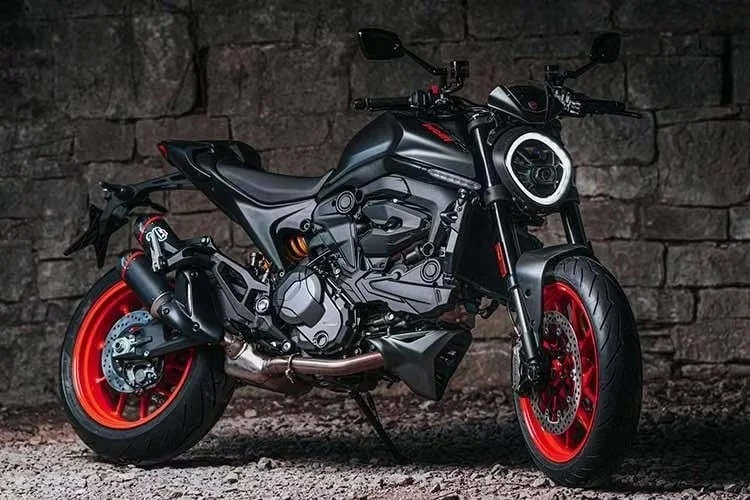
The automotive landscape has long been defined by bold aesthetics and performance, yet few silhouettes have remained as enduringly iconic as the Ducati Monster. With the global unveiling of the 2026 Ducati Monster Dark, the Borgo Panigale manufacturer has reaffirmed its commitment to the "less is more" philosophy that first shook the motorcycling world in the early 1990s. By stripping back the flamboyant red fairings and aggressive branding often associated with the Italian brand, the Monster Dark offers a minimalist, monochromatic aesthetic that prioritizes raw mechanical presence and accessibility for a new generation of riders.
The Return of the Stealth Aesthetic
The "Dark" designation within the Ducati nomenclature is not merely a color choice; it is a historical homage. When the original Ducati Monster was introduced in 1993, it essentially created the modern "naked bike" segment by stripping away excess bodywork and exposing the mechanical heart of the machine. The introduction of the "Dark" trim in subsequent years became a staple for the brand, offering an entry-level price point while maintaining the premium engineering that Ducati enthusiasts demand.
The 2026 iteration revives this spirit with a comprehensive "all-black" treatment. From the fuel tank and fenders to the structural elements such as the front frame, exhaust heat shields, and air intake ducts, every surface is draped in a matte or satin black finish. This visual restraint serves a specific purpose: it draws the observer’s eye toward the V2 engine block and the intricate engineering of the aluminum monocoque frame, rather than relying on bright colors to capture attention.
Mechanical Specifications and Engineering Mastery
Beneath the somber exterior lies the same high-performance DNA found in the standard 2026 Monster. The heart of the machine remains the 937cc Testastretta 11° L-twin engine, which has been refined over years of competition and consumer feedback. This engine produces a reliable power output that balances high-revving performance with low-end torque, making it an ideal candidate for both urban commuting and spirited weekend canyon carving.
One of the most significant engineering milestones for this generation is the weight-reduction initiative. Ducati engineers have successfully optimized the rear subframe, which is constructed from glass-fiber-reinforced polymer (GFRP), resulting in a weight reduction of 4 kilograms compared to the previous iteration. With a dry weight of just 175 kilograms, the 2026 Monster Dark achieves an impressive power-to-weight ratio that ensures agility in tight corners and responsive acceleration off the line.
The chassis design is a testament to modern manufacturing efficiency. By utilizing an aluminum monocoque frame that attaches directly to the engine—a design philosophy borrowed from the Ducati Panigale series—the bike achieves significant rigidity while minimizing bulk. The seat height is set at a manageable 815mm, providing a comfortable yet commanding ergonomics profile for a wide range of rider statures.
Suspension and Braking Components
While the Dark version is positioned as a more affordable entry point into the Ducati ecosystem, the manufacturer has refused to compromise on safety or dynamic capability. The front end is supported by a 43mm Showa upside-down fork, which, while non-adjustable, is tuned for a balance between plush street comfort and firm cornering stability.
Stopping power is provided by the industry-standard Brembo braking system. The front configuration features twin 320mm discs paired with M4.32 monobloc calipers, ensuring that the stopping power is consistent and fade-resistant. This setup is integrated into a sophisticated electronics suite that makes the bike accessible even to intermediate riders.
Advanced Electronic Suite and Rider Aids
The modern motorcycle experience is defined by the integration of digital safety systems, and the 2026 Monster Dark is fully equipped to meet contemporary standards. Despite its minimalist aesthetic, the bike features an advanced Inertial Measurement Unit (IMU) that powers a suite of electronic rider aids:
- Cornering ABS: Adjusts braking pressure based on the lean angle of the motorcycle, preventing wheel lock-up during mid-corner corrections.
- Traction Control (DTC): Monitors rear-wheel slip and adjusts engine torque to maintain grip in varied road conditions.
- Anti-Wheelie Control: Prevents unintentional lifting of the front wheel during aggressive acceleration.
- Engine Brake Control (EBC): Manages engine braking force to prevent rear-wheel chatter during downshifts.
These systems are managed through four distinct riding modes—Urban, Touring, Sport, and Rain—each of which alters the engine mapping and intervention levels of the safety systems. The "Urban" mode, in particular, limits power output and increases the sensitivity of the safety systems, providing a safer environment for riders navigating dense city traffic.
Chronology of the Monster Lineage
The history of the Monster is a narrative of disruption. When Miguel Galluzzi first sketched the Monster in the early 90s, he envisioned a bike that was essentially a "Frankenstein" of Ducati parts—a trellis frame, a powerful engine, and nothing else.
- 1993: The Monster 900 is launched, defining the naked bike segment.
- 1998: The "Dark" series is introduced, offering a cheaper, matte-black version of the 600cc model to attract younger riders.
- 2008: Ducati introduces the Monster 696, bringing a more modern design language and the signature "Monster" fuel tank shape.
- 2021: Ducati pivots away from the traditional steel trellis frame in favor of the aluminum monocoque, a move that sparked significant debate among purists but resulted in significant performance gains.
- 2026: The release of the Monster Dark cements the transition of the new-generation Monster into a complete product lineup, balancing high-tech performance with a heritage-inspired aesthetic.
Market Implications and Industry Positioning
The launch of the 2026 Monster Dark serves a critical strategic purpose for Ducati. As the brand continues to expand its footprint in emerging markets, providing a more accessible entry point is essential. By offering the same mechanical performance as the standard model but utilizing a simpler finish, Ducati can manage production costs while still offering a premium "Italian-made" product.
Industry analysts suggest that the "Dark" model is likely to appeal to two distinct demographics: younger, style-conscious riders who appreciate the "stealth" look for customization purposes, and veteran riders who prefer a no-nonsense, functional machine that avoids the maintenance of high-gloss paint finishes.
Furthermore, the integration of high-level electronics in a base-model motorcycle sets a new standard for the naked bike category. Competitors such as the Yamaha MT-09 and the Triumph Street Triple are also competing for the same segment; however, the Monster Dark relies on its brand cachet and the unique power delivery of its V2 engine to distinguish itself. While inline-three or inline-four engines offer different power bands, the Ducati V2 remains the benchmark for visceral, low-to-mid-range torque—a feature that many riders find more usable in real-world street conditions.
Official Perspective and Future Outlook
While Ducati has not released a formal statement regarding sales projections for the 2026 Monster Dark, the company’s broader strategy under the Volkswagen Group umbrella has been clear: increase volume through diversification while maintaining the prestige of the "Ducati" nameplate.
"The Monster is not just a motorcycle; it is an icon of the Ducati brand," stated a representative from the company during the preliminary technical briefing. "With the Dark version, we are stripping away the noise to let the engineering speak for itself. It is a motorcycle for the purist who values the ride above the visual clutter."
As the automotive world shifts toward electrification and highly automated transport, the Monster Dark represents a defiant celebration of the internal combustion engine. It is a machine that relies on the rider’s skill and the mechanical harmony of the chassis and engine. For the foreseeable future, the Monster Dark will likely remain the backbone of Ducati’s naked bike sales, bridging the gap between the entry-level Scrambler series and the high-performance Streetfighter range.
In conclusion, the 2026 Ducati Monster Dark is more than just a paint job. It is a calculated return to the roots of the brand, blending the cutting-edge technology of the new-generation Monster with the classic, understated aesthetic that made the original 1993 model a global phenomenon. For those looking for a motorcycle that combines Italian heritage, modern safety technology, and a timeless look, the Monster Dark offers a compelling proposition in an increasingly crowded market.