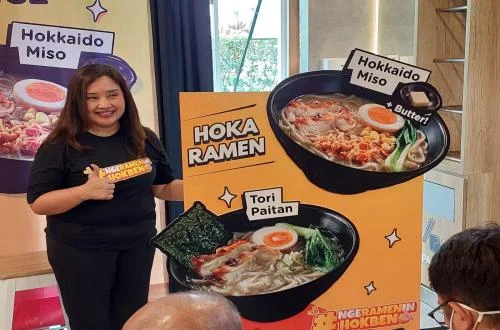
Following the successful introduction of its Hoka Ramen line in late 2022, PT Eka Bogainti, the parent company of the prominent Japanese-style fast-food chain HokBen, has officially announced the launch of its newest menu innovation: Spicy Ramen. This strategic addition to the company’s culinary offerings is designed to cater specifically to the Indonesian consumer’s well-documented preference for bold, spicy flavors, further diversifying a menu that has traditionally been anchored by bento sets and teriyaki dishes. The launch, which took place in mid-February 2023, represents a significant step in the brand’s ongoing evolution from a specialized bento outlet to a comprehensive Japanese-inspired dining destination.
Francisca Lucky, General Manager of Marketing at PT Eka Bogainti, emphasized that the creation of the Spicy Ramen variant was a direct response to market research indicating that a vast majority of Indonesian diners seek spicy elements in their daily meals. By integrating this local preference with traditional Japanese noodle techniques, HokBen aims to capture a larger share of the rapidly growing ramen market in Southeast Asia’s largest economy. The Spicy Ramen is crafted using a rich chicken broth base infused with a proprietary blend of spices, served with thin-sliced chicken chasiu, ni tamago (marinated soft-boiled egg), pakcoy, green onions, and wood ear mushrooms (jamur kuping). To accommodate different appetite levels and price points, the menu item is offered in two sizes: a Regular portion priced at Rp 38,000 and a Large portion at Rp 48,000.
A Chronological Shift: From Bento to Ramen
The introduction of Spicy Ramen is not an isolated event but rather the latest phase in a calculated product rollout that began in the final quarter of 2022. At that time, HokBen entered the competitive ramen arena with two foundational flavors: Hokkaido Miso Ramen and Tori Paitan Ramen. These initial offerings were intended to establish the brand’s credibility in the noodle sector, focusing on authentic savory and creamy profiles. The Hokkaido Miso variant offered a fermented soybean base popular in northern Japan, while the Tori Paitan provided a collagen-rich, creamy chicken broth.
The transition into ramen represents a pivotal shift in HokBen’s 38-year history. Founded in 1985 in Kebon Kacang, Jakarta, as Hoka Hoka Bento, the brand initially focused on lunch boxes (bento) for office workers. Over the decades, it has become a household name, rebranding to "HokBen" in 2013 to modernize its image. The decision to embrace ramen reflects a broader trend in the Indonesian food and beverage (F&B) industry, where consumers are increasingly looking for "all-in-one" dining experiences that offer variety beyond a single core product. By expanding the Hoka Ramen line just months after its debut, HokBen is demonstrating an agile approach to product development, moving quickly to iterate based on early feedback and regional tastes.
Market Context and the "Spicy" Phenomenon in Indonesia
The strategic move to launch a spicy variant is backed by significant cultural and economic data. Indonesia is a country where "sambal" (chili paste) is a staple of nearly every meal. According to various consumer behavior studies in the region, heat and spice are not just flavor profiles but essential components of the dining experience for over 80% of the population. In the competitive landscape of Japanese cuisine in Indonesia, many authentic ramen houses maintain traditional, milder recipes. However, mass-market chains that successfully "Indonesianize" their spice levels often see higher engagement and repeat visits from the local demographic.
Furthermore, the Indonesian F&B sector has shown remarkable resilience and growth. Data from the Indonesian Ministry of Industry indicates that the food and beverage industry often contributes more than 35% to the national non-oil and gas processing industry’s GDP. Within this sector, the demand for Japanese food remains among the highest for foreign cuisines, alongside Chinese and Western food. By positioning its ramen at the Rp 30,000 to Rp 50,000 price bracket, HokBen is targeting the burgeoning middle-class consumer who seeks a "premium" Japanese experience at an accessible, fast-casual price point. This pricing strategy places HokBen in direct competition with both local ramen startups and established international franchises.
Culinary Composition and Quality Assurance
The Spicy Ramen is marketed as a fusion of quality and authenticity. The company claims that the ingredients are sourced with a focus on maintaining the "juicy" texture of the protein and the integrity of the noodles. The inclusion of ni tamago and wood ear mushrooms suggests a commitment to the aesthetic and textural standards of traditional ramen, while the spicy broth provides the "kick" that local diners expect.
From a technical perspective, the challenge for a fast-food chain like HokBen is maintaining consistency across its hundreds of outlets spanning Java, Bali, and Sumatra. To achieve this, PT Eka Bogainti utilizes centralized production facilities and rigorous Standard Operating Procedures (SOPs). The "Hoka Ramen" line uses a specific type of noodle that is designed to maintain its elasticity even when served in a high-volume, fast-paced environment. The chicken chasiu, a halal-compliant alternative to the traditional pork chasiu found in many Japanese ramen shops, is prepared to ensure the marinade penetrates deep into the meat, providing the "unique and delicious" flavor profile mentioned by the company’s marketing team.
Strategic Implications for the Brand
The expansion into spicy noodles is a clear indicator of HokBen’s desire to capture the "Gen Z" and "Millennial" demographics. These age groups are known for their adventurous palates and their tendency to document their dining experiences on social media. Spicy food, often associated with "challenges" or "trending flavors," typically generates higher social media engagement than milder dishes. By offering a "Large" portion, HokBen is also appealing to the value-conscious consumer, providing a filling meal that competes with full-service restaurants.
Industry analysts suggest that this move also helps HokBen mitigate the risks of "menu fatigue." For a brand that has been synonymous with fried shrimp (Ekkado) and beef teriyaki for nearly four decades, the introduction of a completely different category like ramen allows it to remain relevant in a market that is constantly flooded with new international food trends. It also positions HokBen as a versatile player capable of competing with specialized ramen chains, utilizing its massive existing footprint to provide convenience that smaller, specialized shops cannot match.
Official Responses and Consumer Reception
While official sales figures for the first quarter of 2023 have not been publicly disclosed, early reception across social media platforms indicated a positive response to the Spicy Ramen launch. Customers have noted that the level of spice is "approachable" but distinct, filling a gap for those who find traditional ramen too bland but do not want the extreme heat of some "instant" noodle brands.
The company’s management has expressed confidence that the Hoka Ramen line will eventually become a core pillar of the HokBen menu, sitting alongside their legendary bento sets. Francisca Lucky’s statement highlights a commitment to "satisfying the tastes of the Indonesian people," suggesting that future menu innovations will likely continue to follow this path of "Japan-meets-Indonesia" fusion.
Broader Economic Impact and Future Outlook
The expansion of menu items like Spicy Ramen also has a ripple effect on the local supply chain. As HokBen increases its ramen production, demand for local ingredients such as pakcoy, green onions, and eggs increases. This supports local agricultural sectors, provided the company maintains its commitment to local sourcing where possible. Furthermore, as the chain expands its menu, it often requires additional kitchen equipment and staff training, contributing to the professional development of the local workforce in the hospitality sector.
Looking ahead, the success of the Spicy Ramen may pave the way for more localized Japanese dishes. There is potential for seasonal variants, such as dry ramen (mazesoba) or cold ramen, depending on consumer trends. However, the immediate focus for PT Eka Bogainti appears to be the consolidation of its ramen brand identity. By offering a product that is perceived as both "authentically Japanese" in its preparation and "locally relevant" in its flavor, HokBen is reinforcing its unique position in the Indonesian market.
In conclusion, the launch of Spicy Ramen is more than just a new menu item; it is a strategic maneuver designed to align a long-standing brand with contemporary consumer desires. Through a combination of competitive pricing, cultural adaptation, and a focus on quality, HokBen is navigating the complexities of the Indonesian F&B landscape with a clear vision of growth and diversification. As the ramen market in Indonesia continues to mature, HokBen’s ability to blend tradition with local preference will likely be the determining factor in its continued dominance of the Japanese fast-casual segment.