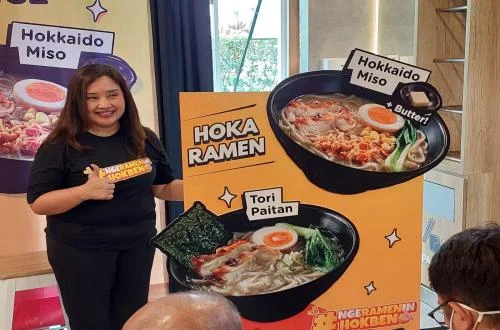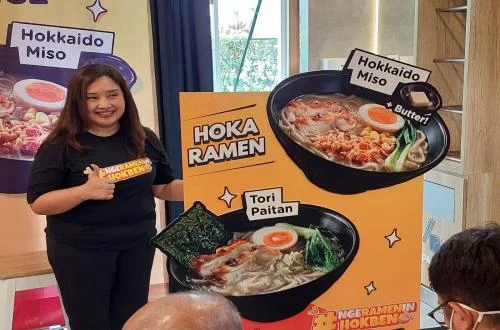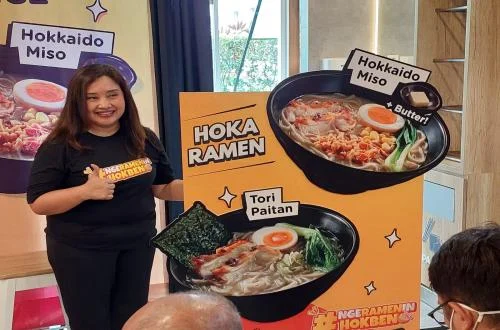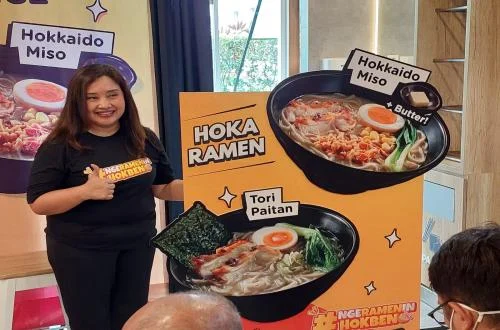
HokBen, Indonesia’s leading Japanese-style fast-food chain operated by PT Eka Bogainti, has officially announced the expansion of its Hoka Ramen series with the introduction of the Spicy Ramen variant. This strategic move follows the successful launch of the company’s initial ramen offerings—Hokkaido Miso Ramen and Tori Paitan Ramen—which were introduced in late 2022. The new Spicy Ramen is designed to cater to the specific culinary preferences of Indonesian consumers, who traditionally favor bold and spicy flavor profiles. As the food and beverage industry in Indonesia continues to evolve, HokBen’s latest menu addition signifies a deeper commitment to diversifying its product portfolio beyond its traditional bento sets.
The Spicy Ramen features a robust spicy chicken broth base, meticulously crafted to balance heat with the savory umami notes characteristic of Japanese cuisine. Each bowl is served with a comprehensive array of toppings, including thin-sliced chicken Chasiu, ni tamago (seasoned soft-boiled egg), pakcoy, green onions, and wood ear mushrooms (jamur kuping). To accommodate varying appetites and price points, the company has made the Spicy Ramen available in two sizes: a Regular portion priced at Rp 38,000 and a Large portion priced at Rp 48,000. These price points position the Hoka Ramen series as an accessible yet premium alternative within the competitive fast-casual dining segment.
Strategic Expansion into the Ramen Market
The decision to introduce a spicy variant was not arbitrary but rather a response to extensive market research regarding Indonesian dining habits. Francisca Lucky, General Manager of Marketing at PT Eka Bogainti, emphasized that the spicy flavor was inspired by the daily palate of the majority of Indonesians. "This spicy variant is inspired by the taste preferences of the majority of Indonesian people who like spicy flavors in their daily menus. With the presence of Spicy Ramen, it can further complement the choices for HokBen customers, especially Hoka Ramen lovers," Lucky stated during the product unveiling.
The Hoka Ramen project represents a significant shift for HokBen, which has been a household name in Indonesia since 1985. While the brand built its reputation on bento boxes, teriyaki, and fried side dishes like egg chicken rolls and shrimp rolls, the expansion into the ramen category allows the company to capture a larger share of the millennial and Gen Z demographics. These younger consumers are increasingly seeking diverse dining experiences and have a strong affinity for Japanese pop culture and its associated culinary trends.
The Evolution of HokBen and the Hoka Ramen Chronology
To understand the significance of the Spicy Ramen launch, one must look at the timeline of HokBen’s menu innovation. For decades, HokBen (formerly known as Hoka Hoka Bento) maintained a relatively consistent menu focused on deep-fried items and rice-based meals. However, as the Indonesian middle class grew and international travel became more common, the demand for authentic yet affordable ramen surged.
In the fourth quarter of 2022, HokBen took its first major step into the noodle category by launching the Hoka Ramen series. The initial launch featured two distinct flavor profiles: Hokkaido Miso Ramen, which offers a rich, fermented soybean paste broth, and Tori Paitan Ramen, known for its creamy, collagen-rich white chicken soup. These products were well-received for their high-quality ingredients and "juicy" textures, which the company claims are achieved through secret seasoning blends that penetrate deep into the protein and noodles.
By early 2023, seeing the positive momentum of the ramen category, the company moved to fill the "spicy" gap in its lineup. The Spicy Ramen serves as the third pillar of the Hoka Ramen series, completing a trio that covers the most popular ramen styles in the Indonesian market: salty/savory (Miso), creamy/rich (Tori Paitan), and hot/spicy (Spicy Ramen).
Culinary Composition and Quality Assurance
A key differentiator for HokBen in the crowded ramen market is its adherence to quality and its established Halal certification. In a country with the world’s largest Muslim population, ensuring that Japanese-style ramen—which traditionally often uses pork-based broths (tonkotsu)—is strictly halal is a major competitive advantage. The Spicy Ramen uses a 100% chicken-based broth, providing the depth of flavor associated with traditional ramen while remaining accessible to all segments of the population.
The "Chicken Chasiu" used in the Spicy Ramen is a notable adaptation. While traditional chasiu refers to braised pork belly, HokBen’s version uses seasoned, sliced chicken that undergoes a specific marinating process to ensure it remains tender and flavorful. The inclusion of ni tamago adds a layer of authenticity, as the creamy yolk helps to cut through the heat of the spicy broth. Furthermore, the use of fresh vegetables like pakcoy and wood ear mushrooms provides a textural contrast that enhances the overall dining experience.
Market Context: The "Spicy" Phenomenon in Indonesia
The launch of Spicy Ramen is backed by a broader trend often referred to as the "pedas" (spicy) phenomenon in the Indonesian food industry. From spicy fried chicken to instant noodles with various heat levels, Indonesian consumers have shown a consistent willingness to try products that challenge their heat tolerance. According to various consumer behavior reports, spicy food is often associated with increased appetite and a more satisfying meal experience in Southeast Asian cultures.
Industry analysts note that by integrating a spicy ramen option, HokBen is effectively competing with both international ramen chains and local "mie pedas" (spicy noodle) vendors. However, HokBen’s advantage lies in its massive physical footprint, with hundreds of stores across the archipelago, and its reputation for cleanliness and standardized service. This allows the brand to offer a "premium" ramen experience at a price point that is significantly lower than specialized ramen boutiques found in high-end shopping malls.
Economic Implications and Consumer Accessibility
At Rp 38,000 for a regular portion, the Spicy Ramen is strategically priced to fit within the "lunch break" budget of office workers and students. In the current economic climate, where food inflation has impacted consumer spending, offering a filling, high-quality meal under the Rp 50,000 mark is a vital tactic for maintaining high foot traffic.
The tiered pricing (Regular vs. Large) also reflects a sophisticated understanding of consumer psychology. It allows the brand to cater to light eaters while offering a value-add for those with larger appetites. This flexibility is expected to drive higher average transaction values across HokBen’s outlets, particularly during the peak lunch and dinner hours.
Official Response and Corporate Vision
The management of PT Eka Bogainti has signaled that the Hoka Ramen series is just one part of a broader strategy to modernize the brand. Since rebranding from Hoka Hoka Bento to the shorter, more modern "HokBen" in 2013, the company has focused on store renovations, digital integration through their mobile app, and menu diversification.
The introduction of Spicy Ramen is also seen as a way to reinforce HokBen’s identity as a "one-stop shop" for Japanese food. By providing ramen, bento, and snacks under one roof, the company reduces "veto power" in groups of diners; if one person wants noodles and another wants rice, both can be satisfied at a single location. This versatility is crucial for the family-oriented dining culture prevalent in Indonesia.
Future Outlook and Industry Impact
As HokBen continues to roll out the Spicy Ramen across its national network, the industry will be watching closely to see how this affects the broader ramen landscape. It is likely that other fast-food competitors will feel the pressure to innovate their own noodle offerings or adjust their pricing to remain competitive.
For HokBen, the success of the Hoka Ramen series may pave the way for even more specialized Japanese dishes to be "democratized" for the mass market. Potential future additions could include variations of udon, soba, or even more localized Japanese fusion dishes. The company’s ability to blend authentic Japanese culinary techniques with local Indonesian tastes remains its greatest strength.
In conclusion, the launch of the Spicy Ramen variant is a calculated move that leverages cultural preferences, economic trends, and brand loyalty. By offering a product that is both familiar in its heat and exotic in its Japanese origin, HokBen is well-positioned to maintain its dominance in the Indonesian fast-casual sector. The Spicy Ramen is more than just a new menu item; it is a testament to HokBen’s agility in a rapidly changing culinary environment and its commitment to providing "uniquely delicious" experiences to its diverse customer base.