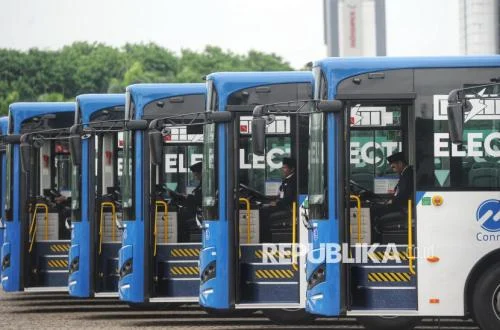
Jakarta’s ambitious push towards sustainable urban mobility is gaining significant traction, with a recent analysis highlighting the profound financial and environmental advantages of transitioning the TransJakarta bus fleet to electric vehicles. Projections indicate that each electric TransJakarta bus could save the government approximately Rp302 million annually in fuel subsidies alone. When factoring in broader operational efficiencies, the accumulated cost savings over a 5.5-year operational period for a single electric bus could reach an staggering Rp3.9 billion, a sum equivalent to the current purchase price of a new 12-meter electric bus. These compelling figures underscore the long-term economic viability and strategic importance of electrifying public transport in one of the world’s most bustling megacities.
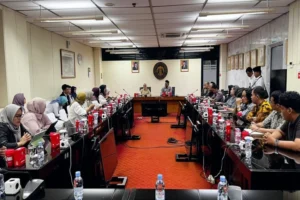
The comprehensive calculation behind these substantial savings hinges on the stark difference between subsidized diesel prices and commercial fuel rates, coupled with the inherent operational efficiencies of electric vehicles (EVs) compared to their internal combustion engine (ICE) counterparts. While the initial capital outlay for an electric bus can be more than double that of a conventional diesel bus, this higher upfront investment is rapidly offset by dramatically lower energy and maintenance costs over the vehicle’s lifespan. Gatot Indra Koswara, TransJakarta’s Main Specialist for Transformation and Change Management, articulated these findings during a recent Focus Group Discussion (FGD) held in Jakarta on April 15, 2026, alongside the Strategic Transportation Initiative (Instran) and PT Kalista Nusa Armada. His presentation underscored a strategic shift in procurement philosophy, moving beyond mere acquisition cost to a holistic life-cycle cost analysis.
The Economic Imperative: Unpacking the Savings
The core of the financial argument rests on the significant disparity in energy expenses. Indonesia, like many developing nations, has long grappled with the burden of fuel subsidies, which aim to keep essential goods and services affordable but often strain the national budget. For the calculation, Gatot outlined an assumed subsidized diesel price of Rp6,800 per liter, contrasted with commercial diesel (Dexlite) at approximately Rp14,500 per liter. This substantial price difference of around Rp7,700 per liter is the bedrock of the potential subsidy savings.
An average ICE TransJakarta bus travels an estimated 78,475 kilometers annually, with an efficiency of roughly 2 kilometers per liter. This translates to an annual diesel consumption of approximately 39,238 liters. By converting this consumption from subsidized diesel to an electric equivalent, the government effectively avoids paying the subsidy on those 39,238 liters. Therefore, the Rp7,700 per liter saving multiplied by the annual consumption yields the Rp302 million in direct fuel subsidy savings per unit per year. This figure represents a direct fiscal relief for the central government, alleviating pressure on the state budget that could then be reallocated to other critical public services or infrastructure projects.
Beyond the national government’s fuel subsidy savings, TransJakarta’s analysis also revealed substantial operational efficiencies benefiting the provincial government, which directly oversees the public transport operator. These savings manifest primarily in two key areas: energy consumption and maintenance.
From an energy perspective, the operational cost for an ICE bus is estimated at Rp3,400 per kilometer. In stark contrast, an electric bus operates at a mere Rp800 per kilometer, based on an electricity price of Rp731 per kWh and the superior energy efficiency of electric powertrains. This remarkable fourfold reduction in energy cost per kilometer translates into an annual saving of approximately Rp204 million per electric bus unit for the provincial administration. The transition from volatile fossil fuel markets to a more stable and domestically sourced electricity supply also offers greater predictability in operational budgeting.
Maintenance costs present another significant avenue for savings. ICE buses, with their complex engines, transmissions, and exhaust systems, demand more frequent and intricate maintenance, estimated at Rp5,400 per kilometer. Electric buses, possessing fewer moving parts and simpler drivetrains, require significantly less upkeep, with maintenance costs pegged at around Rp2,600 per kilometer. This difference contributes an additional annual saving of approximately Rp219.7 million per unit. The reduced complexity not only lowers material costs but also potentially decreases downtime, leading to higher fleet availability and improved service reliability for commuters.
When these three critical components of savings—fuel subsidy, energy costs, and maintenance expenses—are aggregated, the long-term financial benefits become undeniable. Gatot elaborated that over a period of approximately 5.5 years, the cumulative savings per electric bus could reach an impressive Rp3.99 billion. This figure, as he highlighted, is roughly equivalent to the current market price of a new 12-meter electric bus, effectively demonstrating that the operational savings alone can fully recoup the higher initial investment within a relatively short timeframe. This ‘return on investment’ calculation strengthens the business case for mass adoption of electric buses, making them not just an environmental choice but also a financially astute one.
Background and Chronology of Jakarta’s Electrification Drive
Jakarta, a city of over 10 million people, has long struggled with severe traffic congestion and air pollution. TransJakarta, established in 2004, has grown to become one of the world’s longest Bus Rapid Transit (BRT) systems, serving millions of passengers daily. Recognizing the imperative to modernize its fleet and contribute to cleaner air, the provincial government, in alignment with national directives, embarked on an ambitious electrification program for TransJakarta.
The journey towards an electric fleet began with pilot projects and studies to assess the feasibility and performance of electric buses in Jakarta’s demanding urban environment. Initial trials demonstrated promising results in terms of operational efficiency, passenger comfort (quieter rides), and, crucially, zero tailpipe emissions. These early successes provided the empirical data necessary to formulate a comprehensive electrification roadmap.
In 2022, the Indonesian government issued Presidential Instruction (INPRES) No. 7 concerning the Use of Battery Electric Vehicles as Operational Vehicles for Government Agencies and Regional Governments. This directive provided a strong policy framework and impetus for state-owned enterprises and regional governments, including TransJakarta, to accelerate their transition to EVs. For TransJakarta, this translated into concrete targets: an initial goal of having 100 electric buses in operation by the end of 2023, expanding to 1,000 units by 2025, and ultimately aiming for full fleet electrification by 2030 or 2037, depending on various strategic factors and procurement timelines.
As of early 2024, TransJakarta has already begun integrating electric buses into its operational routes, procuring vehicles from various manufacturers, including global players like BYD and local producers such as Mobil Anak Bangsa (MAB). This strategic diversification not only ensures a robust supply chain but also supports the growth of Indonesia’s domestic EV manufacturing ecosystem. The focus group discussion where Gatot Indra Koswara presented these figures serves as a continuous platform for evaluating progress, refining strategies, and engaging with stakeholders to ensure the smooth and successful execution of this transformative project.
Beyond the Balance Sheet: Environmental and Social Dividends
While the financial savings are a powerful incentive, the broader implications of TransJakarta’s electric bus initiative extend far beyond fiscal benefits, touching upon critical environmental and social dimensions.
Environmental Impact: Jakarta consistently ranks among the most polluted cities globally, with particulate matter (PM2.5) and other harmful pollutants from vehicle emissions posing significant public health risks. The transition to electric buses offers a direct and substantial reduction in local air pollution. Each electric bus operating daily means hundreds of kilograms of CO2, NOx, SOx, and PM not being released into the atmosphere. This directly contributes to cleaner air, reducing respiratory illnesses, cardiovascular diseases, and other health issues linked to poor air quality, thereby improving the overall quality of life for Jakarta’s residents. Furthermore, it aligns with Indonesia’s national commitment to reduce greenhouse gas emissions under the Paris Agreement.
Social Impact: Electric buses are inherently quieter than their diesel counterparts, significantly reducing noise pollution in bustling urban corridors. This enhances the passenger experience, making commutes more pleasant, and also improves the living environment for residents along bus routes. The smoother ride quality and modern amenities often found in electric buses can also contribute to a more positive perception of public transport, potentially encouraging greater ridership and shifting commuters away from private vehicles, further easing congestion and pollution. From a safety perspective, electric buses also tend to have lower centers of gravity, potentially enhancing stability.
Operational Considerations and Infrastructure Development
The successful rollout and scaling of an electric bus fleet necessitate robust infrastructure development. Charging infrastructure is paramount, requiring strategic placement of charging stations at depots and potentially along routes. This involves significant investment in grid upgrades, smart charging systems to optimize energy use and minimize peak load impact, and reliable power supply. TransJakarta, in collaboration with utility providers like PLN, is actively working on expanding its charging network to support the growing fleet.
Maintenance expertise also needs to evolve. While electric buses have fewer moving parts, they require specialized knowledge in battery management systems, high-voltage electrical components, and software diagnostics. Training programs for technicians are crucial to ensure the long-term reliability and efficiency of the electric fleet. Furthermore, battery disposal and recycling strategies must be developed to manage the end-of-life cycle of these crucial components responsibly, preventing new environmental challenges.
Expert Perspectives and Policy Support
Industry analysts and economists largely commend TransJakarta’s strategic move. Dr. Anindya Kusuma Putri, an urban mobility expert, noted, "The initial investment in electric buses, though higher, must be viewed through a long-term lens. TransJakarta’s analysis clearly demonstrates that the operational savings create a compelling financial case, effectively making electric buses pay for themselves over their lifetime. This model is crucial for accelerating EV adoption in public transport across other Indonesian cities."
Environmental advocacy groups, such as the Clean Air Coalition, have consistently championed the electrification initiative. "Every electric bus on the road is a victory for public health and climate action," stated a spokesperson for the coalition. "The reported savings further strengthen the argument for rapid transition, proving that environmental stewardship can also be fiscally responsible."
Government officials, from the Ministry of Transportation to the Jakarta Provincial Government, have reiterated their unwavering support for the program. "This initiative is a cornerstone of our national energy transition and sustainable development goals," a representative from the Ministry of Transportation commented. "We are committed to providing the necessary policy frameworks, incentives, and regulatory support to ensure Jakarta’s public transport becomes a global benchmark for sustainable urban mobility."
Looking Ahead: The Future of Urban Mobility in Jakarta
TransJakarta’s commitment to fleet electrification represents a critical step towards a more sustainable and resilient urban future for Jakarta. The detailed financial analysis, highlighting billions in potential savings, provides a powerful impetus for accelerating this transition. Beyond the fiscal advantages, the promise of cleaner air, reduced noise pollution, and an enhanced passenger experience underscores the multifaceted benefits of this strategic shift.
The journey ahead will undoubtedly involve challenges, from securing consistent funding and scaling charging infrastructure to adapting maintenance protocols and fostering a skilled workforce. However, with strong political will, collaborative partnerships between public and private sectors, and a clear vision for a greener, smarter city, Jakarta is poised to demonstrate that economic prosperity and environmental responsibility can indeed go hand-in-hand, setting a precedent for other megacities grappling with similar urban challenges. The electric bus is not merely a vehicle; it is a catalyst for transformation, driving Jakarta towards a healthier, more efficient, and sustainable future.