• Home
GKF Media
keep your memories alive
Economy & Finance

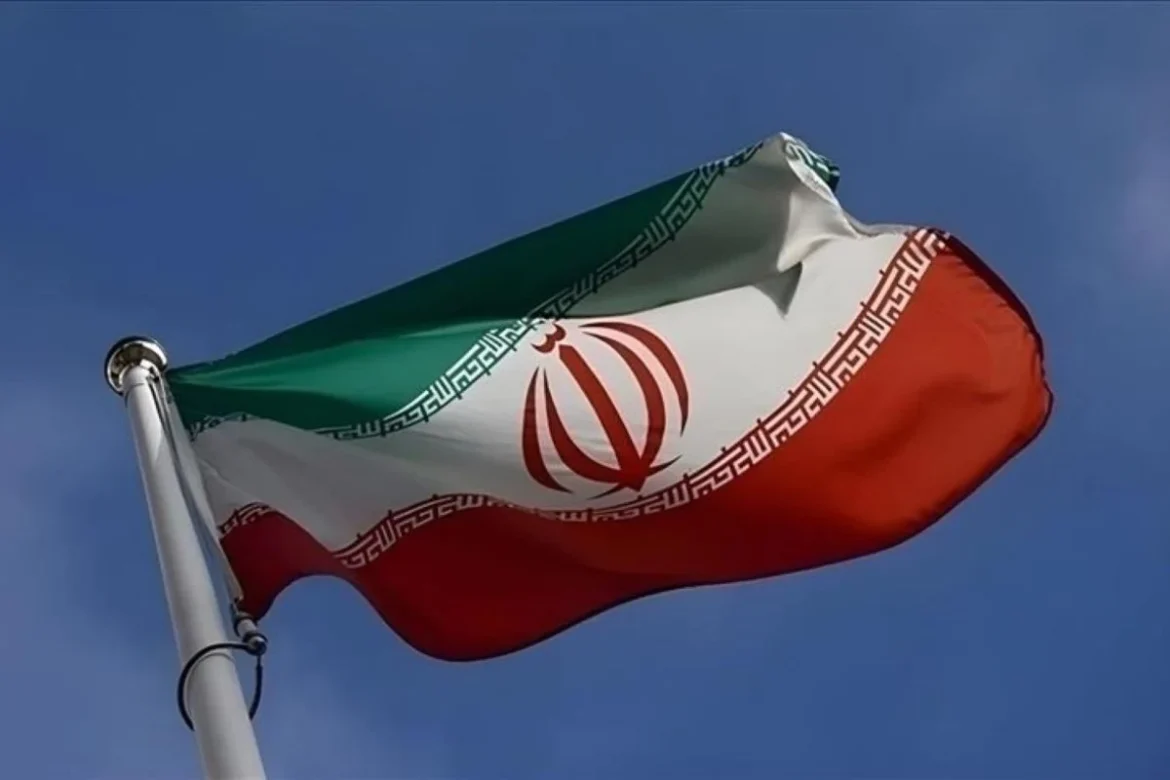
The Iranian Rial’s Enduring Predicament Amid Geopolitical Tensions, Sanctions, and a Historic Redenomination

by Lina Hope May 23, 2025
written by Lina Hope

Jakarta (ANTARA) – The Iranian currency has been under an intense global spotlight, grappling with the escalating geopolitical tensions and the far-reaching impact of global economic policies. A defining moment came with the administration of former U.S. President Donald Trump, which enacted stringent measures, including tariffs of up to 25 percent on countries engaging in business cooperation with Iran. This aggressive stance, part of a "maximum pressure" campaign, fundamentally reshaped Iran’s economic landscape and profoundly affected the value of its national currency, the Rial.

The imposition of these punitive tariffs and broader sanctions triggered a cascade of negative reactions, primarily plunging Iran’s economy into a severe downturn. A direct consequence was the dramatic weakening of the national currency. Recent reports indicate that the Iranian Rial (IRR) has plummeted to historic lows against major international currencies, particularly the Euro and the U.S. Dollar. This precipitous decline underscores the immense pressure bearing down on the Iranian economy, a result of prolonged international sanctions, persistent high inflation, and structural economic challenges. The official exchange rate, often controlled, sharply diverges from the more volatile unofficial market rate, where the true depreciation is most acutely felt by ordinary citizens and businesses.

Interestingly, for those venturing into Iran’s bustling traditional bazaars or modern shopping centers, the official term "Rial" is conspicuously absent from everyday transactional conversations. Instead, locals universally employ the term "Toman" when quoting prices for goods and services. This linguistic and practical divergence from the official currency unit highlights a unique economic coping mechanism adopted by the Iranian populace in response to decades of economic volatility and hyperinflation.

This phenomenon is inextricably linked to Iran’s historically high rates of inflation. To simplify price quotations and circumvent the cumbersome use of excessively large numerical figures, Iran’s society has instinctively adopted the Toman as an alternative, de facto unit of account. This informal system has allowed for smoother daily commerce, even as the official currency continues its devaluation.

Given this complex backdrop, questions frequently arise among tourists, international observers, and economic analysts: What is the official currency of Iran? And what is the fundamental difference between the Rial and the Toman, a distinction that so often causes confusion? This comprehensive analysis, drawing from various sources, aims to elucidate these intricacies and shed light on Iran’s ongoing efforts to stabilize its monetary system through a historic redenomination.

The Official Currency of Iran: The Rial (IRR)

Legally and administratively, the Islamic Republic of Iran designates the Rial as its official national currency. All formal banking activities, government documents, official price listings in modern commercial establishments, and international financial transactions utilize the Rial, identified by its international code, IRR. The Central Bank of Iran (CBI) is the sole issuer of banknotes and coins denominated in Rials, bearing official legal tender status. Historically, the Rial replaced the Toman as the official currency in 1932, marking a formal shift that, ironically, has been informally reversed in everyday usage.

The Enduring Dichotomy: Rial vs. Toman in Daily Life

Despite the Rial’s official status, its presence in the daily lives of ordinary Iranians is largely confined to official documentation. In practical, day-to-day transactions, Iranians almost exclusively refer to "Toman" when discussing prices. This ingrained habit permeates traditional markets, small shops, and even many online transactions.

The operational conversion is straightforward: one Toman is equivalent to 10,000 Rials. This means that, in common parlance, prices quoted in Toman are effectively the Rial value with four zeros removed. For instance, if a vendor states a price of 50 Toman, the actual amount to be paid in Rials is 500,000 Rials. This simplification dramatically reduces the number of digits required to state prices, making transactions more manageable and less prone to error in an environment where prices can easily run into millions of Rials.

The historical context of this practice is crucial. Prior to 1932, the Toman was the official currency. When the Rial was introduced, it was set at a rate of 1 Toman = 10 Rials. However, over decades of persistent inflation, the Rial significantly depreciated. As its value eroded, the initial 10-Rial Toman became increasingly cumbersome. To address the overwhelming number of zeros, and perhaps drawing on historical precedent, the public spontaneously adopted a new, informal Toman where 1 Toman effectively equaled 10,000 Rials. This informal redenomination served as a psychological and practical buffer against the perceived worthlessness of the increasingly inflated Rial. This divergence between the official and colloquial currencies has been a source of considerable confusion for foreign visitors and international business partners who are unfamiliar with Iran’s unique monetary landscape.

Iran’s Historic Redenomination Initiative: From Rial to New Toman

Recognizing the long-standing confusion and the practical inefficiencies caused by the Rial/Toman dichotomy, and spurred by the need to streamline its national financial system, the Iranian government, through the Central Bank of Iran (CBI), embarked on a significant currency redenomination policy. This ambitious plan was initially approved in 2020 and is being implemented in a phased approach, with widespread adoption projected between 2025 and 2026.

The core of this policy is the official replacement of the Rial with a new Toman as the primary currency unit, effectively removing four zeros from its value. Under this scheme, 10,000 old Rials will be officially revalued to equal 1 new Toman. This means that the informal Toman that Iranians have been using for decades will now become the formal, legal tender. The new currency will also be subdivided into smaller units called Qiran, with one new Toman comprising 100 Qirans. This introduction of a smaller denomination aims to facilitate smaller transactions and provide a more granular pricing structure.

During the transition period, old Rial banknotes and coins will continue to circulate alongside the newly introduced Toman currency. The CBI has indicated that new banknotes will initially feature smaller nominal values, often accompanied by faint outlines or markings of the removed zeros, to assist the public in gradually adjusting to the new system. This dual circulation strategy is designed to minimize disruption and allow for a smooth, gradual transition, avoiding the shock that can sometimes accompany abrupt currency changes. The ultimate goal is to simplify daily transactions, reduce the psychological burden of dealing with large numbers, and potentially enhance the national currency’s perceived value and stability, both domestically and internationally.

Factors Driving the Iranian Rial’s Weakness

The protracted weakness of the Iranian Rial is not attributable to a single factor but rather a complex interplay of geopolitical pressures, structural economic challenges, and domestic policy choices.

  1. Crippling International Sanctions: This remains the most significant external factor. The U.S. withdrawal from the Joint Comprehensive Plan of Action (JCPOA) in May 2018 and the subsequent re-imposition of "maximum pressure" sanctions dealt a devastating blow to Iran’s economy. These sanctions primarily targeted:

    • Oil Exports: Historically, crude oil exports accounted for a substantial portion of Iran’s government revenue and foreign exchange earnings. Sanctions severely curtailed Iran’s ability to sell oil on international markets, drastically reducing its access to hard currency.
    • Financial and Banking Sector: Restrictions on international banking transactions have largely cut Iran off from the global financial system, making it exceedingly difficult for Iranian businesses to conduct international trade, receive payments, or access foreign credit. This isolation also deters foreign direct investment.
    • Key Industries: Sanctions have also targeted other critical sectors, including petrochemicals, shipping, automotive, and mining, further stifling economic growth and export capabilities.
    • Impact: The lack of foreign currency inflows weakens the Rial’s demand, while the inability to import essential goods exacerbates domestic inflation.
  2. Persistent High Inflation: Iran has suffered from chronic high inflation for decades, a problem exacerbated by sanctions.

    • Government Budget Deficits: The government often resorts to printing money to cover budget shortfalls, particularly when oil revenues are constrained, directly fueling inflation.
    • Supply Chain Disruptions: Sanctions make it challenging to import raw materials, machinery, and finished goods, leading to domestic supply shortages and higher prices.
    • Subsidies: Extensive government subsidies on basic goods and energy, while intended to alleviate poverty, often distort markets and contribute to inflationary pressures.
    • Consumer Price Index (CPI): Annual inflation rates have frequently soared into the double digits, often exceeding 40% or even 50% in recent years on an annual basis, severely eroding the purchasing power of the Rial and the savings of ordinary Iranians.
  3. Geopolitical Instability and Regional Conflicts: Iran’s involvement in various regional conflicts and its tense relations with several neighboring countries and global powers contribute to an atmosphere of uncertainty. This instability deters foreign investment, encourages capital flight, and creates an environment unconducive to long-term economic planning and growth. The perception of risk associated with Iran further depresses investor confidence and strengthens the demand for foreign currencies as a hedge.

  4. Structural Economic Issues and Oil Dependence: Despite efforts to diversify, the Iranian economy remains heavily reliant on oil and gas exports. This dependence makes it vulnerable to global oil price fluctuations and external pressures targeting its energy sector. Furthermore, structural issues such as a large state-owned sector, inefficiencies, and, at times, alleged corruption, can hinder productivity and sustainable economic development.

Reactions, Analysis, and Broader Implications

The Iranian government and the Central Bank of Iran have consistently framed the redenomination initiative as a crucial step towards modernizing the economy, simplifying transactions, and restoring public confidence in the national currency. They argue that it will reduce the burden of calculation for businesses and individuals, streamline accounting, and facilitate a more transparent financial system. Iranian officials often emphasize the nation’s resilience in the face of external pressures, portraying the redenomination as a proactive measure to strengthen internal economic stability.

However, economists offer a more nuanced perspective. While acknowledging the practical benefits of simplifying transactions and potentially boosting psychological confidence, many caution that redenomination is primarily a cosmetic change. It addresses the symptom (too many zeros) rather than the root cause of currency depreciation and inflation. Without fundamental reforms to address structural economic weaknesses, curb government spending, control money supply, and crucially, alleviate the impact of international sanctions, the long-term effectiveness of the redenomination in achieving genuine monetary stability remains debatable. There is a risk that without addressing these underlying issues, the new Toman could eventually suffer the same fate as the Rial, requiring future redenomination.

For Iranian citizens, the currency’s weakness translates into a daily struggle against rising costs of living, eroding savings, and diminished purchasing power. Many resort to converting their savings into hard currencies like USD or EUR, or tangible assets like gold, to protect their wealth from inflation. The redenomination, while simplifying transactions, does not immediately increase their wealth or purchasing power. The transition period will require significant public education to ensure understanding and prevent confusion or exploitation.

Internationally, the redenomination might marginally improve the ease of quoting Iranian economic statistics, but it is unlikely to fundamentally alter Iran’s standing in global finance as long as sanctions persist. The IMF, while generally supporting efforts to modernize monetary systems, would likely emphasize the need for complementary macroeconomic policies to ensure long-term stability. Foreign investors will remain wary, not due to the number of zeros on the currency, but because of the high political risk, the difficulty of doing business under sanctions, and the lack of robust legal and financial frameworks.

In conclusion, the Iranian Rial’s journey is a compelling case study of a currency caught in the crosscurrents of intense geopolitical pressure, deep-seated economic challenges, and ambitious domestic reforms. The move to formally adopt the Toman through redenomination is a bold attempt to bring clarity and psychological stability to a currency system long plagued by inflation and an informal dual existence. Yet, its ultimate success hinges not just on the administrative act of removing zeros, but on Iran’s ability to navigate the treacherous waters of international relations, implement sound economic policies, and foster an environment conducive to sustainable growth and true monetary stability, a challenge that remains profoundly complex and multifaceted.
May 23, 2025 0 comment
0 FacebookTwitterPinterestEmail
Politics

Kantor SMRC Didemo, Saiful Mujani: Ongkos Sebuah Sikap

by Sagoh May 22, 2025
written by Sagoh

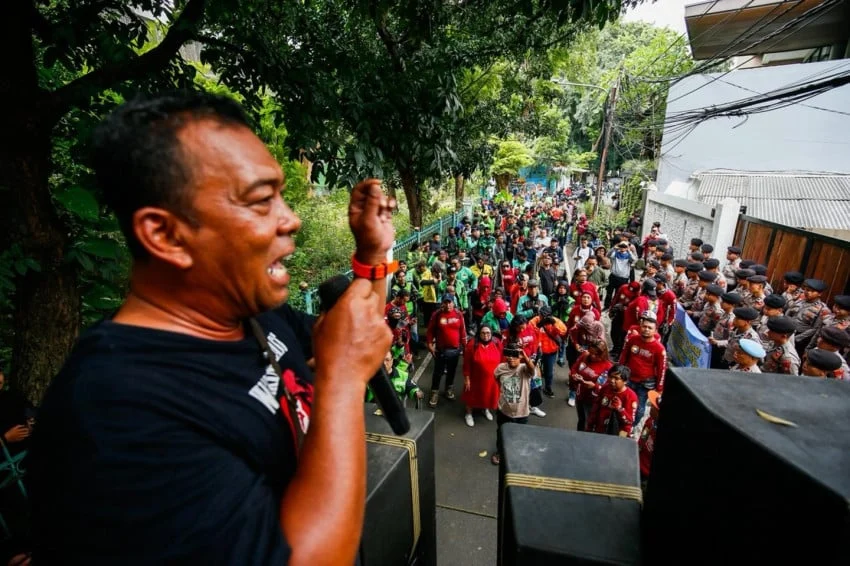
A demonstration involving a significant number of online motorcycle taxi (ojol) drivers took place in front of the Saiful Mujani Research and Consulting (SMRC) office in Gondangdia, Central Jakarta, on Tuesday, April 14, 2026. The protest was triggered by a controversial statement attributed to SMRC founder Saiful Mujani, which allegedly alluded to efforts to overthrow President Prabowo Subianto, sparking widespread debate regarding the boundaries of political discourse and the role of public intellectuals in Indonesia’s evolving democratic landscape. The incident highlights the volatile political climate in the post-election period and the potent capacity of social media to mobilize public sentiment.

Background and Context: Saiful Mujani and SMRC’s Role in Indonesian Politics

Saiful Mujani is a prominent figure in Indonesian political science and public opinion research. A professor and founder of SMRC, one of Indonesia’s most influential polling institutions, Mujani has long been a vocal commentator on national politics, frequently sharing his analyses and research findings with the public. SMRC itself has established a reputation for conducting rigorous surveys and exit polls, often playing a critical role in shaping pre-election narratives and post-election analyses. Its findings are closely watched by political parties, media outlets, and the general public, lending considerable weight to any statements emanating from the institution or its founder.

The period leading up to and following the 2024 presidential election in Indonesia was marked by intense political competition and heightened public scrutiny. President Prabowo Subianto’s victory, while confirmed by official results, was followed by a phase of national consolidation. In such an environment, statements perceived as undermining the legitimacy of the government or inciting dissent are often met with swift and sometimes strong reactions, particularly from supporters of the incumbent administration. The intricate interplay between academic freedom, political commentary, and public order forms a complex challenge for a young democracy like Indonesia.

The Controversial Statement: A Spark on Social Media

The catalyst for the protest was a statement made by Saiful Mujani, reportedly disseminated via his social media account on X (formerly Twitter). While the exact wording of the original statement that provoked the backlash was not fully detailed in the immediate reports, it was widely interpreted by the protesting groups as "menyinggung upaya untuk menggulingkan Presiden Prabowo Subianto" – touching upon efforts to overthrow President Prabowo Subianto. This phrase carries significant implications in a country where political stability is highly valued, and past attempts at unconstitutional changes of government are sensitive historical points.

Social media platforms, particularly X, have become indispensable arenas for political discourse in Indonesia. Public figures, politicians, academics, and citizens alike use these platforms to express opinions, share news, and mobilize support. However, this immediacy also means that statements can be rapidly amplified, potentially taken out of context, or intentionally misinterpreted, leading to swift and sometimes disproportionate reactions. For a figure like Saiful Mujani, whose public commentary often delves into sensitive political analysis, the line between academic critique and perceived incitement can be perilously thin, especially when amplified by digital echo chambers.

The April 14th Protest: Ojol Drivers Take to the Streets

On Tuesday, April 14, 2026, the SMRC office in Gondangdia, Central Jakarta, became the focal point of public anger. Online motorcycle taxi drivers, organized under the banner of the "Perhimpunan Ojol" (Association of Online Motorcycle Taxis), converged on the research center. The demonstration, captured in photographs showing a substantial crowd, saw participants expressing their outrage over Saiful Mujani’s alleged remarks. The primary demand articulated by the protesting ojol drivers was unambiguous: "Tangkap dan Adili Saiful Mujani" (Arrest and Prosecute Saiful Mujani). This call for legal action underscored the seriousness with which the drivers viewed the alleged statement, perceiving it as a direct threat to the nation’s leadership and stability.

The choice of ojol drivers as a protest group is significant. This demographic represents a large, visible, and often politically active segment of Indonesia’s urban population. Their economic livelihoods are directly tied to the stability of the economy and public order, making them susceptible to political narratives that promise stability or warn against disruption. Historically, ojol communities have been mobilized for various causes, from advocating for their rights as workers to participating in broader political rallies. Their collective action carries weight and sends a clear message about popular sentiment, making their involvement in such a protest particularly noteworthy. The demonstration proceeded relatively peacefully, though the presence of security personnel was likely necessary to manage the crowd and maintain order in the busy Central Jakarta area.

Saiful Mujani’s Anticipation and Analysis: "The Cost of a Stance"

In the immediate aftermath of the April 14th protest, Saiful Mujani took to his X account on Wednesday, April 15, 2026, to address the unfolding situation. He confirmed that his office was again expected to be targeted by protesters. His tweet stated: "Orang yang menamakan diri perhimpunan ojol dan hari ini sekelompok mahasiswa katanya akan menggeruduk kantor saya" (People calling themselves the ojol association and today a group of students are said to be storming my office). This indicated a potential escalation, with student groups possibly joining the ojol drivers in future demonstrations, broadening the base of the protest.

Mujani’s subsequent reflection on the situation offered a critical insight into his perspective on the political climate. He wrote: "Arena konflik meluas dari rakay vs istana menjadi rakyat vs rakyat juga. ongkos sebuah sikap" (The arena of conflict expands from the people vs the palace to people vs people. The cost of a stance). This statement suggests Mujani views the protests not merely as a direct confrontation between an individual and the government (or its supporters), but as a broader societal polarization. His phrase "the cost of a stance" implies an acknowledgement that his public pronouncements carry consequences, particularly in a politically charged environment, and that these consequences can manifest as public backlash, even from segments of the population. This perspective frames the incident as a symptom of deeper societal divisions rather than just a personal attack.

Kantor SMRC Didemo, Saiful Mujani: Ongkos Sebuah Sikap

Broader Implications: Freedom of Speech and Political Discourse

The protests against SMRC and Saiful Mujani raise critical questions about freedom of speech and academic freedom in Indonesia. The country’s constitution guarantees freedom of expression, but this right is not absolute and is often balanced against laws concerning defamation, hate speech, and incitement to rebellion. The interpretation of what constitutes "incitement to overthrow" is particularly sensitive. Academics and researchers often engage in critical analysis of government policies and political figures, a vital function in any healthy democracy. However, when such critiques are perceived as crossing a line into sedition, it can lead to legal challenges and public ostracization.

This incident could have a chilling effect on independent research and political commentary. If prominent pollsters and academics face public condemnation and demands for prosecution for expressing views perceived as critical of the government, it might deter others from engaging in robust, independent analysis. Such an environment could stifle intellectual debate, limit the diversity of perspectives available to the public, and ultimately weaken democratic accountability. The SMRC incident serves as a stark reminder of the delicate balance required to protect free speech while ensuring public order and national stability.

The Role of Polling Institutions in a Democracy

Polling institutions like SMRC play a crucial role in modern democracies by providing data-driven insights into public opinion. They act as a bridge between the electorate and policymakers, offering quantitative measures of citizen sentiment on various issues, including leadership approval, policy effectiveness, and electoral preferences. This information is vital for informed decision-making by governments, political parties, and civil society organizations.

However, the perceived political leanings or public statements of a polling institution’s founder can impact its credibility and public trust. While Saiful Mujani’s individual statements are distinct from SMRC’s institutional polling methodologies, the public often conflates the two. The protests, therefore, not only target Mujani personally but also indirectly cast a shadow on SMRC’s perceived neutrality and independence, which are cornerstones of its professional reputation. Maintaining strict objectivity and transparency in methodology becomes even more critical for such institutions in highly polarized political landscapes.

Mobilization of Online Motorcycle Taxi Drivers: A New Political Force?

The consistent involvement of online motorcycle taxi drivers in political demonstrations signals their emergence as a significant force in Indonesian civil society and political mobilization. Numbering in the millions across major urban centers, this group possesses considerable organizational potential through their digital platforms and real-world networks. Their collective action reflects not only their grievances or support for specific political figures but also their capacity to influence public discourse and apply pressure on political institutions.

Their mobilization in this instance suggests that specific segments of the population are highly attuned to political rhetoric, particularly when it touches upon national leadership. It also raises questions about the potential for orchestrated mobilizations, where genuine public sentiment might be amplified or steered by underlying political agendas. Understanding the socio-economic drivers behind such mobilizations, beyond the immediate cause, is crucial for analyzing the dynamics of Indonesian politics.

Official and Public Reactions (Inferred)

While specific official statements from government bodies or law enforcement regarding the April 14th protest were not immediately detailed, several reactions can be logically inferred:

  • Police: Law enforcement would likely have maintained a presence to ensure the protest remained orderly and to prevent any escalation of violence or property damage. They would also likely issue a general statement about upholding public order and the right to peaceful assembly, while also reminding citizens of the limits of free speech, particularly concerning incitement.
  • Government Spokespersons: The government might issue a statement reaffirming its commitment to democratic principles and stability, without directly addressing Saiful Mujani’s statement, but perhaps implicitly condemning rhetoric perceived as divisive.
  • SMRC Management: Beyond Saiful Mujani’s personal tweets, SMRC as an institution might issue a formal statement defending its founder’s right to academic expression and clarifying that his personal views do not necessarily reflect the institution’s official stance or research methodologies. They would likely emphasize their commitment to independent, objective research.
  • Civil Society and Academic Community: Many civil society organizations and academic groups would likely voice concerns about academic freedom and the potential for intimidation of researchers. They might advocate for a more nuanced public discourse and caution against the stifling of critical analysis.
  • Political Parties: Opposition parties might express concern over the perceived erosion of free speech, while ruling coalition parties might implicitly or explicitly support the sentiment of the protesters, emphasizing the need for national unity and respect for the elected leadership.

Looking Forward: A Test for Democratic Institutions

The protests against Saiful Mujani and SMRC represent more than an isolated incident; they are a significant barometer of the current state of political discourse and public engagement in Indonesia. The event highlights the continued tension between the right to free expression and the imperative for national stability, particularly in a post-election environment.

The response of democratic institutions, including the judiciary, law enforcement, and media, will be crucial in setting precedents for future interactions between public figures, their critics, and the mobilized public. How the government handles the demands for prosecution, how academic institutions defend their autonomy, and how civil society champions freedom of speech will determine the robustness of Indonesia’s democratic framework. The "cost of a stance," as Saiful Mujani aptly put it, extends beyond individuals to the very fabric of democratic norms and values. As Indonesia navigates the complexities of its political evolution, this incident will serve as a critical case study in the ongoing quest for a balanced and mature public sphere. The anticipated student involvement further underscores the potential for this issue to resonate deeply within the intellectual and activist communities, prolonging the debate and possibly escalating public pressure.

May 22, 2025 0 comment
0 FacebookTwitterPinterestEmail
Politics

PAN Confirms Eko Patrio and Uya Kuya Remain Non-Active DPR Members Amidst Ongoing Internal Review

by Suro Senen May 22, 2025
written by Suro Senen

Jakarta, VIVA – The political future of prominent celebrity politicians Eko Hendro Purnomo, widely known as Eko Patrio, and Surya Utama, or Uya Kuya, remains uncertain as the National Mandate Party (PAN) confirmed on Wednesday, October 22, 2025, that both individuals are still listed as non-active members of the House of Representatives (DPR RI). This announcement comes nearly two months after their initial deactivation from their legislative roles, sparking widespread discussion about party discipline, legislative accountability, and the evolving landscape for celebrity figures in Indonesian politics.

The confirmation was delivered by Eddy Soeparno, Deputy Chairman of PAN, who addressed queries regarding the status of the two former entertainers-turned-politicians. "As of now, the Central Executive Board (DPP) of PAN maintains their status as non-active members," Soeparno stated to reporters, reiterating the party’s position. He further elaborated that the ultimate decision regarding their long-term status or any potential reinstatement rests with the party’s Chairman, Zulkifli Hasan, and would be communicated through the PAN faction leadership within the DPR RI. "The developments will, of course, await further directives from the Chairman and will then be communicated to the leadership of the PAN faction," he clarified, emphasizing the internal deliberation process still underway.

Background of the Deactivation

The decision to deactivate Eko Patrio and Uya Kuya initially surfaced through a press release issued by the PAN DPP, which was circulated to various media outlets on Sunday, August 31, 2025. This official communication announced their formal removal from active duty as members of the PAN Faction in the DPR RI, effective Monday, September 1, 2025. The press statement, signed by PAN Chairman Zulkifli Hasan and Deputy Chairman Viva Yoga Mauladi, marked a significant turn for the two popular figures who had successfully transitioned from entertainment careers to national politics.

The press release at the time also included a broader message, urging the public to remain calm, patient, and to place their trust in the administration of President Prabowo Subianto. It underscored PAN’s commitment to supporting the government and aligning itself with the interests of the people. This contextual framing suggested that the deactivation might be part of a larger strategic move by the party, potentially aimed at bolstering its image of discipline and responsiveness within the political landscape, particularly under a new presidential mandate.

Eko Patrio, a renowned comedian and television personality, had a long and established career in entertainment before venturing into politics. He was first elected to the DPR RI in 2009, representing the East Java VIII electoral district, and has since served multiple terms, building a reputation as one of the most visible celebrity politicians. Uya Kuya, known for his charismatic presence as a television host and illusionist, followed a similar path, leveraging his public appeal to secure a seat in the DPR RI, representing the Jakarta II electoral district. Their presence in parliament often brought a unique blend of public recognition and political engagement, albeit sometimes accompanied by scrutiny regarding their legislative performance versus their public persona.

Lama Tak Terdengar, PAN Beri Kabar Terbaru Eko Patrio dan Uya Kuya

Chronology of Events Leading to the Current Status

The timeline surrounding the deactivation of Eko Patrio and Uya Kuya provides a clearer picture of the events:

  • Early-to-Mid 2025 (Inferred): Unspecified internal party discussions and performance reviews likely took place within PAN concerning its legislative members. While no specific incidents were publicly cited as the direct cause for deactivation, political analysts suggest that such decisions often stem from a combination of factors, including perceived underperformance, deviations from party line, or strategic realignment of legislative resources. Reports from political observers indicate an increasing push within various political parties to ensure that their representatives are actively engaged in legislative duties and are seen to be contributing effectively to the party’s agenda and public image.
  • Sunday, August 31, 2025: The DPP PAN officially issued a press release announcing the deactivation of Eko Hendro Purnomo (Eko Patrio) and Surya Utama (Uya Kuya) from their roles as DPR RI members representing the PAN Faction. The statement cited "observing current dynamics and developments" as the rationale, without specifying particular transgressions. This phrasing suggests a broad, strategic decision rather than a response to a single, isolated event.
  • Monday, September 1, 2025: The deactivation officially took effect, meaning Eko Patrio and Uya Kuya ceased to be active members of the DPR RI from this date. This would have entailed a cessation of their legislative duties, privileges, and representation within the parliament.
  • Wednesday, October 22, 2025: Deputy Chairman Eddy Soeparno publicly confirmed that both individuals remain in a non-active status, indicating that the internal review process or the conditions leading to their deactivation have not yet been resolved or changed. His statement underscores that the final decision rests with the party chairman, Zulkifli Hasan, and the PAN faction leadership.

Supporting Data and Contextual Analysis

The deactivation of DPR members, while not exceedingly common, is a mechanism available to political parties to ensure discipline and adherence to party objectives. According to the Indonesian legislative framework, political parties hold significant power over their elected representatives, including the authority to recall or sanction members who are deemed to be in violation of party rules or underperforming. This power is crucial for maintaining party cohesion and ensuring that legislative actions align with the party’s platform.

A 2024 study by the Indonesian Centre for Political Studies (ICPS) on parliamentary dynamics noted that approximately 5-7% of legislative members across various parties face some form of internal disciplinary action, ranging from warnings to deactivation or full recall, within a single five-year term. While the reasons vary, common factors include absenteeism, failure to champion party policies, involvement in controversies, or a strategic decision by the party to consolidate power or replace members deemed less effective. For celebrity politicians, the scrutiny can be even higher, as their public profile often leads to greater expectations and more intense media attention regarding their legislative performance. The ICPS report specifically highlighted that "celebrity politicians, while often successful in garnering votes due to their popularity, face a unique set of challenges in transitioning to effective legislative roles, with public and party expectations often diverging."

The mention of trusting the Prabowo Subianto administration in PAN’s initial press release is also significant. With a new presidential term often comes a renewed focus on governmental efficiency, accountability, and strong political alignment among coalition partners. PAN, as a key supporter of the current government, may be keen to project an image of strong internal discipline and effective governance, starting with its own representatives in parliament. This could imply a heightened standard for its DPR members, ensuring they contribute actively to the government’s agenda and uphold public trust.

Official Responses and Party Dynamics

Lama Tak Terdengar, PAN Beri Kabar Terbaru Eko Patrio dan Uya Kuya

Beyond Eddy Soeparno’s statements, there has been a noticeable silence from other senior PAN officials regarding the specifics of the deactivation. This indicates a tightly controlled narrative, with the party preferring to manage information internally until a definitive resolution is reached. The emphasis on Chairman Zulkifli Hasan’s ultimate authority highlights the centralized decision-making process within PAN, particularly on matters of significant internal political consequence.

Efforts to reach Eko Patrio and Uya Kuya for comment have been met with similar reticence, suggesting that both individuals are either adhering to party directives to remain silent or are engaged in private discussions with the party leadership to resolve their situation. Their silence, while understandable in a politically sensitive situation, adds to the speculative nature of the circumstances surrounding their deactivation.

Political analyst Dr. Kartika Dewi from the University of Indonesia commented on the situation, suggesting that "PAN’s handling of Eko and Uya’s status reflects a growing trend among Indonesian political parties to assert greater control over their legislative members. It’s a strategic move to project an image of discipline and commitment to public service, especially in the early stages of a new administration. For celebrity politicians, this serves as a potent reminder that popularity alone does not guarantee long-term political security without active legislative engagement and party alignment." She added that such actions, while potentially unpopular among some segments of the public, are often seen as necessary by party leadership to maintain internal cohesion and electoral viability.

Broader Impact and Implications

The non-active status of Eko Patrio and Uya Kuya carries several implications for PAN, the DPR RI, and the broader political landscape:

  1. For PAN: The party risks alienating some of its celebrity-driven voter base, but conversely, it could bolster its image as a disciplined and serious political entity committed to legislative effectiveness rather than merely relying on popular figures. It could also signal a shift in its strategy for candidate recruitment, potentially prioritizing legislative acumen over pure celebrity appeal in future elections. The party’s ability to smoothly manage this internal issue will be crucial for its public perception and internal stability.
  2. For the DPR RI: This incident reinforces the principle of party supremacy over individual legislative members. While representatives are elected by the people, their continued membership and active participation are heavily influenced by their respective political parties. It sets a precedent for accountability, suggesting that even high-profile members are not immune to internal party sanctions.
  3. For Celebrity Politicians: The case serves as a cautionary tale for other entertainers considering or currently holding political office. It highlights the demanding nature of legislative work and the necessity of balancing public appeal with substantive policy engagement and adherence to party directives. It could lead to increased scrutiny of celebrity politicians’ performance and attendance records.
  4. Public Perception: The public’s reaction will likely be mixed. Some may view it as a necessary step to ensure accountability and seriousness in parliament, while others might see it as an arbitrary exercise of party power or a squandering of popular mandates. The emphasis in PAN’s initial statement on trusting the government and working for the people suggests an attempt to frame this decision within a broader narrative of good governance and national interest.

As the situation develops, the focus will remain on Chairman Zulkifli Hasan’s eventual decision and the explanations provided by PAN. The resolution of this matter will undoubtedly shape discussions about party discipline, the role of celebrity in politics, and the standards of legislative performance in Indonesia for the foreseeable future. The political calendar continues, and with national elections always on the horizon, how PAN navigates this internal challenge will be closely watched by both political rivals and constituents alike. The commitment to "always side with the people" as stated by PAN, will ultimately be judged by the transparency and fairness of the process, and the outcomes it yields for its legislative body and its members.

May 22, 2025 0 comment
0 FacebookTwitterPinterestEmail
Politics

Taj Yasin Maimoen Leads Early Popularity Poll for Central Java Gubernatorial Race Amidst Unsettled Field

by Layla Zulfa May 21, 2025
written by Layla Zulfa

JAKARTA, Indonesia – In an early assessment of potential contenders for the upcoming Central Java gubernatorial election, a survey conducted by Parameter Politik Indonesia has identified Taj Yasin Maimoen, the former Deputy Governor of Central Java (2018-2023), as the most popular figure among prospective candidates. The findings, derived from data collected between May 15 and May 21, 2024, indicate a dynamic but still nascent political landscape in one of Indonesia’s most populous and politically significant provinces.

According to Adi Prayitno, Executive Director of Parameter Politik Indonesia, who presented the survey results online from Jakarta on Wednesday, May 29, 2024, Taj Yasin Maimoen garnered a recognition rate of 52.1 percent among respondents. This metric, focusing on public awareness rather than electability, positions him as the most recognized individual in the nascent race for the Central Java gubernatorial seat. Prayitno elaborated on the methodology, stating, "We asked respondents one by one, ‘Sir, Ma’am, are you familiar with the following figure?’ So, we asked each respondent individually, and approximately 52.1 percent recognized the name Taj Yasin."

Following Taj Yasin, Hendrar Prihadi, who currently serves as the Head of the Government Goods/Services Procurement Policy Institute (LKPP) and is a former Mayor of Semarang, secured the second position with a popularity rating of 40 percent. Bupati Kendal (Regent of Kendal) Dico Ganinduto emerged as the third most popular figure, registering 38.1 percent recognition among the survey participants.

Adi Prayitno underscored the rationale behind selecting these particular individuals for the survey, explaining, "These are individuals whom we believe possess potential, are frequently discussed, or are consistently associated with the possibility of running in the Central Java gubernatorial election. Thus, when we tally them one by one, this is the general portrait of their popularity." Despite these initial findings, Prayitno cautioned that none of the popular figures could yet be described as "outstanding" or "shining," suggesting that the race remains wide open and highly competitive, with no single dominant frontrunner emerging at this early stage. This observation implies that while these figures have managed to capture public attention, their support bases may not yet be consolidated, and their appeal might not translate directly into overwhelming electoral advantage.

Background and Significance of Central Java’s Pilkada

The gubernatorial election, known as "Pilkada" (Pemilihan Kepala Daerah), for Central Java is a pivotal event in Indonesia’s democratic calendar. Central Java, with its vast population exceeding 37 million people, is not only the third most populous province in the country but also a historical stronghold for certain political parties, particularly the PDI-P (Indonesian Democratic Party of Struggle). The province’s political dynamics often serve as a bellwether for national trends and a crucial battleground for presidential elections. Winning Central Java is frequently seen as a strategic imperative for any party aiming for national dominance, making the gubernatorial race intensely scrutinized.

The 2024 regional elections across Indonesia are scheduled to be held simultaneously on November 27, 2024, following the conclusion of the general elections earlier in the year. This synchronized schedule adds a layer of complexity, as regional races often reflect the broader political sentiments and party alliances forged during the presidential and legislative elections. For Central Java, the election will determine the successor to Ganjar Pranowo, who served two terms as governor before making an unsuccessful bid for the presidency in 2024. His long tenure and significant public profile leave large shoes to fill, creating an opportunity for new leadership to emerge. The next governor will inherit a province with a diverse economic landscape, ranging from agricultural heartlands to burgeoning industrial zones, and a rich cultural heritage, including its strong ties to Nahdlatul Ulama (NU), Indonesia’s largest Islamic organization.

Survey Methodology and Context

Parameter Politik Indonesia’s survey, conducted from May 15 to May 21, 2024, employed a standard quantitative methodology typical of public opinion polls. While specific details such as sample size, margin of error, and respondent distribution were not explicitly detailed in the initial release, reputable survey institutions generally adhere to scientific sampling techniques to ensure representativeness. Typically, such surveys involve face-to-face interviews or telephone surveys with a random sample of eligible voters across the province, stratified by demographics such as age, gender, education, and geographic location. The focus on "popularity" or "recognition" in this early survey is crucial. It measures the extent to which a candidate’s name is known among the general public, distinct from "electability," which gauges a candidate’s likelihood of winning based on direct voter preference. High popularity is a prerequisite for high electability, but it does not guarantee it. A candidate might be widely known but not widely preferred, or vice versa. This early popularity poll serves as an initial benchmark, indicating which figures have successfully registered in the public consciousness, possibly due to their previous roles, media exposure, or political lineage.

Profiles of Leading Candidates and Their Potential Appeal

  1. Taj Yasin Maimoen (52.1% Popularity):
    Taj Yasin Maimoen carries significant political weight, largely attributed to his lineage and past executive experience. He is the son of the late K.H. Maimoen Zubair (Mbah Moen), a highly revered Islamic scholar, spiritual leader, and former chairman of the consultative council (Syuriah) of Nahdlatul Ulama (NU). Mbah Moen’s influence, particularly among the traditionalist Muslim community in Central Java, remains immense. Taj Yasin himself served as the Deputy Governor of Central Java from 2018 to 2023, alongside Ganjar Pranowo. This experience provided him with direct exposure to provincial governance and allowed him to build a public profile independent of his father’s legacy, though the connection undoubtedly enhances his recognition. His appeal is likely strong among religious voters, particularly those affiliated with NU, and those who appreciate his background in Islamic education and community leadership. His previous role as Deputy Governor also gives him a platform of proven administrative experience, which could appeal to a broader segment of the electorate seeking competent leadership. The challenge for Taj Yasin will be to translate this high recognition and inherited reverence into concrete policy proposals and a distinct vision for Central Java that resonates beyond his traditional base.

  2. Hendrar Prihadi (40% Popularity):
    Hendrar Prihadi brings a strong track record of executive leadership at the municipal level. As the former Mayor of Semarang, the provincial capital, he oversaw significant urban development and improvements in public services, earning him considerable popularity in the city. His current role as the Head of LKPP, a central government agency, further elevates his profile and demonstrates his capacity for high-level administration. Prihadi’s political career is often associated with the PDI-P, the dominant party in Central Java. His appeal is likely strongest in urban centers and among voters who value administrative efficiency, infrastructure development, and a modern approach to governance. Having successfully managed a major city, he can present himself as a pragmatic leader capable of tackling complex challenges. For Prihadi, the task would be to expand his recognition and appeal from Semarang and his national role to the entire diverse landscape of Central Java, which includes rural areas with different priorities.

  3. Dico Ganinduto (38.1% Popularity):
    Dico Ganinduto represents a newer generation of political leaders. As the current Regent of Kendal, a district west of Semarang, he has gained experience in local governance. His youth and relatively fresh face might appeal to younger voters and those seeking a departure from more established political figures. Dico has also gained some national media attention, partly due to his marriage to a celebrity. While his popularity is slightly lower than the top two, his emergence at this stage suggests a growing recognition, possibly fueled by social media presence and grassroots engagement in his regency. His challenge will be to articulate a compelling vision for Central Java that distinguishes him from more experienced contenders and to demonstrate his capacity for leadership on a provincial scale. He would likely need strong party backing and a well-funded campaign to effectively compete against the more established names.

Analysis of the "Not Outstanding" Caveat

Adi Prayitno’s observation that "none of the popular figures could yet be described as ‘outstanding’ or ‘shining’" is a critical insight. It suggests several implications for the Pilkada Jateng:

  • Open Race: The absence of a clear, dominant frontrunner means the election is genuinely open. This could lead to a highly contested campaign, with candidates needing to work harder to differentiate themselves and mobilize support.
  • Importance of Endorsements: In a field without a "shining" star, party endorsements become even more crucial. Major political parties, particularly PDI-P, Golkar, Gerindra, PKB, and PPP, will play kingmaker roles. Their internal nomination processes, often influenced by electability surveys, political horse-trading, and national party directives, will significantly shape the final candidate pairings.
  • Fluid Voter Preferences: Voters in Central Java may not yet have firmly committed to a candidate. This allows for potential shifts in public opinion as campaigns officially kick off, candidates present their platforms, and debates unfold. It also means that external factors, such as national political developments or unexpected events, could have a significant impact.
  • Need for Strong Campaign Strategies: Candidates will need robust campaign teams, clear messaging, and effective outreach strategies to convert recognition into actual votes. Merely being known is insufficient; they must articulate why they are the best choice for the province.
  • Potential for Dark Horses: The unsettled nature of the field could also open doors for lesser-known figures to emerge as viable contenders if they can secure strong party backing and run effective campaigns.

Timeline and Future Developments

The period between now and the November 27, 2024, election will be marked by several critical phases:

  • Party Nomination Process: Political parties will undertake internal deliberations, conduct their own surveys, and engage in negotiations to select and endorse their gubernatorial and deputy gubernatorial candidates. This process often involves intense lobbying and strategic alliances.
  • Candidate Registration: The General Election Commission (KPU) will set specific dates for candidates to officially register. This is a crucial deadline, as only registered pairs can contest the election.
  • Campaign Period: Following registration, an official campaign period will be allocated, during which candidates will hold rallies, conduct public debates, engage with communities, and disseminate their campaign messages through various media.
  • Voter Education: The KPU and civil society organizations will conduct voter education initiatives to inform the public about the candidates and the electoral process.

These early survey results provide a snapshot of public sentiment but are merely the first chapter in a long and complex political narrative. The dynamics of alliances, the strength of campaign messages, the impact of national politics, and the ultimate choices of political parties will all converge to shape the outcome of Central Java’s crucial gubernatorial election.

Official Responses and Inferred Reactions

While the survey results were presented by Parameter Politik Indonesia, direct official statements from the candidates themselves regarding these specific findings were not immediately available at the time of the announcement. However, based on typical political responses to such early polls, one can infer certain reactions:

  • From Taj Yasin Maimoen’s Camp: While not directly commenting on the survey, sources close to Taj Yasin Maimoen would likely view his leading popularity as an encouraging sign, affirming the resonance of his public service and the enduring legacy of his family. Any public statement would likely acknowledge the public’s trust and reiterate his commitment to serving the people of Central Java, without necessarily declaring his candidacy officially at this nascent stage. He might emphasize the importance of continuous engagement with the public and a focus on the province’s developmental needs.
  • From Hendrar Prihadi’s Camp: Hendrar Prihadi’s team would likely interpret his strong second-place showing as validation of his proven track record in Semarang and his current national role. Any response would probably highlight his executive experience and capacity for effective governance, framing it as a solid foundation for potential provincial leadership. He might express gratitude for the public’s recognition and reiterate his dedication to public service, while awaiting party directives regarding a potential candidacy.
  • From Dico Ganinduto’s Camp: Dico Ganinduto’s team would likely see his third-place position as a significant achievement for a younger leader, demonstrating growing recognition and potential. Their response might focus on his fresh perspectives and commitment to innovation for Central Java, aiming to build momentum and attract further support, particularly from younger demographics. He might emphasize that the race is long and that he is prepared to work hard to earn the public’s trust.
  • From Political Parties: Major political parties, including PDI-P (which has strong ties to both Hendrar Prihadi and likely has an interest in Taj Yasin Maimoen due to NU connections) and Golkar (which Dico Ganinduto is affiliated with), would likely approach these early results with caution. Party strategists often emphasize that early surveys are just one factor among many in candidate selection. They would stress the importance of internal mechanisms, comprehensive assessments of electability, political viability, and alignment with party ideology. A party official might state that while popularity is important, the ultimate decision will be based on a candidate’s full profile, including leadership qualities, vision for the province, and ability to build broad coalitions.

Broader Impact and Implications

The findings of this early popularity survey for the Central Java gubernatorial election carry several broader implications for the province’s political landscape and beyond:

  • Shaping Campaign Narratives: These results will inevitably influence the initial narratives of prospective candidates. Those with higher popularity will leverage it as a sign of public trust, while those trailing will focus on building their recognition and introducing their platforms more aggressively.
  • Influencing Party Endorsements: While not the sole determinant, survey results are a significant factor for political parties when deciding on endorsements. Parties aim to back candidates with the highest chance of winning. High popularity can make a candidate more attractive for party tickets, potentially leading to intense internal competition within parties or strategic cross-party alliances.
  • Focus on Key Demographics: The profiles of the leading candidates suggest that the campaign will likely see a strong focus on different demographic segments. Taj Yasin’s appeal to traditional religious communities, Hendrar Prihadi’s strength in urban areas and among those valuing administrative experience, and Dico Ganinduto’s potential with younger voters and those seeking change, will dictate targeted campaign strategies.
  • Economic and Social Policy Debates: As the campaign progresses, the candidates will be pressed to articulate their visions for Central Java’s future. This will involve debates on crucial issues such as economic development, job creation, agricultural sustainability, infrastructure improvements, social welfare programs, and environmental protection. The province’s reliance on both agriculture and emerging industries means that candidates will need comprehensive and nuanced policy proposals.
  • Role of Social Media and Traditional Media: In an increasingly digitized political landscape, the campaign will undoubtedly utilize both traditional media (television, radio, print) and social media platforms to reach voters. The "popularity" measured in early surveys can be significantly influenced by a candidate’s media presence and public relations efforts.
  • National Political Ramifications: The outcome of the Central Java Pilkada could have ripple effects on national politics. A strong showing by a particular party or coalition in this key province could bolster its position in the national political arena, influencing future policy debates and alliances at the central government level. Conversely, an unexpected result could prompt national parties to reassess their strategies.
  • Voter Engagement: Early surveys, by highlighting potential contenders, can help generate public interest and engagement in the electoral process. As more candidates emerge and the campaign intensifies, voter turnout will be a key indicator of the public’s investment in the democratic process.

In conclusion, the Parameter Politik Indonesia survey provides an important initial glimpse into the Central Java gubernatorial race. While Taj Yasin Maimoen currently holds the highest recognition, the field remains dynamic and unsettled, with no candidate yet dominating the landscape. The coming months will be crucial as political parties finalize their nominations, candidates refine their messages, and the people of Central Java prepare to choose their next leader, who will shape the destiny of this vital Indonesian province for the next five years.

May 21, 2025 0 comment
0 FacebookTwitterPinterestEmail
Politics

Queen Máxima Concludes Pivotal Indonesia Visit as UN Special Advocate, Championing Financial Inclusion and Economic Resilience

by Pevita Pearce May 20, 2025
written by Pevita Pearce

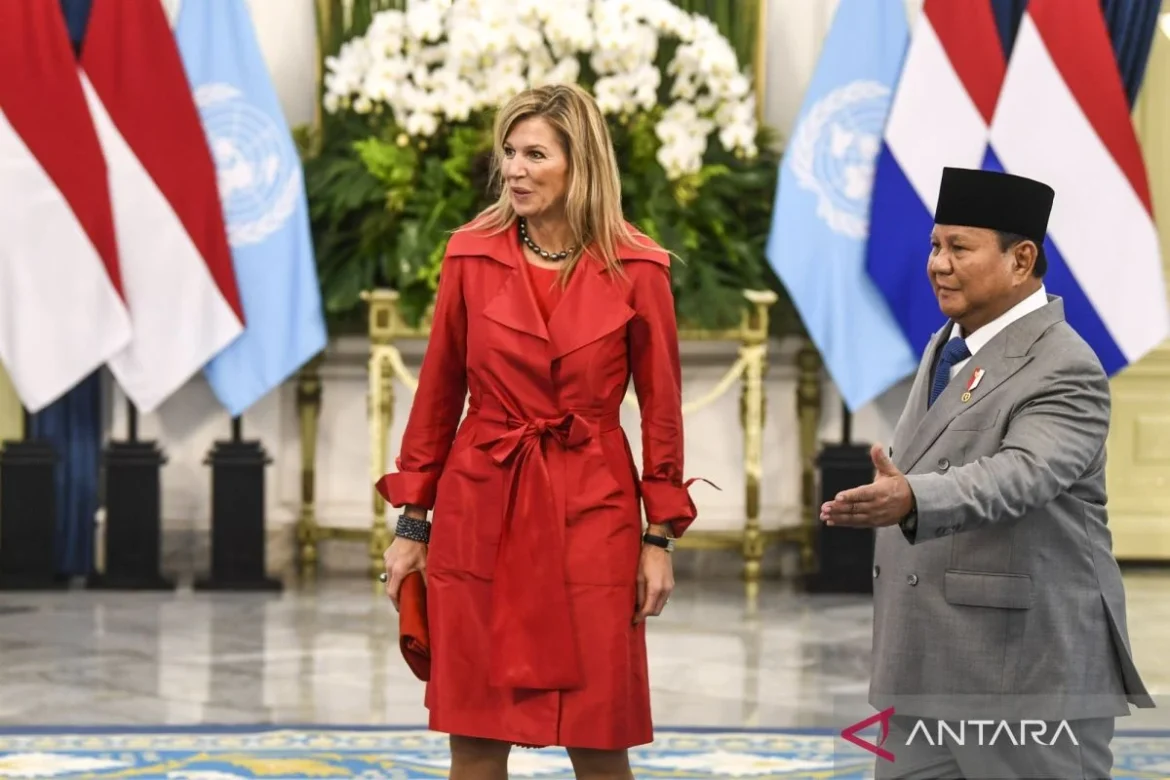
Jakarta, Indonesia – Her Majesty Queen Máxima of the Netherlands successfully concluded a significant working visit to Indonesia from Monday, November 24, to Thursday, November 27, 2025, in her distinguished capacity as the United Nations Secretary-General’s Special Advocate (UNSGSA) for Inclusive Finance for Development. This visit underscored the critical global agenda of fostering financial health and resilience, a mission Queen Máxima has championed internationally, distinct from her royal duties as Queen of the Netherlands. Her comprehensive itinerary spanned multiple strategic locations, including the industrial heartlands of Sragen and Bekasi, the cultural hub of Solo, and the nation’s capital, Jakarta, focusing intensely on advancing financial inclusion and the broader financial well-being of communities.

The Mandate of the UNSGSA: A Global Pursuit of Financial Inclusion

Queen Máxima’s role as UNSGSA, appointed in 2009 by then-UN Secretary-General Ban Ki-moon, positions her at the forefront of global efforts to ensure everyone, especially the poor and vulnerable, has access to affordable, useful, and safe financial products and services. This mission is intrinsically linked to the United Nations Sustainable Development Goals (SDGs), particularly SDG 1 (No Poverty), SDG 5 (Gender Equality), SDG 8 (Decent Work and Economic Growth), and SDG 10 (Reduced Inequalities). Financial inclusion is recognized as a fundamental enabler for development, empowering individuals to save for the future, invest in education and health, start businesses, and manage financial shocks. The UNSGSA works with governments, central banks, regulators, financial service providers, and development partners worldwide to promote national strategies, advocate for smart policies, and encourage innovation in digital finance. This visit marked Queen Máxima’s fifth trip to Indonesia in her capacity as UNSGSA, following previous engagements in 2012, 2016, and 2018, demonstrating a sustained commitment to Indonesia’s progress in this vital sector. Her previous visit to Indonesia as Queen of the Netherlands was in 2020, accompanying King Willem-Alexander during a state visit, highlighting the multifaceted relationship between the two nations.

Indonesia’s Landscape of Financial Inclusion: Progress and Potential

Indonesia, an archipelago nation with over 270 million people and diverse geographical challenges, presents both immense opportunities and complex hurdles for achieving universal financial inclusion. The Indonesian government has made significant strides, implementing a National Strategy for Financial Inclusion (SNKI) aimed at increasing the adult population’s access to financial services. Initiatives like branchless banking (Laku Pandai), digital payment systems, and microfinance programs have expanded access, particularly in rural and remote areas. According to data from the Financial Services Authority (OJK), the financial inclusion index in Indonesia has shown consistent growth, reaching approximately 85.10% in 2022, up from around 76% in 2019. However, challenges persist, including low financial literacy levels, especially among women and youth, the digital divide, and the need for more tailored financial products for specific segments like small and medium-sized enterprises (SMEs) and agricultural communities. The informal sector remains substantial, often operating outside formal financial systems, making them vulnerable to economic shocks. Queen Máxima’s visit provided a crucial platform to assess these advancements, identify remaining gaps, and foster collaborative solutions to accelerate the country’s financial inclusion agenda.

Chronology of a Strategic Engagement: Driving Financial Health Forward

Queen Máxima’s three-day working visit was meticulously structured to offer a comprehensive view of Indonesia’s financial inclusion ecosystem, from grassroots initiatives to high-level policy discussions.

Tuesday, November 25, 2025: Focus on Grassroots Empowerment and Women Entrepreneurs

The initial day of the visit began in Central Java, a region rich in economic activity and cultural heritage. Queen Máxima’s first stop was a garment factory in Sragen Regency. This visit was particularly symbolic, emphasizing the importance of financial health for blue-collar workers who form the backbone of Indonesia’s manufacturing sector. Discussions likely revolved around access to formal banking services for wage management, savings, and micro-loans, as well as digital payment solutions that enhance convenience and security for employees. The focus extended to understanding how financial literacy programs could be integrated into workplaces to empower workers to better manage their incomes and plan for their financial futures.

Following this, Queen Máxima traveled to Solo, a city renowned for its vibrant batik industry. Here, she visited Kampung Batik Laweyan, a historic batik village known for its community of artisan entrepreneurs. The discussions centered on the financial health of small businesses, particularly those engaged in traditional crafts. This segment of the visit highlighted the challenges faced by micro, small, and medium-sized enterprises (MSMEs) in accessing capital, navigating digital marketplaces, and implementing efficient financial management practices. The informal nature of many such businesses often limits their access to formal credit, underscoring the need for innovative financial products and regulatory frameworks that cater to their unique needs.

The day culminated with a significant event at Pura Mangkunegaran, one of Solo’s majestic historical palaces, where Queen Máxima attended a gathering hosted by Women’s World Banking. This organization is a global leader in financial inclusion for women, dedicated to designing and delivering financial services that meet the specific needs of women entrepreneurs and consumers. During this event, Her Majesty engaged in interactive discussions with a diverse group of participants, including young people, university students, and local entrepreneurs. The conversations delved into their experiences with various financial products and services, exploring both successes and challenges. The dialogue likely touched upon the transformative power of digital financial services, the importance of financial literacy education from an early age, and the role of mentorship and support networks in empowering women to achieve financial independence and drive economic growth. The insights gathered from these direct interactions provided valuable perspectives on the practical impact of financial inclusion initiatives on the ground.

Wednesday, November 26, 2025: Policy Dialogue and Innovative Housing Finance

The second day of the visit transitioned to higher-level policy discussions and an exploration of innovative solutions for critical societal needs, beginning in Jakarta. Queen Máxima started her day at the local United Nations office, where she participated in a roundtable discussion with various development organizations. This forum served as a crucial platform for coordinating efforts, sharing best practices, and strategizing on future interventions aimed at accelerating financial inclusion across Indonesia. Participants likely included representatives from UN agencies such as UNDP, UNICEF, and UNCDF, alongside local and international NGOs, all working to address various facets of development, where financial inclusion serves as a cross-cutting theme. The discussions focused on leveraging technology, strengthening regulatory frameworks, and fostering partnerships to scale impact.

Later, she visited the International Finance Corporation (IFC), a member of the World Bank Group and the largest global development institution focused on the private sector in emerging markets. The meeting at IFC underscored the importance of private sector engagement in driving financial inclusion. Discussions centered on the development of innovative lending products and investment strategies that contribute to sustainable economic growth and improved financial health. This included exploring financing mechanisms for SMEs, green financing initiatives, and support for digital infrastructure that expands access to financial services. The IFC’s role in de-risking investments and attracting private capital to underserved markets was a key point of discussion.

A highlight of the day was Queen Máxima’s visit to the Gran Harmoni Cibitung subsidized housing complex in Bekasi Regency, West Java. This complex is a notable example of providing low-emission, affordable housing for low and middle-income communities. The visit showcased how access to stable, affordable housing significantly contributes to the overall financial health and well-being of families. Her Majesty visited a resident’s home, engaging directly with homeowners and representatives of first-time home buyers. This personal interaction offered insights into the socio-economic impact of homeownership and the challenges and opportunities associated with affordable housing finance. A particularly innovative aspect of the visit was the inspection of a "bank sampah" (waste bank) at the complex. This initiative, supported by institutions like Bank Tabungan Negara (BTN) as referenced in related news, allows residents to pay a portion of their housing installments by collecting and depositing recyclable waste. This ingenious model not only promotes environmental sustainability but also enhances financial literacy and provides an alternative payment mechanism, making homeownership more accessible and sustainable for low-income families. Queen Máxima observed the process of signing sale and purchase agreements for dozens of prospective homeowners, witnessing firsthand the tangible impact of these inclusive financial solutions.

The day concluded with a visit to Deloitte Indonesia, where Queen Máxima engaged with employers to discuss their role in contributing to the financial health of their employees and clients. This session explored corporate responsibility in fostering financial wellness, including the provision of financial literacy programs, access to affordable employee benefits, and the development of client-centric financial services. The discussions highlighted how financially healthy employees are more productive and resilient, underscoring the mutual benefits for both employers and the workforce in prioritizing financial well-being initiatives.

Thursday, November 27, 2025: High-Level Policy Engagement and Presidential Audience

The final day of Queen Máxima’s visit was dedicated to high-level policy dialogue and culminated in a significant meeting with Indonesia’s head of state. Her Majesty participated in a crucial agenda focused on financial literacy, involving key Indonesian financial authorities: the Otoritas Jasa Keuangan (OJK – Financial Services Authority), Bank Indonesia (BI – Central Bank), and the Ministry of Finance (Kemenkeu). This meeting brought together the regulatory, monetary, and fiscal pillars of Indonesia’s financial system. Discussions likely encompassed strategies to enhance financial literacy nationwide, especially through digital platforms, consumer protection measures in the evolving digital finance landscape, and the regulatory frameworks needed to foster innovation while ensuring stability and fairness. The OJK’s role in consumer education and oversight, BI’s initiatives in payment system innovation, and Kemenkeu’s broader fiscal policies impacting financial access were central to the dialogue, aiming to synergize efforts for a more robust and inclusive financial ecosystem.

The visit culminated in a highly anticipated meeting with the President of the Republic of Indonesia, Prabowo Subianto, at the Istana Merdeka in Jakarta. This audience served as the capstone of her working visit, where Queen Máxima formally presented her findings, observations, and impressions gleaned from her engagements across the country. The discussions, which included a private one-on-one session and a luncheon, provided an opportunity to convey strategic recommendations, highlight successful models, and explore avenues for continued collaboration between the United Nations, the Netherlands, and Indonesia in advancing financial inclusion. President Prabowo likely reiterated Indonesia’s unwavering commitment to inclusive economic growth, poverty reduction, and enhancing the welfare of its citizens through comprehensive financial empowerment initiatives. This high-level exchange reinforced the strategic importance of financial inclusion within Indonesia’s national development agenda and its positioning on the international stage.

Implications and Future Outlook

Queen Máxima’s fifth visit to Indonesia as UNSGSA signifies a deepening partnership and a shared commitment to empowering individuals through financial inclusion. The diverse range of engagements, from grassroots communities to high-level policy discussions, provides a holistic perspective on Indonesia’s progress and the challenges that remain. The insights and recommendations generated from this visit are expected to contribute significantly to refining Indonesia’s National Strategy for Financial Inclusion, fostering further innovation in digital financial services, and strengthening regulatory frameworks to protect consumers while enabling growth.

The emphasis on women’s financial empowerment, affordable housing solutions through innovative mechanisms like waste banks, and corporate responsibility in employee financial health highlights practical, impactful approaches that can be scaled. The continued collaboration with international bodies like the UN and IFC, alongside national institutions such as OJK, BI, and Kemenkeu, is crucial for sustained progress. As Indonesia continues its journey towards becoming a high-income nation, ensuring that all segments of its population have equitable access to financial tools will be paramount for fostering economic resilience, reducing inequality, and achieving sustainable development goals. Queen Máxima’s advocacy provides invaluable international impetus, reinforcing Indonesia’s position as a regional leader in the global pursuit of financial inclusion for all.

May 20, 2025 0 comment
0 FacebookTwitterPinterestEmail
National News

Perumda Dharma Jaya Targets 1,416 Bazaar Points by 2026 to Bolster Food Security and Stabilize Prices in Jakarta

by Nana May 19, 2025
written by Nana

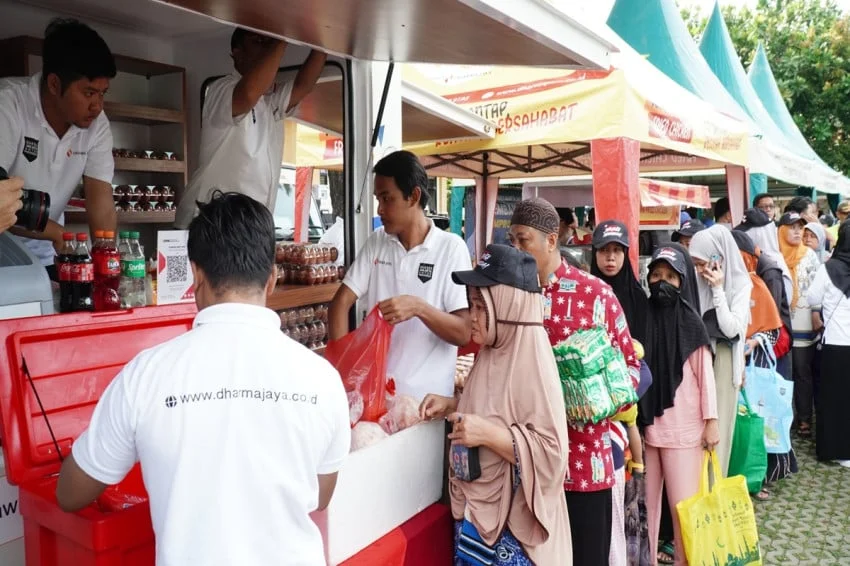
JAKARTA – Perumda Dharma Jaya, the DKI Jakarta-owned enterprise (BUMD) responsible for food services, has set an ambitious target to establish 1,416 bazaar points by the end of 2026. This extensive network aims to significantly broaden public access to affordable animal protein, a critical component of household nutrition and a key factor in regional economic stability. As of March 2026, the company has already realized 480 of these targeted bazaar points, demonstrating substantial progress towards its strategic goals.

Expanding Access to Essential Protein and Combating Food Insecurity

The initiative by Perumda Dharma Jaya is a direct response to the ongoing challenge of ensuring equitable access to nutritious food sources, particularly animal protein, for Jakarta’s burgeoning population. Animal protein, including meat, plays a vital role in addressing nutritional deficiencies and supporting overall public health, especially among vulnerable communities. In a megacity like Jakarta, where socio-economic disparities can impact access to essential goods, government-backed programs like these bazaars are crucial. They provide a reliable channel for residents to purchase high-quality meat at prices significantly below market rates, thereby easing household expenditure burdens and contributing to improved dietary intake.

Raditya Endra Budiman, Director Utama of Dharma Jaya, articulated the company’s determination during an announcement on Tuesday, April 14, 2026. "We are targeting at least to match, if not surpass, the achievement of 1,200 points from the previous year. As of March, we have already reached 480 points," Budiman stated, emphasizing the momentum gained early in the year. This statement underscores a clear commitment not only to meet but to exceed prior performance benchmarks, reflecting an intensified effort to serve the community.

Operational Strategy and Capacity Building for Enhanced Distribution

To achieve its ambitious target, Perumda Dharma Jaya has meticulously planned its operational strategy, focusing on efficiency and expanded reach. The company projects an average daily execution of six bazaar points, a pace that, if maintained, is expected to comfortably surpass the 2026 target. This operational tempo requires robust logistical support and a well-coordinated distribution network.

A critical enhancement to Dharma Jaya’s operational capabilities has been the significant upgrade of its distribution fleet. The number of refrigerated meat distribution vehicles has been increased from two to four units. This doubling of capacity is pivotal for maintaining the cold chain integrity of perishable goods, ensuring that meat products reach bazaar locations fresh and safe for consumption. The expanded fleet also allows for greater geographical coverage and the ability to serve more locations simultaneously, which is essential for scaling up operations to 1,416 points.

The logistical challenges in a dense urban environment like Jakarta are considerable. Traffic congestion, varied infrastructure, and the sheer volume of daily transactions necessitate a highly efficient and adaptable distribution system. Dharma Jaya’s investment in its refrigerated fleet demonstrates a proactive approach to overcoming these hurdles, ensuring that product quality is never compromised and that supply remains consistent across all bazaar points.

The Mandate of Perumda Dharma Jaya: A Pillar of Jakarta’s Food Security

Perumda Dharma Jaya operates as a vital arm of the DKI Jakarta provincial government, mandated with a broad range of responsibilities related to food security. Established with the core objective of managing and distributing food commodities, including meat, poultry, and fish, the company plays a pivotal role in stabilizing food prices, ensuring supply availability, and enhancing public access to nutritious food. Its activities are integral to the province’s overall strategy for economic stability and social welfare.

Historically, Dharma Jaya has been instrumental during periods of market volatility or supply chain disruptions, acting as a buffer against speculative pricing and shortages. The company’s operations extend beyond direct sales to consumers, often involving partnerships with local farmers and suppliers, and engagement in various food processing and storage activities. This multi-faceted approach allows Dharma Jaya to influence the entire food value chain, from procurement to final distribution. The current bazaar initiative is a direct manifestation of this mandate, focusing on the retail end to directly impact household food access and affordability.

Combating Inflation and Ensuring Affordability: A Dual Economic Impact

One of the most significant impacts of Dharma Jaya’s bazaar program is its contribution to combating inflation and ensuring affordability. The company’s deliberate strategy to sell meat products at prices below market rates serves a dual purpose: it directly reduces the cost burden on consumers and acts as a market stabilizer. By introducing a competitive, lower-priced alternative, Dharma Jaya helps to temper inflationary pressures on meat prices across the board.

"We want the community to get quality meat at more affordable prices. This is what drives the high public enthusiasm," Budiman explained. This strategy is particularly crucial in a period where global and domestic economic factors can lead to fluctuating food prices, directly impacting the purchasing power of urban households. For many families, meat can be a significant portion of their food budget, and even a small reduction in price can translate into substantial savings. The high demand observed at these bazaars validates the effectiveness of this pricing strategy and highlights the community’s need for such affordable options.

Beyond Jakarta’s administrative boundaries, Perumda Dharma Jaya also selectively accommodates demand from surrounding buffer regions. This demonstrates a broader understanding of regional food dynamics and an effort to contribute to stability beyond the immediate provincial borders, acknowledging the interconnectedness of food supply chains and consumer markets in the Jakarta metropolitan area.

Chronology of Public Outreach Initiatives and Government Support

The expansion to 1,416 bazaar points by 2026 is not an isolated effort but rather the culmination of years of progressive development in Dharma Jaya’s public outreach initiatives. The company has steadily increased its footprint and the frequency of its bazaars, building on lessons learned and responding to evolving community needs. The reference to "surpassing 1,200 points from the previous year" indicates a robust and growing program, suggesting that these bazaars have become an established and anticipated feature in many Jakarta neighborhoods.

Over the years, Dharma Jaya has likely refined its site selection process, logistics, and community engagement strategies. Initial bazaars might have focused on high-density residential areas or those identified as food-insecure. As the program matured, data on consumer demand, accessibility, and community feedback would have informed further expansion and optimization. This iterative process of growth and refinement is characteristic of successful public service initiatives.

Suharini Eliawati, Assistant for Economy and Finance at the DKI Jakarta Regional Secretariat, underscored the provincial government’s perspective on these efforts. She stated that the actions taken by Perumda Dharma Jaya constitute a "crucial part of the regional government’s strategy in maintaining food security while simultaneously controlling inflation." This official endorsement highlights the strategic importance of Dharma Jaya’s role within the broader framework of Jakarta’s governance. It signifies that the initiative is not merely a commercial venture but a fundamental public service aligned with provincial policy objectives. The government likely provides financial, logistical, and policy support to enable Dharma Jaya to maintain its below-market pricing and expand its reach.

Economic and Social Implications: A Holistic View

The implications of Perumda Dharma Jaya’s aggressive bazaar expansion are far-reaching, touching upon various facets of Jakarta’s socio-economic landscape.

Economic Impact:

  • Inflation Control: By offering meat at competitive prices, Dharma Jaya directly helps to moderate overall food inflation, which is a significant component of the consumer price index in Indonesia. This contributes to macro-economic stability.
  • Consumer Purchasing Power: Lower meat prices effectively increase the real income of households, allowing them to allocate more of their budget to other essential goods and services or to save, stimulating local economic activity.
  • Market Dynamics: While primarily a public service, the bazaars introduce a strong element of competition into the meat market, potentially encouraging private retailers to keep their prices in check.
  • Supply Chain Resilience: Dharma Jaya’s operations, especially with its expanded refrigerated fleet, strengthen the overall food supply chain infrastructure in Jakarta, making it more resilient to shocks.

Social Impact:

  • Nutritional Improvement: Enhanced access to affordable animal protein directly contributes to better nutrition for families, particularly children, potentially reducing rates of malnutrition and stunting. This has long-term benefits for public health and human capital development.
  • Equitable Access: The widespread distribution of bazaar points ensures that residents across various income levels and geographical locations have access to quality meat, promoting greater social equity.
  • Community Welfare: The ability to consistently purchase affordable, high-quality food reduces stress on household budgets and improves the overall quality of life for Jakarta’s residents. It fosters a sense of security and trust in government initiatives.
  • Public Health: By ensuring proper cold chain management, Dharma Jaya minimizes the risk of foodborne illnesses associated with improperly stored meat, further safeguarding public health.

Challenges and Future Outlook

Despite the significant progress and positive impacts, Perumda Dharma Jaya’s ambitious targets are not without challenges. Maintaining a stable and sufficient supply of quality meat at below-market prices requires continuous strategic sourcing, potentially involving long-term contracts with domestic and international suppliers. Managing the logistics for 1,416 points across a bustling metropolis will require sophisticated planning and real-time adaptability to address unforeseen issues like traffic or sudden shifts in demand.

Ensuring the financial sustainability of selling at subsidized prices is another critical consideration. While public service is the primary goal, a balance must be struck to ensure that Dharma Jaya remains operationally sound. This might involve exploring various funding models, including provincial government subsidies, efficient cost management, and strategic partnerships.

Looking ahead, the success of this initiative could serve as a blueprint for other Indonesian cities facing similar challenges in food security and inflation control. The model of a state-owned enterprise actively intervening in the market to ensure essential food access, supported by robust logistics and clear government mandates, offers a powerful tool for urban resilience. Dharma Jaya’s continued innovation in distribution, supply chain management, and community engagement will be key to solidifying its role as a cornerstone of Jakarta’s food ecosystem.

In conclusion, Perumda Dharma Jaya’s commitment to establishing 1,416 bazaar points by 2026 represents a substantial investment in Jakarta’s food security and economic stability. By prioritizing widespread access to affordable animal protein, the company is not only addressing immediate nutritional needs but also playing a crucial role in mitigating inflationary pressures and enhancing the overall welfare of the city’s residents, firmly aligning with the provincial government’s broader vision for a prosperous and healthy Jakarta.

May 19, 2025 0 comment
0 FacebookTwitterPinterestEmail
National News

BCA Digital and Monit Teknologi Indonesia Launch Monit x bluCorporate Card, Revolutionizing Corporate Expense Management

by Ali Ikhwan May 19, 2025
written by Ali Ikhwan

Jakarta, Indonesia – Wednesday, April 15, 2026 – In a significant move set to redefine corporate financial operations across Indonesia, BCA Digital, the innovative digital banking arm of PT Bank Central Asia Tbk, has officially announced a strategic partnership with Monit Teknologi Indonesia. The collaboration culminates in the launch of the Monit x bluCorporate Card, an advanced corporate debit card seamlessly integrated with Monit’s comprehensive business expense management platform. This groundbreaking solution, unveiled at a launch event in Jakarta, is meticulously designed to empower businesses with unparalleled practicality, transparency, and control over their diverse transaction needs, marking a pivotal moment in the nation’s ongoing digital transformation of corporate finance.

The Strategic Partnership Unveiled: A New Era for Corporate Spending

The genesis of the Monit x bluCorporate Card lies in a shared vision between BCA Digital and Monit to address the persistent challenges businesses face in managing operational expenditures. Traditionally, corporate spending has been a labyrinth of manual processes, reconciliation headaches, and limited real-time visibility, often leading to inefficiencies, compliance risks, and potential financial leakage. This new integrated solution directly confronts these issues by offering a holistic ecosystem where card issuance, transaction processing, and expense reporting converge into a streamlined, automated workflow. The debit card, powered by BCA Digital’s robust banking infrastructure, acts as the physical and digital conduit for transactions, while Monit’s platform provides the intelligence and control layer, ensuring every expense aligns with corporate policies and is recorded instantly.

Lanny Budiati, President Director of BCA Digital, articulated the strategic imperative behind this collaboration, emphasizing the bank’s commitment to delivering secure and efficient financial tools tailored for the modern enterprise. "Our objective with this solution is to provide businesses with an indispensable tool for managing their financial requirements with greater efficiency and security," Budiati stated during the launch. "The Monit x bluCorporate Card is engineered to simplify operational transactions, offering companies the flexibility to set granular transaction limits and providing a physical card equipped with contactless technology, crucial for seamless domestic and international business activities." Her remarks underscore BCA Digital’s proactive approach to expanding its digital offerings beyond individual consumers, now extending its prowess to the burgeoning corporate sector.

The capabilities of the Monit x bluCorporate Card are extensive, catering to a wide array of business expenses. From the often-complex logistics of business travel and the dynamic outlays for digital advertising campaigns to recurring software subscriptions and critical vendor payments, the card streamlines these processes. This integration ensures that financial teams no longer contend with disparate systems or manual data entry, thereby liberating valuable resources to focus on strategic financial planning rather than administrative tasks.

Monit’s Integrated Platform: A Deep Dive into Transparency and Control

At the core of this innovative offering is Monit Teknologi Indonesia’s sophisticated expense management platform, comprising two integral components: the Monit web platform and the Monit mobile application. Rizki Aditya, Chief Executive Officer of Monit, highlighted the platform’s role in guaranteeing maximum transparency and control over all card activities. "Every transaction conducted via the Monit x bluCorporate Card is meticulously managed and monitored exclusively through our web platform and mobile application," Aditya explained. "This integrated approach is fundamental to ensuring unparalleled transparency across all corporate spending."

The Monit web platform serves as the central command center for corporate finance teams. This web-based interface empowers companies to define intricate spending policies, set highly detailed transaction limits for individual cards or categories, and access comprehensive analytical reports. These features are instrumental in enhancing fiscal transparency, tightening internal controls, and providing actionable insights into operational expenditures. Financial controllers can, for instance, set daily, weekly, or monthly limits, restrict spending to specific merchant categories, and receive real-time alerts for any out-of-policy transactions, significantly mitigating risks associated with unauthorized spending or fraud.

Satu Kartu untuk Semua Kebutuhan Bisnis

Complementing the web platform is the Monit mobile application, an essential tool for employees on the go. Designed to facilitate real-time operational transactions and expense logging, the app ensures immediate capture of spending data. Employees can easily record transaction details, upload receipts, and categorize expenses directly from their mobile devices, ensuring compliance with company policies and dramatically reducing the time and effort traditionally associated with expense reporting. The mobile application’s features, including limit monitoring and automated expense capture, not only enhance administrative efficiency but also foster greater accountability among employees, aligning individual spending with corporate financial guidelines. "By embedding the bluCorporate Card within the Monit platform, our aspiration is to significantly enhance the efficiency of corporate transaction management, from the initial payment process all the way through to automated expense reporting," Aditya concluded, underscoring the platform’s end-to-end capabilities.

Addressing Pain Points in Corporate Expense Management

The introduction of the Monit x bluCorporate Card comes at a critical juncture for Indonesian businesses. According to recent market analyses, the corporate expense management software market in Southeast Asia is projected to grow at a Compound Annual Growth Rate (CAGR) exceeding 10% between 2023 and 2028, driven by increasing digitalization and the imperative for operational efficiency. Manual expense reporting processes continue to plague a significant number of small and medium-sized enterprises (SMEs) and even larger corporations, leading to delayed reimbursements, inaccurate data, and a lack of real-time financial oversight. A survey conducted by a leading financial consultancy in 2024 revealed that businesses spend an average of 18 hours per month on manual expense report processing, costing companies significant resources and increasing the likelihood of errors. Furthermore, corporate fraud related to expense claims remains a persistent issue, with studies indicating that a substantial portion of occupational fraud involves expense reimbursement schemes.

The Monit x bluCorporate Card directly addresses these entrenched pain points. By automating the entire expense lifecycle, from transaction to reconciliation, it minimizes human error, accelerates financial closing cycles, and provides an auditable trail for every expenditure. The real-time visibility offered by Monit’s platform empowers finance teams to detect anomalies swiftly, enforce spending policies proactively, and ensure robust compliance with regulatory requirements, thereby safeguarding corporate assets and reputation.

The Evolving Landscape of Digital Banking and Fintech in Indonesia

Indonesia’s fintech landscape has witnessed explosive growth over the past decade, fueled by a young, digitally native population, increasing smartphone penetration, and a supportive regulatory environment aimed at fostering financial inclusion and innovation. Digital banks, in particular, have emerged as powerful disruptors, leveraging technology to offer more agile, user-friendly, and cost-effective banking services. BCA Digital, with its blu app, has been a frontrunner in this space, rapidly expanding its user base by offering intuitive personal banking experiences. This partnership with Monit signifies BCA Digital’s strategic pivot to capture a larger share of the B2B market, recognizing the immense potential in serving the financial needs of businesses undergoing their own digital transformations.

The collaboration also highlights a broader trend of convergence between traditional banking services and specialized fintech solutions. Instead of outright competition, many incumbent banks are choosing to partner with nimble fintech startups to integrate niche services like expense management, lending, or payment gateways into their existing ecosystems. This symbiotic relationship allows banks to enhance their value proposition without incurring the full cost and complexity of developing these specialized solutions in-house, while fintechs gain access to a wider customer base and the trust associated with established financial institutions.

Market Impact and Broader Implications

The launch of the Monit x bluCorporate Card is expected to have several profound impacts on the Indonesian market. For businesses, particularly SMEs and rapidly scaling startups, it offers an accessible and powerful tool to professionalize their financial operations. The ability to manage corporate spending efficiently, transparently, and compliantly can significantly improve cash flow management, reduce operational overheads, and free up capital for growth-oriented investments. This solution levels the playing field, providing smaller businesses with financial tools previously only available to large enterprises with significant internal resources.

Satu Kartu untuk Semua Kebutuhan Bisnis

From a competitive standpoint, this partnership sets a new benchmark for integrated corporate financial solutions in Indonesia. Other digital banks and traditional financial institutions may be compelled to develop similar offerings or forge their own partnerships to remain competitive in the increasingly sophisticated B2B fintech space. This will ultimately benefit businesses by fostering innovation and driving down costs.

Furthermore, the emphasis on contactless payment technology, particularly for international transactions, positions the Monit x bluCorporate Card as a forward-looking solution. As global business travel resumes and cross-border transactions become more frequent, the convenience and security of contactless payments will be paramount, further cementing Indonesia’s position as a digitally advanced economy.

Expert Perspectives and Industry Reactions

Industry analysts have largely lauded the collaboration, recognizing its potential to address a significant market need. "This partnership represents a smart strategic move for both BCA Digital and Monit," commented Dr. Sarah Wijaya, a senior fintech analyst based in Jakarta. "For BCA Digital, it diversifies their offering and taps into the lucrative corporate segment. For Monit, it provides a powerful banking partner and broadens their reach. The true winner here will be Indonesian businesses, who stand to gain immensely from enhanced financial efficiency and control."

Representatives from prominent SME associations have also expressed optimism. "Many of our members struggle with manual expense reporting and lack adequate tools for financial oversight," said Budi Santoso, Chairman of the Indonesian SME Association. "The Monit x bluCorporate Card could be a game-changer, helping them operate more professionally, reduce costs, and focus on their core business activities. It’s a clear demonstration of how technology can empower even the smallest enterprises."

Looking Ahead: Future Prospects and Digital Transformation

The launch of the Monit x bluCorporate Card is not merely a product release; it represents a significant stride in the broader narrative of digital transformation within Indonesia’s corporate finance sector. It signals a future where manual processes are relegated to the past, replaced by intelligent, automated systems that provide real-time insights and unparalleled control.

Both BCA Digital and Monit are expected to continue innovating and enhancing their integrated offerings. Potential future developments could include deeper integrations with other enterprise resource planning (ERP) systems, advanced AI-driven expense analytics to identify spending patterns and cost-saving opportunities, and perhaps even embedded lending solutions based on a company’s spending history and financial health. The partnership lays a robust foundation for a truly comprehensive digital financial ecosystem for businesses, promising a future of greater financial agility, resilience, and growth for companies across Indonesia. The Monit x bluCorporate Card is thus more than just a payment solution; it is a catalyst for operational excellence and strategic financial management in the digital age.

May 19, 2025 0 comment
0 FacebookTwitterPinterestEmail
National News

Daftar Barbuk Kasus Bea Cukai yang Disita KPK dari Faizal Assegaf

by Nana May 18, 2025
written by Nana

Jakarta, Indonesia – The Corruption Eradication Commission (KPK) has escalated its investigation into alleged corruption within the Directorate General of Customs and Excise, revealing the seizure of significant electronic evidence from Faizal Assegaf, the Chief Executive Officer of PT Sinkos Multimedia Mandiri. The seized items, which include an Apple Mac computer complete with its Magic Keyboard and Magic Mouse, a Lumix S5IIX mirrorless camera with spare batteries, a monitor, and a Boss WL-30XLR Wireless System microphone, are believed to be directly linked to the ongoing high-profile case. This development has not only intensified the probe but has also triggered a legal counter-offensive from Assegaf, who has filed reports against a KPK spokesperson for alleged defamation and ethical violations.

The seizure, confirmed by KPK spokesperson Budi Prasetyo on Wednesday, April 15, 2026, underscored the commission’s focus on digital footprints in its anti-corruption efforts. Speaking from the KPK office in Jakarta, Prasetyo stated, "The items seized by investigators are in the form of electronic goods such as a monitor, a camera, and several other electronic devices." He acknowledged that the total monetary value of the seized equipment had not yet been assessed, emphasizing that the primary objective was the potential evidential content rather than their market price. The nature of the seized items, particularly advanced computing and communication devices, suggests that investigators are pursuing digital trails that could reveal illicit transactions, communications, or hidden assets relevant to the bribery and gratification scheme.

Deep Dive into the Customs Corruption Nexus

Corruption within customs agencies is a perennial challenge globally, often involving complex networks that exploit vulnerabilities in international trade and border control. In Indonesia, the Directorate General of Customs and Excise (DJBC) plays a critical role in facilitating trade, collecting state revenue, and safeguarding national borders. This makes it a high-risk sector for corrupt practices, which can range from bribery for expedited services to sophisticated schemes involving under-invoicing, misdeclaration of goods, and facilitating the entry of prohibited items. Such corruption not only leads to significant losses in state revenue but also distorts fair competition, harms legitimate businesses, and can even pose national security risks by allowing the entry of dangerous goods.

The KPK’s involvement in this case highlights its unwavering commitment to dismantling such corrupt networks. Established in 2002, the KPK is an independent body with broad powers to investigate, prosecute, and prevent corruption. Its mandate includes conducting thorough investigations, often utilizing advanced forensic techniques, including the analysis of electronic evidence. The seizure of devices like the Apple Mac and Lumix S5IIX camera is indicative of a strategy to uncover digital records, encrypted communications, and potentially even hidden data that could shed light on the mechanics of the alleged corruption, the identities of other conspirators, and the flow of illicit funds. Modern digital forensics can retrieve deleted files, trace communication patterns, and link individuals to specific activities, making electronic devices invaluable in complex financial crimes.

Chronology of Events and Investigative Trajectory

The current phase of the investigation has been marked by a series of critical actions, culminating in the recent seizures and subsequent legal disputes.

  • April 7, 2026: Faizal Assegaf, CEO of PT Sinkos Multimedia Mandiri, was summoned by the KPK as a witness in the ongoing corruption probe concerning the Directorate General of Customs and Excise. Alongside Assegaf, two officials from the Directorate General of Customs and Excise, Muhammad Mahzun and Rahmat, were also called in for questioning on the same day. These summons were crucial steps in gathering witness testimonies to strengthen the case files against the already identified suspects.
  • April 15, 2026: KPK investigators conducted the seizure of electronic evidence from Faizal Assegaf. The operation targeted specific high-tech devices believed to contain data pertinent to the alleged corruption. KPK spokesperson Budi Prasetyo publicly confirmed the seizure, detailing the types of electronic items taken into custody and affirming their suspected relevance to the Bea Cukai corruption case.
  • Following April 15, 2026: In a swift and assertive response to the KPK’s actions and the public statement made by Budi Prasetyo, Faizal Assegaf initiated legal proceedings against the KPK spokesperson. He filed a report with the Polda Metro Jaya (Jakarta Metropolitan Police) alleging defamation. This report was officially registered under the number LP/B/2592/IV/2026/SPKT/POLDA METRO JAYA, indicating a formal criminal complaint.
  • Concurrent with Police Report: On the same day he reported Budi Prasetyo to the police, Faizal Assegaf also lodged a complaint with the KPK Supervisory Board (Dewas). This complaint accused Budi Prasetyo of violating the commission’s code of ethics, suggesting that the spokesperson’s public comments or the manner of the seizure itself may have overstepped ethical boundaries or compromised Assegaf’s reputation.

These events illustrate the increasingly contentious nature of high-profile corruption investigations, where subjects often employ legal avenues to challenge the actions of anti-corruption bodies.

The Network of Suspects and Allegations

The KPK’s investigation is focused on a group of seven individuals implicated in an alleged scheme of bribery and gratification related to the import of goods. This network includes both high-ranking customs officials and private sector operatives, indicating a sophisticated collusion designed to exploit the import process for personal gain.

The suspects who have been identified and subsequently detained at the KPK Detention Center include:

  1. Rizal: Former Director of Investigation & Enforcement at the Directorate General of Customs and Excise, serving from 2024 to January 2026. His senior position suggests a potential role in overseeing or facilitating illicit activities within the enforcement arm of the DJBC.
  2. Sisprian Subiaksono: Head of the Sub-directorate of Intelligence, Enforcement, and Investigation (Kasubdit Intel P2 DJBC). Individuals in intelligence roles often possess crucial information and control over surveillance, making their involvement particularly damaging to institutional integrity.
  3. Orlando: Head of the Intelligence Section at the Directorate General of Customs and Excise (Kasi Intel DJBC). Similar to Subiaksono, Orlando’s position would grant him access to sensitive information and influence over investigative processes.
  4. Andri: Head of the Import Document Team at PT Blueray. His role within the private company would be critical in manipulating import documentation, a common method for evading taxes or importing prohibited goods.
  5. Budiman Bayu Prasojo: A mid-level official within the Directorate General of Customs and Excise. The involvement of officials at various levels points to a systemic issue rather than isolated incidents.
  6. John Field: Owner of PT Blueray. As the principal of the company, Field would likely be the ultimate beneficiary and orchestrator of any corporate-level corrupt practices.
  7. Dedy Kurniawan: Operational Manager of PT Blueray. Kurniawan’s role would involve the day-to-day execution of import operations, potentially including the implementation of corrupt schemes.

The fact that the case files for the suspects from PT Blueray have already been handed over to the Public Prosecutor indicates that the investigative phase for this segment of the case is nearing completion, paving the way for prosecution. This move signifies the KPK’s confidence in the evidence gathered against the private sector actors involved.

Daftar Barbuk Kasus Bea Cukai yang Disita KPK dari Faizal Assegaf

Legal Challenges and Institutional Integrity

Faizal Assegaf’s decision to file a defamation report against KPK spokesperson Budi Prasetyo with the police, and an ethics complaint with the KPK Supervisory Board (Dewas), introduces a layer of complexity to the ongoing investigation. Such counter-reports are not uncommon in high-profile corruption cases in Indonesia, often serving as a tactic to exert pressure on investigators, discredit their findings, or divert public attention.

The defamation charge will require police to investigate whether Budi Prasetyo’s public statements met the legal criteria for defamation, which typically involves false statements that harm a person’s reputation. KPK spokespersons operate under a mandate to inform the public about ongoing investigations, balancing transparency with the presumption of innocence. The legal precedent for such cases often hinges on whether the statements were made in good faith, based on investigative findings, and were necessary for public disclosure.

Simultaneously, the ethics complaint lodged with Dewas places the KPK’s internal oversight body in a position to review the conduct of its own official. Dewas was established as part of amendments to the KPK Law, aimed at ensuring accountability and ethical conduct within the commission itself. An investigation by Dewas would examine whether Prasetyo’s actions or statements violated internal codes of conduct, potentially affecting the integrity of the institution and public trust. While Dewas’s primary role is to enforce ethical standards, its findings can have significant implications for the careers of KPK officials and the public perception of the commission’s impartiality.

These legal challenges underscore the delicate balance anti-corruption agencies must maintain between robust investigation and adherence to legal and ethical norms. They also highlight the constant scrutiny and pressure faced by KPK officials, who are frequently targeted by those they investigate.

Broader Implications and Future Outlook

This ongoing investigation into the Directorate General of Customs and Excise, coupled with the legal challenges against the KPK spokesperson, carries significant implications for Indonesia’s anti-corruption landscape.

Firstly, for the Directorate General of Customs and Excise, the exposure of a corruption network involving senior officials necessitates a thorough internal overhaul. It reinforces the need for continuous reforms, enhanced transparency, and stricter oversight mechanisms to prevent future abuses. The government has consistently emphasized improving governance and reducing bureaucracy in crucial sectors like customs to boost investor confidence and economic growth. This case serves as a stark reminder of the persistent challenges in achieving those goals.

Secondly, for the KPK, the case tests its resilience and independence. The counter-reports from Faizal Assegaf will undoubtedly consume resources and attention, but they also offer an opportunity for the KPK to demonstrate its commitment to due process while steadfastly pursuing justice. How the police and Dewas handle these complaints will be closely watched, as their outcomes could influence future interactions between the KPK and subjects of its investigations. A strong, principled stance from the KPK, backed by robust evidence and adherence to ethical guidelines, is crucial for maintaining public trust in its vital mission.

Finally, the case resonates with broader societal implications regarding the rule of law and the fight against impunity. Corruption, particularly in high-value sectors like international trade, erodes public finances, undermines fair economic competition, and ultimately hinders national development. The successful prosecution of individuals involved in such schemes sends a powerful message that no one is above the law, irrespective of their position or influence.

As the investigation progresses and the legal battles unfold, the public will be keenly observing how Indonesia’s institutions navigate these complex challenges. The outcome of this case will not only determine the fate of the accused but will also significantly shape the trajectory of anti-corruption efforts in the country for years to come.

May 18, 2025 0 comment
0 FacebookTwitterPinterestEmail
National News

Bangka Belitung Ministry of Law and Human Rights Regional Office Convenes Key Policy Forum to Bolster Public Policy Formulation and Governance

by Nana May 17, 2025
written by Nana

PANGKALPINANG – The Regional Office of the Ministry of Law and Human Rights (Kanwil Kemenkum) of Bangka Belitung recently hosted a pivotal Policy Communication Forum (FKK) on Tuesday, aimed at significantly enhancing the quality of public policy formulation across the province. This strategic gathering in Pangkalpinang sought to cultivate more responsive and effective legal policies that directly address the evolving needs and challenges faced by the local community. The forum underscored a proactive commitment from regional authorities to strengthen the foundational aspects of governance and public service delivery through improved policy frameworks.

Enhancing Policy Acumen for Regional Progress

The forum, held under the comprehensive theme of "Strengthening the Capacity of Quality Public Policy Analysts in the Province of Bangka Belitung Islands," placed a strong emphasis on elevating the professional competencies of policy analysts. According to Rahmat Feri Pontoh, Head of the Division for Legislation and Legal Development at Kanwil Kemenkum Babel, the discussions centered on critical areas such as refining analytical methodologies, mastering the art of concise policy brief compilation, and fostering robust cross-sectoral coordination. Pontoh articulated the fundamental principle guiding the initiative, stating, "The quality of public policy is intrinsically determined by the quality of policy analysis." This statement highlighted the urgent and indispensable need for continuous capacity building among analysts, recognizing their pivotal role in shaping the future of regional governance. The drive for improved analytical skills is not merely an administrative exercise but a strategic imperative to ensure that policies are well-informed, thoroughly vetted, and ultimately beneficial for the populace.

The Critical Role of Kanwil Kemenkum in Regional Governance

The Ministry of Law and Human Rights, through its regional offices like Kanwil Kemenkum Babel, plays a multifaceted role that extends beyond traditional legal enforcement. Its mandate encompasses legal development, human rights protection, and providing expert assistance to local governments in drafting and implementing regulations. In a dynamic province like Bangka Belitung, known for its unique socio-economic landscape, including its historical tin mining industry, burgeoning tourism sector, and rich cultural heritage, the complexity of governance demands sophisticated policy instruments. The Kanwil Kemenkum acts as a crucial bridge between national legal frameworks and local implementation, ensuring that regional policies align with broader constitutional principles and human rights standards while remaining relevant to local contexts. This forum exemplifies its commitment to not only uphold the law but also to proactively contribute to the systemic improvement of legal and policy-making processes at the sub-national level.

Navigating the Complexities of Public Policy Formulation

Rahmat Feri Pontoh further elaborated on the significant hurdles currently impeding optimal public policy development in Bangka Belitung. Among the primary challenges he identified were the pervasive limitations in integrated data systems, which often lead to fragmented insights and hinder comprehensive analysis. Furthermore, suboptimal coordination mechanisms among various government agencies were cited as a bottleneck, frequently resulting in siloed initiatives and inefficiencies. The disparities in the capacity levels of policy analysts across different departments also pose a substantial challenge, creating inconsistencies in the quality and depth of policy recommendations.

These issues are not unique to Bangka Belitung but mirror broader national concerns regarding public administration. The Indonesian government has consistently emphasized the need for evidence-based policymaking, a paradigm shift that demands robust data infrastructure, inter-agency collaboration, and a highly skilled analytical workforce. The FKK aimed to directly address these systemic weaknesses by advocating for a stronger culture of evidence-based policy, where recommendations are meticulously crafted from valid data and subjected to rigorous, measurable analysis. This approach promises to move beyond anecdotal decision-making towards a more scientific and impactful policy development process, fostering greater transparency and accountability in governance.

A Collaborative Approach to Legal Policy Development

Johan Manurung, the Head of the Kanwil Kemenkum Kepulauan Bangka Belitung, echoed and amplified the call for enhanced collaboration, particularly emphasizing its critical role in formulating effective legal policies. He asserted that "the increase in the capacity of policy analysts is a strategic step in supporting the creation of quality, adaptive legal policies capable of answering the challenges of legal development in the region." Manurung’s statement highlighted the intricate relationship between human capital development and the robustness of legal frameworks. He stressed that policies must not only be legally sound but also adaptable to rapid societal changes and emerging developmental needs.

Manurung further underscored that improving analytical capabilities is key to generating comprehensive and implementable recommendations. This involves not just understanding legal texts but also socio-economic indicators, environmental impacts, and community feedback. "We are committed to continuously fostering constructive discussion spaces as part of efforts to realize good and accountable governance," he added. This commitment reflects a broader vision of inclusive governance where diverse perspectives are considered, and policy outcomes are regularly evaluated against their intended impact. Such a collaborative ecosystem, involving government, academia, and civil society, is deemed essential for creating a responsive and legitimate policy environment that serves the public interest effectively.

Insights from National and Academic Experts

The Policy Communication Forum benefited immensely from the expertise of distinguished national and academic figures, providing a rich tapestry of perspectives on policy formulation and analysis. Their contributions were crucial in elevating the discourse and equipping regional analysts with advanced knowledge and practical tools.

The National Perspective: Strengthening Regulatory Frameworks

Junarlis, Head of the Center for Policy Strategy for Legislation Formation and Legal Development at the Ministry of Law and Human Rights’ Legal Research and Development Agency (BSK Hukum Kemenkum), offered a comprehensive national perspective. His presentation likely delved into the intricacies of national legal policy formation, emphasizing best practices and the critical role of central government in guiding and supporting regional policy development. Junarlis would have outlined the latest national policy guidelines, regulatory frameworks, and overarching strategies designed to ensure consistency and quality across all levels of government. His insights would have focused on how regional policies can effectively integrate with national objectives, avoiding fragmentation and fostering a coherent legal system. He might have discussed mechanisms for standardizing policy drafting, promoting regulatory impact assessments, and leveraging national resources for regional capacity building, thereby ensuring that Bangka Belitung’s policy initiatives align with the broader national agenda for legal reform and good governance.

Building Competency: LAN’s Role in Analyst Development

Widhi Novianto, Director of Strategy for Improving the Quality of State Administration Policy at the National Institute of Public Administration (LAN), brought invaluable expertise on human resource development within the public sector. LAN is the leading institution responsible for civil servant capacity building in Indonesia, and Novianto’s contribution would have focused on the specific training modules and competency frameworks essential for policy analysts. He likely detailed national standards for policy analyst certification, advanced analytical techniques, and innovative approaches to public policy research. His presentation would have emphasized the importance of continuous professional development, outlining pathways for analysts to acquire new skills in areas such as foresight analysis, data analytics, and stakeholder engagement. By sharing LAN’s methodologies and success stories, Novianto would have provided a roadmap for Bangka Belitung to develop a highly skilled and adaptive cadre of policy professionals capable of tackling complex challenges.

Bridging Theory and Practice: The Academic Contribution

Dr. Fitri Ramdhani Harahap, a respected academic from Universitas Bangka Belitung, provided the crucial academic perspective, bridging theoretical knowledge with practical application. Her insights would have illuminated the latest research methodologies in public policy, the importance of empirical data in policy formulation, and the nuances of integrating local context into policy design. Dr. Harahap likely discussed case studies relevant to Bangka Belitung, illustrating how academic research can inform and improve policy outcomes in specific regional sectors, such as environmental management, sustainable tourism, or community development. Her contribution would have highlighted the university’s vital role as a knowledge hub, offering independent analysis, conducting policy evaluations, and fostering a critical understanding of policy impacts within the local community. By emphasizing the collaboration between academia and government, she would have advocated for a more evidence-informed and locally-attuned approach to policymaking.

From Dialogue to Action: Fostering Evidence-Based Governance

The FKK was designed not merely as a platform for discussion but as a catalyst for tangible change, aiming to embed a robust culture of evidence-based governance within Bangka Belitung’s public administration. A key takeaway from the forum was the imperative to move beyond anecdotal decision-making to a system where policy recommendations are meticulously crafted from valid data and subjected to rigorous, measurable analysis. Participants engaged in intensive sessions on how to conduct thorough research, validate data sources, and synthesize complex information into actionable insights. The focus on developing high-quality policy briefs served as a practical demonstration of translating intricate analytical findings into clear, concise, and persuasive documents for decision-makers.

Furthermore, the forum delved into establishing more effective mechanisms for inter-agency coordination. This involved exploring models for shared data platforms, regular inter-departmental working groups, and joint policy review processes to break down institutional silos. The discussions emphasized that truly effective policies require a holistic view, integrating inputs from various sectors—be it economic development, environmental protection, social welfare, or legal frameworks. By fostering these collaborative practices, the FKK sought to ensure that policies are not only well-researched but also harmonized across different government functions, maximizing their overall impact and minimizing potential conflicts or redundancies.

The Broader Implications for Bangka Belitung

The successful implementation of the strategies discussed at the FKK holds profound implications for Bangka Belitung. Firstly, it promises enhanced transparency and accountability in governance, as policies rooted in robust evidence are inherently more justifiable and easier to scrutinize by the public. This fosters greater trust between the government and its citizens. Secondly, improved policy design directly translates into more effective public services. Well-thought-out regulations and programs in sectors like healthcare, education, and infrastructure can be tailored to meet specific community needs, leading to better outcomes and increased citizen satisfaction.

From an economic development perspective, high-quality, adaptive policies are crucial for attracting investment, fostering sustainable growth, and promoting local entrepreneurship. Policies that provide legal certainty, streamline bureaucratic processes, and support innovation can create a more conducive environment for businesses to thrive, leading to job creation and improved livelihoods. Moreover, in a region with significant natural resources, policies guided by evidence are essential for sustainable management, protecting the environment while still allowing for responsible economic activity. Ultimately, by strengthening its capacity for policy analysis and formulation, Bangka Belitung is positioning itself to address its unique developmental challenges more effectively, secure its future prosperity, and uphold the rule of law and human rights for all its inhabitants.

Sustaining the Momentum: Future Endeavors

The Policy Communication Forum marks a significant milestone in Bangka Belitung’s journey towards more sophisticated and responsive governance. However, the true measure of its success will lie in the sustained efforts that follow. Kanwil Kemenkum Babel, in collaboration with other regional agencies and academic institutions, is expected to institutionalize the learnings from the FKK through continuous training programs, regular inter-agency dialogues, and the establishment of dedicated policy analysis units within government departments. The commitment articulated by Johan Manurung to foster "constructive discussion spaces" indicates a long-term vision for a dynamic policy ecosystem where ideas are continuously debated, refined, and translated into impactful action.

Further initiatives could include developing a centralized provincial data repository to overcome the challenge of fragmented data, implementing a standardized methodology for policy impact assessments, and creating mentorship programs for junior policy analysts. By investing in its human capital and fostering a culture of rigorous, evidence-based decision-making, Bangka Belitung aims to not only enhance its legal and administrative frameworks but also to build a resilient and adaptive governance structure capable of navigating future complexities. This proactive approach underscores the province’s dedication to achieving good and accountable governance, ultimately serving the welfare and progress of its communities.

Source: ANTARA (processed with AI assistance)

May 17, 2025 0 comment
0 FacebookTwitterPinterestEmail
Property

REI Banten Suarakan Kendala Pengembangan Rumah Subsidi

by Ali Ikhwan May 17, 2025
written by Ali Ikhwan

The Regional Board of the Indonesian Real Estate Association (DPD REI) in Banten has officially raised a series of critical concerns regarding the development of subsidized housing, identifying the government’s food sovereignty policy as a primary obstacle to the realization of the ambitious "3 Million Houses" program. During a high-level Halal Bihalal event held in South Tangerang on Tuesday, April 14, 2026, the leadership of REI Banten emphasized that while the national drive for food security is vital, the current implementation of land-use regulations is inadvertently strangling the availability of land for low-income housing.

Roni Hardirianto Adali, Chairman of DPD REI Banten, addressed a gathering of stakeholders, including government officials and banking representatives, to outline the dual pressures facing developers in the province. The central issue revolves around the designation of Lahan Baku Sawah (LBS) or Protected Rice Fields. Under the government’s current mandate to ensure food self-sufficiency, vast tracts of land are being locked into agricultural use, significantly narrowing the options for residential developers who specialize in the subsidized sector.

The Land Availability Crisis and the LBS Conflict

The conflict between agricultural preservation and urban expansion has reached a tipping point in Banten, a province that serves as a vital residential buffer for the Jakarta metropolitan area. According to Roni Adali, the strict enforcement of LBS regulations has created a bottleneck in land acquisition for the "3 Million Houses" program—a flagship initiative of the current administration aimed at reducing Indonesia’s housing backlog, which currently stands at over 12 million units.

To mitigate these challenges, REI Banten has proactively established a dedicated Task Force. This unit is tasked with intensive coordination between relevant ministries, including the Ministry of Agrarian Affairs and Spatial Planning/National Land Agency (ATR/BPN) and local Land Offices (Kantah). The goal is to identify a "middle ground" where food security objectives can coexist with the urgent need for affordable housing.

Data presented by REI Banten reveals a fragmented landscape of land readiness across the province. In the cities of Serang and South Tangerang, as well as the Pandeglang Regency, the resolution of LBS issues is relatively advanced, with approximately 87 percent of the required land already deemed "safe" for development. However, other regions face significant hurdles. In Lebak, particularly the Rangkasbitung area, the process of land conversion remains ongoing. The most severe challenge is currently in Tangerang Regency, where developers are engaged in an "intensive struggle" to secure land permits amidst overlapping agricultural and residential zoning.

Financial Barriers: The SLIK OJK Bottleneck

Beyond the physical limitations of land, REI Banten highlighted a systemic financial barrier that prevents thousands of Low-Income Households (MBR) from accessing subsidized mortgages (KPR). The issue lies within the Financial Information Services System (SLIK) managed by the Financial Services Authority (OJK).

Roni Adali pointed out that many prospective homeowners are being disqualified from housing loans due to minor credit discrepancies, often involving amounts as low as Rp 1 million or less. These "micro-debts," frequently stemming from unpaid telecommunications bills, small e-commerce installments, or administrative errors, result in a negative credit rating that triggers an automatic rejection by lending banks.

"The government’s plan to implement a debt-clearing policy for SLIK records involving amounts under Rp 1 million is a breath of fresh air for the industry," Roni stated. He estimated that this single policy shift could potentially restore the eligibility of up to 80 percent of prospective consumers who were previously blacklisted. This move is seen as essential to boosting the absorption of subsidized housing units, which has stagnated in some areas due to the high rate of loan application rejections.

National Policy and Bureaucratic Implementation

The concerns raised by REI Banten align with recent directives from the national government. The Minister of Housing and Residential Areas (PKP), Maruarar Sirait, has recently emphasized the need for the OJK and the banking sector to expedite the implementation of the SLIK amnesty. Minister Sirait, often referred to as Ara, has been vocal about removing "bureaucratic walls" that prevent the poor from owning homes.

"I hope there are no implementation hurdles, either at the OJK or within the banks," Minister Sirait noted in a separate statement. His sentiment was echoed by Friderica Widyasari Dewi, a member of the OJK Board of Commissioners, who reaffirmed the authority’s commitment to the 3 Million Houses program. The OJK is currently working on a framework that allows for more flexibility in credit scoring for first-time homebuyers, recognizing that traditional credit metrics may not accurately reflect the repayment capacity of the MBR segment.

To further support this, the government has introduced the Tapera Mobile application, which replaced the older SiKasep system on April 13, 2026. This digital transformation is intended to streamline the process for the public to access the Housing Financing Liquidity Facility (FLPP), making the journey from application to approval more transparent and efficient.

Infrastructure and Regulatory Hurdles in Banten

The Halal Bihalal event also served as a forum to discuss localized infrastructure issues. One of the recurring complaints from developers in Banten is the delay in electricity connectivity for new housing clusters. To address this, REI Banten has entered into a proactive partnership with PT PLN (Persero).

Bobby Christya Surya, Senior Manager of Commerce and Customer Management at PLN, has reportedly committed to streamlining the process for REI members. The goal is to ensure that "backlog electricity" does not become a reason for delayed handovers to residents.

Furthermore, a specific regulatory challenge has emerged in Pandeglang Regency involving the involvement of Law Enforcement Agencies (APH) regarding Groundwater Use Permits (SIPA). Some developers have reported feeling pressured or intimidated by legal scrutiny over water usage regulations. Roni Adali urged developers in Pandeglang not to lose heart, promising that DPD REI Banten would provide legal advocacy and mediation to ensure a conducive business environment.

"The DPD REI Banten will step in directly to help. We must ensure that the climate for investment remains stable and that developers are not discouraged by complex local regulations," Roni added.

South Tangerang as a Model for Modern Growth

The Vice Mayor of South Tangerang, Pilar Saga Ichsan, who attended the event, provided a broader perspective on the impact of the real estate sector. He praised the contribution of property developers in transforming South Tangerang into a modern, economic powerhouse. The presence of multinational-scale developers like Sinarmas Land (BSD City), Bintaro Jaya, and Alam Sutera has not only changed the skyline but also the socioeconomic fabric of the region.

Pilar acknowledged that the property industry acts as a catalyst for over 170 related sub-sectors, ranging from construction materials to home furnishings and local services. "The presence of REI in the community is vital. It is not just about business; it is about how developers provide a positive economic impact and assist the local government in organizing the region to be more structured and livable," Pilar remarked.

He noted that the development of modern townships has shifted social behaviors toward more positive, community-oriented living, while also providing the local government with the infrastructure needed to support a growing middle class.

Analysis of Implications: A Path Forward

The situation in Banten serves as a microcosm of the national housing challenge. As Indonesia moves toward 2029 with the goal of eliminating the housing backlog, the tension between land for "food" and land for "shelter" will likely intensify.

Fact-based analysis suggests that if the government does not harmonize the LBS maps with the National Strategic Projects (PSN) for housing, the cost of land will continue to skyrocket, making subsidized housing financially unviable for developers. Currently, the profit margins on subsidized units are razor-thin, and any increase in land acquisition costs or bureaucratic delays can lead to a project’s insolvency.

Furthermore, the "SLIK Amnesty" for small debts is a critical social justice issue. By clearing the credit records of those who have struggled with minor financial hurdles, the government is effectively expanding the middle class and encouraging formal financial participation.

Chronology of Recent Developments

  • October 2024: The "3 Million Houses" program is launched as a central pillar of the new administration’s social policy.
  • January 2026: Ministry of Housing identifies land scarcity in Java as the primary risk to the 2026 targets.
  • April 13, 2026: BP Tapera officially migrates all housing subsidy services to the Tapera Mobile app, decommissioning the SiKasep system.
  • April 14, 2026: REI Banten holds its Halal Bihalal, formally identifying Tangerang Regency as the most difficult area for land conversion and calling for the immediate implementation of the SLIK debt-clearing policy.
  • Late April 2026 (Projected): OJK is expected to issue a formal circular to commercial banks regarding the new credit scoring flexibility for subsidized mortgage applicants.

The success of the housing program in Banten will depend heavily on the synergy between DPD REI, the provincial government, and national regulators. As the Task Force begins its work, the industry remains cautiously optimistic that the "angin segar" (fresh breeze) of policy reform will soon translate into concrete results on the ground, allowing thousands of families in Banten to finally secure their own homes.

May 17, 2025 0 comment
0 FacebookTwitterPinterestEmail
Newer Posts
Older Posts

Recent Posts

  • Pressure on Indonesia’s Middle Class Intensifies Amid Shifting Economic Dynamics and National Development Goals
  • Brigitte Bardot, Iconic French Actress and Devoted Animal Rights Activist, Passes Away at 91
  • Golkar Chairman Bahlil Lahadalia Calls for Unwavering Internal Unity to Strengthen Party’s Future Stance
  • High-Stakes Surveillance: Alleged Densus 88 Shadowing of Jampidsus Rocks Indonesian Justice System
  • Sari Yuliati Assumes Key Role as Secretary of Golkar Faction in DPR RI Amidst Strategic Political Shifts

Recent Comments

No comments to show.
  • Facebook
  • Twitter

@2021 - All Right Reserved. Designed and Developed by PenciDesign


Back To Top
GKF Media
  • Home