
• Home
GKF Media
keep your memories alive
Automotive

The Gap Narrows: Electric Vehicle Prices Inch Closer to Gasoline Cars in the US

by Asep Darmawan May 30, 2025
written by Asep Darmawan

The price differential between electric vehicles (EVs) and internal combustion engine (ICE) vehicles in the United States is rapidly diminishing, reaching its lowest point in recent history. This trend is driven by a confluence of factors: declining average transaction prices for EVs, fueled by significant manufacturer incentives, while the cost of traditional gasoline-powered cars continues a steady ascent. The current price gap stands at approximately $5,800, equivalent to roughly Rp99.1 million (using an exchange rate of Rp17,101.65 to $1), signaling a potential tipping point for mainstream EV adoption.

EV Price Plunge Driven by Incentives and Market Adjustments

According to data compiled by Cox Automotive and reported by CarScoops, the average transaction price (ATP) for new electric vehicles in March 2026 experienced a notable year-over-year decrease of 2.8%, settling at approximately $63,200 (equivalent to Rp1.08 billion). This downward trend is largely attributable to aggressive pricing strategies and substantial incentives offered by automakers. On average, manufacturers provided discounts amounting to 14.6% of the transaction price, a clear indication of their efforts to stimulate demand and clear inventory.

This marks a significant shift from the earlier market dynamics where EVs were often positioned as premium, high-cost alternatives. The substantial price reductions, coupled with evolving battery technology and increased production volumes, are making EVs a more accessible option for a wider segment of American consumers. The competitive landscape among EV manufacturers, including legacy automakers and newer entrants, has intensified, leading to price wars and increased consumer benefits.

Gasoline Car Prices Climb Amid Shifting Consumer Preferences

In stark contrast to the EV market, the average price for gasoline-powered vehicles has seen a sustained increase. Data indicates that the ATP for new gasoline cars rose by 3.5% year-over-year in March 2026, reaching an average of around $49,300 (approximately Rp843.39 million). While this figure shows a slight stagnation compared to February, it represents a continuous upward trajectory over the past four months.

The Manufacturer’s Suggested Retail Price (MSRP) for gasoline vehicles has consistently remained above $50,000 for the last twelve consecutive months, underscoring the broader inflationary pressures and evolving market demands impacting this segment. A primary driver of this price surge is the robust consumer appetite for larger, more capable gasoline vehicles.

The Rise of Trucks and SUVs: A Key Factor in Gasoline Vehicle Pricing

The demand for larger vehicles, particularly full-size pickup trucks and SUVs, has been a significant contributor to the rising average price of gasoline cars. These vehicles, often equipped with more powerful engines and advanced features, command higher price tags. Full-size pickup trucks are now averaging around $65,500 (approximately Rp1.12 billion), while large SUVs are fetching an average of nearly $80,000 (around Rp1.36 billion). This trend reflects a consumer preference for utility, space, and perceived value, even amidst rising fuel costs and environmental concerns.

Conversely, the compact car segment, traditionally a more budget-friendly option, has seen a more modest increase of 1.1% in its average price compared to the previous year, with figures remaining below $28,000 (approximately Rp478.8 million). However, the overall relevance of these smaller gasoline vehicles is diminishing as consumers increasingly prioritize maximizing space, power, and the overall aesthetic appeal of their vehicles. This suggests a broader market shift away from smaller, fuel-efficient cars towards larger, more feature-rich options, irrespective of their powertrain.

Brand Performance and Manufacturer Strategies

The pricing landscape also varies significantly across different automotive brands. Luxury manufacturers like Porsche have seen substantial price increases, with an average price surge of 12.4% year-over-year, reaching approximately $122,000 (around Rp2.1 billion). Cadillac also experienced a notable rise of 11.6%, with average prices climbing to about $81,000 (roughly Rp1.4 billion). These increases are indicative of strong demand for premium features and brand prestige within these segments.

Selisih Harga Mobil Listrik dan Mobil BBM Makin Tipis di AS

However, some established luxury brands are actively employing price reduction strategies to maintain market share. Mercedes-Benz, for instance, saw its average vehicle price decrease by 3.4% to around $75,000 (approximately Rp1.29 billion). Similarly, Tesla, a pioneer in the EV market, has continued its price adjustments, with an average price reduction of 2.6% leading to an ATP of approximately $53,000 (around Rp908.8 million). These moves by Mercedes-Benz and Tesla suggest a proactive approach to remain competitive in an evolving market, potentially by making their offerings more accessible or by adjusting pricing in response to market demand and competitor actions.

Broader Implications and Future Outlook

The shrinking price gap between EVs and gasoline cars has profound implications for the automotive industry and consumer purchasing decisions. For years, the higher upfront cost of EVs has been a significant barrier to adoption, despite their lower running costs and environmental benefits. As this barrier diminishes, consumers are likely to increasingly consider EVs as a viable and financially sensible alternative.

The sustained increase in gasoline car prices, driven by demand for larger vehicles, further amplifies the attractiveness of EVs. Consumers are now faced with a scenario where the initial investment for an EV is becoming comparable to, or even lower than, that of a comparable gasoline vehicle, especially when factoring in potential government incentives and tax credits that may still be available for EVs.

Supporting Data and Market Trends

  • EV Market Share Growth: While not explicitly detailed in the source, the trend of decreasing EV prices and increasing gasoline car prices suggests a potential acceleration in EV market share growth in the coming quarters. Industry analysts have consistently projected an upward trend for EV adoption, and this price parity could be the catalyst for a more rapid transition.
  • Fuel Cost Savings: The long-term cost of ownership for EVs remains a significant advantage due to lower fuel (electricity) costs and reduced maintenance requirements compared to gasoline cars. As the upfront purchase price becomes more competitive, the overall economic benefit of owning an EV becomes even more pronounced.
  • Government Policy and Environmental Regulations: Continued government support for EV adoption through subsidies, charging infrastructure development, and stricter emissions standards for gasoline vehicles will likely play a crucial role in shaping the market dynamics. These policies can further incentivize the shift towards electric mobility.
  • Charging Infrastructure Expansion: The ongoing expansion of public and private charging infrastructure is crucial for alleviating range anxiety and making EV ownership more practical for a larger population. As charging becomes more accessible, the appeal of EVs will continue to grow.

Potential Challenges and Consumer Considerations

Despite the positive developments, several factors still influence consumer decisions. The availability of charging infrastructure, charging times, and the long-term battery life and replacement costs of EVs remain considerations for some buyers. Furthermore, the resale value of both EVs and gasoline cars can be influenced by evolving technology and market demand.

The increased incentives offered by EV manufacturers might not be sustainable in the long term, and their removal could impact price competitiveness. Similarly, the demand for large gasoline vehicles may face headwinds as fuel prices fluctuate or as environmental regulations become more stringent.

Chronology of Recent Trends (Illustrative)

  • Late 2024 – Early 2025: Initial signs of increased incentives and price adjustments in the EV market begin to emerge as manufacturers aim to meet sales targets and manage inventory.
  • Mid-2025: The average transaction price for EVs shows a noticeable year-over-year decline. Simultaneously, average prices for gasoline vehicles begin a sustained upward trend, driven by strong demand for trucks and SUVs.
  • Late 2025 – Early 2026: The price gap between new EVs and gasoline cars narrows significantly. Major automakers continue to offer substantial incentives on EVs, while prices for gasoline vehicles consistently exceed $50,000 for their MSRP.
  • March 2026 (Current Data): The price difference reaches its lowest point at approximately $5,800, with EV ATPs falling and gasoline car ATPs rising, marking a critical juncture in the automotive market.

Expert and Industry Reactions (Inferred)

While specific quotes are not provided in the source material, the trends suggest potential reactions from various stakeholders:

  • Automakers: Legacy automakers that have invested heavily in EV technology will likely see this as a validation of their strategy, while those slower to adapt may face increased pressure. Manufacturers of large gasoline vehicles might need to re-evaluate their product portfolios or explore electrification options for their popular truck and SUV models.
  • Environmental Advocates: This development is likely to be welcomed by environmental groups, as it removes a significant financial barrier to adopting cleaner transportation. They will continue to advocate for policies that accelerate the transition to EVs.
  • Consumers: Consumers stand to benefit from increased choice and potentially lower upfront costs for EVs. They will be weighing the immediate purchase price against long-term operating costs and environmental impact.
  • Energy Sector: A faster transition to EVs could impact demand for gasoline and, conversely, increase demand for electricity. This will necessitate investments in grid modernization and charging infrastructure.

Conclusion

The convergence of falling EV prices and rising gasoline car prices in the US is a significant development that could reshape the automotive landscape. As the cost of entry for electric vehicles becomes increasingly competitive with their gasoline counterparts, consumers are likely to accelerate their adoption of this cleaner and potentially more cost-effective technology. This trend, coupled with ongoing advancements in battery technology and charging infrastructure, points towards a future where electric mobility plays an even more dominant role in personal transportation. The coming years will be crucial in observing how this price parity influences long-term consumer behavior and the strategic decisions of automotive manufacturers worldwide.
May 30, 2025 0 comment
0 FacebookTwitterPinterestEmail
Automotive

Toyota Dominates Indonesian Passenger Car Market in Q1 2026 Amidst Rising Chinese EV Interest

by Raul Delapena Setiawan May 29, 2025
written by Raul Delapena Setiawan

Jakarta, Indonesia – April 14, 2026 – Toyota has maintained its commanding lead in the Indonesian passenger car market during the first quarter of 2026, despite emerging competition from Chinese manufacturers, particularly in the burgeoning electric vehicle (EV) segment. Data released by the Association of Indonesian Automotive Industries (Gaikindo) revealed that Japanese brands continue to hold significant sway, though the landscape is showing signs of dynamic shifts.

Q1 2026 Sales Performance: A Snapshot

From January to March 2026, the Indonesian automotive market recorded total retail sales of 211,905 units. Toyota emerged as the undisputed leader, securing a substantial 30.4% market share with a total of 64,416 units sold. The Japanese giant’s monthly sales figures for the period were consistent: 22,066 units in January, 22,812 units in February, and a slight dip to 19,538 units in March. This sustained performance underscores Toyota’s deep-rooted customer loyalty and extensive dealer network across the archipelago.

Following closely behind, Toyota’s group affiliate, Daihatsu, secured the second position with 34,653 units sold, representing a 16.4% market share. Suzuki clinched the third spot, selling 19,026 units and capturing a 9% market share. Mitsubishi Motors occupied the fourth position with 18,469 units sold (8.7% market share), while Honda rounded out the top five, achieving sales of 13,001 units (6.1% market share).

Emergence of Chinese EV Players: BYD’s Strong Entry

A notable development in the Q1 2026 sales figures is the impressive performance of BYD, a Chinese electric vehicle manufacturer. BYD managed to break into the top six, selling a remarkable 10,265 units and capturing a 4.8% market share. This significant achievement by an electric vehicle-focused brand signals a growing consumer appetite for electrified mobility in Indonesia and marks a strong debut for BYD in the competitive Indonesian market. The company’s aggressive pricing strategies and focus on popular EV models are likely contributing factors to its rapid market penetration.

Context: GIICOMVEC 2026 and the Future of Commercial Vehicles

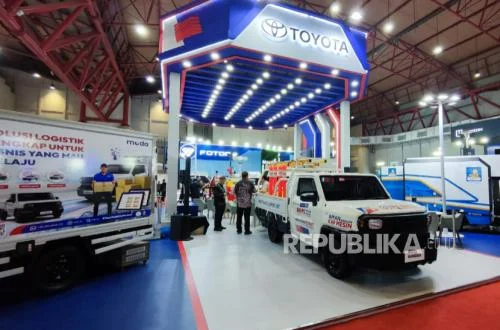
This sales data emerges against the backdrop of the GAIKINDO Indonesia International Commercial Vehicle Expo (GIICOMVEC) 2026, held at JIExpo Kemayoran, Jakarta, on Wednesday, April 8, 2026. The expo, a crucial platform for showcasing advancements and trends in the commercial vehicle sector, featured a diverse range of offerings from major automotive players. Toyota, for instance, prominently displayed various converted variants of its popular Hilux Rangga model at its booth. This strategic presence at a commercial vehicle expo, while the sales data pertains to passenger cars, highlights Toyota’s comprehensive approach to the Indonesian market, catering to both individual and business needs. The presence of converted Hilux Rangga models at GIICOMVEC 2026 suggests a focus on utility and customization for commercial applications, a segment that remains vital for the Indonesian economy.

The timing of the sales data release, shortly after the commencement of GIICOMVEC 2026, provides valuable insights into the immediate market sentiment and the prevailing competitive dynamics. While the expo primarily focuses on commercial vehicles, the underlying strength and purchasing power reflected in passenger car sales data are intrinsically linked to the overall economic health, which in turn influences the commercial vehicle sector.

Background and Market Dynamics

The Indonesian automotive market has long been dominated by established Japanese brands, a trend that has persisted for decades due to their reputation for reliability, fuel efficiency, and affordability. Toyota, in particular, has cultivated a strong brand image and a robust after-sales service network, making it the go-to choice for many Indonesian consumers. Daihatsu, with its focus on compact and affordable vehicles, has also carved out a significant niche.

However, the automotive industry globally is undergoing a profound transformation driven by electrification and technological advancements. The Indonesian government has been actively promoting the adoption of electric vehicles through various incentives and policies, aiming to reduce carbon emissions and foster a domestic EV ecosystem. This policy push, coupled with increasing environmental awareness among consumers and the availability of more diverse EV models, is creating fertile ground for new players, including those from China.

BYD’s rapid ascent in the Indonesian market is a testament to this evolving landscape. The company’s strategic entry, leveraging its global expertise in battery technology and EV manufacturing, has allowed it to quickly gain traction. Their offerings, often competitively priced against internal combustion engine (ICE) vehicles from established brands, present an attractive proposition for price-sensitive Indonesian consumers who are also keen to embrace newer, greener technologies.

Analysis of Implications

The Q1 2026 sales data suggests several key implications for the Indonesian automotive market:

  • Sustained Dominance of Japanese Brands: Despite the rise of new contenders, Japanese brands, led by Toyota, are likely to retain their market leadership in the short to medium term. Their established customer base, extensive dealer networks, and comprehensive after-sales support are significant competitive advantages.
  • Growing EV Adoption: BYD’s performance is a clear indicator that the demand for electric vehicles is accelerating in Indonesia. This trend is expected to intensify as more manufacturers introduce their EV models and as charging infrastructure continues to expand.
  • Increased Competition: The entry of Chinese brands like BYD signifies a more competitive market environment. This increased competition could lead to more innovative products, competitive pricing, and better customer service across the board, ultimately benefiting consumers.
  • Shifting Consumer Preferences: While reliability and affordability remain key purchasing factors, environmental consciousness and the appeal of advanced technology are increasingly influencing consumer decisions, particularly among younger demographics and urban dwellers.
  • Challenges for Traditional Players: Established automakers will need to adapt quickly to the EV revolution. This includes accelerating their own EV development and production plans, investing in battery technology, and potentially recalibrating their pricing strategies to remain competitive.

Official Reactions and Future Outlook

While specific official statements from Gaikindo regarding the Q1 2026 data were not immediately available at the time of reporting, industry observers anticipate a cautious optimism from the association. Gaikindo has consistently advocated for policies that support the growth of the entire automotive industry, encompassing both traditional and new energy vehicles.

Representatives from Toyota Indonesia, when approached for comment on their sustained market leadership, often emphasize their commitment to understanding and meeting the evolving needs of Indonesian consumers. This includes investing in localized production, expanding their product portfolio, and enhancing customer experience through innovative services.

For Chinese manufacturers, the initial success of BYD serves as a strong validation of their market entry strategy. It is anticipated that other Chinese automotive brands will likely follow suit, further intensifying competition and diversifying the market offerings.

The Indonesian government’s ongoing efforts to develop the EV ecosystem, including plans for local battery production and incentives for EV manufacturing, will play a crucial role in shaping the future trajectory of the market. The success of GIICOMVEC 2026 in showcasing advanced commercial vehicle technologies, including those with potential for electrification, further underscores the nation’s commitment to modernizing its transportation sector.

Looking ahead, the Indonesian automotive market is poised for continued dynamism. The interplay between the enduring strength of established players and the disruptive potential of new technologies and market entrants will define the competitive landscape in the coming years. The Q1 2026 sales data provides a compelling snapshot of this evolving scenario, highlighting both the resilience of tradition and the undeniable momentum of change. The focus will now shift to how manufacturers adapt to these shifts and how government policies continue to steer the industry towards a more sustainable and competitive future.

May 29, 2025 0 comment
0 FacebookTwitterPinterestEmail
Automotive

The All-New Honda Vario 125 Unveiled: A Modern Evolution of a Beloved Commuter Scooter

by Basiran May 28, 2025
written by Basiran

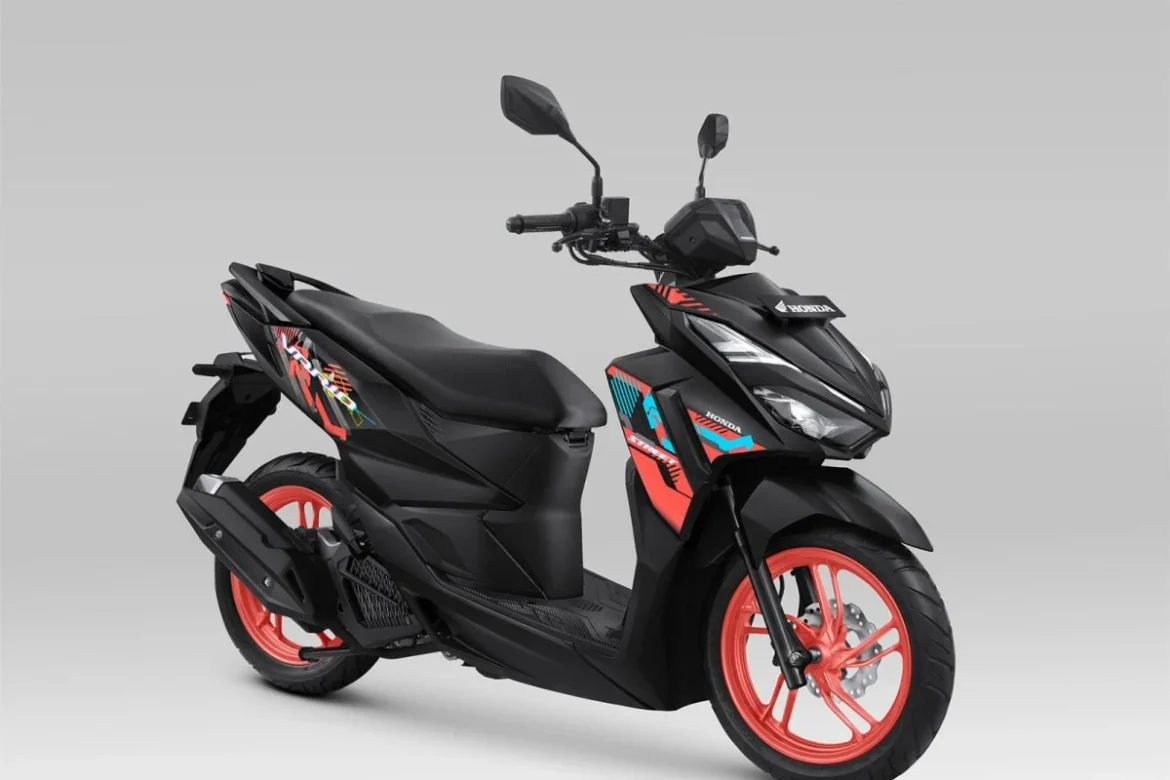
The Indonesian automotive market is abuzz with the official introduction of the All-New Honda Vario 125, marking a significant evolution for one of the nation’s most popular 125cc automatic scooters. This latest iteration promises a refined riding experience, boasting updated aesthetics, enhanced features, and advanced lighting technology that collectively project a more modern and aggressive demeanor. Despite its recent launch, the Vario 125’s enduring popularity is rooted in its established reputation for fuel efficiency, responsive performance, and user-friendly handling, making it a staple for daily commutes. This comprehensive overview delves into the specifications, pricing, and the strategic implications of this highly anticipated model.

A Legacy of Reliability and the Drive for Innovation

The Honda Vario series has long been a cornerstone of Honda’s offerings in the Indonesian automatic scooter segment. Since its initial introduction, the Vario line has consistently appealed to a broad spectrum of riders, from young professionals to families seeking a practical and economical mode of transportation. The 125cc displacement has proven to be a sweet spot, offering a balance between nimble urban agility and sufficient power for moderate highway cruising. Over the years, Honda has strategically updated the Vario, incorporating technological advancements and design refinements to maintain its competitive edge and customer appeal. The introduction of the All-New Vario 125 represents the latest chapter in this ongoing narrative of evolution, aiming to solidify its market dominance by addressing contemporary rider expectations.

Design Enhancements: A Sharper, More Aggressive Stance

The visual identity of the All-New Honda Vario 125 has undergone a noticeable transformation, leaning towards a sportier and more contemporary aesthetic. The distinctive V-shaped headlight, a signature element of the Vario line, has been re-engineered with the latest generation of LED technology. This upgrade not only enhances the scooter’s modern appeal but also significantly improves illumination, offering a wider and farther reach of light. This improved visibility is crucial for rider safety, particularly during nighttime rides or in adverse weather conditions.

The instrument panel has also been revitalized. The new panel meter features a refreshed design, exuding a more dynamic and attractive feel. The graphical elements and layout are crafted to be more engaging while reinforcing the scooter’s sporty character. This digital display provides riders with a wealth of crucial information at a glance, contributing to a more informed and confident riding experience.

Introducing the "Street" Variant: A Bold New Identity

A notable addition to the Vario 125 lineup is the introduction of the "Street" variant. This new model aims to cater to riders seeking a more distinctive and personalized expression of their scooter. The Street variant sets itself apart with a naked handlebar setup and a separately mounted panel meter, creating a visually unique profile. This design choice evokes a sense of freedom and a more open riding posture. Further differentiating the Street model are its bolder color options for the alloy wheels, adding a splash of personality and reinforcing its unique identity within the Vario family. This strategic move by Honda demonstrates an understanding of the growing trend towards customization and individualization in the scooter market.

Functional Features for the Modern Commuter

Recognizing the Vario 125’s primary role as a daily commuter, Honda has integrated a suite of modern and practical features. Foremost among these is the inclusion of a USB charger Type-C port, conveniently located within the front console box. This allows riders to easily charge their smartphones and other electronic devices on the go, a feature that has become increasingly indispensable in today’s connected world. The front console box itself has been enlarged, offering increased storage capacity and greater practicality for carrying essential items, further enhancing the scooter’s utility for everyday tasks.

Performance and Efficiency: The Core of the Vario DNA

At the heart of the All-New Vario 125 lies its proven 125cc liquid-cooled engine, enhanced with Honda’s PGM-FI (Programmed Fuel Injection) and eSP (enhanced Smart Power) technology. This combination is engineered to deliver a potent blend of responsive acceleration and exceptional fuel efficiency. Honda claims an impressive fuel consumption rate of up to 51.7 kilometers per liter, a figure that underscores the Vario 125’s commitment to economical ownership. This remarkable efficiency makes it an attractive option for riders looking to minimize their running costs, especially in regions where fuel prices are a significant consideration.

Beyond its fuel economy, the engine’s responsiveness ensures that the Vario 125 is well-suited for navigating congested urban environments. The smooth power delivery allows for effortless acceleration when merging into traffic or overtaking slower vehicles. The 18-liter under-seat storage compartment remains a practical asset, providing ample space for helmets, groceries, or other personal belongings, further solidifying its role as a capable daily companion.

The full digital instrument panel provides comprehensive rider information, including speed, odometer, fuel gauge, digital clock, and battery voltage indicator. Additional useful indicators include a reminder for oil changes, trip meters, and the status of the Idling Stop System (ISS) and Smart Key system for specific variants. The inclusion of the ISS, which automatically shuts off the engine after a few seconds of idling and restarts with a twist of the throttle, further contributes to fuel savings and reduced emissions.

Enhanced Stability and Braking Systems

Riding comfort and safety are paramount, and the All-New Vario 125 addresses these aspects through its chassis and braking components. The scooter is equipped with wider tires – 90/80 on the front and 100/80 on the rear – paired with sportily designed alloy wheels. These wider tires contribute to improved grip and stability, particularly during cornering and braking.

For enhanced stopping power and control, the Vario 125 features a Wavy Disc Brake system. This is further complemented by Honda’s Combi Brake System (CBS). CBS works by linking the front and rear brakes, ensuring that when the rider applies the rear brake lever, the front brake is also partially engaged. This intelligent system distributes braking force more evenly, reducing the stopping distance and enhancing overall braking performance, especially for less experienced riders.

Pricing Strategy and Market Positioning

Honda has strategically priced the All-New Vario 125 across its different variants to cater to a range of budgets and preferences. For the Jakarta region, the Vario 125 CBS (Combi Brake System) is offered at Rp 24,410,000. The CBS-ISS variant, which includes the Idling Stop System, is priced at Rp 26,065,000. The premium Street variant, with its unique styling cues, commands a slightly higher price of Rp 26,499,000.

These price points position the All-New Vario 125 competitively within the 125cc automatic scooter segment. By offering multiple trim levels, Honda allows consumers to select the model that best aligns with their feature requirements and financial capacity. The aggressive pricing, combined with the updated features and established brand reputation, is designed to maintain and potentially expand the Vario 125’s market share against its rivals.

Broader Market Implications and Competitive Landscape

The launch of the All-New Honda Vario 125 is not merely an update; it’s a strategic move by Honda to reinforce its leadership in the highly competitive Indonesian automatic scooter market. The 125cc segment is a crucial battleground, attracting a large volume of first-time buyers and urban commuters. By introducing a more aggressive design, advanced lighting, and the unique "Street" variant, Honda is appealing to a younger demographic and those seeking greater personalization.

The focus on fuel efficiency remains a significant selling point, particularly in an economic climate where cost savings are a primary concern for many consumers. The claimed 51.7 km/liter figure is likely to resonate strongly with budget-conscious buyers. Furthermore, the integration of practical features like the USB charger and improved storage addresses the evolving needs of daily riders who rely on their scooters for more than just transportation.

The introduction of the "Street" variant is a particularly interesting development. It suggests a shift towards offering more lifestyle-oriented options within a traditionally utility-focused segment. This could potentially attract riders who are looking for a scooter that not only serves its practical purpose but also reflects their personal style and attitude. This move mirrors trends seen in larger motorcycle segments, indicating Honda’s willingness to innovate and diversify its offerings to capture new market segments.

Competitors in the 125cc segment, such as Yamaha’s Lexi and Mio series, as well as offerings from other manufacturers, will undoubtedly be watching the Vario 125’s market reception closely. Honda’s consistent updates and its strong dealer network and after-sales service are significant advantages that have historically helped the Vario maintain its strong sales performance. The success of this latest iteration will likely depend on its ability to strike the right balance between innovation, affordability, and the enduring practicality that has defined the Vario nameplate for years.

The All-New Honda Vario 125 represents a carefully considered evolution of a successful formula. It combines the reliability and efficiency that riders have come to expect with a more modern and aggressive aesthetic, enhanced technological features, and a new variant that caters to a desire for individuality. As it rolls out to dealerships across Indonesia, its performance in the market will be a key indicator of current consumer preferences and the ongoing dynamics of the nation’s vibrant two-wheeler industry.

May 28, 2025 0 comment
0 FacebookTwitterPinterestEmail
Technology

India Resumes Iranian Oil Imports After Seven-Year Hiatus, Signalling Strategic Energy Shift Amidst Global Supply Volatility and Sanctions Window

by Asro May 28, 2025
written by Asro

WASHINGTON D.C. – In a significant development reverberating through global energy markets and diplomatic circles, India has reportedly received approximately 4 million barrels of Iranian crude oil, marking the first such imports in seven years. This strategic move, reported on Wednesday, April 15, 2026, underscores India’s proactive efforts to bolster its energy security and diversify its supply sources amidst tightening global markets and before the expiration of a critical grace period for United States sanctions against Iran. The resumption of these imports signals a nuanced recalibration of India’s foreign policy and energy strategy, balancing its burgeoning demand with complex geopolitical realities.

Background: India’s Insatiable Energy Appetite and Global Dependencies

India, as the world’s third-largest oil consumer and importer, faces an ever-growing demand for energy to fuel its rapidly expanding economy and support its population of over 1.4 billion people. The nation imports more than 85% of its crude oil requirements, making it exceptionally vulnerable to price fluctuations and supply disruptions in the international market. This intrinsic dependence on foreign oil necessitates a flexible and pragmatic approach to energy procurement, often leading New Delhi to navigate complex geopolitical landscapes to secure affordable and reliable supplies.

Historically, Iran has been a significant crude oil supplier to India, owing to its geographical proximity, competitive pricing, and favorable payment terms. Before the imposition of stringent US sanctions, Iran was among India’s top three oil suppliers, alongside Saudi Arabia and Iraq. Data from India’s Ministry of Petroleum and Natural Gas indicates that in the fiscal year 2018-2019, India imported nearly 23.5 million tonnes of crude oil from Iran, representing about 10% of its total oil imports at the time. The relationship was built on a foundation of long-standing trade ties and strategic interests, including India’s investment in Iran’s Chabahar Port, which offers a vital gateway to Afghanistan and Central Asia, bypassing Pakistan.

The Shadow of Sanctions: A Timeline of Disruption and Compliance

The cessation of Iranian oil imports by India in 2019 was a direct consequence of the re-imposition of comprehensive sanctions by the United States following its withdrawal from the Joint Comprehensive Plan of Action (JCPOA), commonly known as the Iran nuclear deal, in May 2018. The Trump administration adopted a "maximum pressure" campaign aimed at crippling Iran’s economy by targeting its oil exports, which are a primary source of revenue for Tehran.

Initially, the US granted waivers to several countries, including India, allowing them to continue purchasing limited quantities of Iranian oil for a period. However, these waivers expired in May 2019, forcing India and other major importers to halt their purchases to avoid secondary sanctions that could cut off their access to the US financial system. India, keen on maintaining its strategic partnership with the United States and avoiding punitive measures, complied with these sanctions, despite the economic implications of losing a reliable and often discounted crude source. This compliance forced Indian refiners to seek alternative suppliers, primarily from Saudi Arabia, Iraq, the UAE, and, more recently, a significant surge in imports from Russia following the geopolitical shifts of the early 2020s.

A Strategic Re-evaluation: India’s Diversification Drive Amidst Global Volatility

The decision to resume Iranian oil imports, even on a potentially temporary basis, underscores a strategic re-evaluation by India in the face of persistent global energy market volatility. The early 2020s witnessed unprecedented disruptions, including the COVID-19 pandemic’s impact on demand, the Russia-Ukraine conflict’s ripple effects on supply chains and pricing, and ongoing geopolitical tensions in the Middle East, particularly affecting shipping routes in the Red Sea. These factors have collectively driven up global crude oil prices and increased the cost of India’s energy imports.

India’s energy strategy has increasingly focused on diversification to mitigate these risks. While it has significantly ramped up imports of discounted Russian crude in recent years – becoming one of Russia’s largest oil customers – the nation remains vigilant for other opportunistic acquisitions. The return to Iranian oil, even if temporary, fits this broader strategy of leveraging all available options to secure energy at competitive prices. "This shipment signals India’s swift move to capitalize on the time window before the sanctions grace period expires," stated an anonymous source familiar with the matter, as reported by Bloomberg on April 15, 2026. This reflects a pragmatic approach where energy security often takes precedence in foreign policy calculations.

The Recent Shipment: Details and Logistics

The recent consignment involves approximately 4 million barrels of Iranian crude. According to tracking data, two very large crude carriers (VLCCs), identified as the ‘Jaya’ and the ‘Felicity’, were instrumental in this delivery. These vessels, notably listed on US sanctions lists, reportedly discharged their cargo at two key Indian ports: Paradip on India’s eastern coast and Sikka on the western coast. The port facilities at Paradip are operated by Indian Oil Corp. (IOC), a state-owned enterprise and India’s largest refiner, while the Sikka port serves major private and public sector players, including Reliance Industries Ltd. and Bharat Petroleum Corp. (BPCL). Ship tracking data further indicated that both tankers were scheduled to depart India within the week of their arrival, suggesting a swift turnaround.

The use of vessels potentially subject to US sanctions highlights the intricate and often opaque logistics involved in facilitating such transactions. These operations typically involve complex financial arrangements, sometimes utilizing non-dollar currencies or barter systems, and meticulous planning to circumvent direct exposure to US financial enforcement. The discretion surrounding the operation is further evidenced by the lack of official statements. As of the report date, Indian Oil Corp., Reliance Industries Ltd., and Bharat Petroleum Corp. had not issued any formal responses regarding these specific oil deliveries, a common practice in sensitive trade dealings.

Geopolitical Balancing Act: Delhi’s Diplomatic Tightrope

India’s decision to resume Iranian oil imports places it on a delicate diplomatic tightrope, particularly concerning its strategic partnership with the United States. While Washington has consistently urged allies to reduce or eliminate energy ties with Tehran, India has historically asserted its sovereign right to make independent decisions regarding its national interests, especially concerning energy security.

For the United States, the efficacy of its sanctions regime against Iran is a crucial component of its foreign policy in the Middle East. Any perceived breach or weakening of these sanctions by major global players like India could be viewed as undermining Washington’s leverage. However, the US administration often exercises a degree of pragmatism, particularly with key strategic partners. It is plausible that any US reaction to India’s imports would be carefully calibrated, weighing the importance of the Indo-US strategic partnership against the desire to enforce sanctions. Experts suggest that the timing, volume, and potential one-off nature of these imports might influence the US response, possibly leading to a muted official reaction rather than immediate punitive measures, especially if the imports are framed as an exceptional, time-bound necessity rather than a permanent policy shift.

From India’s perspective, maintaining a robust relationship with Iran also holds strategic value beyond energy. The Chabahar Port project remains a cornerstone of India’s regional connectivity strategy, providing access to landlocked Afghanistan and Central Asian markets, thereby circumventing rival Pakistan. This project, which has received specific carve-outs from some US sanctions, underscores the multi-faceted nature of Indo-Iranian ties that extend beyond crude oil.

Market Dynamics and Broader Implications

The re-entry of Indian buyers into the Iranian oil market, even for a limited period, has several implications for global energy dynamics. Firstly, it could provide a temporary boost to Iran’s oil export revenues, which have been severely constrained by sanctions. This influx of funds could offer some relief to Iran’s economy and potentially strengthen its negotiating position in any future discussions regarding the JCPOA or broader regional security.

Secondly, for the global oil market, the additional supply, even if relatively small in the context of global consumption (approximately 100 million barrels per day), could contribute to easing supply concerns, particularly if other major producers are constrained or if geopolitical tensions escalate further. While 4 million barrels is not a game-changer, it represents a portion of the "shadow fleet" oil that finds its way into the market, influencing overall supply-demand balances.

Analysts infer that India’s move could also signal to other nations that there are viable, albeit complex, pathways to acquire Iranian crude under certain circumstances. This could potentially complicate the US sanctions enforcement efforts if more countries decide to follow India’s lead, even if cautiously. However, the risks associated with sanctions compliance generally deter most major economies from engaging in significant, sustained trade with sanctioned entities.

Expert Perspectives and Future Outlook

Energy analysts and geopolitical observers view India’s latest move as a clear reflection of its "multi-alignment" foreign policy, where the nation prioritizes its economic and strategic interests above strict adherence to any single bloc’s demands. "India’s energy security is paramount, and it will explore all avenues to ensure stable and affordable supplies for its growing economy," stated a Delhi-based energy consultant, speaking on condition of anonymity due to the sensitivity of the issue. "This move, whether a one-off or a precursor to more sustained imports, highlights India’s pragmatism in a highly volatile global energy landscape."

The future sustainability of such imports remains uncertain. The original report indicates that India is acting "before the grace period for US sanctions ends." This suggests a time-limited window, implying that these imports might be opportunistic and not necessarily a permanent shift. The duration and nature of this "grace period" are crucial and could pertain to specific exemptions, a temporary diplomatic understanding, or a strategic gamble by India to test the boundaries of enforcement. Should the political climate surrounding Iran sanctions tighten further, India might again be compelled to cease these imports.

The broader implications for India’s energy diplomacy are also significant. While strengthening its ties with Iran provides an alternative supply route and reinforces its strategic autonomy, it simultaneously requires careful management of its relationship with the United States. New Delhi’s ability to balance these competing interests will be a defining feature of its foreign policy in the coming years.

Conclusion

The reported arrival of 4 million barrels of Iranian crude in India, marking a seven-year high, is a testament to India’s adaptive and pragmatic energy strategy. Driven by an unwavering commitment to securing its energy future amidst global supply volatility and geopolitical complexities, India is leveraging all available opportunities. While the implications for US sanctions policy and global oil markets remain to be fully seen, this development underscores India’s rising stature as a major global player capable of charting an independent course in pursuit of its national interests, even when navigating the intricate web of international sanctions and power dynamics. The episode serves as a powerful reminder that in the realm of energy security, national imperatives often dictate strategic choices, reshaping geopolitical alignments in the process.

May 28, 2025 0 comment
0 FacebookTwitterPinterestEmail
Technology

Intel Unveils Core Ultra Series 3 in Indonesia, Ushering in a New Era of AI-Powered Computing

by Nila Kartika Wati May 27, 2025
written by Nila Kartika Wati

Jakarta, CNN Indonesia – Intel has officially launched its latest processors, the Core Ultra Series 3, in Indonesia, marking a pivotal moment in the evolution of personal computing. This new generation of processors is touted as delivering a significant leap in performance across nearly all aspects of computing, from battery life and graphics capabilities to artificial intelligence integration and overall computational prowess. The launch event in Jakarta on Wednesday, April 15, served as a platform for Intel to articulate its vision for the future of PCs, emphasizing a transformative shift towards AI-centric experiences.

"This is truly a new era for the PC," declared George Chacko, General Manager of SEA-ANZ Sales Group Intel, underscoring the profound impact the Core Ultra Series 3 is expected to have on both consumer and enterprise computing. His statement encapsulates Intel’s ambition to redefine user expectations and capabilities in a rapidly evolving digital landscape. The introduction of the Core Ultra Series 3 in Indonesia is not merely a product release; it represents a strategic push by Intel to cement its leadership in the burgeoning market for AI-powered personal computers, or "AI PCs," a category that promises to integrate artificial intelligence seamlessly into everyday tasks and applications directly on the device.

The Dawn of the AI PC: A Strategic Imperative

The concept of the "AI PC" has been gaining significant traction in the technology industry, signifying a computer specifically designed to efficiently handle AI workloads on-device rather than relying solely on cloud-based processing. Intel’s Core Ultra Series 3 processors, codenamed "Meteor Lake" during their development, are at the forefront of this paradigm shift. The architectural innovations within these chips are engineered to provide a dedicated, high-performance, and power-efficient platform for AI applications. This move is crucial for Intel as it navigates an increasingly competitive landscape, with rivals like AMD, Apple, and Qualcomm also heavily investing in their respective AI hardware capabilities.

For Intel, the shift to AI PCs is a strategic imperative rooted in its long-term vision, known as IDM 2.0 (Integrated Device Manufacturer 2.0). This strategy involves a renewed focus on both internal manufacturing capabilities and leveraging external foundries, alongside a commitment to process technology leadership. The Core Ultra Series 3 is a direct manifestation of this strategy, showcasing Intel’s advancements in chip design and manufacturing. The Indonesian market, with its rapidly growing digital economy and tech-savvy population, represents a critical battleground for Intel in establishing the AI PC as the new standard. The ability to process AI tasks locally on a device offers numerous advantages, including enhanced privacy, reduced latency, and the potential for offline AI functionalities, which are particularly relevant in regions with varying internet infrastructure.

Intel 18A: A Foundry Breakthrough and Architectural Foundation

Central to the Core Ultra Series 3’s groundbreaking capabilities is its foundation on Intel’s cutting-edge 18A process technology. Intel refers to 18A as its "node with the highest level of innovation ever," a bold claim that highlights the company’s aggressive roadmap in semiconductor manufacturing. The "18A" designation signifies an 1.8-nanometer class process, placing it firmly in the Angstrom era of chip fabrication, a significant leap beyond previous nanometer measurements.

The 18A process node incorporates two revolutionary transistor technologies: RibbonFET and PowerVia. RibbonFET, Intel’s implementation of a Gate-All-Around (GAA) transistor, represents a fundamental shift from the FinFET architecture that has dominated chip manufacturing for years. GAA transistors provide greater gate control over the channel, leading to improved performance and reduced leakage current, particularly crucial for energy efficiency. PowerVia, on the other hand, is a backside power delivery network that separates power routing from signal routing. By delivering power to the transistors from the backside of the wafer, PowerVia frees up valuable space on the front side for more signal routing, enabling higher transistor density and improved signal integrity. This innovation is key to achieving higher performance at lower power consumption, addressing one of the most persistent challenges in chip design.

George Chacko emphasized that this advanced process technology allows Core Ultra Series 3 to be designed without the traditional trade-offs that device manufacturers (OEMs) previously faced. "Usually, OEMs have to choose: is this a high-performance PC, is it for gaming, is it thin and light, or does it prioritize battery? With Core Ultra Series 3, the answer is you can have it all simultaneously," he stated. This flexibility is critical for OEMs looking to differentiate their products in a crowded market, allowing them to create laptops that are both powerful and portable, with exceptional battery life – a combination that has historically been difficult to achieve.

Performance Redefined: A Holistic Leap

The performance claims surrounding the Core Ultra Series 3 are substantial and cover a wide array of computing aspects:

  • Battery Life: Intel asserts that the Core Ultra Series 3 can deliver up to 27 hours of battery life in a Netflix playback scenario, with some OEM partners reportedly achieving even higher figures of 31 hours. This extended endurance is a game-changer for mobile users, enabling prolonged productivity and entertainment without constant recharging. The efficiency gains are attributed to a combination of the 18A process node, the new tile-based architecture, and advanced power management features that allow different parts of the chip to operate at optimal power levels for specific tasks.
  • Graphics Performance: The integrated graphics unit in the Core Ultra Series 3 sees a reported 77 percent increase in performance compared to the previous generation. This substantial boost means users can expect a significantly improved experience in gaming, content creation, and other graphics-intensive applications without the need for a discrete GPU in many cases. The integrated GPU leverages Intel’s Arc graphics architecture, bringing advanced features like XeSS (Xe Super Sampling) and hardware-accelerated ray tracing to the integrated graphics segment.
  • Overall Computational Performance: The processor’s overall computing performance is said to have increased by 60 percent. This encompasses general processing tasks, multi-core performance, and responsiveness across various applications. The new architecture, which adopts a disaggregated "tile" design (akin to chiplets), allows Intel to optimize different functional blocks – CPU, GPU, NPU, I/O – using the most suitable process technologies and designs, leading to greater efficiency and performance.
  • AI Acceleration: The Core Ultra Series 3 delivers a twofold increase in AI performance compared to its predecessor. This is largely driven by the dedicated Neural Processing Unit (NPU) integrated directly into the chip.

The Neural Processing Unit (NPU): The Heart of On-Device AI

The most distinguishing feature of the Core Ultra Series 3, and indeed the cornerstone of the AI PC concept, is its integrated NPU. This specialized AI accelerator is designed to handle AI workloads directly on the device, offloading these tasks from the CPU and GPU. The NPU in the Core Ultra Series 3 boasts a capability of up to 50 TOPS (Tera Operations Per Second), a significant figure that indicates its raw processing power for AI computations. For context, TOPS is a measure of how many trillion operations an AI chip can perform per second, and higher TOPS generally translate to faster and more efficient AI processing.

Intel Rilis Prosesor Terbaru Core Ultra Series 3 di RI, Secanggih Apa?

The integration of CPU, GPU, and NPU creates a heterogeneous computing architecture tailored for AI. The CPU excels at general-purpose computing, the GPU handles parallel processing for graphics and certain AI tasks, and the NPU is optimized specifically for sustained AI inference at low power. This trifecta allows for efficient distribution of AI workloads, ensuring that the most appropriate processing unit handles each task, leading to optimal performance and power efficiency.

Users can leverage this on-device AI capability for a wide range of applications, including:

  • Smart Productivity: Features like intelligent background blur and noise suppression in video conferencing, AI-powered transcription services, and predictive text input that learns user habits.
  • Advanced Content Creation: AI tools for image and video editing, automatic generation of visual effects, and accelerated rendering tasks.
  • AI-Based Collaboration: Real-time language translation, smart meeting summaries, and enhanced virtual assistant interactions.

By keeping AI processing local, the Core Ultra Series 3 offers enhanced data privacy, as sensitive information does not need to be sent to the cloud for processing. It also reduces latency, making AI applications feel more responsive, and allows for AI functionalities even when offline.

Ecosystem Optimization: Software and Hardware Synergy

Intel’s commitment to the AI PC extends beyond hardware innovation to robust software ecosystem support. Chacko revealed that Intel has optimized over 500 applications from more than 100 software vendors to run optimally on the Core Ultra Series 3. This extensive optimization ensures that users will immediately experience the benefits of the new processors from the moment they power on their devices. This proactive approach to software enablement is crucial for rapid adoption and user satisfaction, as even the most powerful hardware can be underutilized without optimized software. These applications span various categories, from creative suites and business productivity tools to specialized AI applications and gaming.

The deep collaboration with software developers underscores Intel’s strategy to make AI integration seamless and impactful for end-users. It also highlights the company’s understanding that the success of the AI PC relies not just on raw power but on a cohesive hardware-software experience that unlocks new possibilities.

Market Availability and the Strategic Importance of Indonesia

Starting immediately, consumers and businesses in Indonesia can purchase laptops powered by the Intel Core Ultra Series 3 processors. A diverse array of leading OEM partners, including ASUS, Acer, Dell, HP, Lenovo, and MSI, are offering new models equipped with these processors. These devices are available through major retailers across the country.

The choice of Indonesia for a significant launch event underscores the strategic importance of the Southeast Asian market for Intel. Indonesia, with its large and youthful population, burgeoning middle class, and rapid digitalization, represents a key growth engine for the PC market. The increasing demand for powerful and efficient computing solutions, coupled with a growing awareness of advanced technologies like AI, makes Indonesia an ideal launchpad for Intel’s next-generation processors. The availability of these new laptops across multiple brands and retailers ensures broad market reach and accessibility for Indonesian consumers.

Competitive Landscape and Broader Implications

The launch of the Core Ultra Series 3 intensifies the competition in the CPU market. AMD has also been aggressively pushing its Ryzen processors with integrated AI accelerators (Ryzen AI powered by XDNA architecture), while Apple’s M-series chips with their powerful Neural Engines have set high benchmarks for on-device AI performance and power efficiency in the premium segment. Furthermore, Qualcomm is making significant inroads into the Windows PC market with its Snapdragon X series processors, which promise strong AI capabilities and exceptional battery life, particularly for thin-and-light form factors.

Intel’s Core Ultra Series 3, with its advanced process node, tile-based architecture, and dedicated NPU, positions the company strongly in this evolving landscape. The focus on a holistic performance boost, combined with the "no compromise" design philosophy, aims to provide a compelling offering for a wide range of users.

The broader implications of the AI PC era are far-reaching:

  • Transformation of Workflows: AI-powered features will streamline tasks, automate repetitive actions, and provide intelligent assistance, boosting productivity across industries.
  • Enhanced Creativity: Content creators will have access to more powerful and intuitive AI tools for generating, editing, and optimizing digital content.
  • New User Experiences: Expect more personalized, adaptive, and intuitive interactions with PCs, as AI learns user preferences and anticipates needs.
  • Edge AI Growth: The ability to process AI locally reduces reliance on cloud infrastructure, making AI more accessible and robust, especially in areas with limited connectivity. This will also drive the development of new privacy-centric AI applications.
  • Economic Impact: The push for AI PCs will stimulate innovation within the hardware and software ecosystems, creating new job opportunities and driving economic growth in technology-focused regions like Indonesia.

In conclusion, Intel’s Core Ultra Series 3 represents more than just a new line of processors; it signifies a strategic pivot towards a future where AI is an intrinsic part of the personal computing experience. With significant advancements in manufacturing technology, architectural design, and dedicated AI acceleration, these processors are poised to redefine user expectations for performance, efficiency, and intelligence in laptops and other computing devices. The enthusiastic reception in Indonesia marks an important step in Intel’s journey to lead the "new era for the PC," promising a future of smarter, more capable, and more efficient computing for everyone.

May 27, 2025 0 comment
0 FacebookTwitterPinterestEmail
Technology

Navigating the PS4 Market in 2026: A Deep Dive into Original Versus Modified Consoles

by Dwi Wanna May 26, 2025
written by Dwi Wanna

As the calendar turns to early 2026, the PlayStation 4 continues to hold a significant place in the global gaming landscape, defying its age with persistent demand. This enduring appeal is largely driven by its now highly accessible price point and an immense library of critically acclaimed titles. However, for prospective buyers, particularly those entering the console gaming world or seeking a cost-effective entertainment solution, a crucial distinction emerges: the choice between an original, unmodified PS4 and a PS4 unit equipped with Homebrew Enabler (HEN). This decision carries significant implications for functionality, cost, legality, and long-term user experience, making a thorough understanding of their differences indispensable for informed consumer choice.

The PlayStation 4, initially launched by Sony Interactive Entertainment in November 2013, quickly established itself as a dominant force in the eighth generation of video game consoles. Over its lifespan, it sold over 117 million units worldwide, solidifying its place as one of the best-selling consoles of all time. Even with the advent of its successor, the PlayStation 5, in late 2020, the PS4 has maintained relevance, especially in emerging markets and among budget-conscious consumers. Its vast catalogue of games, ranging from exclusive blockbusters like God of War, Marvel’s Spider-Man, and The Last of Us Part II to countless third-party titles, ensures a rich and varied gaming experience without the premium price tag associated with newer hardware or games.

Understanding the Core Distinction: PS4 Original vs. PS4 HEN

At the heart of the consumer dilemma lies the fundamental difference between an original PS4 and a PS4 HEN.

The PS4 Original refers to any console that operates entirely within the parameters set by Sony. These units run official firmware, connect to the PlayStation Network (PSN), access the PlayStation Store for digital game purchases, and play legally acquired physical or digital games. They receive regular system updates directly from Sony, ensuring stability, security, and compatibility with the latest games and services.

Conversely, a PS4 HEN console has undergone a process commonly known as "jailbreaking" or "modding." HEN, an acronym for Homebrew Enabler, is a payload that, once injected into a vulnerable PS4 firmware, allows the execution of unsigned code. This effectively bypasses Sony’s security measures, enabling the console to run unofficial applications, custom firmware, and, crucially for many users, pirated or non-legally acquired game titles. These modifications are typically performed on specific, older firmware versions that contain known exploits, rendering them incompatible with official updates from Sony.

A Chronology of PS4’s Life and the Rise of HEN

The journey of the PS4 from its initial release to its current status in 2026 is intertwined with the ongoing cat-and-mouse game between console manufacturers and the modding community.

  • November 2013: The PlayStation 4 officially launches, introducing a new era of console gaming.
  • 2014-2017: Sony consistently releases firmware updates, enhancing features, improving stability, and, critically, patching security vulnerabilities. During this period, early attempts at jailbreaking were largely unstable or quickly patched.
  • Late 2017 – Early 2018: Significant breakthroughs occur with the discovery of stable kernel exploits on specific firmware versions, notably 4.05 and 5.05. These exploits allow for the development and release of stable HEN payloads, making jailbreaking accessible to a wider audience. This marks a turning point, as users could now reliably run unofficial software and backups of games.
  • 2019-2020: Further exploits are found and refined for subsequent firmware versions, such as 6.72 and 7.02. The jailbreaking community grows, with tools and tutorials becoming more prevalent.
  • November 2020: The PlayStation 5 launches, shifting Sony’s primary focus to its next-generation console. This indirectly contributes to the stability of older PS4 firmware exploits, as Sony’s resources for patching older systems might be less intense.
  • 2021-2022: A major exploit for firmware 9.00 is released, making it the most recent widely supported firmware for HEN as of this period. This particular exploit, leveraging a USB drive, is notable for its relative ease of use.
  • 2023-2025: As the PS4 ages, its price continues to fall, making it an attractive second-hand purchase. The established HEN ecosystem provides an alternative for users unwilling or unable to pay for official games, particularly in regions with economic constraints. The market in 2026 sees a clear segmentation between these two types of consoles.

Key Differentiators: A Detailed Comparison

The choice between an Original and a HEN PS4 hinges on several critical aspects:

  1. Price and Accessibility:

    • PS4 Original: The console itself is now significantly cheaper than at launch, often available for under $200 in the used market. However, the cost of games can accumulate rapidly, with new digital titles often priced at $60-$70, and older titles still ranging from $10-$40. PlayStation Plus subscriptions, required for online multiplayer, also represent an ongoing expense.
    • PS4 HEN: While the initial purchase price of a modified PS4 might be slightly higher due to the modification service, the long-term cost of games is drastically reduced, often to zero. This "free-to-play" model for premium titles is the primary driver for HEN’s appeal. The trade-off is the lack of official support and inherent risks.
  2. Game Ecosystem and Legality:

    • PS4 Original: Users engage with a fully legal ecosystem. Games are purchased through the official PlayStation Store or as physical discs from authorized retailers. This supports game developers and publishers directly.
    • PS4 HEN: This system operates largely outside legal boundaries. It allows users to play "backup" copies of games, often downloaded from unofficial sources. This practice constitutes copyright infringement and directly impacts the revenue streams of game creators. Additionally, HEN opens the door to homebrew applications, emulators for older systems, and user-made modifications not sanctioned by Sony.
  3. Online Functionality and PlayStation Network (PSN):

    • PS4 Original: Full, unrestricted access to PSN is a cornerstone of the experience. This includes online multiplayer, accessing the PlayStation Store, cloud saves, friend lists, trophies, and system updates.
    • PS4 HEN: Online functionality is severely limited or non-existent. Connecting a HEN console to PSN carries a significant risk of a permanent ban from the network, rendering the console’s online capabilities useless even if restored to original firmware. Consequently, multiplayer gaming is typically restricted to local co-op or split-screen modes.
  4. System Updates and Longevity:

    • PS4 Original: Regularly receives official firmware updates from Sony. These updates introduce new features, improve system stability, patch security vulnerabilities, and ensure compatibility with new game releases. This guarantees the console remains functional and secure for its intended lifespan.
    • PS4 HEN: Cannot receive official firmware updates. Applying an official update would likely patch the exploit that enables HEN, rendering the modifications inoperable and potentially "bricking" the console (making it unusable). This means HEN consoles are perpetually stuck on older, vulnerable firmware versions.
  5. Security and Stability:

    • PS4 Original: Designed for maximum stability and security within Sony’s closed ecosystem. While no system is entirely impervious, it benefits from continuous security patches and a controlled environment.
    • PS4 HEN: Faces inherent security risks. The process of jailbreaking itself can introduce vulnerabilities. Downloading unofficial game files or homebrew applications from unverified sources carries the risk of malware or corrupted data, potentially leading to system instability, performance issues, or even irreversible damage (bricking). The lack of official security updates further exacerbates these risks.
  6. Warranty and Support:

    • PS4 Original: New consoles come with a manufacturer’s warranty, and Sony provides official customer support for hardware and software issues.
    • PS4 HEN: Any modification immediately voids the manufacturer’s warranty. Sony will not provide support for modified consoles, and any repairs or issues must be handled by the user or third-party repair services, often at a higher cost.

The Lure of PS4 HEN: Advantages for a Niche Audience

Despite the risks, PS4 HEN offers compelling advantages for specific user demographics:

  • Cost-Effective Gaming: The most significant draw is the ability to play a vast library of games without purchasing each title. This is particularly appealing in regions where game prices are prohibitive relative to average incomes, or for families seeking entertainment on a tight budget.
  • Offline Focus: For users who primarily play single-player story modes or local multiplayer and have limited or no internet access, the lack of online functionality is not a deterrent.
  • Customization and Homebrew: HEN allows for the installation of custom themes, emulators for classic consoles, media players, and other unofficial applications, expanding the console’s utility beyond standard gaming.
  • Preservation: Some enthusiasts use HEN to create backups of their physical games, ensuring access even if discs are damaged or lost, and to explore games that might no longer be easily available.

The Undeniable Risks and Drawbacks of PS4 HEN

However, these advantages come with substantial downsides:

  • Legal Implications: Using pirated software is illegal in most jurisdictions, infringing on intellectual property rights. While individual prosecution is rare, the practice contributes to a larger problem of software piracy.
  • Technical Instability and Bricking: The jailbreaking process itself is delicate, and errors can permanently damage the console. Furthermore, using unofficial software can lead to system crashes, data corruption, or "bricking" if not managed carefully.
  • Security Vulnerabilities: Operating on outdated firmware and installing software from unverified sources exposes the console to potential malware, viruses, and other security threats.
  • No Online Features: The complete absence of PSN access means no online multiplayer, no digital store access, no cloud saves, and no interaction with the broader PlayStation community. This significantly diminishes the experience for many modern gamers.
  • Lack of Updates and Support: Users miss out on performance enhancements, bug fixes, new features, and security patches provided by official firmware updates.
  • Resale Value: A modified console typically has a lower resale value and a smaller market of interested buyers compared to an unmodified unit.

The Strengths of PS4 Original: A Premium, Secure Experience

For a different segment of the market, the PS4 Original remains the superior choice:

  • Full Online Integration: Access to PSN unlocks online multiplayer, the PlayStation Store, community features, and PlayStation Plus benefits (monthly free games, discounts).
  • Guaranteed Stability and Security: Official firmware updates ensure the console runs optimally, is secure against known exploits, and maintains compatibility with all official software and peripherals.
  • Access to Latest Content: Users can purchase and play new game releases, DLC, and expansions as they become available.
  • Official Support and Warranty: Peace of mind from Sony’s customer service and hardware warranty (if applicable).
  • Ethical and Legal Compliance: Supports game developers and the broader industry by purchasing legitimate software.

The Trade-offs of PS4 Original: Cost and Content Access

Despite its strengths, the Original PS4 does present some challenges:

  • Cost of Games: The primary drawback is the ongoing expense of purchasing games, which can be substantial for avid gamers building a library.
  • Dependency on Internet/Subscriptions: Many features, particularly online multiplayer and digital game downloads, require a stable internet connection and often a PlayStation Plus subscription.
  • Regional Pricing: Game prices can be disproportionately high in certain markets, making it difficult for some consumers to afford a large collection.

Industry Perspectives and Official Stances

From an industry standpoint, Sony Interactive Entertainment maintains a steadfast position against unauthorized modifications and software piracy. Their End User License Agreement (EULA) explicitly prohibits tampering with their hardware or software, and they actively monitor and ban consoles found to be violating these terms. This stance is rooted in protecting intellectual property rights, ensuring a fair revenue stream for developers, and maintaining the integrity and security of the PlayStation ecosystem. Game developers and publishers universally condemn piracy, citing its detrimental impact on sales, which in turn affects funding for future game development and the livelihoods of creators. Retailers of legitimate software also see their market undercut by the proliferation of pirated content.

Broader Implications for the Gaming Ecosystem

The enduring presence of both Original and HEN PS4s in 2026 highlights several broader implications for the gaming ecosystem:

  • Consumer Choice vs. Developer Rights: It underscores the ongoing tension between consumer demand for affordable entertainment and the need to protect intellectual property and ensure fair compensation for creators.
  • Market Dynamics: The existence of a robust HEN market influences the secondary market for PS4s, potentially driving down prices for legitimate used consoles while creating a niche for modified ones.
  • Security Evolution: The history of PS4 jailbreaking informs ongoing efforts in console security for the PS5 and future generations, as manufacturers continually seek to close vulnerabilities.
  • Accessibility in Developing Markets: While ethically questionable, modified consoles often serve as a gateway to gaming for populations in regions where the cost of official hardware and software is prohibitive, inadvertently expanding the reach of gaming culture, albeit through unofficial channels.

Making an Informed Decision in 2026

Ultimately, the choice between a PS4 Original and a PS4 HEN in 2026 boils down to individual priorities, budget, and risk tolerance.

  • Opt for PS4 HEN if: Your primary goal is to play a wide variety of games at minimal ongoing cost, you predominantly play offline or local multiplayer, and you are comfortable with the legal, technical, and security risks involved. This option is often favored by budget-conscious users, those in regions with high game prices, or parents seeking extensive offline entertainment for children.
  • Opt for PS4 Original if: You value a secure, stable, and legally compliant gaming experience. You want full access to online multiplayer, the PlayStation Network, official updates, and the latest game releases. You are willing to invest in legitimate games and potentially a PlayStation Plus subscription for the full suite of features. This choice prioritizes peace of mind, official support, and participation in the broader, legitimate gaming community.

In conclusion, the PlayStation 4’s continued relevance in 2026 is a testament to its strong legacy and accessible pricing. However, for potential owners, navigating the landscape between an unmodified console and a HEN-enabled unit demands careful consideration. Understanding the profound differences in functionality, cost, legality, and user experience is not merely a technical exercise but a crucial step towards ensuring that the chosen console truly meets one’s gaming needs and expectations for the years to come.

Pewarta: Sean Anggiatheda Sitorus
Editor: Suryanto
Copyright © ANTARA 2026

May 26, 2025 0 comment
0 FacebookTwitterPinterestEmail
Economy & Finance

Japan’s Industrial Pillars Stagger Amid Deepening Naphtha Supply Crisis, Sparking Fears for Economic Stability

by Neng Nana May 26, 2025
written by Neng Nana

Japan’s formidable industrial sector, a cornerstone of its economic might, is facing an escalating crisis as critical naphtha-based raw material supplies falter, forcing manufacturers to drastically cut production, delay orders, and grapple with surging input costs. This dire situation has exposed a stark disparity between official government assurances of adequate stock levels and the harsh reality of disrupted distribution channels on the ground, leaving a wide array of industries, from heavy construction to precision manufacturing, teetering on the brink of paralysis. The repercussions are being felt across the archipelago, casting a long shadow over Japan’s immediate economic outlook and raising questions about the resilience of its complex global supply chains.

The Unfolding Crisis: A Supply Chain Chokepoint

For over a week leading up to mid-April 2026, more than a dozen companies across various sectors have reported significant impediments to receiving essential naphtha-derived materials or have been hit with substantial price hikes, according to market participants cited by Reuters on Wednesday, April 15, 2026. This pervasive difficulty in sourcing critical inputs is rapidly translating into tangible economic pain, compelling businesses to revise production schedules downwards and, in some cases, halt the acceptance of new orders altogether. The crisis underscores the intricate dependencies within Japan’s industrial ecosystem and its vulnerability to disruptions in the global petrochemical supply chain.

Naphtha, a highly volatile and flammable liquid hydrocarbon mixture, serves as the primary feedstock for a vast array of petrochemical products. Derived from crude oil refining, it is the foundational building block for manufacturing plastics, synthetic rubber, synthetic fibers, solvents, adhesives, and coatings. Japan, a nation renowned for its advanced manufacturing capabilities and its position as a global leader in high-tech and automotive industries, relies heavily on a consistent and stable supply of naphtha to fuel its production lines. Any disruption to this crucial input has a cascading effect, rippling through multiple layers of the economy.

Chronology of Mounting Pressure

While the precise genesis of the current naphtha supply disruption remains subject to ongoing investigation, market signals began to show signs of strain in late 2025 and early 2026. Global energy markets were already navigating a period of heightened volatility, influenced by geopolitical tensions and fluctuating demand patterns. However, the specific bottlenecks affecting Japan’s naphtha supply became acutely apparent in the first quarter of 2026.

By March 2026, anecdotal evidence of delivery delays and price increases started to surface among smaller and medium-sized enterprises (SMEs) that are often the first to feel the squeeze in a tightening market. The image captured on March 17, 2026, showing a small tanker navigating near an oil refinery in the Keihin Industrial Zone in Kawasaki, south of Tokyo, serves as a poignant visual reminder of the ongoing operations within Japan’s critical energy infrastructure, even as the undercurrents of a looming crisis intensified. This period saw a gradual accumulation of reports from industrial users indicating growing difficulties in securing naphtha-based products, leading to a critical juncture by early April.

The week preceding April 15, 2026, marked a significant escalation. What had been isolated incidents or minor delays transformed into a widespread systemic issue, with "more than a dozen companies" reporting critical disruptions. This rapid deterioration prompted urgent calls for clarification and intervention from industry associations, culminating in the current state of alarm across the construction and manufacturing sectors. The suddenness and breadth of the impact suggest a confluence of factors, potentially including unexpected refinery outages in key naphtha-exporting regions, increased global competition for available supplies, or severe logistical challenges impeding efficient transport to Japan.

Broad Impact Across Key Industrial Sectors

The ripple effects of the naphtha crisis are profoundly impacting diverse sectors that form the backbone of Japan’s industrial prowess. The construction industry, a vital component of the domestic economy, is among the hardest hit. Companies like Toto, a global leader in sanitary ware and plumbing fixtures, and Asahi Kasei, a diversified chemical company producing a wide range of materials from fibers and textiles to plastics and construction materials, are reportedly experiencing significant obstacles. These firms rely heavily on naphtha-based adhesives, sealants, and coatings that are indispensable for various stages of their production processes, from assembling complex components to finishing building materials. Delays in obtaining these critical inputs directly translate into project postponements, extended lead times for products, and potentially higher construction costs, which could eventually be passed on to consumers or impact public infrastructure projects.

The manufacturing sector, Japan’s traditional engine of growth and innovation, is also contending with severe constraints. The production of plastics for the automotive and electronics industries, synthetic rubbers for tires and industrial applications, and various solvents crucial for chemical processing are all inextricably linked to naphtha availability. Kansai Paint, a major paint manufacturer, has publicly acknowledged adjusting its delivery schedules and increasing product prices due to the scarcity of thinner, a critical naphtha derivative whose use is strictly regulated due to its hazardous classification. This highlights not only the cost implications but also the operational complexities faced by companies dealing with regulated chemicals.

Further illustrating the gravity of the situation, a recent survey conducted by the Japan Painting Contractors Association revealed a startling statistic: only 2.7% of member companies reported being able to procure thinner as usual. This figure paints a grim picture of widespread scarcity, indicating that the vast majority of painting contractors, many of whom are SMEs, are either facing significant delays, paying exorbitant prices, or are completely unable to obtain this essential material. Such a severe shortage directly impacts the completion of construction projects, maintenance work, and various finishing applications across residential, commercial, and industrial structures. The inability to complete painting and finishing work can stall entire projects, leading to penalties, financial losses, and a slowdown in economic activity.

Official Responses and Industry Apprehension

In response to the escalating concerns, the Japanese government, primarily through the Ministry of Economy, Trade and Industry (METI), has issued statements acknowledging the supply disruptions while simultaneously asserting the nation’s overall strategic reserves of naphtha remain stable. This apparent disconnect between macro-level inventory data and micro-level market realities has become a focal point of frustration for industry players.

"While Japan maintains robust strategic reserves of crude oil and its derivatives, including naphtha, we recognize the recent challenges in the distribution channels affecting specific industries," a METI official, speaking on background, reportedly stated. "We are actively engaging with refinery operators, petrochemical producers, and logistics providers to identify and rectify bottlenecks, ensuring a more equitable flow of materials to our industries." Such statements, while intended to reassure, have done little to quell the anxiety among businesses struggling with immediate shortages.

Industry associations have been more vocal in expressing their dismay. Representatives from the Japan Chemical Industry Association (JCIA) and the Japan Automobile Manufacturers Association (JAMA) have reportedly conveyed their profound concerns to government officials. A spokesperson for the JCIA was quoted as saying, "The discrepancy between reported national stocks and the critical scarcity our members are experiencing at their production facilities is alarming. We urge the government to move beyond assessing overall inventory and focus on practical solutions to ensure the physical availability of naphtha and its derivatives to manufacturers who are facing imminent production halts."

The prevailing sentiment within the business community is one of growing frustration over what is perceived as a failure to translate national stock availability into actual, accessible supply for end-users. This suggests potential issues ranging from inefficient logistics and transportation networks, to speculative hoarding by intermediate suppliers, or even a lack of transparency in the distribution chain. The government’s challenge lies not merely in having the resources but in ensuring their efficient and timely delivery to the points of need.

Broader Economic Implications and Future Outlook

The deepening naphtha crisis carries significant economic implications for Japan. Firstly, it exerts considerable inflationary pressure. As raw material costs surge due to scarcity, manufacturers are compelled to pass these increased expenses onto consumers, potentially contributing to broader price hikes across a range of goods, from cars and electronics to housing and consumer products. This could undermine efforts to maintain economic stability and consumer purchasing power.

Secondly, the crisis threatens Japan’s global manufacturing competitiveness. The nation’s industrial strength is built on efficiency, precision, and reliable supply chains. Disruptions to critical inputs erode these advantages, making Japanese products more expensive and potentially less reliable in terms of delivery times. This could lead to a shift in production or sourcing away from Japan, impacting its long-term economic standing.

Furthermore, the incident starkly highlights the vulnerabilities inherent in Japan’s reliance on global supply chains for critical industrial inputs. While a highly interconnected global economy offers numerous benefits, it also exposes nations to external shocks, whether from geopolitical conflicts, natural disasters, or unexpected shifts in global demand and supply. The current situation in Japan echoes broader concerns seen in other nations, such as Indonesia’s manufacturing sector grappling with gas crises and Middle East conflicts, suggesting a wider pattern of volatility in global energy and raw material markets. This underscores the urgent need for strategic diversification of supply sources, investment in domestic production capabilities where feasible, and the establishment of more robust, resilient supply chains.

Looking ahead, the Japanese government and industry stakeholders will need to implement a multi-pronged strategy. Short-term measures will focus on stabilizing immediate supplies through diplomatic efforts to secure additional imports, optimizing domestic refinery outputs, and streamlining internal distribution. In the medium to long term, however, the crisis calls for a fundamental re-evaluation of Japan’s industrial raw material strategy. This could involve increasing strategic national reserves of critical petrochemical feedstocks, fostering innovation in alternative materials that reduce naphtha dependency, and investing in advanced logistics and data analytics to enhance supply chain transparency and responsiveness.

The naphtha crisis serves as a critical stress test for Japan’s industrial resilience. How the nation navigates this challenge will not only determine the immediate fate of countless businesses and jobs but will also shape the strategic direction of its manufacturing sector for years to come, emphasizing the imperative for adaptability, foresight, and robust crisis management in an increasingly unpredictable global economic landscape.

May 26, 2025 0 comment
0 FacebookTwitterPinterestEmail
Economy & Finance

Government Proposes Major Shift in Refined Sugar Raw Material Imports to State-Owned Enterprises Amid Seepage Concerns and Self-Sufficiency Push.

by Basiran May 25, 2025
written by Basiran

Jakarta, VIVA – The Indonesian government is moving forward with a significant policy shift, planning to transfer the import of refined sugar raw materials from private entities to State-Owned Enterprises (BUMNs). This initiative, revealed during a Hearing Meeting (RDP) with Commission VI of the House of Representatives on Wednesday, April 8, 2026, aims to address persistent issues of refined sugar seepage into the consumer market, mitigate losses for state-backed sugar companies like SugarCo, and ultimately accelerate the nation’s journey towards sugar self-sufficiency. The proposal, however, has already drawn sharp criticism from agricultural observers who warn of potential adverse economic consequences.

Background: Indonesia’s Persistent Sugar Challenge

Indonesia, a nation with a vast and growing population, has historically grappled with the challenge of meeting its domestic sugar demand through local production. For decades, the country has relied heavily on imports of raw sugar to feed its industrial refining sector, which produces refined sugar for the food, beverage, and pharmaceutical industries. Concurrently, a separate supply chain exists for crystal sugar, intended for direct household consumption, which is primarily sourced from domestic sugarcane farmers and local sugar mills.

The dual market system was designed to protect local farmers by maintaining stable prices for domestically produced sugar, while ensuring a consistent and affordable supply of refined sugar for industries. However, this system has been plagued by several issues, most notably the "seepage" or diversion of cheaper, imported refined sugar into the retail consumer market. This phenomenon not only undermines the price stability of local crystal sugar, directly impacting farmers’ livelihoods, but also creates unfair competition for domestic mills. Furthermore, the inefficiency of many state-owned sugar mills, coupled with fluctuating global raw sugar prices and inconsistent yields, has made the goal of sugar self-sufficiency an elusive target.

The Government’s New Strategy and Rationale

The RDP on April 8, 2026, saw government officials, including representatives from the Ministry of Trade, Ministry of Industry, and the Food Agency (Badan Pangan Nasional), presenting their case to Komisi VI of the DPR. The core of their argument rests on the need for greater control over the sugar supply chain. By entrusting BUMNs, such as those under the ID Food holding company or specific PTPN subsidiaries, with the sole mandate for raw sugar imports, the government believes it can more effectively:

  1. Curb Seepage: Centralized control over imports and distribution channels by BUMNs is expected to make it easier to track and prevent refined sugar from being diverted to the consumer market. Officials cited internal reports indicating that an estimated 15-20% of imported refined sugar, intended strictly for industrial use, finds its way into retail, causing significant market distortions.
  2. Support SugarCo and Domestic Mills: The government asserts that the seepage problem directly contributes to losses incurred by state-owned sugar producers like SugarCo (a consortium of PTPN mills). By reducing market saturation from diverted refined sugar, domestic crystal sugar prices can stabilize, improving the profitability and sustainability of local mills and incentivizing sugarcane farming. SugarCo reported a cumulative loss of Rp 3.2 trillion in the period 2023-2025, largely attributed to market imbalances.
  3. Accelerate Self-Sufficiency: The policy is positioned as a strategic step towards achieving Indonesia’s ambitious target of sugar self-sufficiency by 2030. Proponents argue that BUMNs, with a national mandate, can coordinate import volumes more strategically with domestic production cycles, optimize logistics, and invest in upstream production capabilities without the profit-driven motivations of private entities. The Ministry of Agriculture projects that domestic sugar production for 2026 will reach approximately 2.8 million tons, while national demand, encompassing both industrial and consumption sectors, is expected to exceed 6.5 million tons, necessitating substantial imports.

Expert Critique: Khudori Warns of Economic Fallout

However, the government’s plan has been met with strong opposition from agricultural experts. Khudori, an agricultural observer from the Association of Indonesian Political Economy (AEPI), was quick to criticize the proposed policy in a statement released on Wednesday, April 15, 2026. He dismissed the transfer of import authority as a superficial fix, arguing it fails to address the fundamental issues plaguing the sugar sector.

"The transfer of imports is not a solution. In supply chain theory, it merely adds another marketing point, which ultimately will entail them (BUMNs) quoting a margin," Khudori stated. He elaborated that this additional layer of intermediation by BUMNs would inevitably drive up the cost of raw sugar. "Ultimately, the price of raw sugar will become more expensive, which will then impact refined sugar factories that use raw sugar as their primary material," he added.

Khudori further explained that any increase in raw material costs would inevitably be passed down the supply chain, first to the refining industries, then to the vast food, beverage, and pharmaceutical sectors that rely on refined sugar. "Ultimately, it is the consumers who will bear the brunt of these increased costs," he warned. He projected that an estimated 5-10% increase in raw sugar prices could translate to a 2-3% increase in the retail prices of various food and beverage products, exacerbating inflationary pressures.

Pengalihan Impor Bahan Baku Gula Rafinasi dari Swasta ke BUMN Diprotes, Ini Sebabnya

Echoes of Past Failures: Beef and Soybeans

Khudori drew parallels between the proposed sugar policy and previous government attempts to achieve self-sufficiency in other key commodities through BUMN-led import schemes, particularly in beef and soybeans. He cited instances where centralized imports by BUMNs, often lacking sufficient financial capacity and extensive marketing networks, resulted in higher prices for consumers and disrupted market dynamics. For example, efforts to stabilize beef prices by importing buffalo meat via BUMNs in the mid-2010s reportedly led to supply chain bottlenecks and did not consistently result in lower prices for end-consumers as intended. Similarly, BUMN involvement in soybean imports faced criticism for failing to ensure stable and affordable supplies for tempeh and tofu producers, often leading to price spikes.

"Ultimately, consumers had to pay very, very high prices, because eventually, the BUMNs tasked with self-reliance, like PTPPI (Perusahaan Perdagangan Indonesia, a trading BUMN), did not possess sufficient financial capabilities and also lacked extensive marketing networks," Khudori emphasized, suggesting that these historical precedents offer a cautionary tale for the proposed sugar policy.

The Real Root Cause: Weak Oversight and Market Inefficiency

According to Khudori, the core problem of refined sugar seepage into the consumption market is not a matter of who imports the raw material but rather a systemic failure rooted in weak government oversight and significant price disparity between refined industrial sugar and crystal consumption sugar.

"The root problem is the inefficiency of our consumption sugar mills, especially those owned by BUMNs," he asserted. He explained that this inefficiency creates a fundamental gap in the market, necessitating the rigid separation of consumption and industrial sugar. When domestic consumption sugar is expensive due to inefficient production, and refined industrial sugar is comparatively cheaper (even with import duties), the incentive for diversion becomes irresistible. Current market analysis shows that in early 2026, the average retail price for crystal consumption sugar stood at Rp 18,500 per kilogram, while industrial refined sugar (ex-factory, before distribution costs) was approximately Rp 13,000 per kilogram. This Rp 5,500/kg gap provides a strong financial motive for illegal diversion.

He further argued that without addressing the fundamental issues of production efficiency, outdated machinery, low sugarcane yields, and inadequate farmer support in domestic mills, simply shifting import authority will not solve the seepage problem. Instead, it may merely create new avenues for inefficiency and rent-seeking within the BUMN structure.

Supporting Data and Projections

Indonesia’s sugar sector remains a complex web of production, consumption, and imports. In 2025, Indonesia imported approximately 3.8 million tons of raw sugar, predominantly from Brazil, Thailand, and Australia, to meet the industrial demand of around 3.7 million tons of refined sugar. Domestic production of crystal sugar hovered around 2.7 million tons against a consumption demand of roughly 2.8 million tons. This persistent deficit highlights the continuous need for imports.

The government’s plan, if implemented, would centralize control over these substantial import volumes, potentially consolidating procurement power. However, critics argue that BUMNs may lack the agility and competitive edge of private traders, who often have established global networks, efficient logistics, and sophisticated risk management strategies. Industry figures indicate that private importers currently handle over 85% of raw sugar imports, with a few BUMNs managing the remainder, primarily for their own refining operations. Shifting this entire volume would require a massive scaling up of BUMN capacity and expertise in a relatively short period.

Reactions from Other Stakeholders

Pengalihan Impor Bahan Baku Gula Rafinasi dari Swasta ke BUMN Diprotes, Ini Sebabnya

While the government has yet to officially respond to Khudori’s specific criticisms, statements from various ministries suggest a firm commitment to the policy. A senior official from the Ministry of Trade, speaking anonymously, indicated that the government views centralized imports as a necessary measure for national food security and strategic commodity control. "This is about national interest, ensuring supply stability, and protecting our farmers. BUMNs have a mandate beyond profit; they serve the public good," the official stated.

Meanwhile, industry associations, such as the Indonesian Food and Beverage Association (GAPMMI), have expressed cautious concerns. While acknowledging the need to address seepage, they worry about potential disruptions to supply chains and cost increases. "Any policy that could lead to higher raw material prices or reduce supply certainty for our members would be detrimental to the competitiveness of the food and beverage industry, especially against regional players," a GAPMMI representative commented, urging careful consideration of the implementation details and guarantees for stable pricing and supply. Farmers’ associations, on the other hand, have shown mixed reactions. Some welcome any measure that promises to protect domestic sugar prices, while others fear that BUMN inefficiency might eventually lead to higher input costs for them, or even reduced demand for their sugarcane if BUMN-managed mills struggle.

Broader Implications and Outlook

The proposed shift in refined sugar raw material import policy carries significant broader implications for Indonesia’s economy and its long-term food security goals.

Economic Impact: A potential increase in raw sugar prices due to BUMN intermediation could trigger inflationary pressures across the food, beverage, and pharmaceutical sectors. This would ultimately burden consumers with higher prices for essential goods. It could also diminish the competitiveness of Indonesian manufacturing industries that rely on sugar as a key input, potentially affecting export capabilities and domestic market share.

Policy Effectiveness: The success of this policy hinges on the BUMNs’ ability to perform more efficiently than their private counterparts in procurement, logistics, and distribution, while simultaneously effectively preventing seepage—a challenge that has historically proven difficult even with stringent regulations. If the root causes of seepage (price disparity and domestic inefficiency) are not addressed concurrently, the policy might merely shift the problem rather than solve it, potentially creating a new layer of bureaucracy and cost.

Food Security Goals: While the stated aim is self-sufficiency, centralizing imports through BUMNs might not be the most direct or efficient path. True self-sufficiency requires fundamental reforms in the upstream sector: revitalizing aging sugar mills, improving sugarcane varieties, increasing farmer productivity through modern farming techniques, and expanding land dedicated to sugarcane cultivation. Without these complementary measures, the import policy risks becoming a short-term palliative that delays genuine structural improvements.

Transparency and Governance: The concentration of import authority in BUMNs also raises questions about transparency, accountability, and the potential for rent-seeking. Robust oversight mechanisms will be crucial to prevent corruption and ensure that the BUMNs operate with efficiency and integrity, serving the national interest rather than becoming monopolistic bottlenecks.

As the debate intensifies, the government faces the challenge of convincing skeptical experts and industries that its proposed policy is not only well-intentioned but also structurally sound and capable of delivering its promised benefits without inadvertently harming consumers and key industries. The coming months will be critical in observing how this ambitious plan unfolds and whether it can truly lay the groundwork for a more stable and self-sufficient sugar sector in Indonesia.

May 25, 2025 0 comment
0 FacebookTwitterPinterestEmail
Economy & Finance

Indonesia Shines as a Beacon of Stability Amidst Early COVID-19 Global Economic Turmoil, Praised by IMF and Global Investors

by Nana May 24, 2025
written by Nana

Jakarta, CNN Indonesia – The International Monetary Fund (IMF) has identified Indonesia as a "bright spot" in the global economy, a rare point of resilience amidst the intense pressures and uncertainties triggered by the nascent COVID-19 pandemic. This commendation was delivered by IMF Managing Director Kristalina Georgieva during the IMF Spring Meetings held in April 2020, an event dominated by discussions on the rapidly deteriorating global economic outlook.

Global Economic Backdrop: The Dawn of a Crisis

The April 2020 IMF Spring Meetings convened at an unprecedented juncture in modern economic history. The world was just beginning to grasp the full implications of the novel coronavirus, COVID-19, which had rapidly transitioned from a regional health crisis to a full-blown global pandemic. Lockdowns were being implemented across continents, supply chains were seizing up, and international travel had ground to a halt. The IMF’s World Economic Outlook (WEO) released concurrently with the meetings painted a stark picture, projecting a global GDP contraction of 3.0% in 2020 – a forecast that, at the time, represented the deepest recession since the Great Depression of the 1930s. Emerging markets, typically vulnerable to external shocks, faced immense pressure from capital outflows, plummeting commodity prices, and a sudden stop in economic activity. In this bleak environment, any economy demonstrating signs of resilience or effective crisis management was deemed exceptional.

Indonesia’s Resilience: A Testament to Prudent Policies

Anton Pitono, Director of the Communication Department at Bank Indonesia (BI), articulated that the strong appreciation from the IMF and global investors stemmed directly from Indonesia’s unwavering commitment to maintaining macroeconomic stability. This stability, he highlighted, was a result of a robust synergy between fiscal and monetary policies, a disciplined approach to public finance that historically kept the budget deficit below 3 percent of GDP, and an adaptive, forward-looking policy response to external pressures.

"The IMF and global investors appreciate Indonesia’s consistency in safeguarding macroeconomic stability through solid fiscal and monetary policy synergy, discipline in maintaining the deficit below 3 percent of GDP, and adaptive, forward-looking policy responses in facing external pressures," Anton Pitono stated in his official remarks. He underscored that despite the escalating global complexities, Indonesia was perceived as adept at balancing stability and growth optimally, crucially maintaining its growth momentum, primarily bolstered by robust domestic demand.

This assessment by the IMF and positive investor sentiment were not mere happenstance but a reflection of Indonesia’s strong economic fundamentals leading into the pandemic and its swift, coordinated initial responses. In 2019, Indonesia’s economy grew by 5.02%, a respectable rate given global headwinds like trade tensions. Inflation remained well within Bank Indonesia’s target range, closing 2019 at 2.72% year-on-year (YoY), and stood at 2.98% YoY in March 2020, just before the IMF meetings. The fiscal deficit for 2019 was a prudent 2.2% of GDP, showcasing a track record of fiscal discipline. These pre-pandemic strengths provided a crucial buffer against the initial shocks of COVID-19.

Chronology of Recognition and Policy Responses

The timeline of events and statements underscores the swift recognition of Indonesia’s resilience:

  • April 13, 2020 (Monday): While in New York for the Spring Meetings, Minister of Finance Purbaya Yudhi Sadewa (at the time, a high-ranking official, likely Special Staff to the Minister of Finance or similar, given the name Purbaya Yudhi Sadewa and his later appointment as Deputy Minister of Finance) engaged with global investors. He noted that despite emerging fiscal concerns and overall market uncertainty, investors continued to show strong interest in Indonesia. He emphasized the importance of direct communication to clarify any doubts regarding Indonesia’s fiscal position and economic direction.
  • April 14, 2020 (Tuesday): IMF Managing Director Kristalina Georgieva publicly delivered the assessment, singling out Indonesia as a "bright spot" amidst the global economic downturn. This statement, made during the height of uncertainty, served as a significant vote of confidence.
  • Following Days: Bank Indonesia and the Ministry of Finance reiterated their commitment to coordinated policies. Anton Pitono’s statements highlighted the specific policy pillars that garnered IMF’s praise, including the integrated policy mix encompassing monetary, macroprudential, and payment system digitalization efforts.

The rapid spread of COVID-19 in early 2020 necessitated immediate and decisive policy actions. Bank Indonesia had already initiated monetary easing by cutting its benchmark interest rate (BI7DRR) by 25 basis points in February and another 25 basis points in March 2020, bringing it to 4.50%, to cushion the economic impact. The government, in parallel, was preparing significant fiscal stimulus packages, including increased health spending, social safety nets, and tax incentives, which would temporarily push the deficit beyond the 3% ceiling, a necessary deviation sanctioned by law to combat the crisis. However, the commitment to return to fiscal prudence post-crisis remained a cornerstone of their strategy, which likely reassured the IMF.

Supporting Data and Policy Pillars

IMF Sebut RI 'Cahaya' Ekonomi Dunia di Tengah Ketidakpastian Global

Indonesia’s economic resilience was underpinned by several key factors and policy choices:

  1. Macroeconomic Stability and Prudence:

    • Fiscal Discipline: As highlighted by Anton Pitono, Indonesia’s consistent adherence to a fiscal deficit ceiling of 3% of GDP in the years preceding the pandemic built significant fiscal space and credibility. For instance, the 2019 deficit was 2.2% of GDP. While the pandemic necessitated a temporary breach of this ceiling (with the deficit projected to reach around 6.34% in 2020 due to emergency spending), the government explicitly communicated a commitment to fiscal consolidation and a return to below 3% by 2023, providing a clear medium-term anchor.
    • Inflation Management: Bank Indonesia consistently managed inflation within its target range, ensuring price stability crucial for both consumer purchasing power and investor confidence. The central bank’s proactive stance on inflation, through a flexible exchange rate regime and interest rate policy, demonstrated its commitment to maintaining macroeconomic equilibrium.
    • Strong Domestic Demand: Indonesia’s large and growing domestic market, fueled by a young population and rising middle class, has historically been a significant driver of its economic growth. In challenging global environments, strong domestic consumption and investment act as a vital buffer, mitigating the impact of external shocks. Even during the early phases of the pandemic, while consumption slowed, its underlying strength was acknowledged.
  2. Adaptive and Forward-Looking Policy Responses:

    • Monetary Policy: Bank Indonesia employed a comprehensive suite of monetary tools. Beyond interest rate adjustments, it engaged in quantitative easing, including purchasing government bonds to provide liquidity to the financial system and support the state budget. This adaptive approach aimed to stabilize financial markets, support credit flow, and manage exchange rate volatility.
    • Fiscal Policy: The government’s fiscal response included a multi-trillion rupiah stimulus package focused on healthcare, social assistance for vulnerable populations, and support for businesses, especially Micro, Small, and Medium Enterprises (MSMEs). This comprehensive package demonstrated a swift and targeted effort to mitigate the pandemic’s economic fallout.
    • Macroprudential Policy: Bank Indonesia’s macroprudential framework aimed at maintaining financial system stability. Measures included adjustments to loan-to-value ratios, liquidity regulations, and capital requirements to ensure the banking sector remained robust enough to intermediate credit and withstand potential shocks.
    • Payment System Digitalization: The acceleration of digital payments, a key policy focus, was crucial for maintaining economic activity during lockdowns and promoting financial inclusion. Initiatives like the Quick Response Code Indonesian Standard (QRIS) facilitated seamless, cashless transactions, supporting MSMEs and consumers alike.
  3. Investor Confidence and Dialogue:

    • Foreign Direct Investment (FDI): Despite global uncertainties, Indonesia continued to attract FDI, driven by its large market, abundant natural resources, and ongoing structural reforms aimed at improving the ease of doing business. While 2020 saw a dip in global FDI, Indonesia’s relative attractiveness remained.
    • Portfolio Investment: While early 2020 saw significant capital outflows from emerging markets, including Indonesia, the government’s and central bank’s clear communication and commitment to stability helped to stem the tide and facilitate a gradual return of portfolio investors.
    • Direct Engagement: As Minister Purbaya Yudhi Sadewa noted, direct engagement with investors was crucial. "They intend to invest in Indonesia. So, several explanations were provided to them to ensure doubts about Indonesia could be clarified," Purbaya stated, emphasizing the transparency and logic of Indonesia’s economic policies. He added, "We explained what our fundamental policies are, and because they are people who understand, they could accept that the explanation was consistent with economic theories." This direct dialogue and the coherence of the policy narrative were vital in reassuring international capital.

Broader Impact and Implications

The IMF’s recognition and strong investor interest carry significant implications for Indonesia’s economic trajectory and international standing:

  1. Enhanced International Credibility and Reputation: Being singled out as a "bright spot" by the IMF, particularly during a global crisis, significantly boosts Indonesia’s credibility on the international stage. It signals to multilateral institutions, rating agencies, and global financial markets that Indonesia is a reliable and well-managed economy capable of navigating severe shocks. This enhanced reputation can translate into better borrowing terms, stronger diplomatic relations, and greater influence in regional and global economic forums.

  2. Sustained Investor Confidence and Capital Inflows: The reassurance from both the IMF and direct government engagement is crucial for attracting and retaining foreign investment. In a capital-scarce global environment, economies perceived as stable and well-managed will garner a disproportionate share of available investment. Increased FDI and portfolio investment can fuel job creation, technology transfer, and overall economic growth, accelerating post-pandemic recovery.

  3. Reinforcement of Policy Frameworks: The positive external assessment validates the policy choices made by Bank Indonesia and the government. It reinforces the importance of integrated fiscal and monetary policies, prudent macroeconomic management, and adaptive responses. This external affirmation can strengthen domestic political will to continue pursuing sound economic policies, even in the face of internal pressures or short-term challenges. The emphasis on returning to the 3% fiscal deficit rule post-pandemic was a key example of this commitment.

  4. Resilience and Sustainable Growth: Indonesia’s ability to demonstrate resilience during the initial phase of the COVID-19 pandemic suggests a deeper structural strength. The commitment to digitalization, strengthening the financial sector, and maintaining domestic demand provides a foundation for more sustainable and inclusive growth in the long term. This allows Indonesia to not just weather storms but to emerge stronger.

  5. A Model for Emerging Economies: Indonesia’s experience can serve as a case study for other emerging markets grappling with similar challenges. Its balanced approach to managing stability and growth, coupled with an integrated policy mix, offers valuable lessons on navigating global uncertainties while fostering domestic development.

In conclusion, the IMF’s recognition of Indonesia as a "bright spot" during the perilous early days of the COVID-19 pandemic in April 2020 was a powerful testament to the nation’s robust macroeconomic fundamentals and its agile, coordinated policy responses. This external validation, coupled with the continued strong interest from global investors, underscored Indonesia’s resilience and its potential for sustainable growth, reinforcing its position as a credible and attractive destination for investment even amidst unprecedented global turmoil. The synergy between Bank Indonesia and the government, coupled with a forward-looking policy stance, was perceived as instrumental in navigating the complex global dynamics, strengthening confidence that Indonesia would not only withstand the immediate crisis but also build a more robust and adaptive economy for the future.

May 24, 2025 0 comment
0 FacebookTwitterPinterestEmail
Economy & Finance

TransJakarta Electric Bus Fleet Poised to Deliver Billions in Savings and Environmental Benefits

by Evan Lee Salim May 24, 2025
written by Evan Lee Salim

Jakarta’s ambitious push towards sustainable urban mobility is gaining significant traction, with a recent analysis highlighting the profound financial and environmental advantages of transitioning the TransJakarta bus fleet to electric vehicles. Projections indicate that each electric TransJakarta bus could save the government approximately Rp302 million annually in fuel subsidies alone. When factoring in broader operational efficiencies, the accumulated cost savings over a 5.5-year operational period for a single electric bus could reach an staggering Rp3.9 billion, a sum equivalent to the current purchase price of a new 12-meter electric bus. These compelling figures underscore the long-term economic viability and strategic importance of electrifying public transport in one of the world’s most bustling megacities.

The comprehensive calculation behind these substantial savings hinges on the stark difference between subsidized diesel prices and commercial fuel rates, coupled with the inherent operational efficiencies of electric vehicles (EVs) compared to their internal combustion engine (ICE) counterparts. While the initial capital outlay for an electric bus can be more than double that of a conventional diesel bus, this higher upfront investment is rapidly offset by dramatically lower energy and maintenance costs over the vehicle’s lifespan. Gatot Indra Koswara, TransJakarta’s Main Specialist for Transformation and Change Management, articulated these findings during a recent Focus Group Discussion (FGD) held in Jakarta on April 15, 2026, alongside the Strategic Transportation Initiative (Instran) and PT Kalista Nusa Armada. His presentation underscored a strategic shift in procurement philosophy, moving beyond mere acquisition cost to a holistic life-cycle cost analysis.

The Economic Imperative: Unpacking the Savings

The core of the financial argument rests on the significant disparity in energy expenses. Indonesia, like many developing nations, has long grappled with the burden of fuel subsidies, which aim to keep essential goods and services affordable but often strain the national budget. For the calculation, Gatot outlined an assumed subsidized diesel price of Rp6,800 per liter, contrasted with commercial diesel (Dexlite) at approximately Rp14,500 per liter. This substantial price difference of around Rp7,700 per liter is the bedrock of the potential subsidy savings.

An average ICE TransJakarta bus travels an estimated 78,475 kilometers annually, with an efficiency of roughly 2 kilometers per liter. This translates to an annual diesel consumption of approximately 39,238 liters. By converting this consumption from subsidized diesel to an electric equivalent, the government effectively avoids paying the subsidy on those 39,238 liters. Therefore, the Rp7,700 per liter saving multiplied by the annual consumption yields the Rp302 million in direct fuel subsidy savings per unit per year. This figure represents a direct fiscal relief for the central government, alleviating pressure on the state budget that could then be reallocated to other critical public services or infrastructure projects.

Beyond the national government’s fuel subsidy savings, TransJakarta’s analysis also revealed substantial operational efficiencies benefiting the provincial government, which directly oversees the public transport operator. These savings manifest primarily in two key areas: energy consumption and maintenance.

From an energy perspective, the operational cost for an ICE bus is estimated at Rp3,400 per kilometer. In stark contrast, an electric bus operates at a mere Rp800 per kilometer, based on an electricity price of Rp731 per kWh and the superior energy efficiency of electric powertrains. This remarkable fourfold reduction in energy cost per kilometer translates into an annual saving of approximately Rp204 million per electric bus unit for the provincial administration. The transition from volatile fossil fuel markets to a more stable and domestically sourced electricity supply also offers greater predictability in operational budgeting.

Maintenance costs present another significant avenue for savings. ICE buses, with their complex engines, transmissions, and exhaust systems, demand more frequent and intricate maintenance, estimated at Rp5,400 per kilometer. Electric buses, possessing fewer moving parts and simpler drivetrains, require significantly less upkeep, with maintenance costs pegged at around Rp2,600 per kilometer. This difference contributes an additional annual saving of approximately Rp219.7 million per unit. The reduced complexity not only lowers material costs but also potentially decreases downtime, leading to higher fleet availability and improved service reliability for commuters.

When these three critical components of savings—fuel subsidy, energy costs, and maintenance expenses—are aggregated, the long-term financial benefits become undeniable. Gatot elaborated that over a period of approximately 5.5 years, the cumulative savings per electric bus could reach an impressive Rp3.99 billion. This figure, as he highlighted, is roughly equivalent to the current market price of a new 12-meter electric bus, effectively demonstrating that the operational savings alone can fully recoup the higher initial investment within a relatively short timeframe. This ‘return on investment’ calculation strengthens the business case for mass adoption of electric buses, making them not just an environmental choice but also a financially astute one.

Background and Chronology of Jakarta’s Electrification Drive

Jakarta, a city of over 10 million people, has long struggled with severe traffic congestion and air pollution. TransJakarta, established in 2004, has grown to become one of the world’s longest Bus Rapid Transit (BRT) systems, serving millions of passengers daily. Recognizing the imperative to modernize its fleet and contribute to cleaner air, the provincial government, in alignment with national directives, embarked on an ambitious electrification program for TransJakarta.

The journey towards an electric fleet began with pilot projects and studies to assess the feasibility and performance of electric buses in Jakarta’s demanding urban environment. Initial trials demonstrated promising results in terms of operational efficiency, passenger comfort (quieter rides), and, crucially, zero tailpipe emissions. These early successes provided the empirical data necessary to formulate a comprehensive electrification roadmap.

In 2022, the Indonesian government issued Presidential Instruction (INPRES) No. 7 concerning the Use of Battery Electric Vehicles as Operational Vehicles for Government Agencies and Regional Governments. This directive provided a strong policy framework and impetus for state-owned enterprises and regional governments, including TransJakarta, to accelerate their transition to EVs. For TransJakarta, this translated into concrete targets: an initial goal of having 100 electric buses in operation by the end of 2023, expanding to 1,000 units by 2025, and ultimately aiming for full fleet electrification by 2030 or 2037, depending on various strategic factors and procurement timelines.

As of early 2024, TransJakarta has already begun integrating electric buses into its operational routes, procuring vehicles from various manufacturers, including global players like BYD and local producers such as Mobil Anak Bangsa (MAB). This strategic diversification not only ensures a robust supply chain but also supports the growth of Indonesia’s domestic EV manufacturing ecosystem. The focus group discussion where Gatot Indra Koswara presented these figures serves as a continuous platform for evaluating progress, refining strategies, and engaging with stakeholders to ensure the smooth and successful execution of this transformative project.

Beyond the Balance Sheet: Environmental and Social Dividends

While the financial savings are a powerful incentive, the broader implications of TransJakarta’s electric bus initiative extend far beyond fiscal benefits, touching upon critical environmental and social dimensions.

Environmental Impact: Jakarta consistently ranks among the most polluted cities globally, with particulate matter (PM2.5) and other harmful pollutants from vehicle emissions posing significant public health risks. The transition to electric buses offers a direct and substantial reduction in local air pollution. Each electric bus operating daily means hundreds of kilograms of CO2, NOx, SOx, and PM not being released into the atmosphere. This directly contributes to cleaner air, reducing respiratory illnesses, cardiovascular diseases, and other health issues linked to poor air quality, thereby improving the overall quality of life for Jakarta’s residents. Furthermore, it aligns with Indonesia’s national commitment to reduce greenhouse gas emissions under the Paris Agreement.

Social Impact: Electric buses are inherently quieter than their diesel counterparts, significantly reducing noise pollution in bustling urban corridors. This enhances the passenger experience, making commutes more pleasant, and also improves the living environment for residents along bus routes. The smoother ride quality and modern amenities often found in electric buses can also contribute to a more positive perception of public transport, potentially encouraging greater ridership and shifting commuters away from private vehicles, further easing congestion and pollution. From a safety perspective, electric buses also tend to have lower centers of gravity, potentially enhancing stability.

Operational Considerations and Infrastructure Development

The successful rollout and scaling of an electric bus fleet necessitate robust infrastructure development. Charging infrastructure is paramount, requiring strategic placement of charging stations at depots and potentially along routes. This involves significant investment in grid upgrades, smart charging systems to optimize energy use and minimize peak load impact, and reliable power supply. TransJakarta, in collaboration with utility providers like PLN, is actively working on expanding its charging network to support the growing fleet.

Maintenance expertise also needs to evolve. While electric buses have fewer moving parts, they require specialized knowledge in battery management systems, high-voltage electrical components, and software diagnostics. Training programs for technicians are crucial to ensure the long-term reliability and efficiency of the electric fleet. Furthermore, battery disposal and recycling strategies must be developed to manage the end-of-life cycle of these crucial components responsibly, preventing new environmental challenges.

Expert Perspectives and Policy Support

Industry analysts and economists largely commend TransJakarta’s strategic move. Dr. Anindya Kusuma Putri, an urban mobility expert, noted, "The initial investment in electric buses, though higher, must be viewed through a long-term lens. TransJakarta’s analysis clearly demonstrates that the operational savings create a compelling financial case, effectively making electric buses pay for themselves over their lifetime. This model is crucial for accelerating EV adoption in public transport across other Indonesian cities."

Environmental advocacy groups, such as the Clean Air Coalition, have consistently championed the electrification initiative. "Every electric bus on the road is a victory for public health and climate action," stated a spokesperson for the coalition. "The reported savings further strengthen the argument for rapid transition, proving that environmental stewardship can also be fiscally responsible."

Government officials, from the Ministry of Transportation to the Jakarta Provincial Government, have reiterated their unwavering support for the program. "This initiative is a cornerstone of our national energy transition and sustainable development goals," a representative from the Ministry of Transportation commented. "We are committed to providing the necessary policy frameworks, incentives, and regulatory support to ensure Jakarta’s public transport becomes a global benchmark for sustainable urban mobility."

Looking Ahead: The Future of Urban Mobility in Jakarta

TransJakarta’s commitment to fleet electrification represents a critical step towards a more sustainable and resilient urban future for Jakarta. The detailed financial analysis, highlighting billions in potential savings, provides a powerful impetus for accelerating this transition. Beyond the fiscal advantages, the promise of cleaner air, reduced noise pollution, and an enhanced passenger experience underscores the multifaceted benefits of this strategic shift.

The journey ahead will undoubtedly involve challenges, from securing consistent funding and scaling charging infrastructure to adapting maintenance protocols and fostering a skilled workforce. However, with strong political will, collaborative partnerships between public and private sectors, and a clear vision for a greener, smarter city, Jakarta is poised to demonstrate that economic prosperity and environmental responsibility can indeed go hand-in-hand, setting a precedent for other megacities grappling with similar urban challenges. The electric bus is not merely a vehicle; it is a catalyst for transformation, driving Jakarta towards a healthier, more efficient, and sustainable future.

May 24, 2025 0 comment
0 FacebookTwitterPinterestEmail
Newer Posts
Older Posts

Recent Posts

  • Pressure on Indonesia’s Middle Class Intensifies Amid Shifting Economic Dynamics and National Development Goals
  • Brigitte Bardot, Iconic French Actress and Devoted Animal Rights Activist, Passes Away at 91
  • Golkar Chairman Bahlil Lahadalia Calls for Unwavering Internal Unity to Strengthen Party’s Future Stance
  • High-Stakes Surveillance: Alleged Densus 88 Shadowing of Jampidsus Rocks Indonesian Justice System
  • Sari Yuliati Assumes Key Role as Secretary of Golkar Faction in DPR RI Amidst Strategic Political Shifts

Recent Comments

No comments to show.
  • Facebook
  • Twitter

@2021 - All Right Reserved. Designed and Developed by PenciDesign


Back To Top
GKF Media
  • Home