
• Home
GKF Media
keep your memories alive
Property

Indodax Expands Investment Instruments Allowing Indonesian Investors to Access Global Stocks via Blockchain Technology

by Ali Ikhwan May 16, 2025
written by Ali Ikhwan

Indodax, the largest digital asset exchange in Indonesia, has officially launched seven new tokenized stock assets, marking a significant milestone in the country’s financial landscape by providing local investors with direct access to global equity markets through blockchain technology. This strategic move, announced on Wednesday, April 15, 2026, aims to bridge the gap between traditional finance and the decentralized digital economy, offering a more flexible and inclusive investment environment for the burgeoning retail investor class in Southeast Asia’s largest economy. By leveraging the inherent efficiencies of distributed ledger technology, Indodax is effectively democratizing access to high-value international securities that were previously difficult for many Indonesian citizens to acquire due to high entry barriers and complex cross-border brokerage requirements.

The introduction of these seven tokenized assets is designed to meet the growing demand for portfolio diversification among Indonesian investors. Historically, retail participants in the local market were largely confined to the Indonesia Stock Exchange (IDX), commodities, or physical gold. While the local market has seen steady growth, the appetite for exposure to "Big Tech" and other high-growth sectors dominated by the New York Stock Exchange (NYSE) and NASDAQ has surged. Through tokenization, Indodax allows investors to purchase digital tokens that represent shares in these global giants, enabling fractional ownership and 24/7 trading capabilities that traditional stock markets cannot offer.

Antony Kusuma, Vice President of Indodax, emphasized the transformative nature of this launch during a press briefing in Jakarta. "Through tokenized stocks, we are witnessing a fundamental shift in how investors access global assets, moving toward a model that is more open, transparent, and flexible," Kusuma stated. He further noted that the integration of blockchain technology does more than just facilitate access; it simplifies the entire investment lifecycle. "The use of blockchain not only makes the process more accessible but also streamlines administrative hurdles that have historically made international investing a complex endeavor for the average person. However, we remain committed to ensuring that our users understand the underlying mechanisms and the inherent risks of these instruments so they can make informed, prudent decisions."

The Evolution of Tokenization in the Indonesian Market

The concept of tokenized stocks is rooted in the process of creating a digital representation of a traditional financial security on a blockchain. Each token is typically backed 1:1 by the actual underlying share, held in custody by a regulated financial institution. This ensures that the digital asset maintains the value of the real-world stock while benefiting from the speed and borderless nature of crypto-assets. For the Indonesian market, this represents a technological leap forward.

The timeline of this evolution traces back to the early 2020s, when the Indonesian government, through the Commodity Futures Trading Regulatory Agency (Bappebti), began formalizing the legal framework for "Physical Crypto Asset Traders" (CPFAK). By 2024, the market had matured significantly, with over 20 million registered crypto investors in the country. Recognizing the saturation of the pure cryptocurrency market (Bitcoin, Ethereum, and Altcoins), platforms like Indodax began looking toward Real World Assets (RWA) as the next frontier for growth. The April 2026 launch is the culmination of years of regulatory dialogue and technical development aimed at ensuring these new instruments comply with both digital asset standards and traditional financial safeguards.

Technical Infrastructure and the Benefits of Fractional Ownership

One of the most compelling features of the new Indodax offerings is the ability for fractional ownership. In the traditional US stock market, a single share of a high-performing tech company might cost hundreds or even thousands of dollars. For many retail investors in Indonesia, where the minimum wage and average disposable income are significantly lower than in Western nations, purchasing a full share can be prohibitive.

Blockchain technology solves this by allowing a single share to be divided into millions of digital units. An investor can now start their global portfolio with as little as 10,000 Indonesian Rupiah (IDR), owning a tiny fraction of a global corporation. This inclusivity is expected to drive a new wave of financial participation among the Gen Z and Millennial demographics in Indonesia, who are already comfortable using mobile-first digital platforms.

Furthermore, the operational efficiency of blockchain reduces the "middleman" costs. Traditional international stock trading often involves multiple layers of fees, including currency conversion (IDR to USD), international wire transfer fees, and brokerage commissions. By using a tokenized model on the Indodax platform, many of these costs are mitigated, providing a more cost-effective entry point for the user.

Regulatory Oversight and Investor Protection

The launch comes at a critical juncture for Indonesian financial regulation. Following the enactment of the Financial Sector Development and Reinforcement Law (UU P2SK), the oversight of digital assets is in the process of transitioning from Bappebti to the Financial Services Authority (OJK). This transition is intended to provide a more holistic regulatory environment that treats digital assets as legitimate financial instruments.

Indodax has worked closely with regulators to ensure that the seven tokenized stock assets are launched within a "sandbox" or a strictly monitored framework. To protect investors, the exchange maintains rigorous "Know Your Customer" (KYC) and "Anti-Money Laundering" (AML) protocols. Moreover, the custody of the underlying shares is managed by third-party custodians who are insured and audited, providing a layer of security that mimics traditional equity markets.

Analysts suggest that the success of this initiative will depend largely on investor education. While the technology simplifies the process, the volatility of the global stock market remains a factor. Unlike the Indonesian stock market (IDX), which has "auto-rejection" limits to prevent extreme daily price swings, global stocks can be subject to high volatility based on international earnings reports, geopolitical shifts, and US Federal Reserve policy changes. Indodax has indicated it will launch a series of educational webinars and in-app guides to help users navigate these complexities.

Broader Economic Implications for Indonesia

The introduction of global stock access via blockchain is expected to have several long-term effects on the Indonesian economy. First, it encourages capital sophistication. As Indonesian investors gain exposure to more complex international markets, the overall level of financial literacy in the country is likely to rise. This creates a more resilient domestic economy as households diversify their wealth across different geographic regions and industries.

Second, it positions Indonesia as a leader in the "Web3" and "DeFi" (Decentralized Finance) space within the ASEAN region. By being among the first to successfully integrate tokenized equities on a major scale, Indonesia is setting a precedent that other neighboring countries like Vietnam, Thailand, and the Philippines may follow. This could lead to a more integrated regional digital economy.

However, some economists warn of potential "capital flight" concerns. If a significant portion of domestic retail capital moves into global stocks via these tokens, there could be less liquidity for the local Indonesia Stock Exchange. To counter this, many believe that the OJK and the IDX will eventually need to innovate their own offerings, perhaps by tokenizing local Indonesian stocks to make them more attractive to both domestic and international digital asset investors.

Chronology of the Launch and Future Outlook

The road to the April 15, 2026, launch was marked by several key milestones:

  • Q3 2024: Indodax began initial feasibility studies on RWA (Real World Assets) and tokenization.
  • Q1 2025: Strategic partnerships were formed with international liquidity providers and regulated custodians in the United States and Europe.
  • Q4 2025: A "beta" testing phase was conducted with a select group of high-volume traders to test the stability of the blockchain-to-equity bridge.
  • March 2026: Final regulatory approval was granted by the relevant Indonesian authorities to list the first seven assets.
  • April 15, 2026: The official public launch, allowing all verified Indodax users to begin trading.

Looking ahead, Indodax has hinted that these seven assets are only the beginning. Depending on market reception and regulatory stability, the exchange plans to expand its catalog to include dozens more global stocks, as well as tokenized exchange-traded funds (ETFs) and perhaps even tokenized commodities like oil or agricultural products.

The integration of global stocks into the Indodax ecosystem represents more than just a new product feature; it is a sign of the maturing relationship between the crypto world and the traditional financial sector. As the lines between these two worlds continue to blur, the ultimate winner is the retail investor, who now possesses tools and opportunities that were once the exclusive domain of institutional players and the ultra-wealthy. With this launch, Indodax reaffirms its commitment to innovation and its role as a pioneer in Indonesia’s digital financial revolution.


May 16, 2025 0 comment
0 FacebookTwitterPinterestEmail
Property

Bappebti Expands Regulatory Framework to Include Silver Futures Amid Rising Investor Interest in Diversified Precious Metals

by Basiran May 15, 2025
written by Basiran

The Commodity Futures Trading Regulatory Agency, known locally as Bappebti, has officially announced its intention to formulate and implement new regulations governing the trading of silver futures. This strategic move comes in response to a significant surge in public interest regarding precious metals as a hedge against inflation and market volatility. While gold has traditionally dominated the Indonesian investment landscape, silver is rapidly emerging as a preferred alternative for both retail investors and industrial players. This regulatory expansion is designed to provide a legal safety net, ensuring that the growing appetite for silver trading is met with a transparent, secure, and well-monitored ecosystem.

During a recent appearance on the CNN Indonesia Prime News program, titled "Gold Under The Fire," Tirta Karma Senjaya, the Head of the Bureau of Market Development and Development at Bappebti, emphasized that the agency is currently laying the groundwork for these new rules. He noted that the decision is a proactive step by the regulator to keep pace with the rapid evolution of financial products and the shifting preferences of modern investors. By integrating silver into the existing regulatory framework for digital and futures trading, Bappebti aims to allow digital investment platforms to diversify their offerings legally, moving beyond the current focus on gold.

The Strategic Shift Toward Diversified Precious Metals

The decision to regulate silver is not an isolated event but rather a response to broader macroeconomic trends. For years, gold has been the primary vehicle for "safe haven" investing in Indonesia. However, as global economic conditions fluctuate, investors are looking for assets with different entry points and growth trajectories. Silver, often referred to as "the poor man’s gold," offers a lower barrier to entry for younger or less capitalized investors while maintaining a high correlation with the broader precious metals market.

Tirta Karma Senjaya pointed out that the trend of rising prices is no longer exclusive to gold. Silver has demonstrated significant price appreciation, driven by both its role as a financial asset and its critical utility in various industrial sectors. Unlike gold, which is primarily held for investment or jewelry, silver is an essential component in the manufacturing of electronics, solar panels, and electric vehicle components. This dual nature—part industrial commodity, part investment asset—makes it a unique and increasingly attractive instrument for traders.

The inclusion of silver in the regulated futures market is expected to provide several benefits. First, it offers a standardized pricing mechanism, reducing the risk of price manipulation by unregulated brokers. Second, it allows for the development of digital silver products, similar to the "digital gold" apps that have become immensely popular in Indonesia over the last five years. By bringing these activities under the umbrella of Bappebti, the government can ensure that every ounce of silver traded digitally is backed by physical reserves, much like the requirements currently in place for digital gold.

Risk-Based Supervision and the Regulatory Blueprint

A cornerstone of Bappebti’s approach to this new regulation is the implementation of "risk-based supervision." As a regulatory body operating under the Ministry of Trade, Bappebti’s primary mandate is the protection of the public. Tirta explained that the agency’s vision is aligned with the Ministry of Trade’s overarching goal: ensuring that consumers are not exposed to systemic risks or fraudulent schemes within the commodity ecosystem.

To achieve this, Bappebti employs a rigorous oversight mechanism for all entities operating within the digital and physical commodity trading space. Under the proposed and existing frameworks, any platform offering silver futures or digital silver will be subject to the following requirements:

  1. Strict Reporting Cycles: Entities must submit detailed financial and transaction reports on a daily, monthly, and annual basis. These reports allow Bappebti to monitor the real-time health of the market and the solvency of the platforms.
  2. Mandatory Annual Audits: Every licensed firm must undergo at least one comprehensive audit per year conducted by independent third parties to verify that their operations align with regulatory standards.
  3. Equity and Reserve Monitoring: One of the most critical aspects of Bappebti’s supervision is the monitoring of equity and physical stocks. If a platform’s equity falls below a certain threshold or if their physical silver reserves do not match their digital liabilities, Bappebti issues immediate warnings and can suspend operations to prevent a collapse.
  4. Capital Adequacy: Regulators ensure that brokers and platforms maintain sufficient capital to withstand market shocks, ensuring that they can fulfill their obligations to investors even during periods of extreme volatility.

Tirta highlighted that these measures are intended to prevent the types of failures seen in international markets, where a lack of transparency and a mismatch between assets and liabilities led to the downfall of several high-profile trading platforms. By enforcing a "risk-based approach," Bappebti can identify "red flags"—such as a sudden decrease in equity or a discrepancy in inventory—before they escalate into a crisis that could harm thousands of investors.

Chronology of Commodity Regulation in Indonesia

The move to regulate silver is the latest chapter in Indonesia’s ongoing effort to modernize its commodity futures trading sector. The timeline of this evolution shows a clear trajectory toward digital integration and consumer protection:

Respons Minat Pasar, Bappebti Bakal Atur Jual Beli Perak
  • 2019: Bappebti issued Regulation No. 4 of 2019, which provided the first legal framework for the physical trading of digital gold. This was a landmark move that allowed fintech companies to offer gold investment services legally.
  • 2020-2021: During the COVID-19 pandemic, interest in digital assets surged. Bappebti intensified its crackdown on illegal trading platforms and "binary options" scams, emphasizing the importance of trading only on platforms licensed by the agency.
  • 2022-2023: The agency refined the rules for digital gold, requiring platforms to work with designated custodians and clearinghouses to ensure that 100% of digital balances were backed by physical bullion stored in secure vaults.
  • Early 2024: Recognizing the rising global prices of silver and the increasing number of inquiries from digital platform providers, Bappebti began internal discussions on expanding the "precious metals" category to include silver.
  • April 2024: Bappebti publicly confirms the plan to regulate silver futures, citing the need for product innovation and the protection of a growing segment of the investing public.

Analyzing the Market Drivers: Why Silver, Why Now?

The push for silver regulation is supported by several fundamental market drivers. Historically, the gold-to-silver ratio has been a key indicator for investors. When the ratio is high, silver is often viewed as undervalued relative to gold. In recent years, this ratio has fluctuated in a range that suggests silver has significant room for growth, attracting speculative interest from traders who find gold’s current price levels to be prohibitively high.

Furthermore, the global shift toward "Green Energy" has placed silver in a strategic position. Indonesia, which is striving to become a global hub for the electric vehicle (EV) supply chain, has a vested interest in the stable and transparent trading of industrial metals. Silver’s high electrical conductivity makes it indispensable for EV components and photovoltaic cells used in solar panels. As Indonesia ramps up its renewable energy targets, the domestic demand for silver is expected to climb, necessitating a regulated market where prices are transparent and supply is verifiable.

From an investment perspective, silver often exhibits higher volatility than gold. While this represents higher risk, it also offers the potential for higher returns, which appeals to a specific demographic of active traders. By providing a regulated futures market, Bappebti allows these traders to use leverage and hedging strategies within a controlled environment, rather than seeking out offshore, unregulated platforms that offer no legal recourse in the event of a dispute.

Stakeholder Reactions and Broader Economic Implications

While official statements from major Indonesian digital investment platforms are still forthcoming, the industry sentiment appears largely positive. Industry analysts suggest that the ability to offer silver will allow fintech companies to increase their "wallet share" among users. Currently, a user who has reached their desired gold allocation might look elsewhere for diversification; providing a regulated silver option keeps that capital within the domestic regulated ecosystem.

Consumer advocacy groups have also signaled their support, provided that the transparency requirements are strictly enforced. The primary concern for retail investors in the commodity space is often "counterparty risk"—the fear that the company they are buying from does not actually hold the metal they claim to have. Bappebti’s commitment to matching digital trades with physical stocks is seen as the most vital component of this new regulation.

The broader economic implications are significant. By strengthening the commodity futures market, Indonesia is positioning itself as a more mature financial market in Southeast Asia. A robust regulatory environment attracts foreign investment and encourages local capital to stay within the country. Moreover, by regulating silver, Bappebti is helping to build a more resilient financial sector where the public has access to a variety of "inflation-proof" assets.

Conclusion and Future Outlook

As Bappebti moves forward with the drafting of these regulations, the focus remains steadfast on balancing innovation with security. The agency has signaled that it will continue to consult with market participants, including exchange operators, clearinghouses, and digital platform providers, to ensure that the new rules are both practical and effective.

The transition to include silver is likely just the beginning. As the digital economy grows, other commodities—perhaps copper or even "green" metals like nickel—could eventually see similar regulatory frameworks. For now, the focus is on silver, a metal that sits at the intersection of ancient value and modern industrial necessity.

In the coming months, investors can expect more detailed guidelines regarding the licensing of silver trading platforms and the specific technical requirements for digital silver storage. For the Indonesian investor, this represents an opportunity to diversify their portfolio with the confidence that the government is watching over the market, ensuring that the "silver lining" of their investment is backed by the rule of law and rigorous oversight. Tirta Karma Senjaya’s message is clear: the market is evolving, and the regulator is evolving with it, with consumer protection as the North Star of all future developments.

May 15, 2025 0 comment
0 FacebookTwitterPinterestEmail
Property

BTN Bantu Pembiayaan Rumah Kemenpar

by Asep Darmawan May 15, 2025
written by Asep Darmawan

The Ministry of Tourism of the Republic of Indonesia has officially entered into a strategic partnership with PT Bank Tabungan Negara (Persero) Tbk to facilitate the provision of affordable housing for all employees within the ministry’s environment. This initiative is designed to support the Indonesian government’s ambitious Million Houses Program, a cornerstone of the national development agenda aimed at reducing the significant housing backlog across the archipelago. By leveraging the financial expertise and specialized mortgage products of Bank BTN, the Ministry of Tourism seeks to ensure that its civil servants (PNS), prospective civil servants (CPNS), and non-civil servant staff members have access to sustainable and affordable living arrangements, thereby enhancing their overall welfare and professional stability.

The collaboration was formalized through the signing of a Memorandum of Understanding (MoU) between the Minister of Tourism, Arief Yahya, and the President Director of Bank BTN, Maryono. This agreement serves as a concrete manifestation of the "Nawacita" vision championed by President Joko Widodo’s administration, which emphasizes the state’s presence in fulfilling the fundamental needs of its citizens, particularly in the realm of social welfare and infrastructure. Minister Arief Yahya emphasized that the provision of housing is not merely a logistical necessity but a vital instrument for socio-economic elevation. He noted that when employees possess their own homes, they secure a long-term asset that provides financial security and peace of mind, which in turn translates into higher productivity and commitment within the public service sector.

Contextualizing the Million Houses Program and Nawacita

The Million Houses Program (Program Sejuta Rumah) was launched by the Indonesian government in mid-2015 as a response to the critical shortage of habitable dwellings for the nation’s growing population. At the time of its inception, the national housing backlog was estimated to be between 11 million and 13.5 million units. The program’s primary objective is to construct one million housing units annually, categorized into two main segments: 70% for low-income communities (Masyarakat Berpenghasilan Rendah or MBR) and 30% for the non-MBR segment.

This initiative is deeply rooted in the "Nawacita"—the nine priority programs of the Indonesian government. Specifically, it aligns with the goal of improving the quality of life for Indonesians and increasing productivity through the provision of basic infrastructure. For the Ministry of Tourism, participating in this program is a strategic move to support the human capital that drives one of the country’s most vital economic sectors. By addressing the housing needs of its staff, the ministry ensures that its workforce is well-supported, allowing them to focus on the national goal of positioning Indonesia as a premier global tourism destination.

Financial Mechanisms: The Role of KPR FLPP

A central component of this partnership is the utilization of the Housing Finance Liquidity Facility (Fasilitas Likuiditas Pembiayaan Perumahan, or FLPP). The FLPP is a government-subsidized mortgage scheme designed to make homeownership accessible to those who are otherwise priced out of the commercial real estate market. Through the FLPP, eligible employees of the Ministry of Tourism can benefit from significantly lower interest rates—typically fixed at 5% for the duration of the loan—compared to the fluctuating market rates offered by commercial banks.

Furthermore, the FLPP scheme offers a low down payment requirement, often as low as 1%, and extended repayment periods of up to 20 years. For civil servants and non-PNS staff who may have limited liquid savings, these terms are revolutionary. Bank BTN, as the market leader in the Indonesian mortgage sector, provides the administrative and financial backbone for this facility. The bank’s involvement ensures that the disbursement of funds is efficient and that the housing units provided meet the required standards of habitability and legal compliance.

Chronology of the Partnership and Implementation

The development of this partnership followed a series of internal assessments within the Ministry of Tourism regarding the welfare of its employees. Data indicated that a significant portion of the ministry’s staff, particularly younger civil servants and contract-based workers, remained in rental accommodations or lived in areas far removed from their primary place of work. Recognizing this as a potential barrier to long-term organizational efficiency, the ministry initiated dialogues with Bank BTN, the nation’s primary lender for housing.

The timeline of the implementation began with the preliminary coordination meetings in early 2015, following the national launch of the Million Houses Program. By mid-year, both parties had drafted the technical guidelines for the credit facilities. The formal signing ceremony held in Jakarta marked the transition from planning to execution. Following the signing, the ministry established a dedicated task force to socialize the program among its employees, assist with the application process, and coordinate with developers who are part of the BTN network.

Supporting Data on Indonesia’s Housing Crisis

The urgency of the partnership is underscored by the broader demographic and economic trends in Indonesia. As of 2015, the country faced an annual demand for approximately 800,000 new housing units due to population growth and urbanization. However, the formal construction sector was only capable of producing around 400,000 units per year, leading to a widening gap.

Bank BTN’s data highlights that the primary obstacle for civil servants in acquiring homes is not just the total price of the property, but the "barrier to entry," specifically the high down payments and the volatility of interest rates. By integrating the Ministry of Tourism’s payroll system with BTN’s mortgage services, the risk for the lender is minimized, allowing for more flexible credit approval processes. This "collectivity" approach—where the institution backs the creditworthiness of its employees—is a proven model for accelerating homeownership in the public sector.

Official Responses and Stakeholder Perspectives

The President Director of Bank BTN, Maryono, expressed his commitment to supporting the Ministry of Tourism’s objectives. He stated that the bank’s mission is to be the government’s main partner in providing housing for the people. Maryono noted that the partnership with the Ministry of Tourism is a blueprint that could be replicated across other government agencies. He emphasized that the bank would provide not only the financing but also a selection of housing locations that are strategically situated to ensure that employees do not face excessive commuting times, which also contributes to their overall quality of life.

From the perspective of the employees, the response has been overwhelmingly positive. Internal surveys within the ministry suggested that housing was the top concern for staff members under the age of 40. For many "CPNS" (Candidate Civil Servants), the prospect of owning a home early in their career was previously seen as an unattainable goal due to the high cost of property in metropolitan Jakarta and surrounding areas. The introduction of the FLPP scheme through this partnership provides a clear path to asset accumulation and stability.

Analysis of Broader Economic and Social Implications

The implications of this partnership extend far beyond the immediate benefit of housing for a few thousand employees. It represents a micro-level execution of a macro-level national strategy. From an economic standpoint, the Million Houses Program acts as a massive multiplier. The construction of a single housing unit involves over 170 sub-sectors, including cement, steel, timber, furniture, and labor. By stimulating demand through Ministry-level partnerships, the government effectively fuels the domestic economy.

Socially, the transition from a "renter society" to an "owner society" has profound effects on community stability. Homeownership is linked to better educational outcomes for children, improved health, and greater civic engagement. For the Ministry of Tourism specifically, a settled and secure workforce is essential for the high-pressure task of managing Indonesia’s "10 New Balis" project and other large-scale tourism initiatives. When the fundamental need for shelter is met, the human capital of the ministry can be more effectively directed toward innovation and service excellence.

Challenges and Future Outlook

Despite the optimistic outlook, the implementation of the housing program faces several challenges. Land scarcity in urban centers like Jakarta has pushed many affordable housing developments to the outskirts, raising concerns about transportation costs and infrastructure connectivity. Furthermore, the quality of construction for subsidized housing remains a point of scrutiny. The Ministry of Tourism and Bank BTN have addressed this by committing to work only with certified developers who meet the stringent quality standards set by the Ministry of Public Works and Housing.

Looking forward, the success of this collaboration will be measured by the number of units successfully handed over to employees and the long-term sustainability of the mortgage payments. The government continues to refine the FLPP mechanism and explore other funding models, such as the Social Security Administrative Body for Employment (BPJS Ketenagakerjaan) housing benefits, to further lower the cost of entry for workers.

The partnership between the Ministry of Tourism and Bank BTN stands as a testament to the power of inter-institutional collaboration. It demonstrates that the goal of providing a million houses is not just a statistical target but a series of individual success stories where civil servants are empowered to secure their future. As the program progresses, it is expected to serve as a model for other ministries, eventually contributing to a significant reduction in the national housing backlog and a more equitable distribution of wealth through property ownership.

May 15, 2025 0 comment
0 FacebookTwitterPinterestEmail
Culinary

Indonesia Accelerates Dedollarization as Local Currency Transactions Double to USD 25.6 Billion in 2025

by Jia Lissa May 14, 2025
written by Jia Lissa

Indonesia has achieved a significant milestone in its strategic initiative to reduce dependence on the United States dollar, recording a massive surge in Local Currency Transactions (LCT) throughout 2025. This movement, often referred to as dedollarization, has seen the value of transactions settled in local currencies reach USD 25.6 billion, a figure that represents a twofold increase compared to the previous year. When converted at the prevailing exchange rate of Rp16,984 per USD, this volume translates to approximately Rp434.8 trillion, marking a historic shift in the nation’s monetary policy and international trade settlement architecture.

The Coordinating Minister for Economic Affairs, Airlangga Hartarto, highlighted that this achievement serves as a robust foundation for Indonesia’s macroeconomic stability heading into 2026. By facilitating trade and investment through local currencies, the Indonesian government and Bank Indonesia (BI) aim to insulate the domestic economy from the volatility of the global financial market, which is often dictated by the fluctuations of the U.S. Federal Reserve’s policies. The transition toward LCT is not merely a technical adjustment in payment systems but a strategic move toward enhancing national economic sovereignty.

The Evolution of Local Currency Transactions in Indonesia

The journey toward the USD 25.6 billion milestone in 2025 did not happen in a vacuum. It is the result of nearly a decade of incremental policy shifts and bilateral negotiations. The framework, which began as Local Currency Settlement (LCS), was initially launched to simplify trade between Indonesia and its closest neighbors. Over time, the scope was expanded from simple trade settlements to include direct investments and retail payments, leading to its rebranding as Local Currency Transactions (LCT).

In 2024, the transaction value stood at roughly half of the 2025 figures. The rapid acceleration seen over the last twelve months can be attributed to the aggressive expansion of partner networks and the technical integration of payment systems. Indonesia currently maintains active LCT frameworks with several of its largest trading partners, including Malaysia, Thailand, Japan, China, and South Korea. These nations have not only agreed to use their respective local currencies for large-scale corporate trade but have also integrated digital payment systems, allowing for seamless cross-border retail transactions.

Minister Airlangga Hartarto emphasized that the inclusion of major economies like China and South Korea has been a game-changer. As China remains Indonesia’s largest trading partner, the ability to settle transactions in Rupiah and Yuan (Renminbi) significantly reduces the cost of conversion and the risk of exchange rate losses for Indonesian exporters and importers.

The Role of QRIS in Cross-Border Integration

A pivotal factor in the 2025 surge was the widespread adoption of the Quick Response Code Indonesian Standard (QRIS) for international payments. By 2025, the integration of QRIS with the national payment systems of Malaysia, Thailand, and Singapore reached a high level of maturity, while pilot programs with Japan and South Korea began yielding substantial volumes.

This digital integration allows Indonesian tourists and small-to-medium enterprises (SMEs) to conduct transactions abroad using their domestic mobile banking or e-wallet apps, with the exchange rate calculated directly between the Rupiah and the partner currency. This bypasses the traditional "triangulation" through the U.S. dollar, which usually incurs multiple fees and unfavorable spreads. The convenience of QRIS has democratized the dedollarization process, moving it from the boardrooms of multinational corporations to the hands of individual consumers and small business owners.

According to government data, the retail segment of LCT via QRIS saw an exponential growth rate in 2025, particularly in the tourism sectors of Bali and Riau Islands, where foreign visitors from partner countries can now pay for services in their own local currencies without needing to carry physical U.S. dollars or undergo expensive currency exchanges at banks.

Strengthening the National Economy for 2026

The surge to USD 25.6 billion provides a cushion for the Indonesian economy as it prepares for the uncertainties of 2026. Ferry Irawan, the Deputy for Coordination of State-Owned Enterprises (SOE) Development at the Coordinating Ministry for Economic Affairs, noted that the trend of LCT usage is showing consistent improvement across all metrics: value, participation, and market adoption.

The involvement of State-Owned Enterprises (BUMN) has been crucial in this transition. Large SOEs in the energy, mining, and manufacturing sectors have been encouraged to lead by example, settling their international contracts in local currencies whenever possible. This top-down approach has ensured a steady volume of transactions that provides liquidity to the local currency markets in partner countries.

Furthermore, the government has established a National Task Force for Local Currency Transactions. This body is responsible for monitoring the implementation of LCT and identifying bottlenecks in the system. The task force’s reports indicate that the "bid-ask" spreads for Rupiah against the Malaysian Ringgit or the Thai Baht have narrowed significantly, making LCT more cost-effective than traditional USD-based settlements.

Chronology of Major Dedollarization Milestones

To understand the magnitude of the 2025 figures, one must look at the timeline of Indonesia’s dedollarization efforts:

  1. 2017-2018: Bank Indonesia signs the first LCS agreements with the central banks of Thailand (Bank of Thailand) and Malaysia (Bank Negara Malaysia). The initial focus is strictly on bilateral trade.
  2. 2020-2021: Japan and China join the framework. This marks the entry of the world’s second and third-largest economies into Indonesia’s local currency ecosystem. The framework is expanded to include direct investment.
  3. 2022-2023: The "Regional Payment Connectivity" (RPC) initiative is signed during Indonesia’s G20 Presidency, involving five ASEAN central banks. South Korea signs a Memorandum of Understanding (MoU) to start LCT implementation.
  4. 2024: Transaction volumes reach approximately USD 12-14 billion. The system is rebranded from LCS to LCT to reflect a broader range of financial activities.
  5. 2025: Transactions double to USD 25.6 billion. QRIS becomes a standard for cross-border retail in five countries, and the LCT framework becomes a primary tool for managing external economic shocks.

Economic Implications and Strategic Analysis

The shift away from the U.S. dollar has several profound implications for Indonesia’s financial health. First and foremost is the reduction of "exchange rate risk." When an Indonesian company imports machinery from Japan and pays in U.S. dollars, it is vulnerable to the fluctuations of two different currency pairs: IDR/USD and JPY/USD. By using the IDR/JPY direct pair, the company eliminates one layer of volatility.

Secondly, dedollarization helps in maintaining the stability of the Rupiah. When a large portion of trade is settled in USD, there is a constant and high demand for dollars in the domestic market. During times of global uncertainty, this demand often spikes, leading to a rapid depreciation of the Rupiah. By shifting USD 25.6 billion worth of demand to local currencies, Bank Indonesia can better manage the Rupiah’s exchange rate with lower intervention costs.

Thirdly, the LCT framework fosters deeper regional integration. As Indonesia, Malaysia, Thailand, and other Asian neighbors trade more in their own currencies, their financial markets become more intertwined. This creates a "buffer zone" that protects the region from Western-centric financial crises.

Official Responses and Market Reactions

The business community has generally welcomed the expansion of LCT. The Indonesian Chamber of Commerce and Industry (KADIN) has stated that the reduction in transaction costs—estimated at 1% to 2% per transaction—significantly improves the competitiveness of Indonesian products abroad. Small exporters, who previously struggled with the complexities of dollar-denominated letters of credit, now find it easier to deal directly in the currency of their buyers.

Market analysts suggest that the doubling of LCT volume in 2025 is a sign of growing trust in the Rupiah and the central bank’s management. Financial institutions have also adapted, with more Indonesian banks offering specialized accounts in Yuan, Baht, and Won, complete with competitive hedging instruments.

However, challenges remain. Ferry Irawan pointed out that while the trend is positive, there is a need for continuous education for market participants. Many small-scale traders are still accustomed to using the USD as a benchmark for pricing. Transitioning the mindset of the market to think in terms of direct local currency pairs is a long-term project that requires ongoing government support.

Looking Toward the Future: The 2026 Outlook

As Indonesia enters 2026, the goal is to further diversify the list of LCT partners. Negotiations are reportedly underway with several Middle Eastern countries and other members of the BRICS+ bloc. If Indonesia can successfully integrate the Rupiah into trade with major oil-producing nations or other emerging economies in the Global South, the USD 25.6 billion figure could potentially be surpassed within the next two years.

The government’s commitment to dedollarization is also seen as a move toward a more "multipolar" financial world. By reducing the dominance of a single currency, Indonesia is positioning itself as a leader in the movement for a more balanced and equitable global financial architecture.

In conclusion, the surge in Local Currency Transactions to USD 25.6 billion in 2025 is a landmark achievement for Indonesia. It reflects a successful synergy between monetary policy, technological innovation in payment systems, and diplomatic efforts in the international arena. As the nation moves into 2026, the focus will remain on sustaining this momentum, ensuring that the Rupiah remains a strong and stable medium for international exchange, and further insulating the Indonesian people from the unpredictability of global currency markets.

May 14, 2025 0 comment
0 FacebookTwitterPinterestEmail
Culinary

Industri Makanan Ringan Indonesia Dapat Suntikan Teknologi Baru

by Ali Ikhwan May 13, 2025
written by Ali Ikhwan

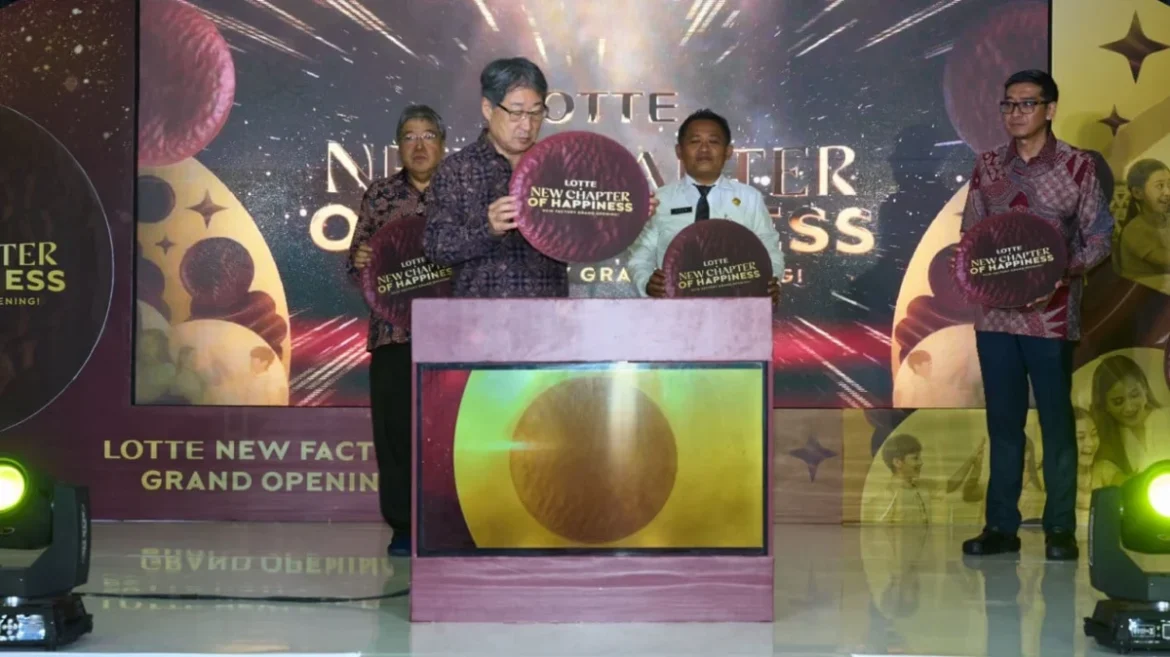
PT LOTTE Indonesia, a prominent subsidiary of the global Lotte Group, officially inaugurated its newest high-tech manufacturing facility in Cikarang, West Java, on Saturday, July 12, 2025. The facility is dedicated to the production of LOTTE Choco Pie, the company’s flagship product that has become a staple in the Indonesian confectionery and soft cake market. This strategic expansion is designed to meet the surging domestic demand for high-quality snacks while reinforcing the company’s commitment to Indonesia’s industrial modernization. The opening of the factory represents a significant capital investment and a long-term vote of confidence in the Indonesian economy, which continues to show resilience and robust growth in the fast-moving consumer goods (FMCG) sector.

The new facility is not merely an addition to the company’s production capacity but a showcase of Industry 4.0 integration. By incorporating advanced manufacturing technologies, smart production systems, and real-time digital monitoring, LOTTE Indonesia aims to set a new benchmark for efficiency and food safety in the region. The plant operates under a closed production system, a meticulous design intended to minimize human contact and external environmental exposure, thereby drastically reducing the risk of contamination. This technological leap ensures that every unit of LOTTE Choco Pie adheres to the most stringent international food safety standards, including the Food Safety System Certification (FSSC) 22000, which is recognized globally by the Global Food Safety Initiative (GFSI).

The decision to expand production comes at a time of significant transition for the Indonesian snack food industry. According to data from NielsenIQ, the soft cake category in Indonesia experienced a remarkable growth of 16% in 2024 compared to the previous year. This growth outpaces many other categories in the food and beverage sector, signaling a shift in consumer behavior where "snackification"—the replacement of traditional meals with smaller, more frequent snacks—is becoming increasingly prevalent among the growing middle class. LOTTE Choco Pie has successfully positioned itself as a market leader in this category, capturing a significant portion of consumer mindshare through consistent quality and effective brand positioning.

Badai S. Kristanto, the President Director of PT LOTTE Indonesia, emphasized that the new factory is the culmination of a strategic vision to merge innovation with consumer-centric values. Speaking at the inauguration ceremony, Kristanto noted that the investment is a direct response to the evolving needs of Indonesian families. He stated that through this strategic investment, combined with cutting-edge technology and a spirit of innovation, LOTTE is confident in its ability to play an active role in driving the progress of the snack food industry in Indonesia. He further elaborated that the facility would allow for a more agile distribution network, ensuring that Choco Pie products can reach remote areas of the archipelago with greater freshness and consistency.

The history of LOTTE is one of steady expansion and a relentless focus on quality. Founded in Japan in 1948 by Shin Kyuk-ho, the company initially focused on chewing gum before diversifying into a multi-national conglomerate with interests in food, chemicals, retail, and tourism. The company’s philosophy has remained consistent for over seven decades, revolving around three core pillars: being user-oriented, maintaining originality, and prioritizing quality. These values have guided LOTTE’s global expansion, leading to its entry into the Indonesian market in 1993. Initially known for its chewing gum products, the company expanded its portfolio over the years, eventually introducing LOTTE Choco Pie to the Indonesian public. Local production of the popular chocolate-coated marshmallow cake began in 2013, marking a turning point in the brand’s local availability and price competitiveness.

The chronology of LOTTE’s development in Indonesia reflects the country’s own industrial trajectory. From a distribution-heavy model in the early 1990s to a manufacturing-heavy model in the 2010s and 2020s, LOTTE has mirrored Indonesia’s push toward domestic value addition. The new Cikarang plant is the latest chapter in this journey, which the company has branded "A New Chapter of Happiness." This thematic approach aligns with the product’s marketing strategy, which emphasizes the snack as a medium for sharing moments of joy among family members and friends. By scaling up production, LOTTE aims to make these "moments of happiness" more accessible and affordable for a broader demographic.

From a technical perspective, the Cikarang facility is a marvel of modern engineering. The implementation of automation serves two purposes: increasing output and ensuring uniformity. In traditional confectionery manufacturing, slight variations in temperature, humidity, or mixing times can lead to inconsistencies in the final product. The smart systems at the new LOTTE plant utilize sensors and AI-driven analytics to monitor these variables in real-time, making micro-adjustments to the production line without human intervention. This level of precision is vital for a product like Choco Pie, which requires a delicate balance between the softness of the cake, the elasticity of the marshmallow, and the crispness of the chocolate coating.

Furthermore, the factory’s commitment to safety is underscored by its certification from the Indonesian Food and Drug Authority (BPOM) and its Halal certification from the Indonesian Ulema Council (MUI) and the Halal Product Assurance Organizing Agency (BPJPH). In a nation with the world’s largest Muslim population, Halal compliance is not just a regulatory requirement but a fundamental consumer expectation. LOTTE has ensured that its entire supply chain—from raw material sourcing to the final packaging stage—is fully compliant with Sharia standards. The production process is overseen by a specialized team from LOTTE Japan, ensuring that the global standards of the parent company are seamlessly integrated with local cultural and religious requirements.

The economic implications of the new factory extend beyond the walls of the Cikarang industrial zone. By increasing its production capacity, PT LOTTE Indonesia is strengthening the domestic supply chain. The company sources a significant portion of its raw materials, including flour, sugar, and certain packaging materials, from local suppliers. This creates a multiplier effect that benefits small and medium-sized enterprises (SMEs) and supports agricultural sectors across the country. Additionally, the facility has created hundreds of new jobs, ranging from high-tech engineering roles to logistics and administrative positions. The transfer of technology and knowledge from Japanese experts to the local workforce is also expected to contribute to the overall improvement of human capital in Indonesia’s manufacturing sector.

Industry analysts suggest that LOTTE’s move is a preemptive strike in an increasingly competitive landscape. As international and local brands vie for dominance in the "soft cake" and "sweet treat" segments, the ability to produce at scale while maintaining low overheads through automation is a significant competitive advantage. Moreover, the facility in Cikarang is strategically located near major transport hubs, including the Jakarta-Cikampek toll road and the Port of Tanjung Priok. This proximity facilitates efficient logistics for both domestic distribution and potential future exports to neighboring Southeast Asian markets, such as Vietnam, Thailand, and the Philippines, where the demand for premium snacks is also on the rise.

Looking ahead, PT LOTTE Indonesia has signaled that the Cikarang plant will serve as a hub for future product innovation. Badai S. Kristanto mentioned that the technology implemented ensures that every Choco Pie produced is not only delicious but also safe and of high quality. He added that moving forward, the company will continue to introduce various new variants to the Indonesian public. This suggests that consumers can expect new flavors, seasonal limited editions, and perhaps healthier options that cater to the growing "better-for-you" snack trend, such as reduced-sugar or fortified versions of the classic Choco Pie.

The environmental impact of the new facility was also a consideration in its design. Modern manufacturing in 2025 is increasingly scrutinized for its carbon footprint. While specific data on energy consumption was not disclosed, the use of "smart manufacturing" typically involves energy-efficient machinery and waste reduction protocols. By optimizing the production line through digital monitoring, LOTTE can significantly reduce raw material wastage and energy spikes, aligning its operations with global ESG (Environmental, Social, and Governance) trends that are becoming mandatory for multinational corporations.

In conclusion, the inauguration of the PT LOTTE Indonesia factory in Cikarang is a landmark event that signifies more than just an increase in snack production. It is an intersection of historical legacy, technological advancement, and economic foresight. As the company embarks on this "New Chapter of Happiness," it solidifies its role as a key player in Indonesia’s industrial landscape. The facility stands as a testament to the potential of the Indonesian market and the power of integrating global quality standards with local insights. For the Indonesian consumer, it promises a steady supply of a beloved snack, produced with the highest levels of safety and care, ensuring that the simple joy of a Choco Pie remains a constant in an ever-changing world.

May 13, 2025 0 comment
0 FacebookTwitterPinterestEmail
Culinary

Viral ‘Educate Your Son’ di Medsos, Psikolog Soroti Pola Asuh Keluarga

by Azzam Bilal Chamdy May 13, 2025
written by Azzam Bilal Chamdy

The "Educate Your Son" template, which has been shared tens of thousands of times, serves as a direct critique of traditional parenting norms that often overlook the socialization of empathy and respect in male children. Experts and psychologists are now weighing in on the phenomenon, suggesting that the viral trend is more than just a fleeting hashtag; it is a call for a fundamental restructuring of how Indonesian families approach gender roles and interpersonal ethics. Mira Amir, a prominent child and family psychologist, emphasizes that the family serves as the primary laboratory where a child’s worldview—particularly their perception of the opposite sex—is meticulously constructed.

The UI Incident: A Catalyst for National Reflection

The current wave of activism was triggered by reports of sexual misconduct involving students at the University of Indonesia. While the specific details of the case are subject to ongoing institutional investigations, the public outcry was immediate. For many, the incident at UI—an institution often regarded as a bastion of intellectualism and progress—highlighted a systemic failure that transcends academic boundaries. It suggested that even in highly educated environments, the underlying issues of sexism and lack of consent remain pervasive.

Historically, sexual harassment cases in Indonesian universities have often been met with a "culture of silence." However, the 2026 landscape shows a marked difference in student resilience. The UI case follows a timeline of increasing transparency within Indonesian higher education, spurred by the implementation of the Ministry of Education, Culture, Research, and Technology (Kemendikbudristek) Regulation No. 30 of 2021. This regulation was designed specifically to handle and prevent sexual violence in campus environments, providing a legal framework that empowers victims to speak out. The viral "Educate Your Son" movement is the social manifestation of this legal shift, signaling that the public is no longer satisfied with reactive measures but is demanding proactive, domestic intervention.

The Psychological Foundation: Parenting as a Root Cause

Mira Amir argues that the behaviors seen in adult perpetrators of sexual harassment are rarely spontaneous. Instead, they are often the culmination of years of subtle socialization within the home. "The impact of the family is massive and significant," Amir stated in a recent interview. "The way we treat others in our lives grows from the family, specifically from both parents." According to Amir, sexist attitudes are frequently rooted in discriminatory practices that children witness or experience from a very young age.

One of the most critical points raised by psychologists is the concept of "unconditional love" and "fair treatment" within the household. When parents treat sons and daughters differently—perhaps by exempting sons from domestic chores or allowing them more freedom while strictly monitoring daughters—they inadvertently plant the seeds of gender superiority. Amir notes that if a child is not treated with respect or is subjected to a judgmental environment at home, they are less likely to develop a healthy respect for the boundaries and dignity of others.

Furthermore, Amir highlights a common but damaging parenting tactic: the act of comparing children. In the eyes of many psychologists, and according to Indonesian Child Protection Laws (UU Perlindungan Anak), constant negative comparison and the belittling of a child’s achievements can be classified as psychological violence. "Comparing a child is already a form of violence against them," Amir explained. "It is not just my definition; it is enshrined in the law because the emotional pain it causes is that severe." This type of domestic environment can lead to a lack of empathy and a need for external validation or power, which can manifest in adulthood as predatory or sexist behavior.

Statistical Context of Sexual Violence in Indonesia

To understand the urgency of the "Educate Your Son" movement, one must look at the data provided by the National Commission on Violence Against Women (Komnas Perempuan). In their 2024 and 2025 annual reports, there was a recorded increase in reports of violence against women, with a significant portion occurring in "safe spaces" such as educational institutions and homes. In 2024 alone, Komnas Perempuan documented thousands of cases of sexual violence, a figure that many activists believe is only the "tip of the iceberg" due to underreporting.

The data suggests that sexual harassment is not an isolated issue of "bad apples" but a systemic cultural problem. A study conducted by various NGOs in 2025 revealed that 60% of female university students in major Indonesian cities had experienced some form of verbal or physical sexual harassment during their academic career. These statistics provide a sobering backdrop to the viral social media templates, proving that the demand for better education for sons is backed by a widespread reality of victimization.

Viral 'Educate Your Son' di Medsos, Psikolog Soroti Pola Asuh Keluarga

From Advice to Action: Leading by Example

The "Educate Your Son" movement is a direct rebuttal to the phrase "protect your daughter," which many argue places the burden of safety on the potential victim. Psychologists agree that verbal advice is insufficient. Mira Amir asserts that telling a child "not to be sexist" is useless if the parents themselves exhibit sexist behaviors or fail to respect the child’s own boundaries.

"If we want to educate our children, it isn’t enough to just say, ‘Hey son, don’t be sexist.’ It’s about how you treat your child. Can you accept them for who they are?" Amir asked. The modeling of behavior is the most potent form of education. When a father treats a mother with equal respect, and when a mother encourages her son to be emotionally intelligent and empathetic, the child learns that women are peers, not objects.

The psychological development of a child between the ages of four and six is a critical window for internalizing these values. Amir emphasizes that the language used by parents during these formative years becomes the internal monologue of the child as they grow into adulthood. If the communication is based on dominance and judgment, the child will likely replicate those power dynamics in their future relationships.

Institutional and Governmental Responses

The University of Indonesia’s administration has responded to the recent allegations by activating its Task Force for the Prevention and Handling of Sexual Violence (Satgas PPKS). In a formal statement, the university reiterated its "zero-tolerance" policy and pledged to provide psychological support to the victims while ensuring a fair investigative process for the accused.

At the governmental level, officials from Kemendikbudristek have praised the public’s vigilance. The ministry has noted that social media movements like "Educate Your Son" serve as an informal oversight mechanism that keeps educational institutions accountable. However, there is also a call for these movements to transition from digital templates into community-based programs. There are growing calls for the government to integrate "Character Education" (Pendidikan Karakter) more deeply into the national curriculum, focusing specifically on consent, gender equality, and healthy masculinity.

Broader Implications and the Path Forward

The "Educate Your Son" phenomenon represents a maturation of the Indonesian digital public. It marks a shift from reactive anger to a proactive search for solutions. By identifying the family as the starting point for reform, the movement acknowledges that legal regulations and campus policies are only part of the solution. The true prevention of sexual violence begins in the living room.

As the movement continues to evolve, it faces the challenge of reaching beyond the urban, "chronically online" demographic. For the movement to have a lasting impact, the principles of equitable parenting must be communicated in a way that resonates with diverse cultural and religious backgrounds across the Indonesian archipelago.

In conclusion, the viral nature of "Educate Your Son" following the UI case is a testament to a changing Indonesia. It reflects a society that is increasingly unwilling to accept the status quo of gender-based violence. As Mira Amir and other experts suggest, the reflection seen in the behavior of adults is merely a mirror of the parenting they received as children. By fixing the foundation of the family today, Indonesia may finally be able to build a future where safety and respect are the norms rather than the exceptions. The "template" on social media is a start, but the real work lies in the daily, unglamorous task of raising sons who see the humanity in everyone.

May 13, 2025 0 comment
0 FacebookTwitterPinterestEmail
Culinary

HokBen Expands Hoka Ramen Series with Spicy Ramen Launch to Meet Indonesian Culinary Preferences

by Layla Zulfa May 12, 2025
written by Layla Zulfa

The Indonesian fast-food landscape has witnessed a significant evolution in recent years, as established brands pivot toward diversifying their menus to capture shifting consumer interests. PT Eka Bogainti, the parent company of the prominent Japanese-inspired restaurant chain HokBen, officially announced the launch of its latest culinary offering, Spicy Ramen, on Tuesday, February 14, 2023. This new addition is part of the "Hoka Ramen" series, a product line that was first introduced in late 2022 to broaden the brand’s reach beyond its traditional bento-style offerings. The introduction of the Spicy Ramen variant is specifically designed to cater to the widespread local preference for bold, piquant flavors, marking a strategic move to solidify HokBen’s position in the competitive ramen market in Indonesia.

The Spicy Ramen features a robust chicken-based broth infused with a proprietary blend of spices to deliver a heat level that resonates with the Indonesian palate. Each serving is meticulously assembled with a variety of traditional and localized toppings, including chicken chasiu (thinly sliced braised chicken), ni tamago (a seasoned soft-boiled egg), pakcoy (Chinese cabbage), green onions, and wood ear mushrooms (jamur kuping). To accommodate different appetites and price points, HokBen has introduced the dish in two sizes: a Regular portion priced at Rp 38,000 and a Large portion available for Rp 48,000. These price points reflect the company’s strategy of providing premium-style Japanese cuisine at an accessible mid-range level, ensuring the product remains competitive against both high-end ramen boutiques and lower-priced street food alternatives.

The Strategic Evolution of HokBen’s Menu

The launch of Spicy Ramen is not an isolated event but rather the latest milestone in a calculated expansion strategy that began in the fourth quarter of 2022. Historically known as Hoka Hoka Bento, the brand underwent a significant rebranding in 2013 to become HokBen, a move aimed at modernizing its image and simplifying its identity. While the brand built its reputation on fried delicacies like Ekkado, Egg Chicken Roll, and Teriyaki beef, the leadership team identified a growing demand for noodle-based dishes, which have become a staple of the Indonesian urban diet.

In late 2022, the company took its first major step into the ramen category by launching the Hoka Ramen line, which initially featured two distinct variants: Hokkaido Miso Ramen and Tori Paitan Ramen. The Hokkaido Miso Ramen offered a rich, fermented soybean paste base, while the Tori Paitan provided a creamy, savory white chicken broth. These initial offerings served as a litmus test for the brand’s ability to compete in the ramen sector. Following positive consumer feedback and high sales volumes for the initial variants, the development of Spicy Ramen became the logical next step in the product’s lifecycle.

Francisca Lucky, the General Manager of Marketing at PT Eka Bogainti, emphasized that the decision to introduce a spicy variant was driven by extensive market research. "This spicy flavor variant was inspired by the taste preferences of the majority of Indonesian people who love spicy flavors in their daily menus," Lucky stated during the press briefing in Jakarta. She further noted that the addition of Spicy Ramen completes the Hoka Ramen lineup, providing a comprehensive range of flavor profiles—from savory and creamy to bold and spicy—thereby ensuring that the brand can satisfy a diverse array of customer cravings.

Cultural Context: The Indonesian Affinity for Spice

To understand the significance of this product launch, one must look at the broader cultural and culinary context of Indonesia. Spicy food is not merely a preference in the archipelago; it is a fundamental component of the national identity. From the various types of sambal (chili paste) found across different provinces to the "pedas mampus" (deathly spicy) food challenges that frequently go viral on social media, the Indonesian consumer has a high tolerance and a constant craving for heat.

Market data suggests that food products with a "spicy" label often see higher engagement and faster adoption rates in the Indonesian market compared to milder alternatives. By integrating this local preference into a traditionally Japanese dish like ramen, HokBen is practicing a form of "glocalization"—adapting a global product to suit local tastes. This strategy reduces the barrier to entry for consumers who might find authentic Japanese flavors too subtle or unfamiliar. The Spicy Ramen serves as a bridge between the sophisticated techniques of Japanese noodle making and the aggressive flavor profiles favored by the local population.

The Fast Food Landscape and Competitive Analysis

The Indonesian Food and Beverage (F&B) sector has shown remarkable resilience in the post-pandemic era. As of early 2023, the industry has seen a resurgence in dine-in traffic, complemented by a robust delivery ecosystem. HokBen’s move into the ramen market places it in direct competition with specialized ramen chains such as Ippudo and Marugame Udon, as well as local favorites like Ichiban Sushi and Ramen Ya!.

However, HokBen possesses a unique competitive advantage: its massive footprint and established brand loyalty. With hundreds of outlets spread across the Indonesian archipelago, HokBen can offer a "ramen experience" to suburban and secondary-city populations that may not have access to high-end Japanese restaurants. Furthermore, HokBen’s reputation for Halal certification is a critical factor in a country with the world’s largest Muslim population. By ensuring that its ramen—including the Spicy Ramen—meets strict Halal standards, the company maintains trust with its core demographic, a feat that some international ramen chains struggle with due to the traditional use of pork in authentic ramen recipes.

The pricing strategy for Spicy Ramen—ranging from Rp 38,000 to Rp 48,000—positions it as an affordable luxury. In the current economic climate, where inflation has impacted consumer spending power, providing a high-quality, "juicy" and flavorful meal for under Rp 50,000 is a significant draw for the middle-class segment, including students and office workers.

Technical Quality and Ingredient Sourcing

A key component of HokBen’s marketing for the Hoka Ramen series is the emphasis on quality and authenticity. The company claims that the ingredients used in Spicy Ramen are of premium grade, processed with specialized techniques to ensure that the flavors penetrate deep into the protein and noodles. The "juicy" texture of the chicken chasiu and the precise "ni tamago" (soft-boiled egg with a jammy yolk) are highlights intended to mimic the quality found in artisanal ramen shops.

The development process for the Spicy Ramen involved rigorous taste-testing to ensure that the heat of the broth did not overwhelm the underlying umami of the chicken stock. The result is a balanced dish where the wood ear mushrooms provide a crunchy texture, the pakcoy adds a fresh bitterness, and the spicy broth provides the lingering warmth that Indonesian diners expect. This attention to detail is part of HokBen’s broader mission to move beyond the "fast food" label and be recognized as a provider of high-quality Japanese cuisine.

Chronology of Product Development

The timeline of HokBen’s transition into a multi-category Japanese eatery can be summarized through its recent menu innovations:

  1. Pre-2013: Focus on traditional Bento sets (Teriyaki, Yakiniku, and fried items).
  2. 2013-2021: Rebranding to "HokBen" and expansion of side dishes, snacks, and beverage options to attract a younger demographic.
  3. Late 2022: The official launch of "Hoka Ramen" with Hokkaido Miso and Tori Paitan variants, marking the brand’s first serious foray into the noodle market.
  4. February 14, 2023: The launch of Spicy Ramen, timed to coincide with Valentine’s Day—a peak period for the F&B industry—offering a new choice for couples and families dining out.

This chronology demonstrates a deliberate and phased approach to menu diversification. Rather than launching a dozen variants at once, HokBen has opted to master a few key flavors, ensuring supply chain stability and consistent quality across its vast network of stores.

Broader Economic Impact and Future Outlook

The expansion of menu items like Spicy Ramen has broader implications for the Indonesian economy, particularly in the agricultural and logistics sectors. Increased demand for ingredients such as pakcoy, green onions, and chili peppers benefits local farmers who supply the F&B industry. Moreover, the diversification of the menu helps HokBen maintain high transaction volumes, which in turn supports job security for its thousands of employees across Indonesia.

As the F&B industry continues to evolve, industry analysts predict that more "generalist" fast-food brands will follow HokBen’s lead by incorporating "specialist" items like ramen or sushi into their permanent menus. This trend towards "one-stop Japanese dining" allows consumers to satisfy different cravings in a single location, which is particularly appealing for families or groups with varying tastes.

Looking forward, PT Eka Bogainti appears committed to further innovation. The success of the Spicy Ramen variant is likely to encourage the company to explore other regional Japanese flavors or perhaps even seasonal limited-time offers. For now, the Spicy Ramen stands as a testament to HokBen’s ability to listen to its customers and adapt its heritage to meet the spicy demands of the modern Indonesian palate. By blending Japanese culinary tradition with Indonesian flavor expectations, HokBen has not only enriched its menu but also strengthened its cultural relevance in the hearts—and stomachs—of its loyal patrons.

May 12, 2025 0 comment
0 FacebookTwitterPinterestEmail
Travel

Solar Grazing and Land Optimization Emerge as Key Strategies for Enhancing Indonesia’s Energy Resilience and Solar Plant Efficiency

by Basiran May 11, 2025
written by Basiran

The paradigm of renewable energy development in Indonesia is undergoing a significant transformation as industry leaders shift their focus from mere construction metrics to long-term operational sustainability. In a move to bolster the nation’s energy resilience, the integration of the energy and livestock sectors—a practice known as solar grazing—is being hailed as a critical strategy for reducing operational costs and ensuring the longevity of solar power projects. As Indonesia accelerates its transition toward a greener economy, the optimization of land used for Solar Power Plants (Pembangkit Listrik Tenaga Surya or PLTS) has become a focal point for developers seeking to balance technological output with environmental and economic efficiency.

Speaking in Jakarta on Monday, April 13, 2026, Syam Basrijal, the CEO of PT Gema Aset Solusindo, emphasized that the traditional metrics for evaluating solar projects are no longer sufficient. Historically, the success of a PLTS project was measured primarily by its initial Capital Expenditure (CAPEX), construction speed, and the resulting Feed-in Tariff (FiT). However, as the industry matures, the focus is shifting toward the entire lifecycle of the plant, which typically spans 25 to 30 years. Basrijal noted that the operational phase, often overlooked during the planning stages, holds the key to the project’s ultimate financial and environmental viability.

The Tropical Challenge: Managing Rapid Vegetation Growth

One of the most persistent challenges for land-based solar farms in Indonesia is the country’s tropical climate. High humidity, consistent rainfall, and fertile soil create an environment where grass and weeds grow at an extraordinary rate. For a solar farm, uncontrolled vegetation is more than an aesthetic issue; it is a direct threat to energy production. Tall grass can cast shadows on the photovoltaic (PV) panels, leading to "hot spots" that reduce efficiency and can potentially damage the equipment over time.

"In the Indonesian context, the speed of vegetation growth is a significant factor in the Operational and Maintenance (O&M) budget," Basrijal explained. "If left unmanaged, the vegetation doesn’t just block the sun; it can attract pests, increase fire risks during the dry season, and interfere with the electrical infrastructure."

Traditionally, developers have relied on manual labor or mechanical mowers to keep the grass at bay. These methods, however, come with high recurring costs and logistical challenges. Mechanical mowing requires fuel, frequent maintenance of equipment, and carries the risk of debris—such as stones—being kicked up and cracking the solar panels. Furthermore, chemical herbicides, while effective, pose long-term risks to soil health and local water tables, contradicting the "green" ethos of renewable energy.

The Rise of Solar Grazing as a Sustainable Alternative

Solar grazing presents a biological solution to a mechanical problem. By introducing livestock, typically sheep or goats, into the solar farm perimeter, developers can maintain the vegetation at a consistent height without the need for heavy machinery or chemicals. This practice, a subset of "agrivoltaics," creates a symbiotic relationship between the energy producer and the agricultural sector.

According to Basrijal, solar grazing changes the way developers perceive the land. "Lahan (land) should be viewed as a dynamic part of the production system, not just a static platform for panels," he stated. By allowing livestock to graze, the solar farm effectively becomes a dual-purpose facility that produces both clean electricity and agricultural products, such as wool or meat.

The economic benefits of this integration are multi-fold. First, it significantly reduces the O&M costs associated with vegetation control. Second, it provides an additional revenue stream or a social benefit for local farming communities, who gain access to secure, fenced-in grazing land. This collaboration fosters better relationships between energy companies and local residents, which is often a hurdle in large-scale infrastructure projects.

Chronology of Solar Development and the Shift to Land Optimization

The evolution of solar energy in Indonesia has followed a distinct path. In the early 2010s, the focus was on small-scale off-grid installations to provide electricity to remote islands. As the government intensified its commitment to the Paris Agreement and the Net Zero Emissions (NZE) 2060 target, the scale of projects increased.

By 2023 and 2024, Indonesia saw the emergence of massive projects, such as the Cirata Floating Solar Power Plant, which bypassed land-use issues by utilizing reservoir surfaces. However, for land-based solar to reach the gigawatt scale required for national energy security, land-use efficiency became a paramount concern. The realization that land is a scarce and expensive resource led to the 2025-2026 push for "land optimization."

The current trend, as highlighted by PT Gema Aset Solusindo, represents the third wave of Indonesian solar development: the "Efficiency and Integration" phase. In this phase, the goal is to squeeze every bit of value from the allocated land. This involves not only solar grazing but also the potential for shade-grown crops and improved soil management practices that sequester carbon.

Supporting Data and Economic Implications

Industry data suggests that vegetation management can account for as much as 10% to 15% of the total annual O&M costs for a large-scale land-based solar farm in a tropical region. By implementing solar grazing, companies can potentially reduce these specific costs by 30% to 50%.

Furthermore, the cooling effect provided by the vegetation and the livestock’s presence can slightly improve panel efficiency. Studies have shown that panels operating over green, grazed land stay cooler than those over bare earth or gravel, as the plants facilitate evapotranspiration. Even a 1% increase in efficiency across a 100-megawatt plant can result in significant additional revenue over a 25-year period.

From a national perspective, the integration of livestock into solar farms addresses two of Indonesia’s strategic goals simultaneously: energy security and food security. As the population grows, the competition for land between energy projects and agriculture intensifies. Solar grazing resolves this "land-use conflict" by proving that the two sectors can coexist on the same footprint.

Official Responses and Industry Sentiment

The push for solar grazing has begun to attract attention from government bodies, including the Ministry of Energy and Mineral Resources (ESDM) and the Ministry of Agriculture. While formal regulations specifically governing solar grazing are still in the developmental stages, officials have expressed support for "multi-utilization" land policies.

Environmental groups have also reacted positively to the news. "The shift away from mechanical and chemical weeding toward biological control is a win for biodiversity," said a representative from a local environmental NGO. "It preserves the topsoil and prevents the desertification often seen in poorly managed solar fields."

Investors are also taking note. In the global ESG (Environmental, Social, and Governance) landscape, projects that demonstrate community integration and ecological sensitivity are more likely to secure favorable financing terms. Solar grazing is seen as a tangible example of a "Just Energy Transition," where the benefits of renewable energy are shared with the local agricultural workforce.

Technical Considerations for Future Implementation

While the concept of solar grazing is straightforward, its implementation requires careful technical planning. Basrijal pointed out that solar farms must be designed with livestock in mind. This includes:

  1. Panel Height: Mounting panels at a slightly higher elevation to allow livestock to move freely underneath without bumping into the structures.
  2. Wiring Protection: Ensuring that all electrical cabling is properly shielded or buried to prevent animals from chewing on wires.
  3. Livestock Selection: Sheep are generally preferred over goats, as goats have a tendency to climb on panels and chew on more varied materials, whereas sheep are content to focus on the grass.
  4. Water and Shelter: Providing adequate water stations and ensuring the panels themselves provide enough shade for the animals during the heat of the day.

Analysis of Broader Implications and the Path Forward

The insights provided by Syam Basrijal underscore a maturing industry that is looking beyond the "ribbon-cutting" ceremony. As Indonesia aims to increase the share of renewables in its energy mix to 23% and beyond, the sustainability of these assets is vital. If solar farms become too expensive to maintain or alienate local communities through land displacement, the energy transition could face significant headwinds.

Solar grazing acts as a bridge between the high-tech world of renewable energy and the traditional world of Indonesian agriculture. It humanizes the energy transition, turning a field of glass and silicon into a productive pasture.

Looking ahead, the success of PT Gema Aset Solusindo and other pioneers in this space will likely trigger a revision of O&M standards across the country. We can expect to see new partnership models emerging between state-owned enterprises (BUMN), private energy developers, and local farming cooperatives.

In conclusion, the optimization of PLTS land through solar grazing is not merely a cost-cutting measure; it is a fundamental shift toward a more holistic and resilient energy system. By recognizing that the 30-year lifecycle of a solar plant requires a harmonious relationship with the land it occupies, Indonesia is setting a precedent for tropical renewable energy development worldwide. The focus on "managing space sustainably" ensures that the quest for clean energy does not come at the expense of the land’s inherent agricultural value, but rather enhances it for the benefit of the nation’s future.

May 11, 2025 0 comment
0 FacebookTwitterPinterestEmail
Travel

Mengapa Millennium Mall Berubah Menjadi Mal Atrium Senen? Ini Alasan dan Tujuannya

by Lina Hope May 10, 2025
written by Lina Hope

In a move that signals a significant shift in the retail landscape of Central Jakarta, PT Nusa Mandiri Properti has officially announced the rebranding of the Millennium Mall to its new identity, Mal Atrium Senen. This strategic decision, unveiled during a high-profile press conference on Thursday, July 10, 2025, marks more than just a change in nomenclature; it represents a comprehensive commitment to revitalizing one of the city’s most storied commercial zones, the "Senen Golden Triangle." The transition, which technically took effect on June 1, 2025, is the cornerstone of a broader vision to harmonize the historical significance of the Senen district with the fast-evolving demands of the modern Indonesian urban consumer.

The official ceremony took place in the main atrium of the newly christened mall, attended by industry leaders, local government officials, and stakeholders from the retail sector. The rebranding serves as a definitive statement of intent by PT Nusa Mandiri Properti to reclaim the mall’s position as a premier destination for shopping, social interaction, and cultural heritage. By shedding the "Millennium" moniker in favor of "Mal Atrium Senen," the management aims to reconnect with the local community’s roots while simultaneously introducing a sophisticated, contemporary aesthetic that appeals to the "Gen Z" and "Millennial" demographics that now dominate Jakarta’s workforce.

A Strategic Vision for Urban Revitalization

The decision to rebrand was born out of a rigorous analysis of the retail market in post-pandemic Jakarta. As the city continues to expand and modernize, historic districts like Senen have often faced the challenge of maintaining relevance amidst the rise of newer, ultra-modern shopping complexes in South and West Jakarta. Elly Christin, the Director of PT Nusa Mandiri Properti, emphasized during the press conference that this transformation is a holistic endeavor designed to breathe new life into the Senen area.

"This transformation is not merely a change of name, but a complete renewal of our identity and spirit," Christin stated. "Our goal is to develop a shopping center that is deeply relevant to the needs of today’s urban society. We are blending the historical legacy of the Senen Triangle with a fresh, modern approach that ensures we remain a vital part of Jakarta’s commercial future."

The "Senen Golden Triangle" has long been recognized as a pivotal economic hub, dating back to the colonial era when it served as a primary trading post. By adopting the name Mal Atrium Senen, the property management is leaning into this heritage. The rebranding strategy is built on the philosophy of "Heritage Meets Modernity," ensuring that the mall does not lose its soul while undergoing the necessary upgrades to compete in a 21st-century economy.

Chronology of the Rebranding Process

The path to the July 10 announcement was a carefully orchestrated multi-stage process. The transition began internally in early 2025, as PT Nusa Mandiri Properti finalized the architectural and conceptual blueprints for the mall’s new direction.

  1. January – March 2025: Initial phase of physical renovations focused on the "Lower Ground" area and essential infrastructure, including the modernization of vertical transportation systems (elevators and escalators).
  2. April 2025: Negotiations with international and domestic "anchor tenants" were finalized to ensure a diverse mix of lifestyle, fashion, and culinary offerings.
  3. June 1, 2025: The name Mal Atrium Senen was officially registered and began appearing on digital platforms, though physical signage was updated gradually to build anticipation.
  4. July 10, 2025: The formal grand unveiling and press conference held at the mall, marking the completion of the primary rebranding phase.

This timeline reflects a disciplined approach to change management, ensuring that existing tenants and loyal customers were integrated into the process rather than alienated by a sudden shift in identity.

Comprehensive Infrastructure and Aesthetic Upgrades

The rebranding of Mal Atrium Senen is accompanied by a massive capital investment aimed at improving the visitor experience. PT Nusa Mandiri Properti recognized that to attract modern shoppers, the physical environment must meet international standards of comfort and accessibility. Key areas of the renovation include:

Modernization of Public Facilities: A significant portion of the budget was allocated to the "refreshing" of public spaces. This includes a total overhaul of restroom facilities, featuring touchless technology and premium finishes. Furthermore, the revitalization of the mall’s circulation systems—specifically its elevators and escalators—ensures seamless movement across the multiple levels of the complex.

Revitalization of the Lower Ground Floor: The lower ground area, traditionally a high-traffic zone, has been redesigned to offer a more spacious and brightly lit environment. This area now serves as a bridge between the mall’s commercial offerings and its historical connection to the surrounding neighborhood.

Visual Rebranding: The mall’s visual identity has been completely reimagined. The new logo and color palette are described as "dynamic and modern," utilizing clean lines and vibrant tones that stand out in the Central Jakarta skyline. This visual update extends to digital signage, wayfinding systems, and the mall’s online presence.

Preservation of the Iconic Automotive Center: In a move that has been widely praised by local community leaders, the mall will continue to house its famous "Onderdil" (auto parts) center. This section of the mall has been an iconic fixture for decades, serving as a hub for automotive enthusiasts and professionals across Jakarta. By integrating this specialized niche into the modernized mall, PT Nusa Mandiri Properti is preserving a vital piece of the local economy while upgrading the facilities in which these businesses operate.

Economic Implications and Tenant Strategy

The rebranding is expected to have a ripple effect on the economy of Central Jakarta. By positioning Mal Atrium Senen as a "lifestyle destination," the management is targeting a higher footfall of white-collar workers from the nearby government offices, banks, and corporate headquarters that populate the Senen and Gambir areas.

The tenant strategy has shifted toward "lifestyle and experience." While the mall retains its core of essential services, there is a visible influx of renowned international brands and popular local "concept stores." This mix is intended to cater to the "work-play" balance of the modern Jakartan. The presence of these brands is expected to increase the average "dwell time" of visitors, leading to higher secondary spending in the food and beverage sectors.

Furthermore, the mall’s strategic location—surrounded by major hotels and transit hubs like the Senen Railway Station and TransJakarta terminals—positions it as a natural meeting point. The revitalization is likely to increase property values in the immediate vicinity and encourage further private investment in the Senen district.

Strategic Partnerships and Community Integration

A key element of the Mal Atrium Senen relaunch is its collaboration with broader institutional bodies. The mall has solidified partnerships with the Association of Indonesian Shopping Center Management (APPBI) DKI Jakarta and the Provincial Government of Jakarta. These alliances are designed to integrate the mall into the city’s wider tourism and retail initiatives.

As a testament to its renewed status, Mal Atrium Senen was selected as the host for the closing ceremony of the Festival Jakarta Great Sale (FJGS) 2025. This annual event is a cornerstone of Jakarta’s retail calendar, attracting millions of shoppers with city-wide discounts. Hosting the finale of such a prestigious event underscores the mall’s importance in the city’s economic fabric and its successful re-entry into the top tier of Jakarta’s shopping destinations.

The provincial government has expressed support for the project, viewing it as a prime example of how private developers can contribute to urban renewal goals. By revitalizing a "legacy" mall rather than building a new one on the outskirts of the city, PT Nusa Mandiri Properti is supporting the government’s vision of a more sustainable, transit-oriented, and historically conscious urban center.

Analysis: The Future of Retail in Historic Districts

The transformation of Millennium Mall into Mal Atrium Senen is a case study in the evolution of urban retail. In an era where e-commerce poses a continuous threat to physical brick-and-mortar stores, the "rebranding-through-revitalization" model appears to be the most viable path forward for older shopping centers.

By leaning into the "Senen" name, the developers are utilizing "place-branding"—a marketing strategy that leverages the existing reputation and history of a location to build trust and authenticity. For many Jakartans, "Atrium Senen" carries a sense of nostalgia and reliability that a generic name like "Millennium" could not provide.

Industry analysts suggest that the success of Mal Atrium Senen will likely inspire similar projects in other historic districts of Jakarta, such as Gajah Mada or Glodok. The focus on "experience" over mere "transaction" is the defining trend of 2025, and by upgrading facilities while maintaining specialized community hubs like the auto parts center, Mal Atrium Senen is striking a delicate balance that could serve as a blueprint for the industry.

As the press conference concluded, the atmosphere was one of cautious optimism. The physical changes are evident, the strategic partnerships are in place, and the community response has been largely positive. For PT Nusa Mandiri Properti, the journey has just begun. The challenge now lies in maintaining the momentum of this relaunch and ensuring that Mal Atrium Senen remains a vibrant, inclusive, and profitable heart of Central Jakarta for decades to come.

May 10, 2025 0 comment
0 FacebookTwitterPinterestEmail
Travel

Global Airlines Tighten Personal Item Restrictions as Passengers Face Surging Baggage Fees and Stricter Enforcement Policies

by Lina Irawan May 10, 2025
written by Lina Irawan

The landscape of commercial aviation is undergoing a significant transformation as carriers worldwide move toward more aggressive enforcement of cabin baggage policies, particularly regarding "personal items." For decades, the personal item—typically a small backpack, laptop bag, or purse—was a secondary thought for most travelers, guaranteed to be free of charge and rarely scrutinized by gate agents. However, as the cost of jet fuel fluctuates and the demand for ancillary revenue grows, airlines are implementing a zero-tolerance approach to dimensions, leading to a surge in unexpected fees at the boarding gate.

This shift has been documented through a wave of social media reports and passenger testimonials, highlighting a new reality where even a few inches of protrusion or a slightly oversized electronic device can result in charges exceeding $50 or even $100. The phenomenon is not merely a matter of policy change but a fundamental shift in how airlines manage cabin space and monetize every square inch of the aircraft.

The Rising Cost of Minor Deviations: Sergio Diaz and the Projector Incident

A prominent example of this heightened scrutiny involves Sergio Diaz, a professional speaker based in Los Angeles. During a recent trip with American Airlines, Diaz was informed by gate staff that he would need to pay an additional $50 to bring a projector on board. Despite Diaz’s insistence that the device was no larger than a standard laptop—an item explicitly permitted as a personal item—the airline’s employees maintained that the projector’s dimensions and shape would prevent it from fitting under the seat in front of him.

"I thought it would be fine," Diaz noted in a report by Best Life, expressing a sentiment shared by many frequent flyers who are finding that previous norms no longer apply. The incident underscores a growing trend where gate agents are empowered, and in some cases incentivized, to make subjective calls on what constitutes a "standard" personal item. For Diaz, the $50 charge was not just a financial inconvenience but a disruption to his professional workflow, as the projector was a critical tool for his presentation.

The Viral Resistance: Social Media and the $99 Fee

The friction between passengers and airline staff reached a fever pitch in early February 2023, when a TikTok user, @dejatheexplorer, documented a tense encounter with Frontier Airlines. In the viral video, which has garnered millions of views, the passenger claimed that gate agents attempted to charge her $99 for her personal item, alleging it was oversized.

The passenger, however, was prepared. She was using a specialized "Take Off Luggage" bag, designed specifically to meet the strict dimensions of budget carriers. In the video, she successfully demonstrated that her bag fit perfectly into the airline’s "sizer" box—the metal frame used to measure luggage. "They can’t charge me if it fits," she asserted, highlighting a growing trend of "travel hacking" where passengers use specialized gear to circumvent what they perceive as predatory fee structures.

This incident opened the floodgates for other travelers to share similar stories. In the comments section of the viral post, numerous passengers reported being targeted for small backpacks that were deemed too "bulky" because of items in the front pockets. One traveler noted they were nearly charged $100 because a small backpack protruded slightly from the sizer, despite being soft-sided and easily compressible.

A Fragmented System: The Data Behind Personal Item Dimensions

One of the primary sources of passenger frustration is the lack of a universal standard for personal item dimensions. While the International Air Transport Association (IATA) provides guidelines, individual airlines are free to set their own limits based on the specific configurations of their aircraft fleets.

According to data compiled by travel resource Clever Journey, the discrepancies between major U.S. carriers are significant:

  • American Airlines & Frontier Airlines: Both maintain a strict limit of 18 x 14 x 8 inches (45 x 35 x 20 cm).
  • United Airlines: Slightly more restrictive, limiting personal items to 17 x 10 x 9 inches (43 x 25 x 22 cm).
  • Southwest Airlines: Offers a different configuration, allowing items up to 16.25 x 13.5 x 8 inches.
  • Spirit Airlines: Often the strictest, with an 18 x 14 x 8-inch limit that is rigorously enforced with "sizer" checks at nearly every gate.

In contrast, "legacy" carriers like Alaska Airlines and Delta Air Lines do not always publish specific inch-by-inch dimensions for personal items. Instead, their guidelines state that the item must "fit under the seat in front of you." Delta’s official policy suggests that items such as purses, briefcases, camera bags, or diaper bags are acceptable, but warns that if an item cannot be safely stowed, it must be checked—often at the passenger’s expense.

The Engineering Factor: Why Sizes Vary by Aircraft

The variation in allowed dimensions is not entirely arbitrary. It is often dictated by the physical constraints of the aircraft being flown. Regional jets, such as the Embraer 175 or the Bombardier CRJ series, have significantly smaller under-seat cavities and overhead bins compared to narrow-body workhorses like the Boeing 737 or Airbus A320.

On many regional flights, even a standard-sized carry-on bag must be "gate-checked" because the overhead bins are too narrow. This puts additional pressure on the under-seat space. Airlines that operate a diverse fleet must often set their baggage policies to the "lowest common denominator" to ensure consistency across their network, or they risk having to charge passengers mid-journey when they switch from a large jet to a smaller regional one.

The Business of Ancillary Revenue

To understand the sudden increase in baggage enforcement, one must look at the financial health of the aviation industry. Ancillary revenue—income from non-ticket sources such as baggage fees, seat selection, and on-board snacks—has become a cornerstone of airline profitability.

According to industry reports from firms like IdeaWorksCompany, global ancillary revenue has grown from roughly $22 billion in 2010 to over $100 billion in recent years. For ultra-low-cost carriers (ULCCs) like Frontier and Spirit, ancillary fees can account for nearly 50% of their total revenue. By offering a very low "base fare," these airlines attract budget-conscious travelers, but the model only works if the airline can successfully "upsell" the passenger on baggage and other services.

This financial pressure has led to reports of airlines offering commissions or bonuses to gate agents who successfully identify and charge for oversized bags. While most major airlines deny having "bounties" for baggage fees, the anecdotal evidence from staff and the increased frequency of sizer checks suggest a high-pressure environment for gate personnel to meet revenue targets.

Implications for the Modern Traveler

The tightening of baggage rules has several long-term implications for the travel industry. First, it has birthed a new market for "personal item compliant" luggage. Brands are now marketing bags specifically designed to be 18x14x8 inches, often featuring removable wheels or expandable compartments to maximize every millimeter of allowed space.

Second, the lack of transparency and the subjective nature of gate enforcement have led to increased calls for consumer protection. In the European Union, courts have previously ruled that "reasonable" carry-on baggage should be considered an essential element of passenger transport and should not be subject to additional fees, provided it meets safety requirements. However, in the United States, airlines maintain significant autonomy over their fee structures.

Strategic Recommendations for Avoiding Unexpected Fees

As airlines continue to prioritize baggage enforcement, travelers are encouraged to adopt a more disciplined approach to packing:

  1. Measure Twice, Fly Once: Never rely on a bag’s "standard" label. Use a measuring tape to check the dimensions of a bag when it is fully packed, as bulging pockets can easily add two to three inches to the width or depth.
  2. Understand Fare Classes: "Basic Economy" tickets are often the primary targets for baggage enforcement. These fares frequently prohibit the use of overhead bins entirely, meaning the personal item is the only luggage allowed on board for free.
  3. Wear Your Luggage: To save space in a personal item, many travelers are opting to wear their bulkiest clothing—such as heavy coats and boots—during the boarding process, or using "scottevests" and other multi-pocket garments to carry electronics and toiletries.
  4. Consolidate Early: Gate agents are often trained to look for "plus one" items. Ensure that purses, food bags, and neck pillows are tucked inside the primary personal item before reaching the boarding line.

The era of relaxed cabin baggage is clearly coming to an end. As Sergio Diaz and many others have discovered, the "laptop-sized" rule of thumb is being replaced by rigid metal sizers and digital scanners. For the modern passenger, the price of a "cheap" flight is increasingly becoming eternal vigilance regarding the dimensions of their gear. As airlines continue to refine their revenue models, the under-seat space remains the final frontier of the air travel cost-benefit battle.

May 10, 2025 0 comment
0 FacebookTwitterPinterestEmail
Newer Posts
Older Posts

Recent Posts

  • Pressure on Indonesia’s Middle Class Intensifies Amid Shifting Economic Dynamics and National Development Goals
  • Brigitte Bardot, Iconic French Actress and Devoted Animal Rights Activist, Passes Away at 91
  • Golkar Chairman Bahlil Lahadalia Calls for Unwavering Internal Unity to Strengthen Party’s Future Stance
  • High-Stakes Surveillance: Alleged Densus 88 Shadowing of Jampidsus Rocks Indonesian Justice System
  • Sari Yuliati Assumes Key Role as Secretary of Golkar Faction in DPR RI Amidst Strategic Political Shifts

Recent Comments

No comments to show.
  • Facebook
  • Twitter

@2021 - All Right Reserved. Designed and Developed by PenciDesign


Back To Top
GKF Media
  • Home