• Home
GKF Media
keep your memories alive
Property

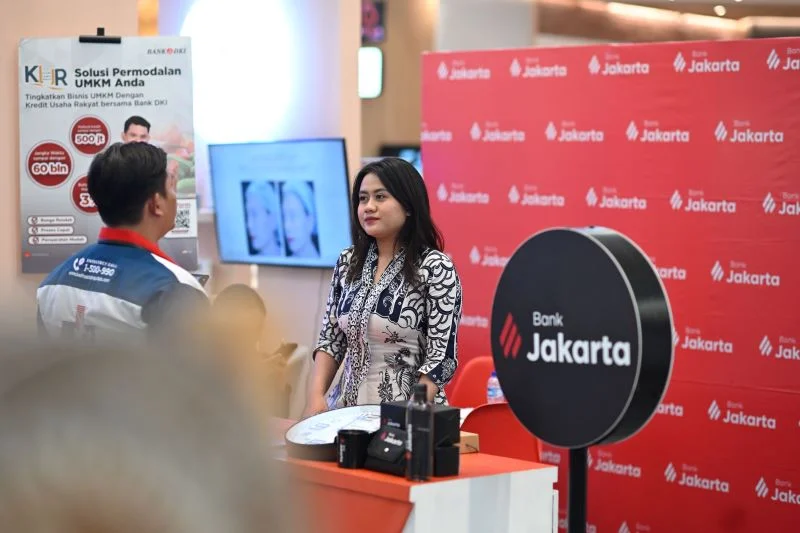
Consistently Running Transformation Bank Jakarta Wins TOP BUMD Awards 2026

by Muslim July 21, 2025
written by Muslim

The provincial development bank, Bank Jakarta, has secured a prestigious sweep of accolades at the TOP BUMD Awards 2026, marking a significant milestone in its ongoing institutional transformation. The awards ceremony, held in Jakarta on Monday, April 13, 2026, was organized by Top Business Magazine in collaboration with the Institute for Regional Autonomy (i-OTDA) and several independent national institutions. This recognition serves as a testament to the bank’s resilience and strategic evolution within a rapidly shifting financial landscape, highlighting its success in maintaining high performance while navigating the complexities of modern banking.

During the event, Bank Jakarta was honored with the "TOP BUMD Awards 2026 BPD Bintang 5 (Excellent)" category, the highest tier of recognition for regional development banks. Furthermore, the bank’s leadership received individual acclaim, with Agus Haryoto Widodo, the President Director of Bank Jakarta, being named "TOP CEO BUMD 2026." The institution also secured a "Golden Trophy," a distinction typically reserved for entities that have maintained peak performance levels over consecutive years. In a parallel recognition of provincial support, the Governor of Jakarta, Pramono Anung, was awarded the title of "TOP Pembina BUMD 2026" for his role in fostering a conducive environment for the bank’s growth and corporate governance.

A Rigorous Selection Process and National Benchmarking

The TOP BUMD Awards 2026 is regarded as one of the most comprehensive and rigorous assessment programs for Regionally Owned Enterprises (BUMDs) in Indonesia. Since its inception in 2016, the program has aimed to encourage BUMDs to improve their performance and contribution to regional development. The 2026 edition involved an exhaustive evaluation of more than 1,170 BUMDs from across the Indonesian archipelago.

The judging process was multifaceted, designed to filter only the most exceptional performers. It began with an initial selection based on financial reports and public records, followed by the distribution of detailed questionnaires focusing on business achievement, improvement, and contribution. Shortlisted candidates then underwent "deep interviews" with a panel of experts, including academics, consultants, and senior business practitioners. The final stage involved a plenary session of the jury to determine the winners based on objective criteria such as business performance, innovation, corporate governance (GCG), and the tangible impact the enterprise has on the local economy.

The "Bintang 5" (5-Star) rating achieved by Bank Jakarta indicates that the bank is not only performing well financially but is also considered "Excellent" in terms of its management systems, use of technology, and alignment with the regional government’s developmental goals. For a regional bank, this rating signifies a level of maturity that rivals major national private and state-owned commercial banks.

Leadership and Vision: Navigating the Digital Era

In his official statement following the ceremony, President Director Agus Haryoto Widodo expressed profound gratitude to the bank’s customers and stakeholders. He emphasized that the awards are not an end goal but rather a catalyst for further improvement. He noted that the trust placed in Bank Jakarta by the public is the primary driver behind the bank’s consistent efforts to refine its services.

"It is a matter of great pride for us to continue providing the best service and contributing to the development of the City of Jakarta," Widodo stated. He further explained that the current focus of the bank is to sustain its transformation agenda. This is particularly crucial given the "realities of a banking industry landscape that is changing very quickly."

The transformation mentioned by Widodo encompasses several key areas:

  1. Digital Integration: Moving beyond traditional branch-based banking to a robust mobile and internet banking ecosystem.
  2. Customer Behavior Adaptation: Tailoring products to meet the needs of a younger, tech-savvy demographic that demands instant transactions.
  3. Technological Advancement: Implementing AI-driven analytics and blockchain-ready infrastructure to enhance security and operational efficiency.
  4. Market Competition: Remaining competitive against both traditional banks and the burgeoning fintech sector.

Widodo pointed out that as expectations for Bank Jakarta continue to rise, the institution has "no choice but to change continuously." This proactive stance is seen as the reason why the bank has managed to stay relevant despite the aggressive entry of digital-only banks into the Jakarta market.

Strategic Market Presence: The "Shine n Smile" Event

The bank’s commitment to engagement was recently demonstrated at the "Shine n Smile" exhibition organized by 10X at Living World Alam Sutera. During this event, Bank Jakarta staff were actively involved in educating the public about the bank’s latest product offerings, which include specialized credit schemes for small businesses and integrated digital payment solutions for urban residents.

This event highlighted the bank’s strategy of "approaching the customer." By participating in lifestyle and community-focused exhibitions, Bank Jakarta is successfully shedding its image as a purely bureaucratic regional office and repositioning itself as a lifestyle-enabling financial partner. The "Shine n Smile" event served as a microcosm of the bank’s broader retail strategy—combining high-tech digital solutions with high-touch personal service.

Supporting the "Global City" Ambition

As Jakarta transitions into a "Global City" following the relocation of the national capital to Nusantara (IKN), the role of Bank Jakarta has become increasingly pivotal. Arie Rinaldi, the Corporate Secretary of Bank Jakarta, elaborated on this vision, stating that the bank aims to be more than just a financial intermediary; it seeks to be an "enabler" of Jakarta’s economic growth.

"Through various initiative steps, Bank Jakarta is optimistic that it can continue to accelerate and take on a larger role as an enabler of Jakarta’s growth as a global city," Rinaldi said. This involves supporting large-scale infrastructure projects, facilitating international trade for local businesses, and ensuring that the city’s financial ecosystem is resilient enough to attract foreign investment.

The transformation of Bank Jakarta is intrinsically linked to the city’s urban development goals. By digitizing the payment systems for public transportation, parking, and social assistance, the bank is helping the provincial government create a "Smart City" environment. This integration ensures a steady stream of low-cost funds for the bank while providing unparalleled convenience for the citizens of Jakarta.

Financial Performance and Socio-Economic Impact

While the 2026 awards highlight qualitative successes, they are backed by strong quantitative data. In the fiscal year leading up to the awards, Bank Jakarta reported significant growth in its asset base and a healthy Net Interest Margin (NIM) that outperformed several of its regional peers. The bank’s Non-Performing Loan (NPL) ratio remained well below the industry average, a result of disciplined risk management and a deep understanding of the local market.

The bank’s contribution to the Regional Original Income (PAD) of Jakarta remains one of its most important metrics. By delivering consistent dividends to the provincial government, Bank Jakarta directly funds public services, education, and healthcare in the capital. The "TOP Pembina BUMD" award given to Governor Pramono Anung reflects this synergy between the bank’s commercial success and the government’s social mandates.

Future Outlook: Innovation and Adaptation

Looking ahead to the remainder of 2026 and into 2027, Bank Jakarta plans to further expand its digital footprint. Industry analysts suggest that the bank may soon explore more advanced financial services, such as green financing for sustainable urban projects and expanded micro-loan programs for the informal sector, which remains a backbone of the Jakarta economy.

The "Golden Trophy" won this year suggests a high level of consistency, but the banking sector is notoriously volatile. The challenge for Bank Jakarta will be to maintain its "Bintang 5" status in the face of potential global economic headwinds and the ever-present threat of cybersecurity breaches. To mitigate these risks, the bank has reportedly increased its capital expenditure for IT security and staff training programs.

The success at the TOP BUMD Awards 2026 serves as a validation of the path chosen by the bank’s management. By focusing on transformation, innovation, and regional contribution, Bank Jakarta has set a benchmark for other regional development banks in Indonesia. As the institution continues to evolve, its journey offers a roadmap for how traditional state-linked entities can successfully pivot to meet the demands of the 21st-century digital economy.

The recognition in Jakarta on April 13 is not merely a celebration of past achievements but a signal of the bank’s readiness for the future. With a strong leadership team under Agus Haryoto Widodo and the strategic backing of the provincial government, Bank Jakarta appears well-positioned to navigate the complexities of Jakarta’s future as a global economic hub. The bank’s story remains a compelling example of how institutional will and a clear vision can transform a regional player into a national leader in excellence.


July 21, 2025 0 comment
0 FacebookTwitterPinterestEmail
Property

Global Uncertainty Triggers Surge in Digital Gold Transactions as ICDX Reports Record First Quarter Growth

by Asep Darmawan July 20, 2025
written by Asep Darmawan

The Acting President Director of the Indonesia Commodity and Derivatives Exchange (ICDX), Nursalam, has observed a significant shift in public investment behavior, noting that a growing segment of the Indonesian population is exhibiting a "latah" or impulsive trend-following behavior in purchasing gold amid heightening global uncertainty. This phenomenon has manifested in a dramatic spike in digital gold transaction volumes, which have surged during the first three months of 2024 to levels that nearly eclipse the total performance of the previous year. Speaking at the "Gold Under Fire: Investasi Emas di Tengah Gejolak Dunia" event held on Wednesday, April 15, Nursalam highlighted that the momentum for gold investment has shifted from a long-term strategic move to a reactive response to geopolitical tensions and economic instability.

According to data provided by the ICDX, the volume of digital gold transactions in 2023 reached a total of 56 tons. However, the first quarter of 2024 alone has already seen a staggering 31 tons of gold traded through the exchange’s digital platforms. This figure represents more than 50 percent of the entire previous year’s volume achieved in just 25 percent of the time, signaling an unprecedented appetite for the precious metal among domestic investors. Nursalam emphasized that while the high interest is a positive sign for the commodity market’s liquidity, the underlying motivation—driven by a "latah" mentality—suggests that many investors only flock to the asset once a crisis is already underway rather than building a portfolio during periods of calm.

The Psychology of the Safe Haven Asset

The term "latah," commonly used in Indonesian culture to describe a person who spontaneously mimics others or follows a trend without deep thought, was used by Nursalam to characterize the current rush toward gold. He noted that many people wait for major geopolitical disruptions, such as the escalation of conflicts in the Middle East or Eastern Europe, before deciding to move their capital into gold. This reactive approach often leads to investors buying at peak prices when the market is already saturated with high demand. Nursalam argued that gold should ideally be a consistent part of an investment portfolio, regardless of whether a war or economic crisis is currently making headlines.

Historically, gold has been the premier "safe haven" asset. Unlike fiat currencies, which can be devalued by central bank policies or hyperinflation, gold maintains intrinsic value. In times of geopolitical turmoil, such as the ongoing tensions between Iran and Israel or the protracted conflict in Ukraine, investors instinctively flee volatile equities and weakening currencies in favor of the stability offered by gold. Nursalam explained that the perception of gold as an instrument that "always goes up" in the long run reinforces its status as the primary choice for wealth preservation when the global landscape becomes unpredictable.

Comparative Data and Market Acceleration

The acceleration of gold trading in Indonesia is not merely a psychological shift but is backed by robust market data. The jump from 56 tons in the full year of 2023 to 31 tons in just the first quarter of 2024 suggests that if current trends continue, the ICDX could facilitate over 100 tons of gold transactions by the end of the year. This would represent a nearly 100 percent year-on-year growth rate. This surge coincides with a period where international gold prices have repeatedly broken all-time highs, frequently hovering above the $2,300 to $2,400 per ounce mark.

Several factors contribute to this localized spike in Indonesia:

  1. Currency Volatility: The Indonesian Rupiah has faced pressure against the US Dollar, prompting local investors to hedge their savings in gold to protect against the loss of purchasing power.
  2. Inflationary Pressure: As global supply chains remain strained and energy prices fluctuate due to Middle Eastern instability, gold serves as a classic hedge against inflation.
  3. Institutional Adoption: Beyond individual retail investors, more local financial institutions are integrating gold-backed products into their offerings, increasing the overall volume flowing through exchanges like the ICDX.

The Digital Transformation and Gen Z Participation

One of the most significant drivers of the current gold rush is the democratization of access through digital technology. Nursalam pointed out that the barrier to entry for gold investment has vanished. In previous decades, buying gold required visiting a physical store, dealing with security concerns regarding storage, and often purchasing in large, expensive increments. Today, the "Gen Z" demographic—those born between the late 1990s and early 2010s—is entering the market in record numbers because they can purchase fractional amounts of gold via smartphone applications.

Digital gold allows an investor to buy as little as 0.01 grams of gold with a few taps on a mobile device. This ease of transaction has aligned perfectly with the digital-first lifestyle of younger Indonesians. Nursalam noted that the ICDX has seen a visible increase in younger participants who treat digital gold almost like a savings account. By removing the logistical hurdles of physical storage and the high capital requirements of bullion bars, digital platforms have allowed the "latah" trend to spread even faster, as social media influence and real-time news alerts can trigger immediate buying sprees among tech-savvy youth.

Bos ICDX: Banyak Orang Latah Beli Emas

Regulatory Framework and Investor Protection

As the volume of digital gold transactions grows, the role of regulatory bodies like the Commodity Futures Trading Regulatory Agency (Bappebti) and exchanges like the ICDX becomes increasingly critical. The Indonesian government has worked to formalize the digital gold market to ensure that every gram of gold traded digitally is backed by physical gold held in secure, audited vaults. This regulatory oversight is what distinguishes legitimate digital gold trading from the various fraudulent "gold investment" schemes that have historically plagued the Indonesian market.

The ICDX serves as the clearinghouse and exchange that ensures price transparency and contract fulfillment. By providing a centralized platform, the ICDX helps stabilize the market and provides a reference price that reflects both international market movements and local demand. For investors following the current trend, this infrastructure provides a layer of security, ensuring that their digital holdings are legally recognized and physically collateralized.

Geopolitical Context: Why Now?

The timing of this surge is intrinsically linked to the "Gold Under Fire" theme discussed by Nursalam. In early 2024, the world witnessed a series of escalations that unsettled global markets. The threat of a direct confrontation between major powers in the Middle East led to a "risk-off" sentiment globally. When investors are afraid, they sell assets that depend on economic growth (like stocks) and buy assets that depend on scarcity and history (like gold).

Furthermore, central banks around the world, particularly in emerging markets, have been increasing their gold reserves at record rates. This institutional buying provides a "floor" for gold prices, giving retail investors the confidence to follow suit. When the public sees both geopolitical turmoil and central bank accumulation, the "latah" response is almost inevitable. The narrative that gold is the only "true money" gains traction, leading to the massive volume increases reported by the ICDX.

Analysis of Implications for the Indonesian Economy

While the surge in gold transactions is a boon for the ICDX and the digital trading ecosystem, it carries broader implications for the Indonesian economy. On one hand, a population that holds a significant portion of its wealth in gold is more resilient to local currency devaluations. This can act as a shock absorber during periods of economic instability. On the other hand, a massive shift of capital from productive investments (like the stock market or business expansion) into a "static" asset like gold can sometimes slow down economic circulation.

However, the "digital" nature of this trend offers a middle ground. Digital gold is highly liquid. Unlike a physical gold bar that might sit in a safe for a decade, digital gold can be sold and converted back into Rupiah instantly, allowing investors to move their capital back into the economy as soon as they perceive the "geopolitical fire" has been extinguished.

Future Outlook: Will the Trend Sustain?

Nursalam’s observations suggest that the current momentum is unlikely to dissipate in the near term. As long as interest rates in the United States remain a point of contention and geopolitical hotspots remain active, gold will continue to attract both strategic and "latah" investors. The ICDX expects the digital gold segment to continue its upward trajectory, potentially becoming a primary pillar of the Indonesian commodity trading landscape.

The challenge for the industry moving forward will be to transition these "trend-followers" into "informed investors." Educational initiatives, such as the forum where Nursalam spoke, aim to teach the public that while gold is a vital safe haven, investment decisions should be based on diversified financial planning rather than panic-driven responses to news cycles.

In conclusion, the report from the ICDX serves as a barometer for the current state of global anxiety. The fact that 31 tons of gold were traded in a single quarter reflects a society that is increasingly wary of traditional financial systems and is looking toward the oldest form of wealth for security. Whether driven by Gen Z’s digital adoption or the "latah" behavior of the general public, gold has firmly re-established itself at the center of the Indonesian investment consciousness. As Nursalam succinctly put it, the world doesn’t need to wait for a war to recognize the value of gold, but the current geofire has certainly ensured that everyone is now paying attention.

July 20, 2025 0 comment
0 FacebookTwitterPinterestEmail
Property

PT Binakarya Jaya Abadi Pursues Aggressive Expansion Strategy with New Property Projects and Strategic IPO to Fuel Long-Term Growth

by Rifan Muazin July 19, 2025
written by Rifan Muazin

The Indonesian property sector continues to demonstrate resilience and significant growth potential, prompting major industry players to solidify their market positions through strategic expansion and vertical integration. PT Binakarya Jaya Abadi, a prominent developer in the national real estate landscape, has officially announced a multi-pronged expansion strategy involving the development of three major new projects and a significant foray into the industrial manufacturing sector. This strategic move is supported by a planned Initial Public Offering (IPO) on the Indonesia Stock Exchange (IDX), intended to provide the necessary capital for infrastructure development, debt restructuring, and operational scaling.

Budianto Halim, the President Director of PT Binakarya Jaya Abadi, articulated the company’s optimistic outlook during a press conference in Jakarta, noting that the demand for both residential and hospitality assets remains robust. The company’s expansion roadmap is designed to capitalize on specific regional growth drivers, particularly in the tourism hub of Bali and the rapidly urbanizing industrial corridor of Bekasi, West Java. These projects will be executed through various subsidiary entities, allowing for specialized management and optimized operational efficiency.

Strategic Real Estate Developments in Bali and West Java

The first phase of the expansion focuses on the hospitality sector in Bali, a region that continues to be the crown jewel of Indonesian tourism. PT Binakarya Jaya Abadi is currently overseeing the development of Hotel Horisan Bali. This project, covering an area of 2,000 square meters, is strategically positioned to cater to the mid-scale hospitality market. According to the company’s timeline, construction and interior fit-outs are slated for completion by 2017. The project aims to meet the rising demand for modern, efficient accommodation options for domestic and international travelers who seek quality service at competitive price points.

Following the Horisan project, the company is also developing the Hotel Dhyana Pura in the upscale Seminyak district of Bali. This project is significantly larger in scale, spanning approximately 13,000 square meters. Seminyak has evolved into a premier destination for luxury lifestyle and high-end tourism, making this development a cornerstone of Binakarya’s hospitality portfolio. The completion of Hotel Dhyana Pura is targeted for 2018. Analysts suggest that the choice of Seminyak reflects the developer’s intent to capture a higher-spending demographic, diversifying their revenue streams within the hospitality segment.

In addition to its hospitality ventures, PT Binakarya Jaya Abadi is addressing the pressing need for urban housing in West Java through the Juanda Apartment project in Bekasi. With a land area exceeding 11,000 square meters, this high-rise residential development is designed to serve the growing population of professionals working in the Bekasi and East Jakarta industrial zones. The project is expected to be finalized by 2019. The Juanda Apartment development aligns with the broader trend of Transit-Oriented Development (TOD) in the Greater Jakarta area, as Bekasi continues to benefit from improved infrastructure, including toll roads and mass transit expansions.

"Our future planning involves the continuous identification and acquisition of potential land banks," Halim stated. "The acquisition of strategic land is the lifeblood of property development, and we are committed to securing locations that offer long-term value appreciation for our shareholders and high utility for our customers."

Industrial Diversification: The Rise of Betacon

Beyond traditional real estate development, PT Binakarya Jaya Abadi has taken a significant step toward vertical integration by establishing a lightweight brick manufacturing facility under the brand name Betacon. This move is designed to mitigate supply chain risks and improve profit margins by producing essential construction materials in-house. Lightweight bricks, also known as Autoclaved Aerated Concrete (AAC), have become the preferred material in modern construction due to their superior thermal insulation, fire resistance, and ease of installation compared to traditional red bricks.

The Betacon facility currently boasts a production capacity of 180,000 cubic meters per year. Budianto Halim emphasized that this industrial wing is not merely a support function but a viable commercial entity in its own right. The market for lightweight bricks in Indonesia is expanding rapidly as developers seek more sustainable and cost-effective building solutions.

Currently, the distribution of Betacon products follows a dual-track strategy. Approximately 78 percent of the production is sold to external markets, including other developers and retail construction suppliers. The remaining 22 percent is absorbed internally by PT Binakarya Jaya Abadi’s own property projects. This internal consumption ensures that the company’s developments benefit from high-quality materials and controlled costs, while the external sales provide a steady stream of diversified revenue. In 2014, the Betacon business contributed roughly eight percent to the company’s total revenue, a figure that management expects to grow as production scales up to meet rising market demand.

Financial Strategy and the Initial Public Offering (IPO)

To finance this ambitious growth trajectory, PT Binakarya Jaya Abadi has moved forward with its Initial Public Offering on the Indonesia Stock Exchange. The company plans to issue 238,150,769 new shares to the public. The price range for the offering has been set between Rp 900 and Rp 1,300 per share, with the goal of raising approximately Rp 310 billion in fresh capital.

The allocation of the IPO proceeds has been meticulously planned to balance growth with financial stability. According to the company’s prospectus:

  • 50 Percent for Capital Expenditure (Capex): This portion is dedicated to the physical development of the aforementioned property projects and the expansion of the Betacon manufacturing plant.
  • 30 Percent for Debt Refinancing: By paying down or restructuring existing high-interest debt, the company aims to improve its debt-to-equity ratio and reduce interest expenses, thereby enhancing overall profitability.
  • 20 Percent for Working Capital: These funds will support the day-to-day operations of the company, ensuring liquidity for project management, marketing, and administrative costs.

The timeline for the IPO was structured to ensure a smooth transition into the public market. The initial offering period took place from June 4 to June 11, 2015. Following the offering, the allotment of shares is scheduled for June 29, 2015, with the electronic distribution of shares following on June 30. The culmination of this process will be the formal listing and commencement of trading on the IDX, scheduled for July 1, 2015.

Market Context and Economic Implications

The decision by PT Binakarya Jaya Abadi to go public and expand its portfolio comes at a pivotal time for the Indonesian economy. In the mid-2010s, the Indonesian government under President Joko Widodo began a massive push for infrastructure development, which acted as a catalyst for the property sector. The expansion of toll roads, ports, and public transport systems has historically led to a surge in land values and a higher demand for both residential and commercial spaces.

Industry analysts observe that Binakarya’s focus on Bekasi is particularly strategic. As Jakarta becomes increasingly congested, the "buffer cities" like Bekasi have transformed from mere bedroom communities into self-sustaining economic hubs. The demand for vertical housing in these areas is driven by a burgeoning middle class that prioritizes proximity to transport hubs and modern amenities.

Furthermore, the diversification into manufacturing (Betacon) reflects a growing trend among Indonesian conglomerates to control the entire value chain. By producing their own bricks, Binakarya is less vulnerable to the price fluctuations of raw materials and the logistical delays that often plague the construction industry. This model of "self-sufficiency" is increasingly seen as a hedge against economic volatility.

Broader Impact on the Property Landscape

The success of PT Binakarya Jaya Abadi’s expansion is expected to have several positive externalities for the Indonesian economy. First, the construction of three major projects will generate thousands of direct and indirect jobs, from engineering and architectural roles to manual labor and hospitality staff. Second, the increase in the supply of high-quality hotel rooms in Bali supports the national goal of increasing foreign exchange earnings through tourism.

From an investor perspective, the IPO offers a new opportunity for the public to participate in the growth of a diversified property and industrial company. However, market observers also note the challenges ahead, including potential fluctuations in interest rates which can affect mortgage affordability and the overall cost of capital for developers.

As PT Binakarya Jaya Abadi prepares for its listing on July 1, the eyes of the investment community are on the company’s ability to execute its timeline. The completion of the Horisan Bali, Dhyana Pura, and Juanda projects will be the primary benchmarks by which the market judges the company’s performance in the coming years. With a clear strategy that combines real estate development with industrial manufacturing, the company is positioning itself not just as a developer, but as a comprehensive infrastructure and building solutions provider in one of Southeast Asia’s most dynamic markets.

July 19, 2025 0 comment
0 FacebookTwitterPinterestEmail
Culinary

Indonesian Food Truck Kangen Indo Launches in Mascot Sydney as a New Cultural and Culinary Bridge for the Diaspora

by Iffa Jayyana July 17, 2025
written by Iffa Jayyana

The culinary landscape of Sydney, Australia, has been further enriched with the official launch of Kangen Indo’s first food truck in the Mascot area, marking a significant milestone for the Indonesian diaspora and the local food scene. Launched on Wednesday, July 9, 2025, this mobile culinary initiative is a strategic expansion of the Kangen Indo brand, which first established its presence as a creative hub and retail space on Sussex Street. By bringing authentic Indonesian street food to the streets of Mascot, the project aims to serve as more than just a commercial venture; it is designed to function as a "cultural bridge" that connects the heritage of the Indonesian archipelago with the multicultural fabric of Australian society.

The term "Kangen," which translates to "longing" or "nostalgia" in Indonesian, serves as the cornerstone of the brand’s identity. Since its inception, Kangen Indo has sought to alleviate the homesickness of the thousands of Indonesians living in New South Wales while simultaneously introducing the vibrant flavors of Nusantara to a broader international audience. The launch of the food truck represents a transition from a static retail model to a dynamic, community-focused mobile platform capable of reaching diverse demographics in one of Sydney’s most rapidly developing suburbs.

A High-Profile Launch and Diplomatic Endorsement

The official inauguration of the Kangen Indo food truck was attended by high-ranking officials from both the Australian and Indonesian governments, signaling the project’s importance beyond the hospitality sector. Among the distinguished guests were The Honourable Matt Thistlethwaite MP, who serves as the Assistant Minister for Foreign Affairs and Trade as well as the Assistant Minister for Immigration, and Dr. Siswo Pramono, the Ambassador of the Republic of Indonesia to Australia and the Republic of Vanuatu.

The presence of these officials underscores the role of "gastrodiplomacy"—the use of food as a tool for cultural diplomacy and international relations. In his remarks, Ambassador Siswo Pramono highlighted that initiatives like Kangen Indo play a vital role in strengthening the "people-to-people" links that form the foundation of the Australia-Indonesia relationship. By showcasing Indonesian culture through accessible and high-quality food, the diaspora acts as informal ambassadors, fostering mutual understanding and appreciation between the two nations.

Assistant Minister Matt Thistlethwaite noted the contribution of the Indonesian community to Australia’s multicultural success. He emphasized that small businesses and creative platforms like Kangen Indo are essential to the economic vitality of local councils like Bayside and the City of Sydney. The launch event was characterized by a festive atmosphere, blending official protocols with the warmth of Indonesian hospitality, featuring traditional interactions and a shared appreciation for the culinary offerings.

Culinary Profile: Authenticity Meets Australian Quality

The Kangen Indo food truck focuses on a curated menu of "jajanan kaki lima" or traditional Indonesian street food. The primary offerings include Bakso (Indonesian meatball soup) and Roti Bakar (Indonesian-style grilled bread). These items were specifically chosen for their deep-rooted associations with Indonesian daily life and their status as comfort foods that evoke a sense of home.

Bakso, a staple of Indonesian street cuisine, is typically served in a savory broth with noodles, tofu, and various condiments. Kangen Indo emphasizes the use of high-quality Australian beef to produce these meatballs, ensuring that the product meets the stringent health and quality standards of the Australian market while maintaining the authentic texture and flavor profile expected by connoisseurs. This fusion of Indonesian recipes and Australian raw materials exemplifies the economic synergy between the two countries.

Roti Bakar, another highlight of the menu, offers a variety of sweet and savory toppings. In Indonesia, Roti Bakar stalls are traditional gathering spots for youth and families in the evenings. By offering this in Mascot, Kangen Indo replicates the social ritual of late-night dining that is prevalent in cities like Jakarta, Bandung, and Yogyakarta. The focus on "simple yet meaningful" food allows the brand to maintain an accessible price point while delivering a high-impact sensory experience.

Strategic Location and Community Impact in Mascot

The choice of Mascot as the primary location for the food truck is highly strategic. Mascot is a major transport and residential hub, located in close proximity to Sydney (Kingsford Smith) Airport and housing a significant population of young professionals, international students, and migrant families. The suburb has seen a massive increase in high-density residential developments over the last decade, creating a high demand for diverse and convenient dining options.

For the Indonesian diaspora, which according to the Australian Bureau of Statistics (ABS) has a strong presence in the inner-south and eastern suburbs of Sydney, the food truck serves as a localized gathering point. Beyond the food, the truck is designed to be a "community space." On specific evenings, the venue features live music performances, creating an atmosphere that mirrors the vibrant night markets of Indonesia. This social element is crucial for the diaspora, providing a space where the Indonesian language, music, and social customs can be practiced and shared.

The operating hours—Thursday through Sunday, from 4:00 PM to 9:00 PM—are tailored to capture the "after-work" and weekend evening crowds. This schedule aligns with the traditional peak times for street food consumption in Indonesia, further enhancing the authenticity of the experience.

The Broader Context: Indonesia-Australia Economic and Cultural Ties

The emergence of ventures like Kangen Indo must be viewed within the broader context of the Indonesia-Australia Comprehensive Economic Partnership Agreement (IA-CEPA). This agreement aims to increase bilateral trade and investment, and the food and beverage sector is a key area of focus. By establishing a successful business model in Sydney, Kangen Indo demonstrates the potential for Indonesian creative industries to scale internationally.

Data from the Indonesian Ministry of Trade suggests that the "Indonesia Spice Up the World" program—a government-backed initiative to increase the export of Indonesian spices and the number of Indonesian restaurants abroad—is finding fertile ground in Australia. Sydney, with its sophisticated palate and appreciation for Asian cuisines, serves as an ideal testing ground for these culinary exports.

Furthermore, the Indonesian diaspora in Australia is one of the most active in terms of cultural promotion. There are approximately 100,000 people of Indonesian descent living in Australia, with a significant concentration in New South Wales. This demographic provides a ready-made customer base while also acting as a bridge to introduce local Australians to Indonesian products. The success of Kangen Indo’s food truck is likely to inspire other diaspora entrepreneurs to explore mobile business models, which offer lower overhead costs compared to traditional brick-and-mortar restaurants.

Chronology of Development: From Store to Street

The journey of Kangen Indo began as a creative space on Sussex Street in Sydney’s Central Business District. This initial location served as a boutique and cafe, offering a range of Indonesian products and snacks. The success of the Sussex Street location proved that there was a sustainable demand for high-quality, branded Indonesian experiences that moved beyond the traditional "warung" (small family-owned restaurant) model.

The decision to launch a food truck was a response to the changing urban dynamics post-pandemic, where outdoor dining and mobile food services gained significant popularity. The development of the food truck involved several months of planning, including securing local council permits, customizing the vehicle to meet health and safety regulations, and refining a menu that could be efficiently prepared in a mobile kitchen without compromising on taste.

The timeline of the Kangen Indo expansion reflects a broader trend in the Australian hospitality industry:

  1. Initial Phase: Establishing a brand identity through a fixed creative hub (Sussex Street).
  2. Market Testing: Identifying high-demand items (Bakso and Roti Bakar) and gathering feedback from the diaspora.
  3. Mobilization: Designing and launching the food truck to reach suburban markets like Mascot.
  4. Community Integration: Incorporating live music and social events to build brand loyalty.

Implications for the Future of Gastrodiplomacy

The launch of the Kangen Indo food truck is a testament to the resilience and creativity of the Indonesian diaspora. It represents a sophisticated approach to business that combines cultural heritage with modern marketing and operational standards. As the food truck becomes a fixture in Mascot, it is expected to contribute to the "normalization" of Indonesian flavors in the Australian diet, moving them from "niche" or "exotic" to a standard part of the multicultural culinary landscape.

From a diplomatic perspective, the project serves as a model for how government support and private initiative can work together. The presence of Ambassador Siswo Pramono and Assistant Minister Matt Thistlethwaite at the launch suggests that both governments recognize the value of such enterprises in building a "social infrastructure" between the two nations.

In the long term, Kangen Indo’s success could pave the way for more Indonesian food trucks across Sydney and other major Australian cities like Melbourne and Perth. By focusing on quality, authenticity, and community, Kangen Indo is not just selling food; it is sharing a piece of the Indonesian soul, one bite at a time. The food truck stands as a vibrant reminder that while the diaspora may be thousands of miles from their homeland, the tastes and sounds of Indonesia are never truly out of reach.

July 17, 2025 0 comment
0 FacebookTwitterPinterestEmail
Culinary

The Global Expansion of Media Franchises and the Strategic Evolution of CNN Indonesia within the Southeast Asian Information Ecosystem

by Reynand Wu July 17, 2025
written by Reynand Wu

The landscape of international journalism has undergone a profound transformation over the last decade, characterized by the rise of localized versions of global news brands that cater to specific regional demographics while maintaining international standards of reporting. At the forefront of this evolution in Southeast Asia is CNN Indonesia, a collaborative venture between the Indonesian media conglomerate Trans Media and the Atlanta-based Cable News Network (CNN), a subsidiary of Warner Bros. Discovery. This partnership represents a sophisticated model of "glocalization," where the authoritative brand equity of a Western news giant is integrated with the cultural nuance and local expertise of a domestic powerhouse. By examining the operational framework, regulatory adherence, and strategic positioning of such entities, one gains insight into the broader mechanisms of global soft power, the economics of modern broadcasting, and the rigorous ethical standards required to navigate the complex socio-political environment of the world’s fourth most populous nation.

The Institutional Framework of CNN Indonesia and Trans Media

CNN Indonesia operates under a licensing agreement that grants Trans Media the right to use the CNN brand name and logo, while adhering to the editorial standards and practices established by the Cable News Network. Trans Media, a subsidiary of CT Corp—founded and chaired by the prominent Indonesian entrepreneur Chairul Tanjung—holds a significant share of the Indonesian media market, also owning terrestrial stations such as Trans TV and Trans7. The establishment of CNN Indonesia in 2015 marked a pivotal moment in the country’s media history, as it was the first time a global news brand had established a comprehensive, 24-hour news presence in the Indonesian language (Bahasa Indonesia).

The corporate structure mentioned in the network’s legal disclosures highlights the enduring legacy of the "Time Warner" branding, which, despite several high-profile mergers and acquisitions—including the transition to WarnerMedia and the subsequent merger with Discovery Inc.—remains a foundational pillar of the network’s identity. This institutional continuity ensures that the Indonesian outlet is part of a vast global network that includes CNN U.S., CNN International, and specialized language services such as CNN en Español, CNN Arabic, and CNN Japanese. These connections are not merely cosmetic; they facilitate a reciprocal flow of information where local Indonesian news reaches a global audience, and international breaking news is localized for the Indonesian public with unprecedented speed and accuracy.

Chronology of Development and Market Entry

The trajectory of CNN Indonesia began in early 2014 when the partnership between Turner Broadcasting System (then a division of Time Warner) and Trans Media was officially announced. The objective was clear: to fill a vacuum in the Indonesian market for high-quality, non-partisan, and investigative news that could compete with established domestic news-only channels.

  1. February 2014: The strategic partnership is signed in Jakarta, signaling the intent to launch a multi-platform news service including a digital portal and a television channel.
  2. October 2014: The digital portal, CNNIndonesia.com, is launched. It serves as a precursor to the television broadcast, establishing a digital-first footprint in a country with a rapidly growing mobile-internet user base.
  3. August 2015: CNN Indonesia TV officially begins broadcasting. The launch coincided with the 70th anniversary of Indonesian Independence, emphasizing its commitment to the nation’s development.
  4. 2016–2020: The network expands its reach through cable, satellite, and eventually digital streaming platforms, integrating with the "DetikNetwork" ecosystem, another CT Corp asset, to maximize digital traffic and ad revenue.
  5. 2021–Present: The network pivots toward a more robust digital-video strategy, recognizing the shift in consumer habits toward short-form content and live-streaming news.

Regulatory Environment and the Cyber Media Guidelines

A critical component of CNN Indonesia’s operational integrity is its adherence to the "Pedoman Media Siber" or Cyber Media Guidelines. In Indonesia, the press is regulated by Law No. 40 of 1999 concerning the Press, but the rapid rise of digital news necessitated a more specific framework. The Cyber Media Guidelines were formulated by the Indonesian Press Council (Dewan Pers) in collaboration with various media organizations to ensure that online journalism maintains the same ethical rigor as traditional print and broadcast media.

These guidelines cover essential aspects of digital journalism, including the verification of information, the handling of user-generated content, the right to reply, and the clear distinction between editorial content and advertising. For a global brand like CNN, which prides itself on objectivity, these local regulations provide a necessary legal and ethical anchor. By prominently displaying links to these guidelines and their internal editorial policies (Redaksi), the organization signals transparency to its audience—a vital commodity in an era of "fake news" and digital disinformation.

Supporting Data: The Indonesian Media Landscape

To understand the impact of CNN Indonesia, one must look at the data surrounding media consumption in the region. Indonesia has over 212 million internet users as of early 2024, representing a penetration rate of approximately 77%. Within this digital population, news consumption is a primary activity. According to industry reports, CNNIndonesia.com consistently ranks among the top news sites in the country, often competing for the lead with other major portals like Kompas.com and Detik.com.

Furthermore, the Indonesian television market remains highly competitive. While traditional "free-to-air" entertainment channels still command the largest audiences, the demand for specialized news has grown among the urban middle class and the business community. Data suggests that during major national events—such as the 2024 general elections—news channels experience a viewership surge of over 40%, highlighting the public’s reliance on established brands for credible information.

Global Network Integration and Comparative Reach

The footer of the CNN Indonesia platform lists an extensive array of international affiliates, including CNN Chile, CNN México, and CNN Türk. This list is indicative of the "CNN Effect"—the theory that 24-hour news networks have a significant influence on the political and economic decisions of states. By maintaining these diverse linguistic and regional branches, CNN creates a feedback loop of global intelligence.

For instance, when a geopolitical event occurs in the Middle East, CNN Indonesia can leverage the resources and direct reporting of CNN Arabic. Conversely, during the 2022 G20 summit held in Bali, CNN Indonesia served as a primary source of local intelligence for the broader CNN global network. This synergy allows for a level of depth in reporting that purely domestic stations often struggle to match, particularly regarding the economic implications of international events on the Indonesian Rupiah or the domestic stock exchange (IDX).

Official Responses and Stakeholder Perspectives

While official statements from Trans Media executives often emphasize the "educational mission" of the network, industry analysts point to the strategic economic benefits. Chairul Tanjung has frequently noted in public forums that the goal of his media empire is not just to provide entertainment but to "intellectualize the nation." This sentiment is echoed by the Indonesian Press Council, which has praised the entry of international standards into the local market as a means of raising the "bar of professionalism" for Indonesian journalists.

From the perspective of Warner Bros. Discovery, the Indonesian partnership serves as a blueprint for other emerging markets. By licensing the brand rather than attempting to manage a foreign subsidiary directly, the parent company mitigates political risk and capitalizes on the local partner’s understanding of domestic advertising markets and regulatory hurdles.

Analysis of Implications and Future Outlook

The existence and success of CNN Indonesia have several long-term implications for the media industry:

1. Professionalization of Digital Journalism

The strict adherence to the Cyber Media Guidelines by a market leader like CNN Indonesia forces other domestic players to improve their verification processes. This has a "trickle-down" effect on the quality of journalism across the country, fostering a more informed electorate.

2. The Dominance of Media Oligopolies

The partnership highlights the trend of media concentration in Indonesia. The fact that a single entity, CT Corp, controls multiple major TV stations and the leading news portal (Detik) raises questions about media pluralism. However, the presence of the CNN brand introduces an external set of editorial standards that may act as a check on purely domestic corporate interests.

3. Technological Adaptation

As the 2026 copyright notice suggests, the network is looking toward a future where digital rights and multi-platform distribution are paramount. The integration of AI in newsrooms and the shift toward personalized news feeds are the next frontiers. CNN Indonesia’s ability to leverage the technological R&D of its American parent company will likely give it a competitive edge in implementing these new technologies.

4. Language as a Bridge

By translating the global news ethos into Bahasa Indonesia, the network bridges a significant information gap. It allows Indonesians who may not be fluent in English to access high-level international analysis, thereby integrating Indonesia more deeply into the global discourse.

In conclusion, CNN Indonesia represents more than just a news outlet; it is a sophisticated intersection of global branding, local entrepreneurship, and regulatory compliance. As the media landscape continues to shift toward digital-first consumption, the foundations laid by the Trans Media and CNN partnership—built on the pillars of the Cyber Media Guidelines and a vast international network—position it as a resilient and influential force in the future of Southeast Asian journalism. The network’s commitment to "Tentang Kami" (About Us) and "Disclaimer" protocols ensures that even as it grows, it remains accountable to the public it serves.

July 17, 2025 0 comment
0 FacebookTwitterPinterestEmail
Culinary

Professional Techniques for Enhancing the Culinary Profile and Structural Integrity of Gourmet Chocolate Chip Cookies

by Neng Nana July 16, 2025
written by Neng Nana

The landscape of home baking has undergone a significant transformation in the digital age, as professional insights once reserved for culinary institutes are now disseminated through viral social media platforms. Villy Vovnyar, a professional baker and the creative force behind the popular TikTok account @cutie.goods, has recently garnered widespread acclaim for her methodical approach to perfecting the chocolate chip cookie. Her instructional content, which has reached a milestone of over 410,000 views, highlights a shift in consumer interest toward artisanal techniques that prioritize texture, flavor complexity, and ingredient quality over convenience. By analyzing the intersection of chemical reactions in baking and strategic ingredient selection, Vovnyar’s methodology provides a blueprint for elevating a classic American staple into a professional-grade confection.

The Strategic Selection of Chocolate and the Science of Melt

One of the primary tenets of Vovnyar’s approach involves a departure from the use of pre-packaged chocolate chips in favor of high-quality chocolate bars. From a journalistic and economic perspective, this recommendation serves two purposes: cost-efficiency and superior control over the final product’s organoleptic properties. Commercial chocolate chips are often formulated with stabilizers and a lower cocoa butter content to ensure they retain their shape under high heat. While this is beneficial for structural uniformity, it often results in a waxy mouthfeel and a less intense flavor profile.

Vovnyar suggests that purchasing chocolate bars and manually chopping them into irregular "shards" or "chunks" allows for a more dynamic eating experience. The varying sizes of the chocolate pieces ensure that some melt into the dough, creating "pockets" of fudge-like consistency, while others remain slightly more intact. Furthermore, she emphasizes the importance of flavor layering. By combining milk chocolate, dark chocolate, and semi-sweet varieties, bakers can create a sophisticated palate that balances the bitterness of high-cacao solids with the creamy sweetness of dairy-heavy chocolate. This multi-tonal flavor profile prevents the cookie from being "one-note" and appeals to a broader range of taste preferences.

The Role of Beurre Noisette in Flavor Development

A central pillar of Vovnyar’s recipe is the utilization of brown butter, known in professional French pastry circles as beurre noisette. The process of browning butter involves melting unsalted butter over low to medium heat until the water content evaporates and the milk solids begin to toast. This results in a chemical transformation known as the Maillard reaction, which produces a complex array of aromatic compounds reminiscent of toasted hazelnuts and caramel.

In the context of cookie chemistry, brown butter does more than just enhance flavor. Because the water has been cooked out, the fat content is more concentrated. Vovnyar notes that this results in a cookie with a significantly softer, more "toffee-like" texture. When combined with the sugars in the dough, the nutty notes of the butter provide a savory counterpoint to the sweetness, creating a balanced flavor profile that is often missing in standard recipes that use softened or creamed butter. The adoption of brown butter by home bakers reflects a growing trend in the culinary industry where traditional techniques are being repurposed to add depth to "comfort foods."

Advanced Mixing Techniques and Thermal Safety

Vovnyar’s methodology includes a less conventional step: the integration of hot milk and hot brown butter directly into the dough mixture. This technique, shared via her blog and social media, deviates from the standard "creaming method" where room-temperature butter and sugar are beaten together to incorporate air. By using warm liquids, the baker can influence how the sugars dissolve and how the flour hydrates.

However, this step requires a high degree of technical caution. Vovnyar warns that adding hot liquids to a mixture can cause bubbling or splattering, particularly if the ingredients are not introduced gradually. From a food science perspective, this "hot-mix" method can lead to a denser, chewier cookie, as the heat helps to partially dissolve the granulated sugars before the baking process even begins, leading to a more uniform caramelization in the oven.

The Critical Importance of Dough Hydration and Resting Periods

Perhaps the most significant technical advice offered by Vovnyar is the necessity of resting the cookie dough before it is placed in the oven. She recommends covering the dough with cling film and allowing it to sit at room temperature for at least 30 minutes, though many professional pastry chefs suggest up to 24 to 72 hours of refrigeration for optimal results.

The science behind this resting period involves two key factors: hydration and enzymatic breakdown. During the resting phase, the flour fully absorbs the moisture from the eggs and butter. This leads to a more consistent dough that spreads less during baking, resulting in a thicker cookie with a better "bite." Furthermore, enzymes in the flour begin to break down large starch molecules into smaller sugar molecules. This process, known as autolysis, enhances the browning of the cookie and deepens the overall flavor, making it taste more "mature" and less like raw flour and sugar. Vovnyar’s insistence on even a 30-minute rest highlights a commitment to quality that transcends the typical "quick-fix" nature of social media recipes.

Chronology of the Viral Baking Movement

The rise of Vovnyar’s "Cutie Goods" platform coincides with a broader cultural shift that began during the global lockdowns of 2020. As individuals spent more time at home, interest in "slow food" and artisanal baking surged. The timeline of this specific trend can be traced through several key phases:

  1. The Early 2020s Surge: Professional bakers began utilizing TikTok and Instagram to share "behind-the-scenes" secrets that were previously only taught in culinary schools.
  2. The "Brown Butter" Renaissance (2021-2022): Brown butter became a viral sensation, with search queries for the ingredient hitting all-time highs as home bakers sought to replicate the flavors of high-end bakeries.
  3. Vovnyar’s Viral Intervention (February 2023): On February 10, 2023, the Express and other international outlets picked up Vovnyar’s specific tips, catapulting her advice into the mainstream journalistic cycle.
  4. The Professionalization of the Home Kitchen (Present): Current trends show a move toward "science-based baking," where consumers are interested in the why behind the techniques, leading to the success of creators like Vovnyar who explain the mechanics of ingredients.

Market Data and Consumer Behavior in the Baking Industry

The popularity of these professional baking tips is reflected in broader market data. According to industry reports, the global biscuits and cookies market was valued at approximately $34 billion in 2023, with a projected compound annual growth rate (CAGR) of 5.3% through 2030. Within this market, there is a distinct sub-sector for "premium" and "artisanal" products.

Consumers are increasingly willing to pay a premium for high-quality ingredients, such as single-origin chocolate bars and grass-fed butter, to use in their home baking. The "Vovnyar Effect"—encouraging the purchase of chocolate bars over chips—aligns with a 12% increase in the sales of premium dark chocolate bars in the specialty food segment. This suggests that instructional content from professional bakers is not just influencing kitchen habits but is also driving specific retail trends in the grocery sector.

Expert Reactions and Culinary Implications

The culinary community has largely responded positively to the dissemination of these techniques. Professional pastry chefs note that Vovnyar’s advice is grounded in solid pâtisserie principles. The use of multiple types of chocolate, for instance, mimics the "couverture" blending techniques used by master chocolatiers to achieve a specific "snap" and flavor profile.

However, some experts suggest that the "hot milk and butter" method should be approached with an understanding of gluten development. Adding warm liquid to flour can speed up the formation of gluten, which, if overmixed, could lead to a tough cookie rather than a tender one. Therefore, the implication for the home baker is the need for a balance between following viral advice and understanding the foundational rules of dough handling.

Broad Impact on the Democratization of Culinary Knowledge

The success of Villy Vovnyar’s baking tips represents a broader democratization of culinary knowledge. In previous decades, a "secret recipe" was a guarded asset of a bakery or a family. Today, the transparency offered by professional bakers on social media has raised the standard for what is considered a "good" cookie.

This shift has forced commercial bakeries to innovate, as home bakers now have the tools and knowledge to produce cookies that rival or exceed store-bought versions. The emphasis on "layers of flavor," "textural contrast," and "scientific resting periods" has turned a simple household activity into a sophisticated pursuit of culinary excellence. As Vovnyar’s tips continue to circulate, they serve as a testament to the power of digital education in refining the domestic arts and elevating the expectations of the modern consumer.

In conclusion, the evolution of the chocolate chip cookie from a simple pantry-staple recipe to a complex exercise in food science reflects a wider cultural appreciation for craftsmanship. Through the strategic use of brown butter, the careful selection of chocolate, and the patience required for dough hydration, Villy Vovnyar has provided a masterclass that bridges the gap between the amateur kitchen and the professional bakery. The result is not merely a more delicious cookie, but a more informed and capable community of home bakers.

July 16, 2025 0 comment
0 FacebookTwitterPinterestEmail
Travel

Avoskin Trail Run 2025 Concludes at the Foot of Mount Merapi as a Landmark Intersection of Fitness and Environmental Stewardship

by Sagoh July 15, 2025
written by Sagoh

The Avoskin Trail Run 2025 officially reached its conclusion following a high-energy event that saw hundreds of runners and environmental enthusiasts from across Indonesia traverse a challenging 7.2-kilometer course at the base of Mount Merapi in Yogyakarta. Held on the morning of Sunday, June 29, 2025, the event transcended the traditional boundaries of a competitive race, positioning itself as a pivotal platform for promoting a holistic healthy lifestyle while simultaneously intensifying public discourse on environmental conservation. By blending the physical rigors of trail running with concrete ecological action, the event underscored a growing trend in the Indonesian corporate sector to integrate sustainability into large-scale community engagements.

Under a clear, cool mountain sky, the participants began their journey through a meticulously planned route that showcased the diverse topography of the Merapi region. The course was designed to be both accessible to enthusiasts and engaging for seasoned athletes, featuring a mix of natural inclines, unpaved dirt tracks, and light forest trails. The crisp mountain air and panoramic views of the lush greenery served as a backdrop for a race that tested the stamina of the participants while fostering a deeper connection with the natural landscape. This year’s event marked a significant milestone for Avoskin, a prominent Indonesian skincare brand, as it sought to bridge the gap between personal care and planetary health.

Event Chronology and the Competitive Landscape

The proceedings commenced in the early hours of Sunday, June 29, 2025, as participants gathered at the starting line located in the highlands of Yogyakarta. The atmosphere was one of disciplined excitement, with runners conducting warm-up routines amidst the morning mist characteristic of the Merapi foothills. Following a series of safety briefings and environmental pledges, the race officially kicked off, sending a wave of over 500 runners into the rugged terrain.

The 7.2-kilometer distance was strategically chosen to offer a "trail experience" that was demanding yet manageable for a broad demographic. Unlike road marathons, the trail run required participants to navigate uneven surfaces and natural obstacles, requiring greater focus and agility. Throughout the course, hydration stations were managed with a zero-waste philosophy, ensuring that the pristine environment of the national park remained untainted by the event’s presence.

As the morning progressed, the runners returned to the finish line, not only with medals but with the satisfaction of having participated in a "green" initiative. The event concluded with a series of community-focused activities and an awards ceremony that prioritized ecological values alongside athletic achievement.

Demographic Analysis and Participant Diversity

The Avoskin Trail Run 2025 attracted a diverse cohort of participants, reflecting a wide geographic and gender spread. Official data indicates that the event saw a total of 595 registered runners, comprising 292 women and 303 men. This near-equal gender distribution highlights the growing inclusivity of trail running in Indonesia, a sport traditionally dominated by male participants.

Geographically, the event drew its largest contingent from the Special Region of Yogyakarta (DIY), with 345 residents participating. This was followed by 120 runners from neighboring Central Java. Notably, the event’s appeal extended to the national level, with 38 participants traveling from the Jakarta and Banten metropolitan areas, and the remaining participants hailing from various other provinces across the archipelago. The presence of professional runners alongside community hobbyists and local residents created a vibrant ecosystem of participants, all united by a shared interest in outdoor fitness and environmental advocacy.

The 1 Ticket = 1 Tree Initiative: A Tangible Ecological Impact

A core pillar of the Avoskin Trail Run 2025 was its commitment to reforestation and coastal protection. Through the "1 Ticket = 1 Tree" program, every participant’s registration fee was directly linked to the planting of a mangrove tree. This initiative was conducted in collaboration with LindungiHutan, a well-known Indonesian conservation organization.

The trees are slated for planting in the coastal area of Tambakrejo, Semarang. This specific location was selected due to the severe environmental challenges it faces, particularly coastal abrasion and rising sea levels which have displaced local communities and destroyed natural habitats. Mangroves are recognized as one of the most effective natural defenses against coastal erosion and are highly efficient at sequestering carbon dioxide, making them a vital tool in the regional fight against climate change. By linking a mountain-based run to a coastal restoration project, Avoskin demonstrated an understanding of the interconnectedness of Indonesia’s diverse ecosystems.

Serunya Trail Run di Kaki Gunung Merapi: Ditemani Pemandangan Hijau dan Udara Bersih

Beyond the Race: The Multi-Faceted "Avo Experience"

The event space at the foot of Mount Merapi was transformed into an interactive hub designed to educate and engage participants in various aspects of sustainable living. Several dedicated zones were established to provide a comprehensive experience:

  1. Community Corner: This served as a forum for open dialogue where runners, environmentalists, and brand representatives discussed pressing ecological issues and the future of sustainable sports.
  2. Love Earth Corner: This educational zone focused on the local biodiversity of the Merapi region. It provided insights into the indigenous flora and fauna, emphasizing why the protection of such habitats is critical for the ecological balance of Java.
  3. Feel Avoskin Zone: As a skincare brand, Avoskin utilized this space to showcase the importance of skin protection during outdoor activities. Participants were encouraged to try various products, including sunscreens specifically formulated for high-intensity outdoor use, highlighting the synergy between skin health and an active lifestyle.
  4. Clean Your Body Zone: Featuring products from "My Serendipity," this area introduced participants to sustainable personal hygiene solutions, emphasizing clean ingredients and eco-friendly packaging.
  5. Avo Market: This bazaar provided a platform for local Micro, Small, and Medium Enterprises (UMKM). By showcasing local crafts and products, the market ensured that the event provided an economic boost to the surrounding community.

Commitment to Zero-Waste and Sustainable Logistics

The organizational framework of the Avoskin Trail Run 2025 was built on the principles of the circular economy. Every touchpoint of the runner’s journey was scrutinized for its environmental footprint.

The finisher medals were crafted from recycled materials, serving as a symbolic reminder of the race’s mission. The official race jerseys were manufactured from 100% cotton, a departure from the synthetic polyester often used in sports apparel, which can contribute to microplastic pollution. Furthermore, the "goodie bags" provided to participants were made from blacu (unbleached flour sack cloth), designed with a timeless aesthetic to encourage long-term reuse rather than single-use disposal.

To address the issue of cosmetic packaging waste, the organizers installed dedicated dropbox stations. Runners and visitors were encouraged to deposit their empty Avoskin product containers, which would then be integrated into the brand’s existing recycling stream. This initiative is part of a broader corporate strategy to ensure that product lifecycles do not end in landfills.

Official Perspectives and Corporate Vision

Anugerah Pakerti, the CEO of Avoskin, emphasized that the event was a manifestation of the brand’s core values. In his official statement, Pakerti noted that the company sought to prove that outdoor activities, particularly those as physically demanding as trail running, can serve as highly effective vehicles for environmental education.

"We want to demonstrate that a healthy lifestyle and environmental consciousness go hand in hand," Pakerti stated. "The Avoskin Trail Run is not just about reaching the finish line; it is about the footprints we leave behind—or in this case, the trees we plant and the waste we prevent. We are committed to showing that the beauty industry can, and should, be a force for positive environmental change."

Industry analysts suggest that Avoskin’s approach aligns with the global shift toward "Clean Beauty" and corporate transparency. By engaging consumers in a physical and emotional experience like a trail run, the brand strengthens its community ties while validating its sustainability claims through third-party partnerships like LindungiHutan.

Broader Implications for the Indonesian Sports and Beauty Industries

The success of the Avoskin Trail Run 2025 signals a shift in the landscape of Indonesian event management. As the public becomes increasingly aware of the climate crisis, the demand for "green events" is rising. The integration of CSR (Corporate Social Responsibility) directly into the consumer experience—where a ticket purchase results in a tangible environmental benefit—sets a high bar for other domestic brands.

Furthermore, the choice of Mount Merapi as a venue highlights the potential for eco-tourism in the region. By promoting trail running, the event encourages a form of tourism that respects the natural environment and supports local economies without the heavy infrastructure requirements of traditional mass tourism.

In conclusion, the Avoskin Trail Run 2025 stands as a successful case study in how corporate entities can leverage sports to drive social and environmental progress. As the hundreds of mangrove saplings take root in the soil of Tambakrejo, the legacy of the race will continue long after the runners have left the slopes of Merapi. The event reinforces the idea that the path to a sustainable future requires a collective effort—one step, one runner, and one tree at a time.

July 15, 2025 0 comment
0 FacebookTwitterPinterestEmail
Travel

Indonesia Responds to Hong Kongs Massive Free Flight Ticket Campaign as Part of Hello Hong Kong Tourism Initiative

by Lina Irawan July 14, 2025
written by Lina Irawan

The global tourism landscape witnessed a significant shift in promotional strategy as the Hong Kong Special Administrative Region (SAR) launched its "Hello Hong Kong" campaign, a massive endeavor featuring the distribution of 500,000 free air tickets to travelers worldwide. This move, aimed at revitalizing a tourism sector battered by years of pandemic-related restrictions and social shifts, has drawn international attention, including a focused response from the Indonesian government. Indonesian Minister of Tourism and Creative Economy, Sandiaga Uno, characterized the initiative as "revolutionary," highlighting both the opportunities for regional connectivity and the potential challenges for domestic tourism stability. Speaking after a coordination meeting at the Coordinating Ministry for Maritime Affairs and Investment in Jakarta, Sandiaga noted that Hong Kong’s ability to execute such a large-scale subsidy is a testament to its robust financial reserves and its determination to reclaim its status as a premier global travel hub.

The Hello Hong Kong Campaign: A Strategic Reopening

The "Hello Hong Kong" campaign was officially unveiled by Hong Kong Chief Executive John Lee in early February 2023. At its core, the initiative represents one of the most aggressive tourism recovery plans ever implemented by a city-state. The 500,000 free tickets, valued at approximately HK$2 billion (US$255 million), are being distributed through the city’s home-based carriers: Cathay Pacific, HK Express, and Hong Kong Airlines. This giveaway is not merely a gesture of goodwill but a calculated economic stimulus intended to generate a multiplier effect across the city’s retail, hospitality, and service sectors.

Beyond the airfares, the campaign includes over a million "Hong Kong Goodies" vouchers. these vouchers provide visitors with free drinks, snacks, or discounts on transport, dining, and shopping. John Lee emphasized that the city is now "open and welcoming," signaling an end to the mandatory quarantines and stringent testing protocols that had isolated the financial center for nearly three years. The campaign is structured to roll out in phases, beginning with Southeast Asian markets—including Indonesia—followed by Mainland China and eventually the rest of the world.

Indonesia’s Strategic Response and the Revolutionary Concept

Minister Sandiaga Uno’s reaction to the campaign reflects a blend of admiration and strategic caution. By labeling the move "revolutionary," Sandiaga acknowledged that few destinations have the fiscal capacity to subsidize half a million international flights. However, the Indonesian government sees this not just as a competitor’s move, but as a catalyst for increased air traffic into Indonesia. The Minister expressed hope that the surge in Hong Kong’s outbound and inbound activity could be leveraged to increase flight frequencies between Hong Kong and key Indonesian destinations.

The primary focus for Indonesia remains its "Super Priority Destinations" (DSP). These include Borobudur in Central Java, Mandalika in West Nusa Tenggara, Labuan Bajo in East Nusa Tenggara, Likupang in North Sulawesi, and Lake Toba in North Sumatra. By encouraging airlines to create multi-city itineraries or direct routes from Hong Kong to these locations, Indonesia hopes to capture a portion of the international travelers participating in the "Hello Hong Kong" program. The logic is that a traveler receiving a free ticket to Hong Kong may be more inclined to extend their trip to a nearby tropical destination like Bali or the emerging DSPs.

The Risk of Tourism Leakage

While the Minister sees opportunity, he also issued a stern warning regarding the balance of tourism trade. A major concern for the Indonesian Ministry of Tourism and Creative Economy is "tourism leakage," where the number of Indonesians traveling abroad significantly outweighs the number of foreign tourists entering the country. Sandiaga cautioned that the allure of free tickets to Hong Kong could entice Indonesians to spend their holiday budgets abroad rather than supporting the domestic "Bangga Berwisata di Indonesia" (Proud to Travel in Indonesia) program.

"We must act quickly to seize this opportunity," Sandiaga stated, emphasizing that the goal is to ensure that the influx of Hong Kong tourists to Indonesia matches or exceeds the number of Indonesians heading to the SAR. The Indonesian government is currently pushing for a target of 1.2 billion to 1.4 billion domestic tourist movements in 2023. Any massive external incentive, such as Hong Kong’s free tickets, poses a potential distraction from this internal goal if not met with a competitive domestic strategy.

Contextualizing Hong Kong’s Economic Necessity

To understand why Hong Kong has taken such a drastic step, one must look at the data from the preceding years. Before the pandemic in 2019, Hong Kong was one of the most visited cities in the world, welcoming approximately 56 million visitors annually. By 2022, that number had plummeted by over 90% due to some of the world’s strictest "Zero-COVID" policies. The closure of the border with Mainland China, which traditionally accounted for the lion’s share of visitors, dealt a devastating blow to the local economy.

In contrast, regional competitors like Singapore, Thailand, and Japan reopened their borders much earlier, capturing the "pent-up demand" for travel in late 2022. Hong Kong’s campaign is essentially a "catch-up" mechanism. The Airport Authority Hong Kong (AAHK) purchased these tickets in 2020 as part of a relief package for the airlines, and they are now being used as the primary tool for the city’s "grand reopening."

Chronology of Hong Kong’s Reopening and Campaign Launch

The timeline of Hong Kong’s return to the international stage provides context for the current campaign:

  • September 2022: Hong Kong ends mandatory hotel quarantine for international arrivals, replacing it with a "0+3" medical surveillance model.
  • December 2022: The city further relaxes restrictions, removing the "amber code" which prohibited arrivals from entering restaurants and bars during their first three days.
  • January 2023: High-speed rail links to Mainland China resume, and quarantine-free travel between the SAR and the mainland begins.
  • February 2, 2023: John Lee officially launches the "Hello Hong Kong" campaign at the Hong Kong Convention and Exhibition Centre.
  • March 1, 2023: The "World of Winners" ticket giveaway begins, starting with residents of Southeast Asian nations, including Indonesia, the Philippines, Thailand, and Malaysia.

Impact on Regional Aviation and Connectivity

The distribution of 500,000 tickets is expected to provide a significant boost to the aviation industry in the Asia-Pacific region. For Indonesia, this could mean the restoration of flight capacities that were lost during the pandemic. Prior to 2020, Cathay Pacific and Garuda Indonesia operated multiple daily flights between Jakarta, Surabaya, Bali, and Hong Kong.

Tourism analysts suggest that the "Hello Hong Kong" campaign will likely force other regional airlines to adjust their pricing and promotional strategies to stay competitive. For the Indonesian government, the focus is on diplomacy and aviation agreements to ensure that the "revolutionary" move by Hong Kong results in a two-way street of travelers. Minister Sandiaga’s emphasis on Bali and the Super Priority Destinations is a tactical move to ensure that Indonesia remains a top-of-mind destination for those who are once again looking at Asia as a travel hub.

Analysis of Implications for Indonesian Tourism

The implications of Hong Kong’s move for Indonesia are twofold. On the positive side, it stimulates the travel habit. When a major hub like Hong Kong reopens with such fanfare, it creates a "halo effect" for the entire region. Travelers from Europe or North America who are lured to Hong Kong by the prospect of a subsidized trip are highly likely to add a second or third destination to their itinerary. Indonesia, with its diverse offerings from cultural heritage in Borobudur to world-class surfing in Mandalika, is well-positioned to be that secondary destination.

On the negative side, the competitive pressure is immense. Indonesia’s tourism budget, while significant, does not allow for the direct subsidy of hundreds of thousands of international airfares. Therefore, Indonesia must compete on "value" and "experience" rather than "price" alone. The government’s strategy involves improving infrastructure in the DSPs and simplifying visa processes to ensure that once a traveler is in the region, choosing Indonesia is an easy decision.

Furthermore, the Minister’s concern regarding domestic travelers is backed by economic data. Domestic tourism is the backbone of the Indonesian economy, contributing significantly to the GDP and providing millions of jobs in the informal sector. If a significant portion of the middle class opts for a subsidized trip to Hong Kong instead of a trip to Labuan Bajo or Lake Toba, the local economies in those Indonesian regions could see a slower recovery.

Conclusion: A New Era of Tourism Competition

The "Hello Hong Kong" campaign marks the beginning of a new, highly competitive era in post-pandemic tourism. As Hong Kong leverages its financial might to reclaim its status, neighboring nations like Indonesia are forced to innovate and protect their own domestic interests. Minister Sandiaga Uno’s recognition of the move as "revolutionary" serves as both an acknowledgment of a peer’s success and a call to action for the Indonesian tourism industry.

The success of Indonesia’s response will depend on how effectively the country can integrate its offerings with the renewed flow of travelers through the Hong Kong hub. By focusing on connectivity, enhancing the appeal of Super Priority Destinations, and maintaining a strong push for domestic travel, Indonesia aims to navigate the challenges posed by Hong Kong’s aggressive marketing and turn a potential threat into a collaborative opportunity for regional growth. As the 500,000 tickets begin to find their way into the hands of travelers, the true impact on the regional tourism balance will become clear, setting the stage for how global cities will compete for the world’s attention in the years to come.

July 14, 2025 0 comment
0 FacebookTwitterPinterestEmail
Education

Quipper Indonesia Announces 2025 Student Reward Initiative to Enhance Digital Learning Engagement Through Gamified Coin Exchange Program

by Basiran July 13, 2025
written by Basiran

Quipper, a leading education technology provider in Southeast Asia, has officially launched its 2025 student incentive program, titled "Panen Hadiah," a strategic initiative designed to bolster academic consistency and digital engagement among K-12 students across Indonesia. The program, which operates on a gamified "learn-to-earn" model, allows students and educational institutions utilizing the Quipper School Premium (QSP) All Access platform to exchange accumulated virtual currency, known as Quipper Coins, for raffle tickets. This annual event aims to reward students who have demonstrated high levels of diligence and performance throughout the academic year, effectively transforming routine study habits into opportunities for tangible rewards.

The initiative comes at a critical juncture in Indonesia’s digital transformation within the education sector. As hybrid learning becomes a permanent fixture in the national curriculum, EdTech platforms are increasingly looking for ways to maintain student motivation outside of the traditional classroom setting. By integrating a reward system directly into the learning management system (LMS), Quipper seeks to address the challenge of digital fatigue and provide a competitive yet educational environment for its users.

Hadiah Impianmu Tinggal Selangkah Lagi – Yuk Tukar Koinmu!

The Mechanism of Gamified Learning Incentives

The core of the "Panen Hadiah" program lies in the accumulation of Quipper Coins. These coins are not purchased with fiat currency but are earned through active participation in the platform’s educational modules. Students accrue coins by completing assignments, passing quizzes, and maintaining a consistent daily study streak. This meritocratic approach ensures that the rewards are accessible primarily to those who have invested significant time and effort into their academic progression.

The 2025 program introduces a tiered raffle system where different prizes require varying amounts of coins for a single entry. This structure encourages students to exercise strategic thinking and financial literacy, as they must decide whether to pool their coins for a high-value "Grand Prize" or distribute them across multiple smaller prize categories to increase their overall statistical probability of winning.

Comprehensive Prize Distribution for Students and Institutions

The 2025 prize pool has been curated to reflect the needs of modern students, focusing heavily on technology that facilitates further learning. The "Grand Prize" category features high-demand consumer electronics, including the iPhone 15 and high-performance laptops. These items are positioned not merely as luxury goods but as essential tools for digital literacy and advanced academic research.

Hadiah Impianmu Tinggal Selangkah Lagi – Yuk Tukar Koinmu!

Beyond the primary grand prizes, the program offers an extensive list of secondary rewards, including:

  • High-specification Android smartphones
  • Android tablets optimized for e-book reading and digital note-taking
  • Wireless earbuds and Bluetooth headphones to facilitate focused study in varied environments
  • Smartwatches for time management and health tracking
  • Instax cameras and various high-quality stationery sets

In a notable expansion of the program’s scope, Quipper has also introduced institutional rewards. This facet of the initiative recognizes that student success is often the result of a supportive school environment and dedicated faculty. The three "Most Active Schools"—determined by the highest average coin accumulation per student—will be awarded advanced classroom technology provided by ViewSonic. These prizes include the ViewSonic ViewBoard (an interactive flat panel) and high-lumen projectors, designed to modernize the physical classroom experience and support teachers in delivering multimedia-rich lessons.

Strategic Partnership with ViewSonic Indonesia

The inclusion of ViewSonic as a primary hardware partner underscores a growing trend of synergy between educational software providers and hardware manufacturers. By equipping top-performing schools with interactive displays, Quipper and ViewSonic are addressing the infrastructure gap that often hinders the full implementation of digital curricula. Industry analysts suggest that such partnerships are vital for the long-term sustainability of the EdTech ecosystem, as they provide a holistic solution that covers both the "content" (Quipper) and the "delivery mechanism" (ViewSonic).

Hadiah Impianmu Tinggal Selangkah Lagi – Yuk Tukar Koinmu!

Detailed Program Chronology and Operational Procedures

The 2025 "Panen Hadiah" program follows a strict timeline to ensure transparency and administrative efficiency. The coin exchange period is scheduled to run from May 5, 2025, through June 22, 2025. During this window, eligible students must log into the Quipper Learn portal to convert their virtual earnings into raffle entries.

The process for participation has been streamlined into several distinct steps:

  1. Platform Access: Students log into their accounts via the official Quipper Learn website.
  2. Navigation to Rewards: Users access the dedicated "Reward" or "Coin" section within the user interface.
  3. Selection of Prizes: Students browse the available prize categories and review the coin requirements for each raffle ticket.
  4. Transaction and Validation: Upon selecting a prize, the system deducts the corresponding coins and generates a digital raffle ticket.
  5. Form Submission: To finalize the entry, participants are required to fill out a verification form, ensuring that their contact information is current and accurate.

The culmination of the program will take place on June 28, 2025, at 15:00 WIB. In the interest of transparency, the prize drawing will be conducted via a live broadcast on the Quipper Indonesia YouTube channel. This public format is intended to maintain the integrity of the selection process and build community engagement among the national user base.

Hadiah Impianmu Tinggal Selangkah Lagi – Yuk Tukar Koinmu!

Terms, Conditions, and Regulatory Compliance

To maintain a fair and secure environment, Quipper has established rigorous terms and conditions. These regulations are designed to prevent the exploitation of the system and ensure that prizes reach legitimate winners.

Key stipulations include:

  • Verification Period: Following the live draw, the Quipper team will undergo a 14-day verification process. During this time, the academic activity of the winners will be audited to ensure compliance with the platform’s terms of service.
  • Institutional Eligibility: The program is exclusively available to students and schools enrolled in the QSP All Access plan, ensuring that the participants are part of a structured educational environment.
  • Winner Responsibilities: Pemenang (winners) are required to respond to official notifications within 14 days. Failure to provide confirmation results in the forfeiture of the prize and the associated coins.
  • Logistics and Taxation: In a move that enhances the program’s accessibility, Quipper has committed to covering all shipping costs and applicable gift taxes. This ensures that winners, regardless of their socioeconomic background, can receive their prizes without financial burden.

Analysis of Educational Implications and Market Impact

The "Panen Hadiah" initiative is more than a marketing campaign; it is an application of behavioral psychology in education. The use of extrinsic motivators—such as prizes—to encourage intrinsic habits—such as daily studying—is a debated topic in pedagogy. However, in the context of the Indonesian EdTech market, such incentives have proven effective in increasing the "stickiness" of digital platforms.

Hadiah Impianmu Tinggal Selangkah Lagi – Yuk Tukar Koinmu!

Data from previous years suggests that reward programs lead to a significant spike in module completion rates and average test scores. For many students in rural areas or underfunded districts, the opportunity to win a high-quality laptop or tablet provides a massive incentive to engage with digital content that they might otherwise overlook. Furthermore, by rewarding schools as a whole, Quipper fosters a sense of collective achievement, encouraging peer-to-peer tutoring and collaborative learning.

From a market perspective, Quipper’s strategy strengthens its position against local and international competitors. By creating a comprehensive ecosystem that rewards both the student and the school, the platform increases its value proposition to school administrators who are looking for ways to improve student outcomes while modernizing their facilities.

Conclusion

The 2025 Quipper Coin Reward program represents a sophisticated blend of education, technology, and community engagement. By leveraging the power of gamification and strategic institutional partnerships, Quipper is not only incentivizing academic excellence but also contributing to the narrowing of the digital divide in Indonesia. As the exchange period approaches in May 2025, the focus remains on the students whose year-long dedication to their studies has now positioned them to reap substantial rewards. The program serves as a testament to the evolving nature of education, where the boundaries between learning and engagement are increasingly blurred to the benefit of the next generation of digital natives.

July 13, 2025 0 comment
0 FacebookTwitterPinterestEmail
Education

Transforming Medical Education through Value-Based Competency and Social Sensitivity at Atma Jaya Catholic University of Indonesia

by Ammar Sabilarrohman July 12, 2025
written by Ammar Sabilarrohman

The landscape of medical education in Indonesia is currently undergoing a significant paradigm shift, moving beyond the traditional focus on clinical knowledge toward a more holistic, competency-based framework. As the global healthcare environment becomes increasingly complex, medical institutions are under immense pressure to produce graduates who are not only technically proficient but also ethically grounded and socially responsive. At the forefront of this educational evolution is the Faculty of Medicine and Health Sciences (FKIK) at Atma Jaya Catholic University of Indonesia, which has recently highlighted its commitment to an adaptive, value-based learning system designed to meet the dynamic needs of modern society.

This commitment comes at a critical time for Indonesia’s healthcare sector. With the nation striving to improve its doctor-to-population ratio and enhance the quality of primary care, the role of private educational institutions in setting high standards for medical training has never been more vital. FKIK Atma Jaya’s approach emphasizes a triad of development: the mastery of scientific knowledge, the refinement of clinical skills, and the cultivation of a professional, service-oriented attitude. This multidimensional strategy aims to redefine the role of a physician from a mere medical technician to a dedicated public servant who operates with integrity and empathy.

A Competency-Based Framework for Modern Medicine

The core of the curriculum at FKIK Atma Jaya is built upon a competency-based system. Unlike traditional models that often prioritize rote memorization, this system focuses on the practical application of knowledge in real-world clinical settings. Students are guided through a rigorous academic journey where theoretical understanding is immediately followed by hands-on simulations and clinical rotations. This methodology ensures that by the time a student reaches their clerkship (ko-as), they possess the confidence and technical dexterity required to interact with patients under supervision.

The institution’s pedagogical philosophy is rooted in the belief that a doctor’s responsibility extends beyond the walls of a hospital. To achieve this, the faculty integrates social sciences and ethics into the core medical curriculum. Students are encouraged to view health through a socio-economic lens, understanding how environmental factors, poverty, and education levels impact patient outcomes. By fostering this perspective, the university prepares its graduates to tackle the systemic health challenges prevalent in Indonesia’s diverse archipelago.

Benchmarking Excellence: Performance in National Competency Examinations

One of the most objective measures of a medical school’s success in Indonesia is the Uji Kompetensi Mahasiswa Program Profesi Dokter (UKMPPD), the national exit examination required for medical licensure. The UKMPPD consists of two primary components: a Computer-Based Test (CBT) focusing on medical theory and clinical reasoning, and the Objective Structured Clinical Examination (OSCE), which tests practical skills and bedside manner.

In recent assessment cycles, FKIK Atma Jaya has consistently reported results that exceed the national average. This achievement is not merely a reflection of academic rigor but also a testament to the efficacy of the university’s internal monitoring and evaluation systems. The faculty employs a series of "try-outs" and developmental assessments that mirror the national exam format, allowing students to identify their weaknesses early in the process.

Strategi FKIK Unika Atma Jaya Meningkatkan Kompetensi Mahasiswa Kedokteran

For the 2024-2025 academic period, the high passing rates at FKIK Atma Jaya have positioned the institution as a leading private medical faculty in the country. These results provide stakeholders, including prospective students and healthcare providers, with tangible evidence of the university’s ability to produce high-quality medical professionals who are ready to enter the workforce immediately upon graduation.

The Integration of Soft Skills and Professional Ethics

In an era where technology and automation are increasingly prevalent in healthcare, the "human touch" remains the most critical component of effective medicine. FKIK Atma Jaya places a heavy emphasis on soft skills, including communication, leadership, and ethical decision-making. The curriculum recognizes that a doctor’s ability to explain a diagnosis clearly and empathetically is just as important as the diagnosis itself.

Leadership training is also a cornerstone of the student experience. Medical students are encouraged to take on roles in student organizations and multidisciplinary teams. This exposure is vital, as modern healthcare delivery is increasingly collaborative, requiring doctors to work effectively alongside nurses, pharmacists, nutritionists, and administrative staff. By simulating these team-based environments during their education, students learn the nuances of professional hierarchy, conflict resolution, and collective problem-solving.

Furthermore, the faculty instills a strong sense of bioethics. Students engage in seminars and case studies involving complex moral dilemmas, such as end-of-life care, patient autonomy, and the equitable distribution of healthcare resources. This ethical foundation ensures that Atma Jaya graduates are prepared to navigate the moral complexities of the medical profession with a clear conscience and a commitment to "pro-bono publico" (for the public good).

Global Engagement and Scientific Research Achievements

To maintain its competitive edge, FKIK Atma Jaya has actively pursued internationalization. The university understands that medicine is a global field, and exposure to international standards and research is essential for developing world-class physicians. The faculty has established numerous partnerships with prestigious institutions across Asia, Europe, and Australia, facilitating student exchange programs and collaborative research initiatives.

These international opportunities provide students with a broader perspective on healthcare systems, allowing them to compare Indonesia’s medical practices with those of developed nations. This cross-cultural exchange often leads to innovations in local practice as students bring back new ideas and methodologies.

The university’s commitment to research is also bearing fruit. Students and faculty members at FKIK Atma Jaya have recently gained recognition in international scientific forums. Specifically, in the fields of microbiology and immunology, Atma Jaya representatives have secured awards and accolades at international competitions. Such achievements underscore the faculty’s strength in basic sciences, which serves as the foundation for all clinical advancements. By encouraging students to participate in scientific inquiry and publish their findings, the university contributes to the global body of medical knowledge while sharpening the analytical skills of its students.

Strategi FKIK Unika Atma Jaya Meningkatkan Kompetensi Mahasiswa Kedokteran

Social Sensitivity and Community-Based Learning

A distinguishing feature of the Atma Jaya medical program is its emphasis on social sensitivity. This is operationalized through various community service programs and "KKN" (Kuliah Kerja Nyata) initiatives, where students are deployed to rural or underserved urban areas. During these placements, students are tasked with conducting health screenings, implementing public health education campaigns, and assisting local community health centers (Puskesmas).

This immersion in the community allows students to witness firsthand the disparities in healthcare access and the challenges faced by marginalized populations. It moves the learning process from the sterile environment of a laboratory to the vibrant, often difficult reality of the field. According to official statements from the university, this component of the curriculum is designed to build a "servant-leader" mentality. The goal is to ensure that when these students become doctors, they are motivated not by financial gain, but by a genuine desire to improve the well-being of their fellow citizens.

Implications for the Indonesian Healthcare System

The educational model championed by FKIK Atma Jaya has broader implications for the Indonesian healthcare landscape. As the government continues to implement the National Health Insurance (JKN) scheme, there is a desperate need for doctors who are proficient in primary care and preventive medicine. By producing graduates who are socially aware and skilled in communication, Atma Jaya is directly supporting the national goal of strengthening the primary healthcare tier.

Furthermore, the emphasis on quality assurance and international benchmarking helps elevate the overall standard of medical education in Indonesia. When private institutions like Atma Jaya demonstrate that they can match or exceed the performance of state universities, it creates a healthy environment of academic competition that benefits the entire country.

Future Outlook: Adapting to Digital Transformation

Looking toward the future, FKIK Atma Jaya is preparing to integrate digital health and medical technology into its core curriculum. The rise of telemedicine, artificial intelligence in diagnostics, and electronic health records (EHR) requires a new set of digital competencies. The faculty is currently updating its facilities and syllabi to ensure that students are "future-ready."

In conclusion, the approach taken by the Faculty of Medicine and Health Sciences at Atma Jaya Catholic University of Indonesia represents a comprehensive and forward-thinking model of medical education. By balancing academic excellence with character building and social responsibility, the institution is not just training doctors; it is molding the healthcare leaders of tomorrow. As the university continues to adapt to the changing needs of society, its focus remains steadfast on producing medical professionals who embody the values of competence, compassion, and commitment to service. This holistic strategy ensures that Atma Jaya graduates are well-equipped to navigate the challenges of the 21st-century medical landscape while making a meaningful impact on the health and lives of the Indonesian people.

July 12, 2025 0 comment
0 FacebookTwitterPinterestEmail
Newer Posts
Older Posts

Recent Posts

  • Pressure on Indonesia’s Middle Class Intensifies Amid Shifting Economic Dynamics and National Development Goals
  • Brigitte Bardot, Iconic French Actress and Devoted Animal Rights Activist, Passes Away at 91
  • Golkar Chairman Bahlil Lahadalia Calls for Unwavering Internal Unity to Strengthen Party’s Future Stance
  • High-Stakes Surveillance: Alleged Densus 88 Shadowing of Jampidsus Rocks Indonesian Justice System
  • Sari Yuliati Assumes Key Role as Secretary of Golkar Faction in DPR RI Amidst Strategic Political Shifts

Recent Comments

No comments to show.
  • Facebook
  • Twitter

@2021 - All Right Reserved. Designed and Developed by PenciDesign


Back To Top
GKF Media
  • Home