• Home
GKF Media
keep your memories alive
Education

Bank Indonesia Opens 2026 Recruitment for Special Hire and Temporary Contract Positions with Deadline Approaching April 17

by Reynand Wu July 11, 2025
written by Reynand Wu

Bank Indonesia, the central bank of the Republic of Indonesia, has officially launched its recruitment program for 2026, targeting experienced professionals and specialized talent through two distinct entry tracks. The recruitment drive, which commenced on Sunday, April 12, 2026, offers opportunities for candidates via the Special Hire and the Temporary Working Agreement (Tenaga Kerja Perjanjian Kerja Waktu Tertentu or PKWT) pathways. As the nation’s primary monetary authority continues to modernize its operations and navigate an increasingly complex global financial landscape, these strategic hires are expected to bolster the institution’s core functions in monetary stability, payment system regulation, and macroprudential oversight.

The application window for both tracks is notably brief, spanning only six days. Prospective applicants have until Friday, April 17, 2026, at 23:59 Western Indonesia Time (WIB) to complete their online submissions and upload the necessary documentation. This tight timeframe underscores the institution’s requirement for candidates who are not only highly skilled but also proactive and prepared to meet the rigorous standards of the central bank. According to official statements from Bank Indonesia, the recruitment is being conducted through a centralized digital portal to ensure transparency and efficiency in the selection process.

Understanding the Recruitment Tracks: Special Hire vs. PKWT

Bank Indonesia has structured this recruitment drive to address specific organizational needs. The "Special Hire" track is designed for the recruitment of permanent staff who possess specialized competencies and significant professional experience in fields relevant to the central bank’s strategic objectives. Unlike the General Recruitment Program (PCPM), which typically targets fresh graduates or early-career professionals for leadership development, the Special Hire track seeks individuals who can immediately contribute to high-level policy formulation, technical implementation, or advanced financial research.

On the other hand, the Tenaga Kerja Perjanjian Kerja Waktu Tertentu (PKWT) track is intended for individuals who will be employed for a specific duration. These roles are often project-based or tied to specific institutional initiatives that require additional manpower for a fixed term. While PKWT staff are not permanent employees, they play a crucial role in supporting the bank’s operational agility, particularly in areas undergoing rapid transformation, such as digital payment systems or temporary research task forces.

The distinction between these two tracks allows Bank Indonesia to maintain a balanced workforce that combines the long-term institutional knowledge of permanent staff with the flexible, specialized expertise of contract-based professionals. For the 2026 intake, the bank has emphasized that candidates may only apply for one position across either track, urging applicants to carefully evaluate their qualifications against the specific requirements of each role.

Detailed Application Timeline and Procedures

The recruitment process is strictly digital, with no physical documents accepted at Bank Indonesia’s headquarters or its various regional offices. The chronology of the application phase is as follows:

  1. Opening of Registration: Sunday, April 12, 2026. The portals were activated in the morning, allowing candidates to create accounts and view detailed job descriptions.
  2. Submission Period: April 12 to April 17, 2026. During this period, candidates must complete their profiles, upload educational certificates, professional certifications, and proof of relevant work experience.
  3. Closing Deadline: Friday, April 17, 2026, at 23:59 WIB. The system will automatically stop accepting new applications or document updates at this time.

To facilitate the process, Bank Indonesia has provided two separate URLs for the different tracks. Candidates interested in the Special Hire track must access the registration form at https://rekrutmen-bi.id/specialhire2026. Meanwhile, those applying for the PKWT positions should use the dedicated link at https://rekrutmen-bi.id/pkwt2026. The bank has cautioned applicants to be wary of fraudulent websites or recruitment agencies claiming to represent the institution, reiterating that the official process is free of charge and conducted exclusively through the authorized domains.

Strategic Context: Why Bank Indonesia is Recruiting Specialized Talent

The 2026 recruitment drive comes at a pivotal moment for the Indonesian economy. As the global financial system becomes increasingly digitized and interconnected, Bank Indonesia is tasked with managing emerging risks while fostering innovation. Analysts suggest that the focus on "Special Hire" candidates reflects the bank’s need for expertise in several critical areas:

Digital Transformation and Cyber Security

With the continued implementation of the Indonesia Payment System Blueprint (BSPI) 2030 and the potential evolution of the Digital Rupiah (Project Garuda), the central bank requires top-tier talent in blockchain technology, cybersecurity, and financial technology (FinTech) regulation. The "Special Hire" track is likely looking for architects of digital infrastructure who can ensure the security and efficiency of national payment gateways.

Green Finance and Sustainability

As Indonesia moves toward its Net Zero Emission goals, the central bank is increasingly integrating climate-related financial risks into its macroprudential framework. This requires professionals with expertise in sustainable finance, ESG (Environmental, Social, and Governance) standards, and the economic modeling of climate change impacts on the domestic banking sector.
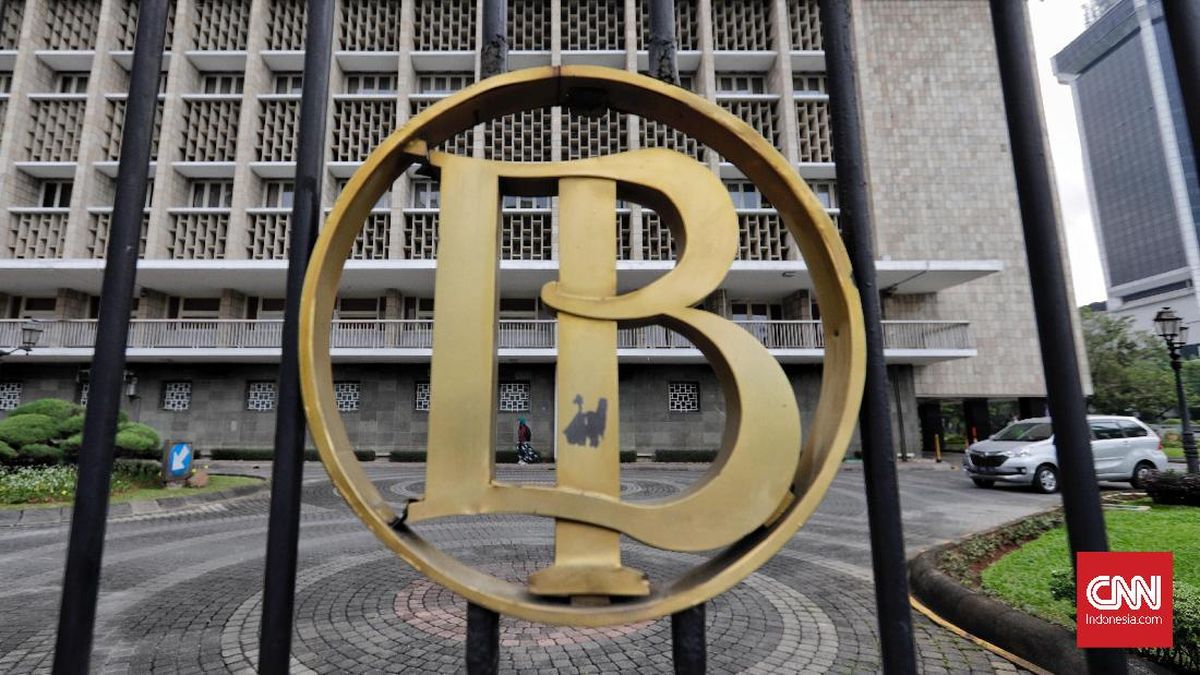
Pendaftaran Rekrutmen Bank Indonesia 2026 Sampai Kapan Dibuka?

Data Science and Advanced Analytics

The era of "Big Data" has transformed how central banks conduct monetary policy. Bank Indonesia is known to be enhancing its "Nowcasting" capabilities and real-time economic monitoring. Consequently, there is a high demand for data scientists and econometricians who can translate vast amounts of unstructured data into actionable policy insights.

Legal and International Relations

Given the volatility in global markets and the shifting geopolitical landscape, Bank Indonesia requires legal experts specializing in international financial law and specialists in global cooperation to manage the country’s foreign exchange reserves and its standing within international bodies like the G20, IMF, and ASEAN.

Requirements and Candidate Expectations

While the specific requirements for each role vary, Bank Indonesia maintains a high baseline for all applicants. Candidates for the Special Hire track are generally expected to have a minimum of several years of relevant work experience, often ranging from five to ten years depending on the seniority of the position. A strong academic background from reputable domestic or international universities is a prerequisite, with many roles requiring a Master’s degree or professional certifications (such as CFA, FRM, or specialized IT certifications).

For the PKWT track, the bank seeks individuals who demonstrate high adaptability and technical proficiency. These candidates must be ready to work in a fast-paced environment and contribute to specific departmental KPIs within their contract duration. Across both tracks, Bank Indonesia emphasizes "Integrity" as a core value, requiring candidates to undergo rigorous background checks and psychological assessments to ensure they align with the institution’s ethical standards.

Broader Economic Implications and Institutional Strengthening

The decision to open recruitment for specialized and contract-based roles is seen as a move to optimize the central bank’s human capital expenditure while maximizing output. By utilizing the PKWT track for specific projects, the bank can manage its administrative costs effectively without compromising on the quality of its initiatives.

Industry observers note that working for Bank Indonesia remains one of the most prestigious career paths in the country. The central bank is not only an employer but also a "center of excellence" for economic research and financial regulation. Successful candidates will find themselves at the heart of Indonesia’s economic decision-making process, contributing to the stability of the Rupiah and the overall health of the national financial system.

Furthermore, this recruitment drive is expected to have a positive impact on the broader job market for high-skilled professionals. In an environment where the private financial sector often competes for the same talent pool, Bank Indonesia’s entry into the market for specialized hires sets a benchmark for compensation, professional development, and institutional prestige.

Preparing for the Selection Process

Following the closure of the registration window on April 17, the selection process will enter several stages, including administrative screening, technical assessments, and interviews with senior officials. Bank Indonesia has historically utilized a "multi-stage" approach to ensure that only the most qualified candidates proceed.

Applicants are advised to ensure that all digital copies of their documents are clear and legible, as administrative errors are a common cause of disqualification during the initial screening. Given the high volume of applications expected, the bank’s recruitment system is designed to filter candidates based on strict adherence to the stated requirements.

As the April 17 deadline approaches, the surge in web traffic to the recruitment portals is expected to increase. Potential applicants are encouraged to submit their forms well before the 23:59 WIB cutoff to avoid technical issues related to server congestion.

Conclusion

Bank Indonesia’s 2026 recruitment for Special Hire and PKWT tracks represents a strategic effort to modernize the central bank’s workforce in alignment with the demands of a 21st-century economy. By opening doors to experienced professionals and specialized experts, the institution is reinforcing its commitment to maintaining monetary and financial system stability. For the Indonesian professional community, these six days in April offer a rare opportunity to join an institution that serves as the backbone of the nation’s economic resilience. Those who meet the criteria have only a short window to demonstrate their value and secure a role in shaping the future of Indonesia’s financial landscape.
July 11, 2025 0 comment
0 FacebookTwitterPinterestEmail
Education

UNM Buka Program Sandwich ke Yunani, Mahasiswa S2-S3 Bisa Riset Internasional dan Publikasi Global

by Asep Darmawan July 11, 2025
written by Asep Darmawan

Universitas Nusa Mandiri (UNM), recognized for its strategic positioning as a "Digital Business Campus," has officially broadened its international academic footprint by launching a comprehensive Sandwich Program tailored for students within its Master of Informatics (S2) and Doctoral Informatics (S3) programs. This initiative, facilitated through the Faculty of Information Technology (FTI), establishes a significant research bridge between Indonesia and Europe, specifically targeting high-level collaboration with the Information Processing and Analysis Laboratory (IPAN) within the Department of Computer Science and Engineering at the University of Ioannina, Greece. By integrating global expertise into its postgraduate curricula, UNM aims to elevate the standard of Indonesian technological research and provide its students with the resources necessary to compete on a global stage.

The introduction of this Sandwich Program marks a pivotal moment in UNM’s institutional history, signaling a shift toward more integrated international research frameworks. Under this scheme, doctoral and master’s candidates are granted the opportunity to engage in joint supervision, a model where students receive academic guidance and mentorship from both UNM faculty members and distinguished scholars from the University of Ioannina. This dual-supervisory approach is designed to ensure that research outputs, particularly theses and dissertations, meet rigorous international benchmarks and address contemporary challenges in the global tech landscape.

Strategic Objectives and Academic Framework

The primary objective of the partnership with the University of Ioannina is to facilitate an environment where Indonesian researchers can access state-of-the-art facilities and diverse academic perspectives. The University of Ioannina, particularly through its Information Processing and Analysis Laboratory (IPAN), is renowned for its contributions to computational science and engineering. For UNM students, this access represents more than just a change of scenery; it provides an entry point into European research networks, specialized datasets, and advanced laboratory equipment that may not be readily available domestically.

The collaboration specifically targets two burgeoning fields of study within the Doctoral Informatics Program: Computer Vision and Biomedical Informatics. These disciplines are currently at the forefront of the Fourth Industrial Revolution (Industry 4.0), playing critical roles in the development of artificial intelligence, automated systems, and the digitalization of healthcare. By focusing on these areas, UNM ensures that its graduates are not only academically proficient but also technically equipped to lead innovation in sectors that are vital to both the national and global economy.

Chronology of Internationalization and Partnership Development

The development of this Sandwich Program is the result of a multi-year strategy by Universitas Nusa Mandiri to internationalize its academic offerings. Beginning in the early 2020s, UNM initiated a series of reforms aimed at aligning its informatics curriculum with international standards. This included increasing the number of faculty members with international publications and establishing preliminary MoUs (Memorandums of Understanding) with various overseas institutions.

By late 2024 and throughout 2025, negotiations with the University of Ioannina intensified, focusing on the technicalities of the joint supervision model. The Information Processing and Analysis Laboratory (IPAN) was identified as the ideal partner due to its high output of peer-reviewed research and its alignment with UNM’s focus on applied digital technology. The formalization of the program in early 2026, as noted in recent institutional reports, represents the culmination of these efforts, providing a structured pathway for S2 and S3 students to conduct a portion of their research in Greece.

The timeline for participating students typically involves an initial period of coursework and proposal development in Jakarta, followed by a research residency at the University of Ioannina. During this residency, students work closely with Greek co-supervisors to refine their methodologies and conduct experiments. The final phase involves returning to Indonesia to complete the writing process and undergo examination, enriched by the data and insights gained abroad.

Supporting Data: The Value of Global Research Collaboration

Data from the global academic community consistently highlights the benefits of international research mobility. According to various bibliometric studies, research papers produced through international collaboration tend to receive higher citation counts and have a greater impact factor compared to those produced within a single domestic institution. For an institution like UNM, this translates to a higher institutional ranking and a more robust reputation within the scientific community.

In the context of Indonesia, the Ministry of Education, Culture, Research, and Technology (Kemendikbudristek) has frequently emphasized the need for "world-class" graduates. Statistics suggest that Indonesian doctoral students who participate in international "Sandwich" or exchange programs are 40% more likely to publish in Scopus-indexed journals (Q1 and Q2 categories) within two years of graduation. Furthermore, the exposure to international lab cultures improves "soft skills" such as cross-cultural communication, grant writing, and collaborative problem-solving—traits that are highly valued in the global technology job market.

The focus on Biomedical Informatics is particularly timely. Global market analysis suggests that the digital health sector is expected to grow at a compound annual growth rate (CAGR) of over 15% through 2030. By training specialists in this field via the IPAN laboratory, UNM is positioning its graduates to enter a high-demand market where they can apply computer vision and data analysis to medical imaging, genomics, and personalized medicine.

Institutional Perspectives and Leadership Vision

Dr. Nita Merlina, the Head of the Doctoral Informatics Program at UNM, has been a vocal advocate for this international expansion. In a statement released on April 15, 2026, she emphasized that the program is a "concrete step" toward bridging the gap between local research and global innovation. "The Sandwich Program provides a unique ecosystem for our students. They are not just studying abroad; they are integrating into a global research community. This experience is instrumental in strengthening the quality of their dissertations and ensuring that their work is relevant on an international scale," Dr. Merlina stated.

She further elaborated on the institutional vision, noting that the goal is not merely the completion of a degree but the generation of impactful scientific contributions. "We are pushing our students to aim for reputable international publications. With the support of joint supervision and access to global laboratories, the barriers to high-impact research are significantly lowered. This is a vital value-add that produces graduates who are not only competent but also globally competitive."

While official statements from the University of Ioannina have focused on the mutual benefits of the exchange, academic observers suggest that such partnerships allow European institutions to tap into the growing pool of talented researchers from Southeast Asia. The cross-pollination of ideas between Indonesian and Greek scholars is expected to result in innovative solutions to complex informatics problems, particularly in the application of AI to diverse socio-technical contexts.

Technical Analysis of Research Areas: Computer Vision and Biomedical Informatics

To understand the full impact of this program, one must look at the technical significance of the chosen focus areas. Computer Vision involves the development of algorithms that allow computers to interpret and understand visual information from the world. In the IPAN laboratory, research often touches upon signal processing and pattern recognition. UNM students specializing in this area will likely work on projects involving autonomous systems, security surveillance, or augmented reality—technologies that are foundational to the "Digital Business" ethos of the campus.

Biomedical Informatics, on the other hand, is the interdisciplinary field that uses biology, medicine, and information technology to manage and analyze health data. The collaboration with the University of Ioannina allows students to explore advanced topics such as the use of deep learning for early cancer detection or the development of bioinformatics tools for mapping genetic sequences. Given the global focus on pandemic preparedness and aging populations, the research conducted by UNM students in Greece could have direct applications in improving healthcare delivery systems in Indonesia and beyond.

Broader Impact and Implications for Indonesian Higher Education

The move by Universitas Nusa Mandiri serves as a blueprint for other private universities in Indonesia. Traditionally, high-level international research collaborations were the domain of large, state-funded universities. By successfully establishing a partnership with a European institution, UNM demonstrates that private universities can also play a significant role in the internationalization of Indonesian education.

This program also aligns with the Indonesian government’s "Kampus Merdeka" (Emancipated Campus) policy, which encourages universities to break down traditional silos and foster external partnerships. The Sandwich Program acts as a catalyst for "brain circulation" rather than "brain drain," as students return to Indonesia with enhanced skills and a global network, which they can then utilize to mentor the next generation of students and contribute to the local tech industry.

Moreover, the emphasis on international publications will help improve Indonesia’s standing in global research indexes. As UNM students and faculty co-author papers with their counterparts in Greece, the visibility of Indonesian informatics research increases. This, in turn, can attract further international funding, research grants, and industry partnerships, creating a virtuous cycle of academic and economic growth.

Conclusion and Future Outlook

As Universitas Nusa Mandiri continues to implement its Sandwich Program with the University of Ioannina, the long-term outlook remains focused on sustainability and expansion. The university has indicated that this is only the beginning of a broader strategy to establish similar links with other leading technology hubs in Asia, Australia, and North America.

The commitment to producing S2 and S3 graduates who are "excellent, adaptive, and capable of real contribution" is more than a mission statement; it is a response to the rapidly changing demands of the digital era. Through this strategic alliance in Greece, UNM is ensuring that its students are not merely observers of the digital revolution but active participants and leaders in shaping the future of information technology. The success of this program will likely be measured by the quality of the dissertations produced, the prestige of the journals in which the research is published, and the professional achievements of its graduates as they enter the global workforce as highly specialized informatics experts.

July 11, 2025 0 comment
0 FacebookTwitterPinterestEmail
Health

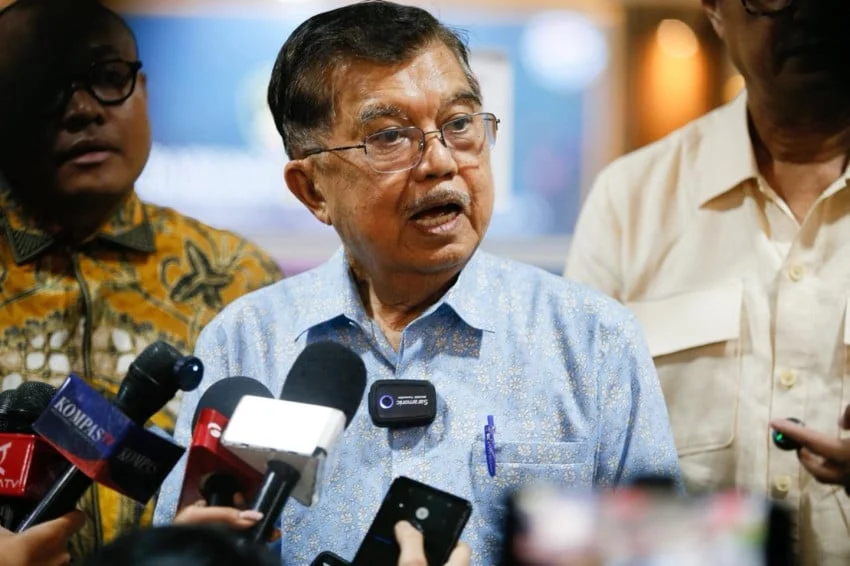
Jusuf Kalla Faces Politically Motivated Accusations of Religious Defamation

by Raul Delapena Setiawan July 10, 2025
written by Raul Delapena Setiawan

JAKARTA – Former Vice President Jusuf Kalla (JK) is facing accusations of religious defamation, which a prominent policy and national political analyst suggests are politically motivated and lack objective basis. Nasky Putra Tandjung, Chairman of the Indonesia Youth Epicentrum, argued that the accusations against Kalla are disproportionate, lack objectivity, and fail to offer a comprehensive assessment of the issue.

The controversy stems from interpretations of a lecture delivered by Jusuf Kalla at Gadjah Mada University (UGM). Nasky contends that the ensuing public debate is excessive and points to a deliberate effort to manipulate public opinion through systematic negative framing aimed at discrediting Kalla. He characterized the reactions as overly emotional, reactionary, and driven by agitational and provocative narratives that risk escalating broader societal conflict.

"The legal attempts to report Mr. Kalla to the police are also considered baseless, given that Mr. Kalla did not accuse, insult, or demean any particular religion, let alone pass a negative judgment upon it. Therefore, the accusation of religious defamation is entirely unfounded and fabricated," Nasky stated in a press release on Wednesday, April 15, 2026.

Background of the Controversy

The statement that triggered the controversy was reportedly made during a lecture at UGM, a prestigious public university known for its academic freedom and diverse student body. While the exact wording of Kalla’s remarks has been subject to varying interpretations, sources indicate that the discussion revolved around the complex relationship between religion and societal progress in Indonesia. Indonesia, a nation with a significant Muslim majority, also recognizes several other religions, including Christianity, Hinduism, Buddhism, and Confucianism, and embraces the principle of religious pluralism enshrined in its national ideology, Pancasila.

Jusuf Kalla, a seasoned politician with extensive experience in both government and public life, has often been a vocal commentator on national issues. His remarks at UGM, intended to foster dialogue and understanding, appear to have been taken out of context by some segments of the public, leading to the accusations of religious defamation.

Timeline of Events and Reactions

The timeline of events leading to the current accusations can be broadly outlined as follows:

  • Date of UGM Lecture (Approximate): Jusuf Kalla delivers a lecture at Gadjah Mada University, addressing topics related to religion and society. The specific date is not detailed in the original report but is understood to have occurred prior to the public outcry.
  • Emergence of Interpretations and Accusations: Following the lecture, various interpretations of Kalla’s statements begin to circulate. Some individuals and groups perceive his remarks as offensive or blasphemous towards a particular religion.
  • Public Outcry and Media Coverage: The perceived controversy gains traction on social media and is subsequently picked up by news outlets. This leads to widespread public discussion and debate, often characterized by strong emotional responses.
  • Formal Complaints Filed: Reports indicate that formal complaints are lodged against Jusuf Kalla with law enforcement agencies, specifically the Polda Metro Jaya (Jakarta Metropolitan Police). This escalates the matter from public discourse to a potential legal investigation.
  • Statements from Supporters and Analysts: In response to the accusations and legal actions, figures like Nasky Putra Tandjung issue statements defending Kalla, arguing for a more nuanced and less politically charged interpretation of his words. Kalla’s spokesperson also reportedly issued a statement addressing the allegations, though details were not fully provided in the initial report.
  • Ongoing Legal and Political Scrutiny: The legal process initiated by the complaints is expected to unfold, while the political implications of the accusations continue to be a subject of discussion.

Analysis of the Accusations

Nasky Putra Tandjung’s assessment highlights several key points that warrant closer examination:

1. Political Motivation: The suggestion that the accusations are politically motivated implies that Kalla’s past political roles or potential future influence might be a factor. In Indonesia’s dynamic political landscape, public figures are often subject to scrutiny that can be influenced by rivalries or attempts to undermine their standing. Accusations of religious defamation can be potent tools in such contexts, capable of galvanizing specific voter bases and creating significant public pressure.

2. Lack of Proportionality and Objectivity: Nasky argues that the reaction is disproportionate to the alleged offense. This suggests that the interpretation of Kalla’s words might be stretched beyond their intended meaning or context. Objectivity, in this view, would require a careful analysis of the entire speech, the speaker’s intent, and the specific religious tenets allegedly violated, rather than a selective focus on controversial phrases.

3. Systematic Negative Framing and Opinion Manipulation: The claim of "systematic negative framing" suggests a coordinated effort to portray Kalla in a negative light. This can involve selectively quoting remarks, misrepresenting intentions, and amplifying negative interpretations across various platforms to create a widespread perception of wrongdoing. Such tactics are often employed to shape public discourse and influence opinions without necessarily engaging with the substance of the original statement.

4. The Role of Emotional and Agitative Narratives: Nasky’s observation about "agitational and provocative narratives" points to the use of language designed to incite strong emotions, particularly anger or outrage, among the public. This approach bypasses rational discourse and can lead to polarization and conflict, making it difficult to engage in constructive dialogue.

5. Legal Basis of the Accusations: The assertion that Kalla did not "accuse, insult, or demean" any religion is central to the defense. In Indonesia, the blasphemy laws, while controversial, typically require proof of intent to insult or defame a recognized religion. If Kalla’s remarks were indeed aimed at promoting interfaith understanding or analyzing societal dynamics, as Nasky suggests, then the legal basis for defamation would be weak.

Broader Implications for Religious Tolerance and Public Discourse

The controversy surrounding Jusuf Kalla’s remarks has significant implications for the broader discourse on religious tolerance and freedom of expression in Indonesia.

  • Chilling Effect on Dialogue: If individuals are constantly at risk of facing legal repercussions or public condemnation for expressing nuanced views on religion or society, it can create a chilling effect on open dialogue and academic discourse. This is particularly concerning in a diverse nation like Indonesia, where robust discussion is essential for navigating complex social issues.
  • Weaponization of Religious Sensitivities: The ease with which accusations of religious defamation can be mobilized raises concerns about the weaponization of religious sensitivities for political or personal gain. This can undermine genuine efforts to protect religious freedom and promote interfaith harmony.
  • Importance of Context and Intent: This incident underscores the critical importance of understanding statements within their full context and considering the speaker’s intent. Without this, even well-intentioned remarks can be misconstrued and lead to unnecessary conflict.
  • Role of Media and Social Media: The amplification of such controversies through media and social media platforms highlights the dual-edged nature of these tools. While they can facilitate information sharing, they can also be exploited to spread misinformation and inflame tensions.
  • Upholding Universal Values: Nasky’s concluding remark that Kalla’s statement aimed to encourage the embracing of "universal values, namely humanity" through interfaith relations, offers a positive interpretation. It suggests that the underlying message was one of unity and shared human dignity, a perspective that can be lost in the heat of accusation.

The legal proceedings that follow will be closely watched, not only for their outcome concerning Jusuf Kalla but also for the precedent they might set regarding religious discourse and freedom of expression in Indonesia. The ability of the nation to foster an environment where diverse perspectives can be shared and debated respectfully, without fear of unwarranted accusation, remains a crucial challenge. The case serves as a reminder of the delicate balance between safeguarding religious sensitivities and upholding the principles of open dialogue and intellectual freedom.

July 10, 2025 0 comment
0 FacebookTwitterPinterestEmail
Health

Pilgrims Explore Historic Madinah Sites After Hajj 2026: A Deeper Dive into Islamic Heritage

by Muslim July 9, 2025
written by Muslim

As the Hajj 2026 pilgrimage concludes, a significant number of Muslim faithful are seizing the opportunity to explore the rich historical and spiritual tapestry of Madinah, Saudi Arabia. While the core rituals of Hajj are centered in Makkah, Arafah, Muzdalifah, and Mina, Madinah serves as a crucial spiritual anchor for nearly all pilgrims, traditionally a place for profound worship and visitation of sacred sites. The Saudi Arabian government, since 2019, has discouraged the use of the term "religious tourism" in relation to Umrah and Hajj, emphasizing the sacred nature of these journeys. However, allowing pilgrims to visit historical destinations after completing their Hajj obligations remains a permitted and encouraged practice, offering a deeper connection to Islamic history and culture.

The first wave of Hajj 2026 pilgrims began their spiritual journey on April 21, 2026, with the Hajj period spanning 40 days. This extended period allows ample time for pilgrims to undertake further spiritual enrichment and historical exploration in Madinah, a city steeped in over 1,400 years of Islamic history. Beyond the essential Hajj rituals, these sites offer invaluable insights into the life and times of Prophet Muhammad (peace be upon him) and the early Islamic era.

The Significance of Madinah in Islam

Madinah, historically known as Yathrib, holds immense significance in Islam. It was the city to which Prophet Muhammad (peace be upon him) and his followers migrated from Makkah in 622 CE, an event known as the Hijrah, marking the beginning of the Islamic calendar. Madinah became the first capital of the Islamic state, a center for the dissemination of Islamic teachings, and the resting place of the Prophet Muhammad (peace be upon him), his close companions Abu Bakr and Umar, and his daughter Fatimah. The city’s profound spiritual aura draws millions of Muslims annually, not just for Hajj but also for Umrah, a lesser pilgrimage performed throughout the year.

While Hajj itself is a pillar of Islam with specific rites performed in designated locations, the spiritual journey often extends beyond these core rituals. Madinah offers a unique opportunity to connect with the physical remnants of early Islamic history, providing a tangible link to the foundational events and figures of the faith.

Key Historical Destinations for Post-Hajj Exploration

Pilgrims with available time after fulfilling their Hajj obligations are encouraged to visit several historically significant sites in Madinah. These locations offer not only spiritual reflection but also educational insights into the early development of Islam.

Jabal Uhud: A Witness to Sacrifice and Faith

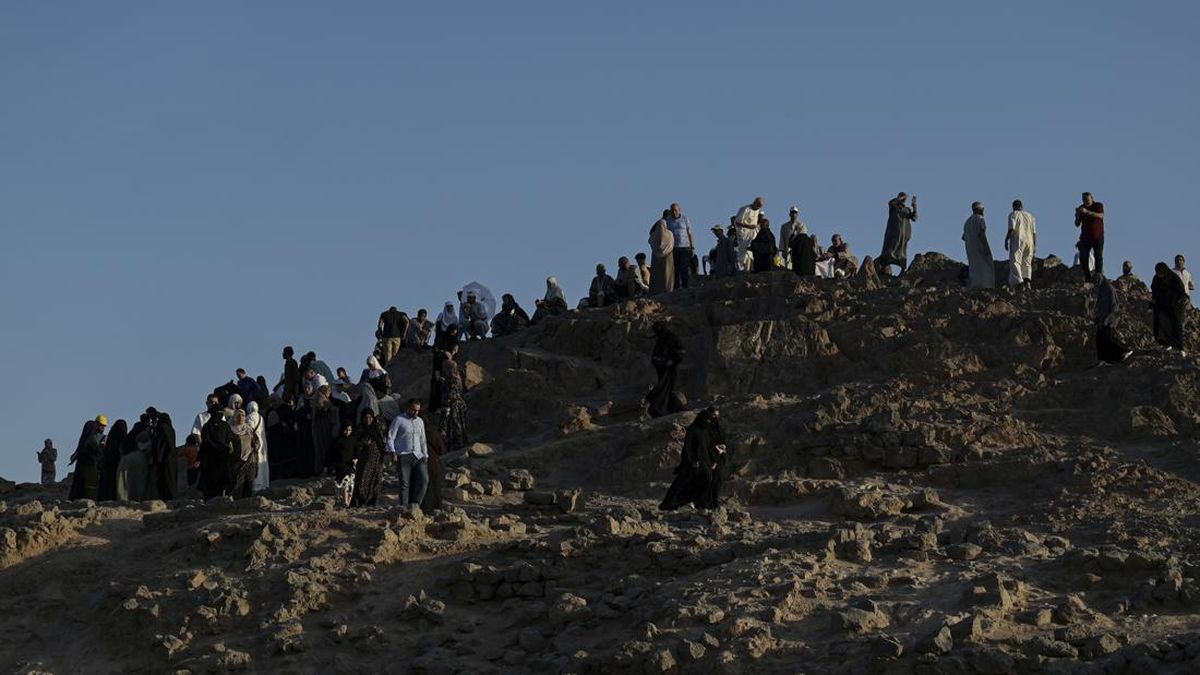
One of the most revered historical sites is Jabal Uhud, also known as Mount Uhud. This mountain range, located north of Madinah, is not only a natural landmark but also the site of the pivotal Battle of Uhud, which took place in 625 CE. The battle, though a challenging period for the early Muslim community, is a testament to their resilience, faith, and sacrifice.

During the Battle of Uhud, many companions of the Prophet (peace be upon him) achieved martyrdom. Their graves are located at the foot of Jabal Uhud, making it a significant site for remembrance and prayer for the martyrs. Islamic tradition holds Jabal Uhud in high regard, with prophecies suggesting it is one of the mountains that will exist in Paradise.

Tempat-Tempat Bersejarah dalam Islam yang Bisa Dikunjungi di Madinah

The historical context of Jabal Uhud underscores the sacrifices made by the early Muslims. The battle, despite its initial setbacks for the Muslims, ultimately reinforced their commitment and strategic understanding. Visiting Jabal Uhud provides pilgrims with a solemn opportunity to reflect on the bravery and devotion of those who defended Islam in its nascent stages. The rugged terrain and the vastness of the surrounding area evoke a sense of historical gravitas, allowing visitors to connect with the past on a profound level.

Al-Hejaz Railway Museum: A Gateway to Ottoman-Era Engineering and Culture

A remarkable testament to a bygone era of engineering and connectivity is the Al-Hejaz Railway Museum, recognized as a UNESCO World Heritage site. This museum acts as a historical archive, preserving around 2,000 artifacts that chronicle the cultural and technological advancements of Madinah during the Ottoman period.

The museum is situated on the grounds of what was once a monumental undertaking: the construction of a railway line connecting Madinah to Istanbul, the capital of the Ottoman Empire. Conceived by Sultan Abdul Hamid II, this ambitious project aimed to facilitate travel and trade across the vast empire, particularly for pilgrims journeying to the holy cities. While the project faced significant challenges and was eventually abandoned due to political shifts and logistical difficulties, its remnants now serve as a unique historical attraction.

The Al-Hejaz Railway Museum offers a fascinating glimpse into the logistical and engineering prowess of the Ottoman era. The preserved locomotives, carriages, and station buildings tell a story of ambition, cross-continental connectivity, and the strategic importance of Madinah. For visitors, it’s an opportunity to appreciate the historical threads that linked different parts of the Islamic world and the technological innovations that shaped travel in the early 20th century. The museum’s location in Al Suqya, Madinah, makes it an accessible and enriching addition to any post-Hajj itinerary.

Broader Implications and Pilgrim Experience

The availability of these historical sites for exploration after Hajj significantly enhances the overall pilgrimage experience. It transforms the journey from a singular act of worship into a more comprehensive immersion in Islamic heritage. By providing access to sites like Jabal Uhud and the Al-Hejaz Railway Museum, Saudi authorities are facilitating a deeper understanding and appreciation of the historical and cultural foundations of Islam.

The government’s emphasis on respecting the sacredness of the Hajj and Umrah journeys while still permitting exploration of historical sites strikes a balance. It acknowledges the primary spiritual purpose of the pilgrimage while recognizing the educational and inspirational value of these historical landmarks. This approach allows pilgrims to return home not only with their spiritual obligations fulfilled but also with a richer, more nuanced understanding of their faith’s history.

The continued preservation and promotion of these sites are vital for future generations of Muslims. They serve as tangible links to the past, offering lessons in faith, sacrifice, perseverance, and the rich tapestry of Islamic civilization. As Hajj 2026 draws to a close, the spiritual resonance of Madinah’s historical treasures will undoubtedly continue to inspire and educate countless pilgrims for years to come. The exploration of these sites is more than just sightseeing; it is a journey through time, connecting the present with the foundational moments of Islamic history.

July 9, 2025 0 comment
0 FacebookTwitterPinterestEmail
Entertainment

Gubernur DKI Jakarta Pramono Anung Oversees Significant Reshuffle of Top Officials, Appointing Eleven New Leaders

by Azzam Bilal Chamdy July 8, 2025
written by Azzam Bilal Chamdy

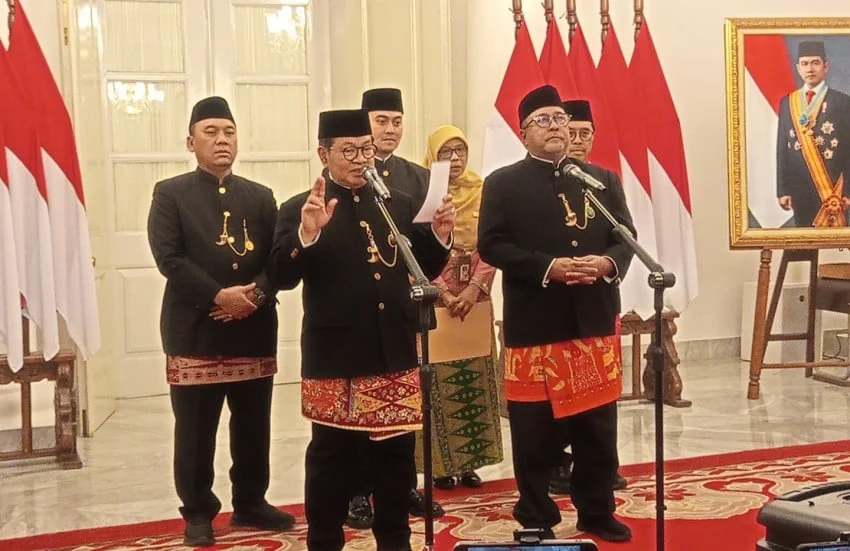
Jakarta, Indonesia – April 15, 2026 – In a strategic move to bolster administrative efficiency and ensure continuity of governance, Governor of DKI Jakarta, Pramono Anung, today presided over the inauguration of eleven newly appointed officials to high-ranking positions within the provincial government. This significant reshuffle, encompassing a rotation of "pimpinan tinggi pratama" (high-ranking primary officials), signals a proactive approach to leadership transitions and aims to eliminate the interim status of key roles, thereby enhancing operational effectiveness.

The ceremony, held at the DKI Jakarta City Hall, marked the official commencement of duties for these eleven individuals, whose tenures will commence at staggered intervals, reflecting a carefully considered transition plan. Governor Anung emphasized the strategic rationale behind the staggered implementation, stating, "The reason for conducting these appointments earlier is to ensure that no officials are left in an acting capacity. This way, there will be no further inauguration ceremonies, even if the newly appointed officials will only begin their substantive work at a later date."

Among the most notable appointments is the former Head of the DKI Jakarta Transportation Agency (Kadishub DKI Jakarta), who has been designated as the new Mayor of South Jakarta. This move highlights the administration’s focus on placing experienced leadership in critical urban management roles, leveraging their understanding of complex logistical and operational challenges to address the specific needs of a densely populated administrative city.

Governor Anung detailed the phased commencement of responsibilities for the newly appointed officials: "In this inauguration, eleven individuals have been appointed. Three officials will commence their duties effective from today’s inauguration. Subsequently, four officials will begin on June 1st. Three others will start on August 1st. One individual is awaiting the issuance of a decree for their appointment as a Principal Functional Officer." This structured approach underscores a commitment to orderly transitions and minimizes potential disruptions in public service delivery.

Strategic Rationale Behind the Mass Appointment

The decision to conduct the mass appointment, with staggered effective dates, is rooted in a desire to create a more robust and stable leadership framework. By formalizing these positions, the provincial government aims to eliminate the administrative complexities and potential uncertainties associated with "Pelaksana Tugas" (Plt) or Acting Officials. This move is expected to empower the appointed officials with the full authority and responsibility required to implement their mandates effectively.

"The inauguration is held today, but subsequently, there will be no further inauguration ceremonies," Governor Anung reiterated. "They will assume their positions according to the dates specified in their respective decrees." This clear directive ensures that the transition is managed with precision, allowing for a smooth handover of responsibilities and a focused approach to governance from the outset.

The appointment of a former Kadishub to a mayoral position is particularly significant. The Head of the Transportation Agency typically oversees a vast and complex network of infrastructure, public transport, traffic management, and regulatory functions. Their experience in navigating these multifaceted challenges in a city as dynamic as Jakarta is considered invaluable for leading an administrative city, which requires a comprehensive understanding of urban planning, public services, and community engagement. This appointment suggests a recognition of the transferable skills and strategic foresight required for effective city management.

A Closer Look at the Appointments and Their Implications

While the article does not provide a full list of all eleven appointed officials and their specific new roles, the focus on the former Kadishub’s appointment to Mayor of South Jakarta provides a key insight into the administration’s priorities. South Jakarta, one of the largest and most populous administrative cities in the capital, faces ongoing challenges related to urban development, traffic congestion, disaster preparedness, and social welfare. The appointment of an individual with a proven track record in managing complex city-wide operations is likely intended to bring a results-oriented approach to these issues.

Daftar 11 Pejabat di Pemprov DKI Jakarta Dilantik Pramono Anung

The staggered implementation of the appointments also suggests a strategic approach to managing workloads and ensuring adequate support during the transition. By having officials begin their terms at different times, the Governor’s office and the relevant departments can provide tailored onboarding and support, ensuring that each appointee is well-equipped to succeed in their new role. This contrasts with a sudden, simultaneous handover, which could potentially overwhelm both the incoming officials and the supporting administrative structures.

Background and Context: The Importance of Stable Leadership in Jakarta

The Government of DKI Jakarta, as the administrative heart of Indonesia and a megacity facing rapid urbanization, requires consistent and effective leadership at all levels. Frequent changes in high-ranking positions, especially those held by acting officials, can lead to policy discontinuities, delays in project implementation, and a general sense of administrative uncertainty. The current reshuffle can be viewed as a measure to counter these potential issues and foster a more stable and predictable governance environment.

The role of "pimpinan tinggi pratama" is crucial as these officials are responsible for the day-to-day management and implementation of policies within their respective agencies and administrative cities. Their expertise, leadership, and strategic vision directly impact the quality of public services, the efficiency of government operations, and the overall development trajectory of the capital.

The decision by Governor Anung to address the issue of acting officials proactively aligns with principles of good governance, which emphasize accountability, transparency, and continuity. By filling these positions with permanent appointees, the administration signals a commitment to long-term planning and sustained effort in addressing the myriad challenges facing Jakarta.

Potential Broader Impact and Future Outlook

The successful integration of these eleven new leaders into their respective roles is expected to have several positive implications for Jakarta. Firstly, it should lead to more decisive policy implementation and project execution, as officials will have the full mandate and security of tenure to pursue their objectives. Secondly, it is likely to improve inter-agency coordination and collaboration, as established leaders can foster stronger working relationships.

Furthermore, the appointment of individuals with relevant experience, such as the former Kadishub to a mayoral position, suggests a focus on leveraging specialized knowledge to address specific urban challenges. This can lead to more targeted and effective solutions in areas like transportation, urban planning, and public service delivery.

The staggered implementation also provides an opportunity for the administration to monitor the initial performance of the newly appointed officials and offer support where needed. This iterative approach to leadership transition can help ensure that the new appointments are not just symbolic but translate into tangible improvements in governance and public service.

As Jakarta continues to navigate the complexities of a growing metropolis, including infrastructure development, environmental sustainability, and social equity, the stability and effectiveness of its leadership cadre are paramount. This recent wave of appointments by Governor Pramono Anung appears to be a deliberate step towards strengthening that leadership foundation, aiming to foster a more efficient, accountable, and responsive government for the citizens of Indonesia’s capital. The coming months will be critical in observing how these new leaders translate their mandates into concrete actions and contribute to the ongoing evolution of Jakarta.

July 8, 2025 0 comment
0 FacebookTwitterPinterestEmail
Entertainment

Kupilih Jalur Langit: A Deep Dive into the Nuances of Marital Dynamics and Faith in Indonesian Cinema

by Sagoh July 8, 2025
written by Sagoh

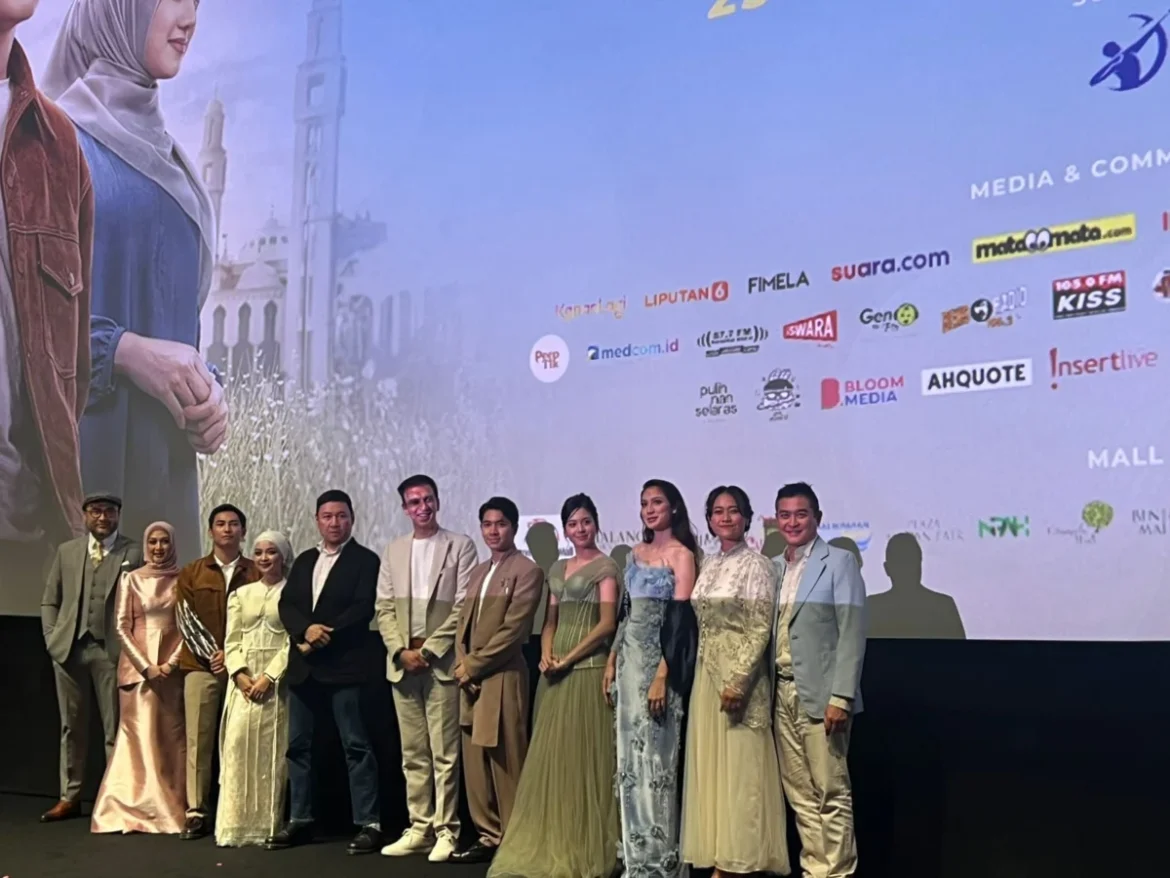
Jakarta, Indonesia – April 15, 2026 – The Indonesian cinematic landscape is abuzz with anticipation for the upcoming release of "Kupilih Jalur Langit," a religious romance film that has rapidly captured public attention following the unveiling of its official trailer. Scheduled to premiere on April 23, 2026, the film promises a poignant exploration of marital life, presenting a narrative that resonates deeply with the everyday realities faced by many couples. At the heart of this compelling story are its lead actors, Emir Mahira and Zee Asadel, who embody the roles of Furqon and Amira, a married couple navigating the complexities of their relationship. Both actors have shared insights into the significant challenges they encountered in portraying a realistic and emotionally charged marital dynamic.

Crafting Authentic Marital Chemistry: A Deliberate Challenge

The chemistry between Emir Mahira and Zee Asadel has been a focal point of discussion since the trailer’s release, hinting at a believable portrayal of a husband and wife. While the actors have a pre-existing rapport from previous collaborations, they emphasized that their roles in "Kupilih Jalur Langit" presented a distinct and more demanding challenge.

"Building chemistry with Zee isn’t entirely new for us, as we’ve worked on several projects together before," Emir Mahira explained during a press conference held in Jakarta on Wednesday, April 15, 2026. "However, each project is unique and presents its own set of complexities. The real challenge here was to create a ‘barrier’ between us, as required by the story. This wasn’t about replicating past on-screen relationships but about embodying characters who, despite their connection, might face specific internal or external forces that shape their interactions."

This deliberate artistic choice underscores the film’s commitment to realism. Instead of relying on established on-screen chemistry, the actors were tasked with constructing a dynamic that reflects the evolving nature of marital relationships, which can often involve periods of distance, misunderstanding, or the need for individual growth before a deeper connection can be re-established.

Emir Mahira’s Transformative Role as Ustaz Furqon

For Emir Mahira, portraying Ustaz Furqon marks one of the most demanding roles in his acting career. The character requires not only the depiction of a husband but also a deep dive into the spiritual and internal struggles of a religious figure. This dual nature of the character presented a significant hurdle, particularly given the tight preparation schedule.

"Playing Ustaz Furqon is, honestly, one of the most challenging roles for me," Emir admitted. "The preparation time was very limited. I had to dedicate considerable effort to learning more about religious teachings and understanding the nuances of a spiritual leader’s life. Fortunately, I received guidance from the director and religious scholars, which was instrumental in grasping Furqon’s character."

The actor’s commitment to authenticity in portraying a religious leader suggests a narrative that delves into the complexities of faith, duty, and personal conviction. This aspect of the film is likely to appeal to audiences seeking stories that blend spiritual themes with relatable human experiences. The internal conflicts of Furqon, as hinted by Emir, could involve balancing his public role with his private life, grappling with theological questions, or facing moral dilemmas that test his faith. Such depth adds layers to the film, moving beyond a superficial depiction of religious life.

Zee Asadel’s Journey of Maturity as Amira

Zee Asadel expressed profound gratitude for the opportunity to portray Amira, a character she finds exceptionally compelling due to her depiction of a young woman’s journey post-marriage. This role represents a significant step in Zee’s career, particularly as it involves embracing a more mature and spiritually inclined persona.

Cerita Emir Mahira dan Zee Asadel Bangun Chemistry Jadi Suami Istri di Film Kupilih Jalur Langit

"Honestly, this is my first film where I wear a hijab, and I am incredibly grateful to have been given the role of Amira," Zee shared. "I find this character to be very interesting, especially her experiences after getting married. That aspect has been the most challenging for me. It’s a transition that requires a different kind of emotional expression and understanding."

Zee’s reflection highlights the film’s focus on the transition into married life, a period often marked by significant personal growth and adaptation. Her portrayal of Amira is expected to capture the emotional landscape of a young woman navigating new responsibilities, evolving identity, and the deepening of her faith within the context of her marriage. The decision to feature a character in hijab also signals the film’s intent to represent a specific segment of Indonesian society and its cultural and religious values authentically.

Exploring the Nuances of Married Life: Beyond the Honeymoon Phase

"Kupilih Jalur Langit" appears poised to move beyond the conventional romantic narrative, delving into the often-unseen challenges and triumphs of married life. The trailer, and subsequent interviews with the cast, suggest a narrative that acknowledges the complexities of maintaining a strong relationship amidst personal growth, spiritual development, and the everyday realities that can test even the most devoted couples.

The film’s title itself, "Kupilih Jalur Langit" (I Choose the Path of Heaven), implies a conscious decision to prioritize spiritual well-being and divine guidance within the marital journey. This theme is likely to be woven throughout the narrative, exploring how faith influences decision-making, conflict resolution, and the overall harmony of the family unit.

Supporting Data and Industry Context

The Indonesian film industry has seen a growing trend in religious and faith-based cinema, with several recent productions achieving significant box office success and critical acclaim. Films like "Ayat-Ayat Cinta" and "Surga yang Tak Dirindukan" have demonstrated a strong audience appetite for narratives that explore Islamic values, spirituality, and human relationships. "Kupilih Jalur Langit" enters this burgeoning market with the potential to further solidify this genre’s appeal.

The Indonesian box office has shown resilience, with pre-pandemic figures indicating robust attendance. While the industry has faced challenges, the consistent demand for diverse storytelling suggests that well-crafted films with relatable themes can still achieve commercial success. The religious film genre, in particular, often garners strong support from specific demographics, while also attracting broader audiences interested in compelling human dramas.

The choice of April 23, 2026, for the release date places "Kupilih Jalur Langit" in a competitive period, potentially coinciding with school holidays or other public events that could influence viewership. The marketing strategy, beginning with the trailer release and followed by press conferences, is a standard approach to building anticipation and engaging potential audiences.

Broader Impact and Implications

The success of "Kupilih Jalur Langit" could have several implications for the Indonesian film industry.

  • Validation of Religious Cinema: A positive reception would further validate the commercial viability and artistic merit of religious films, potentially encouraging more producers and directors to invest in this genre.
  • Representation of Faith: The film’s authentic portrayal of a Muslim couple and their spiritual journey can contribute to more nuanced and positive representations of Islam and its followers in mainstream media.
  • Actor Development: For Emir Mahira and Zee Asadel, this film could be a career-defining project, showcasing their range and ability to tackle complex, character-driven roles. Their performances will likely be scrutinized and could influence future casting decisions.
  • Cultural Dialogue: By presenting relatable marital dynamics within a faith-based framework, the film has the potential to spark conversations about relationships, spirituality, and the integration of faith into everyday life within Indonesian society.

The film’s emphasis on realistic marital dynamics, coupled with its spiritual undertones, positions "Kupilih Jalur Langit" as a significant release. As the premiere date approaches, audiences will be keen to see how Emir Mahira and Zee Asadel bring the journey of Furqon and Amira to life, and whether the film can indeed offer a heartwarming and relatable glimpse into the chosen path of heaven within the sanctity of marriage. The narrative promises to be more than just a romance; it aims to be a reflection of enduring faith and the profound journey of building a life together under divine guidance.

July 8, 2025 0 comment
0 FacebookTwitterPinterestEmail
Entertainment

Luka, Makan, Cinta: A Culinary Collision of Ambition and Affection Ignites the Indonesian Screen

by Laily UPN July 7, 2025
written by Laily UPN

The Indonesian streaming landscape is set to sizzle with the premiere of "Luka, Makan, Cinta" (Hurt, Eat, Love) on Netflix on April 15, 2026. This new eight-episode series dives deep into the high-stakes world of professional kitchens, exploring the intricate relationships and intense rivalries that can bloom amidst the heat of culinary passion. At its core, the narrative centers on the compelling dynamic between two ambitious young chefs, Luka, portrayed by Mawar Eva de Jongh, and Dennis, brought to life by Deva Mahenra, whose professional clashes unexpectedly pave the way for nascent romantic feelings.

The series unfolds within the hallowed halls of Umah Rasa, a revered family-run restaurant, where Luka, a talented and driven chef, harbors a fervent ambition to ascend to the coveted position of head chef. Her aspirations, however, are met with a significant setback when her mother, Sari (Sha Ine Febriyanti), the current owner and head chef, entrusts the leadership role to Dennis, an outsider with a fresh perspective and a formidable skill set. This decision ignites a palpable tension, setting the stage for a professional rivalry that is as intense as it is intricate, promising a narrative that transcends mere culinary competition.

A Clash of Culinary Titans: The Genesis of Conflict

"Luka, Makan, Cinta" meticulously charts the journey of Luka, a chef whose dedication to her family’s legacy is matched only by her personal ambition. Umah Rasa, a restaurant steeped in tradition and culinary excellence, represents not just a business but a profound inheritance. The appointment of Dennis as head chef, bypassing Luka’s long-held expectations, creates an immediate rift. This initial disappointment fuels a simmering resentment, as Luka grapples with the feeling of being overlooked and the perceived betrayal of her family’s trust.

The series skillfully portrays the initial friction between Luka and Dennis. Their differing approaches to cooking, their clashing personalities, and their shared desire to excel create a volatile atmosphere within Umah Rasa’s kitchen. Viewers can anticipate witnessing a series of professional skirmishes, where disagreements over recipes, kitchen management, and culinary innovation become battlegrounds. Yet, beneath the surface of their professional animosity, the narrative hints at an underlying mutual respect for each other’s talent, a crucial element that will eventually contribute to the evolution of their relationship.

Navigating the Storm: Financial Woes and Unforeseen Bonds

As the series progresses, the personal and professional conflicts within Umah Rasa are amplified by a looming financial crisis. The restaurant, once a beacon of culinary success, begins to experience a downturn in performance. This economic instability not only threatens the future of the family business but also has a direct impact on the livelihoods of its dedicated staff, with delayed salary payments becoming a stark reality. The mounting pressure of saving the restaurant forces Luka and Dennis to confront their rivalry and reconsider their animosity.

The narrative arc suggests a gradual thawing of their initial hostility. Faced with a common enemy in the form of financial ruin, Luka and Dennis are compelled to collaborate. The shared struggle to keep Umah Rasa afloat necessitates a merging of their skills and a deeper understanding of each other’s strengths and weaknesses. This period of crisis becomes a crucible, forging a bond that transcends their professional disagreements. The series is poised to explore how shared adversity can dismantle preconceived notions and foster unexpected connections, transforming animosity into a burgeoning affection.

A Testament to Loyalty and Redemption

A pivotal moment in the series’ storyline involves Dennis receiving a lucrative offer to work at a prestigious restaurant. This presents him with a significant career advancement opportunity, a testament to his culinary prowess. However, his decision to remain loyal to Umah Rasa and support Luka in its revival underscores a deeper commitment, not just to the restaurant but also to the evolving relationship he shares with Luka. This act of dedication signifies a profound shift in his priorities, highlighting the impact that personal connections can have on professional choices.

The narrative emphasizes the theme of redemption, not just for the restaurant but also for the characters. Luka must overcome her initial bitterness and learn to trust again, while Dennis demonstrates his integrity and commitment. Their collaborative efforts to restore Umah Rasa’s reputation and financial stability are central to the overarching plot, suggesting a journey of shared growth and mutual reliance. The pursuit of a Michelin Star, a prestigious culinary accolade, serves as a tangible goal that fuels their renewed determination and reinforces their commitment to excellence.

Sinopsis Luka, Makan, Cinta, Benih Asmara di Balik Konflik Dapur

The Mastermind Behind the Lens: Teddy Soeriaatmadja’s Vision

The directorial vision behind "Luka, Makan, Cinta" belongs to Teddy Soeriaatmadja, a highly respected figure in Indonesian cinema. His extensive filmography, which includes critically acclaimed works such as "Lovely Man" (2011), "Something in the Way" (2013), "Berbalas Kejam" (2023), and "The Architecture of Love" (2024), has earned him numerous accolades, including nominations for Best Director at the Indonesian Film Festival. Soeriaatmadja’s penchant for exploring complex human emotions and intricate character dynamics is expected to bring a nuanced and compelling depth to the series. His involvement suggests a production that prioritizes storytelling and character development, promising a visually rich and emotionally resonant viewing experience.

Soeriaatmadja’s directorial style is often characterized by its subtle exploration of relationships and its ability to capture the nuances of human interaction. His previous works have demonstrated a keen eye for detail and a masterful control of atmosphere, qualities that will undoubtedly be vital in portraying the high-pressure environment of a professional kitchen and the evolving emotional landscape of the characters. The anticipation for "Luka, Makan, Cinta" is further heightened by the director’s established reputation for delivering thought-provoking and aesthetically pleasing cinematic narratives.

A Stellar Ensemble Cast

Beyond the central performances of Mawar Eva de Jongh and Deva Mahenra, "Luka, Makan, Cinta" boasts a strong supporting cast. The inclusion of Adipati Dolken and Asmara Abigail in significant roles promises to enrich the narrative tapestry, adding further layers of complexity and intrigue to the unfolding drama. Their presence suggests that the series will not only focus on the primary romantic and professional conflict but also explore the broader dynamics within the Umah Rasa ecosystem, including the relationships between other staff members and the impact of the restaurant’s fortunes on their lives. The synergy between these talented actors is expected to be a key factor in the series’ success, bringing authenticity and depth to their respective characters.

Data and Context: The Indonesian Culinary Scene and Streaming Growth

The launch of "Luka, Makan, Cinta" arrives at a time when the Indonesian streaming market is experiencing robust growth. The global streaming giant Netflix has been actively investing in local content, recognizing the immense potential of the Indonesian market. According to Statista, the number of digital video subscribers in Indonesia was projected to reach over 67 million in 2024, with further growth anticipated in the coming years. This expanding audience base provides a fertile ground for local productions to reach a wider demographic, both domestically and internationally.

Furthermore, the culinary industry in Indonesia is a vibrant and evolving sector. Restaurants, from traditional eateries to fine-dining establishments, play a significant role in the country’s economy and cultural landscape. The pursuit of international recognition, such as Michelin stars, has become a growing aspiration for many Indonesian chefs and restaurateurs, reflecting a desire to elevate the nation’s culinary standing on the global stage. "Luka, Makan, Cinta" taps into this cultural zeitgeist, offering a compelling narrative that resonates with the aspirations and challenges faced by professionals in this dynamic field. The series’ focus on a family-run restaurant also speaks to the enduring importance of heritage and tradition within the Indonesian culinary context.

The choice of a family restaurant as the central setting is particularly significant. Family businesses in Indonesia often carry deep emotional and cultural weight, representing generations of hard work and dedication. The stakes for Luka are therefore not just professional but deeply personal, tied to her family’s legacy. This adds an extra layer of emotional resonance to her struggle and her eventual reconciliation with Dennis. The narrative’s exploration of these familial ties, alongside the professional rivalries, is likely to strike a chord with Indonesian audiences who value such traditions.

Broader Implications and Audience Reception

The success of "Luka, Makan, Cinta" could have several implications for the Indonesian film and television industry. Firstly, it signifies Netflix’s continued commitment to investing in diverse and high-quality Indonesian storytelling, potentially encouraging further production of similar genre-bending series. Secondly, it offers a platform for Indonesian talent, both in front of and behind the camera, to gain international exposure. The series’ blend of romance, drama, and the high-stakes world of professional cooking has the potential to attract a broad audience, transcending cultural and geographical boundaries.

The narrative’s focus on themes of ambition, loyalty, and the transformative power of love is universally relatable. The intricate depiction of kitchen dynamics, combined with the unfolding romance, promises a compelling viewing experience that is both entertaining and emotionally engaging. As the series unfolds over its eight episodes, audiences will undoubtedly be drawn into the culinary battles, the personal struggles, and the blossoming romance within Umah Rasa, making "Luka, Makan, Cinta" a potentially significant addition to the global streaming library. The series’ exploration of professional rivalry evolving into romance is a well-trodden path in storytelling, but the unique setting of a high-end Indonesian restaurant and the cultural context provide a fresh and compelling backdrop for this timeless theme. The success of such a series can also pave the way for greater appreciation of Indonesian cuisine and culture on a global scale, further promoting soft power through entertainment.

July 7, 2025 0 comment
0 FacebookTwitterPinterestEmail
Entertainment

Salma’s Season: A Comedic Exploration of Muslim Life and Diversity in Australia

by Asep Darmawan July 6, 2025
written by Asep Darmawan

A new comedic web series, "Salma’s Season," is offering a nuanced and humorous portrayal of the lives of Muslims in Australia, aiming to dismantle stereotypes and celebrate the rich tapestry of their experiences. The series, created and directed by Kauthar Abdulalim, delves into the everyday realities, challenges, and triumphs of this diverse community, set against the backdrop of contemporary Australian society. The initiative was recently highlighted during a film screening and discussion event held at the Teater Komunitas Utan Kayu in Jakarta on Monday, February 13, 2023, providing a platform for deeper engagement with the series’ themes.

Abdulalim articulated his vision for "Salma’s Season" as a vehicle to explore the multifaceted nature of Muslim identity and community. He emphasized that the series focuses on relatable, everyday conflicts that resonate with audiences, regardless of their religious or cultural background. "For instance, a scene where the husband is in the kitchen and can’t find the salt. We laugh because we experience it, and that’s what I want to show," Abdulalim stated during the Jakarta event, underscoring the series’ commitment to authenticity and humor as tools for connection. This approach seeks to bridge cultural divides by highlighting universal human experiences within a specific cultural context.

Beyond the lighthearted domestic scenarios, "Salma’s Season" also confronts the significant struggles faced by Muslims as a minority group in Western countries. The series sheds light on the systemic challenges, particularly in the realm of employment, exemplified by the character Zoya, portrayed by Lyeba Khan. Zoya’s narrative illustrates the difficulties she encounters in securing employment due to her religious attire, the niqab, and her distinctly Islamic name. This situation mirrors the experiences of many Muslims and other ethnic minorities who, despite possessing the requisite qualifications, face implicit biases that can hinder their career progression. "Sometimes, just seeing your name can lead them not to consider hiring you," Abdulalim observed, pointing to a subtle yet pervasive form of discrimination.

The complexities of Muslim representation in Western media have long been a subject of debate. Historically, many portrayals have leaned towards sensationalism, often associating Islam with extremism and terrorism. "Salma’s Season" consciously endeavors to counter these prevailing narratives by presenting a more authentic and varied depiction of Muslim life. The series showcases a spectrum of religious observance, with characters who wear the hijab, the niqab, or neither, emphasizing that adherence to Islamic faith is not monolithic. This visual diversity challenges the monolithic stereotypes often perpetuated by Western media outlets.

Yanuardi Syukur, Chairman of the Australia Indonesia Muslim Exchange Program Alumni Forum, who also participated in the discussion, lauded the series for its portrayal of diversity within the Australian Muslim community. He noted that Australia is home to a vibrant mosaic of Muslim populations, with individuals originating from diverse backgrounds such as Lebanon, Africa, and Pakistan, among many others. These diasporic communities strive to build lives and find their place in a new land.

Syukur elaborated on how the series illustrates the adaptive strategies employed by these communities to navigate their new environment. The character of Zoya, for example, resorts to changing her name as a tactic to overcome employment barriers. "Then she changes her name. That is a form of adaptive strategy," Syukur remarked, highlighting the pragmatic approaches individuals take to integrate and succeed. This element of the series underscores the resilience and ingenuity of immigrants and minority groups in overcoming societal obstacles.

"Salma’s Season" is a six-episode web series, with each episode ranging from six to nine minutes in length. The series centers on Salma, a 45-year-old Australian-Pakistani woman who is pursuing her dream of playing tennis and competing in the Australian Open. The ensemble cast includes Faryaal Jabbar as Salma, with Seble Girma, Pudak Nayati, and Lyeba Khan portraying her friends Nur, Maryam, and Zoya, respectively. Bryan Hynes plays Salma’s tennis coach, Brod. The narrative arc promises to weave together personal aspirations with the broader themes of cultural identity and community integration.

The series is accessible to a global audience and is available for free viewing on the Vidly YouTube channel. This digital distribution strategy ensures wide reach, allowing the series to engage with viewers internationally and foster a broader understanding of Muslim experiences. The availability on a free platform also democratizes access to diverse storytelling, making it a valuable resource for educators, students, and the general public interested in intercultural dialogue.

The Growing Muslim Population in Australia: A Demographic Context

Understanding the context of "Salma’s Season" requires acknowledging the demographic shifts within Australia. While Islam is a minority religion, the Muslim population in Australia has seen steady growth over the past few decades. According to the Australian Bureau of Statistics, the 2021 Census reported that approximately 644,300 people identified as Muslim, representing about 2.6% of the total Australian population. This demographic growth signifies an increasingly diverse Australian society, making narratives that reflect this multiculturalism all the more pertinent.

The origins of this population are varied, reflecting a history of migration from numerous countries. Major origin countries for Australian Muslims include Pakistan, India, Bangladesh, Afghanistan, Lebanon, Egypt, Turkey, and various Southeast Asian nations. This rich diversity means that the "Muslim experience" in Australia is not uniform; it is shaped by national origin, cultural practices, levels of religious observance, and socioeconomic factors. "Salma’s Season" appears to tap into this complexity, showcasing different facets of Muslim identity rather than presenting a singular, generalized representation.

Challenges and Opportunities for Minority Groups

The challenges faced by Zoya in "Salma’s Season" are not isolated incidents but are part of a broader discourse on discrimination and inclusion in Western societies. Research from organizations like the Australian Human Rights Commission has consistently highlighted instances of racial and religious discrimination impacting employment opportunities for individuals from minority backgrounds. A 2017 study, for example, found that job applicants with names perceived as ethnically or religiously non-Anglo-Celtic were less likely to be shortlisted for interviews. This empirical data lends significant weight to the narrative presented in the series.

However, the series also points to the resilience and adaptability of minority communities. The "adaptive strategies" mentioned by Syukur are crucial for social mobility and integration. These can range from modifying personal presentation to actively engaging in community building and advocacy. The success of individuals like Salma, who pursues her sporting dreams, alongside the challenges faced by Zoya in her professional life, offers a balanced perspective on the opportunities and obstacles present.

The Role of Media in Shaping Perceptions

The power of media in shaping public perception cannot be overstated. The consistent portrayal of Muslims in a negative or stereotypical light by some Western media outlets has contributed to Islamophobia and prejudice. "Salma’s Season" emerges as a counter-narrative, utilizing comedy as a powerful tool for deconstruction. Humor can disarm audiences, making them more receptive to nuanced perspectives and fostering empathy. By presenting relatable characters and everyday situations, the series humanizes Muslims and challenges preconceived notions.

The initiative taken by Kauthar Abdulalim to create this series is part of a growing global trend of independent filmmakers and content creators from minority backgrounds producing their own narratives. This trend empowers communities to tell their own stories, on their own terms, bypassing traditional gatekeepers who may not accurately represent their experiences. The availability of platforms like YouTube further democratizes content creation and distribution, enabling these stories to reach a wider audience than ever before.

Future Implications and Broader Impact

The success and reception of "Salma’s Season" could have several implications. Firstly, it may encourage further production of diverse and authentic content that reflects the multicultural reality of countries like Australia. Secondly, it could contribute to a greater understanding and acceptance of Muslim communities, fostering a more inclusive society. By normalizing the presence and experiences of Muslims in everyday settings, the series can help to dismantle the "otherness" often attributed to minority groups.

The educational potential of the series is also significant. It can serve as a valuable resource for schools, universities, and community organizations seeking to promote intercultural understanding and critical media literacy. By sparking conversations about identity, discrimination, and adaptation, "Salma’s Season" offers a platform for dialogue and reflection.

In conclusion, "Salma’s Season" represents a significant step forward in the representation of Muslim lives in media. Through its comedic lens, it navigates the complexities of cultural identity, the realities of minority experiences, and the universal human desire for belonging and fulfillment. Its availability on a global digital platform ensures that its message of diversity, resilience, and humor can resonate with audiences worldwide, contributing to a more nuanced and empathetic understanding of Muslim communities in the West and beyond. The series, through its relatable characters and timely themes, is poised to be more than just entertainment; it is a cultural intervention that challenges stereotypes and celebrates the richness of human experience.

July 6, 2025 0 comment
0 FacebookTwitterPinterestEmail
Entertainment

Broken Strings: Aurelie Moeremans Unveils Harrowing Memoir of Grooming and Resilience, Igniting Public Discourse

by Nila Kartika Wati July 6, 2025
written by Nila Kartika Wati

Jakarta, Indonesia – Aurelie Moeremans, a Belgian-born actress widely recognized for her extensive work in Indonesian advertisements, films, and television dramas, has become a focal point of public attention following the release of her deeply personal memoir, "Broken Strings: Kepingan Masa Muda yang Patah" (Fragments of a Broken Youth). This powerful account, officially launched on October 12, 2025, but gaining significant traction in early 2026, delves into the actress’s formative years, offering a candid and unflinching look at her experiences as a victim of grooming and manipulation from a tender age.

The memoir, made available free of charge, has resonated with a wide audience due to its raw honesty and the profound courage it took for Moeremans to share her story. "Broken Strings" is not merely a recollection of painful events; it is a testament to survival, a journey through the labyrinthine complexities of emotional abuse, and a powerful declaration of self-reclamation.

A Journey from Vulnerability to Empowerment

At its core, "Broken Strings" chronicles Aurelie Moeremans’ harrowing ordeal, beginning when she was just 15 years old. She details how she was targeted by an individual nearly twice her age, who systematically employed grooming tactics, manipulation, and control. The book meticulously illustrates the insidious nature of such abuse, where genuine affection and guidance are twisted into instruments of coercion, gradually eroding a young person’s sense of self and autonomy.

Moeremans explicitly stated on her Instagram account on January 3, 2026, "This book is a true story about me. About how I was groomed at the age of 15 by someone almost twice my age. About manipulation, control, and the slow process of learning to save myself." She emphasized that the narrative is presented entirely from the victim’s perspective, devoid of any attempt to romanticize or sensationalize the trauma. This commitment to authenticity has been a cornerstone of the memoir’s impact, fostering empathy and understanding among readers.

The Narrative Arc: From Humble Beginnings to Exploitative Control

The memoir’s genesis traces back to Aurelie Moeremans’ childhood in Belgium. She paints a vivid picture of a family facing economic limitations, residing in a modest apartment. Even during her primary school years, Moeremans recounts experiencing bullying from more popular peers, hinting at early vulnerabilities that perhaps made her more susceptible to later exploitation.

Her life took a significant turn when she moved to Indonesia. The vibrant entertainment industry offered her a pathway to not only establish a successful career as an actress but also to significantly improve her family’s financial situation. She quickly rose to prominence, becoming a recognized face on screens across the nation.

However, this period of burgeoning success was overshadowed by a deeply disturbing personal experience. At 15, she encountered Bobby, a man who would become her abuser. Their professional interaction, which began during a commercial shoot where they acted as co-stars, gradually evolved into a relationship that was initially masked by apparent care and attention. This facade, however, soon crumbled, revealing a pattern of control, emotional abuse, and ultimately, physical and sexual violence.

Moeremans meticulously documents how Bobby strategically isolated her from her social circle and family, effectively severing her support systems. The memoir exposes how relationships built on perceived affection can be weaponized, especially when there is a significant disparity in age and power, leading to the systematic dismantling of a victim’s identity.

Beyond Trauma: A Chronicle of Healing and Resilience

"Broken Strings" is more than just an account of suffering; it is a profound exploration of the arduous journey toward recovery. The memoir sheds light on how Aurelie Moeremans, through immense personal strength and the unwavering support of her family, began the process of confronting her past. She learned to navigate the complex emotional landscape of trauma, gradually making peace with the painful memories and accepting the scars they left behind.

Her book encapsulates this journey, as she writes, "This is my story, my trauma, but also my healing." This sentiment underscores the transformative power of acknowledging and processing pain. The memoir aims to dismantle the stigma often associated with victims of abuse, illustrating that survival itself is an act of profound bravery.

Furthermore, "Broken Strings" serves to clarify past rumors and misconceptions surrounding Moeremans’ life, including allegations of an invalid marriage. By presenting her truth, she seeks to reclaim her narrative and challenge societal judgments that often silence and blame survivors.

Implications and Wider Impact

The widespread virality of "Broken Strings" in early 2026 has sparked crucial conversations about child grooming, emotional manipulation, and the long-term effects of abusive relationships. The memoir’s raw honesty has prompted national reflection on the vulnerabilities of young individuals and the societal responsibility to protect them.

Official Responses and Public Discourse:

The Indonesian Ministry of Women Empowerment and Child Protection (KemenPPPA) has acknowledged the significant impact of "Broken Strings." Reports indicate that the ministry has lauded the book’s emergence as a vital tool for raising awareness, echoing the sentiment of "dare to speak." Minister Bintang Puspayoga, in a statement that gained traction following the book’s virality, reportedly emphasized the pervasive dangers of child grooming and the importance of creating safe environments for children and adolescents. The ministry’s engagement suggests a growing governmental recognition of the need for proactive measures and support systems for survivors.

Several child advocacy groups and mental health organizations have also voiced their support for Moeremans and the message of her memoir. They have highlighted the book’s potential to empower other survivors to come forward and seek help, while also serving as an educational resource for parents, educators, and policymakers. The discourse initiated by "Broken Strings" is seen as a catalyst for strengthening protective measures and improving access to trauma-informed care across Indonesia.

A Chronology of Impact:

  • October 12, 2025: "Broken Strings: Kepingan Masa Muda yang Patah" is officially released as a free e-book.
  • Early 2026: The memoir gains widespread traction on social media platforms, with readers sharing their emotional responses and personal connections to the story.
  • January 3, 2026: Aurelie Moeremans shares a personal excerpt and statement about the book on her Instagram account, further amplifying its reach.
  • February 2026 (Inferred): News outlets begin to extensively cover the memoir, its themes, and its impact. Discussions emerge regarding child protection and survivor support.
  • March 2026 (Inferred): Official bodies like the Ministry of Women Empowerment and Child Protection issue statements acknowledging the book’s importance and the issues it raises. Child advocacy groups intensify their outreach.
  • Ongoing: The memoir continues to be a subject of public discourse, inspiring conversations about healing, resilience, and the need for greater societal awareness regarding abuse.

Data and Analysis:

While specific statistical data directly linked to the memoir’s release is not publicly available, the surge in online discussions and shares of the book’s content suggests a significant public engagement. The fact that the book was released for free and quickly went viral indicates a strong demand for authentic narratives about overcoming trauma, particularly those shared by public figures.

The implications of "Broken Strings" extend beyond individual recognition. It serves as a powerful reminder of the prevalence of grooming and manipulation, often hidden within seemingly normal social interactions. The memoir’s success underscores the need for:

  • Enhanced Education: Implementing comprehensive sex education and emotional literacy programs in schools to equip young people with the knowledge and skills to recognize and resist manipulation.
  • Robust Support Systems: Strengthening mental health services and helplines specifically tailored for survivors of abuse, ensuring accessibility and confidentiality.
  • Legal and Policy Reform: Reviewing and strengthening laws related to child protection and domestic abuse, ensuring perpetrators are held accountable and survivors are adequately protected.
  • Media Responsibility: Encouraging responsible reporting on cases of abuse, focusing on survivor support and avoiding sensationalism or victim-blaming.

Accessibility and Future Editions

In a move to ensure her story could reach the widest possible audience, Aurelie Moeremans made "Broken Strings" available as a free e-book in both Indonesian and English. Readers can access the downloadable PDF versions through links provided on her official social media channels, including her Instagram bio (@aurelie) and TikTok (@aureliebigenho).

The main access point is often through a consolidated link aggregator such as linktr.ee/aureliemoeremans. Direct links to the Indonesian and English versions have been shared, facilitating global access to this impactful narrative.

In response to the overwhelming reader interest, plans are underway to release a physical edition of "Broken Strings." Details regarding pre-orders and official publication dates are being coordinated with the publisher, Oharabooks, and will be announced in due course. This forthcoming physical release signifies the enduring relevance and broad appeal of Moeremans’ courageous account.

"Broken Strings" stands as a profound literary and cultural event, a testament to the power of vulnerability, and a beacon of hope for survivors everywhere. Aurelie Moeremans’ willingness to share her deepest wounds has not only illuminated the dark corners of abuse but has also paved the way for healing, understanding, and collective action.

July 6, 2025 0 comment
0 FacebookTwitterPinterestEmail
Sports

LIXIL Champions Cross-Sector Collaboration to Foster Healthier, More Sustainable Living Spaces in Indonesia

by Pevita Pearce July 5, 2025
written by Pevita Pearce

JAKARTA – Global leader in housing solutions, LIXIL, is actively advocating for enhanced cross-sector collaboration to elevate the quality of living environments in Indonesia, prioritizing health and sustainability. This strategic push aligns with the evolving paradigms of development, which increasingly emphasize the integration of design and technology alongside aesthetic considerations. The company’s commitment underscores a recognition that addressing complex urban challenges and future societal needs necessitates a holistic and interconnected approach.

"Through the spirit of cross-sector collaboration, LIXIL is committed to being a strategic partner that provides a platform for professionals to grow together, while simultaneously supporting the national development agenda," stated Arfindi Batubara, Marketing Director of LIXIL Water Technology Indonesia, in a written statement released on Wednesday, April 15, 2026. This sentiment reflects a broader understanding within the industry that innovation and progress are best achieved through shared expertise and collective action.

The contemporary development landscape reveals a growing dependence on the synergy between architectural design and technological advancements for improving the quality of both residential spaces and public areas. LIXIL’s assessment highlights collaboration as the pivotal element in establishing new benchmarks capable of addressing the escalating pressures of urbanization and anticipating future societal demands. As urban populations continue to swell, the need for resilient, efficient, and health-conscious living environments becomes paramount. LIXIL’s initiative positions itself as a catalyst for this essential transformation.

Strategic Initiatives and Industry Engagement

LIXIL’s dedication to fostering this collaborative ecosystem is manifested through a series of proactive initiatives. These range from active participation in crucial industry forums to the organization of impactful programs such as the LIXIL Architectural Design Competition (LADC) and the LIXIL Day of Architecture and Design (LDAD). The overarching objective of these endeavors is to create open channels for the exchange of ideas and innovations, thereby strengthening the architectural ecosystem within Indonesia.

The LADC, for instance, serves as a platform for emerging and established architects to showcase their creative solutions to real-world design challenges, often with a focus on sustainability and user well-being. Similarly, LDAD aims to bring together a diverse group of stakeholders, including architects, designers, developers, and policymakers, to discuss contemporary trends, share best practices, and explore future directions in the built environment. These events not only stimulate creativity but also facilitate networking and the formation of valuable partnerships.

ARCH:ID 2026 Participation: A Showcase of Integrated Design

As a testament to its strategic approach, LIXIL made a significant presence at ARCH:ID 2026, a prominent exhibition for architects and the built environment industry. The company presented a compelling pavilion titled “OASE: Architecture in the Water Cycle.” This installation, a result of a collaborative effort with renowned architect Adi Purnomo and a multidisciplinary team, offered a tangible demonstration of how innovative design and integrated systems can contribute to healthier and more sustainable living spaces.

The "OASE" pavilion was more than just an exhibition space; it was designed as an immersive experience that illustrated the intricate relationship between architecture and water, a fundamental element for life and sustainability. The concept explored how buildings can be designed to interact harmoniously with water cycles, from collection and conservation to efficient use and responsible discharge. This approach aligns with LIXIL’s core mission of providing advanced water technologies and solutions that enhance both hygiene and resource management within homes and communities.

Adi Purnomo, in his role as lead architect, brought a wealth of experience in sustainable design and a deep understanding of the Indonesian context. His collaboration with LIXIL’s technical experts and material scientists ensured that the pavilion showcased not only innovative architectural concepts but also the practical application of cutting-edge materials and technologies. The multidisciplinary team likely included engineers, environmental specialists, and urban planners, underscoring the project’s holistic vision.

The Broader Context: Urbanization and the Need for Sustainable Solutions

Indonesia, as one of the world’s most populous nations, is experiencing rapid urbanization. This demographic shift presents both opportunities and challenges. While it drives economic growth and development, it also places immense pressure on existing infrastructure, resources, and the environment. The demand for housing, public spaces, and essential services is surging, necessitating innovative solutions that can cater to a growing population without compromising the planet’s future.

The Indonesian government has been actively promoting sustainable development agendas, with a strong focus on green building practices, resource efficiency, and enhancing the quality of urban life. Initiatives like the development of new smart cities and the retrofitting of existing urban areas with sustainable technologies are indicative of this national commitment. LIXIL’s emphasis on collaboration and its engagement in industry events like ARCH:ID directly support these national objectives by providing practical solutions and fostering a culture of innovation.

Data from the United Nations indicates that by 2030, a significant portion of Indonesia’s population will reside in urban areas. This trend necessitates a proactive approach to urban planning and development that prioritizes resilience, health, and environmental stewardship. The concept of "healthy living spaces" extends beyond mere shelter; it encompasses access to clean water, effective sanitation, energy efficiency, and environments that promote physical and mental well-being. LIXIL’s focus on these aspects through its product innovations and collaborative efforts is therefore highly relevant.

Implications for the Indonesian Built Environment

LIXIL’s strategic direction and its engagement with the Indonesian market have several significant implications for the nation’s built environment. Firstly, it signals a shift in industry focus towards integrated solutions. Developers, architects, and policymakers can increasingly expect to see a more holistic approach to building design, where water management, sanitation, energy efficiency, and user comfort are considered interconnected elements rather than separate concerns.

Secondly, the emphasis on cross-sector collaboration is vital for knowledge transfer and capacity building. By bringing together professionals from diverse fields, LIXIL is helping to foster a more dynamic and innovative ecosystem. This can lead to the development of locally relevant solutions that are both technologically advanced and culturally appropriate. The LIXIL Architectural Design Competition, for example, has the potential to unearth groundbreaking ideas from Indonesian talent, contributing to a unique national architectural identity.

Thirdly, LIXIL’s commitment to sustainability aligns with global trends and growing consumer demand for eco-friendly products and practices. As awareness of climate change and environmental degradation increases, so too does the demand for buildings that minimize their ecological footprint. LIXIL’s portfolio, which includes water-saving fixtures and advanced sanitation systems, directly addresses this growing market need.

The company’s consistent participation in high-profile industry events and its proactive engagement with architectural communities serve to elevate the discourse around sustainable and healthy living. This not only promotes LIXIL’s brand but also contributes to the overall maturation of the Indonesian construction and design sectors.

Future Outlook and Continued Commitment

Looking ahead, LIXIL’s continued emphasis on cross-sector collaboration is poised to play a crucial role in shaping the future of urban development in Indonesia. As the nation continues its journey towards becoming a more developed and sustainable economy, the need for innovative, integrated, and human-centric living spaces will only intensify. LIXIL’s strategic partnerships and its commitment to fostering a collaborative environment position it as a key player in meeting these evolving demands.

The company’s dedication to providing solutions that enhance both hygiene and sustainability is fundamental to creating healthier communities. By actively engaging with architects, designers, and other stakeholders, LIXIL is not merely selling products; it is contributing to a broader vision of a more liveable and resilient Indonesia. The success of initiatives like ARCH:ID and the LADC will be a strong indicator of the growing momentum towards a more integrated and sustainable approach to the built environment, with LIXIL at the forefront of this transformative movement.

July 5, 2025 0 comment
0 FacebookTwitterPinterestEmail
Newer Posts
Older Posts

Recent Posts

  • Pressure on Indonesia’s Middle Class Intensifies Amid Shifting Economic Dynamics and National Development Goals
  • Brigitte Bardot, Iconic French Actress and Devoted Animal Rights Activist, Passes Away at 91
  • Golkar Chairman Bahlil Lahadalia Calls for Unwavering Internal Unity to Strengthen Party’s Future Stance
  • High-Stakes Surveillance: Alleged Densus 88 Shadowing of Jampidsus Rocks Indonesian Justice System
  • Sari Yuliati Assumes Key Role as Secretary of Golkar Faction in DPR RI Amidst Strategic Political Shifts

Recent Comments

No comments to show.
  • Facebook
  • Twitter

@2021 - All Right Reserved. Designed and Developed by PenciDesign


Back To Top
GKF Media
  • Home