• Home
GKF Media
keep your memories alive
Economy & Finance

Indonesia Eyes Trillion-Rupiah Durian Export Boom to China, Leveraging Transmigration Areas

by Neng Nana July 28, 2025
written by Neng Nana

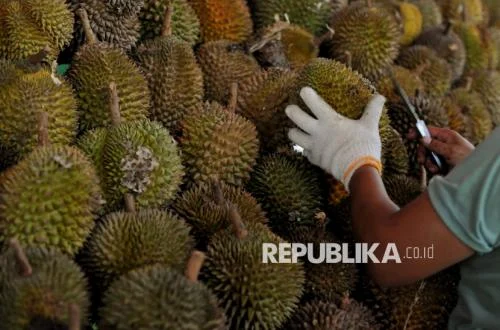
The global appetite for durian, often hailed as the "King of Fruits," is experiencing an unprecedented surge, with China emerging as the undisputed powerhouse driving this demand. The sheer scale of China’s annual durian consumption is staggering, estimated to be worth an astounding Rp120 trillion (approximately USD 7.5 billion), presenting an immense, untapped opportunity for Indonesia to significantly expand its horticultural exports and solidify its position as a major player in the international agricultural market. This burgeoning demand has ignited ambitious plans within the Indonesian government to transform its vast agricultural potential into concrete economic gains, particularly through strategic development in transmigration areas.

The Global Durian Phenomenon and China’s Unquenchable Thirst

Durian, with its distinctive aroma and rich, creamy texture, has transcended its regional origins to become a highly sought-after delicacy across Asia and increasingly, the world. The global durian market, valued at over USD 20 billion in 2023, is projected to grow at a compound annual growth rate (CAGR) exceeding 7% in the coming years, primarily fueled by rising disposable incomes and a growing appreciation for exotic fruits, especially within the Asia-Pacific region. While Thailand has historically dominated this market, accounting for over 90% of global durian exports, other Southeast Asian nations like Malaysia, Vietnam, and the Philippines are rapidly scaling up their production to meet the ever-increasing demand.

China, in particular, stands at the epicenter of this durian boom. The country’s expanding middle class, coupled with evolving dietary preferences and a cultural affinity for premium fruits, has transformed it into the world’s largest importer of durian. Chinese consumers are willing to pay top dollar for high-quality durian, particularly popular varieties like Musang King, Monthong, and Black Thorn. The demand is so robust that it often outstrips supply, leading to significant price fluctuations and a constant search for new, reliable sources. For Indonesia, a nation blessed with diverse agro-climatic conditions ideal for durian cultivation, this presents a golden opportunity to carve out a substantial share of this lucrative market.

Indonesia’s Strategic Play: Unlocking Potential in Parigi Moutong

The promising trajectory for Indonesian durian exports is particularly evident in the transmigration regions of Kabupaten Parigi Moutong, located in Central Sulawesi. These areas, historically developed as part of government-led resettlement programs aimed at population redistribution and regional economic development, are now being eyed as pivotal export hubs. Agus Harimurti Yudhoyono (AHY), the Coordinating Minister for Infrastructure and Regional Development, underscored the colossal potential of durian exports from this specific region. He projected that durian exports from Parigi Moutong alone could exceed Rp1 trillion (approximately USD 63 million) annually.

Minister AHY provided compelling figures, stating, "In a mere three-month period, exports could reach Rp400 billion. This extrapolates to more than Rp1 trillion being exported to China within a single year." This optimistic outlook is not merely speculative but is based on initial assessments of current yields, planned expansion, and the high market value of durian. The government’s strategic vision is to transform these transmigration areas, which were once primarily focused on subsistence farming, into highly productive, export-oriented agricultural zones specializing in high-value commodities like durian.

Government Commitment: Infrastructure and Connectivity as Enablers

Realizing such ambitious export targets necessitates robust governmental support, particularly in the realm of infrastructure and logistics. The Indonesian government is actively pushing for enhanced connectivity and modern infrastructure development within these production regions. The aim is to dismantle geographical isolation, ensuring that agricultural produce from areas like Parigi Moutong can seamlessly connect with global markets. This involves a multi-pronged approach:

  • Road Networks: Upgrading and constructing arterial and feeder roads to facilitate efficient transport from farms to processing centers and ports.
  • Port Modernization: Investing in port facilities in Central Sulawesi to handle increased cargo volumes, including specialized cold storage and loading equipment for perishable goods.
  • Cold Chain Logistics: Developing a comprehensive cold chain system, encompassing refrigerated warehouses, transport vehicles, and cooling facilities at various points along the supply chain, critical for maintaining the quality of fresh and frozen durian.
  • Digital Connectivity: Improving internet access in rural areas to support modern agricultural practices, market intelligence, and supply chain management.

Minister Muhammad Iftitah Sulaiman Suryanagara, the Minister of Transmigration, further affirmed the government’s commitment. He announced plans to personally oversee the initial large-scale durian export process to China. This inaugural shipment is anticipated to comprise tens of thousands of tons, with an estimated value of Rp42 billion (approximately USD 2.6 million). His visit underscores the high-level attention and strategic importance placed on this initiative. Minister Suryanagara highlighted that the Parigi Moutong region boasts one of the largest durian plantations globally, a testament to the potential for transmigration areas to evolve into new economic powerhouses driven by leading agricultural commodities.

A Chronology of Engagement and Strategic Bilateral Diplomacy

The groundwork for this export drive has been meticulously laid through focused bilateral engagements. A significant step occurred on April 13, when Minister Iftitah Sulaiman Suryanagara held a crucial meeting with the Chinese Ambassador to Indonesia, Wang Lutong. The discussions centered explicitly on opportunities for durian export cooperation, with China expressing strong interest in becoming a primary off-taker for Indonesian durian products. This meeting represents a tangible move to translate potential into concrete trade agreements.

The engagement reflects a broader pattern of strengthening economic ties between Indonesia and China. China’s "Belt and Road Initiative" (BRI) has seen significant infrastructure investments in Indonesia, fostering a conducive environment for trade expansion. For China, diversifying its durian import sources is a strategic imperative to ensure supply security and mitigate risks associated with over-reliance on a single supplier. Indonesia, with its vast and largely untapped durian cultivation areas, presents an ideal partner.

Phased Export Strategy: From Frozen to Fresh

To navigate the complexities of international trade and meet stringent import requirements, Indonesia has adopted a pragmatic, phased export strategy. The initial focus will be on exporting frozen durian. This approach offers several advantages:

  • Quality Preservation: Freezing helps maintain the durian’s quality and extends its shelf life significantly, making it more resilient to long-distance shipping.
  • Logistical Flexibility: Frozen durian is less susceptible to immediate spoilage, providing more leeway in transport schedules and logistics.
  • Meeting Market Standards: While still requiring high standards, the phytosanitary requirements for frozen products are often less complex than for fresh produce, allowing Indonesia to build experience and trust in the market.

Once a robust supply chain and quality control system are firmly established and confidence in Indonesian durian products grows, the strategy will pivot towards exporting fresh durian. Fresh durian commands a significantly higher economic value and faces even greater demand in the Chinese market. This transition will, however, necessitate even more rigorous adherence to international phytosanitary standards, sophisticated cold chain infrastructure, and impeccable quality consistency from farm to fork. The government’s plan to start with frozen durian is a realistic and strategic entry point, allowing for incremental development of capabilities and market penetration.

The Production Hub: Bahari Tomini Raya’s Growing Yield

Data from the Parigi Moutong Regency Government indicates that the Bahari Tomini Raya Transmigration Area currently produces 903.9 tons of durian annually. This figure, while substantial, is considered merely a baseline. Local agricultural experts and government officials are confident that this production volume can be significantly increased through various interventions:

  • Ecosystem Strengthening: Implementing modern agricultural practices, including improved fertilization, pest and disease management, and irrigation techniques.
  • Investment in Horticulture: Attracting both domestic and foreign investment into durian orchards, processing facilities, and research and development for superior varieties.
  • Farmer Training: Providing comprehensive training to local farmers on best practices for durian cultivation, harvesting, and post-harvest handling to maximize yield and quality.
  • Expansion of Planted Areas: Identifying and developing new suitable land for durian cultivation within the transmigration zones and surrounding areas.

"Our goal is not just to increase volume, but to enhance the overall quality and consistency of our durian," stated a local agricultural official, emphasizing the importance of sustainable practices and farmer empowerment. "The potential for growth here is immense, given the fertile soil and ideal climate."

Navigating the Challenges: Quality, Consistency, and Certification

Despite the immense opportunities, the path to becoming a dominant durian exporter to China is fraught with challenges. The Chinese market, known for its discerning consumers and stringent import regulations, demands unwavering adherence to high standards. Key hurdles that Indonesia must overcome include:

  • Quality Standards: Ensuring that every durian exported meets international quality benchmarks, including size, ripeness, aroma, and freedom from defects. This requires rigorous sorting, grading, and packaging processes.
  • Consistency of Supply: Durian is a seasonal fruit. Maintaining a consistent supply throughout the year or managing seasonal peaks effectively is crucial. This could involve staggered planting across different microclimates, advanced cold storage solutions, and potentially exploring durian varieties with different fruiting seasons.
  • Phytosanitary Certification: Obtaining and maintaining the necessary phytosanitary certificates from Chinese authorities is paramount. This involves strict pest and disease control protocols, regular inspections, and traceability systems that can track the origin of every fruit.
  • Traceability and Food Safety: Consumers in China increasingly demand transparency regarding the origin and production methods of their food. Implementing robust traceability systems, from the farm to the consumer, is essential to build trust and meet food safety regulations.
  • Logistical Infrastructure: The cold chain must be impeccable, preventing spoilage and maintaining optimal conditions during long-distance transportation. Any weak link in the chain can compromise the entire shipment.
  • Market Intelligence and Branding: Understanding the nuanced preferences of Chinese consumers and developing a strong "Indonesia Durian" brand identity will be vital for long-term success.

Without meticulous preparation and a concerted effort to address these prerequisites, the significant export potential risks remaining largely untapped. As an industry expert commented, "The market is there, the demand is clear. But success hinges entirely on our ability to deliver consistent quality and meet the exacting standards of the most competitive market in the world."

Broader Implications: Economic Growth, Rural Development, and Bilateral Ties

The successful realization of Indonesia’s durian export ambitions holds profound implications beyond mere trade figures.

  • Economic Diversification: It contributes significantly to diversifying Indonesia’s export portfolio, reducing its reliance on traditional commodities and boosting non-oil and gas exports. This enhances economic resilience against global market fluctuations.
  • Rural Development and Poverty Alleviation: For transmigration areas like Parigi Moutong, this initiative promises substantial economic upliftment. Increased income for durian farmers, job creation in cultivation, harvesting, processing, and logistics will directly contribute to poverty reduction and improved living standards in rural communities. It validates the government’s long-term investment in these areas.
  • Regional Economic Growth: Central Sulawesi stands to benefit immensely, transforming into a vibrant agricultural export hub. This could spur further investment in related industries and infrastructure, creating a ripple effect across the provincial economy.
  • Strengthening Bilateral Relations: Successful agricultural trade fosters deeper economic and diplomatic ties between Indonesia and China, opening doors for cooperation in other sectors.
  • Sustainable Agriculture: The focus on meeting international standards could drive the adoption of more sustainable and efficient farming practices across the Indonesian durian sector, promoting environmental stewardship.

In conclusion, Indonesia stands at the cusp of a transformative agricultural opportunity, with its durian potential poised to capture a significant share of China’s burgeoning market. The strategic focus on transmigration areas, coupled with robust government support for infrastructure and diplomatic engagement, lays a strong foundation. While challenges related to quality, consistency, and certification are substantial, the commitment from key ministries and the phased export strategy demonstrate a clear path forward. If executed effectively, this initiative promises not only to inject billions of rupiah into the national economy but also to profoundly uplift rural communities and solidify Indonesia’s standing as a formidable player in the global horticultural landscape. The "King of Fruits" may well become a kingmaker for Indonesia’s economic future.


July 28, 2025 0 comment
0 FacebookTwitterPinterestEmail
Economy & Finance

Silver Emerges as a Strategic Investment Alternative, Offering Accessibility and Growth Potential for Novice Investors

by Nana July 27, 2025
written by Nana

Jakarta, Indonesia – While gold has traditionally reigned supreme as the quintessential precious metal investment, silver is increasingly asserting itself as a compelling and accessible alternative, particularly for those new to the world of commodities. Its relatively stable price point, significantly lower entry barrier compared to gold, and promising growth trajectory, coupled with its robust inflation-hedging capabilities, are drawing considerable attention from a diverse range of investors. This shift reflects a broader market recognition of silver’s dual utility as both a monetary metal and a critical industrial commodity, positioning it as a potent instrument for asset diversification in an evolving global economic landscape.

The Allure of Silver: A Dual Commodity with Growing Appeal

Silver’s rising prominence as an investment vehicle stems from its unique characteristics. Unlike gold, which is predominantly held as a store of value and jewelry, silver boasts substantial industrial demand, making its market dynamics intricately linked to global economic activity and technological advancements. This dual nature provides a distinct advantage, as its value can be buoyed by both investor sentiment during periods of economic uncertainty and by robust industrial consumption during phases of growth.

Historically, silver has often been dubbed "poor man’s gold" due to its affordability. This accessibility remains a cornerstone of its appeal, enabling beginners to enter the precious metals market with smaller capital outlays. For instance, while a single gram of gold can command prices well over IDR 1,000,000 (approximately USD 65-70), an equivalent weight of silver is typically a fraction of that cost, making incremental investments more feasible. This lower price point allows for greater portfolio flexibility and the ability to accumulate a substantial physical holding over time without significant financial strain.

Beyond affordability, silver’s potential for growth is substantial. Market analysts frequently point to its undervaluation relative to gold, particularly when observing the historical gold-to-silver ratio. This ratio, which measures how many ounces of silver it takes to buy one ounce of gold, has often deviated from its long-term average, suggesting periods where silver is poised for significant catch-up gains. Moreover, silver’s sensitivity to industrial demand provides a strong tailwind. As global economies increasingly pivot towards green energy and high-tech solutions, the demand for silver in solar panels, electric vehicles (EVs), 5G technology, and medical applications is projected to surge. This structural demand shift is a powerful, long-term driver for silver prices, distinguishing it from purely speculative assets.

Understanding Silver’s Market Dynamics: Factors Influencing Value

To effectively invest in silver, it is crucial to comprehend the myriad factors that influence its price movements. Unlike other asset classes, silver’s value is a complex interplay of supply-side constraints, demand-side pressures, and broader macroeconomic forces.

Supply and Demand Equilibrium: The global supply of silver is primarily derived from mining operations, often as a byproduct of lead, zinc, copper, and gold extraction. This makes its supply somewhat inelastic to direct silver price changes, as miners may continue producing silver even if prices are low, provided the primary metal remains profitable. Demand, on the other hand, is segmented into industrial use (approximately 50-60%), jewelry, silverware, and investment (coins, bars, ETFs). Shifts in any of these demand categories can significantly impact prices. For example, a boom in solar panel manufacturing can rapidly escalate industrial demand, pushing prices upward.

Economic Indicators and Monetary Policy: Silver, like gold, often acts as a safe-haven asset during times of economic instability, geopolitical tension, or high inflation. When confidence in fiat currencies wanes, investors often flock to precious metals. Conversely, a strengthening economy and rising interest rates can make non-yielding assets like silver less attractive, as investors might opt for higher-yielding alternatives. The U.S. dollar’s strength also plays a role; a stronger dollar typically makes dollar-denominated commodities like silver more expensive for international buyers, potentially dampening demand.

The Gold-Silver Ratio: This widely watched metric offers insights into the relative valuation of the two metals. Historically, the ratio has fluctupped, but significant deviations from its long-term average (often cited around 60:1 or 70:1) can signal potential opportunities. When the ratio is high, silver is considered relatively cheap compared to gold, and vice versa. Monitoring this ratio can help investors make informed decisions about allocating capital between the two precious metals.

Navigating Silver Investment: A Comprehensive Guide for Beginners

For those ready to embark on their silver investment journey, a structured approach is paramount. The following steps provide a practical roadmap, enriched with considerations for safety, efficiency, and optimal returns.

1. Choosing the Right Form of Silver: Physical vs. Digital

The initial decision for any silver investor is whether to acquire physical silver or opt for digital, paper-based instruments. Both have distinct advantages and disadvantages.

  • Physical Silver (Coins and Bars):

    • Coins: Typically minted by government entities (e.g., American Silver Eagle, Canadian Silver Maple Leaf, Austrian Philharmonic) or private mints. They often carry a higher premium over the spot price due to their numismatic value, intricate designs, and smaller denominations. Coins are generally easier to liquidate in smaller quantities and are widely recognized.
    • Bars: Available in various sizes, from 1 gram to 1,000 ounces. Silver bars usually have lower premiums per ounce compared to coins, making them more cost-effective for larger investments. Their standardized weights and purities (e.g., 99.9% fine silver) are widely accepted.
    • Pros: Tangible asset, complete control, protection against systemic financial collapse, historical store of value.
    • Cons: Storage costs and security concerns (e.g., home safes, bank safe deposit boxes), potential for higher premiums, sales tax in some jurisdictions, and the need to verify authenticity.
    • Recommendation: For beginners, starting with smaller bars (1 oz, 10 oz, 100g, 250g) or commonly recognized sovereign coins can be a good entry point. These are easier to store and verify.
  • Digital Silver (Paper Assets):

    • Pros: High liquidity, no storage costs, ease of transaction (buy/sell with a click), ability to track global prices in real-time.
    • Cons: Counterparty risk (you don’t directly own the physical metal), reliance on the financial system, not a true hedge against systemic collapse in the same way physical silver is.
    • Recommendation: Ideal for those prioritizing convenience and liquidity, but it’s crucial to understand the underlying asset and the security of the platform.

2. Starting Small and Scaling Up: The Power of Gradual Accumulation

A common pitfall for new investors is attempting to make large, speculative investments. For silver, especially physical silver, it is advisable to begin with smaller denominations, such as 1-ounce coins or 10-gram bars. This strategy offers several benefits:

  • Financial Flexibility: It allows investors to allocate funds gradually, preventing undue financial burden and enabling consistent investment over time, irrespective of short-term price fluctuations. This aligns with the principle of dollar-cost averaging, where one invests a fixed amount regularly, buying more when prices are low and less when they are high, thereby reducing average cost over time.
  • Learning Curve: Smaller purchases provide an opportunity to learn about the market, storage solutions, and selling processes without significant risk.
  • Liquidity: Smaller units are generally easier to sell if a quick need for cash arises, as there’s a broader market for smaller quantities.

3. Due Diligence: Verifying Authenticity and Reputable Dealers

The integrity of an investment hinges on the authenticity of the product and the reliability of the seller. This is particularly true for precious metals, where counterfeiting can be a concern.

  • Official Distributors: In Indonesia, for example, PT ANTAM (Aneka Tambang) is a state-owned mining company that produces high-purity gold and silver. Purchasing from official ANTAM boutiques, certified distributors, or reputable online platforms (like those affiliated with the company or well-established precious metal dealers) ensures product authenticity. Look for dealers with long track records, positive customer reviews, and transparent pricing.
  • Certificates of Authenticity: Always insist on a certificate of authenticity for physical silver purchases, especially for bars. These certificates typically detail the weight, purity, and a unique serial number that matches the product. For coins, look for established mint marks and reputable series.
  • Assay Marks: Physical silver products should bear clear assay marks, indicating the refiner, purity (e.g., .999 fine silver), and weight.
  • Avoid Unverified Sellers: Steer clear of unverified online marketplaces or individual sellers who cannot provide proper documentation or proof of origin. The slight discount offered might not be worth the risk of acquiring counterfeit or debased metal.

4. Leveraging Modern Investment Vehicles: Beyond Physical Ownership

For those seeking convenience or broader market exposure without the complexities of physical storage, several modern investment vehicles offer attractive alternatives.

  • Digital Silver Investment Platforms: Numerous financial technology (fintech) applications and online platforms now facilitate digital silver investment. These platforms allow users to buy and sell fractional amounts of silver, often with the underlying physical metal stored in secure vaults by the service provider. This eliminates personal storage concerns and provides instant liquidity. Investors can monitor prices and execute transactions anytime, anywhere via their smartphones. Popular platforms might also offer features like automated savings plans.
  • Silver Savings and Installment Programs: Some financial institutions and precious metal dealers offer programs that enable customers to accumulate silver through regular savings or installment payments. These programs are designed for disciplined, long-term investors, allowing them to build their silver portfolio incrementally based on their monthly financial capacity. This approach democratizes precious metal investment, making it accessible even with limited upfront capital.
  • Exchange-Traded Funds (ETFs) and Mutual Funds: For sophisticated investors or those who prefer professional management and diversified exposure, silver-backed ETFs and mutual funds are excellent options.
    • ETFs (Exchange-Traded Funds): These funds trade on stock exchanges like regular stocks and are designed to track the price of silver. Some ETFs are physically backed, meaning they hold actual silver bullion in vaults, while others use futures contracts. They offer high liquidity, diversification benefits, and lower expense ratios compared to traditional mutual funds.
    • Mutual Funds: Less common specifically for silver, but some commodity-focused mutual funds may include silver as part of their portfolio. These are actively managed by professionals, offering expertise and risk management, though they typically come with higher management fees.
    • Benefits: Both ETFs and mutual funds provide exposure to global silver prices, professional management, and often lower minimum investment requirements than buying large physical quantities. They bypass the need for personal storage and insurance.
    • Considerations: Investors should research the fund’s holdings (physical vs. derivatives), expense ratios, and tracking error.

5. The Importance of Market Monitoring: Staying Informed

Effective investment in any commodity necessitates continuous market monitoring. While silver tends to appreciate over the long term, its short-term prices can be volatile, influenced by a multitude of factors.

  • Track Global Prices: Utilize reliable financial news sources, dedicated precious metals websites, and trading platforms to track real-time silver spot prices. Understand that local retail prices will always include premiums over the global spot price.
  • Economic Indicators: Pay attention to macroeconomic data, such as inflation reports, interest rate decisions by central banks (e.g., the Federal Reserve), GDP growth figures, and employment data. These indicators provide context for broader market sentiment and currency strength, which directly impact silver prices.
  • Industrial Demand News: Follow news related to key silver-consuming industries, particularly solar energy, electronics, and automotive (especially EVs). Announcements of new technological breakthroughs, government subsidies for green energy, or shifts in manufacturing output can signal future demand trends.
  • Geopolitical Events: Major global events, political instability, and conflicts can trigger safe-haven buying, temporarily boosting silver prices.
  • Currency Fluctuations: As silver is primarily priced in U.S. dollars, movements in the USD exchange rate significantly affect its price for investors using other currencies. A stronger dollar makes silver more expensive for non-dollar holders, potentially dampening demand and price.

6. Pondering Risks and Rewards: A Balanced Perspective

Before committing capital, a thorough understanding of silver’s inherent risks and potential rewards is crucial for developing a realistic investment strategy.

  • Rewards:
    • Capital Appreciation: Potential for significant long-term price growth driven by industrial demand and safe-haven appeal.
    • Inflation Hedge: Historically performs well during periods of high inflation, preserving purchasing power.
    • Portfolio Diversification: Low correlation with traditional assets like stocks and bonds, reducing overall portfolio risk.
    • Tangible Asset: Physical silver provides a sense of security and ownership not found in paper assets.
  • Risks:
    • Volatility: Silver prices can be highly volatile in the short term, experiencing sharp swings due to market sentiment, economic news, or speculative trading.
    • Liquidity (for Physical): Selling large quantities of physical silver can sometimes be less liquid than selling stocks or digital assets, potentially involving higher spreads or delays.
    • Storage Costs and Security: For physical silver, costs associated with secure storage (safes, vault services) and insurance can erode returns.
    • Counterparty Risk (for Digital/ETFs): While minimal with reputable providers, there’s always a theoretical risk associated with the institution holding your digital assets or managing your fund.
    • Premiums: The difference between the spot price and the actual purchase price (premium) can be substantial, especially for smaller units, impacting entry and exit costs.

Safe Acquisition of Physical Silver: Ensuring Authenticity

For investors committed to the tangible security of physical silver, adhering to secure purchasing protocols is paramount.

  • 1. Direct Offline Purchase (e.g., ANTAM Boutiques):

    • Visit official brand boutiques or authorized dealers directly.
    • Inspect the product for quality, assay marks, and serial numbers (if applicable).
    • Ensure a physical certificate of authenticity is provided with the purchase.
    • Compare prices with online spot rates, understanding that a reasonable premium is expected for retail sales and brand assurance.
    • Pay using traceable methods (bank transfer, debit/credit card) to maintain a transaction record.
  • 2. Practical Online Purchase:

    • Utilize official e-commerce platforms of reputable refiners (like ANTAM’s official online store) or well-established, certified online precious metal dealers.
    • Verify the website’s security (HTTPS, legitimate domain).
    • Read customer reviews and check for transparency in pricing, shipping, and return policies.
    • Confirm that products come with verifiable certificates of authenticity.
    • Opt for insured shipping methods to protect against loss or damage during transit.
    • Be wary of unusually low prices from unknown sellers, as this can be a red flag for counterfeit products.

The Broader Economic Implications of Silver Investment

The increasing interest in silver as an investment carries significant implications for individual portfolios and the broader economy.

  • Enhanced Portfolio Diversification: By adding silver, investors can reduce their overall portfolio risk. Its historical tendency to move independently of, or even inversely to, stocks and bonds during certain economic cycles makes it an excellent diversifier, providing a hedge against market downturns.
  • Resilience Against Inflationary Pressures: In an era where global central banks have implemented unprecedented monetary easing, concerns about inflation are prevalent. Silver, along with gold, has historically served as a robust inflation hedge, helping to preserve purchasing power when fiat currencies lose value.
  • Catalyst for Industrial Growth: As investment capital flows into silver, it indirectly supports the industries that rely on this metal. Increased demand and higher prices for silver can incentivize mining companies to boost production, ensuring a steady supply for critical sectors like renewable energy, which are vital for global sustainability goals. This creates a positive feedback loop, where investment interest fuels industrial development, which in turn reinforces silver’s value proposition.
  • Shifting Investment Paradigms: The growing acceptance of silver as a primary investment choice signifies a subtle but important shift in retail investment behavior, moving beyond traditional assets towards tangible commodities as a means of wealth preservation and growth.

Expert Outlook and Future Prospects

Market analysts and industry experts generally maintain a positive outlook for silver, particularly in the medium to long term. The consensus points to several key drivers: the relentless push for decarbonization and green energy technologies, which are heavily reliant on silver; sustained demand from traditional industrial sectors; and its enduring appeal as a safe-haven asset amidst ongoing geopolitical and economic uncertainties. Projections often highlight silver’s potential to outperform gold during periods of robust economic expansion, given its significant industrial component. The ongoing transition to electric vehicles, 5G networks, and solar power is expected to create a structural increase in demand that current mining output may struggle to meet, potentially leading to supply deficits and upward price pressure.

In conclusion, silver stands as a remarkably versatile and increasingly strategic asset. Its affordability, coupled with strong growth potential driven by both investor demand and critical industrial applications, makes it an attractive proposition for beginners and seasoned investors alike. By meticulously understanding the market, choosing appropriate investment vehicles, conducting thorough due diligence, and maintaining a disciplined, long-term perspective, investors can effectively harness the power of silver to diversify their portfolios, hedge against inflation, and potentially achieve significant capital appreciation in the years to come. The journey into silver investment, while requiring informed decisions and careful monitoring, offers a tangible path to financial resilience and growth in a dynamic global economy.

July 27, 2025 0 comment
0 FacebookTwitterPinterestEmail
Politics

Giselle of aespa’s Recent Appearance Sparks Renewed Debate on K-Pop Beauty Standards and Idol Well-being

by Reynand Wu July 26, 2025
written by Reynand Wu

The recent circulation of new photographs featuring Giselle, a prominent member of the globally acclaimed K-pop girl group aespa, has ignited widespread discussion across social media platforms and online communities. Her noticeably altered appearance, particularly a significant reduction in body weight, has triggered a wave of concern among fans and reignited long-standing debates surrounding the increasingly stringent and often perceived as extreme beauty standards prevalent within the South Korean entertainment industry. These discussions extend beyond Giselle, encompassing broader issues of idol health, agency responsibilities, and the psychological pressures faced by artists in a highly competitive and image-conscious field.

The Visible Transformation and Online Reaction

On April 14, 2024, a series of images featuring Giselle began to spread rapidly across various online forums and social networking sites, typically captioned with phrases such as "aespa Giselle’s Latest Look." The photographs depicted a visibly thinner Giselle, a stark contrast to her previous public appearances. Observers noted a more slender physique, a sharper and more defined jawline, and an overall more delicate silhouette. The transformation was deemed so pronounced by some netizens that her appearance was likened to "bone-thin," a term frequently used in Korea to describe an exceedingly lean body often associated with the idealized visual standards for K-pop idols. This descriptor itself carries a loaded connotation, often implying a level of thinness that raises questions about health and sustainability.

The immediate reaction online was multifaceted but predominantly underscored by worry. Many fans, who have closely followed Giselle’s career since aespa’s debut, expressed shock at the discernible change. They pointed out that during earlier promotional cycles, Giselle’s physique, while fit, did not exhibit the same level of extreme thinness. The suddenness and extent of the change amplified the concerns, leading to a deluge of comments questioning her well-being. Comments ranged from direct expressions of concern, such as "Is she strong enough to handle promotions if she’s this thin?" and "She looks extremely thin," to broader critiques of the industry, like "Are idols being pushed too far these days?" The intensity of these reactions highlights a growing sentiment among the K-pop fandom that the pursuit of a specific aesthetic is potentially compromising the health and happiness of their beloved artists.

A Recurring Pattern: aespa Members and Industry Standards

The discussion surrounding Giselle’s weight loss is not an isolated incident within aespa or the K-pop landscape. The group itself has previously been at the center of similar conversations. Ningning, another member of aespa, had also drawn significant media and fan attention for a noticeable reduction in her body weight in the past. Furthermore, fellow members Winter and Karina have long been recognized for their exceptionally lean figures, which align with the prevalent "ideal" body type in K-pop. This recurring pattern within a single group, especially one managed by a major entertainment powerhouse like SM Entertainment, has led many fans and commentators to infer a systemic pressure to conform to an increasingly demanding visual standard across the entire industry.

This observed trend within aespa reflects a broader, more entrenched issue within K-pop, where physical appearance is often prioritized alongside vocal and performance talent. The industry’s relentless focus on visual perfection has historically led to intense scrutiny of idols’ bodies, often resulting in strict dietary regimens and rigorous exercise routines. This environment fosters a culture where weight loss is frequently celebrated, even when it reaches levels that may be concerning from a health perspective. The public’s concern for Giselle, therefore, serves as a poignant reminder of the continuous pressure placed on K-pop artists to maintain an image that is often unrealistic and potentially detrimental to their physical and mental health.

The Pervasive Ideal: Understanding K-Pop’s Strict Beauty Norms

K-pop’s beauty standards are notoriously rigorous and have evolved over decades, often influenced by a blend of traditional Korean aesthetics and global trends, amplified by social media. The "ideal" female idol physique is typically characterized by extreme thinness, often referred to as a "paper-thin" or "stick-thin" figure. This is frequently accompanied by a "V-line" jaw (a sharp, slender chin and jawline), large eyes, a small nose, and pale skin. The emphasis on a tiny waist, long slender legs, and an overall delicate frame is paramount. These ideals are not merely aesthetic preferences; they are often implicitly or explicitly enforced through agency training programs, media narratives, and fan expectations.

The pursuit of these ideals often involves extreme measures. Idols, especially during their trainee periods and active promotion cycles, are known to adhere to highly restrictive diets, sometimes involving calorie intake far below recommended healthy levels. There are numerous anecdotes within the industry of idols consuming minimal food, undergoing intense physical training, and even resorting to drastic measures to achieve and maintain these appearances. The constant public scrutiny, exacerbated by high-definition cameras and ubiquitous fan photography, means that any perceived deviation from these ideals can become a topic of widespread discussion, criticism, or, as in Giselle’s case, concern. This unrelenting pressure contributes to a culture where maintaining a certain weight is not just about personal health but is inextricably linked to career longevity and public acceptance.

Health Implications: Beyond the Visual

While the aesthetic appeal of a lean physique is undeniable in the K-pop industry, the potential health implications of achieving and maintaining extreme thinness are a significant and often overlooked aspect of these discussions. Rapid or excessive weight loss can lead to a myriad of physical health problems. These include, but are not limited to, nutrient deficiencies, weakened immune systems, hormonal imbalances (which can affect menstrual cycles and bone density), hair loss, skin problems, and chronic fatigue. In severe cases, it can lead to more serious conditions like eating disorders, cardiovascular issues, and long-term organ damage.

Beyond the physical, the mental and psychological toll on idols is immense. The constant pressure to conform to an "ideal" body type can foster body dysmorphia, anxiety, depression, and low self-esteem. The need to perpetually monitor one’s weight and appearance, coupled with a demanding schedule of rehearsals, performances, and public appearances, creates a high-stress environment. The public nature of their struggle means that idols often have little privacy to deal with these challenges, further exacerbating mental health concerns. While there is no official statement regarding Giselle’s health, the widespread fan concern stems from an understanding of these potential risks, drawing parallels to numerous past incidents where idols have openly discussed their struggles with diet, body image, and mental health.

The Role of Agencies and the Silence on Specifics

Entertainment agencies play a pivotal role in shaping and managing the public image of their idols. From trainee selection to debut and ongoing promotions, agencies often exert significant influence over an idol’s diet, exercise regime, and overall appearance. While agencies are responsible for the well-being of their artists, the intense competitive nature of the K-pop industry often means that commercial success and public appeal, which are heavily tied to visual aesthetics, take precedence.

In the case of Giselle’s recent appearance, neither she nor her agency, SM Entertainment, has issued an official statement directly addressing the weight loss or the public’s concerns. This lack of direct comment is not uncommon in the K-pop industry. Agencies typically refrain from commenting on individual idol weight fluctuations unless it becomes a health crisis that requires public acknowledgment or a hiatus. Their usual focus is on promoting upcoming activities, managing schedules, and maintaining a positive public image, often leaving personal health matters to be handled privately. This silence, while perhaps intended to protect the idol’s privacy, often leaves fans to speculate and intensifies the debate around agency practices and idol welfare. The expectation from fans is often for agencies to prioritize health over aesthetics, a balance that the industry consistently struggles to achieve.

Fan Advocacy: A Growing Voice for Idol Well-being

The strong reactions from fans regarding Giselle’s appearance underscore a significant shift in K-pop fan culture. While historical fan behavior often involved praising idols for achieving extreme thinness, a growing segment of the global fandom now actively advocates for idol well-being, both physical and mental. This shift is partly driven by increased awareness of mental health issues, a broader understanding of healthy body image, and a desire to see idols thrive genuinely, not just visually.

Online communities and social media platforms serve as crucial arenas for this fan advocacy. Fans organize discussions, share information about healthy eating and body positivity, and collectively voice their concerns to agencies through hashtags, petitions, and direct messages. This collective pressure can sometimes lead to agencies re-evaluating their strategies, though changes are often slow and incremental. The concern for Giselle is part of this larger movement, where fans are asserting their role not just as consumers of entertainment but as stakeholders invested in the genuine welfare of the artists they support. This active participation from fans adds a crucial layer of accountability to an industry that has historically operated with limited external checks on its internal practices regarding idol management.

Broader Societal Impact: Idols as Role Models

K-pop idols, particularly those from globally successful groups like aespa, wield immense cultural influence. They are not merely entertainers but fashion icons, trendsetters, and, perhaps most significantly, role models for millions of young people worldwide. The visual standards they embody can have a profound impact on the body image and self-esteem of their impressionable fans. When idols exhibit extreme thinness, it can inadvertently normalize or even valorize unhealthy body ideals, potentially contributing to body image issues and disordered eating patterns among their young followers.

This ripple effect extends beyond K-pop, influencing broader societal perceptions of beauty and health. The global reach of K-pop means that these beauty standards are no longer confined to South Korea but are disseminated across continents, affecting diverse cultural contexts. Therefore, the ongoing debate about Giselle’s appearance is not just about one idol; it is a microcosm of a larger societal conversation about media representation, the ethics of entertainment industries, and the responsibility of influential figures in shaping public health attitudes. The pressure on idols to conform to these standards, and the subsequent public reaction, highlights the complex interplay between cultural aesthetics, commercial demands, and public health concerns in the modern globalized world.

Navigating the Future: Health, Image, and Industry Evolution

The intense scrutiny and debate surrounding Giselle’s recent appearance serve as a critical juncture for the K-pop industry. While the pursuit of visual perfection has long been a cornerstone of K-pop’s appeal, the growing global awareness of mental and physical health, coupled with an increasingly vocal and engaged fanbase, is challenging the sustainability and ethics of current practices. The discussion around Giselle is a stark reminder that the industry must find a better balance between maintaining its aesthetic appeal and ensuring the holistic well-being of its artists.

Moving forward, there is an increasing expectation for entertainment agencies to adopt more transparent and health-conscious approaches to idol management. This could involve prioritizing comprehensive health assessments, providing adequate nutritional guidance and psychological support, and fostering an environment where idols feel empowered to prioritize their health without fear of career repercussions. The ongoing dialogue, fueled by fan concerns and media attention, may gradually push the industry towards a more responsible and sustainable model. However, given the deep-seated nature of these beauty standards and the fierce competition within the K-pop landscape, such changes are likely to be slow and require sustained advocacy from fans, media, and, crucially, the idols themselves. The narrative around Giselle’s health is therefore not just a fleeting online trend but a vital chapter in the ongoing evolution of K-pop and its relationship with body image, health, and global cultural influence.

July 26, 2025 0 comment
0 FacebookTwitterPinterestEmail
Politics

Minister Bahlil Lahadalia Ranked Worst Performer in Recent Celios Survey Amidst Broader Cabinet Scrutiny

by Pevita Pearce July 26, 2025
written by Pevita Pearce

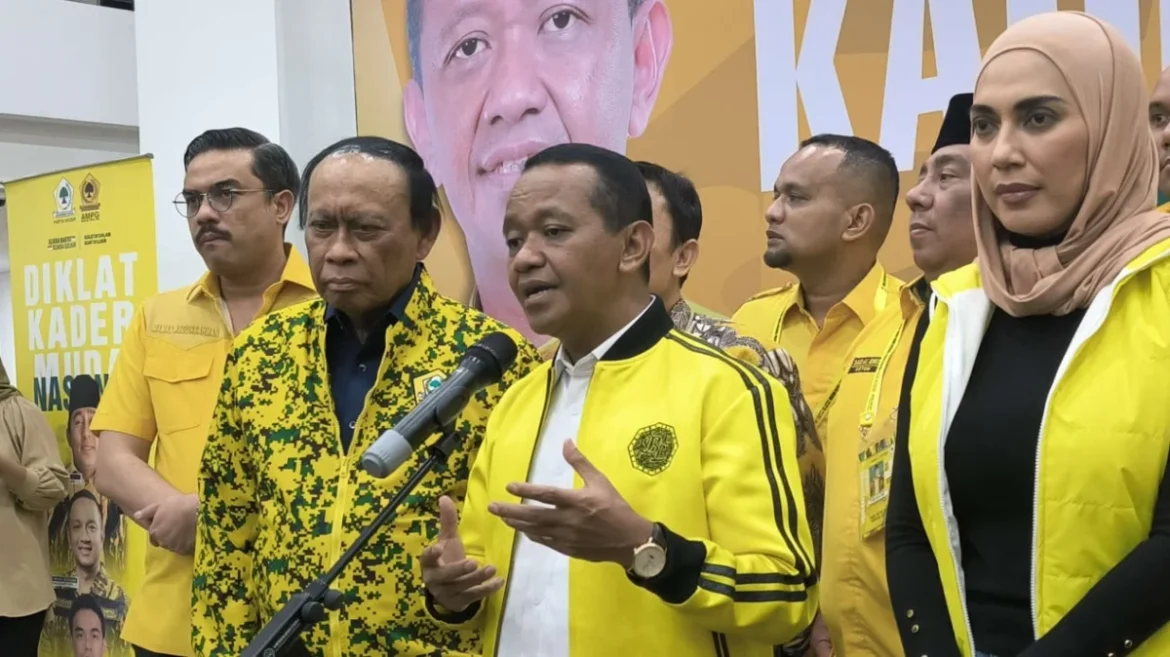
Jakarta, VIVA – A comprehensive survey conducted by the Center of Economic and Law Studies (Celios) has revealed that Minister of Energy and Mineral Resources (ESDM), Bahlil Lahadalia, is perceived as the poorest-performing minister within the current administration. The findings, released on Tuesday, October 21, 2025, highlight significant public and expert dissatisfaction with his tenure, casting a critical spotlight on the government’s performance as it approaches its first anniversary.

The Celios survey, renowned for its rigorous methodology and independent analysis, presented two distinct but convergent evaluations. In the public opinion segment, Minister Lahadalia received the lowest score of -1320, indicating widespread negative sentiment among the general populace. This was further corroborated by the expert judgment survey, where he garnered a score of -151, underscoring a consensus of underperformance among informed observers and specialists. Such a stark negative evaluation from both public and expert panels presents a considerable challenge for the minister and the administration he serves.

Contextualizing Ministerial Performance Under the Prabowo Administration

The survey’s release comes at a pivotal time, approximately one year into President Prabowo Subianto’s term. The initial months of any new administration are typically marked by intense scrutiny as ministers settle into their roles, implement new policies, and navigate existing challenges. Public and expert surveys serve as crucial barometers of public sentiment and governmental effectiveness, often influencing policy adjustments, communication strategies, and even cabinet composition. Celios, as an independent research institution, has a track record of providing critical insights into economic and legal policy, making its findings particularly impactful in national discourse.

Minister Bahlil Lahadalia’s portfolio at the Ministry of Energy and Mineral Resources is one of the most vital and complex within the Indonesian cabinet. It encompasses critical sectors such as oil and gas, coal, renewable energy development, and mineral mining. These areas are not only central to Indonesia’s economic stability and growth but also deeply intertwined with environmental sustainability, international investment, and social equity. Public perception of the ESDM Minister can be heavily influenced by factors such as fuel price stability, electricity supply reliability, progress in renewable energy transition, and the perceived fairness and transparency of mining regulations. A negative public and expert assessment could suggest concerns in one or more of these critical areas, ranging from policy implementation challenges to perceived lack of decisive action on pressing issues.

Minister Bahlil Lahadalia’s Initial Response

Upon being questioned about the survey results at the DPP Partai Golkar headquarters in Jakarta, Minister Bahlil Lahadalia stated he had not yet reviewed the findings. "I haven’t read it yet, I will read it first," he remarked, as quoted on Tuesday, October 21, 2025. Despite his unfamiliarity with the specific data, Minister Lahadalia maintained a positive outlook on his performance over the past year within President Prabowo’s government. "Everything is good, everything is good," he asserted, suggesting confidence in his contributions regardless of the survey’s initial indications. This reaction, while common for officials facing critical reports, highlights a potential disconnect between internal assessments of performance and external perceptions captured by independent surveys.

For a minister holding such a high-profile and economically sensitive portfolio, a robust defense or a detailed explanation of ongoing efforts would typically follow a critical survey. The initial "haven’t read it yet" stance, while understandable, places the onus on the minister to subsequently address the specific points of dissatisfaction raised by both the public and experts. It also underscores the importance of transparent communication and data-driven accountability in modern governance.

Celios Survey Methodology and Scope

Jadi Menteri Kinerja Terburuk Versi Survei Celios, Bahlil Respons Santai: Semua Baik-baik Saja

The Celios survey’s comprehensive nature lends weight to its findings. Data collection spanned from October 2 to October 17, 2025, involving 1,338 respondents from diverse geographical backgrounds, including rural areas, suburban fringes, and urban centers. This broad demographic reach aims to capture a representative sample of public opinion across Indonesia. A notable aspect of the methodology was the digital collection of data, primarily through targeted advertisements on social media platforms such as Facebook and Instagram. This approach, while offering efficiency and reach, also prompts discussions about potential biases inherent in digital sampling and the demographics of social media users, though Celios is known for employing techniques to mitigate such issues and ensure representativeness.

The utilization of both public opinion and expert judgment panels further enhances the survey’s credibility. While public sentiment reflects immediate concerns and daily experiences, expert judgment provides a more nuanced evaluation based on policy understanding, sectoral knowledge, and comparative analysis. The convergence of negative scores for Minister Bahlil Lahadalia from both panels suggests a deep-seated dissatisfaction that transcends mere anecdotal criticism.

Broader Cabinet Performance Under Scrutiny

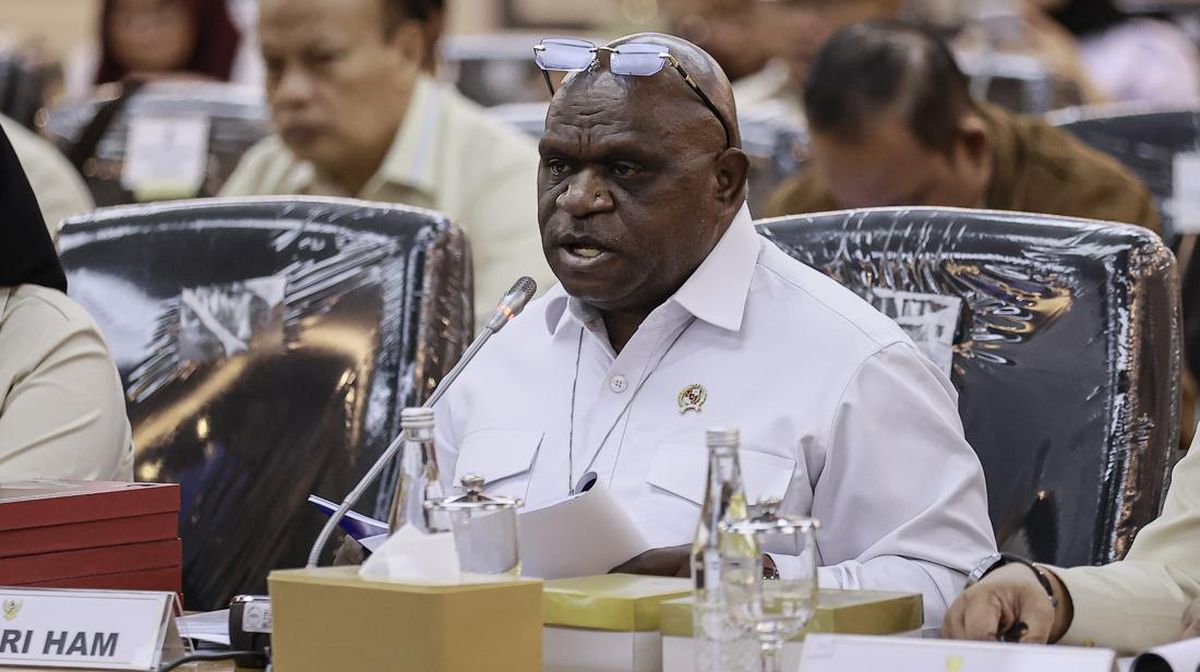
Beyond Minister Bahlil Lahadalia, the Celios survey also highlighted several other ministers with significantly low performance ratings, painting a broader picture of public and expert dissatisfaction with certain cabinet members. Ranked second for worst performance was Minister of Human Rights, Natalius Pihai, with a score of -346. His portfolio, often at the forefront of social justice and civil liberties debates, frequently faces public scrutiny over issues ranging from human rights abuses to the protection of vulnerable groups. A low score here could indicate perceived failures in addressing long-standing human rights concerns or a lack of progress on key reforms.

Following closely was the Coordinating Minister for Food Affairs, Zulkifli Hasan, who scored -253. The food sector is perpetually sensitive in Indonesia, with public concern often centered on food price stability, availability of staple goods, and agricultural productivity. Negative sentiment towards this minister could stem from perceived failures in managing food inflation, ensuring equitable distribution, or implementing effective policies to boost food security.

Minister of Tourism, Widiyanti Putri Wardhana, received a score of -180. The tourism sector, still recovering from global disruptions and facing new challenges, requires dynamic leadership to innovate and attract visitors. A low rating might suggest dissatisfaction with the pace of recovery, the effectiveness of promotional campaigns, or the development of sustainable tourism infrastructure.

Lastly, Minister of Culture, Fadli Zon, scored -170. The Ministry of Culture plays a crucial role in preserving national heritage, promoting arts, and fostering creative industries. Negative scores could reflect concerns over cultural policy direction, support for local artists, or the government’s approach to safeguarding Indonesia’s rich cultural diversity.

The collective low scores for these diverse portfolios suggest that public and expert dissatisfaction is not isolated to a single sector but rather points to broader challenges in governance and policy execution across several key ministries. This comprehensive negative feedback across various sectors could pose a significant reputational challenge for the Prabowo administration as a whole.

Implications for the Administration and Future Policy

The findings of the Celios survey carry substantial implications for the Prabowo administration, both politically and operationally. For Minister Bahlil Lahadalia, the negative scores will undoubtedly intensify pressure to demonstrate tangible improvements and to address the specific criticisms that contributed to his low ratings. This could involve re-evaluating current policies, enhancing communication strategies to highlight successes, or even initiating new programs aimed at public satisfaction. Given his prominent role within the Golkar Party (as indicated in the source as "Ketua Umum Partai Golkar, Bahlil Lahadalia," although his ministerial role is ESDM, this points to significant political standing), the survey results could also have internal party ramifications, potentially affecting his political capital or future prospects.

Jadi Menteri Kinerja Terburuk Versi Survei Celios, Bahlil Respons Santai: Semua Baik-baik Saja

More broadly, such a comprehensive negative assessment of multiple cabinet members could prompt the Presidential Palace to conduct its own internal performance reviews. While presidents typically rely on a variety of metrics for ministerial evaluation, independent public surveys provide invaluable external feedback that cannot be ignored. Historically, periods of low public approval for key ministers have sometimes led to cabinet reshuffles, a mechanism used by presidents to inject new energy, address underperformance, or realign the cabinet with evolving policy priorities.

From a policy perspective, the survey results might trigger a re-evaluation of strategies in the respective ministries. For the ESDM Ministry, this could mean a renewed focus on energy transition policies, ensuring stable fuel prices, or accelerating investment in critical mineral processing. For the Ministry of Human Rights, it could necessitate a more proactive approach to existing cases or a stronger push for legislative reforms. Similarly, the Ministries of Food, Tourism, and Culture might be compelled to refine their strategies to better align with public expectations and address perceived shortcomings.

Political analysts, while acknowledging the limitations of any single survey, often view such reports as vital indicators of government effectiveness. Dr. Surya Atmadja, a public policy expert, hypothetically commented, "While digital surveys have their unique challenges in representativeness, the consistent negative sentiment across both public and expert panels for Minister Lahadalia, and indeed several others, cannot be dismissed lightly. It signals a need for a deep dive into policy implementation, communication, and perhaps even a reconsideration of some strategic priorities. The first year of an administration is critical, and these findings suggest that the government needs to proactively address public concerns to build trust and momentum for its remaining term."

Another hypothetical observation from Dr. Citra Dewi, a political communication specialist, might add, "The ‘haven’t read it yet’ response, while immediate, needs to be followed swiftly by a comprehensive and transparent engagement with the findings. In today’s information age, public perception is heavily influenced by how quickly and effectively officials respond to criticism. A proactive approach, detailing efforts and future plans, will be crucial for these ministers to regain public confidence."

The survey results also highlight the dynamic interplay between public perception, policy outcomes, and political accountability. In a democratic system, the legitimacy and effectiveness of a government are ultimately tied to its ability to meet the needs and expectations of its citizens. Surveys like the one conducted by Celios serve as important mechanisms for holding elected officials and appointed ministers accountable, fostering transparency, and driving improvements in governance.

Moving Forward: The Path to Rebuilding Confidence

The challenge for Minister Bahlil Lahadalia and the other ministers identified in the Celios survey is to transform these critical findings into opportunities for growth and improvement. This will require a multi-faceted approach:

  1. Detailed Review and Analysis: A thorough internal review of the survey data, identifying specific areas of public and expert dissatisfaction.
  2. Transparent Communication: Articulating clear responses to the criticisms, outlining ongoing initiatives, and communicating future plans effectively to the public.
  3. Policy Adjustments: Making necessary adjustments to policies and programs to better address the identified shortcomings and align with public priorities.
  4. Enhanced Performance Metrics: Establishing and publicizing clearer, measurable performance indicators for their respective ministries.
  5. Engagement with Stakeholders: Actively engaging with various stakeholders, including industry players, civil society organizations, and academic experts, to gather feedback and build consensus.

The Prabowo administration, now well into its first year, faces the task of demonstrating its commitment to effective governance and responsiveness to public sentiment. The Celios survey serves as a critical early warning system, indicating where adjustments are most needed. How the government, particularly the ministers under scrutiny, responds to these findings will be a significant test of its resilience, adaptability, and dedication to serving the Indonesian people. The coming months will reveal whether these negative assessments prompt substantive changes or if the administration chooses to navigate these criticisms with a more nuanced approach, balancing public feedback with its broader strategic objectives. The public, and certainly the experts, will be watching closely for concrete actions that address the concerns raised by this latest comprehensive performance evaluation.

July 26, 2025 0 comment
0 FacebookTwitterPinterestEmail
Politics

Partai Kebangkitan Bangsa Eyes KH Marzuki Mustamar for East Java Gubernatorial Bid, Setting Stage for Potential Showdown with Khofifah Indar Parawansa

by Pevita Pearce July 25, 2025
written by Pevita Pearce

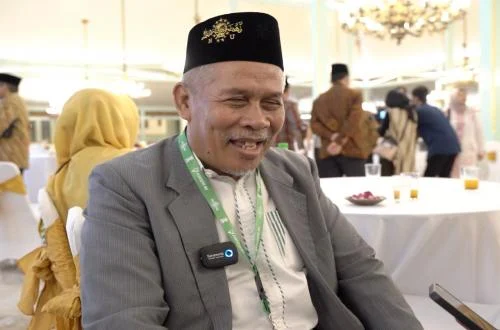
JAKARTA – The Partai Kebangkitan Bangsa (PKB) is actively exploring the possibility of nominating KH Marzuki Mustamar, the former Chairman of the East Java regional chapter of Nahdlatul Ulama (PWNU), as its candidate for the highly anticipated 2024 East Java Gubernatorial Election. This strategic move by PKB could potentially set the stage for a high-stakes political contest against the formidable incumbent, former East Java Governor Khofifah Indar Parawansa, who is widely expected to seek re-election. The political landscape of East Java, a critical electoral stronghold and a barometer for national politics, is already abuzz with speculation surrounding this potential clash of titans, both deeply rooted in the Nahdlatul Ulama (NU) community.

PKB’s Strategic Deliberations

Abdul Halim Iskandar, the Chairman of PKB’s Pilkada Desk, confirmed the party’s keen interest in KH Marzuki Mustamar during a press conference held at the DPP PKB office in Central Jakarta on Wednesday, May 29, 2024. Halim highlighted the growing public sentiment and aspirations from various communities across East Java advocating for Kiai Marzuki’s candidacy. "For East Java, today, the name of KH Marzuki is actively circulating among the public. He is currently meeting with various community groups, who are conveying their aspirations regarding his potential candidacy to PKB," Halim stated, underscoring the organic nature of this political momentum.

PKB, a party historically and ideologically linked to Nahdlatul Ulama, views these public aspirations with considerable enthusiasm. However, Halim emphasized that the ultimate decision hinges on Kiai Marzuki’s willingness to enter the gubernatorial race. "PKB is ready to embrace these aspirations, but the final touch will be to await Kiai Marzuki’s consent," he clarified. This approach signals a respectful deference to the revered cleric, acknowledging his significant spiritual and social standing within the Nahdlatul Ulama community and the broader East Java society. The party’s strategy appears to be one of careful persuasion rather than forceful imposition, recognizing the delicate balance required when dealing with a figure of Kiai Marzuki’s stature.

Halim further elaborated that PKB would fully respect Kiai Marzuki Mustamar’s decision, even if he chooses not to participate in the political contest. This stance reflects the party’s deep appreciation for his influence and leadership. "Even if we are ready, if Kiai Marzuki says ‘please don’t,’ we certainly will not force him. He is an extraordinary figure and icon of NU East Java, whose popularity has only grown after facing certain unfavorable treatments following his dismissal by PBNU," Halim explained. This candid admission points to a pivotal event that significantly amplified Kiai Marzuki’s public profile and endeared him further to a large segment of the NU populace.

The Persona of KH Marzuki Mustamar

KH Marzuki Mustamar is not merely a political figure but a highly respected religious scholar and community leader within the Nahdlatul Ulama. Prior to his controversial dismissal, he served as the Chairman of PWNU East Java, a position that commands immense influence over the largest regional chapter of the world’s largest Islamic organization. His background as a traditional cleric, coupled with his deep understanding of pesantren (Islamic boarding school) networks, makes him a highly credible and authentic voice for many in East Java, a province where NU’s presence is pervasive. His sermons and teachings are widely followed, and his commitment to moderate Islam aligns with the core values of Nahdlatul Ulama.

His appeal, particularly to the grassroots NU members, stems from his perceived sincerity and strong spiritual authority. His leadership style is often characterized as down-to-earth and approachable, fostering a strong connection with ordinary people. This grassroots support base is precisely what PKB hopes to tap into, recognizing that electoral success in East Java often hinges on the ability to mobilize the vast NU constituency. His potential candidacy offers PKB a unique opportunity to consolidate the votes of those who feel a strong affiliation with traditional NU values and leadership.

The PBNU Controversy: A Catalyst for Popularity

Central to Kiai Marzuki’s recent surge in popularity is the controversial decision by the Nahdlatul Ulama Central Board (PBNU) to dismiss him from his position as Chairman of PWNU East Java. While the specific reasons for his dismissal were not fully disclosed by PBNU, it sparked widespread debate and dissent within various layers of the NU community, particularly in East Java. Many viewed the decision as politically motivated or unjust, leading to a strong wave of sympathy and support for Kiai Marzuki.

The timeline of events saw Kiai Marzuki removed from his post in late 2023, a move that surprised many observers given his strong mandate and standing. Instead of diminishing his influence, this act inadvertently elevated his status as a figure who stood against perceived central authority or political machinations within the organization. This narrative resonated strongly with many NU members who felt a sense of loyalty to their regional leader. His perceived "persecution" by the central body ironically transformed him into a more potent symbol of resistance and authenticity for a significant portion of the NU electorate. This incident, as Halim Iskandar noted, made him "even more popular," creating a groundswell of aspirational support that PKB is now strategically positioned to harness. The controversy solidified his image as an independent and principled leader, distinct from internal NU political maneuvering, which could be a significant asset in a gubernatorial race.

East Java’s Political Crucible

East Java is arguably one of Indonesia’s most crucial electoral battlegrounds. With a population exceeding 40 million, it boasts the second-largest electorate in the country, trailing only West Java. Its political dynamics are deeply intertwined with the presence of Nahdlatul Ulama, which counts millions of adherents and maintains an extensive network of pesantren, mosques, and social organizations throughout the province. Historically, the gubernatorial elections in East Java have often been a contest between figures with strong NU credentials or those capable of garnering significant NU support.

The province’s diverse economic landscape, ranging from agriculture and fisheries to manufacturing and services, also adds layers of complexity to its political discourse. Voters are concerned with issues spanning economic development, social welfare, education, and religious harmony. Winning East Java is not just about securing a provincial mandate; it is seen as a significant indicator of national political trends and often provides a strong springboard for national political careers. For PKB, securing the East Java governorship would be a monumental achievement, solidifying its position as a major political force and enhancing its bargaining power in national coalitions.

The Shadow of Khofifah Indar Parawansa

Should Kiai Marzuki Mustamar accept PKB’s overtures, he would face an incumbent of considerable stature: Khofifah Indar Parawansa. Khofifah, a former Minister of Social Affairs, is also a prominent NU figure, serving as the Chairwoman of PP Muslimat NU, the women’s wing of the organization. Her political career spans decades, marked by her consistent presence in national and provincial politics. She successfully won the East Java gubernatorial election in 2018 after several previous attempts, demonstrating her tenacity and deep-rooted political network.

Khofifah’s tenure as governor has been generally well-received, with her administration focusing on infrastructure development, social programs, and economic growth. She enjoys strong support from a coalition of major political parties, including Gerindra, Golkar, PAN, and Demokrat, which have already signaled their intent to back her re-election bid. This broad coalition provides her with a formidable electoral machine and access to significant resources. Her connection to Muslimat NU also gives her a distinct advantage in mobilizing women voters, a crucial demographic in East Java. A contest between Kiai Marzuki and Khofifah would therefore be a fascinating clash not just of personalities, but potentially of different factions or interpretations within the broader NU political sphere.

PKB’s Broader Ambitions in East Java

PKB’s pursuit of Kiai Marzuki Mustamar is deeply embedded in its long-term strategic ambitions for East Java and beyond. As the political vehicle originally established by Nahdlatul Ulama leaders, PKB views East Java as its spiritual and electoral heartland. While the party performed creditably in the 2024 general election, increasing its seat count in the national parliament (DPR RI) and several provincial legislative assemblies (DPRD), securing the East Java governorship would be a crowning achievement. In the 2024 legislative elections, PKB demonstrated its enduring appeal in East Java, maintaining a strong presence in the provincial parliament and contributing significantly to its national vote share. However, the gubernatorial race presents a different challenge, requiring a unifying figure capable of transcending party lines and appealing to a broader electorate.

The party’s strategy involves leveraging Kiai Marzuki’s widespread popularity and deep religious legitimacy to mobilize a significant portion of the NU vote that may feel disillusioned or unrepresented by other political figures. This move could also serve to consolidate PKB’s position as the primary political voice for traditional NU members, potentially challenging the influence of other parties that also seek NU votes. The high stakes in East Java mean that a successful gubernatorial bid would not only enhance PKB’s regional power but also significantly boost its national profile and influence in future political negotiations.

Navigating Coalition Dynamics and Running Mates

Should Kiai Marzuki Mustamar agree to run, the next critical step for PKB would be to determine his running mate and forge a robust coalition. Halim Iskandar noted that while the focus remains on Kiai Marzuki’s decision, "many are ready to be Kiai Marzuki’s running mate." This suggests that PKB is already receiving feelers from potential vice-gubernatorial candidates, indicating the perceived strength of Kiai Marzuki’s potential candidacy. The party’s strategy would likely involve selecting a running mate who can complement Kiai Marzuki’s strengths, perhaps someone with strong bureaucratic experience, a background in local governance, or appeal to non-NU demographics, such as urban voters or specific ethnic groups.

Building a winning coalition in East Java typically requires the support of multiple parties, as no single party usually holds enough seats in the provincial legislature to nominate a candidate independently. PKB would need to engage in intense negotiations with other political parties to secure the necessary backing. The choice of running mate would be crucial in this regard, as it could attract or deter potential coalition partners. For instance, a running mate from a nationalist party could broaden the appeal beyond the NU base, while a candidate from a more secular background might help balance the ticket. The discussions surrounding the vice-gubernatorial pick would undoubtedly involve careful calculations to ensure maximum electoral advantage and a stable governing alliance.

Implications for the Nahdlatul Ulama Bloc

A potential contest between KH Marzuki Mustamar and Khofifah Indar Parawansa carries profound implications for the internal dynamics of Nahdlatul Ulama. Both figures represent significant currents within the organization, and their direct competition could highlight existing ideological or political fault lines. While NU traditionally strives for political neutrality, its members are diverse in their political affiliations. A gubernatorial election featuring two prominent NU figures could effectively "split" the NU vote, forcing members to choose between revered leaders.

This scenario might also reignite debates about the political engagement of religious figures and the influence of the PBNU in regional elections. The outcome of such a contest would not only determine the next governor of East Java but could also reshape the internal power balance within NU, influencing future leadership selections and policy directions. It would be a litmus test for the enduring power of grassroots NU sentiment versus the influence of central organizational directives and established political networks.

The Road Ahead for Pilkada Jatim 2024

The path to the 2024 East Java Gubernatorial Election is still unfolding, with several key milestones yet to be reached. The most immediate next step is Kiai Marzuki Mustamar’s decision regarding his candidacy. Once that is clear, PKB will move forward with formalizing his nomination and building a robust campaign infrastructure. The official registration period for candidates, typically in August, will mark a critical phase in the election cycle.

The campaign itself is expected to be highly competitive, focusing on issues of economic development, social equity, education, and regional stability. Both potential candidates, if they run, would leverage their respective strengths: Kiai Marzuki, his grassroots religious authority and widespread sympathy following the PBNU controversy; and Khofifah, her incumbency, proven administrative record, and extensive political network. The East Java Pilkada 2024 is shaping up to be a compelling political drama, with significant implications not just for the province but for the broader political landscape of Indonesia. The coming months will reveal whether this potential clash of NU heavyweights will indeed materialize, fundamentally altering the trajectory of East Java’s political future.

July 25, 2025 0 comment
0 FacebookTwitterPinterestEmail
Politics

King Abdullah II’s State Visit to Indonesia Deepens Strategic Partnership Forged by Enduring Personal Friendship

by Jia Lissa July 24, 2025
written by Jia Lissa

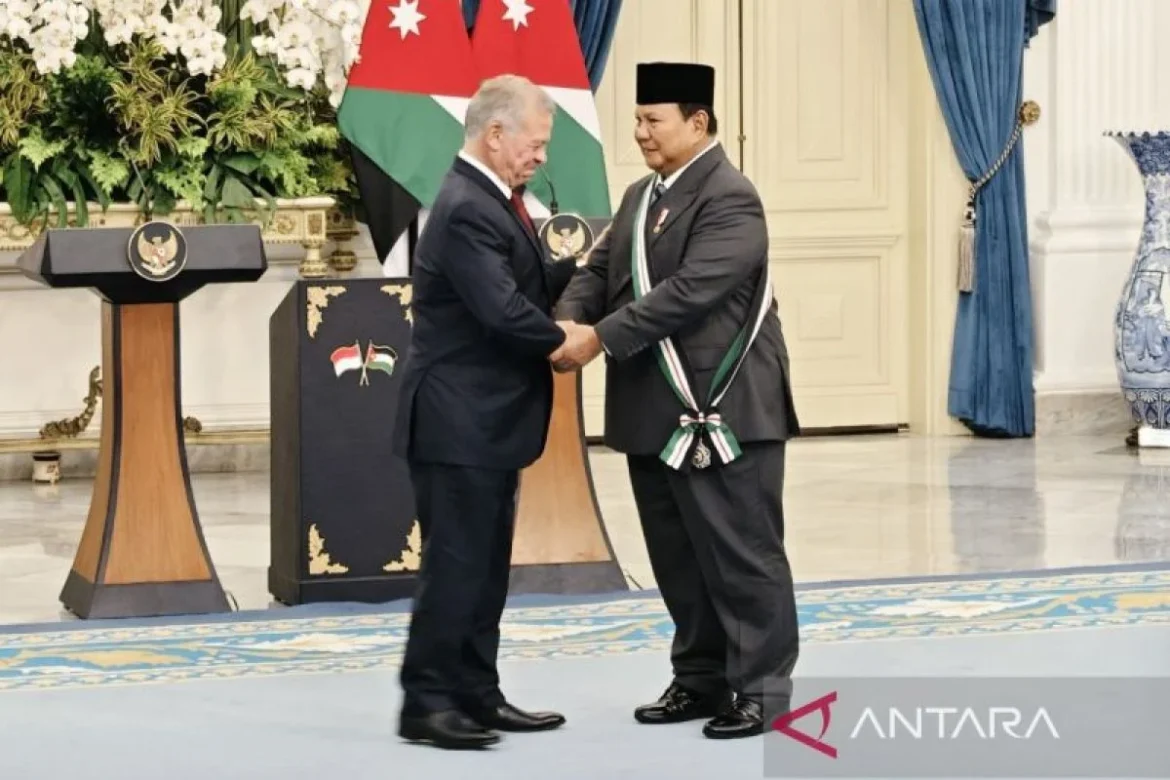
Jakarta (ANTARA) – His Majesty King Abdullah II bin Al-Hussein of Jordan is scheduled to undertake a significant state visit to Indonesia this Friday afternoon, marking a pivotal moment in the bilateral relations between the two nations. The royal visit underscores a long-standing friendship and strategic alignment, particularly between King Abdullah II and Indonesian President-elect Prabowo Subianto, whose personal bond has evolved from shared military training to leading their respective countries on the global stage. This high-profile engagement is poised to strengthen diplomatic, economic, and security ties, with a particular focus on crucial regional and international issues.

The agenda for King Abdullah II’s visit includes a formal meeting with President-elect Prabowo Subianto, followed by discussions with representatives from Danantara Indonesia, a key entity in potential economic cooperation. A significant outcome anticipated from these deliberations is the signing of a bilateral Memorandum of Understanding (MoU), signaling a concrete commitment to enhancing collaboration across various sectors. This visit is part of a broader tour by King Abdullah II across several Asian nations, including Japan, Vietnam, Singapore, and Pakistan, highlighting Jordan’s strategic pivot towards strengthening partnerships within the dynamic Asian continent.

High-Stakes Agenda: Diplomacy, Trade, and Regional Stability

The discussions between King Abdullah II and President-elect Prabowo Subianto are expected to cover a wide array of topics, reflecting the multifaceted nature of modern international relations. Economically, the focus will likely extend beyond the specific engagement with Danantara Indonesia, which, according to earlier reports, is geared towards cooperation in the phosphate sector. Jordan is one of the world’s largest exporters of phosphates, a vital raw material for fertilizers, crucial for agricultural productivity and global food security. For Indonesia, a vast archipelago with a growing population and significant agricultural sector, securing a stable supply of phosphates could be instrumental in bolstering its food resilience strategies. This collaboration could involve joint ventures in mining, processing, or even direct long-term supply agreements, fostering a more robust and resilient supply chain for both nations.

Beyond phosphates, discussions will likely touch upon broader trade and investment opportunities. Indonesia, with its robust economy and large domestic market, presents an attractive destination for Jordanian investment, particularly in sectors such as tourism, halal industry, infrastructure development, and renewable energy. Conversely, Indonesian businesses could explore avenues for investment in Jordan, leveraging its strategic location as a gateway to the Middle East and North Africa. Bilateral trade between Indonesia and Jordan, while present, has historically been modest compared to its potential. This visit offers a fresh impetus to explore untapped synergies and remove barriers to greater economic exchange. Potential areas of cooperation could also include technology transfer, educational exchanges, and cultural programs, aimed at fostering deeper people-to-people connections and mutual understanding.

On the diplomatic front, the leaders are expected to deliberate on regional security concerns, counter-terrorism efforts, and global challenges. Given the current geopolitical landscape, the situation in the Middle East, particularly the ongoing conflict in Gaza and the broader Israeli-Palestinian issue, will undoubtedly feature prominently. Both Jordan and Indonesia share a strong commitment to the Palestinian cause, advocating for a two-state solution and providing humanitarian aid. King Abdullah II has been a vocal proponent of Palestinian rights and the custodian of Muslim and Christian holy sites in Jerusalem, while Indonesia, as the world’s largest Muslim-majority nation, has consistently championed Palestinian statehood. Their coordinated efforts and shared perspectives on this critical issue could lend significant weight to international calls for peace and justice.

A Friendship Forged in Service: The Prabowo-Abdullah II Bond

What makes this state visit particularly compelling is the extraordinary personal relationship between King Abdullah II and President-elect Prabowo Subianto, a bond that spans decades and transcends conventional diplomatic protocols. Their friendship, rooted in shared military training and a mutual respect for service, offers a unique foundation for state-to-state cooperation. This enduring connection dates back to their youth, long before either assumed the highest office in their respective countries.

Both leaders are distinguished alumni of the prestigious U.S. Army Ranger School at Fort Benning, Georgia. This grueling combat leadership course is renowned for its demanding physical and mental challenges, designed to develop elite infantry small-unit leaders. Graduating from Fort Benning signifies a high level of military prowess, resilience, and strategic thinking. This shared experience instilled in them not only a common understanding of military doctrine and leadership but also a deep sense of camaraderie and mutual respect that has persisted throughout their lives.

Their paths also converged in leading special forces units. King Abdullah II served as the Commander of the Jordanian Special Forces in 1994, a critical role in safeguarding national security and projecting regional influence. Similarly, Prabowo Subianto commanded Indonesia’s elite Special Forces Command (Kopassus), a highly decorated unit known for its specialized operations and strategic importance within the Indonesian military. Their leadership roles in these elite units further cemented their understanding of military strategy, discipline, and the complex demands of national security, providing a common ground for strategic dialogue.

From Fort Benning to Global Leadership: A Shared Path

The initial formal meeting between King Abdullah II and Prabowo Subianto took place on December 4, 1995, during the inauguration ceremony of Prabowo as the Commander General (Danjen) of Kopassus. This early encounter set the stage for a relationship that would later evolve into a significant diplomatic asset. The trajectory of their careers, from commanding elite military units to eventually assuming the highest political offices, is a testament to their leadership qualities and dedication to public service. King Abdullah II ascended to the throne as King of Jordan in 1999, following the passing of his revered father, King Hussein. Prabowo Subianto, after a distinguished military career and a foray into business and politics, was recently elected President of Indonesia and is set to be inaugurated on October 20, 2024. Their parallel journeys to national leadership underscore a shared destiny and a unique perspective on governance and statecraft.

A Refuge and a Reunion: The 1998 Chapter

Perhaps one of the most poignant chapters in their friendship unfolded in 1998, a tumultuous period in Indonesian history marked by political upheaval and the fall of President Suharto’s New Order regime. During this time, Prabowo Subianto left Indonesia and sought refuge in Jordan. His arrival in the Hashemite Kingdom was met with exceptional hospitality and honor, reportedly extended by the Jordanian royal family. It is widely documented that during his time in Jordan, Prabowo was even offered Jordanian citizenship, a testament to the profound respect and warmth he received from the royal court. However, he ultimately chose to retain his Indonesian citizenship, demonstrating his unwavering commitment to his homeland. This period of refuge not only solidified his bond with King Abdullah II and the Jordanian monarchy but also highlighted Jordan’s role as a stable and welcoming nation in a complex region.

The deep personal connection was further evident during President-elect Prabowo’s reciprocal visit to Jordan on April 14, 2025. During this visit, King Abdullah II extended an exceptionally warm reception, personally driving Prabowo to his hotel in downtown Amman. This gesture, highly symbolic in diplomatic circles, showcased the extraordinary personal rapport between the two leaders, transcending the formal protocols typically associated with state visits. During their private meeting at the Al Husseiniya Palace in Amman, the leaders discussed strengthening bilateral ties and coordinating efforts on regional issues, particularly the Palestinian question, which remains a core concern for both nations.

Reciprocal Gestures: Amman to Jakarta

This is not King Abdullah II’s first state visit to Indonesia. The two leaders also met during the King’s previous state visit to Indonesia in 2014, when Prabowo was a prominent political figure. These reciprocal visits underscore a consistent commitment to fostering strong bilateral relations. The current visit, however, holds particular significance as both leaders now stand at the helm of their respective nations, empowered to translate their personal camaraderie into tangible state-level cooperation.

The personal endorsement from King Abdullah II for Prabowo’s leadership has also been noted. Earlier reports quoted King Abdullah II as assessing that "Prabowo brings Indonesia in a very good direction," indicating a strong vote of confidence in Indonesia’s future under Prabowo’s leadership. Such a statement from a respected head of state serves to further validate the strategic importance of this bilateral relationship.

Geopolitical Alignment: Addressing Regional and Global Challenges

Beyond the personal rapport, the visit carries significant geopolitical weight. Both Indonesia and Jordan, despite their geographical distance, share common interests in promoting regional stability, combating extremism, and fostering interfaith dialogue. Jordan, a key Western ally in the Middle East, plays a crucial role in regional security, counter-terrorism efforts, and mediating conflicts. Indonesia, as the world’s largest Muslim-majority democracy, champions a non-aligned foreign policy and actively participates in international peacekeeping and humanitarian efforts.

The shared commitment to the Palestinian cause serves as a powerful unifying factor. Jordan, bordering the West Bank, has a direct stake in the Israeli-Palestinian conflict and hosts a large Palestinian refugee population. Its historical role as custodian of Islamic and Christian holy sites in Jerusalem places it at the forefront of efforts to preserve the city’s status quo. Indonesia, though geographically distant, has consistently and vocally supported the establishment of an independent Palestinian state, providing political and humanitarian assistance. The alignment of their positions on this sensitive issue strengthens their collective voice on the international stage and could lead to coordinated diplomatic initiatives aimed at achieving a lasting peace.

Looking Ahead: Strategic Partnership and Future Prospects

The state visit by King Abdullah II to Indonesia is more than a ceremonial exchange; it is a strategic maneuver to deepen a relationship built on mutual respect, shared experiences, and converging interests. The anticipated signing of the bilateral MoU will likely pave the way for enhanced cooperation in vital sectors such as defense, trade, investment, and food security. The emphasis on phosphate cooperation with Danantara Indonesia highlights a pragmatic approach to addressing critical national needs through international partnerships.

Furthermore, the unique personal bond between King Abdullah II and President-elect Prabowo Subianto provides an unparalleled advantage in navigating complex diplomatic challenges and fostering trust at the highest levels. This personal chemistry can expedite negotiations, facilitate understanding, and lay the groundwork for a more robust and resilient strategic partnership between the two nations. As Indonesia prepares for a new presidential era under Prabowo Subianto, and Jordan continues to play a pivotal role in a volatile region, the strengthening of this bilateral relationship promises to yield significant benefits for both countries, contributing to peace, stability, and prosperity in Asia and the Middle East. The visit not only reinforces existing ties but also sets a forward-looking agenda for comprehensive cooperation in an increasingly interconnected world.

July 24, 2025 0 comment
0 FacebookTwitterPinterestEmail
National News

Viral Pulau Umang Dijual Rp65 Miliar di Medsos, KKP Buka Suara

by Jia Lissa July 24, 2025
written by Jia Lissa

JAKARTA – A contentious advertisement by a property agent offering Umang Island in Banten for sale at an astonishing price of Rp65 billion (approximately USD 4.1 million) has ignited a significant controversy across Indonesian social media platforms, prompting a swift and decisive response from the Ministry of Marine Affairs and Fisheries (KKP). The Directorate General of Supervision of Marine and Fisheries Resources (PSDKP) within the KKP has confirmed that it has taken immediate action, including the sealing of the island’s facilities and the commencement of a thorough investigation into the legality of the advertised sale and ongoing activities on the island. This incident underscores Indonesia’s unwavering commitment to protecting its territorial integrity and ensuring the sustainable, regulated management of its vast archipelago, particularly its numerous small islands which hold immense ecological, economic, and strategic value.

Chronology of the Umang Island Controversy and Official Response

The controversy began to unfold in mid-April 2026, when an advertisement surfaced online, widely circulated across various social media channels, featuring Pulau Umang as a property for sale. The ad, which highlighted the island’s pristine beauty and potential for development, quickly drew public attention due to the unique nature of the offering – a whole island – and its substantial price tag. Concerns rapidly mounted among the public and governmental observers regarding the implications of such a sale, particularly given Indonesia’s strict regulations concerning land ownership and development on small islands, as well as broader issues of national sovereignty.

Upon becoming aware of the viral advertisement, the KKP’s PSDKP Directorate General initiated an immediate investigation. On Tuesday, April 14, 2026, a specialized team from the KKP was dispatched to Umang Island, located off the coast of Banten, to conduct an on-site inspection. During this inspection, the team confirmed the presence of commercial activities on the island managed by a company identified as PT GSM. Crucially, the investigation revealed that PT GSM had not secured the requisite Persetujuan Kesesuaian Kegiatan Pemanfaatan Ruang Laut (PKKPRL), or Approval for Conformity of Marine Spatial Utilization Activities, a mandatory document for any commercial or development activity within Indonesia’s marine and coastal zones. In light of these findings, the KKP team proceeded to seal the facilities on Umang Island, effectively halting all unapproved operations.

The following day, Wednesday, April 15, 2026, the Director General of PSDKP, Pung Nugroho Saksono, addressed the media in a press conference held at the KKP headquarters in Jakarta. During this briefing, Pung Nugroho Saksono elaborated on the ministry’s actions and the rationale behind them. He expressed profound concern over the public advertisement of an island for sale, particularly the potential for exploitation by foreign entities, which he described as a significant national security risk. "Yesterday afternoon, we carried out the sealing of Umang Island in Banten. Why? Because we found advertisements on social media selling Umang Island. How can an island be for sale? We must prevent a situation where, once advertised abroad, various parties, especially foreign entities, might exploit it. This is dangerous," Pung Nugroho Saksono stated emphatically. His remarks underscored the KKP’s proactive stance in safeguarding Indonesia’s maritime territories and ensuring that all forms of utilization adhere strictly to national laws and regulations.

Official Stance and Legal Framework

Director General Pung Nugroho Saksono further articulated the government’s unwavering commitment to upholding national sovereignty and ensuring the sustainable and regulated management of Indonesia’s small islands. He emphasized that the KKP’s swift intervention in the Umang Island case serves as a clear demonstration of this commitment. "We will not tolerate violations, especially concerning small islands. The state has its rules here. Even those who own small islands cannot simply build whatever they want just because they have money; there are permits that must be obtained by these actors," he asserted. This statement highlights the distinction between land ownership and the right to develop or commercially exploit coastal and marine areas, which falls under a separate and rigorous regulatory framework.

The primary legal instrument governing such activities is the Law No. 27 of 2007 concerning the Management of Coastal Areas and Small Islands, which was later amended by Law No. 1 of 2014. This legislation explicitly regulates the utilization of coastal and small island areas, aiming to ensure ecological sustainability, equitable access for local communities, and national security. Key provisions within this law stipulate that any activity involving the utilization of marine space, including tourism, aquaculture, or infrastructure development, requires specific permits and approvals from the relevant authorities.

One of the most critical documents, as highlighted in the Umang Island case, is the Persetujuan Kesesuaian Kegiatan Pemanfaatan Ruang Laut (PKKPRL). The PKKPRL is an essential prerequisite for obtaining other operational permits and signifies that the proposed activity aligns with the national and regional marine spatial plans. It ensures that development does not conflict with conservation efforts, navigation routes, fishing grounds, or national defense interests. The absence of a PKKPRL for PT GSM’s operations on Umang Island therefore represents a fundamental breach of marine spatial planning regulations, making their commercial activities unlawful.

Furthermore, while private ownership of land on certain small islands is permissible under Indonesian law (typically through freehold or concession rights), the sale of an entire island as a complete entity, implying control over its surrounding waters and resources, often raises red flags. Indonesian law strictly prohibits the sale of islands that would compromise state sovereignty or public interest. The concept of "selling an island" can be misleading, as it often refers to selling privately owned land parcels on an island rather than the island itself, including its territorial waters and natural resources, which remain state property. The KKP’s concern about foreign exploitation is rooted in this nuanced legal distinction and the broader principle of maintaining national control over strategic resources.

Broader Context: Indonesia’s Archipelagic State Principle and Small Island Management

Indonesia, as the world’s largest archipelagic state, possesses over 17,000 islands, many of which are small, uninhabited, or sparsely populated. These small islands are not merely geographical features; they are vital components of the nation’s sovereignty, biodiversity, and economic potential. They serve as critical habitats for diverse marine life, provide livelihoods for coastal communities through fishing and tourism, and play a strategic role in national defense and maritime security.

The principle of an archipelagic state, enshrined in the United Nations Convention on the Law of the Sea (UNCLOS), grants Indonesia sovereign rights over its internal waters and archipelago, including the resources within. This legal framework forms the bedrock of Indonesia’s robust stance on managing its marine and coastal territories. Consequently, any activity that could undermine this sovereignty or lead to unregulated exploitation is met with strong governmental intervention.

This is not the first instance where the sale or alleged sale of Indonesian islands has garnered national attention. In previous years, several reports have emerged about Indonesian islands being advertised on international real estate platforms, often sparking similar outrage and official inquiries. For example, some islands in remote regions have been listed for sale, sometimes targeting foreign investors, which has consistently triggered concerns from the KKP and other government agencies about potential violations of land ownership laws for foreigners and the uncontrolled transfer of sovereign assets. These past incidents have contributed to the KKP’s heightened vigilance and its proactive approach to the Umang Island case, aiming to set a clear precedent and deter future unlawful transactions.

The government’s strategy for small island management typically involves a multi-pronged approach:

  1. Conservation: Designating protected marine areas to preserve biodiversity.
  2. Sustainable Tourism: Developing eco-tourism initiatives that benefit local communities without degrading the environment.
  3. Community Empowerment: Ensuring that local populations have priority access to resources and benefit from development.
  4. Security and Monitoring: Regular patrols and surveillance to prevent illegal activities, including illegal fishing, unauthorized development, and potential border intrusions.

The Umang Island incident serves as a stark reminder of the challenges in balancing economic development, particularly in the lucrative tourism sector, with the imperative of environmental protection and national security within such a complex archipelagic nation.

Economic and Environmental Implications of Unregulated Development

The allure of developing small islands for high-end tourism resorts is undeniable, given Indonesia’s natural beauty and growing tourism industry. However, unregulated development poses significant economic and environmental risks. Environmentally, small island ecosystems are incredibly fragile. Unplanned construction, improper waste management, and excessive human activity can lead to coral reef degradation, mangrove destruction, beach erosion, and disruption of marine wildlife habitats. Such damage not only devastates the local ecology but also undermines the very natural assets that attract tourists in the first place, leading to long-term economic losses.

From an economic perspective, unregulated development often bypasses legal frameworks designed to ensure fair labor practices, local community benefits, and tax compliance. It can also lead to speculative land acquisitions that inflate property values, making it difficult for local communities to maintain their livelihoods or access essential resources. The KKP’s requirement for PKKPRL and other permits is precisely to mitigate these risks, ensuring that economic activities contribute positively to the local and national economy while adhering to environmental safeguards. The Rp65 billion valuation of Umang Island, while indicative of its perceived market potential, highlights the substantial financial stakes involved and the need for stringent oversight to prevent exploitation.

Analysis and Future Outlook

The Umang Island controversy is more than just a legal dispute; it is a critical test case for Indonesia’s ability to enforce its maritime laws and protect its national assets in the digital age. The KKP’s prompt action sends a clear message to property agents, developers, and potential investors, both domestic and international, that any attempt to circumvent established regulations concerning marine and coastal resource utilization will not be tolerated.

The ongoing investigation will likely delve deeper into the ownership structure of PT GSM, the precise nature of their activities on Umang Island, and the details surrounding the advertisement. Penalties for violations of marine spatial planning and environmental laws can be severe, including fines, cessation of operations, and legal prosecution. Furthermore, the incident may prompt the KKP and other relevant ministries to review and strengthen regulations concerning the advertisement and sale of properties on small islands, especially those with significant ecological or strategic value.

This event also highlights the increasing role of social media in uncovering potential regulatory breaches. The rapid dissemination of information through platforms like Facebook, Instagram, and TikTok allows public scrutiny to act as an early warning system, prompting government agencies to investigate and respond swiftly.

Looking ahead, the resolution of the Umang Island case will undoubtedly set an important precedent for future small island management in Indonesia. It reinforces the government’s steadfast commitment to ensuring that its vast maritime domain, including its countless small islands, is developed sustainably, equitably, and in full compliance with the nation’s laws, thereby safeguarding both its natural heritage and its sovereign interests for generations to come. The incident serves as a powerful reminder that while private enterprise is encouraged, it must always operate within the confines of national laws designed to protect public interest and the integrity of the state.

July 24, 2025 0 comment
0 FacebookTwitterPinterestEmail
National News

Government Moves to Secure Healthcare for 11 Million PBI Participants with Inter-Ministerial Joint Decree

by Sagoh July 23, 2025
written by Sagoh

Jakarta, April 15, 2026 – The Indonesian government is set to issue a critical Joint Decree (SKB) involving the Ministry of Health, the Ministry of Social Affairs, and BPJS Kesehatan. This landmark measure, announced on Wednesday, April 15, 2026, aims to provide robust legal certainty and ensure uninterrupted claim payments for an estimated 11 million beneficiaries of the Contribution Assistance (PBI) segment of BPJS Kesehatan who are currently in a transitional phase of deactivation. The decision comes after months of mounting pressure from healthcare providers and legislative bodies, highlighting significant gaps in the provision of universal health coverage.

The Joint Decree is designed to eliminate the prevailing ambiguity that has left hospitals hesitant to provide services and BPJS Kesehatan lacking a clear legal basis to disburse payments for this vulnerable group. Minister of Health Budi Gunadi Sadikin emphasized the urgency and necessity of this tripartite agreement, underscoring its role in safeguarding the fundamental right to healthcare. "I have just concluded discussions with the Minister of Social Affairs and the Director of BPJS Kesehatan. We will forge a three-way SKB. If any of the 11 or 8 million [PBI participants] arrive, hospitals must serve them – that falls under my authority. Subsequently, the Director of BPJS Kesehatan will be advised to process their payments. To protect the BPJS Kesehatan Director, the Minister of Social Affairs and I will definitively commit to covering their premiums in the SKB," Minister Sadikin stated, following a protracted six-hour meeting.

Background of the Universal Health Coverage Program (JKN-KIS)

Indonesia’s Jaminan Kesehatan Nasional-Kartu Indonesia Sehat (JKN-KIS) program, launched in 2014, represents one of the world’s largest single-payer healthcare systems, aiming to provide universal health coverage to all Indonesian citizens. At its core, JKN-KIS categorizes participants into several groups, including those who pay their own premiums (PBPU), those whose premiums are paid by their employers (PPU), and the PBI segment. The PBI category specifically targets impoverished and vulnerable populations whose health insurance premiums are fully subsidized by the state, reflecting the government’s commitment to social justice and equitable access to healthcare.

The PBI segment currently covers tens of millions of Indonesians, acting as a crucial safety net. However, the sheer scale of the program, coupled with dynamic demographic shifts and periodic data cleansing requirements, often leads to administrative complexities. The data for PBI participants is primarily managed by the Ministry of Social Affairs, which is responsible for determining eligibility based on socio-economic criteria. The Ministry of Health, on the other hand, oversees the overall health system and holds the budget for PBI premium payments, which are then channeled to BPJS Kesehatan, the implementing body. This multi-agency dependency, while designed for checks and balances, has occasionally created bottlenecks, particularly when data updates or eligibility reviews lead to transitional statuses for beneficiaries.

The Current Dilemma: 11 Million in Limbo

For several months leading up to this critical decision, an estimated 11 million PBI participants found themselves in an administrative limbo. These individuals, previously active beneficiaries, were flagged for deactivation during routine data verification processes. While such processes are essential to ensure the program’s integrity and prevent misuse, the lack of a clear, immediate protocol for continued service during the transition period created a humanitarian crisis. Hospitals, fearing non-payment for services rendered to these "inactive" but still vulnerable patients, often hesitated or outright refused treatment. BPJS Kesehatan, bound by legal frameworks, could not disburse claims without an active participant status or a clear legal directive.

This predicament resulted in numerous complaints from patients, hospital administrators, and healthcare workers, who found themselves caught between medical ethics and administrative constraints. The issue was particularly acute for patients requiring continuous or emergency care, including those with catastrophic illnesses, where delays in treatment could have life-threatening consequences. The absence of a binding legal framework meant that despite the clear need, the system was failing to deliver on its promise of universal healthcare for these specific beneficiaries.

The Joint Decree: A Solution for Legal Clarity and Financial Assurance

The impending SKB is designed to untangle this administrative knot by providing an explicit legal umbrella for the continued provision of healthcare services. Under the terms discussed, the Ministry of Social Affairs will formally authorize the Ministry of Health to disburse premium payments to BPJS Kesehatan for the reactivated PBI participants. This inter-ministerial authorization is critical because, as Minister Budi explained, the substantial Rp46 trillion budget allocated for JKN PBI premiums resides within the Ministry of Health, while the authority over participant data and eligibility rests with the Ministry of Social Affairs.

By signing the SKB, both ministries commit to ensuring that premiums are paid for these transitioning beneficiaries. This commitment, in turn, provides BPJS Kesehatan with the necessary legal foundation to process and pay claims from hospitals. Without this legal certainty, BPJS Kesehatan’s Director would be exposed to potential legal challenges for disbursing funds to "inactive" participants. The SKB thus serves as a protective shield, empowering BPJS Kesehatan to fulfill its mandate without hesitation.

Ministerial Endorsement and Swift Action

Minister of Social Affairs Saifullah Yusuf confirmed his ministry’s full support for the initiative during the same meeting. He pledged to expedite the issuance of a separate Ministerial Decree (SK) for the re-activation of beneficiaries who require urgent medical attention. "Yes, we are ready to immediately issue the determination. It will be a letter of determination. Re-activation will then designate them as beneficiaries. Yes, an SK," Minister Yusuf affirmed, signaling a rapid response to the crisis. This dual approach – an overarching SKB for policy and an immediate SK for individual re-activation – underscores the government’s commitment to both systemic reform and urgent patient care.

The re-activation decree from the Ministry of Social Affairs will ensure that individuals previously removed from the active PBI list are formally reinstated, allowing them to once again be recognized as legitimate beneficiaries. This process is crucial for enabling BPJS Kesehatan to process their claims seamlessly and for hospitals to treat them without fear of non-payment.

Legislative Oversight and Patient Advocacy

The critical role of the legislative body, specifically Commission IX of the House of Representatives (DPR RI), in addressing this issue cannot be overstated. Commission IX, which oversees health, labor, and demography, had been inundated with complaints from patients, hospital leaders, and healthcare personnel regarding the PBI deactivation issue. The "several months" of ambiguity and the resulting denials of service had drawn sharp criticism from the legislative body, which serves as a voice for the public.

Chairperson of Commission IX DPR RI, Felly Estelita Runtuwene, who led the marathon meeting, articulated the urgency of the situation and the legislative body’s firm stance. "So that everyone across Indonesia – hospitals, patients, including those with catastrophic conditions who need continuous care – are immediately served. There can be no more waiting for activation or re-activation if it’s already necessary at that moment," she asserted, emphasizing that bureaucratic delays must not compromise patient well-being. The DPR’s persistent advocacy played a pivotal role in bringing the relevant ministries and BPJS Kesehatan to the negotiation table and pushing for a definitive resolution. Their engagement highlights the democratic accountability mechanisms in place to ensure the effectiveness of public services like JKN-KIS.

Broader Impact and Implications

The issuance of this Joint Decree carries profound implications for various stakeholders and the broader Indonesian healthcare landscape:

  1. For Patients: The most immediate and significant impact will be on the 11 million PBI participants. This decision guarantees their access to essential medical services, alleviating the immense stress and anxiety caused by the fear of being denied treatment due to administrative technicalities. It restores faith in the JKN-KIS program as a reliable social safety net, especially for the most vulnerable.

  2. For Hospitals and Healthcare Facilities: Hospitals will gain much-needed financial assurance. The SKB provides explicit legal backing for BPJS Kesehatan to pay claims, removing the financial risk previously associated with treating transitioning PBI patients. This certainty will encourage hospitals to provide services without hesitation, reducing administrative burdens and improving the overall efficiency of healthcare delivery. It also safeguards the financial stability of many public and private hospitals, which often rely on BPJS Kesehatan reimbursements.

  3. For BPJS Kesehatan: The SKB provides BPJS Kesehatan with a clear legal mandate, simplifying its operational processes and reducing potential legal liabilities. It empowers the agency to fulfill its role as the national health insurance provider more effectively, focusing on service delivery rather than navigating complex inter-ministerial jurisdictional issues. This clarity will enhance the program’s credibility and public trust.

  4. For Inter-Ministerial Coordination: The successful negotiation and impending issuance of the SKB demonstrate a crucial step forward in inter-ministerial coordination. It sets a precedent for how complex social programs, involving multiple government agencies with overlapping responsibilities, can collaboratively address challenges. This improved coordination is vital for the long-term sustainability and effectiveness of large-scale social welfare initiatives.

  5. For the JKN-KIS Program’s Credibility: The resolution of this crisis strengthens the overall credibility and perceived reliability of the JKN-KIS program. Prolonged issues of service denial for PBI participants could have eroded public trust in the universal health coverage system. By proactively addressing these concerns, the government reaffirms its commitment to the program’s foundational principles of equity and access.

  6. Financial Sustainability and Budget Management: The Rp46 trillion budget allocated for PBI JKN premiums is substantial. The SKB ensures that these funds are utilized effectively and disbursed appropriately, aligning financial resources with patient needs. It also highlights the ongoing challenge of managing a large national health budget and the importance of efficient allocation and robust oversight.

Looking Ahead: Implementation and Monitoring

While the decision to issue the SKB is a significant victory, the focus will now shift to its swift and effective implementation. Authorities must ensure that the decree is immediately communicated to all healthcare facilities and BPJS Kesehatan branches nationwide. Furthermore, the Ministry of Social Affairs’ commitment to promptly issue individual re-activation decrees must be realized without delay, especially for patients requiring urgent or catastrophic care.

Continuous monitoring will be crucial to track the impact of the SKB, identify any remaining bottlenecks, and ensure that all 11 million PBI participants truly receive the healthcare they are entitled to. The DPR Commission IX, along with civil society organizations and patient advocacy groups, will likely maintain their oversight, ensuring that the government’s commitment translates into tangible improvements in healthcare access for the most vulnerable segments of Indonesian society. This collaborative approach, from policy formulation to implementation and oversight, will be key to the enduring success of Indonesia’s ambitious universal health coverage program.

July 23, 2025 0 comment
0 FacebookTwitterPinterestEmail
National News

Natalius Pigai Advocates for Dialogue to Resolve Jusuf Kalla Controversy, Rejecting Criminalization of Speech

by Asro July 22, 2025
written by Asro

Natalius Pigai, a prominent Indonesian human rights advocate and former Commissioner of the National Commission on Human Rights (Komnas HAM), has emphatically called for a non-litigious approach to address the public outcry surrounding statements made by former Vice President Jusuf Kalla (JK). Pigai stressed the paramount importance of dialogue and clarification as the primary mechanism to resolve the controversy, sternly rejecting any attempts to escalate the matter through police reports, particularly given the sensitive nature of the issues involved. His intervention, reported by Antara on Wednesday, April 15, underscores a growing concern among public figures regarding the potential for social division stemming from differing viewpoints, especially those touching upon religious interpretations. Pigai’s stance highlights a critical debate in Indonesia: how to balance freedom of expression with the imperative of maintaining social and religious harmony, particularly when public discourse veers into areas prone to misinterpretation or offense.

Pigai articulated his firm disagreement with the decision to report Kalla to law enforcement agencies, asserting that such actions offer no tangible benefit and and could instead exacerbate tensions. "As a human rights advocate, I strongly disagree with the police report against Pak JK. I reject it firmly. Frankly, there is no benefit to it," Pigai stated. He emphasized that in a nation as diverse as Indonesia, approaches that prioritize clarification and open communication are far more effective in de-escalating potential conflicts than punitive legal measures. This perspective is rooted in the understanding that legal processes, while ostensibly seeking justice, can often harden positions, stifle nuanced discussion, and ultimately lead to deeper societal cleavages, especially when sensitive topics like religion are at stake. He advocated for an environment where disagreements are aired and resolved through mutual understanding rather than through the adversarial framework of the courts.

The former Komnas HAM Commissioner argued that resorting to litigation for statements perceived as problematic, particularly from a figure of Kalla’s stature, is counterproductive. He maintained that Kalla, a respected statesman who has twice served as Vice President, should not be readily assumed to harbor malicious intent to discredit any specific group or religion. "Pak JK is a statesman, a former Vice President; I am not convinced he has any bad intention to discredit a certain religion," Pigai affirmed. This assessment suggests a belief in Kalla’s integrity and his long-standing commitment to national unity, implying that any controversial remarks might have been misunderstood or taken out of context, rather than being deliberate acts of defamation. Pigai reiterated that if any statement is deemed inappropriate, the preferred course of action should unequivocally be clarification through dialogue, not the immediate filing of a police report. This principle, he argues, is fundamental to fostering a mature and resilient public discourse capable of navigating complex and sensitive issues without resorting to punitive measures that can stifle legitimate expression.

The Genesis of the Controversy: Jusuf Kalla’s Sermon Remarks

The polemic that prompted Pigai’s intervention originated from statements made by Jusuf Kalla during a recent sermon. While the exact phrasing that sparked the controversy has been subject to varying interpretations, reports indicate that Kalla touched upon themes related to religious practice and its societal impact. Sources close to the matter suggest Kalla’s remarks were part of a broader discussion on the dynamics of conflict and the importance of clear understanding to achieve peace, rather than an attempt to engage in theological teaching or critique specific religious doctrines. However, certain segments of his speech were perceived by some as disparaging or critical of particular religious practices, leading to accusations of insensitivity or even blasphemy.

The context of Kalla’s statements is crucial. As a prominent Muslim leader and an influential figure in national politics, his words carry significant weight. His address, delivered in a religious setting, was intended to convey broader messages about societal harmony and the role of religion in fostering peace. Yet, the specific segments that drew criticism were quickly amplified across social media platforms and traditional news outlets, triggering a swift and passionate response from various religious and civil society organizations. This rapid dissemination and the subsequent public outcry underscore the highly sensitive nature of religious discourse in Indonesia, a nation built on the principle of Bhinneka Tunggal Ika (Unity in Diversity) but also grappling with occasional sectarian tensions. The incident highlights the precarious balance public figures must maintain when discussing faith in a pluralistic society, where interpretations can vary widely and lead to unintended offense.

Chronology of Events Leading to Pigai’s Stance

The timeline of the controversy unfolded rapidly, illustrating the swift escalation of sensitive issues in Indonesia’s public sphere:

  • Early April 2024 (Exact Date Varies in Reports): Former Vice President Jusuf Kalla delivers a sermon where he makes statements that later become the subject of public debate and criticism. The content, as clarified by Kalla’s camp, was intended to discuss conflict dynamics and the pursuit of peace, but certain remarks were deemed problematic by some listeners and organizations.
  • Days Following the Sermon: Excerpts or summaries of Kalla’s statements begin to circulate widely, particularly on social media. Public reactions range from agreement with his points to strong condemnation, with some interpreting his words as potentially divisive or disrespectful to certain religious groups. This period saw a significant increase in online discussions and debates about the implications of his speech.
  • Mid-April 2024: Several civil society organizations and religious youth groups announce their intention to file police reports against Jusuf Kalla. Among the most prominent is the Indonesian Christian Youth Movement (GAMKI), whose General Chairman, Sahat Martin Philip Sinurat, formally reports Kalla to the Polda Metro Jaya (Jakarta Metropolitan Police). The reports typically cite potential violations of laws related to hate speech or religious defamation, demonstrating the groups’ belief that Kalla’s statements crossed a legal boundary.
  • Immediately Following Reports: Kalla’s representatives issue a clarification, asserting that the former Vice President’s statements were taken out of context and were not meant as theological instruction but rather as an explanation of conflict dynamics to promote understanding and peace. They emphasize Kalla’s long-standing commitment to interfaith harmony and call for a fair and comprehensive understanding of his full message.
  • Wednesday, April 15, 2024: Natalius Pigai issues his public statement, as reported by Antara, strongly advocating for dialogue and rejecting the criminalization of Kalla’s speech through police reports. His intervention seeks to redirect the discourse towards reconciliation and mutual understanding, away from legal confrontation, emphasizing the importance of preserving national unity amidst diverse opinions.

Key Figures and Organizations in the Polemic

The controversy involves several prominent actors, each bringing their own perspectives and influence to the national discourse.

Menteri HAM Pigai Tolak JK Dipolisikan: Tidak Ada Manfaatnya

Jusuf Kalla: A Statesman and Bridge-Builder

Jusuf Kalla, often referred to by his initials JK, is a towering figure in Indonesian politics. Born in Bone, South Sulawesi, in 1942, his career spans business, diplomacy, and high-level government service. He has served as Vice President twice, first under Susilo Bambang Yudhoyono (2004-2009) and then under Joko Widodo (2014-2019), making him one of the few individuals to hold the second-highest office under two different presidents. Throughout his extensive career, Kalla has been known for his pragmatic approach, his business acumen, and his significant role as a peace negotiator in various internal conflicts within Indonesia, notably in Aceh and Poso. His reputation as a consensus-builder and a moderate voice in Islamic discourse lends particular weight to his statements. Kalla’s camp maintains that his recent remarks, while perhaps requiring further explanation, were consistent with his long-held commitment to interfaith harmony and national unity, and were aimed at fostering a deeper understanding of conflict resolution rather than inciting division. His background as a respected elder statesman makes the accusations against him particularly noteworthy, as they challenge his established image as a unifying figure.

Natalius Pigai: A Vocal Human Rights Advocate

Natalius Pigai, hailing from Papua, is a prominent figure in Indonesian human rights circles. He served as a Commissioner for the National Commission on Human Rights (Komnas HAM) from 2012 to 2017, where he gained recognition for his outspoken advocacy on behalf of marginalized communities, particularly indigenous peoples and those in Papua. Pigai’s consistent calls for justice, accountability, and the protection of fundamental freedoms have positioned him as a critical voice in Indonesia’s public sphere. His intervention in the Kalla controversy is consistent with his broader philosophy of resolving societal disputes through peaceful means, upholding freedom of expression, and preventing the misuse of legal instruments to stifle critical discourse or to target individuals for their opinions. His emphasis on dialogue over litigation reflects a human rights perspective that prioritizes reconciliation and the preservation of social fabric over punitive measures that can often exacerbate existing tensions. His voice carries particular weight given Komnas HAM’s mandate to promote and protect human rights across the archipelago.

Gerakan Angkatan Muda Kristen Indonesia (GAMKI): A Voice for Christian Youth

Among the organizations that filed police reports against Jusuf Kalla, Gerakan Angkatan Muda Kristen Indonesia (GAMKI) stands out. Founded in 1962, GAMKI is a well-established Christian youth organization in Indonesia, actively engaged in social, political, and religious affairs. Its stated mission often includes advocating for the rights and interests of Christian communities, promoting interfaith dialogue, and contributing to national development. With branches across Indonesia, GAMKI represents a significant segment of the young Christian population. When GAMKI, through its General Chairman Sahat Martin Philip Sinurat, reported Kalla, it signaled that the former Vice President’s statements were perceived as significantly problematic by a segment of the Christian community, potentially touching upon sensitive aspects of their faith or communal identity. Their action, while within the bounds of legal recourse, also highlights the vigilant role played by various religious organizations in monitoring public discourse for remarks that could be interpreted as discriminatory or offensive. The move reflects a broader trend of civil society groups utilizing legal avenues to address perceived insults or slights against religious groups.

Legal Framework and Precedents: The Tightrope Walk of Free Speech

The controversy surrounding Jusuf Kalla’s statements, and the subsequent police reports, invariably brings into focus Indonesia’s legal framework governing speech, particularly concerning religion. The most frequently cited laws in such cases are:

  1. Article 156a of the Criminal Code (KUHP): This is Indonesia’s primary blasphemy law, which criminalizes "publicly expressing feelings or committing acts that are essentially hostile, abusing, or defaming a religion adhered to in Indonesia." This article carries a maximum penalty of five years imprisonment. It has been a source of significant debate and criticism from human rights groups, who argue it is often vaguely worded and prone to selective application, potentially stifling freedom of expression and targeting religious minorities or dissenting voices. The law’s existence reflects the state’s role in protecting religious harmony, a core tenet of Pancasila, Indonesia’s state ideology.
  2. The Electronic Information and Transactions (ITE) Law (Law No. 11 of 2008, as amended by Law No. 19 of 2016): Specifically, Article 28(2) of the ITE Law prohibits the "dissemination of information intended to incite hatred or hostility based on ethnicity, religion, race, and intergroup relations (SARA)." This law, originally designed to combat cybercrime, has been controversially applied to cases involving defamation, hate speech, and even criticism of public officials online. Its broad interpretation and severe penalties have also raised concerns about its impact on freedom of speech and expression in the digital realm, making it a frequent target of calls for revision by civil liberties advocates.

These laws create a complex environment for public discourse in Indonesia. While they aim to protect religious harmony and prevent incitement to hatred, their application has frequently been criticized for being overly broad and susceptible to political or social pressures. High-profile cases, such as the conviction of former Jakarta Governor Basuki Tjahaja Purnama (Ahok) for blasphemy in 2017, serve as stark reminders of the potential consequences when religious matters intersect with public speech and legal action. These precedents underscore the high stakes involved in public controversies of this nature and explain Pigai’s urgent call for a non-litigious path. The continuous debate around these laws reflects the ongoing struggle to define the boundaries of free speech in a deeply religious and pluralistic society.

Broader Societal Implications: Unity, Dialogue, and Public Maturity

The polemic surrounding Jusuf Kalla’s remarks and Natalius Pigai’s call for dialogue extends beyond a single incident; it touches upon fundamental questions regarding social cohesion, freedom of expression, and the role of public figures in a diverse nation.

Preserving Social Harmony in a Diverse Nation

Indonesia, with its vast array of ethnicities, cultures, and religions, prides itself on its national motto, Bhinneka Tunggal Ika (Unity in Diversity). Maintaining harmony amidst this diversity is a constant challenge. Religious issues, in particular, hold immense potential for social friction. When statements by influential figures are perceived as challenging religious sensitivities, the ripple effects can be substantial, potentially leading to mistrust, division, and even unrest. Pigai’s warning against "pitting one community group against another through religious issues" highlights the fragility of this harmony and the need for extreme caution and responsibility in public discourse. The goal, as Pigai articulated, is to safeguard "kesejukan sosial" (social coolness or tranquility) and ensure that national interests, unity, and cohesion take precedence over specific grievances. The government’s consistent emphasis on interfaith dialogue and moderation reflects this deep-seated concern for national stability.

The Role of Public Figures and Responsible Discourse

Public figures like Jusuf Kalla and Natalius Pigai carry a significant responsibility in shaping public opinion and setting the tone for national dialogue. Kalla’s position as a

July 22, 2025 0 comment
0 FacebookTwitterPinterestEmail
National News

Allano Lima’s Confidence Soars as Persija Jakarta Ends Winless Streak with Decisive 3-0 Victory Over Persebaya, Reigniting Championship Aspirations.

by Laily UPN July 22, 2025
written by Laily UPN

Brazilian attacking midfielder Allano Lima has expressed a significant surge in confidence following Persija Jakarta’s commanding 3-0 triumph over Persebaya Surabaya at the iconic Gelora Bung Karno Main Stadium (SUGBK) last Saturday. This crucial victory not only snapped a challenging three-match winless streak for the ‘Macan Kemayoran’ but also underscored Lima’s pivotal role in the team’s offensive machinery, positioning them firmly in contention for the top echelons of the Liga 1 standings. Lima himself was instrumental in the win, converting a penalty and providing a crucial assist, further solidifying his status as one of Persija’s most influential players this season.

Allano Lima’s Instrumental Performance and Seasonal Impact

Allano Lima, a 28-year-old talent hailing from Brazil, demonstrated his class and composure during the high-stakes encounter against Persebaya. His goal, dispatched from the penalty spot with clinical precision, broke the deadlock and settled early nerves, providing Persija with a vital lead. Beyond his goal-scoring contribution, Lima’s vision and execution were evident in his assist for Eksel Runtukahu’s goal, a play that further extended Persija’s advantage and showcased his playmaking abilities. This dual contribution of a goal and an assist in such a critical match highlights Lima’s all-around offensive prowess and his capacity to perform under pressure.

Since joining Persija Jakarta, Allano Lima has consistently proven to be a cornerstone of their attacking strategy. His statistics for the current season reflect his profound impact: he has now accumulated seven goals and nine assists across 23 appearances. This impressive tally underscores his consistent involvement in Persija’s goal-scoring efforts, whether by finding the back of the net himself or by creating opportunities for his teammates. His ability to both score and create makes him a formidable threat to opposing defenses and an indispensable asset for coach Thomas Doll’s tactical setup. Lima’s blend of pace, dribbling skill, and accurate passing allows him to operate effectively across various attacking positions, often drifting from the wings into central areas to link up with strikers or unleash shots from distance.

Breaking the Winless Drought: A Chronology of the Persebaya Match

The build-up to the Persebaya match was fraught with tension for Persija Jakarta. The team had been struggling to find their rhythm, having failed to secure a victory in their preceding three league fixtures. This challenging run had seen them drop valuable points, threatening to derail their aspirations for a top-tier finish. The pressure was palpable, not only on the players but also on the coaching staff and the fervent Jakmania supporters, who craved a return to winning ways.

Persebaya Surabaya, while not in the immediate title race, presented a formidable challenge. Known for their spirited play and passionate fanbase, they were always capable of springing an upset, especially against bigger clubs. The match at SUGBK, therefore, carried significant weight for both sides: for Persija, it was about regaining momentum and asserting their dominance; for Persebaya, it was an opportunity to claim a major scalp and improve their league standing.

From the opening whistle, Persija displayed a renewed sense of purpose. The team pressed high, controlled possession, and sought to dictate the tempo of the game. The turning point arrived when Persija was awarded a penalty, which Allano Lima confidently converted, sending a ripple of relief and excitement through the home crowd. This goal injected further confidence into the ‘Macan Kemayoran,’ allowing them to play with greater fluidity. The second goal, assisted by Lima and finished by Eksel Runtukahu, further cemented their control, showcasing effective team play and clinical finishing. The third goal, which sealed the dominant 3-0 victory, served as a resounding statement of intent from Persija, demonstrating their offensive capabilities and defensive resilience. The clean sheet was as important as the goals scored, highlighting the team’s improved defensive organization and the strong performance of their goalkeeper and backline.

The Indomitable Spirit of Jakmania: A Driving Force

Allano Lima was quick to acknowledge the profound impact of the Persija supporters, the ‘Jakmania,’ on the team’s performance. "We knew that we would face a strong opponent. But we also have strength when playing at GBK with our supporters," Lima stated through the league’s official channels. His remarks underscore the unique advantage that Persija enjoys when playing at their home ground, particularly at SUGBK, which transforms into a cauldron of noise and color when filled with tens of thousands of passionate fans.

The Jakmania are renowned for their unwavering loyalty and vocal support, creating an intimidating atmosphere for visiting teams while simultaneously galvanizing their own players. Their chants, banners, and relentless encouragement act as a 12th man on the field, pushing the team to greater heights. For a player like Allano Lima, experiencing this level of support undoubtedly amplifies his performance and contributes to his sense of belonging and confidence within the club. The collective energy of the supporters can often be the difference-maker in tight contests, providing that extra surge of motivation needed to overcome adversity or maintain dominance. This symbiotic relationship between the team and its fans is a hallmark of Indonesian football culture, and Persija Jakarta, with the Jakmania, exemplifies it perfectly.

Persija Jakarta’s League Standing and Broader Implications

Despite the emphatic victory, Persija Jakarta remains in third position in the Liga 1 standings, accumulating 55 points. While the win was crucial for morale and momentum, the race for the championship remains intensely competitive. The top two teams in the league typically hold a slight advantage, and Persija will need to maintain this level of performance consistently in their remaining fixtures to challenge for the coveted title or secure a direct spot in continental competitions.

The Liga 1 format often involves a ‘Championship Series’ or similar playoff structure for the top-ranked teams, making every point critical in securing the best possible seeding. Finishing higher in the regular season provides not only a psychological boost but also potential home-field advantages in subsequent playoff rounds. For Persija, maintaining their position in the top three or pushing for the top two is paramount for their aspirations of lifting the league trophy.

The implications of this victory extend beyond mere league points. A convincing win against a traditional rival like Persebaya, especially after a challenging run, serves as a powerful statement to the rest of the league. It demonstrates Persija’s resilience, depth, and ability to perform under pressure. This renewed confidence, particularly within key players like Allano Lima, can be contagious and uplift the entire squad, fostering a winning mentality as the season enters its critical final stages. Such performances also attract positive media attention, enhance the club’s brand, and reinforce sponsor confidence, all of which contribute to the long-term health and growth of Persija Jakarta.

Looking Ahead: The Challenge of PSBS Biak

The schedule offers little respite for Persija Jakarta. Their next challenge takes them away from the familiar confines of SUGBK to face PSBS Biak this coming Saturday. PSBS Biak, a team with its own ambitions and often a formidable opponent on their home turf, will undoubtedly present a different set of challenges. Away matches in Liga 1 are notoriously difficult, characterized by long travel, differing climates, and the passionate support of the home crowd.

For Persija, the key will be to carry the momentum and confidence generated by the Persebaya win into this away fixture. Maintaining focus, discipline, and tactical adherence will be crucial to securing another vital three points. Coach Thomas Doll will likely emphasize consistency in performance and avoiding complacency, ensuring that the team approaches the PSBS Biak match with the same intensity and determination displayed against Persebaya. The ability to perform consistently on the road is often a hallmark of championship-winning teams, and this match will serve as an important test of Persija’s title credentials.

Beyond the immediate fixture, the remaining matches of the season will be a true test of character and depth for Persija. Injuries, suspensions, and the physical demands of a long season can all play a role in the final outcome. The club’s medical staff, fitness coaches, and tactical analysts will all be working tirelessly to ensure the squad remains in peak condition and strategically prepared for every opponent. The pursuit of the Liga 1 title is a marathon, not a sprint, and every single match in the final stretch carries immense significance.

Conclusion: A Renewed Sense of Purpose

Allano Lima’s impassioned declaration, "This win is proof of where we should be," encapsulates the renewed sense of purpose and belief now permeating the Persija Jakarta camp. The decisive 3-0 victory over Persebaya, spearheaded by Lima’s exceptional contributions, has not only halted a concerning winless streak but has also injected a vital dose of confidence into the team as they navigate the crucial final phase of the Liga 1 season.

With Allano Lima firing on all cylinders, backed by the unwavering support of the Jakmania, Persija Jakarta appears poised to make a strong push for the championship. The road ahead remains challenging, with tough away fixtures and formidable opponents still to come. However, the performance against Persebaya serves as a powerful reminder of Persija’s capabilities and their potential to overcome obstacles. The team’s collective effort, combined with individual brilliance from players like Lima, positions them as serious contenders, eagerly looking to translate their renewed confidence into tangible success and ultimately, the coveted Liga 1 title. The footballing landscape of Indonesia will be keenly watching as Persija Jakarta strives to fulfill its championship ambitions in what promises to be an exhilarating conclusion to the season.

July 22, 2025 0 comment
0 FacebookTwitterPinterestEmail
Newer Posts
Older Posts

Recent Posts

  • Pressure on Indonesia’s Middle Class Intensifies Amid Shifting Economic Dynamics and National Development Goals
  • Brigitte Bardot, Iconic French Actress and Devoted Animal Rights Activist, Passes Away at 91
  • Golkar Chairman Bahlil Lahadalia Calls for Unwavering Internal Unity to Strengthen Party’s Future Stance
  • High-Stakes Surveillance: Alleged Densus 88 Shadowing of Jampidsus Rocks Indonesian Justice System
  • Sari Yuliati Assumes Key Role as Secretary of Golkar Faction in DPR RI Amidst Strategic Political Shifts

Recent Comments

No comments to show.
  • Facebook
  • Twitter

@2021 - All Right Reserved. Designed and Developed by PenciDesign


Back To Top
GKF Media
  • Home