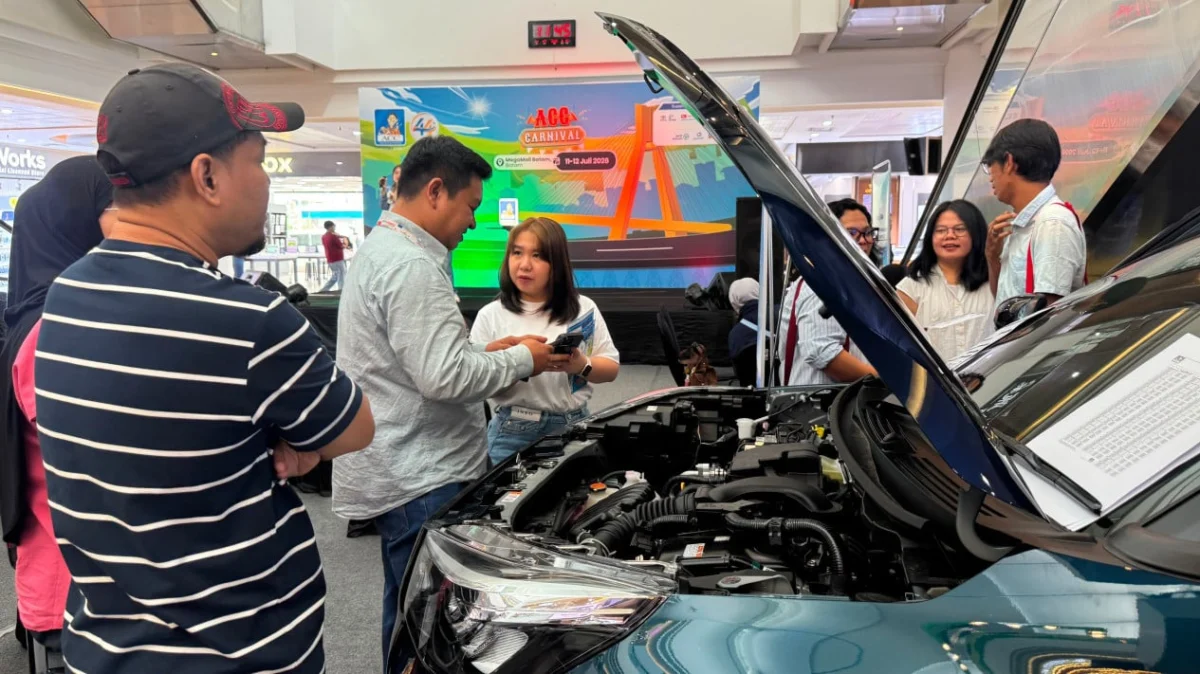
The decision to purchase a vehicle through a multi-year financing scheme is a significant financial commitment that requires meticulous planning beyond the allure of low monthly installments. As consumers increasingly opt for longer loan tenors—stretching up to six years or 72 months—financial experts and industry analysts are highlighting the necessity of calculating the total cost of ownership (TCO) to avoid long-term fiscal strain. While extended tenors offer immediate relief to monthly cash flow, they often mask the cumulative interest and depreciation risks inherent in automotive financing.
The Dynamics of Long-Term Automotive Financing
In the current economic climate, many prospective car buyers are drawn to credit schemes that offer extended repayment periods. A six-year tenor is often marketed as a tool for affordability, allowing individuals to acquire a vehicle that might otherwise be out of their immediate price bracket. By spreading the principal and interest across 72 months, the monthly burden decreases, enabling buyers to manage their household budgets more effectively in the short term.
However, the mathematical reality of long-term financing is often overlooked. Financial planners emphasize that the total amount paid by the end of the loan term is significantly higher in a 72-month contract compared to a 36 or 48-month agreement. This is primarily due to the accumulation of interest over a longer duration. Furthermore, ancillary costs—including administrative fees, comprehensive insurance premiums, and potential late-payment penalties—must be factored into the final tally. When these costs are aggregated, the "affordable" monthly payment may result in a total purchase price that far exceeds the initial showroom sticker price of the vehicle.
Depreciation and the "Upside Down" Risk
A critical factor that often escapes the attention of first-time car buyers is the concept of automotive depreciation. Unlike real estate, which generally appreciates over time, a new passenger vehicle begins to lose market value the moment it is driven off the dealership lot. Historical data suggests that a new car can lose between 15% to 20% of its value within the first year of ownership, and as much as 50% or more by the end of the fifth year.
When a consumer chooses a six-year financing plan, they are essentially paying off an asset that is losing value at a rate that may outpace the rate of loan repayment. This creates a scenario often referred to as being "upside down" or having "negative equity." If a consumer decides to trade in or sell their vehicle during the fourth or fifth year of a six-year loan, the remaining principal on the loan may exceed the current market value of the car. Consequently, the seller would not only fail to receive cash back from the sale but would actually be required to pay the lender to settle the outstanding balance. This financial trap is a significant risk for those who prioritize low monthly payments without considering the lifecycle of the vehicle.
Strategic Financial Planning for Vehicle Acquisition
To navigate these complexities, industry experts recommend a comprehensive approach to vehicle financing. Instead of focusing solely on the monthly installment amount, buyers are urged to perform a "total cost" calculation. This includes:
- Down Payment Analysis: A larger down payment reduces the principal amount financed, which in turn lowers the total interest paid over the life of the loan.
- Interest Rate Sensitivity: Even a fractional difference in the annual percentage rate (APR) can result in thousands of dollars in savings or additional costs over a 72-month period.
- Insurance and Maintenance: Long-term ownership requires budgeting for increased maintenance costs as the vehicle ages, alongside insurance premiums that may fluctuate based on the vehicle’s current market value.
- Opportunity Cost: Consumers should evaluate whether the capital tied up in the down payment or the extra monthly cost could be better utilized in interest-bearing investments.
The Role of Industry Events: ACC Carnival Medan
Providing a practical setting for these financial considerations, the ACC Carnival Medan, held on September 19-20, 2026, at the Ringroad City Walks, serves as a hub for both vehicle procurement and financial education. The event brings together major automotive manufacturers, including Toyota, Daihatsu, Isuzu, Mitsubishi, and Honda, alongside specialized dealers like Toyota Trust by Deltamas and Setir Kanan for pre-owned vehicles.
These events are designed to consolidate the decision-making process for consumers. By hosting both the automotive brands and the financing institution (Astra Credit Companies – ACC) under one roof, the organizers aim to provide transparency regarding loan structures, interest rates, and the long-term obligations associated with vehicle ownership.
Regional Retail Business Head of ACC for the Sumatra Bagian Utara (Sumbagut) region, Adhi Ariya Tuahta Sebayang, noted the importance of such initiatives. "ACC, as a financing company, is committed to facilitating the residents of Medan and its surrounding areas in acquiring their dream vehicles," Sebayang stated during the event’s opening. He emphasized that the integration of various brands and financing options is intended to streamline the buying process, allowing consumers to make informed choices based on their individual financial profiles.
Economic Implications and Market Context
The availability of long-term credit is a double-edged sword for the automotive market. On the supply side, it drives sales volume and supports the broader automotive industry, which contributes significantly to the national GDP. On the demand side, it allows for greater mobility and access to newer, more fuel-efficient, and safer vehicles.
However, from a macro-prudential perspective, regulators often monitor the prevalence of long-term lending to ensure that households are not over-leveraged. Excessive reliance on long-term credit for consumer goods can lead to a rise in non-performing loans (NPLs) if the economy experiences a downturn. If consumers find themselves unable to meet their long-term obligations due to shifting personal financial circumstances, the systemic impact on the financing sector could be substantial.
Furthermore, the shift toward longer tenors reflects changing consumer behavior. As vehicle prices rise due to technological advancements—such as the integration of advanced driver-assistance systems (ADAS) and hybrid or electric powertrains—the affordability gap widens. Financing institutions have responded by extending tenors to maintain market accessibility. While this serves the immediate need of the consumer, it places a higher premium on financial literacy.
Navigating Future Financial Stability
For those planning to purchase a vehicle in the near future, the advice remains consistent: treat the loan as a long-term liability, not a short-term convenience. Before signing a 72-month contract, a prospective buyer should map out their projected financial situation for the next six years. Questions such as "Will I need to upgrade this vehicle in three years?" or "Is my income stable enough to support this fixed cost for the next half-decade?" are essential components of the decision-making process.
In conclusion, while the flexibility offered by six-year financing can be a viable path to vehicle ownership, it requires a disciplined approach to personal finance. By understanding the interplay between interest, depreciation, and total cost of ownership, consumers can enjoy the benefits of a new vehicle without compromising their long-term financial health. The efforts of organizations like ACC in Medan to provide both the product and the financial infrastructure are helpful, but the ultimate responsibility for maintaining fiscal balance rests with the individual consumer. As the market evolves and vehicle technology continues to advance, the importance of these financial calculations will only grow, underscoring the need for continued public education on responsible borrowing.