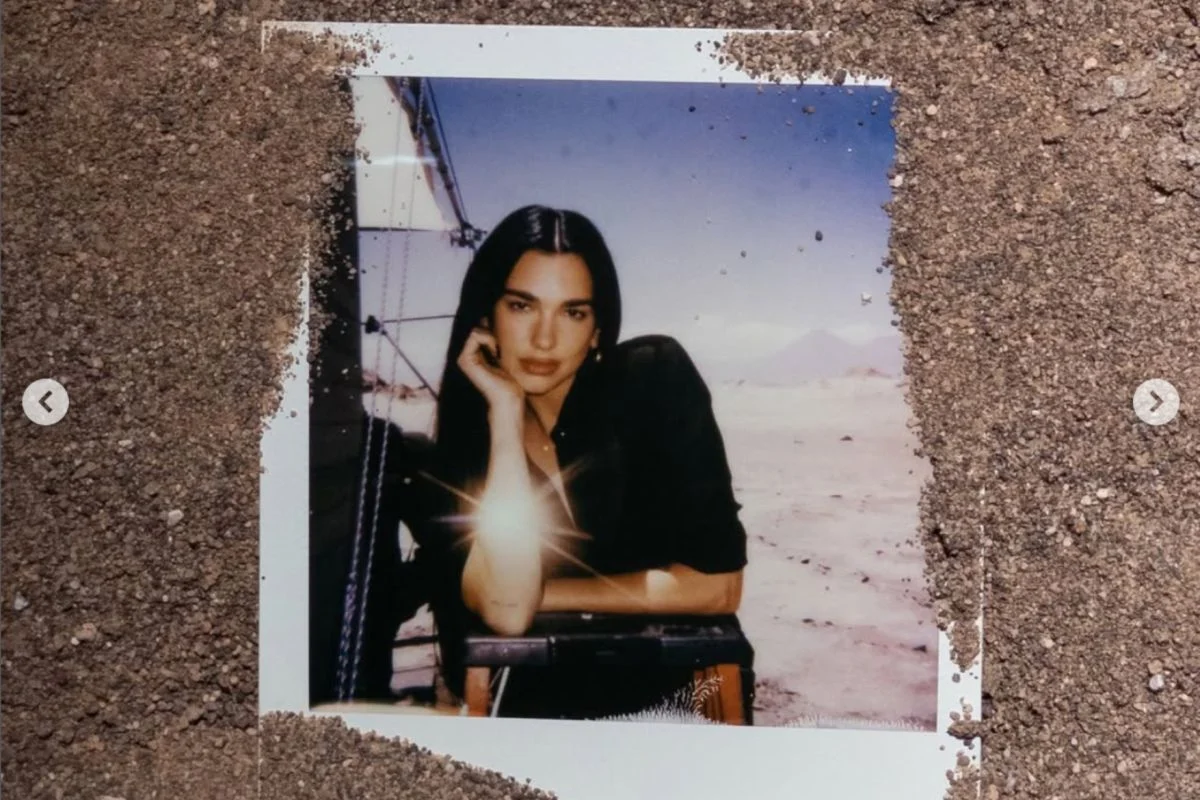
Global pop icon Dua Lipa has officially cemented her status as one of the definitive musical forces of her generation, securing a coveted headlining slot for the upcoming Coachella Valley Music and Arts Festival in 2027. The British-Albanian singer-songwriter is set to command the main stage at the Empire Polo Club in Indio, California, alongside fellow headliners Tame Impala and SZA. The festival will span two consecutive weekends, from April 9 to 11 and April 16 to 18, 2027, drawing hundreds of thousands of music enthusiasts from around the globe.
For Dua Lipa, headlining the world’s most prestigious open-air music festival represents the zenith of a nearly decade-long professional journey. Her ascent from an aspiring internet cover artist to a multi-Grammy Award-winning superstar is a testament to unwavering perseverance, strategic reinvention, and undeniable artistic vision. Yet, long before her name dominated global charts with anthems like New Rules, Don’t Start Now, Levitating, and Dance the Night, Lipa navigated the gritty, unglamorous realities of working-class life in London while chasing an elusive dream.
The Roots of Resilience: Between London and Kosovo
Born in London on August 22, 1995, Dua Lipa inherited her artistic inclination from her parents, Dukagjin Lipa and Anesa Lipa, who relocated to the United Kingdom from Kosovo in the 1990s due to the turbulent political climate in the Balkans. Her father, a prominent figure in his own right, had previously fronted the Kosovan rock band Oda. Growing up in a household steeped in alternative rock and contemporary music, Lipa developed an early and deep-seated passion for performance.
At the age of eleven, a pivotal family decision saw the Lipa household return to Pristina, Kosovo. While the cultural immersion was invaluable, the burgeoning teenager quickly realized that her ultimate ambitions—breaking into the epicenter of the global music industry—lay outside the borders of the newly independent nation. At just 15 years old, demonstrating a maturity and tenacity rare for her age, Lipa made the bold decision to move back to London entirely on her own.
Residing in a flat in the British capital as an independent teenager, Lipa faced the immediate economic pressures of urban survival. While she actively attended auditions, networked with local producers, and uploaded acoustic cover songs to YouTube to build a digital footprint, reality demanded financial self-sufficiency. Like countless young creatives before her, she entered the grueling London service and nightlife industries to pay rent.
Grinding in Soho: The Hospitality and Nightlife Years
Long before she was gracing international red carpets and selling out stadiums, Lipa’s daily routine involved clearing tables and managing door policies. Among her early employment milestones was a stint working as a hostess and waitress at La Bodega Negra, a high-profile Mexican restaurant and bar located in the heart of London’s vibrant Soho district.
In subsequent interviews with prominent fashion publications, including British Vogue, Lipa reflected fondly on this formative era. Far from harboring resentment toward her days in the service sector, she frequently cited her time at the Soho restaurant as one of her favorite early experiences. Surrounded by the relentless energy of central London, she developed a deep appreciation for human interaction, communication, and multitasking—skills that would later translate seamlessly into the high-pressure environment of international touring.
However, her foray into London’s competitive labor market was not limited to restaurant floor management. For approximately a year, Lipa also worked as a bouncer, or door supervisor, at a bustling London nightclub. Tasked with managing crowds, maintaining venue security, and de-escalating volatile situations involving diverse personalities, the young aspiring singer developed an immense reserve of personal authority.
In retrospective interviews, Lipa noted that working the doors of a nightclub instilled in her a profound sense of self-assurance. Facing down difficult patrons and maintaining order in chaotic environments forged a psychological armor that proved invaluable. She has frequently credited this unorthodox early job with giving her the fearlessness required to command massive stages, withstand industry scrutiny, and project absolute confidence under the blinding lights of global media attention.
The Digital Hustle to Major Label Breakthrough
Even as she worked demanding shifts in London’s hospitality and nightlife sectors, Lipa never lost sight of her primary objective. She continuously honed her vocal delivery, penned original lyrics in her spare time, and leveraged the burgeoning power of social media to distribute her music. Her strategic persistence paid off in 2013 when she signed a publishing deal with Tap Management, a move that allowed her to dedicate herself fully to the creative process without the immediate pressures of daily service work.
By 2014, her undeniable talent captured the attention of Warner Bros. Records, leading to a major-label recording contract. The release of her introductory singles—New Love, Be the One, and Hotter than Hell—established her distinct, sultry vocal timbre and dark-pop sensibilities. Her self-titled debut studio album, released in June 2017, served as her commercial breakthrough, propelled globally by the cultural phenomenon that was New Rules, an empowering breakup anthem that dominated airwaves worldwide.
Lipa’s trajectory shifted from rising star to global powerhouse with the release of her second studio album, Future Nostalgia, in March 2020. Arriving at the onset of the global COVID-19 pandemic, the disco-infused, retro-futuristic record provided an essential cultural escape. Hits such as Don’t Start Now, Physical, and Levitating broke streaming records, anchored charts for months, and earned her the Grammy Award for Best Pop Vocal Album in 2021.
Her artistic evolution continued with the 2024 release of her third studio album, Radical Optimism, featuring sleek neo-psychedelic and dance-pop singles like Houdini, Training Season, and Illusion. Furthermore, her recent high-profile collaborations, including musical partnerships with fellow global heavyweights like Jennie of BLACKPINK on tracks such as Handlebars, have continually expanded her cross-genre and cross-cultural appeal.
Cultural and Economic Implications of Coachella 2027
The announcement of Dua Lipa as a headliner for Coachella 2027 marks a significant milestone not only for her career but also for the broader economics of the live music industry. Coachella, operated by Goldenvoice, remains a primary cultural barometer for North American music festivals, generating hundreds of millions of dollars in economic activity for Southern California and setting global touring trends.
Securing the top tier of the festival bill alongside Tame Impala and SZA underscores the shifting demographics of festival headliners toward artists who blend international pop appeal with avant-garde production values. For Lipa, whose live performances have evolved into masterclasses in choreography, endurance, and vocal stability, the Coachella main stage offers an unparalled platform to showcase her extensive catalog to an estimated audience of over 250,000 attendees across two weekends, alongside millions more tuning in via global live streams.
Industry analysts note that headlining Coachella serves as a critical multiplier for an artist’s brand equity, influencing subsequent global stadium routing, merchandise revenues, and brand sponsorship valuations. For an artist who once stood guard at a London club entrance, commanding the desert polo club as the undisputed queen of contemporary pop represents the ultimate validation of a decade-long climb.
A Blueprint for Modern Pop Stardom
As the music world looks ahead to the desert festival in April 2027, the narrative surrounding Dua Lipa remains rooted in a rare blend of organic development and calculated artistic ambition. Her journey—from a young girl moving between London and Pristina, to a Soho restaurant hostess and nightclub bouncer, and finally to a multi-platinum global phenomenon—offers a compelling narrative of modern resilience.
In an era where pop stardom is frequently perceived as an engineered or instantaneous product of digital algorithms, Dua Lipa’s backstory serves as a reminder of the grinding, grassroots effort required to build a lasting legacy. As she prepares to step onto the Coachella stage as its premier headliner, she carries with her not just an arsenal of chart-topping hits, but the hard-earned grit of the London streets that forged her unbreakable resolve.