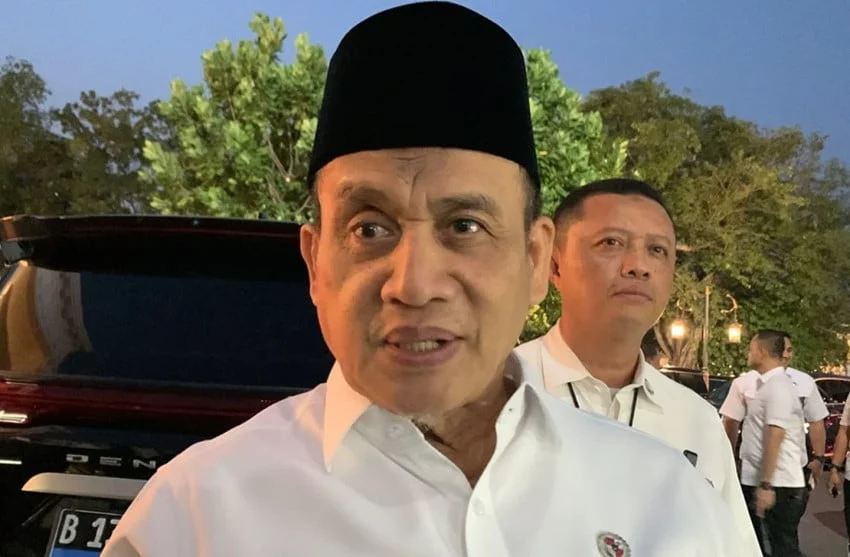
JAKARTA – The Indonesian Ministry of Religious Affairs is developing educational materials aimed at preventing the spread of LGBT (Lesbian, Gay, Biseksual, Transgender, and Queer) culture, with plans to integrate these into the national curriculum. The proposed initiative would introduce this subject matter to students as early as the fourth grade of elementary school (SD). This move signifies a significant step by the Indonesian government in addressing what it perceives as a non-military national security threat.
The rationale behind this curriculum development, according to Deputy Minister of Religious Affairs Romo Muhammad Syafi’i, stems from Presidential Regulation (Perpres) Number 111 of 2025 concerning the General Policy on National Defense for the period 2025-2029. This regulation explicitly categorizes the dissemination of LGBTQ culture as a non-military threat to national defense.
"Oh, LGBT… Yes, there is Perpres 111 of 2025 where the President stated that culture, if LGBT is personal, it’s private. But its spread, creating a culture, that is a non-military national defense threat," stated Romo Syafi’i to members of the media at the Presidential Palace Complex in Jakarta on Monday, July 20, 2026.
This statement from the Deputy Minister of Religious Affairs highlights a specific interpretation of national security, broadening its scope beyond traditional military threats to encompass cultural and ideological challenges. The inclusion of LGBT culture as a "non-military threat" suggests a governmental concern about its potential impact on societal norms and national cohesion as defined within the framework of the aforementioned Presidential Regulation.
Background and Context of the Initiative
The announcement comes amid a broader global discourse on LGBTQ+ rights and societal acceptance, with Indonesia maintaining a complex and often conservative stance on the issue. While the constitution guarantees religious freedom and equality, societal views on non-heterosexual orientations and gender identities can vary significantly, often influenced by religious and cultural interpretations.
Indonesia, as the world’s most populous Muslim-majority nation, has seen its religious institutions and conservative elements play a significant role in shaping public discourse and policy on social issues. The government’s framing of LGBT issues as a "national defense threat" reflects a segment of this societal perspective, positioning it not merely as a matter of individual rights or lifestyle choices, but as an issue with broader implications for national identity and security.
The Presidential Regulation 111 of 2025, cited by the Deputy Minister, is a crucial piece of legislation underpinning this initiative. While the full text and specific operational details of this regulation are not detailed in the initial report, its categorization of LGBTQ culture as a non-military threat provides the legal and conceptual framework for the Ministry of Religious Affairs’ curriculum development plans. National defense policies in many countries have evolved to include a wider range of threats, from cyber warfare and economic instability to ideological subversion and the erosion of cultural values. This Indonesian regulation appears to fall into the latter category, defining certain cultural expressions as potentially destabilizing to the nation.
Timeline and Development Process
The Ministry of Religious Affairs’ plan to integrate this educational material into the curriculum suggests a multi-stage development process. The initial phase involves the " penyusunan materi edukasi" (preparation of educational materials). This likely entails:
- Research and Content Development: Experts in sociology, religious studies, child psychology, and education will likely be involved in researching the most effective pedagogical approaches and developing age-appropriate content. The goal will be to define what constitutes "prevention of the spread of LGBT culture" within an educational context.
- Curriculum Integration: Once drafted, the materials will need to be integrated into existing national curriculum frameworks. This would involve consultation with the Ministry of Education and Culture, as well as regional education authorities.
- Teacher Training: Educators will require training to deliver this sensitive content effectively and in accordance with the ministry’s guidelines. This is a critical step to ensure the materials are presented in a consistent and appropriate manner across the country.
- Pilot Testing and Evaluation: It is common practice for new curriculum materials to undergo pilot testing in select schools before a nationwide rollout. This allows for feedback and refinement based on real-world classroom implementation.
- Nationwide Implementation: Following successful pilot phases, the materials would be distributed and implemented in schools across Indonesia.
The target age of fourth graders (approximately 9-10 years old) indicates a focus on foundational understanding and early awareness, rather than in-depth exploration of complex social and personal identity issues. The exact content for this age group would be crucial in determining the nature of the "prevention" being advocated.
Supporting Data and Expert Perspectives (Inferred)
While specific data supporting the categorization of LGBT culture as a "non-military threat" is not provided in the initial report, such classifications often draw upon various arguments:
- Demographic Concerns: Some interpretations of national security might link societal shifts in family structures or reproductive norms to long-term demographic trends and their impact on national strength and workforce. This perspective, however, is often contested and can be seen as discriminatory.
- Social Cohesion and Values: Governments may argue that the promotion of certain cultural values, perceived as contrary to prevailing national or religious norms, could lead to social fragmentation or ideological division, thereby weakening national unity.
- External Influence: Concerns are sometimes raised about external forces or ideologies promoting certain social agendas that are seen as undermining traditional or religious values, which are then framed as a threat to national sovereignty or identity.
It is important to note that the framing of LGBT individuals and their culture as a "threat" is a perspective that is not universally accepted and faces significant opposition from human rights organizations and LGBTQ+ advocacy groups, both domestically and internationally. These groups often emphasize that sexual orientation and gender identity are fundamental aspects of human diversity and that advocating for the rights and acceptance of LGBTQ+ individuals does not constitute a threat to national security. Instead, they argue that discrimination and marginalization pose greater risks to social stability and human well-being.
Official Responses and Related Developments
The statement by Romo Syafi’i aligns with a broader trend observed in several countries where governments have taken steps to regulate or limit the visibility of LGBTQ+ content or activities. The article itself links to another report indicating that the Indonesian government is preparing technical regulations to restrict LGBTQ+ content, suggesting a coordinated effort across different ministries and regulatory bodies.
This initiative also occurs in the context of ongoing debates and legal challenges related to LGBTQ+ rights globally. In some jurisdictions, there have been efforts to protect LGBTQ+ individuals from discrimination, while in others, there have been moves to reinforce traditional social norms. Indonesia’s approach appears to lean towards the latter, at least in its public policy pronouncements regarding cultural influences.
The involvement of the Ministry of Religious Affairs, as opposed to solely the Ministry of Education, underscores the perception that this issue is viewed through a lens of religious and moral values, in addition to national defense. This dual framing is characteristic of how social issues are often debated and legislated in Indonesia, where religious considerations hold significant weight.
Broader Impact and Implications
The integration of this educational material into the national curriculum has several potential implications:
- Impact on LGBTQ+ Youth: For LGBTQ+ students, this curriculum could create a hostile or stigmatizing educational environment, potentially leading to increased feelings of isolation, fear, and mental health challenges. It may also discourage self-acceptance and open expression.
- Societal Polarization: The move could further polarize Indonesian society, deepening divisions between those who advocate for LGBTQ+ rights and acceptance and those who hold more conservative views.
- International Scrutiny: Indonesia’s stance on LGBTQ+ issues has drawn international attention. Such curriculum changes could lead to criticism from international human rights organizations, foreign governments, and global bodies that advocate for LGBTQ+ equality.
- Educational Effectiveness: The effectiveness of such a curriculum in "preventing the spread" of LGBT culture is debatable. Educational interventions aimed at demonizing or stigmatizing a group often prove counterproductive and can foster prejudice rather than understanding or acceptance. Conversely, comprehensive sexuality education that promotes respect for diversity and critical thinking skills is often seen as more beneficial.
- Legal and Ethical Considerations: The categorization of a group of people and their cultural expressions as a "threat" raises significant legal and ethical questions regarding human rights, non-discrimination, and the role of the state in shaping societal attitudes.
The decision to introduce such educational content at an early age (fourth grade) suggests a proactive approach by the government to shape the perspectives of young Indonesians. The long-term consequences of this policy will depend on the specific content of the materials, the manner in which they are delivered, and the broader societal context in which they are implemented. The framing of the issue as a national defense imperative, rather than a matter of human rights or social inclusion, signals a particular approach to governance and societal management that prioritizes perceived national stability and traditional values.
The Ministry of Religious Affairs’ statement, though brief, opens a window into the complex interplay of national security, cultural values, and educational policy in contemporary Indonesia. As the development of these materials progresses, further details regarding their content and the intended pedagogical approach will be crucial in understanding the full scope and potential impact of this significant educational initiative. The government’s reliance on the Presidential Regulation 111 of 2025 as justification for this policy underscores the expanding definition of national security in the 21st century, encompassing not just military might but also the perceived integrity of cultural and social norms.