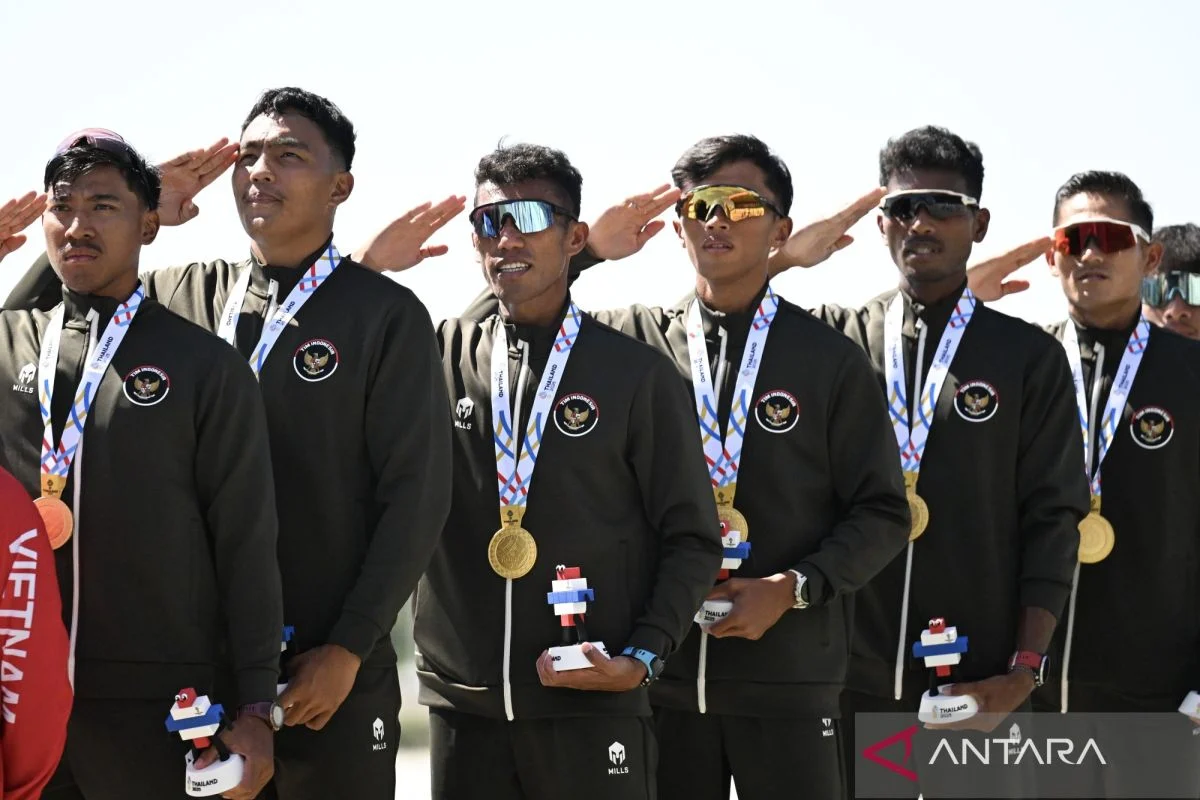
The 33rd Southeast Asian Games (SEA Games) are set to commence from December 9th to 20th, with Thailand proudly hosting this prestigious regional sporting spectacle. The SEA Games, a cornerstone of athletic competition in Southeast Asia, are held biennially in odd-numbered years, fostering camaraderie and showcasing the diverse athletic talents of ASEAN member nations. Operating under the auspices of the Southeast Asian Games Federation (SEAGF), the Games also benefit from the oversight of the International Olympic Committee (IOC) and the Olympic Council of Asia (OCA), ensuring adherence to international sporting standards. This edition in Thailand marks another chapter in a rich history, building upon decades of shared sporting ambition and cultural exchange.
The Genesis of a Regional Sporting Tradition: From SEAP Games to SEA Games
The roots of the SEA Games can be traced back to the "Southeast Asian Peninsular Games" (SEAP Games), a precursor conceived with the noble aim of strengthening fraternal bonds among Southeast Asian nations through the unifying power of sport. The visionary behind this initiative was Laung Sukhumnaipradit, then Vice President of the Thai Olympic Committee. In 1957, he articulated his vision, emphasizing the need for a regional sporting event that would mirror the scale and ambition of the Asian Games and the Olympic Games, thereby setting a common standard for sports development across ASEAN.
Sukhumnaipradit’s compelling idea was shared with Dave Kitcher, the then-coach of the Thailand Athletics Association. Recognizing the potential, Kitcher took the initiative to further discuss and refine the concept. On February 8-4, 1958, he engaged in discussions with representatives from Cambodia and Vietnam, who readily embraced the proposal and offered their support. This collaborative spirit culminated in a pivotal meeting of the Thai Olympic Committee on February 22, 1958. Dignitaries from Thailand, Cambodia, and Vietnam were joined by representatives from Myanmar, Laos, and Malaysia, solidifying their collective commitment.
During this landmark meeting, the participating nations reached a unanimous agreement to officially launch the Southeast Asian Peninsular Games (SEAP Games) in Bangkok, Thailand, in December 1958. The foundational principles of the SEAP Games were established: a commitment to holding the event every two years and the formation of a dedicated SEAP Games Federation Committee. Thus, Thailand, Vietnam, Malaysia, Cambodia, Myanmar, and Laos emerged as the pioneering nations that laid the groundwork for this enduring regional sporting platform.
A Chronicle of Growth and Evolution: Key Milestones in SEA Games History
The inaugural SEAP Games were held in Bangkok, Thailand, from December 12th to 17th, 1959. While initially intended to include Cambodia, the nation’s absence led to Singapore stepping in as a participant. This early participation paved the way for Singapore’s official membership in the SEAP Games.
The evolution of the Games continued with significant expansion. At the 8th SEAP Games in 1975, the Federation Committee made a pivotal decision to welcome Indonesia, Brunei Darussalam, and the Philippines as new members. These nations officially joined the fold in 1977, marking a significant expansion of the regional sporting community. In the same year, a crucial rebranding occurred: the SEAP Games Federation officially changed its name to the Southeast Asian Games Federation (SEAGF), and consequently, the SEAP Games were renamed the SEA Games, reflecting its broader geographical scope and evolving identity.
The most recent expansion occurred in 2003 when Timor-Leste became the eleventh nation to join the SEA Games, bringing the total number of participating countries to the current count. This sustained growth underscores the enduring appeal and importance of the SEA Games in fostering regional unity and athletic development.
The Unique Allure of the SEA Games: A Platform for Cultural Expression
A defining characteristic that distinguishes the SEA Games from other major international sporting events like the Olympics is the latitude granted to host nations to include specific local sports. This policy serves a dual purpose: it not only showcases the host country’s athletic prowess but also provides a unique platform to introduce and celebrate their rich cultural heritage and national identity.
This flexibility has led to the inclusion of a diverse array of sports that reflect the cultural tapestry of Southeast Asia. For instance, at the 2003 Games in Vietnam, traditional sports such as cyclo racing and pencak silat were introduced. In 2019, the Philippines incorporated obstacle course racing, a discipline that tests agility, speed, and strength in a challenging format. More recently, at the 2023 Games, Cambodia proudly showcased their traditional martial art, Bokator, a centuries-old combat technique that emphasizes dynamic movements and strategic application.
These unique inclusions transform the SEA Games into more than just a competition; they become a vibrant exhibition of regional diversity, allowing athletes and spectators alike to experience the distinct cultural narratives of each participating nation.
Thailand’s Third Hosting: A Glimpse into SEA Games 2025
As Thailand prepares to host the 33rd SEA Games, the nation is gearing up to present a comprehensive and exciting sporting program. The Games will feature an impressive 50 different sports, offering a wide spectrum of athletic disciplines for athletes to compete in and for fans to enjoy. This extensive list reflects the diverse sporting interests within the region and the host country’s commitment to providing a well-rounded sporting experience.
The logistical organization of such a large-scale event requires strategic planning and execution. Thailand has designated three key locations to host the various competitions: Bangkok, the bustling capital city; the coastal province of Chonburi, known for its sporting facilities and tourism appeal; and the southern province of Songkhla, offering a different geographical backdrop for the Games. This multi-location approach allows for a broader distribution of events and potentially greater accessibility for spectators across different regions of the country.
The economic implications of hosting the SEA Games are also significant. Beyond the direct expenditure on infrastructure, event organization, and athlete support, the Games are expected to stimulate tourism, boost local economies through increased visitor spending, and generate employment opportunities. Furthermore, a strong performance by national athletes often translates into increased national pride and can inspire a new generation of sports enthusiasts. The potential for enhanced diplomatic ties and regional cooperation through such a collaborative event cannot be overstated.
Looking Ahead: The Enduring Significance of the SEA Games
The SEA Games continue to be a vital platform for athletic development, regional understanding, and cultural exchange in Southeast Asia. As Thailand embarks on hosting the 33rd edition, the Games stand as a testament to the enduring power of sport to unite diverse nations and inspire excellence. The evolution from the SEAP Games to the modern SEA Games reflects the growing aspirations and capabilities of the region, solidifying its place as a significant fixture in the international sporting calendar. The success of these Games will undoubtedly contribute to the ongoing narrative of unity and progress within the ASEAN community.