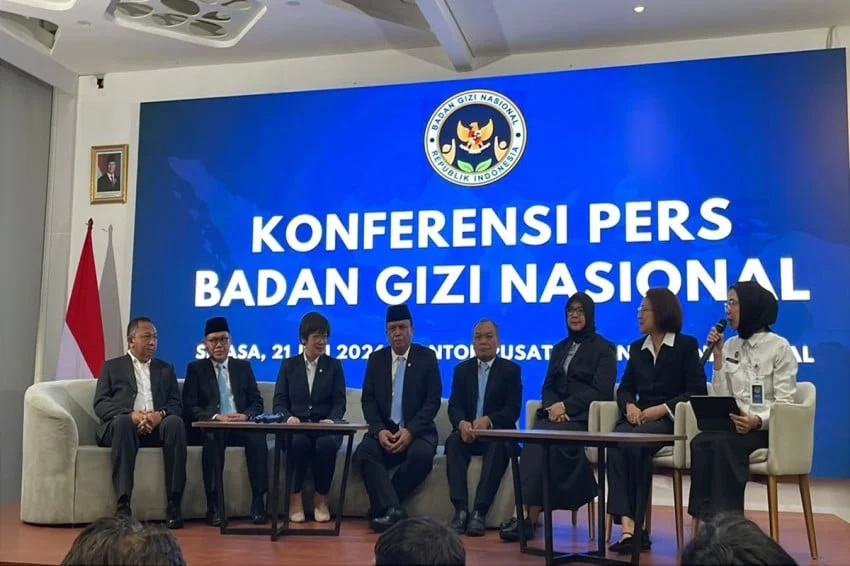
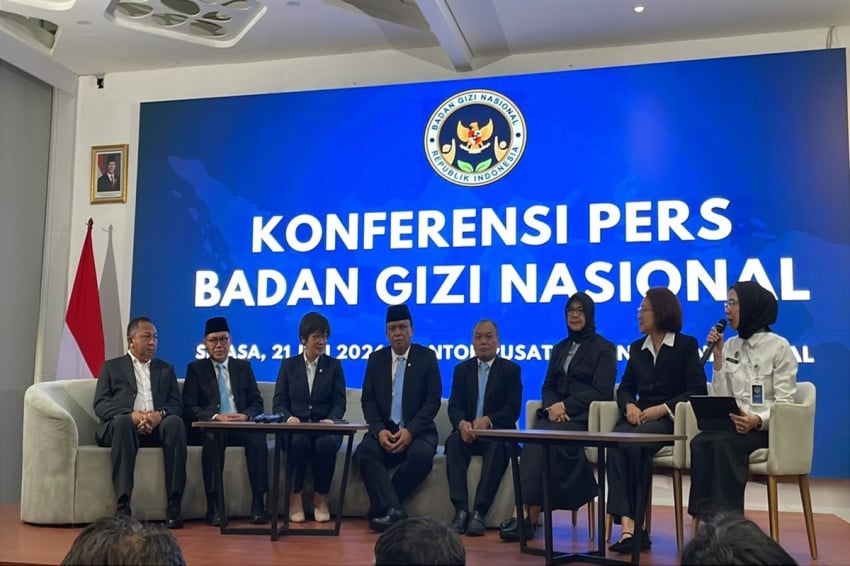
The National Nutrition Agency (Badan Gizi Nasional – BGN) officially introduced a new cohort of five high-ranking officials on Tuesday, July 21, 2026, marking a pivotal moment for the organization tasked with spearheading Indonesia’s ambitious Free Nutritious Meals (MBG) program. These strategic appointments, ranging from the Principal Secretary to four key Deputy roles, are expected to significantly enhance the agency’s operational capacity, transparency, and overall effectiveness in delivering on its critical mandate. The announcement, made during a press conference at the BGN Office in Central Jakarta, underscored the government’s commitment to strengthening the agency’s framework following recent scrutiny and in preparation for the expanded rollout of the MBG initiative.
The new leadership team, appointed directly by President Prabowo Subianto through a Presidential Decree, comprises individuals drawn from various government ministries and institutions, bringing a wealth of experience to the BGN. Agustina Harumsari, the Vice Head of BGN, confirmed the appointments, stating, "Yesterday afternoon, we received a Presidential Decree signed by Mr. President, appointing these esteemed individuals as high-ranking officials within the BGN. Their diverse backgrounds and expertise will be instrumental in accelerating the implementation of our programs, especially the Free Nutritious Meals initiative, which is a cornerstone of the national development agenda."
Strategic Appointments and Key Responsibilities
The newly appointed officials are poised to take on crucial responsibilities across the BGN’s operational spectrum. The full list of new appointees and their respective roles includes:
- Lili Khamiliyah as the Principal Secretary: As the chief administrative officer, Lili Khamiliyah will be responsible for overseeing the BGN’s internal operations, ensuring efficient coordination among departments, and managing the agency’s resources effectively. The Principal Secretary plays a critical role in translating strategic directives into actionable plans and maintaining the overall organizational integrity.
- Prima Yosephine Berliana Tumiur Hutapea as the Deputy for System and Governance: This role is paramount for establishing and maintaining robust internal systems, policies, and governance frameworks within the BGN. Given the significant public funding allocated to the MBG program, robust governance is essential to prevent irregularities, ensure accountability, and build public trust. Hutapea’s expertise will be crucial in developing transparent operational procedures and compliance mechanisms.
- Zainuri as the Deputy for Provision and Distribution: Tasked with the direct logistical challenges of the MBG program, Zainuri will oversee the sourcing, procurement, and distribution of nutritious meals across the archipelago. This involves managing a complex supply chain, ensuring food quality and safety, and coordinating with regional and local authorities to reach target beneficiaries efficiently. The success of the MBG program hinges heavily on effective provision and distribution.
- Mariman Darto as the Deputy for Promotion and Cooperation: This position focuses on external relations, public awareness campaigns, and forging strategic partnerships. Mariman Darto will be responsible for communicating the objectives and benefits of the BGN’s programs, including the MBG, to the public and collaborating with other government agencies, civil society organizations, and international bodies to leverage resources and expertise.
- Ketut Sumedana as the Deputy for Monitoring and Supervision: Perhaps the most high-profile appointment, Ketut Sumedana brings a unique background as the former Head of the Legal Information Center (Kapuspenkum) at the Attorney General’s Office (Kejagung). In his new role, Sumedana will be charged with overseeing the rigorous monitoring and evaluation of all BGN programs, with a particular focus on the MBG. His appointment signals a strong emphasis on accountability, transparency, and the prevention of fraud or mismanagement within the agency, a critical aspect especially considering past events.
The Context: BGN’s Mandate and the Free Nutritious Meals Program
The National Nutrition Agency (BGN) was established with a clear and ambitious mandate: to coordinate, formulate, and implement national policies aimed at improving the nutritional status of the Indonesian population. This includes addressing pressing issues such as stunting, malnutrition, and food insecurity, which continue to pose significant challenges to human capital development in the country. Indonesia, a vast archipelago, grapples with varying degrees of nutritional deficiencies across its provinces, impacting child development, public health, and economic productivity. According to recent data from the Ministry of Health, despite progress, stunting rates remain a concern, underscoring the urgency of comprehensive nutritional interventions.
At the heart of the BGN’s current strategic focus is the Free Nutritious Meals (MBG) program, a flagship initiative championed by President Prabowo Subianto during his electoral campaign. The program aims to provide regular, balanced, and nutritious meals to school children, pregnant women, and other vulnerable groups across Indonesia. The rationale behind the MBG program is multi-faceted:
- Combating Stunting and Malnutrition: By providing consistent access to nutritious food, the program seeks to improve the dietary intake of children and mothers, thereby reducing the prevalence of stunting and other forms of malnutrition.
- Improving Educational Outcomes: Well-nourished children are better able to concentrate, learn, and perform academically, contributing to improved educational attainment rates.
- Supporting Food Security: The program contributes to broader national food security efforts by ensuring that vulnerable populations have access to essential nutrients.
- Economic Impact: The large-scale procurement and distribution network required for the MBG program are also expected to stimulate local economies, particularly in the agricultural and food sectors.
The scale of the MBG program is immense, requiring meticulous planning, vast logistical capabilities, and substantial financial investment. Early estimates suggest that reaching millions of beneficiaries nationwide will necessitate a budget in the tens of trillions of Rupiah annually. This significant investment naturally comes with heightened expectations for efficient execution and robust accountability.
Chronology of Appointments and Presidential Vision
The appointments were a culmination of a careful selection process initiated by the President’s office, reflecting a strategic move to align BGN’s leadership with the national agenda. Following President Prabowo Subianto’s inauguration, the emphasis on human capital development and the specific commitment to the MBG program became central tenets of his administration. The formal process of selection and vetting for these high-level positions likely involved multiple stages, culminating in the Presidential Decree issued just before the official announcement.
President Subianto’s vision for the BGN, and indeed for national development, places a strong emphasis on practical, impactful programs that directly address the welfare of the populace. The MBG program, in particular, is seen as a direct investment in the nation’s future, ensuring that the next generation is healthy, educated, and productive. The President’s direct involvement in appointing these officials underscores the high priority accorded to the BGN’s mission and the need for a leadership team capable of navigating complex operational and governance challenges.
The Shadow of Previous Investigations and the Role of Accountability
The appointment of Ketut Sumedana as Deputy for Monitoring and Supervision takes on particular significance when viewed against the backdrop of recent events involving the BGN. The original news article included a link to a previous report titled "BGN Office Raided by Attorney General’s Office, What Case?" While the details of that specific investigation were not provided in the current text, the mere mention suggests that the BGN has previously been subject to scrutiny by law enforcement agencies, likely concerning allegations of financial irregularities, procurement fraud, or mismanagement of funds.
Such an investigation, regardless of its outcome, would undoubtedly have cast a shadow over the agency’s reputation and raised public concerns about governance and accountability. In this context, Ketut Sumedana’s background as a former high-ranking official from the Attorney General’s Office becomes critically relevant. His experience in legal information and likely exposure to prosecutorial processes will be invaluable in establishing and enforcing stringent oversight mechanisms within the BGN. His appointment is a clear signal from the President’s office that transparency and integrity are non-negotiable, and that any future potential for misuse of funds or program deviations will be met with robust internal controls.
This strategic placement aims to not only prevent future malfeasance but also to rebuild public trust in an agency vital for national well-being. The challenge for Sumedana will be to implement effective monitoring systems that are both preventive and responsive, ensuring that the vast resources dedicated to the MBG program are utilized efficiently and ethically.
Implications and Future Outlook
The comprehensive restructuring of BGN’s top leadership carries several profound implications for the agency and the national nutrition agenda:
- Enhanced Program Implementation: With dedicated deputies for system and governance, provision and distribution, and promotion and cooperation, the BGN is now better equipped to manage the multifaceted aspects of the MBG program. This specialized structure should lead to more efficient planning, procurement, logistics, and outreach.
- Strengthened Governance and Accountability: The appointment of a former Kejagung official to head monitoring and supervision sends a powerful message about the administration’s commitment to clean governance. This move is crucial for restoring and maintaining public confidence, especially in light of past controversies. It suggests a proactive approach to ensuring that public funds for the MBG program are managed with the highest degree of integrity.
- Improved Public Trust and Perception: A transparent and accountable BGN is essential for gaining public support and participation in its programs. The new leadership’s emphasis on good governance and effective communication, led by the Deputy for Promotion and Cooperation, will be vital in shaping a positive public perception of the agency and its initiatives.
- Addressing National Nutritional Challenges: By streamlining operations and reinforcing oversight, the BGN stands a better chance of making significant inroads into Indonesia’s persistent nutritional challenges. The successful implementation of the MBG program could substantially reduce stunting rates, improve maternal and child health, and contribute to a healthier, more productive workforce.
- Cross-Sectoral Collaboration: The BGN’s mandate inherently requires extensive collaboration with other ministries (e.g., Health, Education, Agriculture), local governments, and civil society. The new leadership, particularly the Deputy for Promotion and Cooperation, will need to foster strong inter-agency partnerships to ensure a coordinated national effort.
Despite the positive outlook, significant challenges lie ahead. The sheer geographical spread of Indonesia, coupled with diverse socio-economic conditions, presents formidable logistical hurdles for a nationwide program like MBG. Ensuring consistent quality, timely delivery, and equitable access to nutritious meals across all regions will require sustained effort, adaptive strategies, and continuous evaluation. Furthermore, the BGN will need to navigate potential political complexities and ensure stable funding for the long-term sustainability of its programs.
The newly appointed leadership team at the National Nutrition Agency faces a monumental task, but with the direct backing of President Prabowo Subianto and a clear mandate, they are positioned to make a substantial impact on the health and well-being of the Indonesian people. Their success will be measured not only in the efficient distribution of meals but also in the tangible improvements in national health indicators and the restoration of robust public trust in government initiatives.