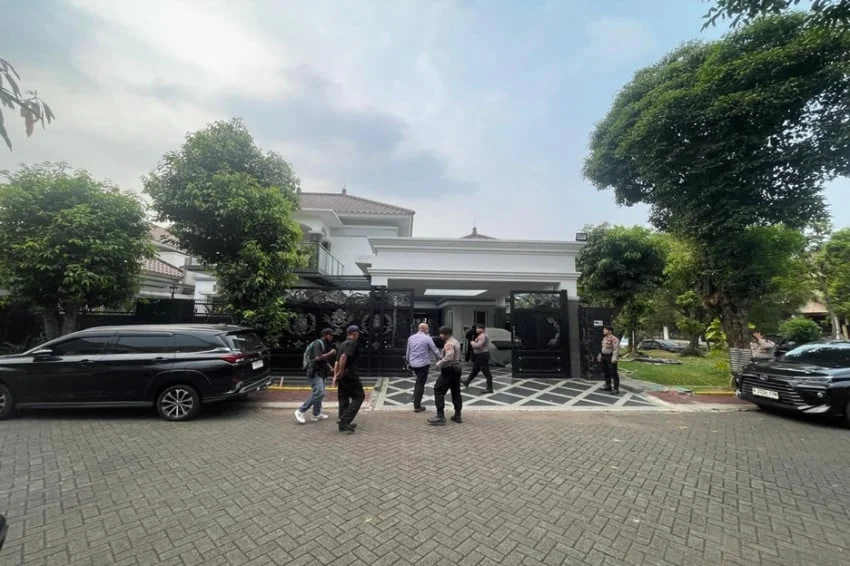
The Corruption Eradication Commission of the Republic of Indonesia has intensified its ongoing high-profile investigation into systemic corruption within the Ministry of Agrarian Affairs and Spatial Planning/National Land Agency. Investigators executed a targeted search and seizure operation at the private residence of Lampri, who serves as the Director General of Land and Spatial Control and Enforcement at the ministry. The raid, conducted in the residential outskirts of Bekasi, West Java, yielded significant evidentiary material that investigators believe directly illuminates the mechanisms of illicit financial transactions tied to the bribery scheme.
According to official statements released by the anti-graft agency, the search uncovered a cache of critical physical documents alongside various electronic evidence items. These seized assets are currently undergoing forensic and financial analysis by specialized KPK teams. The primary objective is to map out the intricate pathways of alleged money laundering and bribery, specifically connecting the gathered physical and digital records to the broader institutional corruption network within the ATR/BPN. This enforcement action marks a pivotal moment in an expanding inquiry that has already shaken the upper echelons of Indonesia’s land administration and corporate real estate sectors.
Chronology of the Investigation and the Jabodetabek Sting Operation
The genesis of this sprawling corruption probe traces back to a series of coordinated sting operations executed by KPK operatives across the Jakarta, Bogor, Depok, Tangerang, and Bekasi metropolitan areas. The decisive enforcement action, locally known as an Operasi Tangkap Tangan, took place on September 14, 2026. This sudden crackdown targeted individuals allegedly involved in corrupt practices surrounding the expedited issuance, processing, and conversion of land tenure rights—specifically Hak Guna Bangunan titles—held by major property development conglomerates.
The focal point of the initial sting was the alleged unlawful facilitation of HGB titles requested by prominent property developer PT Summarecon Agung Tbk concerning land parcels located within Bogor Regency, West Java. Sensing imminent transactions involving illicit gratuities and administrative manipulation, KPK enforcement units moved swiftly to apprehend key suspects at various locations across the capital region. The operation caught numerous high-ranking administrative figures and corporate executives off guard, precipitating an immediate institutional crisis within the land ministry.
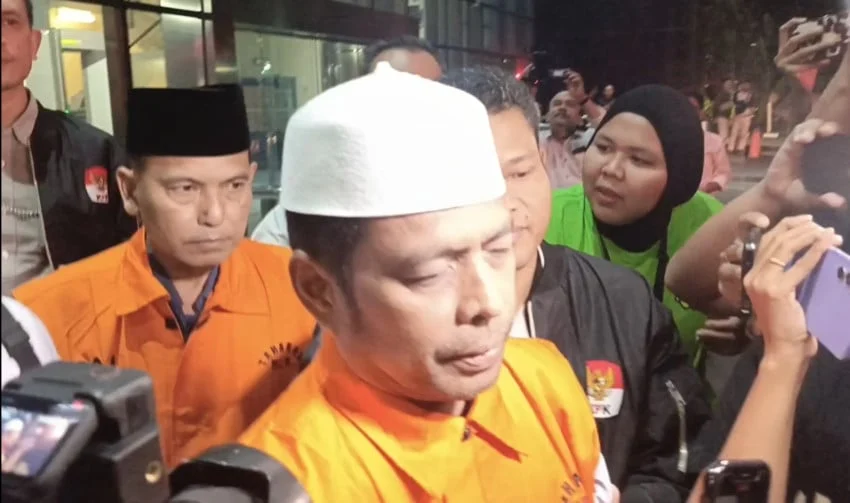
Following the initial apprehensions, the commission moved rapidly through the mandatory judicial phases. Within twenty-four hours of the sting operations concluding, the agency formally announced the designation of eight individuals as official suspects. This diverse roster of accused persons encompasses entrenched government bureaucrats, high-level corporate executives, third-party intermediaries, and politically connected individuals allegedly operating as power brokers within national administrative circles.
Profiling the Eight Key Suspects in the ATR/BPN Bribery Scandal
The formal naming of the eight suspects by the anti-corruption agency highlights the multi-layered and cross-sectoral nature of the alleged conspiracy. Among the principal government officials implicated is Lampri, whose residential property in Bekasi was subjected to the recent evidentiary sweep. Alongside the Director General, investigators targeted regional land administration leadership, arresting Sontang Coin Manurung, who served as the Head of the Bogor Regency Land Office. Manurung is suspected of abusing his territorial authority to bypass standard regulatory frameworks in favor of corporate applicants.
On the corporate front, the scandal has deeply implicated the senior leadership of PT Summarecon Agung Tbk. Adrianto Pitojo Adhi, holding the critical position of President Director of the development giant, was named as a primary suspect in the bribery allegations. Investigators allege that Adhi orchestrated corporate strategies aimed at securing favorable administrative outcomes through illicit financial inducements. Complementing the corporate leadership is Rizal Pahlevi, identified by investigators as a specialized private sector intermediary or broker who allegedly acted as the financial conduit between the corporate entity and compromised public officials.
The roster of suspects further expands into politically sensitive territory with the inclusion of several high-profile figures. Former Regent of Kebumen, Arif Sugiyanto, was formally designated as a suspect, drawing scrutiny to regional political networks. Additionally, the commission named Fahd El Fouz, widely known as Fahd Arafiq and recognized as a senior executive within the central leadership board of the Golkar Party. Rounding out the initial group of eight suspects are two independent private actors, Erwin and Muhammad Fakhry. Notably, investigative disclosures reveal that the final four named individuals—Sugiyanto, El Fouz, Erwin, and Fakhry—are widely alleged by investigators to have operated as trusted confidants and informal emissaries of the current Minister of Agrarian Affairs and Spatial Planning, Nusron Wahid.
Detailed Analysis of the Bekasi Raid and Evidence Recovery
The execution of the search warrant at Director General Lampri’s Bekasi domicile represents a methodical step in building an airtight prosecutorial case. Speaking to members of the press in Jakarta, KPK Spokesperson Budi Prasetyo elaborated on the tactical outcomes of the raid. Prasetyo emphasized that the physical documents and electronic evidence seized are indispensable for substantiating the specific charges leveled against Lampri and his co-conspirators.
Investigators are utilizing advanced digital forensics to recover deleted communications, financial spreadsheets, and transaction histories from the seized electronic devices. The primary focus of this technical analysis is to establish clear chains of custody and direct correlations between monetary sums disbursed by corporate actors and official administrative favors granted by ministry officials. By dissecting these financial trails, the agency aims to demonstrate a systematic pattern of abuse of office, bribery, and potentially money laundering under the Indonesian Anti-Corruption Law.
Furthermore, the analysis of these materials is designed to test the consistency of testimonies provided by suspects and witnesses during preliminary interrogations. The commission seeks to construct a comprehensive evidentiary matrix that leaves minimal room for legal ambiguity during subsequent courtroom proceedings. The meticulous cataloging of paperwork related to land surveying, title issuance, and spatial planning approvals found during the raid will allow forensic accountants to cross-reference administrative timelines with suspicious banking transactions.
Broader Implications for Indonesia’s Land Administration and Real Estate Sector
The unfolding scandal at the Ministry of Agrarian Affairs and Spatial Planning carries profound ramifications for the broader economic and regulatory landscape of Indonesia. The issuance of Hak Guna Bangunan titles is a foundational pillar of commercial real estate development, foreign direct investment, and urban expansion. Any systemic compromise within the bureaucracy tasked with regulating land use directly threatens investor confidence, market transparency, and the rule of law.
For years, critics and civil society organizations have raised concerns regarding bureaucratic bottlenecks, discretionary authority, and pervasive rent-seeking behaviors within land administrative bodies. The involvement of top-tier regulatory officials, such as a sitting Director General and regional land office heads, alongside the chief executive of a publicly traded property titan like PT Summarecon Agung Tbk, underscores the deeply entrenched nature of these challenges. This case serves as a stark reminder of the vulnerabilities inherent in property licensing processes where high-value commercial stakes intersect with administrative discretion.
The implications for PT Summarecon Agung Tbk are similarly severe. As one of Indonesia’s premier property developers, managing massive residential townships, commercial centers, and mixed-use developments, the company faces potential reputational damage, governance reviews, and possible legal liabilities under corporate criminal liability frameworks. Institutional investors and market regulators are closely monitoring how the corporation manages the sudden legal incapacitation of its President Director and the fallout from the ongoing judicial process.
Institutional Response and Political Fallout
The political dimensions of the investigation cannot be understated, particularly given the alleged association of several high-profile suspects with influential political networks and ministerial circles. The involvement of figures tied to major political parties and ministerial advisers places intense pressure on the administration to demonstrate absolute impartiality and institutional independence in combating graft.
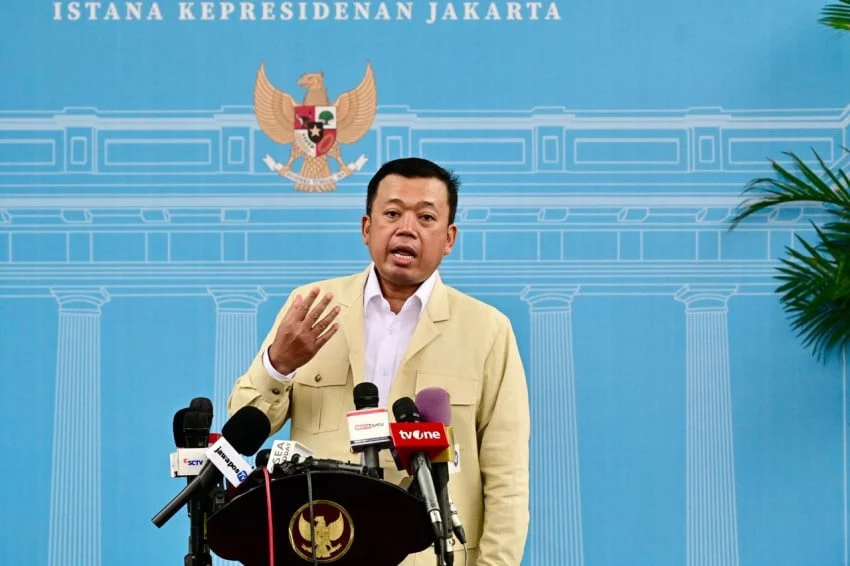
Minister of ATR/BPN Nusron Wahid faces intense public scrutiny regarding the depth of institutional penetration by corrupt networks within his ministry. While the commission has not formally implicated the Minister himself in the criminal conspiracy, the alleged proximity of several key suspects acting as his confidants has triggered widespread calls for sweeping administrative reforms, internal audits, and rigorous vetting procedures across all directorates within the ministry.
Civil society watchdogs and anti-corruption advocacy groups have issued statements commending the KPK for its decisive actions during the initial sting operations and subsequent raids. However, these organizations have simultaneously urged the commission to pursue the investigation fearlessly, ensuring that all culpable parties—regardless of their political affiliations, corporate standing, or bureaucratic rank—are held fully accountable under the law.
Next Steps in the Judicial Process
As the investigation enters its subsequent phases, the KPK is expected to summon additional witnesses, conduct further forensic audits, and potentially expand the suspect list as new evidence emerges from the analyzed data. The digital and documentary artifacts recovered from Director General Lampri’s Bekasi residence will serve as core exhibits when the cases are eventually elevated to the Corruption Court for formal prosecution.
The legal teams representing the accused parties have indicated their intention to challenge aspects of the investigative procedures and review the evidentiary basis supporting the detention orders. Nevertheless, the scale and velocity of the commission’s current interventions signal a zero-tolerance approach toward land-sector corruption. This ongoing legal saga will undoubtedly redefine the boundaries of corporate-state interactions within Indonesia’s real estate industry for years to come, setting a critical precedent for administrative integrity and regulatory enforcement.