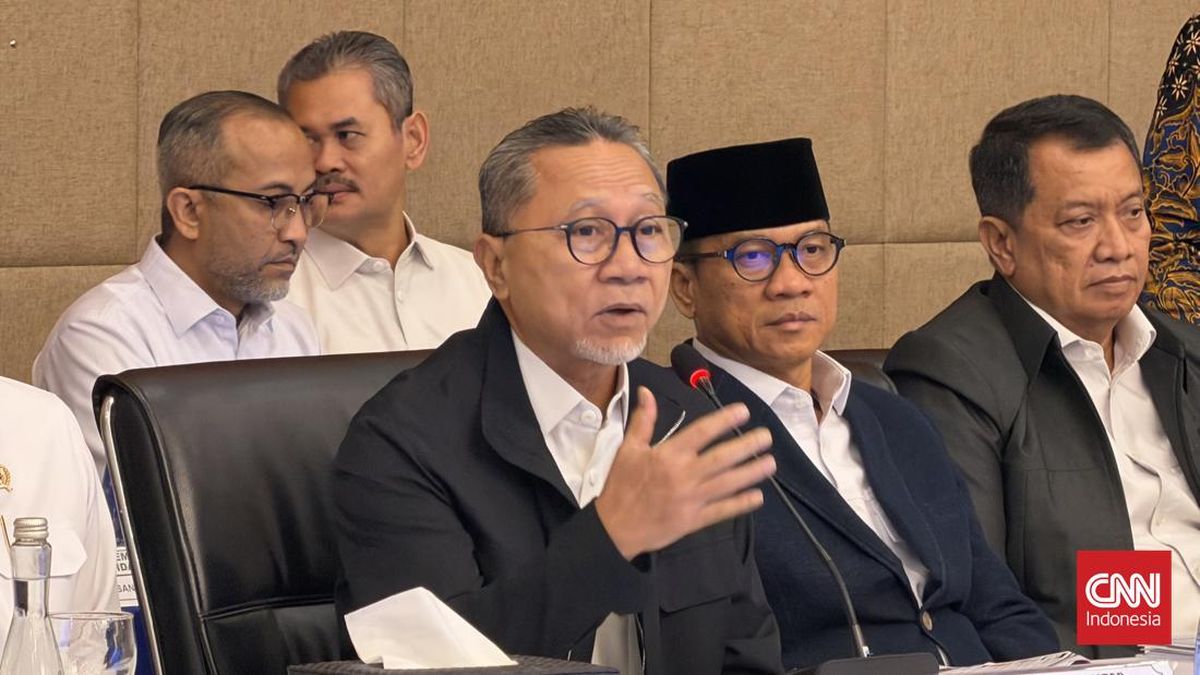
JAKARTA — In a decisive budgetary session held on Thursday, September 17, 2026, House of Representatives (DPR) Commission VI officially approved the Ministry of Cooperatives’ budget ceiling for the 2027 fiscal year at Rp767.8 billion. The newly approved figure stands in stark contrast to the initial, ambitious budgetary requests submitted by the ministry, which had sought a staggering Rp4.53 trillion to fund its expanding slate of national programs and strategic interventions.
The ratification of the fiscal blueprint followed intense deliberations between parliamentary leaders and cabinet officials. During the working meeting at the parliamentary complex in Senayan, Jakarta, Commission VI sanctioned a marginal additional funding allocation of Rp25 miliar to the ministry’s initial indicative ceiling.
The compromise underscores the ongoing fiscal tightening measures implemented by the government across various state apparatuses, forcing ministries to maximize limited resources while executing critical economic mandates.
Breakdown of the Approved 2027 Budget Ceiling
The officially ratified budget of Rp767.8 billion has been allocated into two primary expenditure pillars designed to maintain operational continuity and support the grassroots cooperative sector. According to parliamentary documents presented during the session, the total allocation is divided strategically to address foundational administrative needs and direct programmatic execution.
Of the total approved funds, Rp265.5 billion has been earmarked for the management support program, ensuring that the ministry can sustain its internal operations, bureaucratic infrastructure, human resources, and routine administrative functions throughout 2027. Meanwhile, the lion’s share of the budget, amounting to Rp505.3 billion, has been dedicated entirely to the core cooperative development program. This latter segment is expected to drive cooperative modernization, capacity building, regulatory enforcement, and supervisory duties across the archipelago.
The final figure represents a modest increase from the ministry’s initial indicative ceiling of Rp742.8 billion, a bump achieved solely due to the additional Rp25 billion injection greenlit by House legislators at the eleventh hour.
Parliamentary Warnings on Accountability and Transparency
While granting approval for the fiscal year 2027 framework, the leadership of Commission VI of the DPR issued strict warnings regarding the efficient utilization of the public funds. Anggia Ermarini, Chairperson of Commission VI, emphasized that given the vast discrepancy between the ministry’s requested funds and the actual allocation, every single rupiah must be accounted for with rigorous transparency.
"Given the minimal budget size, with an additional injection of only Rp25 billion, Mr. Minister, these funds must be utilized strictly in accordance with operational necessity," Anggia stated firmly during the proceedings. "This is a directive: the funds must be stretched to cover essential mandates, and the precise utilization plan must remain crystal clear and measurable."
Legislators stressed that the ministry cannot afford operational inefficiencies or ambiguous expenditure tracks, particularly as cooperatives are increasingly viewed as vital buffers for the national economy against external macroeconomic volatilities. The parliamentary oversight committee signaled that it would closely monitor the disbursement and implementation of the Rp767.8 billion ceiling through regular quarterly evaluations throughout the upcoming fiscal year.
Contextualizing the Budgetary Crunch: Year-on-Year Comparison
The approval of the 2027 budget ceiling occurs against a backdrop of declining financial allocations for the Ministry of Cooperatives. A comparative retrospective of the ministry’s recent financial trajectories highlights a clear downward trend in state backing for cooperative development programs.
In the preceding fiscal year of 2026, the ministry operated under an allocated budget of Rp872.68 billion. The reduction to Rp767.8 billion for 2027 translates to a notable year-on-year contraction of approximately 12 percent. This tightening fiscal environment served as the primary catalyst behind Minister of Cooperatives Ferry Juliantono’s initial push for a massive funding expansion to Rp4.53 trillion.
Ministry technocrats had argued that achieving national food security, expanding rural digital inclusion, and formalizing millions of informal micro-enterprises into cooperatives required a generational leap in funding. The ministry had planned to deploy the requested Rp4.53 trillion to scale up strategic initiatives, including the massive deployment of managerial human capital across thousands of community-based entities, such as the widely publicized Koperasi Merah Putih initiatives slated for structural rollout.
However, fiscal space constraints at the national level, influenced by macroeconomic balancing acts and prioritized infrastructure and social assistance programs, ultimately compelled the budget allocation committee to restrict the ministry’s spending ceiling to sub-trillion levels.
Strategic Implications for National Cooperative Development
The discrepancy between the ministry’s financial ambitions and the legislative reality presents profound implications for the cooperative sector in Indonesia. Cooperatives have historically served as the foundational pillars of the national economy—often referred to as the soko guru—designed to democratize economic participation among smallholders, fishermen, and micro-entrepreneurs.
With a restricted budget of Rp767.8 billion, the Ministry of Cooperatives faces a formidable challenge in executing its broad mandate. Analysts note that the ministry will be forced to prioritize high-impact programs while shelving or scaling down secondary initiatives. Core areas such as digital transformation for traditional cooperatives, legal modernization, and aggressive auditing to clean up dormant or problematic cooperatives will require innovative public-private partnerships and inter-ministerial synergy to compensate for the lack of state capital.
Furthermore, the budgetary constraints arrive at a time when the ministry is actively managing complex nationwide structural transitions. Just weeks prior to the budget approval, administrative frameworks were finalized for the deployment of thousands of managers to community-based cooperative units, signaling that operational demands on the ground are mounting even as central financial resources shrink.
Government Response and Forward-Looking Strategy
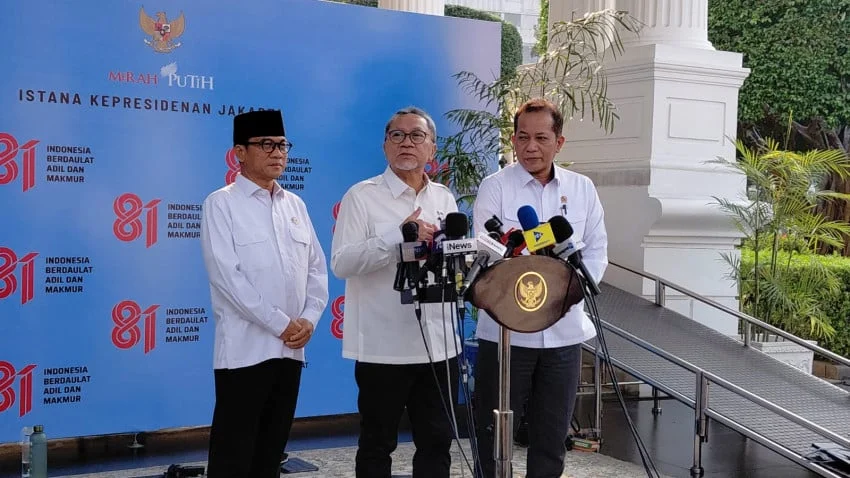
Accepting the parliamentary decision, Minister Ferry Juliantono acknowledged the realities of the national budget allocation and committed to executing the ministry’s duties with the approved financial envelope. The ministry is currently restructuring its work plans for 2027 to align with the Rp767.8 billion cap, ensuring that priority programs—particularly those directly impacting grassroots economic productivity and cooperative governance—remain fully funded.
In his concluding remarks to Commission VI, Minister Ferry assured lawmakers that the ministry would adhere strictly to accountability standards and utilize the additional Rp25 billion in strict accordance with legislative directives. The ministry aims to leverage alternative funding mechanisms, including revolving fund management through the Lembaga Pengelola Dana Bergulir Koperasi, Usaha Mikro, Kecil, dan Menengah (LPDB-KUMKM), to bridge potential capital gaps for viable cooperative enterprises.
As Indonesia prepares for the 2027 fiscal cycle, the Ministry of Cooperatives stands at a critical juncture. The success of its leaner operational model will heavily depend on strategic prioritization, meticulous regulatory oversight, and the ability to mobilize non-state resources to foster a resilient and modernized cooperative ecosystem nationwide.