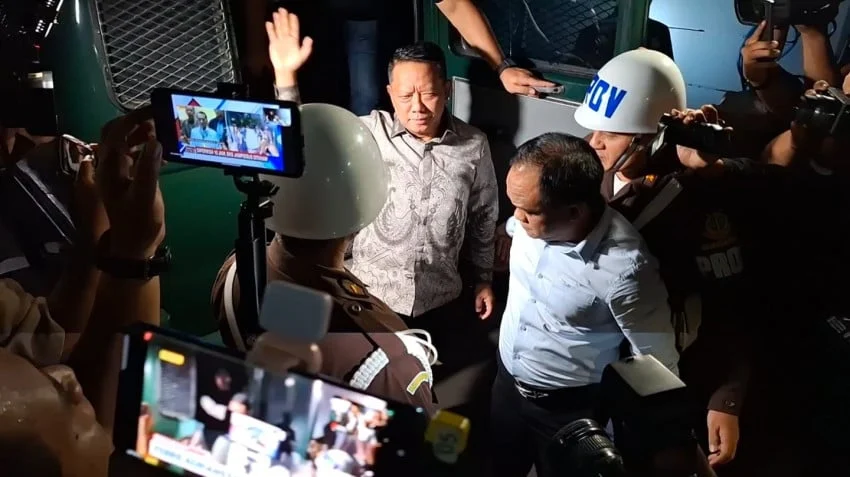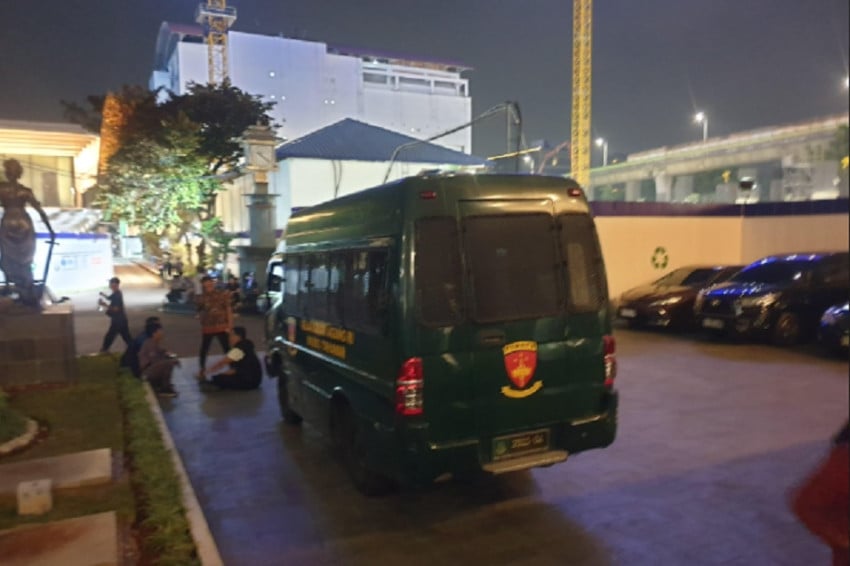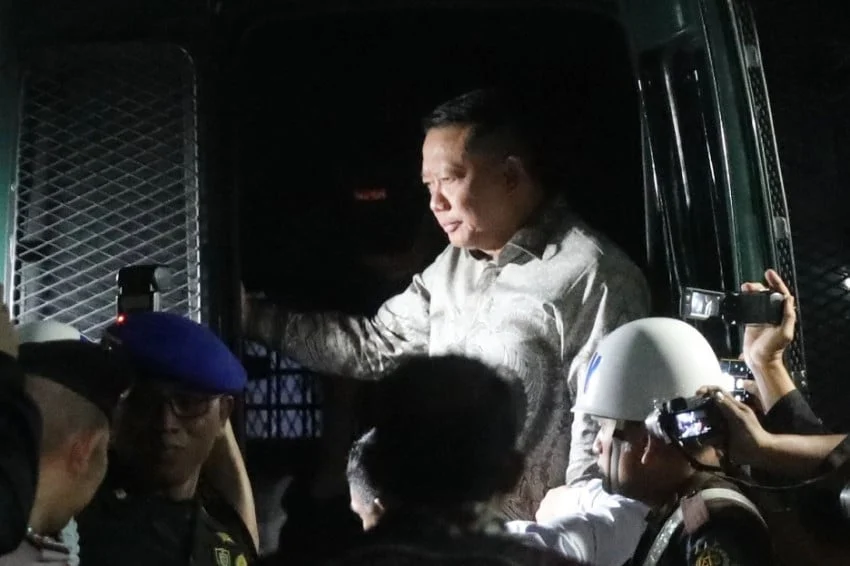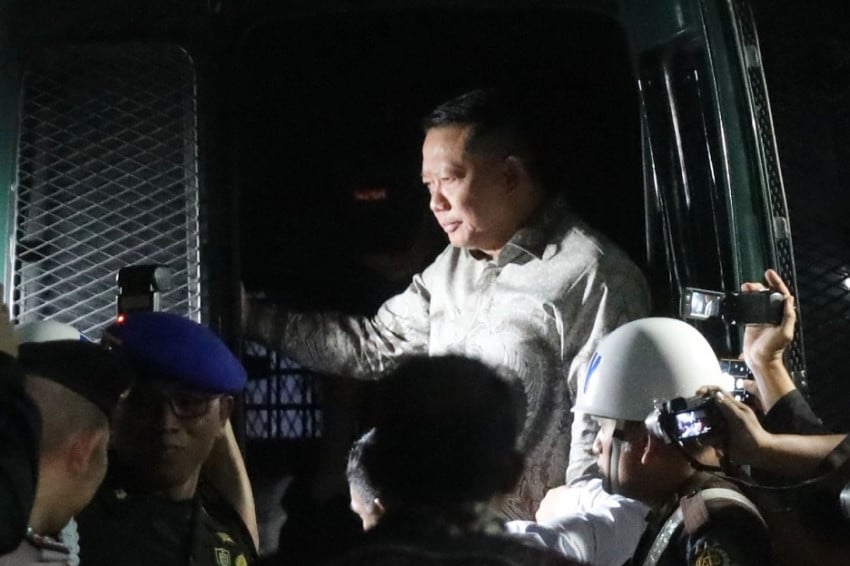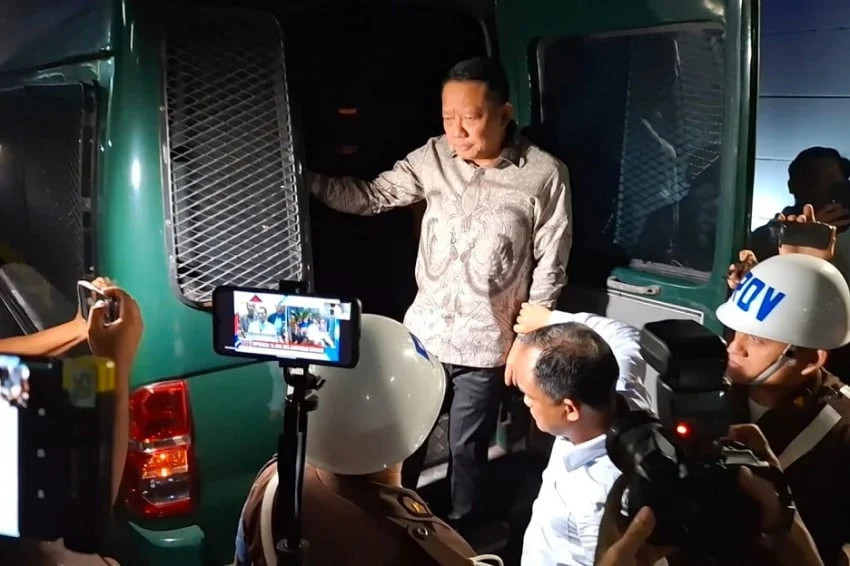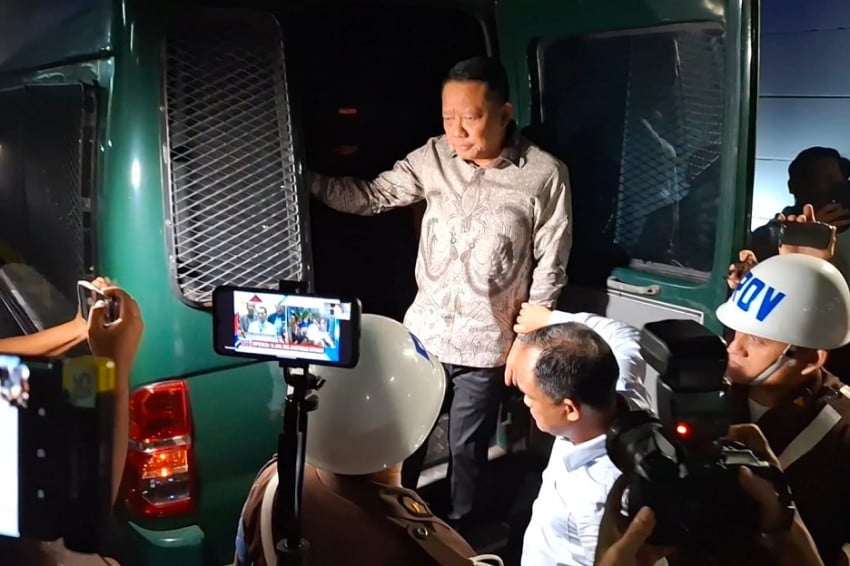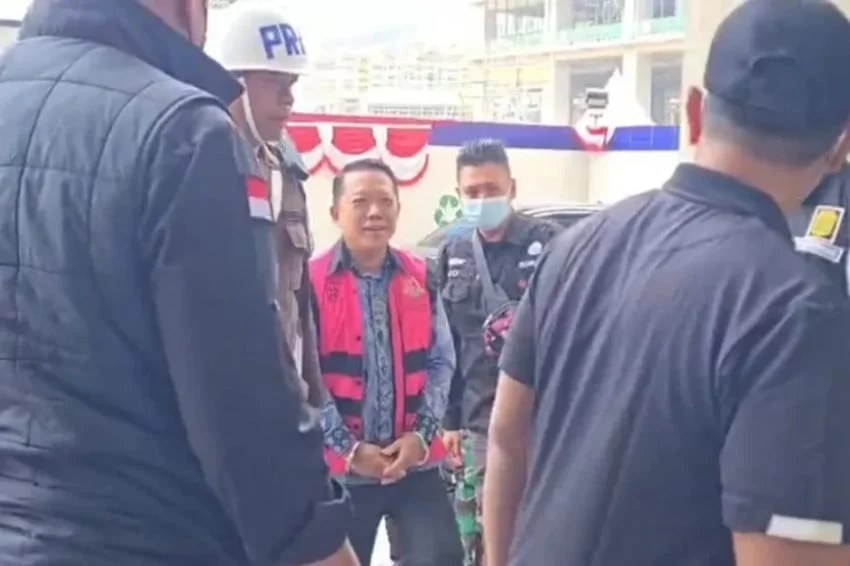
The Attorney General’s Office (Kejagung) of the Republic of Indonesia is set to conduct the second stage of the legal process regarding the high-profile corruption and money laundering case involving the former Junior Attorney General for Special Crimes (Jampidsus), Febrie Adriansyah. On Friday, September 18, 2026, investigators from the Kejaksaan Agung’s specialized "Tim 9" are scheduled to hand over the suspect, along with the completed case dossiers, to the South Jakarta District Attorney’s Office (Kejari Jakarta Selatan). This procedural step marks the official transition of the case from the investigative stage to the prosecution phase, bringing the matter closer to trial.
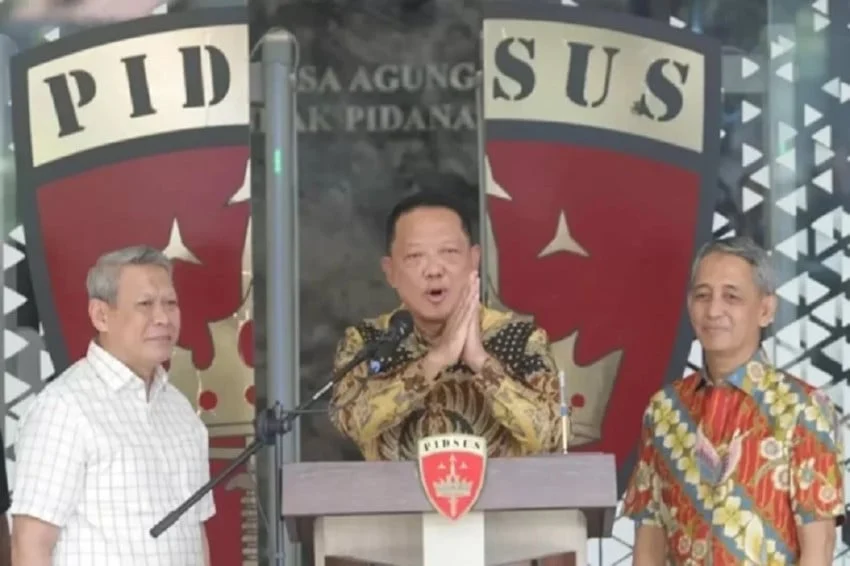
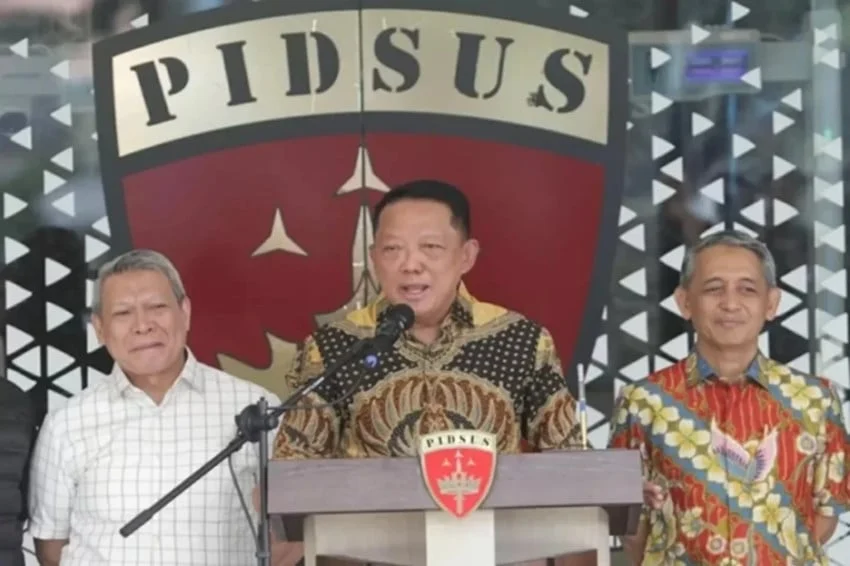
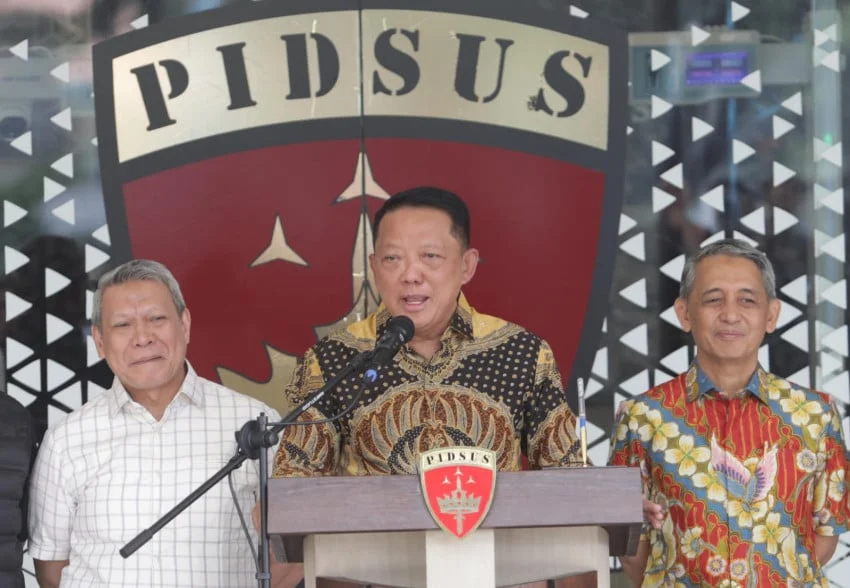
Alongside Febrie Adriansyah, the Attorney General’s Office will also process the transfer of two other suspects linked to the same investigation: Don Ritto and Nurman Herin. These individuals are implicated in complex allegations of corruption and money laundering (TPPU) that have sent shockwaves through Indonesia’s judicial and law enforcement communities. Kapuspenkum (Head of the Legal Information Center) of the Attorney General’s Office, Anang Supriatna, confirmed the scheduling during a press briefing on Thursday, September 17, 2026, noting that the transfer is expected to take place during the afternoon hours.
The Scope of the Investigation
The case against Febrie Adriansyah represents one of the most significant internal corruption probes in the history of the Indonesian Attorney General’s Office. The allegations center on massive financial irregularities, specifically related to the discovery of illicit assets during raids conducted earlier this year.
According to the official investigation reports, the evidence gathered by the Tim 9 investigators includes a staggering 74 kilograms of gold and approximately IDR 543 billion in cash. These assets were uncovered during a high-stakes search operation at a residence in Sentul, West Java. The sheer volume of the seized assets has led investigators to charge the suspects with not only corruption but also money laundering under the Law on the Eradication of Criminal Acts of Corruption and the Law on the Prevention and Eradication of the Crime of Money Laundering.
Chronology of Events: From Discovery to Prosecution
The investigation into Febrie Adriansyah did not emerge overnight; it is the culmination of a months-long effort to sanitize the internal ranks of the prosecution service.
- Early 2026: Initial reports surfaced regarding suspicious financial activity involving high-ranking officials within the Special Crimes division. Internal surveillance teams began monitoring the flow of funds and asset acquisitions.
- April 2026: Following months of intelligence gathering, investigators launched a targeted search operation in Sentul, West Java. It was during this operation that the 74 kilograms of gold and over half a trillion rupiah in cash were discovered, leading to the immediate detention of the suspects.
- May – August 2026: The Attorney General’s Office established "Tim 9," a special task force dedicated to ensuring transparency and integrity in the investigation. During this period, the team conducted dozens of interrogations, forensic audits of financial records, and asset tracing.
- September 17, 2026: The Attorney General’s Office officially declared the investigation complete, announcing the impending transfer of the suspects to the prosecution team.
- September 18, 2026: The formal handover (Tahap 2) to the South Jakarta District Attorney’s Office is scheduled, effectively ending the investigative authority of the central Attorney General’s office and shifting the focus to the preparation of the indictment.
Understanding the Charges and Legal Implications
The legal team representing the prosecution has framed this case as a litmus test for the integrity of Indonesia’s law enforcement agencies. The charges of money laundering are particularly critical, as they allow the state to pursue the forfeiture of the seized assets, which are suspected to be the proceeds of systemic corruption.
Money laundering charges under the Indonesian legal framework require the state to prove that the assets were acquired through predicate offenses—in this case, the abuse of authority and corruption within the Jampidsus division. The recovery of such substantial liquid assets and gold bars serves as primary evidence of an organized effort to obscure the origin of these funds. Legal analysts suggest that if convicted, the suspects could face severe sentencing, including life imprisonment and massive financial penalties, consistent with the country’s aggressive stance on high-level corruption.
Reactions and Institutional Impact
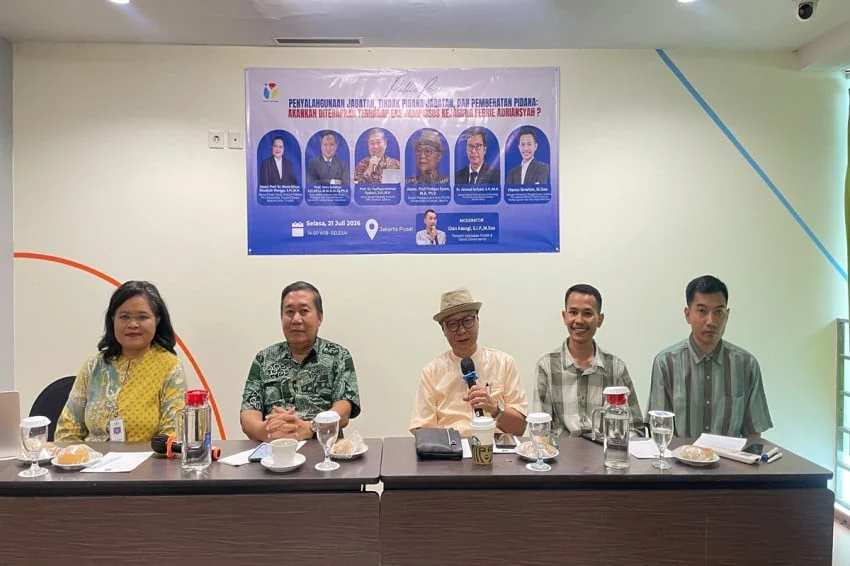
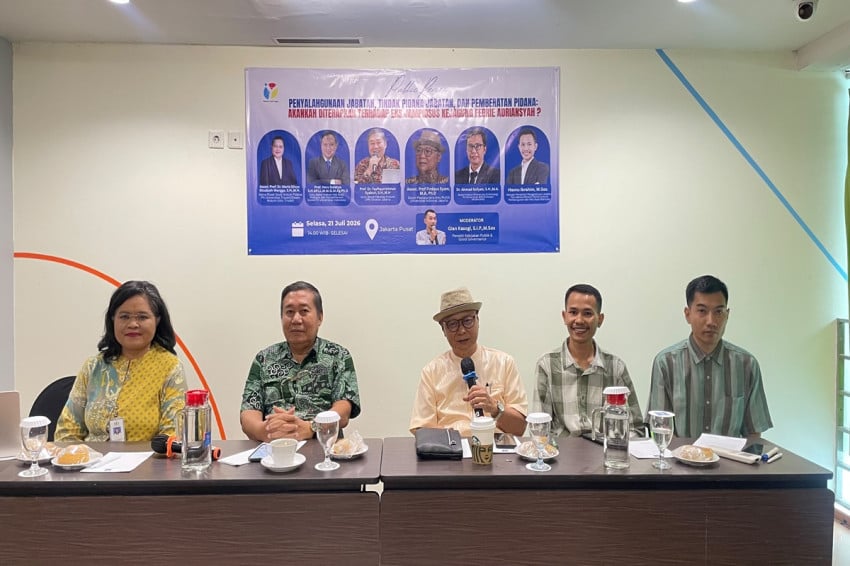
The arrest and subsequent prosecution of a former Jampidsus—a position of immense power and influence—has drawn significant attention from legal experts, civil society, and anti-corruption watchdogs.
"This case is both a blow to the institution and a necessary step toward restoration," says Dr. Aris Wahyudi, an expert in criminal law at a prominent Jakarta university. "When a high-ranking official is charged with laundering half a trillion rupiah, it signals that the rot within the bureaucracy may be deep, but it also demonstrates that the current administration is willing to confront its own ranks without exception. The public will be watching the trial closely to ensure that the prosecution is not hampered by political influence."
Internal sources within the Attorney General’s Office have indicated that the institution has undergone a series of administrative reforms since the scandal broke. These measures include stricter financial reporting requirements for officials in the Special Crimes division and enhanced oversight mechanisms to monitor asset growth relative to official income.
The Role of the South Jakarta District Attorney’s Office
As the venue for the upcoming trial, the South Jakarta District Attorney’s Office (Kejari Jaksel) is currently preparing the necessary infrastructure to handle a high-profile case of this magnitude. The transfer of the suspects to this office marks the beginning of the "prosecution phase," where the team will synthesize the massive dossier into a formal indictment.
Typically, following the handover, the prosecutors have a limited window of time—usually 14 to 20 days—to file the indictment with the court. This timeline is strictly regulated, ensuring that the suspects remain in custody under legal scrutiny while the trial date is determined. Legal observers expect the trial to be held at the Corruption Court (Tipikor) in Jakarta, given the nature of the charges and the status of the individuals involved.
Broader Implications for Indonesian Governance
The implications of this case extend far beyond the individual suspects. For the Attorney General’s Office, the trial of Febrie Adriansyah is a critical moment in the effort to maintain public trust. In recent years, public confidence in law enforcement has fluctuated, and the prosecution of one of its own highest-ranking members is viewed as a "double-edged sword."
On one hand, it confirms the public’s suspicions that corruption exists at the highest levels of the judiciary. On the other, it provides an opportunity for the institution to prove its autonomy. If the trial results in a transparent and fair conviction, the Attorney General’s Office may be able to rebuild its reputation as an uncompromising defender of the law.
Furthermore, the scale of the recovered assets—IDR 543 billion—highlights a broader issue regarding the oversight of "Special Crimes" budgets and the potential for financial exploitation in high-stakes investigations. The government is now under pressure to implement systemic changes that would prevent similar instances of wealth accumulation by public officials.
Final Considerations
As the September 18, 2026, deadline approaches, the Attorney General’s Office remains focused on the technical aspects of the transfer. The movement of the suspects from the detention center to the Kejari Jaksel will be conducted under strict security protocols, reflecting the sensitivity of the case.
The legal proceedings that follow will be characterized by the presentation of evidence gathered during the months of the Tim 9 investigation. With the case dossier now finalized, the attention shifts to the courtroom, where the veracity of the evidence and the extent of the involvement of Don Ritto and Nurman Herin will be tested against the defense’s counter-arguments.
This case serves as a stark reminder of the complexities inherent in the fight against corruption in Indonesia. As the nation watches, the outcome of this trial will likely serve as a precedent for how the state handles white-collar crime among its highest-ranking officials, setting a standard for accountability that will influence legal and political discourse for years to come. The transition of this case to the South Jakarta District Attorney’s Office is not merely a procedural event; it is the opening chapter of a trial that will define the legacy of judicial reform in the current era.