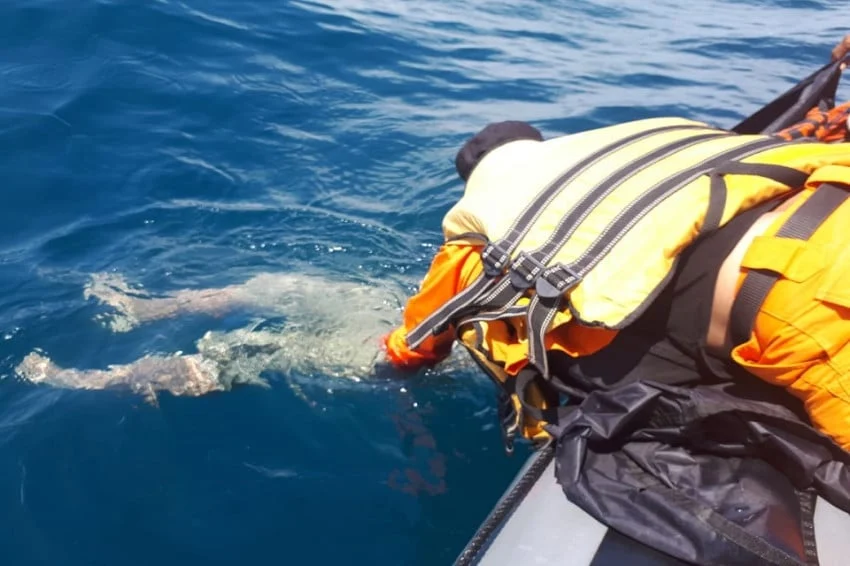
The sudden passing of a loved one is universally recognized as a profound emotional and spiritual trial, presenting logistical and psychological hurdles for surviving family members and companions. These challenges are magnified exponentially when a death occurs far from solid ground—deep in the middle of the ocean aboard a commercial vessel, cruise ship, fishing boat, or maritime expedition. In the Islamic tradition, human dignity remains paramount from life through death, mandating that every deceased Muslim be treated with utmost respect, proper ritual care, and a dignified final resting place. However, the unique, isolated environment of the open sea introduces complex jurisprudential questions regarding how to fulfill these sacred obligations when traditional burial in the earth is physically impossible.
Within Islamic jurisprudence, the management and burial of a deceased person constitute a fardu kifayah, a collective communal obligation. This means that while the duty falls upon the entire Muslim community present, it is considered fulfilled as long as a competent subset of individuals executes the required steps. Traditionally, Islamic law dictates that bodies be interred directly into the earth, mirroring the divine design of the planet as a sanctuary for both the living and the dead. This principle is underscored in the Quran, notably in Surah Al-Mursalat, verses 25 to 26, which pose a rhetorical question highlighting the earth’s dual role as a receptacle and dwelling place for humanity across all stages of existence. Yet, maritime realities often clash with terrestrial norms. When a vessel is stationed days away from the nearest coastline, maritime law, public health regulations, and the rapid physiological decomposition of human remains necessitate specific, highly regulated alternative procedures.
The Core Principles: Prioritizing Terrestrial Burial vs. Maritime Necessity
Islamic scholarly consensus establishes a strict hierarchy of protocols for individuals who pass away during maritime transit. The foundational premise remains uncompromising: every reasonable effort must be made to transport the deceased back to land for a conventional burial in the earth. Maritime captains, crew members, and accompanying travel companions are obligated to weigh the vessel’s current geographical coordinates against the projected travel time required to reach the nearest port or shoreline.
If the ship can reach land safely before the physical condition of the body begins to degrade, decompose, or pose a biohazard risk to those on board, the burial must be delayed until arrival. Islamic jurisprudence accommodates logistical delays in pursuit of the primary objective, which is placing the deceased in the earth. Scholars emphasize that preservation of human dignity requires avoiding premature or hasty disposal of a body when terrestrial alternatives remain realistically achievable.
However, maritime environments are notoriously unpredictable. Mechanical failures, severe weather systems, vast oceanic expanses, and international maritime borders can strand a vessel at sea for weeks. If the estimated time of arrival at the nearest port exceeds the threshold where the body can be preserved without advanced mortuary refrigeration—which is frequently unavailable on standard commercial or private vessels—the governing legal and religious framework shifts dramatically. In such scenarios where the integrity of the corpse is severely threatened by decay, Islamic law permits an alternative procedure: the ritual burial at sea.
Step-by-Step Ritual Requirements Prior to Sea Burial
Crucially, the necessity of a burial at sea does not exempt the Muslim community from performing the essential pre-burial rites mandated by Islamic law. The transition of the deceased into the ocean must be preceded by the comprehensive execution of the washing of the body (ghusl), shrouding in clean white cloth (kafan), and the performance of the funeral prayer (salat al-janazah).
Religious scholars, including prominent contemporary authorities on Islamic jurisprudence, stress that these rituals serve to uphold the intrinsic honor and nobility of the human being. Ustaz Kholid Syamhudi, a recognized religious scholar, notes that the overarching objective of Islamic burial practices is to shield the deceased from indignity, conceal the physical body, and prevent any post-mortem state that could degrade human worth. This principle traces its historical roots back to the foundational narratives of human history detailed in the Quran, specifically the story of Qabil and Habil in Surah Al-Maidah, verse 31. In this account, Allah taught humanity the necessity of covering and burying the dead through the action of a raven, establishing an enduring precedent that human remains must be concealed and protected from exposure.
When these rites are adapted for a maritime burial, specific practical measures must be taken before the body is released into the water. Because a human body naturally floats due to trapped gases within the abdominal cavity, maritime jurisprudence permits—and often requires—the attachment of clean, heavy weights to the shroud or a secure, weighted burial shroud container. This ensures that the body sinks directly to the ocean floor rather than remaining on the surface, where it could be disturbed by marine wildlife, wash ashore inappropriately, or violate international maritime sanitation codes.
Once the body has been washed, shrouded, prayed over, and properly weighted to facilitate a rapid descent, it is respectfully lowered into the sea by the surviving crew or passengers, accompanied by silent supplications or recommended Islamic prayers for the deceased.
Historical Precedent and Jurisprudential Basis
The permissibility of burying a deceased Muslim at sea when land is out of reach is not a modern legal concession; it is firmly rooted in early Islamic history and classical scholarly texts. One of the primary evidentiary foundations for this practice is documented in historical compendiums, including Imam al-Baihaqi’s comprehensive collection, Sunan al-Kubra.
According to historical narrations transmitted by the prominent companion Anas bin Malik (radiyallahu anhu), the esteemed military commander and companion of the Prophet Muhammad, Abu Thalhah, passed away while participating in a maritime expedition. Because the Muslim fleet was far out at sea and unable to reach a shoreline promptly, the companions faced the urgent logistical challenge of managing his remains. Lacking the ability to bury him in the earth immediately, the companions executed the necessary funeral rites and committed his body to the sea in accordance with the necessities of their situation. This historical precedent established by the companions of the Prophet serves as a binding legal basis for contemporary Islamic jurists addressing modern maritime deaths, whether involving commercial sailors, naval personnel, or international travelers.
Modern Maritime Contexts and Logistical Implications
In the contemporary era, deaths at sea are governed by a complex intersection of international maritime law, flag-state regulations, health ordinances, and religious protocols. Modern cruise liners, cargo ships, and scientific vessels frequently possess specialized onboard morgues or cold-storage facilities specifically designed to preserve human remains for extended periods, significantly reducing the frequency with which burials at sea must be performed.
However, for smaller vessels, traditional fishing boats, or remote maritime routes lacking advanced refrigeration, the traditional dilemma persists. Cruise lines and maritime transport companies operating globally maintain established standard operating procedures (SOPs) for handling fatalities onboard. These protocols typically require immediate notification of maritime authorities, consultation with consular offices if the deceased is a foreign national, and adherence to the sanitary laws of the next port of call.
When a Muslim passenger or crew member passes away aboard such a vessel, maritime operators increasingly coordinate with Islamic organizations, ship chaplains, or consular representatives to ensure that religious sensitivities are respected alongside legal mandates. If a burial at sea becomes the only viable option due to decomposition risks or protracted transit times to land, maritime captains work to facilitate the mandatory Islamic rites—such as ritual washing and the funeral prayer—within the spatial constraints of the ship before releasing the weighted remains into the deep ocean.
Broader Impact and Global Significance
The intersection of Islamic mortuary law and maritime reality highlights the adaptability and pragmatism inherent within Islamic jurisprudence (fiqh). Far from being rigid rules disconnected from human reality, Islamic legal frameworks consistently prioritize the preservation of life, health, and human dignity.
For the families of mariners, naval personnel, and global travelers, understanding these provisions offers profound psychological reassurance. It affirms that the loss of a loved one in the remote expanse of the ocean does not strip them of their religious rights or human honor. The meticulous preservation of rituals—ranging from the ghusl and kafan to the funeral prayer—ensures that spiritual duties are meticulously discharged, bridging the vast physical distance between the open sea and the eternal resting places envisioned by faith. As global trade, maritime tourism, and oceanic expeditions continue to expand, these time-tested jurisprudential guidelines remain essential for navigating the solemn intersection of mortality and the boundless sea.