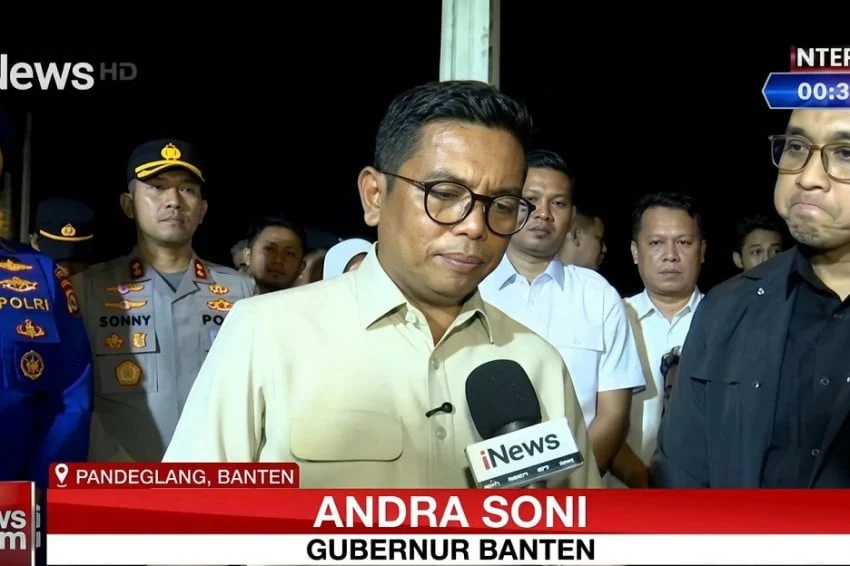
The official termination of the search and rescue operation for five journalists and three vessel crew members, who went missing in the treacherous waters surrounding the Anak Krakatau volcano in the Sunda Strait, has concluded with profound grief across Indonesia’s journalistic community and regional government. Among those deeply affected is Banten Governor Andra Soni, who shared a poignant personal connection with the victims just hours before the maritime tragedy unfolded.
The incident, which occurred in early September 2026, highlights the inherent dangers faced by media professionals covering high-risk environmental zones, particularly active volcanic archipelagos. As official rescue teams officially call off the intensive weeks-long search due to extreme weather and zero probability of survival, regional authorities, press freedom advocates, and families are left grappling with the heavy toll of the disaster.
A Fateful Encounter at the Pasauran Monitoring Post
Speaking in an exclusive interview in Jakarta, Banten Governor Andra Soni recounted the haunting final hours before the delegation of reporters vanished. Less than 24 hours prior to their disappearance on Monday, September 7, 2026, the five journalists had sought out the governor at the Pasauran Monitoring Post located in Serang Regency, Banten. The post serves as an essential observation hub for monitoring the volatile activity of Mount Anak Krakatau and coordinating regional disaster mitigation strategies.
"It feels deeply personal to me because less than twenty-four hours before they were declared missing, those five journalist friends had spent time discussing matters with me at the Pasauran Monitoring Post in Serang Regency," Governor Soni stated, visibly moved as he reflected on the encounter.
Although the meeting was brief and the governor had not yet learned the full names of every reporter in the delegation, the interaction left an indelible impression. Soni noted that the atmosphere was filled with professional curiosity and urgency, characteristic of frontline reporters dedicated to informing the public about potential natural hazards.
"We discussed many things, and although we had not yet learned each other’s names in depth, I could clearly witness their enthusiasm, their commitment, and the genuine sincerity they brought to their journalistic work," Soni added. Little did the governor know that this exchange would be among the final professional engagements for the reporters before they embarked on their ill-fated voyage into the Sunda Strait.
Chronology of the Disaster
The sequence of events leading up to the maritime tragedy began in the early days of September 2026, amid heightened seismic and volcanic alerts surrounding Mount Anak Krakatau. The volcano, infamous for its catastrophic 2018 eruption that triggered a deadly tsunami along the coasts of Banten and Lampung, remains a frequent subject of intensive journalistic and scientific investigation.
On Sunday, September 6, 2026, a media delegation comprising five journalists from various regional and national outlets, accompanied by three experienced vessel crew members (ABK), chartered a local watercraft to conduct investigative reporting and visual documentation of the volcano’s active crater from the sea.
By Monday, September 7, 2026, communication with the vessel abruptly ceased. When the boat failed to return to its designated docking point by evening, local authorities were alerted, prompting immediate concern from families, media institutions, and regional disaster management agencies.
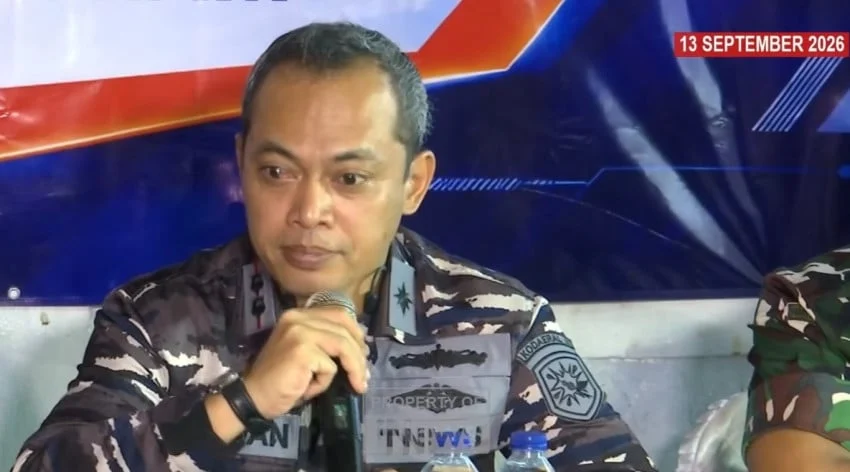
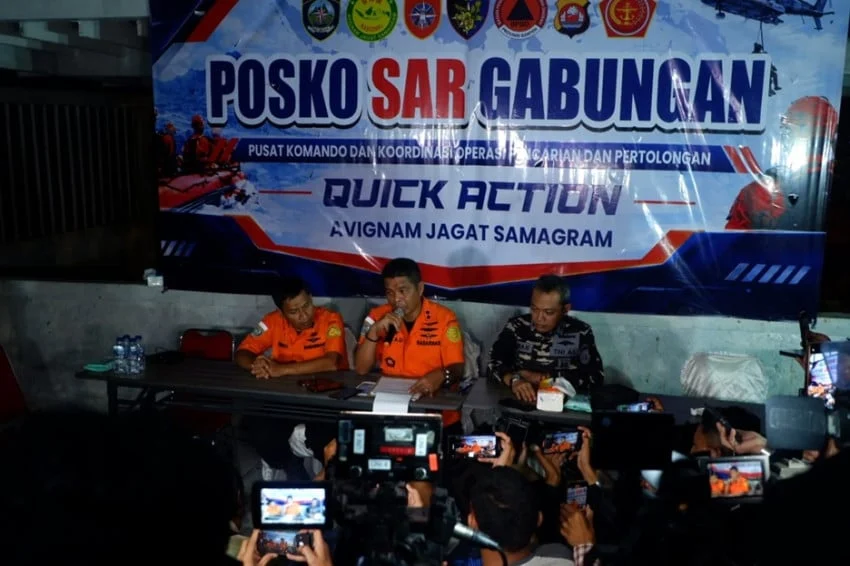
The initial search and rescue (SAR) operation was launched swiftly, coordinated by the National Search and Rescue Agency (Basarnas), alongside the Indonesian Navy (TNI AL), the Water Police (Polairud), and local volunteers. However, operations faced severe obstacles from the outset. The Sunda Strait is notorious for unpredictable weather patterns, strong underwater currents, high waves, and sudden squalls, compounded by the ongoing volcanic emissions and unstable sulfur deposits around the Anak Krakatau complex.
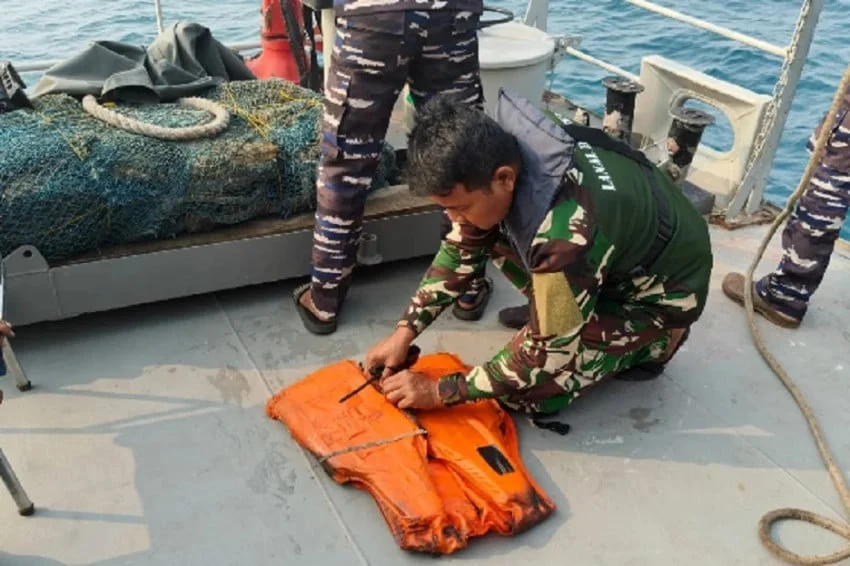
Despite deploying advanced sonar equipment, helicopters, rescue boats, and personnel scouring hundreds of square nautical miles, search teams found only fragmented debris belonging to the vessel over the subsequent days. As the mandatory search window under international maritime SAR protocols drew to a close, and with expert meteorological assessments confirming that survival odds had dropped to zero, authorities made the difficult decision to formally halt the active search on Thursday, September 17, 2026.
The Risks of Disaster Journalism in Indonesia
The disappearance of the five journalists underscores the severe physical hazards encountered by media workers covering natural disasters, geological anomalies, and environmental crises in the Indonesian archipelago. Situated along the Pacific Ring of Fire, Indonesia boasts over 120 active volcanoes, making geological reporting both vital for public safety and exceptionally perilous.
Media safety organizations and press councils have historically emphasized the necessity of stringent maritime and aviation safety protocols for journalists operating in disaster zones. The Sunda Strait, in particular, presents a complex matrix of maritime hazards. Beyond unpredictable volcanic activity—such as sudden Strombolian eruptions and pyroclastic flows reaching the coastline—the strait is a major commercial shipping lane characterized by heavy maritime traffic, deep trenches, and shifting meteorological conditions.
Experts point out that reporters covering environmental beats often feel immense professional pressure to capture firsthand footage and exclusive insights, occasionally leading them to bypass standard safety buffers in pursuit of compelling stories. The tragedy near Anak Krakatau has reignited urgent discussions within Indonesian newsrooms regarding risk assessment, mandatory use of personal flotation devices, insurance coverage for field reporters, and tighter coordination with marine authorities before embarking on water-based assignments.
Official Reactions and Tributes
The formal closure of the search operation prompted an outpouring of condolences from across the political spectrum, civil society organizations, and journalistic syndicates. The Indonesian Press Council (Dewan Pers), along with various journalistic associations, issued joint statements expressing profound sorrow and calling for memorial tributes to honor the fallen reporters.
"The loss of these five dedicated journalists and three crew members is a monumental tragedy for the entire Indonesian press corps," stated a representative from a prominent national press organization. "They died in the line of duty, driven by a commitment to deliver accurate and vital information to the public regarding the environmental developments in the Sunda Strait."
Regional governments, including the Provincial Government of Banten, have pledged to provide administrative and psychological support to the grieving families. Governor Andra Soni emphasized that the sacrifice of these media workers must serve as a solemn reminder of the vital, yet often dangerous, role that journalism plays in safeguarding society through timely information dissemination.
Broader Implications for Maritime Safety and Media Operations
The aftermath of the Sunda Strait tragedy is expected to catalyze significant policy reviews across multiple sectors. First, maritime authorities in Banten and Lampung provinces are reportedly evaluating stricter monitoring systems for small watercraft operating in proximity to restricted volcanic zones. While tourist and journalistic excursions to Anak Krakatau are subject to recommendations from the Center for Volcanology and Geological Hazard Mitigation (PVMBG), enforcement mechanisms for unauthorized maritime access remain challenging due to the vast expanse of the coastline.
Second, media corporations are re-evaluating their internal safety guidelines. Industry analysts predict a shift toward mandatory safety training for all field reporters, particularly those assigned to geological, maritime, and conflict beats. Implementing standardized risk-mitigation checklists, requiring real-time GPS tracking devices on chartered vessels, and establishing formal protocols with local disaster mitigation agencies (BPBD) are among the primary recommendations being discussed by newsroom editors.
As the Banten provincial government, families, and colleagues come to terms with the closure of the search operation, the legacy of the five journalists and three crew members will endure. Their final days—spent engaging with regional leaders, documenting the natural forces shaping the Indonesian landscape, and fulfilling their professional oaths—stand as a testament to the ultimate cost of dedicated public-interest journalism.