

Jakarta, Indonesia – The Ministry of Communication and Digital (Komdigi) has officially announced PT Telekomunikasi Seluler (Telkomsel), PT Indosat Tbk, and PT XLSmart Telecom Sejahtera Tbk as the successful bidders for the highly coveted 700 MHz and 2.6 GHz radio frequency bands. This landmark decision, following a rigorous selection process that concluded in July 2026, marks a pivotal moment in Indonesia’s ambitious journey towards universal high-speed connectivity and a robust digital economy. The allocation of these vital spectrum assets is expected to dramatically enhance national cellular network capacity, ushering in an era of faster, more stable, and more affordable mobile internet services for millions across the archipelago, while simultaneously generating significant economic value for the state.
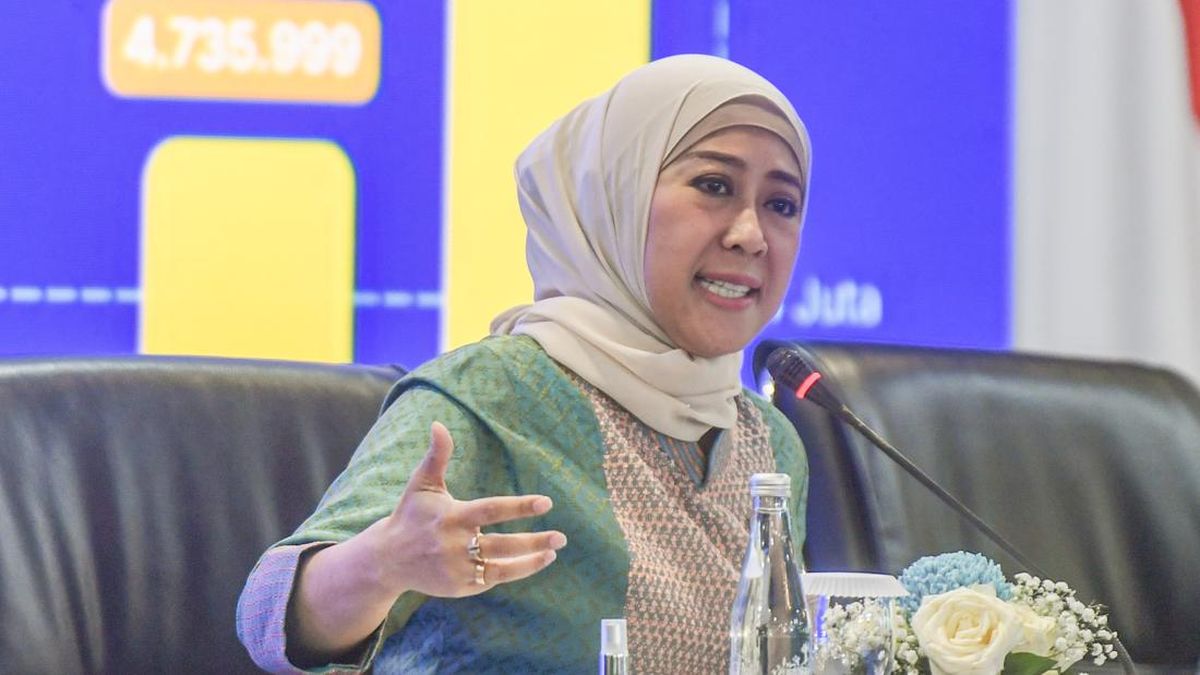
Minister of Communication and Digital, Meutya Hafid, underscored the transformative potential of this spectrum allocation in her official statement on Tuesday, July 21, 2026. "Komdigi ensures that this frequency auction delivers tangible and equitable benefits for the public. Ultimately, these advantages must be felt directly by communities at the grassroots level," Minister Hafid asserted. She emphasized that the additional spectrum would not only improve network performance but also facilitate the government’s broader agenda of digital inclusion, extending the reach of essential services and economic opportunities to previously underserved regions. The strategic utilization of these bands is central to realizing the nation’s vision of a digitally empowered society, where connectivity serves as a fundamental enabler for progress across all sectors.
The Strategic Importance of Spectrum Allocation
Spectrum is the invisible highway of the digital age, a finite resource crucial for wireless communication. Its efficient allocation and management are paramount for a nation’s technological advancement and economic competitiveness. For Indonesia, a vast archipelagic nation with over 17,000 islands and a population exceeding 270 million, robust and widespread connectivity is not merely a convenience but a strategic imperative for national unity, economic growth, and social equity. The judicious distribution of radio frequencies is therefore a critical tool in bridging geographical divides and fostering inclusive development.
The 700 MHz band, often referred to as the "digital dividend," is particularly valuable due to its excellent propagation characteristics. Signals in this lower frequency band can travel further and penetrate buildings more effectively than higher frequencies. This makes it ideally suited for extending network coverage to rural and remote areas, as well as significantly improving indoor reception in urban environments. Its ability to cover large geographical expanses with fewer base stations translates into lower infrastructure costs per unit area, making it economically viable for deploying services in sparsely populated regions where higher frequencies would be prohibitively expensive to cover comprehensively. This characteristic is especially critical for a nation like Indonesia, where geographical dispersion poses significant challenges to infrastructure deployment and where a substantial portion of the population resides outside major metropolitan centers.
Conversely, the 2.6 GHz band is a higher frequency band known for its substantial capacity. While its signals do not travel as far as those in the 700 MHz band and are more susceptible to obstruction, it can carry a much larger volume of data. This makes it indispensable for supporting high-speed mobile broadband services, particularly in densely populated urban areas where data traffic is extremely high, and for the efficient deployment of next-generation 5G networks. The combination of these two bands – 700 MHz for expansive coverage and robust indoor penetration, and 2.6 GHz for high-capacity data traffic – creates a synergistic effect. This dual-band strategy will allow the winning operators to build more resilient, high-performance, and future-proof networks capable of meeting the escalating demands of digital consumers and industries, optimizing the overall user experience across diverse geographical and demographic landscapes.
A Rigorous Selection Process: Chronology and Transparency
The journey to this significant announcement commenced in April 2026, when Komdigi initiated the selection process for the 700 MHz and 2.6 GHz frequency bands. The process was designed to be comprehensive, transparent, and fair, attracting bids from Indonesia’s leading telecommunication providers. The selection criteria were multi-faceted, encompassing not only the financial bids but also the operators’ technical capabilities, their proposed network deployment plans, their commitment to service quality, and their strategies for contributing to national digital inclusion goals. This holistic approach ensures that the spectrum is not merely awarded to the highest bidder but to entities best positioned to leverage it for the public good.
Throughout the selection period, operators were required to submit detailed proposals outlining their technical architectures, investment plans, rollout timelines, and projected service enhancements. These proposals underwent rigorous evaluation by Komdigi’s expert panels, ensuring that all technical and operational aspects were thoroughly assessed. Following the initial evaluation phase, a "masa sanggah" or objection period was instituted. This crucial step, a standard practice in major government tenders, allows participants to review the preliminary results and raise any concerns or objections, thereby ensuring accountability and maintaining the integrity of the selection process. The fact that the objection period, which concluded in July 2026, passed without any formal objections from the participants underscores the robustness and perceived fairness of Komdigi’s procedures. This lack of contention provides a strong foundation for the subsequent rollout phases, minimizing potential delays and legal disputes that could otherwise hinder progress. The successful completion of this process reflects Komdigi’s commitment to good governance and its strategic approach to managing vital national assets.
Economic Windfall and National Development
Beyond the immediate benefits to consumers and the telecommunications sector, the spectrum auction is set to deliver substantial economic value to the Indonesian state. Minister Hafid projected an initial non-tax state revenue (Penerimaan Negara Bukan Pajak – PNBP) of approximately Rp6 trillion from the initial phase of this spectrum management mechanism. This immediate influx of funds provides a significant boost to the national treasury. Looking further ahead, the total potential state revenue from these spectrum bands is projected to reach an impressive Rp29.9 trillion over a ten-year period. This substantial financial injection will be reinvested directly into national development initiatives, supporting various government programs aimed at improving public infrastructure, education, healthcare, and other critical sectors, thereby creating a virtuous cycle where digital advancement fuels broader societal progress.
The PNBP generated from spectrum fees is a vital and sustainable source of funding for the national budget, allowing the government to implement policies and projects without solely relying on traditional tax revenues. This mechanism underscores the dual benefit of strategic spectrum allocation: it not only fosters technological advancement and economic growth within the telecommunications sector but also provides a broader fiscal stimulus for the entire nation. By optimizing the commercial value of these public assets, Komdigi ensures that the digital transformation journey is financially self-sustaining and contributes directly to the welfare of all Indonesians. The long-term revenue projections highlight the sustained economic impact and the government’s prudent fiscal management in leveraging digital resources for national prosperity, contributing to Indonesia’s overall economic resilience.
Mandates for Digital Inclusion: Bridging the Divide
A cornerstone of Komdigi’s strategy is the explicit mandate for the winning operators to actively participate in bridging Indonesia’s pervasive digital divide. As part of their commitment, Telkomsel, Indosat, and XLSmart Telecom Sejahtera Tbk are obligated to deploy 4G services in 538 villages and sub-districts that currently lack connectivity or suffer from weak signals. These underserved areas are geographically dispersed across the vast Indonesian archipelago, ranging from the westernmost tip of Sumatra to the eastern provinces of Papua. This targeted intervention is crucial for ensuring that the benefits of enhanced connectivity are not confined to urban centers but extend to the nation’s most remote and vulnerable communities.
Minister Hafid articulated the profound social implications of this mandate: "The presence of this connectivity will open access for communities to education, healthcare services, digital governance, and economic opportunities that were previously difficult to reach." For residents in these 538 locations, reliable internet access means improved access to online learning platforms, which can significantly enhance educational outcomes; telemedicine consultations, which can bridge gaps in healthcare access; efficient government services, promoting transparency and citizen engagement; and new avenues for local businesses to participate in the burgeoning digital economy, fostering entrepreneurship and job creation. This initiative aligns directly with the government’s broader commitment to inclusive growth and equitable access to digital resources, aiming to empower communities in the 3T (Terdepan, Terluar, Tertinggal – Foremost, Outermost, and Underdeveloped) regions. By requiring operators to invest in these challenging areas, Komdigi is leveraging private sector capabilities to achieve critical public good objectives, transforming connectivity from a luxury into a fundamental right and driving national development from the ground up.
Accelerating 5G Deployment and Mobile Broadband Targets
The spectrum allocation also comes with ambitious targets for the rollout of 5G technology. The winning operators are mandated to achieve at least 51 percent national population coverage for 5G services within five years of the spectrum award. This aggressive timeline reflects Indonesia’s determination to rapidly adopt next-generation mobile technology, which promises ultra-fast speeds, ultra-low latency, and massive connectivity. 5G is expected to unlock unprecedented possibilities for various industries, including smart manufacturing, the Internet of Things (IoT), e-health, autonomous systems, and advanced entertainment. Achieving this coverage target will position Indonesia as a leader in 5G adoption within Southeast Asia, attracting foreign direct investment, fostering domestic innovation, and creating new economic sectors.
In parallel with 5G deployment, Komdigi has set a national target for mobile broadband speeds. The average mobile broadband speed is projected to gradually increase to 100 Mbps by 2029. This target is ambitious, considering the current average speeds in many parts of the country. However, the additional spectrum capacity, particularly the 2.6 GHz band, is expected to be a key enabler. The strategic combination of the 700 MHz band, which is robust for wide-area coverage and in-building penetration, and the 2.6 GHz band, which provides the necessary capacity for high-speed 5G services, is crucial for achieving these national speed targets. This dual-band strategy ensures that the network infrastructure can handle the increasing data traffic generated by a digitally engaged population and the burgeoning digital economy, paving the way for advanced digital services and applications.
Broader Context: Indonesia’s Digital Transformation Agenda
This spectrum auction is not an isolated event but a critical component of Indonesia’s comprehensive national digital transformation agenda. The government recognizes that robust digital infrastructure is the foundational bedrock for achieving its long-term economic and social development goals. The "Indonesia Digital 2045" vision, for instance, outlines a future where technology empowers every citizen, fuels economic growth, and enhances national competitiveness on the global stage. The optimal utilization of frequency spectrum is therefore seen as a strategic imperative to realize this ambitious vision.
Indonesia, with its diverse geography and large population, faces unique challenges in achieving ubiquitous connectivity. While mobile phone penetration is remarkably high, consistent high-speed internet access remains uneven, particularly in rural and remote areas. The digital divide impacts access to education, healthcare, and economic opportunities, thereby hindering inclusive growth. By expanding 4G coverage and accelerating 5G deployment, Komdigi aims to level the playing field, ensuring that all citizens have the tools to participate fully in the digital economy and access essential online services. This investment in digital infrastructure is expected to catalyze exponential growth in the digital economy, which is already one of the fastest-growing in Southeast Asia, projected to reach hundreds of billions of dollars in value by the end of the decade. Improved connectivity will foster innovation, support the growth of Micro, Small, and Medium Enterprises (MSMEs) by providing access to new markets and digital tools, and attract further foreign direct investment in the technology sector. It also underpins the development of Smart Cities and the adoption of e-governance solutions across the nation.
Future Spectrum Management and Industry Outlook
Looking ahead, Minister Hafid indicated that Komdigi is already preparing the process for utilizing the 900 MHz frequency band. This proactive approach to spectrum management underscores the government’s long-term commitment to ensuring that Indonesia’s digital infrastructure remains agile, responsive, and capable of supporting future technological advancements and societal needs. The 900 MHz band, similar to 700 MHz, also offers excellent propagation characteristics, making it valuable for further expanding coverage and enhancing network efficiency, especially in areas where lower frequencies can make a significant difference in service quality and reach. This forward-looking strategy ensures that Indonesia maintains a pipeline of available spectrum to support evolving technological demands.
Industry observers and analysts generally view the outcome of this auction positively. The clear mandates for rural coverage and 5G deployment are seen as a strategic push to align operator investments with national development goals, demonstrating a commitment to public welfare alongside commercial interests. The winning operators, Telkomsel, Indosat, and XLSmart Telecom, are now poised to significantly expand their network footprints and enhance their service offerings, intensifying competition and ultimately benefiting consumers through improved services and potentially more competitive pricing. This increased investment in infrastructure is expected to create numerous job opportunities across the value chain, stimulate local economies through increased digital activity, and further integrate Indonesia into the global digital landscape.
However, challenges remain. The rapid rollout of 4G in underserved areas and the ambitious 5G coverage targets will require substantial capital expenditure, efficient deployment strategies, and overcoming logistical hurdles unique to Indonesia’s geography. Navigating regulatory frameworks, securing permits for new tower sites, and ensuring timely availability of necessary equipment will be critical. Komdigi’s ongoing role in facilitating these deployments, ensuring a conducive and stable regulatory environment, and meticulously monitoring progress will be crucial for the successful realization of these ambitious goals. The collaborative effort between the government and the private sector, underpinned by transparent regulation, clear objectives, and a shared vision, will be the key to unlocking the full potential of this newly allocated spectrum and transforming Indonesia into a truly connected and digitally empowered nation.
In conclusion, the allocation of the 700 MHz and 2.6 GHz frequency bands represents more than just a commercial transaction; it is a strategic investment in Indonesia’s digital future. As Minister Hafid succinctly put it, "Frequency spectrum is not merely a commodity to be auctioned, but a fundamental infrastructure and the foundation of national digital transformation." Every optimally utilized frequency band expands internet access, strengthens the competitiveness of the digital economy, improves the quality of public services, opens new investment opportunities, and crucially, ensures that all members of society, particularly those in the 3T regions, have equal opportunities to harness the power of digital technology. This pivotal decision sets Indonesia on a clear path to becoming a truly connected and digitally empowered nation, ready to embrace the opportunities and challenges of the 21st century.
