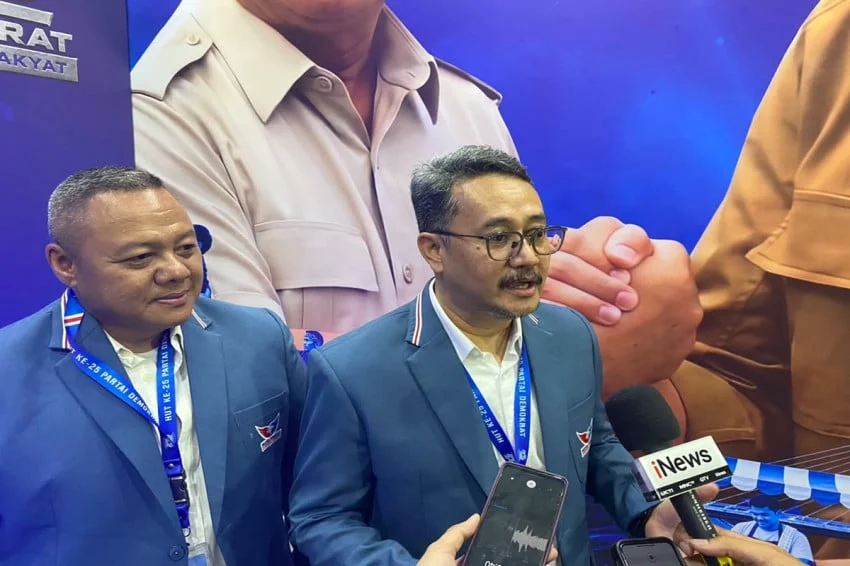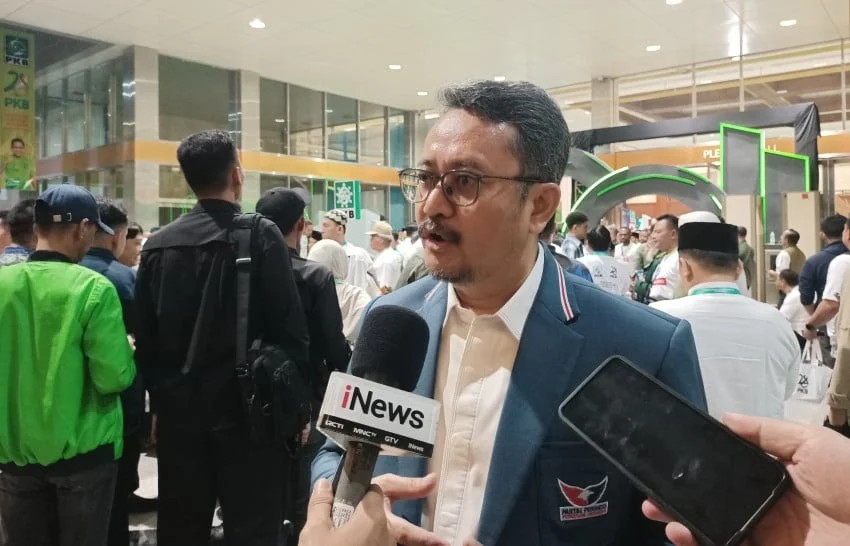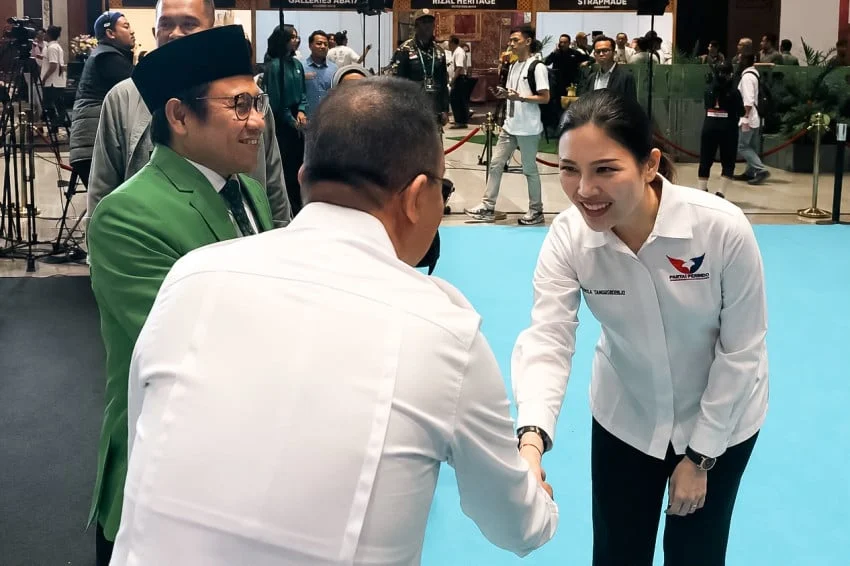
Jakarta — In a clear demonstration of inter-party solidarity and political cooperation, the Secretary-General of the Central Executive Board (DPP) of the Perindo Party, Ferry Kurnia Rizkiyansyah, officially extended warm congratulations to the National Mandate Party (PAN) on the occasion of its 28th anniversary. The milestone celebration, which drew high-ranking political figures, coalition leaders, and national officials, served as a platform not only to commemorate PAN’s long-standing presence in Indonesia’s democratic landscape but also to foster collaborative governance and public-centric initiatives between political factions.
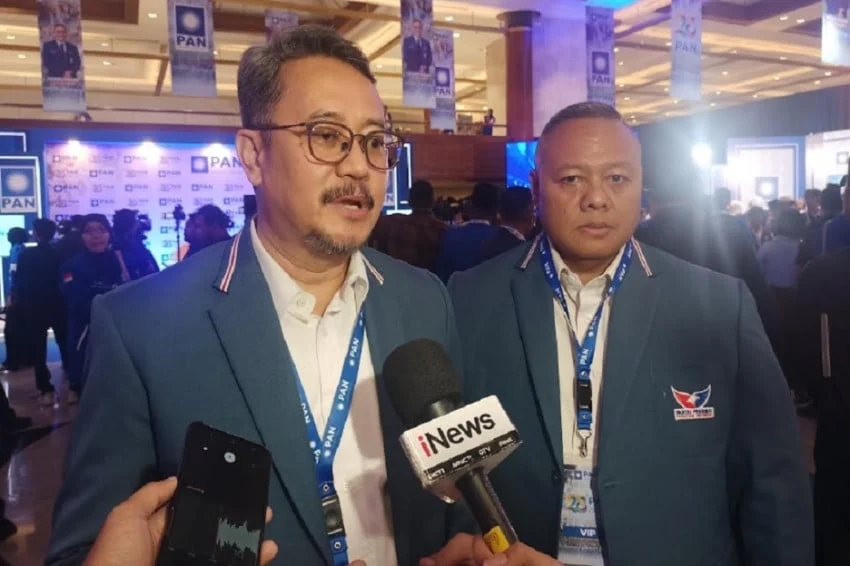
Speaking to the press on the sidelines of the grand anniversary gala held at the Jakarta International Convention Center (JICC) in Senayan, Central Jakarta, Ferry emphasized the importance of collective action among political entities. He underscored that political parties, regardless of their specific platforms or historical alignments, share a fundamental mandate to serve the populace, alleviate economic burdens, and drive sustainable national development.
The high-profile event, marked by festive gatherings, speeches from prominent national figures, and cultural displays, highlighted the enduring trajectory of PAN since its inception in the wake of Indonesia’s 1998 Reformasi movement. By inviting cross-party collaboration, Perindo’s leadership signaled a broader political willingness to transcend competitive divides in favor of tangible policy outcomes for everyday citizens.
Background and Context of the Anniversary Celebration
The 28th-anniversary celebration of the National Mandate Party was positioned as one of the major political gatherings of the season. Founded in the turbulent yet transformative era of Indonesia’s transition to democracy, PAN has evolved into a stable pillar of the national legislature and a consistent participant in successive government coalitions. The party’s longevity reflects its adaptability and deep roots within Indonesia’s diverse socio-political fabric.
This year’s anniversary carried a particularly focused ethos, encapsulated by the official central theme: "Bantu Rakyat Gerak Cepat" (Helping the People, Moving Fast). This pragmatic slogan was deliberately chosen to resonate with ongoing national priorities, which heavily emphasize post-pandemic economic recovery, inflation mitigation, job creation, and social safety net reinforcement.
The choice of theme did not go unnoticed by fellow political stakeholders. Representatives from various allied and opposition parties attended the JICC gala to pay their respects, share strategic dialogues, and demonstrate a united front on national issues. Among the notable attendees was President-elect Prabowo Subianto, whose presence underscored the tight-knit relationships binding the current ruling coalition and its supporting parties. In his address to the assembly, Prabowo remarked on the loyalty and resilience of his fellow coalition partners, describing the gathering as a reunion among steadfast comrades-in-arms who have weathered numerous political storms together.
Perindo’s Strategic Vision and Call for Synergy
Representing the Perindo Party leadership—specifically conveying a message on behalf of the party’s General Chairperson—Ferry Kurnia Rizkiyansyah used the celebratory backdrop to articulate a forward-looking vision of inter-party collaboration. Ferry noted that marking 28 years of existence is a testament to PAN’s resilience and its foundational role as a reform-era party born out of the democratic awakening of the late 1990s.
"Ya, I am certainly representing our General Chairperson in conveying our deepest congratulations to PAN on its 28th anniversary. This is an extraordinary milestone, and PAN is undeniably a party born from and shaped by the reform movement," Ferry stated to journalists following the event proceedings.
Beyond mere protocol and diplomatic pleasantries, the Perindo Secretary-General pivoted quickly toward substantive matters of governance and societal impact. He explicitly invited PAN to deepen and formalize avenues of synergy, particularly regarding grassroots assistance programs and economic empowerment initiatives. According to Ferry, the core philosophy embedded in PAN’s anniversary theme—moving quickly to help the people—runs parallel to Perindo’s own organizational DNA, which historically centers around economic populism, support for Micro, Small, and Medium Enterprises (MSMEs), and direct welfare distribution.
Ferry elaborated that Partai Perindo maintains an open-door policy regarding strategic partnerships. The party believes that addressing structural challenges such as poverty, regional economic disparities, and educational access requires a synchronized effort across the political spectrum. Consequently, cooperation should not be restricted to legislative bargaining or electoral alliances; rather, it must manifest in concrete, community-level interventions that directly improve the daily realities of ordinary Indonesians.
Chronology of the Evening Events
The anniversary gala followed a meticulously structured schedule designed to balance solemn reflections on democratic history with forward-looking political announcements:
- 18:30 WIB: VIP guests, party delegates, international observers, and civil society leaders began arriving at the Jakarta International Convention Center (JICC) in Senayan, greeted by traditional musical performances and elaborate exhibition booths detailing PAN’s 28-year history.
- 19:30 WIB: The formal program commenced with the singing of the Indonesian national anthem, Indonesia Raya, followed by a multimedia presentation chronicling the genesis of the party during the 1998 Reformasi era and its legislative evolution through successive general elections.
- 20:15 WIB: Keynote speeches were delivered by senior PAN executives, who outlined the party’s strategic priorities for the coming legislative term and formally unveiled the "Bantu Rakyat Gerak Cepat" campaign framework.
- 21:00 WIB: Guest dignitaries, including national coalition leaders and organizational representatives such as Perindo Secretary-General Ferry Kurnia Rizkiyansyah, delivered congratulatory remarks and engaged in high-level discussions regarding prospective collaborative programs.
- 22:00 WIB: The official program concluded with a ceremonial cutting of the anniversary cake and a networking session that allowed political elites to converse in an informal setting.
Supporting Data and Political Landscape
The dialogue between Perindo and PAN takes place within a complex and dynamic political ecosystem. Following the intense cycles of the recent legislative and presidential elections, Indonesian political parties are increasingly recalibrating their strategies to maintain relevance among constituents who are primarily concerned with economic stability rather than abstract ideological debates.
Statistical data from national polling agencies consistently indicate that public approval of political parties hinges on their tangible contributions to cost-of-living solutions. Issues such as staple food price fluctuations, employment opportunities, and healthcare accessibility dominate voter concerns. By aligning their public messaging around fast-acting community support, parties like PAN and Perindo are responding directly to these empirical demands.
Furthermore, collaboration among mid-tier and major political parties serves a dual purpose:
- Legislative Efficiency: Streamlining policy initiatives within the House of Representatives (DPR RI) and regional legislative bodies (DPRD) to ensure that pro-people bills encounter minimal partisan gridlock.
- Coalition Cohesion: Solidifying the broader political architecture supporting national development goals, thereby fostering a stable investment climate recognized by both domestic and foreign economic actors.
Broader Implications and Analytical Outlook
The public overture made by Perindo toward PAN carries several significant implications for the future direction of Indonesian party politics:
1. Shift Toward Practical Collaboration over Rigid Polarisation
For years, Indonesian politics has occasionally suffered from sharp, polarization-driven divides rooted in electoral competition. However, gestures of mutual respect and calls for joint public-service initiatives—such as those articulated by Ferry Kurnia Rizkiyansyah—suggest a maturing political culture. Parties are increasingly recognizing that cooperative governance yields better electoral dividends and national stability than perpetual confrontation.
2. Amplifying Grassroots Economic Programs
With both parties historically placing strong emphasis on grassroots economic empowerment—PAN through its various entrepreneurial wings and Perindo through its prominent focus on MSME support, digital economic integration, and welfare distribution—a coordinated approach could amplify the reach of private and semi-formal community assistance programs. Pooling logistical and organizational resources allows these parties to execute large-scale humanitarian and economic relief efforts more efficiently.
3. Setting a Precedent for Cross-Party Dialogue
As Indonesia continues to navigate complex socioeconomic transitions, the ability of different political platforms to find common ground is vital. The warm exchange at the JICC serves as a case study in constructive political diplomacy, demonstrating that institutional anniversaries can transcend narrow partisan interests to become catalysts for national unity and collaborative governance.
In conclusion, the 28th anniversary of the National Mandate Party was not merely a retrospective celebration of past political achievements, but a forward-looking forum for coalition-building. Through the constructive overtures made by Perindo’s leadership, Indonesian politics witnessed another step toward pragmatic, people-oriented cooperation designed to meet the pressing challenges facing the nation today.