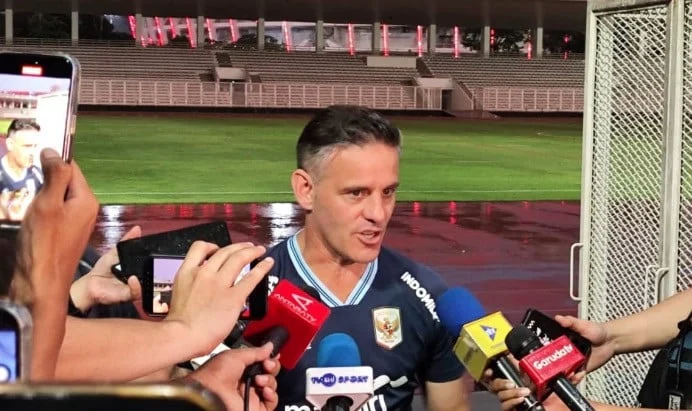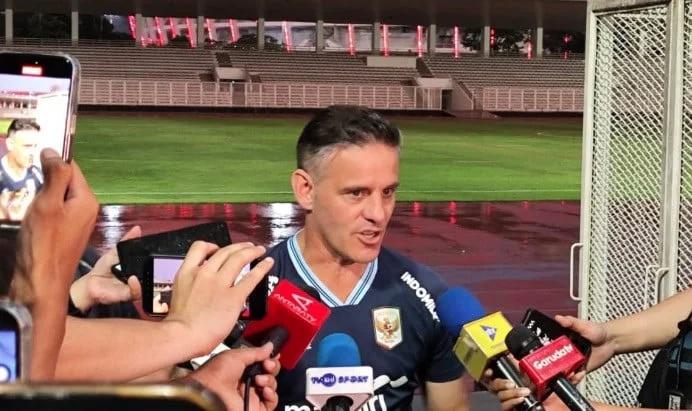
The Indonesia National Team has entered a pivotal phase of its preparation for the 2026 ASEAN Hyundai Cup, with head coach John Herdman reporting significant tactical and physical strides within the squad. As the biennial regional championship approaches, the "Garuda" squad is currently undergoing an intensive, multi-stage training camp designed to filter the nation’s top talent into a cohesive unit capable of securing Southeast Asia’s most prestigious footballing prize. Herdman, the English tactician who has been tasked with elevating the Indonesian side to new international heights, expressed a high degree of optimism regarding the collective growth of the players during the ongoing sessions in Bali.
The current training program is structured as a rigorous evaluation period, divided into two distinct windows. The first stage took place from July 5 to July 11, 2026, serving as an initial assessment of the 50 players called up to the provisional squad. Following a brief period of recovery and analysis, the second stage commenced on July 16 and is scheduled to conclude on July 25, 2026. This second phase is widely regarded as the most critical, as it focuses on tactical integration, high-intensity drills, and the final selection process that will determine the core roster for the upcoming tournament.
Strategic Objectives and the Selection Process
The primary objective of the July training camp is the refinement of a 50-man shortlist into a final tournament squad. John Herdman has emphasized that the selection criteria extend beyond mere technical skill, encompassing physical durability, psychological resilience, and the ability to adapt to a modern, high-pressing system. By casting a wide net with 50 players, the coaching staff has been able to observe a mix of seasoned veterans, overseas-based professionals, and rising stars from the domestic Liga 1.
According to official statements released via Bali United’s media channels on Saturday, July 18, 2026, Herdman noted that the progression of the team has been "improving day by day." While the head coach has remained tight-lipped regarding specific cuts to the roster, he underscored that the second stage of the camp has yielded "positive progress" that aligns with the long-term vision of the Indonesian Football Association (PSSI). The emphasis remains on creating a "comprehensive assessment" environment where every player is scrutinized under match-like conditions.
The decision to hold the camp in two stages allows the coaching staff to implement a "load management" strategy. During the first week, the focus was largely on individual fitness benchmarks and basic tactical familiarization. In the current second week, the intensity has shifted toward 11-on-11 internal simulations and specific phase-of-play coaching. This methodical approach is intended to ensure that by the time the final squad is announced, the players are not only in peak physical condition but are also intimately familiar with Herdman’s tactical nuances.
The Role of Infrastructure and Training Environment
A significant factor in the perceived success of the current training camp is the world-class infrastructure provided at the Bali United Training Center in Gianyar. The facility, which features multiple FIFA-standard pitches and state-of-the-art sports science laboratories, has allowed Herdman’s staff to utilize data-driven insights to monitor player performance. By utilizing GPS tracking and biometric monitoring, the coaching staff can quantify the "positive progress" Herdman mentioned, ensuring that the team’s development is backed by empirical data rather than just observational scouting.
The choice of Bali as a base for the training camp also serves a psychological purpose. Away from the high-pressure environment of Jakarta, the squad has been able to build chemistry in a focused, isolated setting. This team-bonding aspect is crucial for a group that includes players from diverse backgrounds, including those who play in European and Asian leagues and may not have frequent opportunities to gel with their domestic counterparts. Reports from the camp suggest a high level of morale, with Herdman’s leadership style being described as both demanding and highly communicative.
Historical Context and the 2026 Tournament Landscape
The 2026 ASEAN Hyundai Cup, formerly known as the AFF Championship, represents a major milestone for Indonesian football. Despite being one of the region’s most passionate footballing nations, Indonesia has famously struggled to secure the trophy, finishing as runners-up on multiple occasions. The appointment of John Herdman was seen as a statement of intent by the PSSI to break this "finalist curse" and establish a dominant era in Southeast Asian football.
The 2026 edition of the tournament is expected to be more competitive than ever. Traditional rivals such as Thailand, Vietnam, and Malaysia have also undergone significant restructuring, with several nations investing heavily in youth development and naturalization programs. For Indonesia, the 2026 cycle is particularly important as it coincides with the nation’s broader ambitions to qualify for the expanded FIFA World Cup. The ASEAN Hyundai Cup serves as both a primary target and a high-stakes preparation ground for the World Cup Qualifiers.
Data from previous editions shows that the "Garuda" squad often performs well in the group stages but struggles with squad depth and tactical flexibility in the two-legged knockout rounds. By expanding the initial training pool to 50 players and conducting a 20-day intensive camp in July, Herdman is effectively addressing these historical weaknesses. The goal is to build a squad where the "second string" is just as capable as the starting eleven, providing the tactical depth needed for a grueling tournament schedule.
Stakeholder Reactions and Public Expectations
The reaction from the Indonesian football community has been one of cautious optimism. The PSSI leadership has publicly backed Herdman’s methods, citing the need for a "modernized approach" to training and player selection. In various press releases, PSSI officials have reiterated that the goal for 2026 is nothing less than the championship trophy. The association has provided Herdman with extensive resources, including a specialized backroom staff consisting of analysts, nutritionists, and fitness coaches from both Indonesia and abroad.
Fans and local media have also noted the "Herdman Effect," characterized by a shift toward a more aggressive, transitional style of play. While the final roster has yet to be finalized, the inclusion of several young players from the U-23 squad has been met with approval, signaling a commitment to long-term sustainability. The involvement of Bali United as a host partner for the training camp has also highlighted the growing synergy between the national team and domestic clubs, a relationship that has historically been fraught with scheduling conflicts.
Technical Analysis: What to Expect from Herdman’s Garuda
Tactically, Herdman is expected to implement a flexible system that can transition between a 3-4-3 and a 4-3-3, depending on the opposition. During the July camp, observers have noted an emphasis on "verticality"—the ability to move the ball quickly from defense to attack. This requires a high level of aerobic fitness, which explains the rigorous nature of the two-stage training camp.
The "positive progress" mentioned by Herdman likely refers to the players’ increasing comfort with these high-intensity transitions. In Southeast Asian football, where games are often played in high humidity and at a frantic pace, the ability to maintain tactical discipline while under physical duress is often the deciding factor. Herdman’s experience leading Canada to the 2022 World Cup is seen as a vital asset in teaching the Indonesian players how to manage the "big moments" of a tournament.
Furthermore, the integration of data analytics into the selection process means that the final 23-man squad will likely be the most "optimized" roster in the history of the Indonesian national team. Every sprint, every successful tackle, and every tactical error is being logged and reviewed. This level of professionalization is intended to eliminate the inconsistencies that have plagued the team in the past.
Conclusion and Next Steps
As the second stage of the training camp draws to a close on July 25, the focus will shift toward the finalization of the squad and the commencement of friendly matches. The progress reported by John Herdman suggests that the foundation for a successful 2026 ASEAN Hyundai Cup campaign is being laid with precision and care.
The upcoming weeks will be crucial as the 50-man pool is narrowed down. For the players remaining in the camp, the message from the coaching staff is clear: the road to the 2026 trophy requires total commitment and a willingness to evolve. For the fans, the "positive progress" in Bali serves as a beacon of hope that the 2026 tournament might finally be the year the Skuad Garuda stands atop the podium.
With the ASEAN Hyundai Cup 2026 on the horizon, the Indonesian National Team appears to be moving away from the era of "potential" and into an era of "preparation and performance." Under John Herdman’s guidance, the next few months will determine if this meticulously planned training cycle can translate into regional glory and a new chapter in Indonesian sporting history.