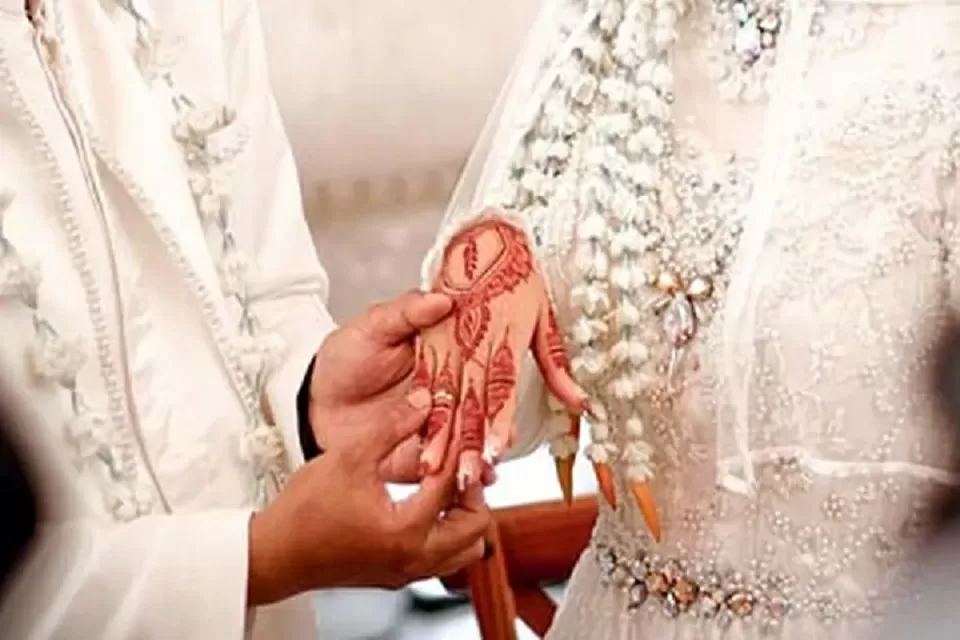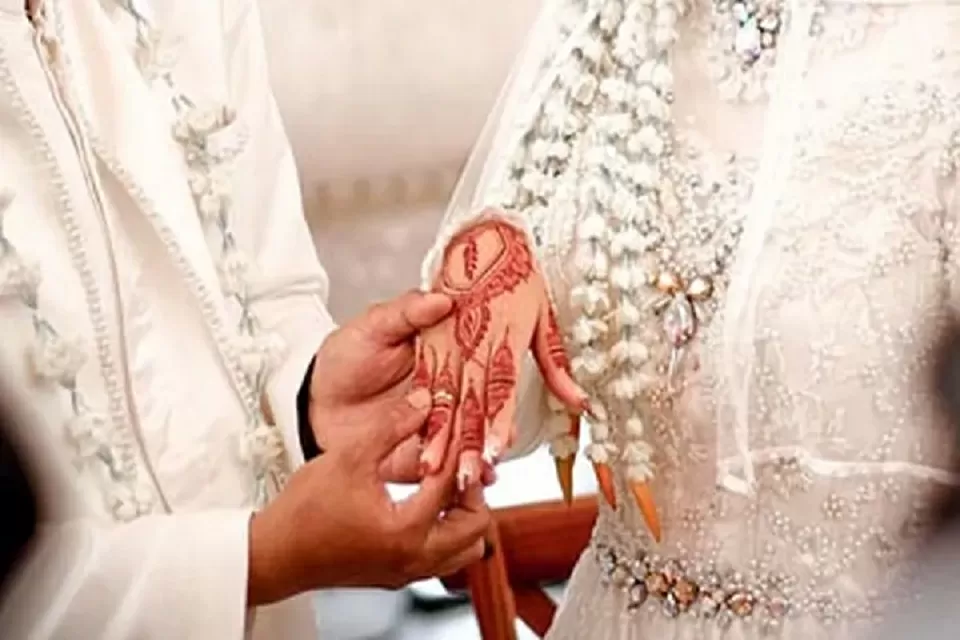
The month of Safar, the second month in the Islamic Hijri calendar, has long been a subject of cultural debate and traditional superstition within various Muslim societies, particularly regarding the performance of significant life events such as marriage. Despite lingering myths that label Safar as a month of misfortune or "bad luck," Islamic jurisprudence (fiqh) and historical precedents provide a starkly different perspective. According to mainstream Islamic scholars, including those of the Shafi’i school of thought, getting married in the month of Safar is not only permissible but is considered a recommended practice (sunnah) by many authorities. This theological stance is rooted in the actions of the Prophet Muhammad SAW, who chose this very month for the marriage of his beloved daughter, Fatimah az-Zahra, to Ali bin Abi Thalib.
The Theological Foundation of Marriage in Safar
In the framework of Islamic law, time is viewed as a neutral vessel created by God, and no specific day or month inherently possesses the power to bring about bad luck or financial ruin. The consensus among contemporary and classical scholars is that the month of Safar is a period of "khair" (goodness). Some scholars have even dubbed it Shafarul Khair to actively counteract the pre-Islamic superstitions that once clouded its reputation.
The legal ruling (hukum) for conducting an akad nikah (marriage contract) or holding a walimatul ursy (wedding feast) in Safar is mubah (permissible) in its basic form, and sunnah (recommended) when following the Prophetic precedent. This aligns with the broader Islamic principle that marriage is a blessed union regardless of the timing, provided the pillars and conditions of the marriage are fulfilled. The notion that a marriage in Safar leads to "shortages" or "debts" is categorized by theologians as thiyarah—the forbidden practice of drawing evil omens from birds, months, or specific events.
Historical Context: The Pre-Islamic Roots of Safar Superstitions
To understand why some communities still harbor hesitations about Safar, one must look back at the Jahiliyyah (pre-Islamic) era in the Arabian Peninsula. Before the advent of Islam, the pagan Arabs held several misconceptions about the month of Safar. They believed it was a month of calamities and "nahas" (misfortune).
One common belief involved a mythical creature or disease within the stomach called "Safar," often described as a large worm or a manifestation of ill-will that could strike a person. Furthermore, because Safar followed the sacred month of Muharram—during which warfare was strictly forbidden—the Arabs of that time often fled their homes or engaged in intense conflict as soon as Safar began. The linguistic root of the word "Safar" itself means "empty" or "void," referring to the houses that were left empty as men went out to forage or fight. Over time, this "emptiness" was misinterpreted as a spiritual or material void, leading to the superstition that any venture started in Safar would result in emptiness or financial failure.
The Prophet Muhammad SAW explicitly addressed and refuted these beliefs. In a well-authenticated Hadith (Prophetic tradition) recorded by Sahih Bukhari and Muslim, the Prophet stated: "There is no contagion (except by the will of Allah), no evil omen, no owl (as a sign of bad luck), and no Safar." This statement was a direct command to dismantle the psychological barriers that prevented people from pursuing their livelihoods or personal happiness during this month.
The Marriage of Fatimah az-Zahra and Ali bin Abi Thalib
The most significant historical event used by scholars to justify the recommendation of marriage in Safar is the union of Sayyidah Fatimah and Sayyidina Ali. According to the classical text Nihayatuz Zain, the Prophet Muhammad SAW facilitated this marriage in the month of Safar, approximately twelve months after the Hijrah (the migration from Mecca to Medina).
The chronicle of this marriage serves as a blueprint for Islamic weddings. It was characterized by simplicity, profound spiritual significance, and the absence of any fear regarding the timing. By marrying his daughter to his cousin and one of the most prominent companions in Safar, the Prophet SAW demonstrated through action that the month was blessed.
Scholars from the Shafi’i school often cite this event alongside the Prophet’s own marriage to Aisha bint Abu Bakr, which took place in the month of Syawal. Consequently, Syawal and Safar are highlighted in many manuals of Islamic jurisprudence as the two most preferred months for weddings, specifically to challenge and eradicate the superstitions held by the pre-Islamic population.
Scholarly Analysis and Legal Evidence
The Islamic legal perspective is further solidified in the Al-Mausu’ah Al-Fiqhiyah Al-Kuwaitiyah (The Kuwaiti Encyclopedia of Jurisprudence), which compiles the views of various schools of law. It notes that Al-Zuhri narrated the Prophet’s role in the marriage of Fatimah and Ali specifically to highlight its occurrence in Safar.
Modern scholars argue that maintaining superstitions about Safar is a form of shirk asghar (minor polytheism) if one believes that the month itself has the power to cause harm independently of God’s will. The Indonesian Council of Ulama (MUI) and other regional religious bodies have frequently issued guidance to the public, emphasizing that business failures or marital disputes are the results of human actions, lack of compatibility, or economic factors—not the celestial timing of the wedding.
From a logical and sociological standpoint, the belief that "Safar causes debt" is a self-fulfilling prophecy or a cognitive bias. If a couple believes they will fail because they married in a "bad month," they may lack the psychological resilience needed to face normal marital challenges. Conversely, Islam encourages Tawakkul (trust in God), which empowers couples to build their lives on a foundation of faith rather than fear.
Regional Variations and Cultural Persistence
In Southeast Asia, particularly in Indonesia and Malaysia, the month of Safar is sometimes associated with traditions like Rebo Wekasan (the last Wednesday of Safar). While some view this day as a time for special prayers to seek protection from calamities, others have misinterpreted it as proof that the entire month is dangerous.
Religious educators (Ustadhs and Kyais) in the region have worked to reframe these cultural practices. They emphasize that while seeking protection from God is always encouraged, it should not be rooted in the fear that Safar is inherently "evil." The enrichment of the article with these local contexts shows that the struggle against khurafat (superstition) is an ongoing effort in the modern Muslim world.
Economic and Social Implications of the Myth
The superstition surrounding Safar has practical implications for the wedding industry and social planning. In some traditional communities, wedding venues and vendors see a significant drop in bookings during Safar, only to be overwhelmed in the preceding month of Muharram or the following month of Rabi’ al-awwal.
By debunking these myths, religious authorities aim to distribute social events more evenly throughout the year, reducing the financial burden on families who might otherwise feel pressured to compete for "lucky" dates. Furthermore, promoting marriage in Safar encourages a more rational approach to financial planning. Instead of blaming the month for "many debts," Islamic teachings suggest that couples should focus on the Walimah (feast) being within their means, as overspending on a wedding is a more direct cause of debt than the date on the calendar.
Conclusion: Embracing Shafarul Khair
The weight of evidence from the Quran, Hadith, and historical records points to one conclusion: the month of Safar is a perfectly suitable, and even blessed, time for marriage. The precedent set by the Prophet Muhammad SAW in the marriage of Ali and Fatimah serves as an eternal refutation of the idea that any time of the year is "unlucky" for a sacred union.
For the modern Muslim, the month of Safar represents an opportunity to practice Sunnah by rejecting baseless superstitions and moving forward with life’s major milestones with confidence. The transition from viewing Safar as a month of "emptiness" to a month of "goodness" reflects the broader Islamic mission of replacing fear with faith and ignorance with knowledge. As society continues to evolve, the clarity provided by Islamic jurisprudence ensures that the path to marriage remains open and auspicious in every month of the year, including Safar.